

What they do
Cattails create dense, protective wetland habitat and stabilize soggy edges.
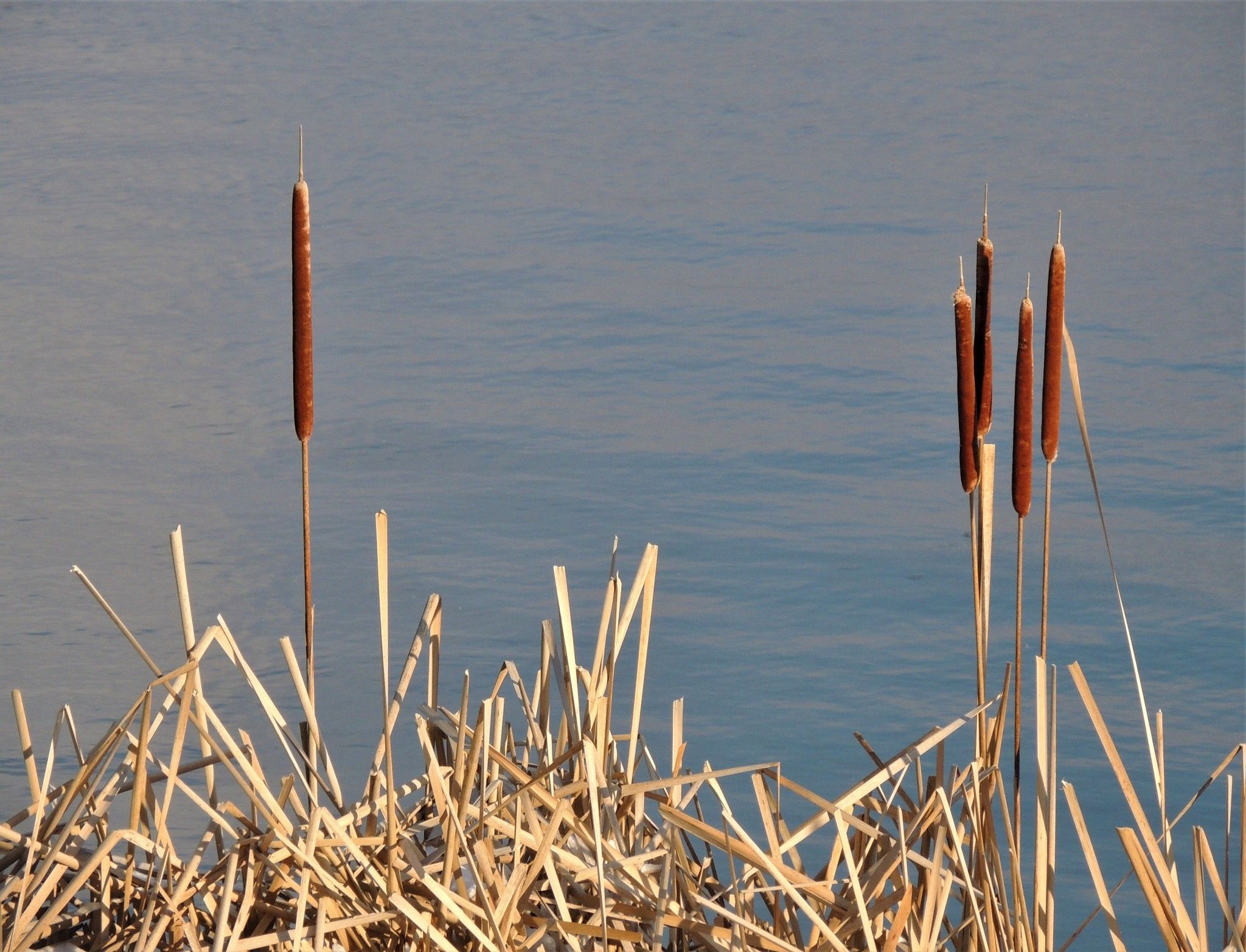
Genus Typha
Cattails are tall wetland plants (genus Typha) that create shelter, nesting material, and calm-water edges where many small creatures can live. They’re best used to naturalize ponds, rain gardens, and soggy corners—where their spreading habit is a feature, not a problem.
Plant Type
Aquatic & wetland plants > Cattails
Aliases
Cattail
Native Range
Common in many regions; species vary by area.
Bloom window
Summer
OVERVIEW
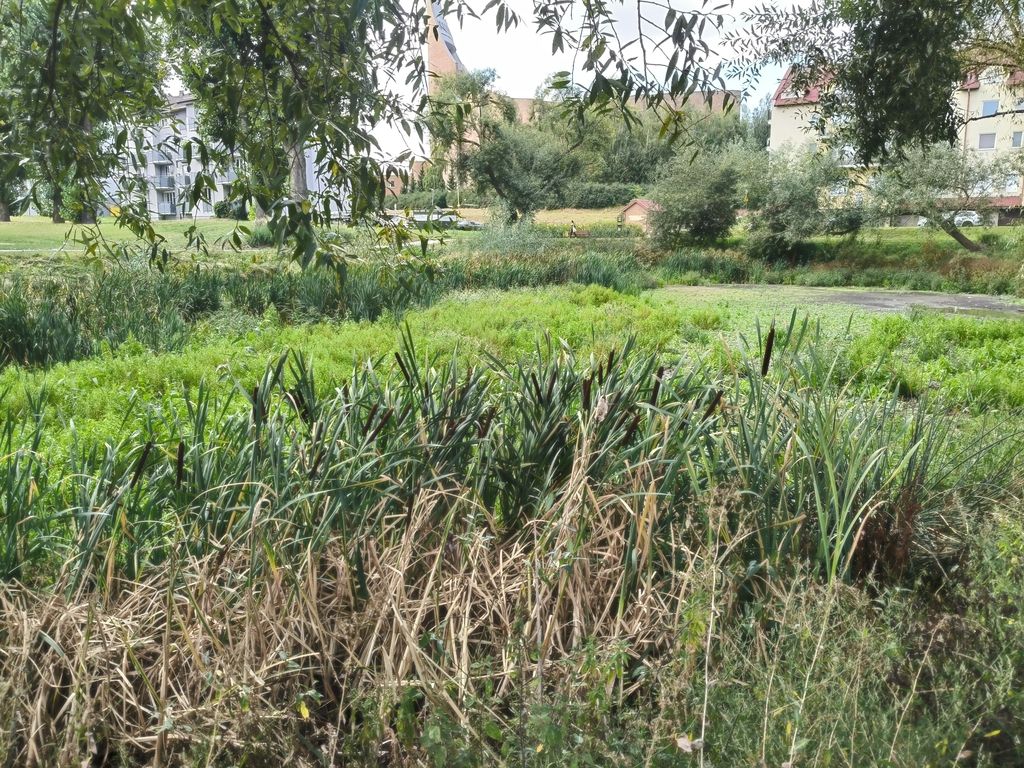
Cattails (genus Typha) are wetland plants that thrive where the ground stays wet or where water is shallow. They’re often used to naturalize pond edges and the wettest parts of rain gardens, creating a tall, dense stand that offers shelter and structure.
Because cattails can spread, they’re best treated as a habitat feature rather than a small accent plant. If you’re working in a tight space, plan for containment or choose a different wetland plant that stays in a smaller clump.
In schoolyard or community projects, cattails can be a strong choice for soggy corners that are hard to mow or plant with typical garden flowers—turning a problem spot into a living edge.
FAST FACTS
Essential stats and requirements for quick reference.
| Category | Details |
|---|---|
| Also known as | Cattail |
| Bloom window | Summer |
| Typical height | Tall |
| Pollinators supported | Bees, Flies |
| Light & moisture | Sun to part sun; wet soil to shallow water |
| Best roles for pollinators | Pond edges, rain gardens, and wet spots where you want fast, natural-looking habitat and don’t mind a plant that spreads. |
SUMMARY
A quick scan of what they do, what they need, and the best first step.
Cattails create dense, protective wetland habitat and stabilize soggy edges.
Consistently wet ground or shallow water and room to spread.
Plant cattails only where you can contain them (or where spreading is welcome).
IMPACT
Key Impacts
RECOGNITION
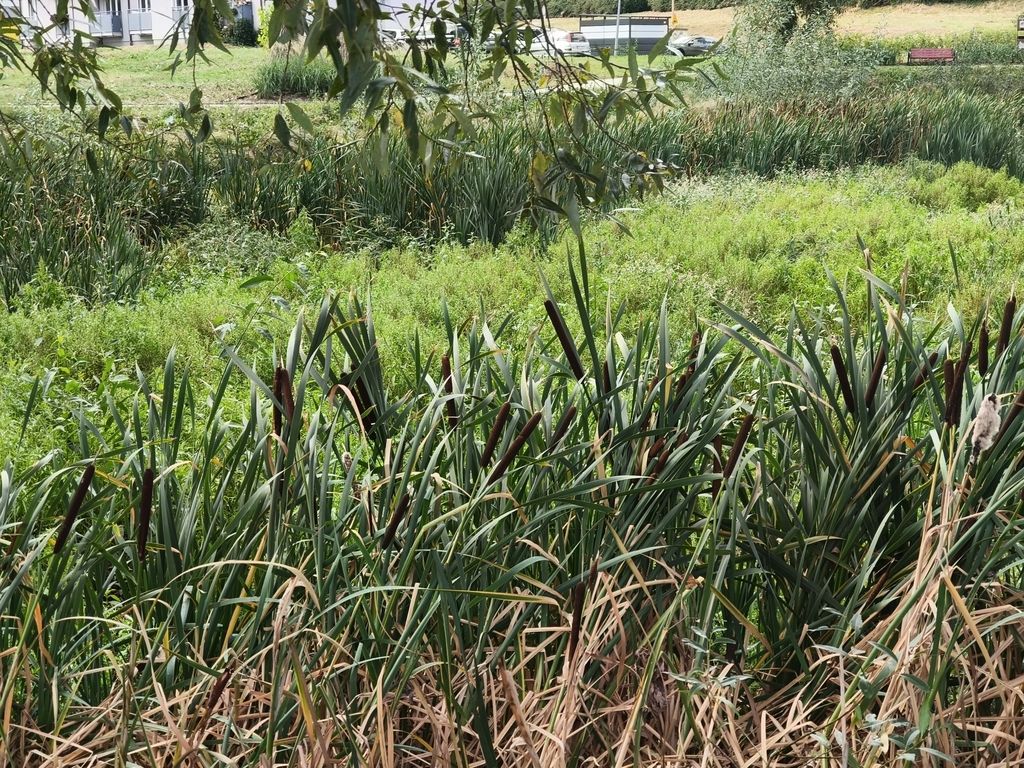
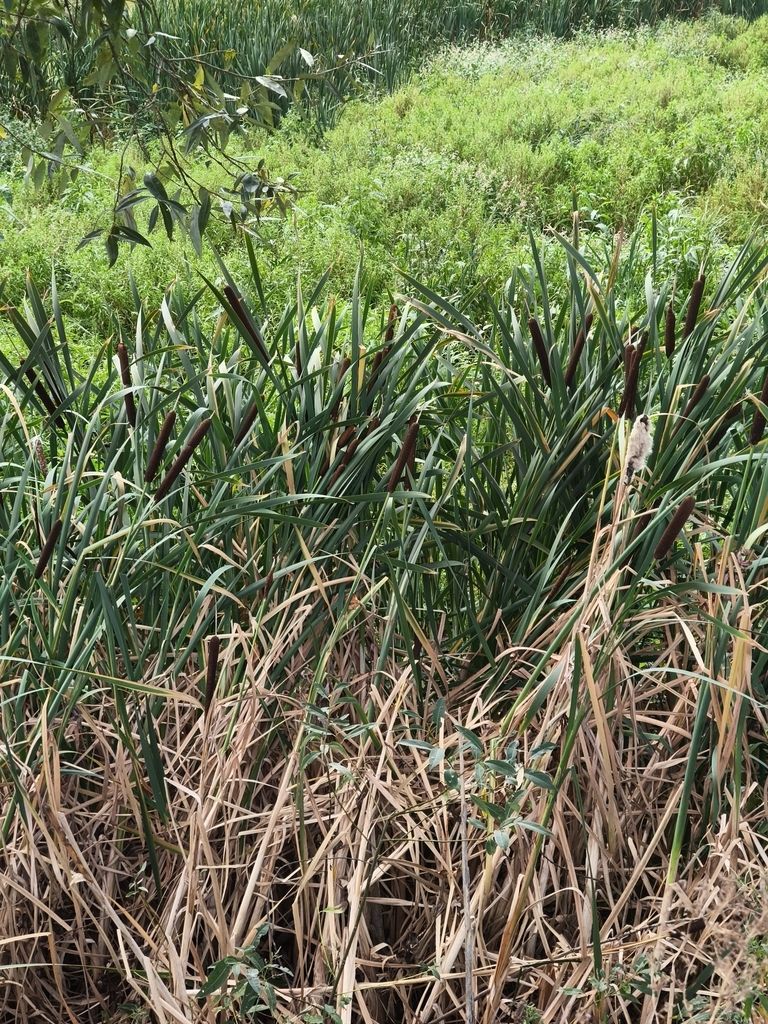
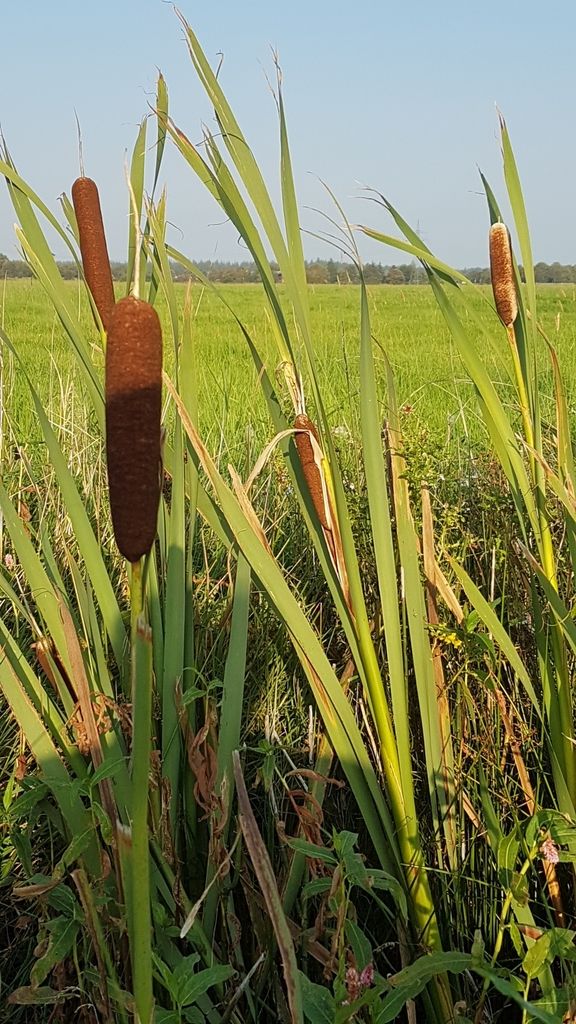
Long, flat, strap-like leaves that rise from the base and form dense clumps or stands.
Small, not showy; flowering leads to the familiar brown seed head.
A dense, brown seed head that later releases fluffy seeds.
LOCATION
Native environments and the best spots to place it in your landscape.
SEASONALITY
Notes on bloom windows and how this plant helps pollinators across the seasons.
Cattails flower in warm weather and then form the well-known seed heads.
Bloom Season Role: Habitat builder (structure and shelter) more than a showy nectar plant
REQUIREMENTS
The right mix of sun, soil, and space for healthy growth.
Best in sun; can handle part sun.
Mucky, silty, or consistently wet soils; also grows in shallow water.
Keep consistently wet; do not let new plantings dry out.
Plant at the edge of water or in the wettest part of a rain garden. Give it space and plan for spread.
Usually not needed in wet zones; if used, keep mulch thin and away from the crown so it doesn’t smother new shoots.
GARDENING GUIDE
Simple steps to plant, prune, and maintain healthy trees without pesticides.
Pairings
Pairing ideas to keep pollinators fed throughout the growing season.
GLOSSARY
Glossary terms are being added.
What You Can Do
Turn this knowledge into action. Whether you plant a single pot or a whole garden, you are building a vital bridge for local biodiversity.
Join the movement to restore our shared habitats.