

What they do
Camas adds a strong spring bloom window and can help fill the “gap” before many summer flowers start.
Genus Camassia
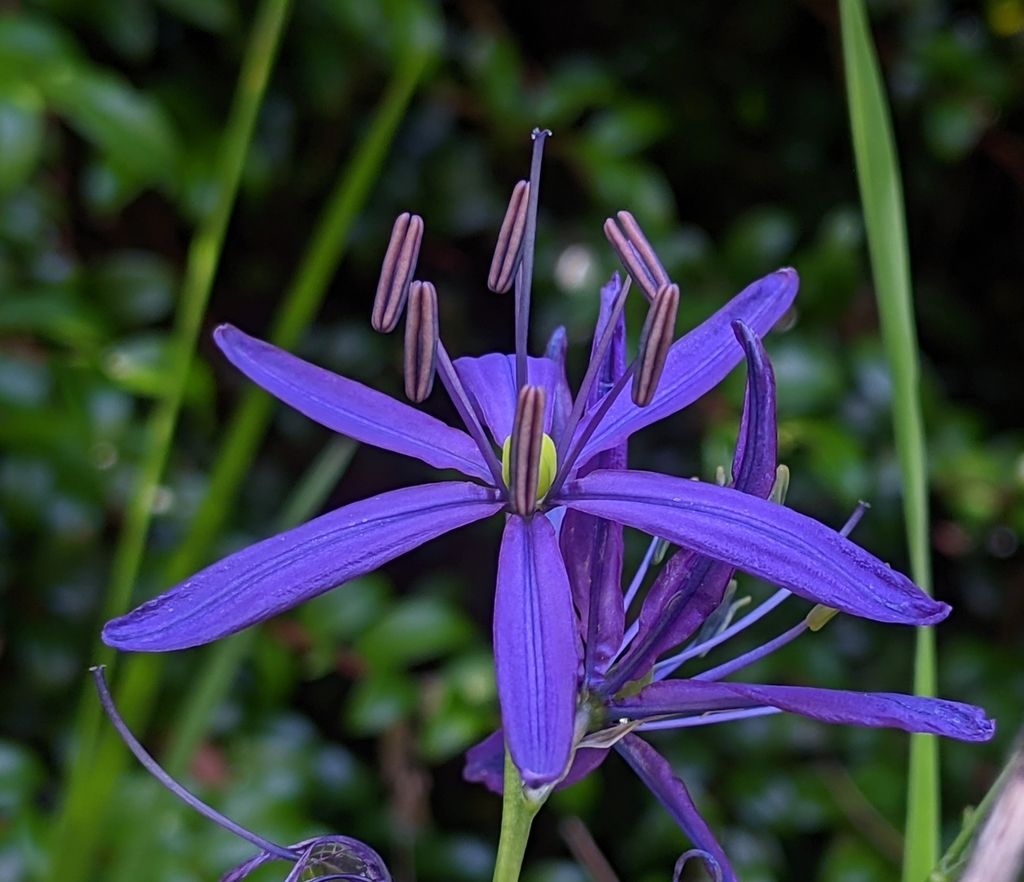
Camas (Camassia spp.) is a spring-blooming bulb with starry blue-to-purple flowers that can light up sunny meadows and garden beds while offering early-season nectar and pollen for visiting insects.
Plant Type
Bulbs & geophytes > Camas
Aliases
Camas
Native Range
Native to parts of western North America
Bloom window
Spring
OVERVIEW
Camas (Camassia spp.) are essential, spring-blooming bulbs valued for their tall, striking spikes of blue-to-purple flowers. Their primary ecological role is providing a vital early-season energy boost, offering accessible nectar and pollen during a time when few other resources are available for emerging native pollinators.
For best results in a habitat garden, plant Camas bulbs in the fall in a sunny spot where the soil is moist during the spring bloom but drains well afterward. A key functional step for maintenance is allowing the foliage to fully yellow and fade naturally after flowering, as this process recharges the bulb for the next season. Maximize pollinator benefit by planting them in small drifts and ensuring the area remains pesticide-free during their short, intense bloom window.
FAST FACTS
Essential stats and requirements for quick reference.
| Category | Details |
|---|---|
| Also known as | Camas |
| Bloom window | Spring |
| Typical height | Medium-tall flower spikes |
| Pollinators supported | Bees, Butterflies |
| Light & moisture | Sun to part sun; moisture in spring, not soggy year-round |
| Best roles for pollinators | Spring color, meadow-style plantings, and early-season pollinator support |
SUMMARY
A quick scan of what they do, what they need, and the best first step.
Camas adds a strong spring bloom window and can help fill the “gap” before many summer flowers start.
A bright spot with decent spring moisture and soil that drains well after heavy rains.
Plant a small cluster of bulbs and let the leaves yellow naturally after flowering.
IMPACT
Key Impacts
RECOGNITION
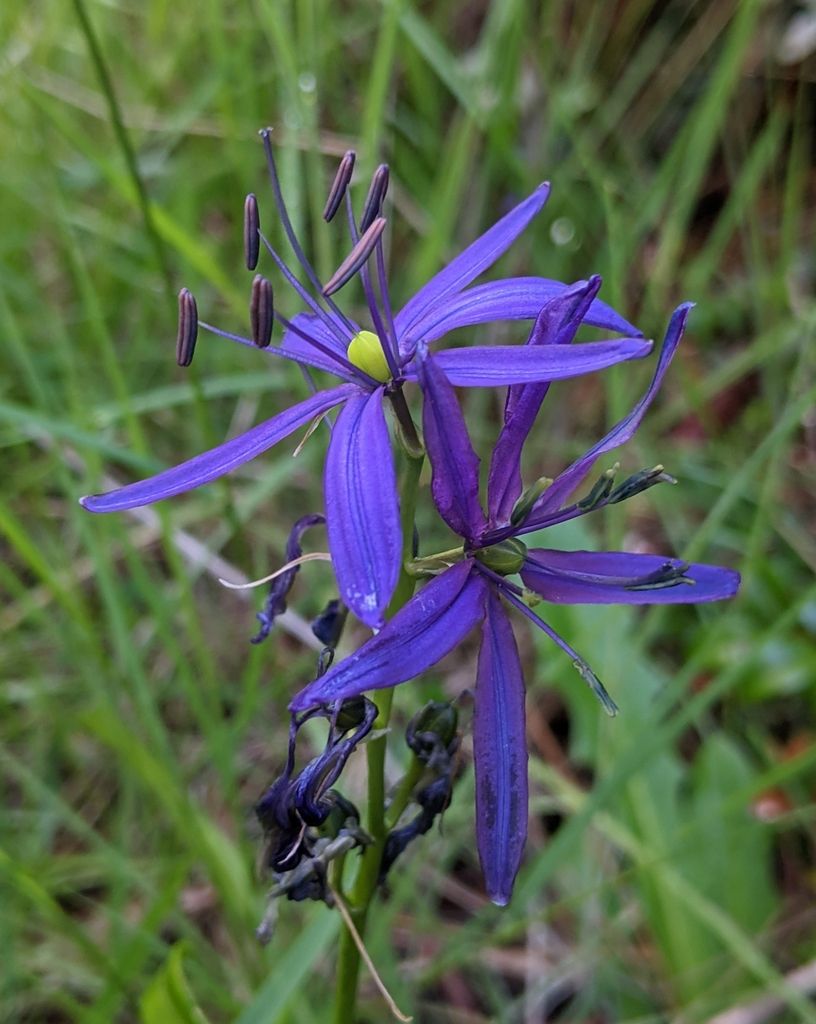
Basal, narrow, strap-like leaves that resemble thick grass blades.
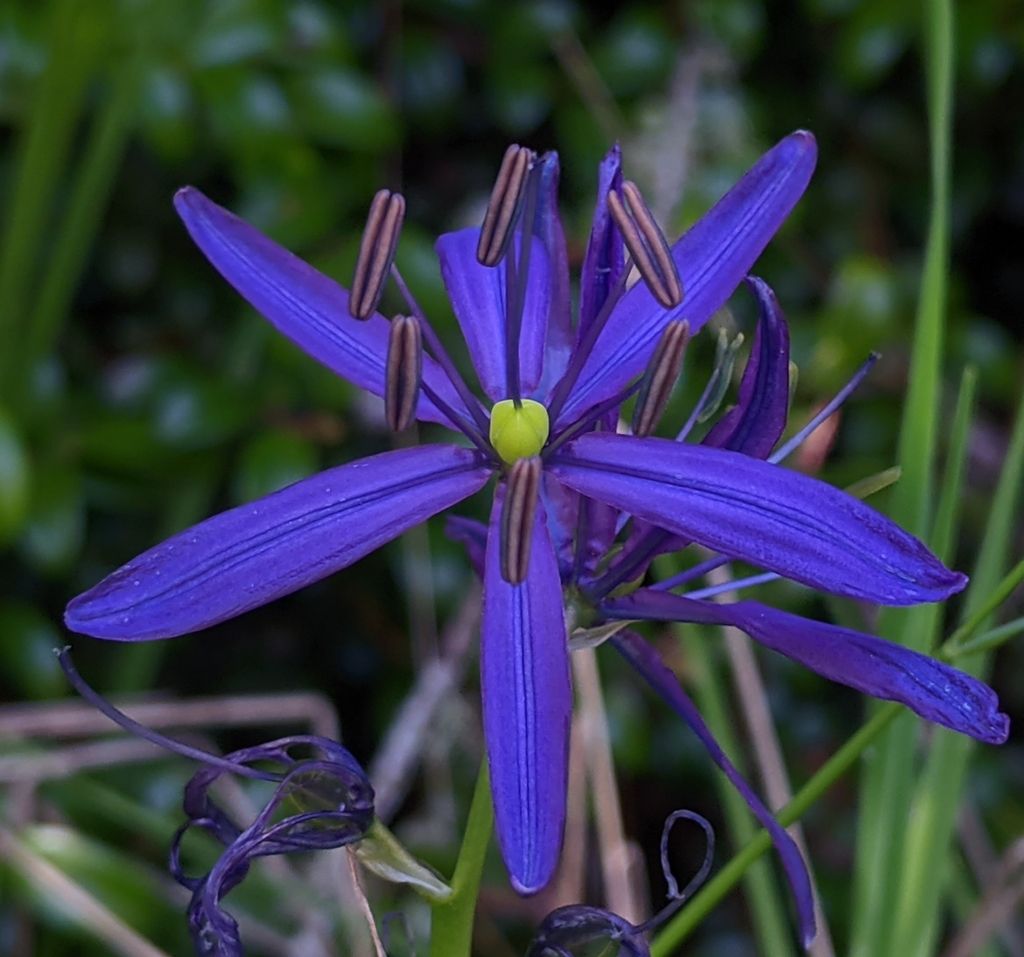
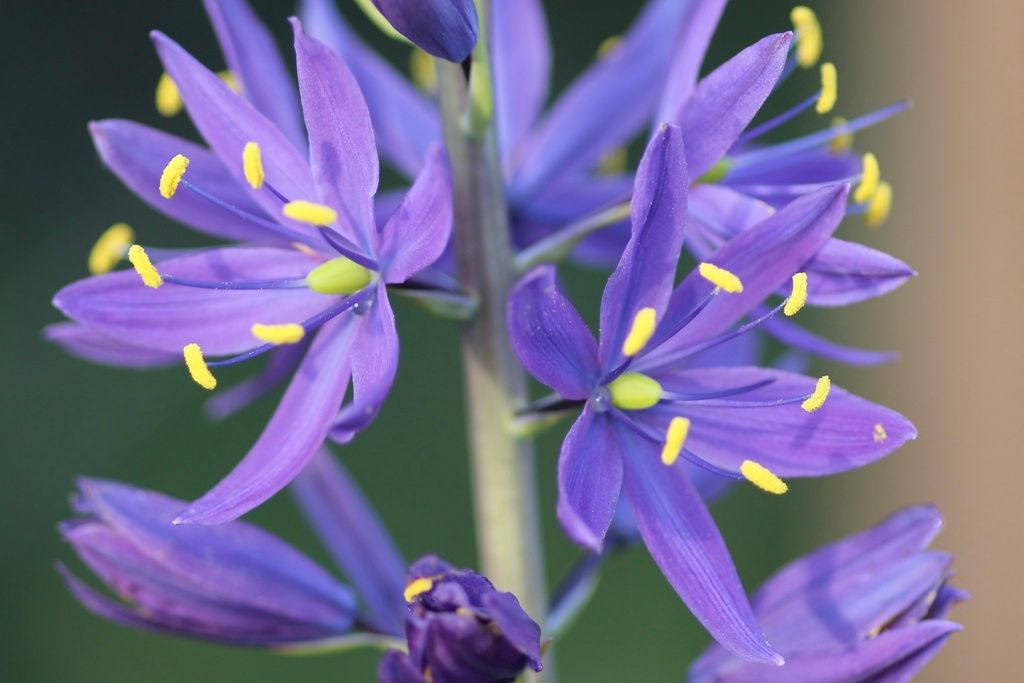
Star-shaped flowers arranged along a tall spike; commonly blue to purple.
After bloom, flowers can form small seed capsules as the plant finishes its cycle.
LOCATION
Native environments and the best spots to place it in your landscape.
SEASONALITY
Notes on bloom windows and how this plant helps pollinators across the seasons.
Camas typically blooms in spring, offering color and forage before many summer flowers begin.
Bloom Season Role: Early-season nectar and pollen
REQUIREMENTS
The right mix of sun, soil, and space for healthy growth.
Choose a spot with full sun to part sun for best flowering.
Loamy or sandy soils are often easiest; avoid spots that stay waterlogged.
Water during establishment and during dry springs; once established, aim for consistent spring moisture without soggy soil.
Plant bulbs in fall. Set them with the pointed end up and space them so they can form a small group.
Use a light mulch to reduce weeds and protect soil, but don’t bury the crown area too deeply.
GARDENING GUIDE
Simple steps to plant, prune, and maintain healthy trees without pesticides.
Pairings
Pairing ideas to keep pollinators fed throughout the growing season.
GLOSSARY
Glossary terms are being added.
What You Can Do
Turn this knowledge into action. Whether you plant a single pot or a whole garden, you are building a vital bridge for local biodiversity.
Join the movement to restore our shared habitats.
Pollinators supported
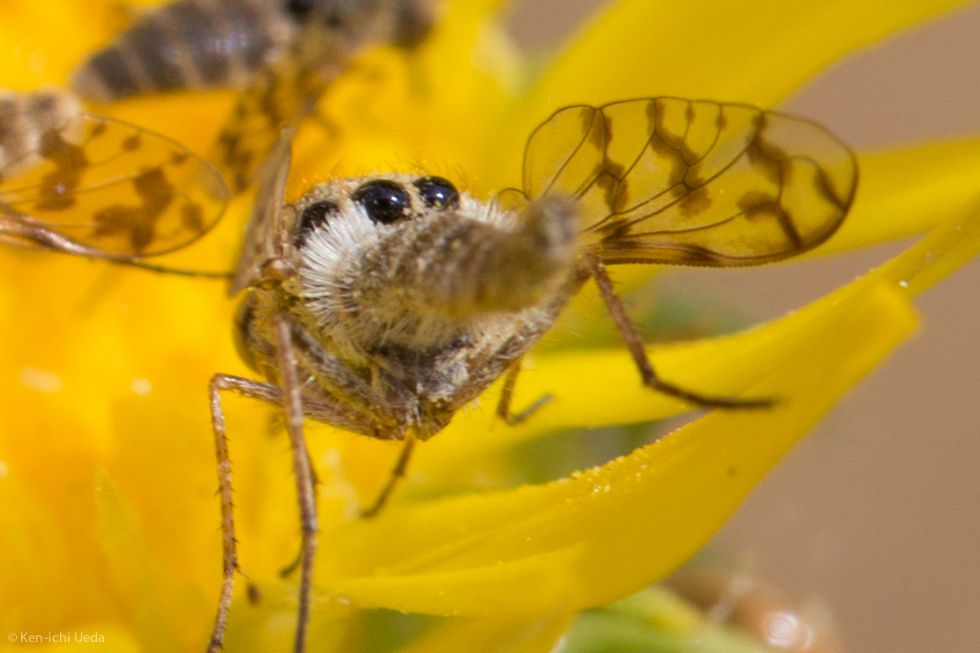
Adults visit flowers for nectar and can move pollen between blooms; their presence is a sign of diverse, functioning habitats.
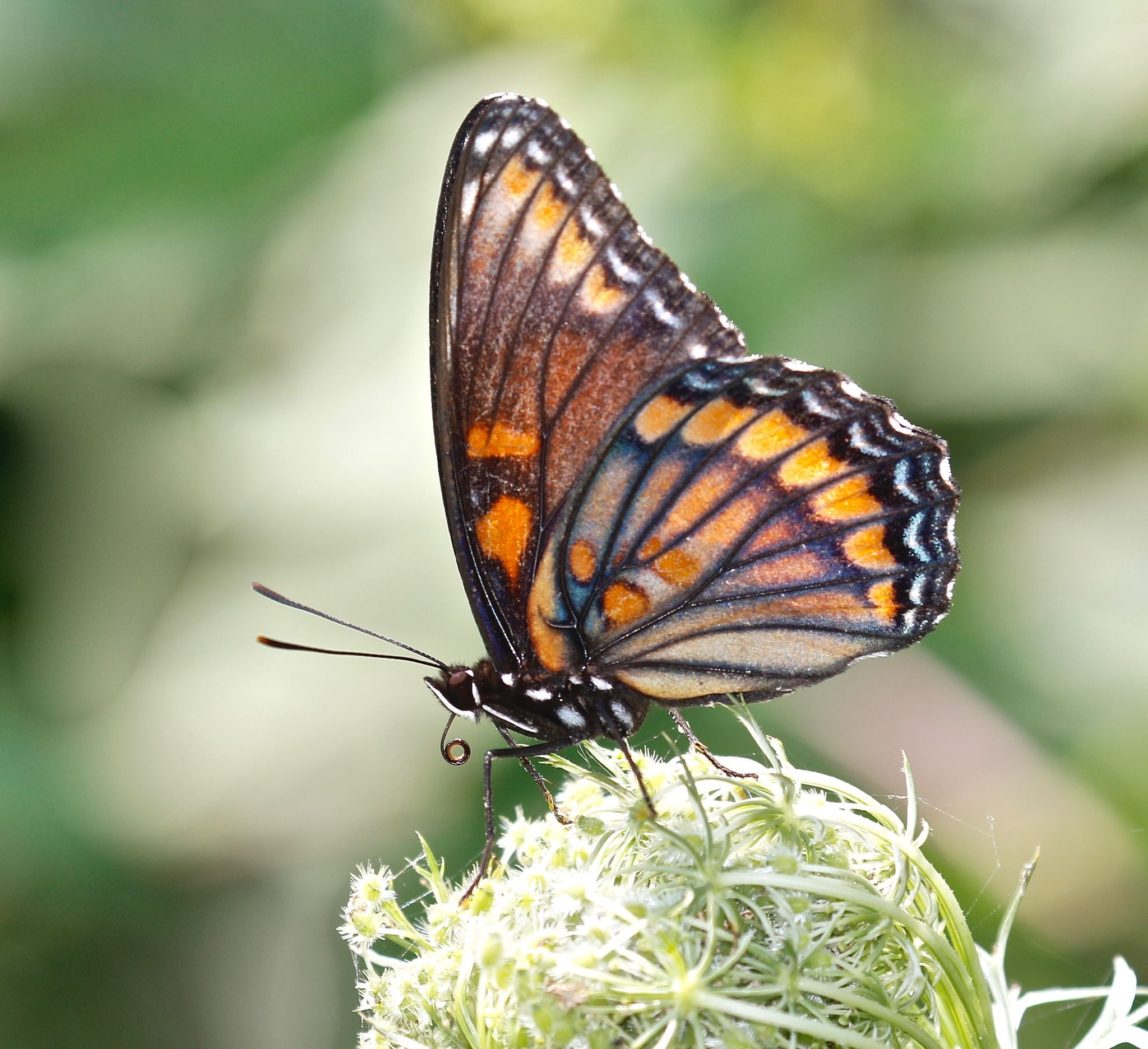
Many brushfoots move pollen between flowers as they feed, and their caterpillars are part of healthy food webs.
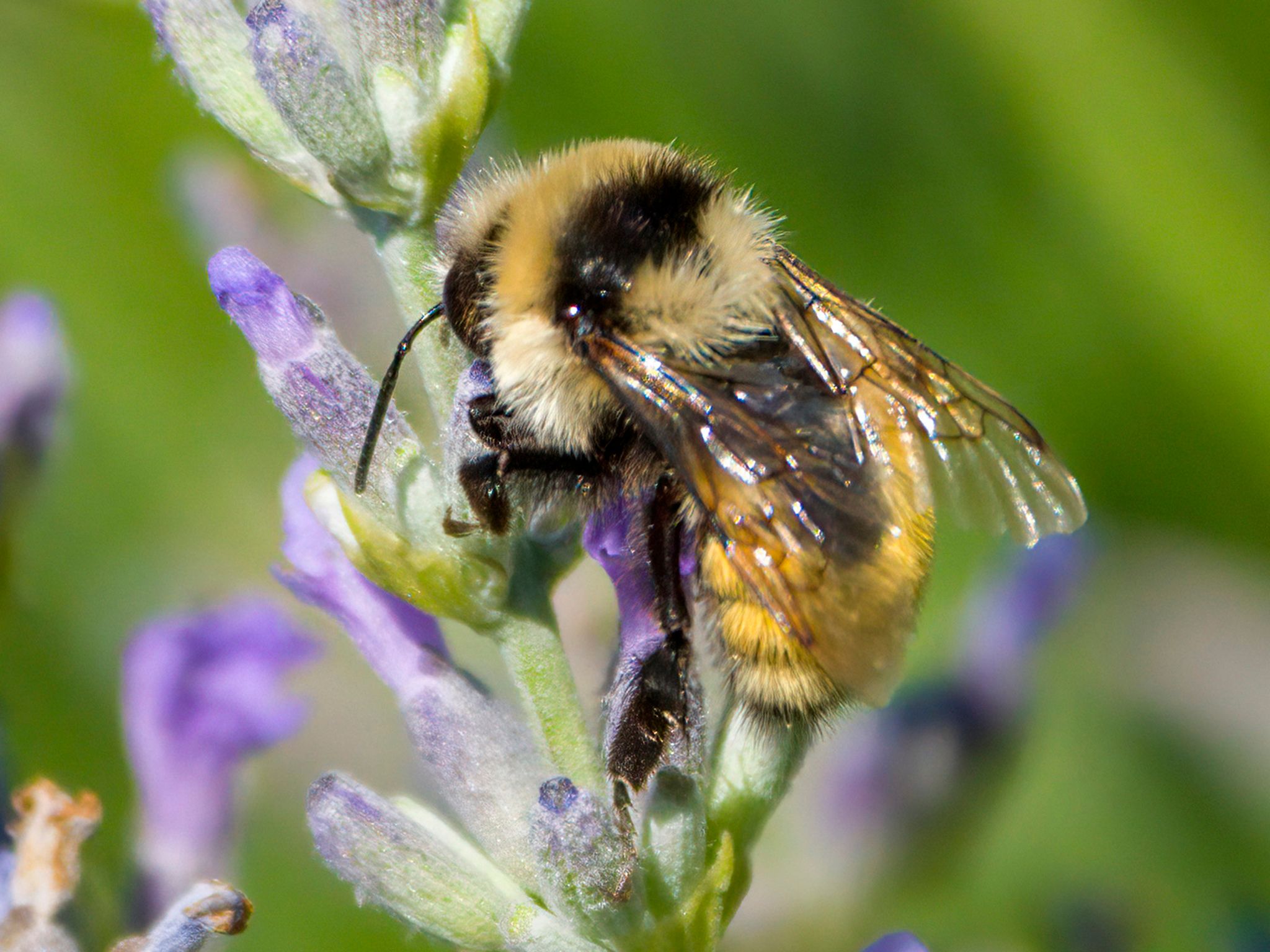
Bumble bees are important pollinators of many wildflowers and garden plants, helping ecosystems and food crops reproduce.
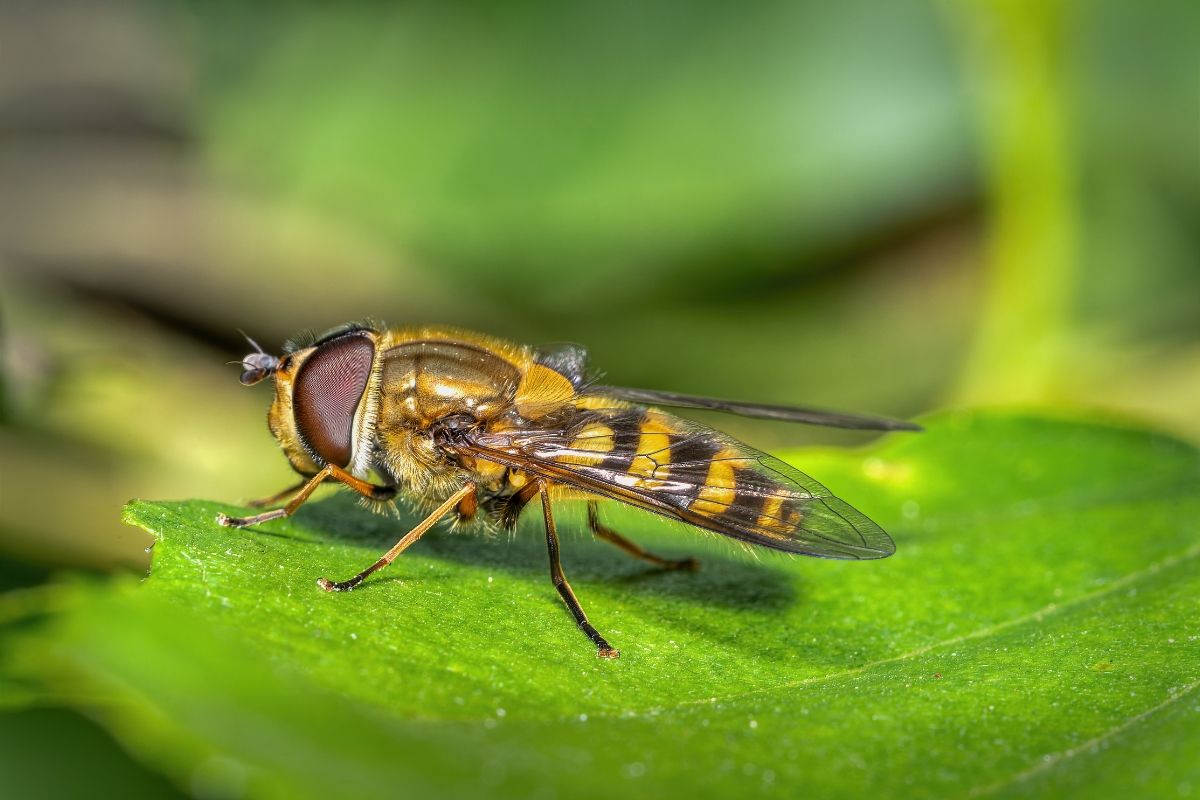
Adults visit flowers for nectar and pollen, and many species’ larvae help keep plant-eating pests in check.
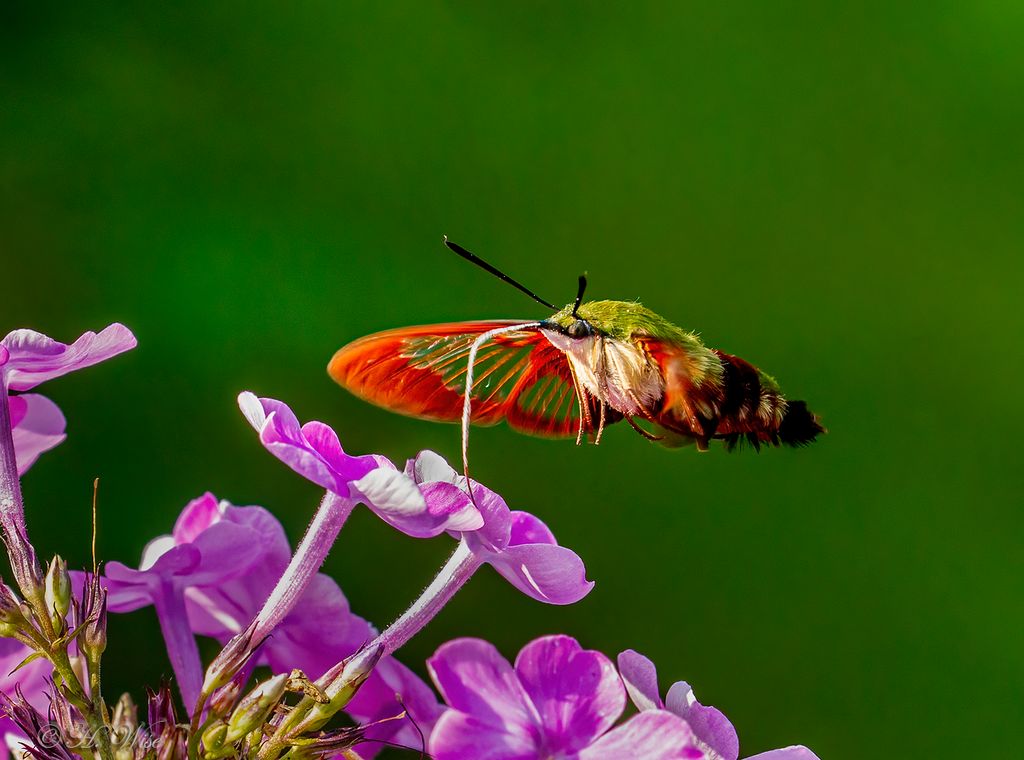
They can move pollen between flowers while feeding on nectar, especially for blooms that open or scent up in the evening.
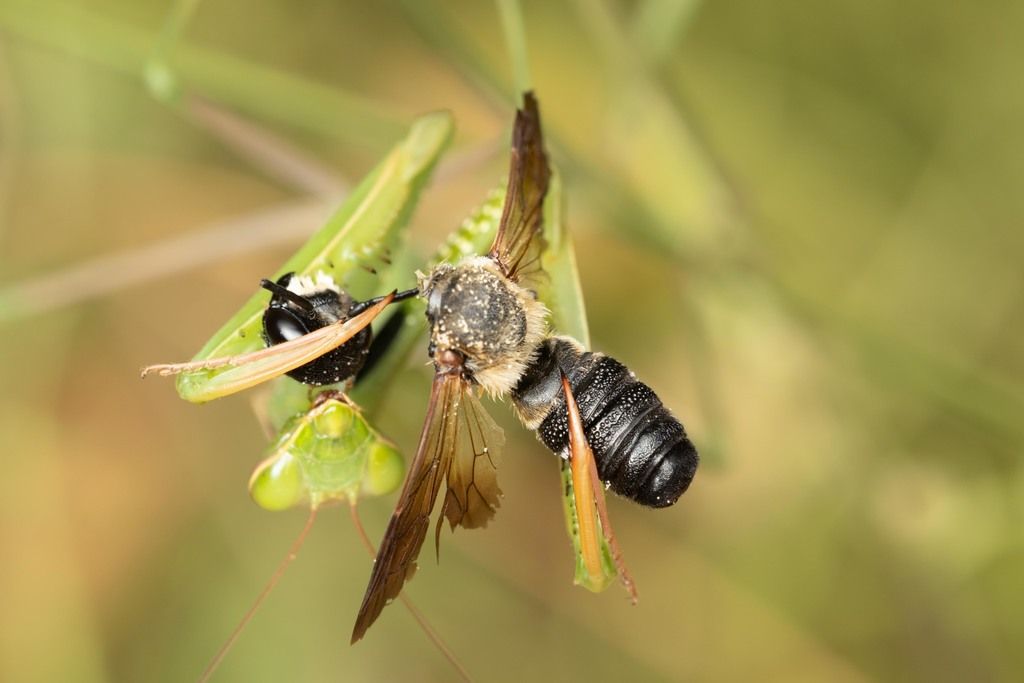
They move pollen between flowers while foraging, helping many wild plants and garden plants set seed and fruit.
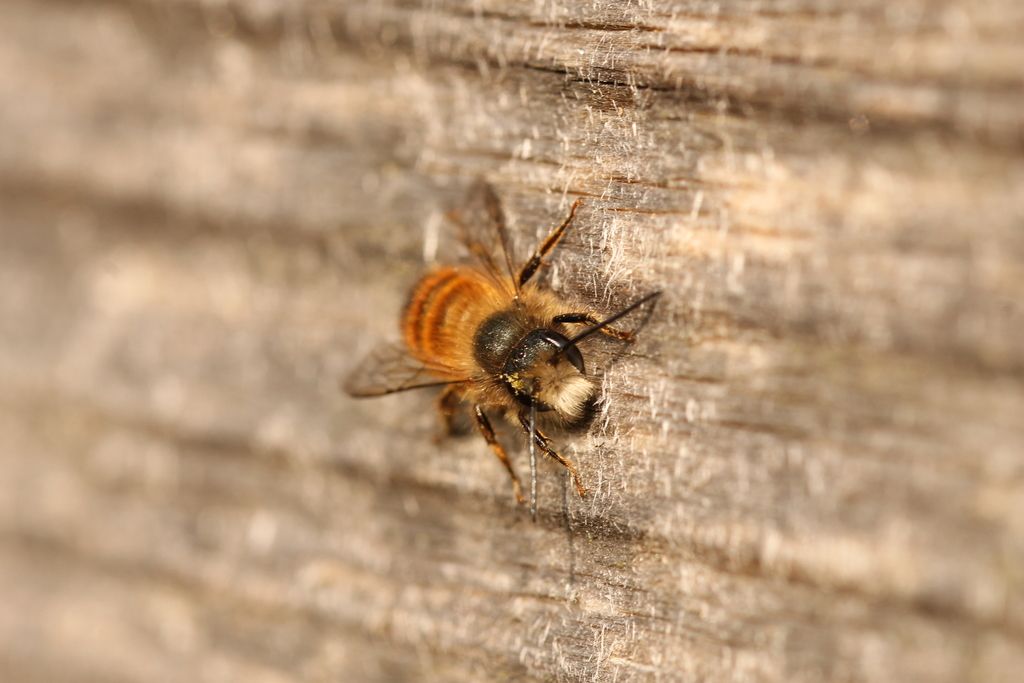
They move pollen between flowers while foraging, helping many wild plants and garden crops set seed and fruit.
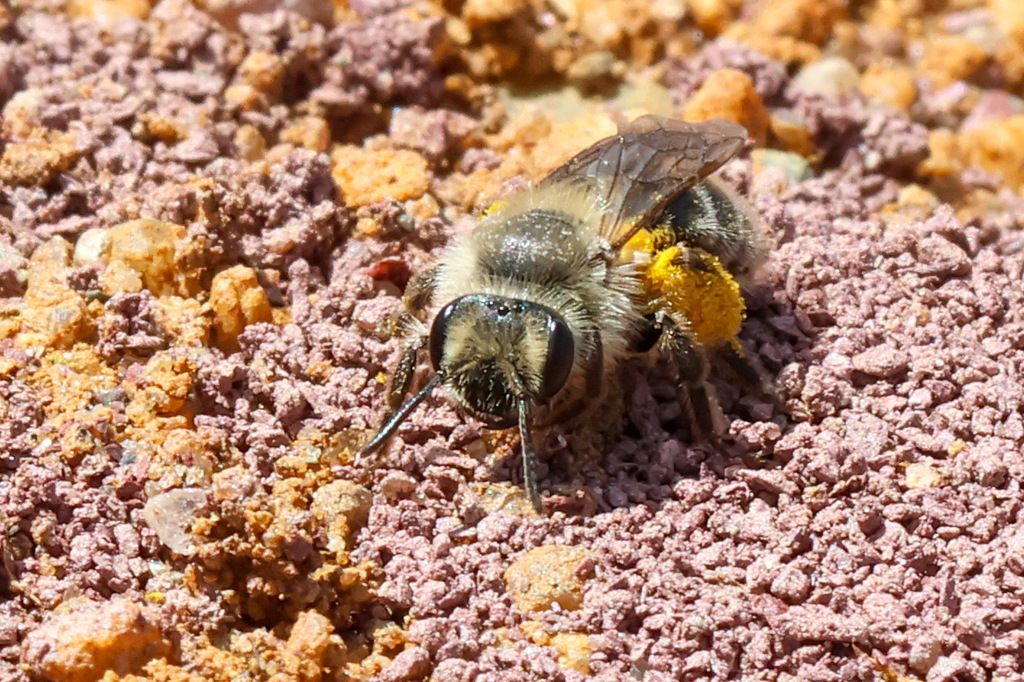
They move pollen between flowers while foraging, helping many wild plants and garden plants set seed and fruit.
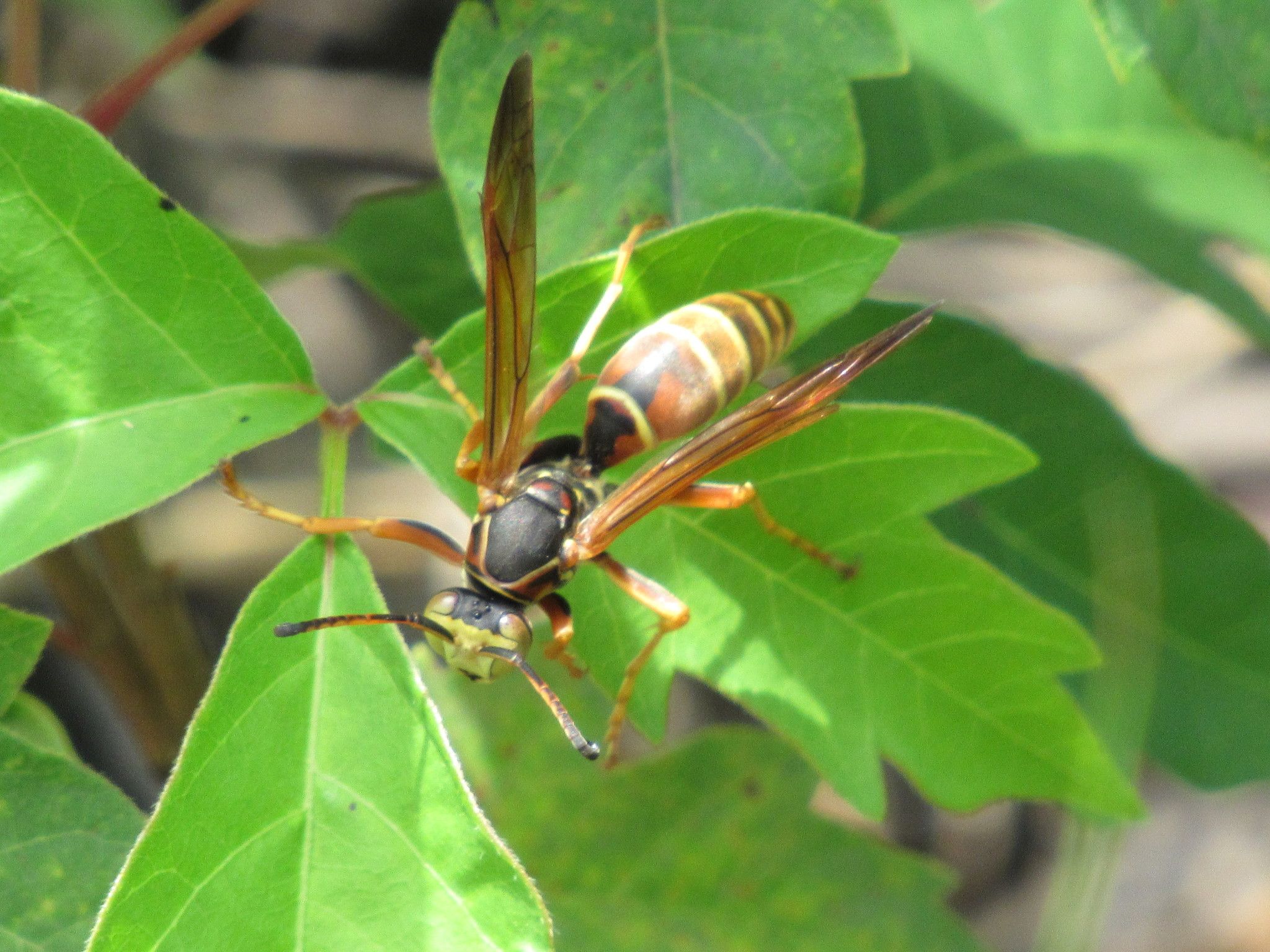
They can move pollen while drinking nectar, and they also help control many plant-eating insects.
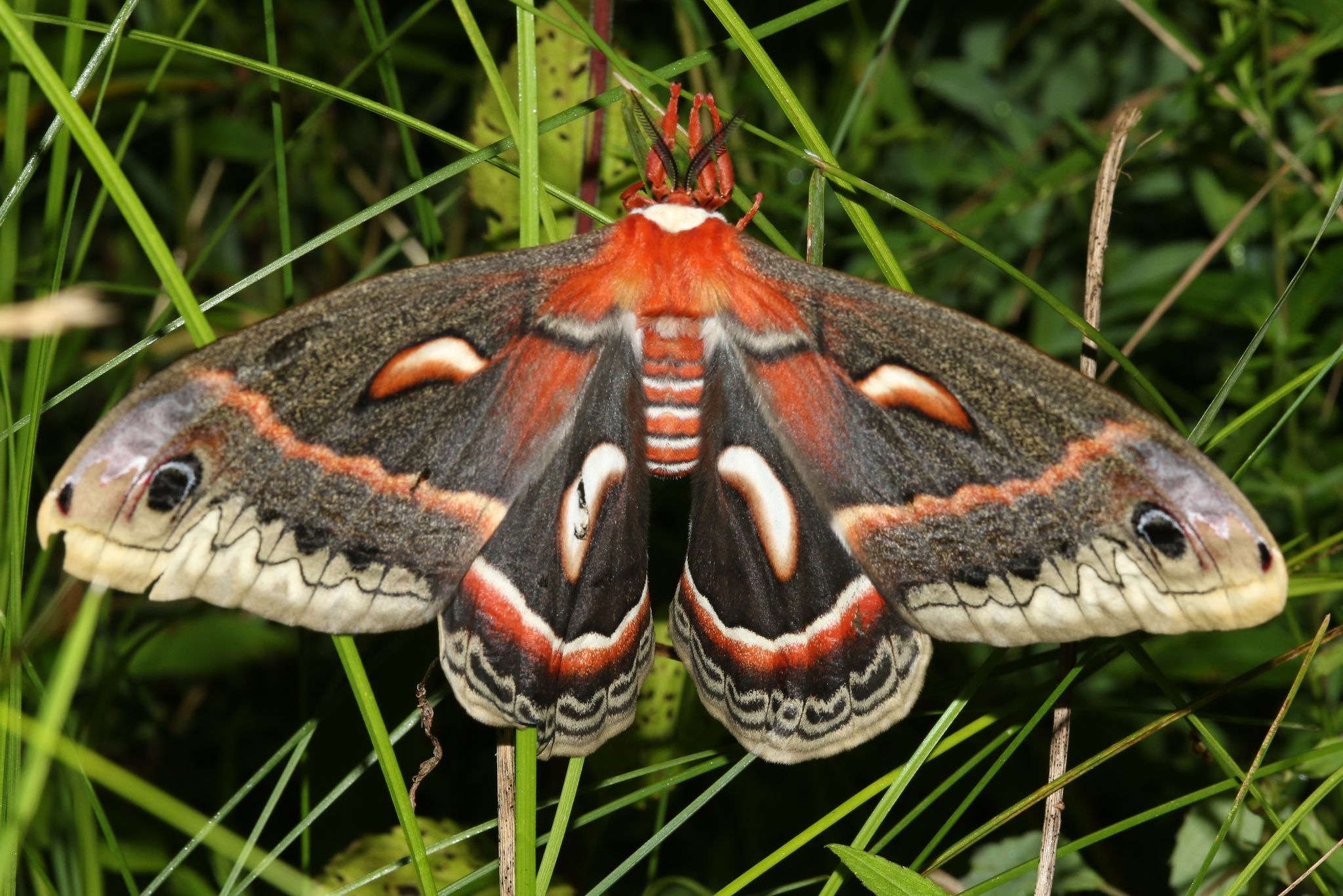
They’re part of healthy food webs and plant communities, and their caterpillars depend on a wide range of native trees and shrubs.
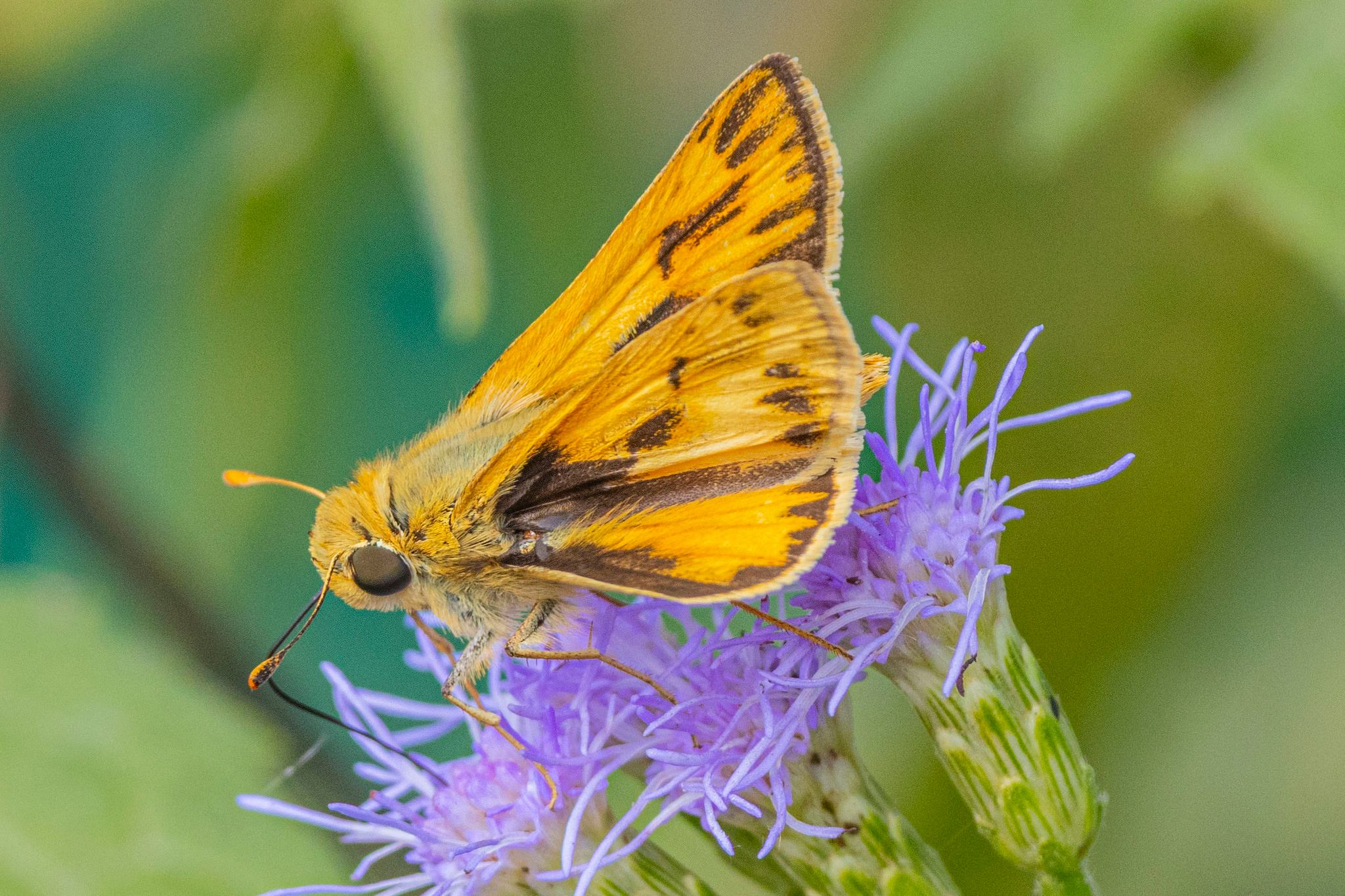
Skippers visit many flowers for nectar and can help move pollen between blooms while they feed.
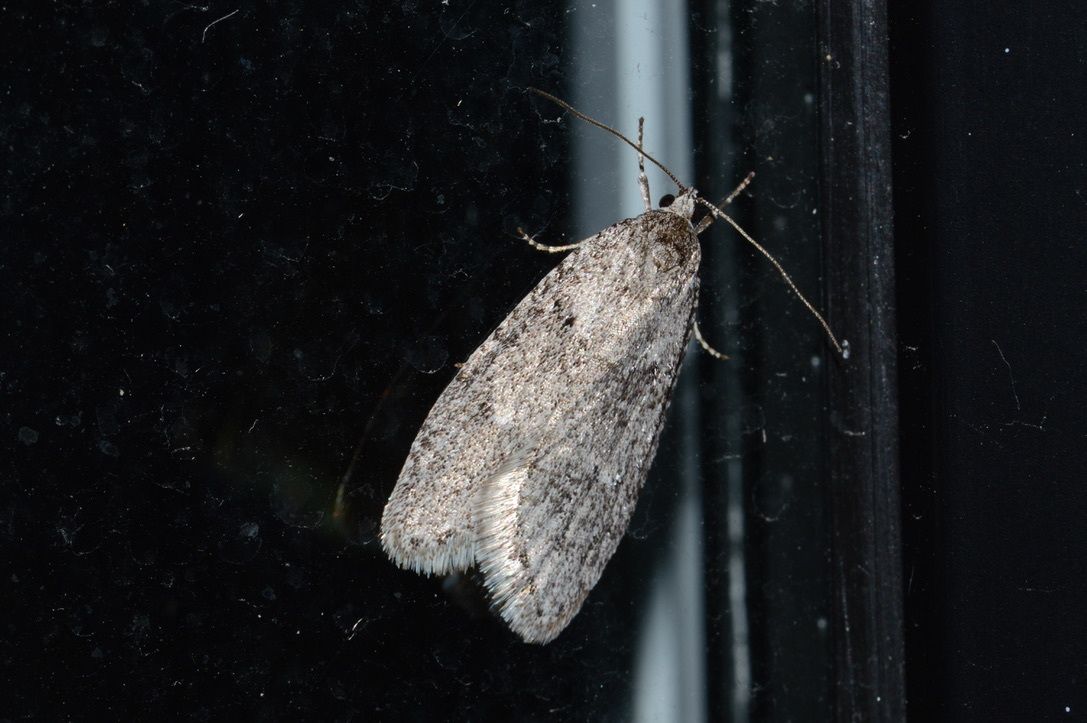
Many small moths move pollen while feeding on nectar, supporting wild plants and garden blooms—especially in the evening and at night.
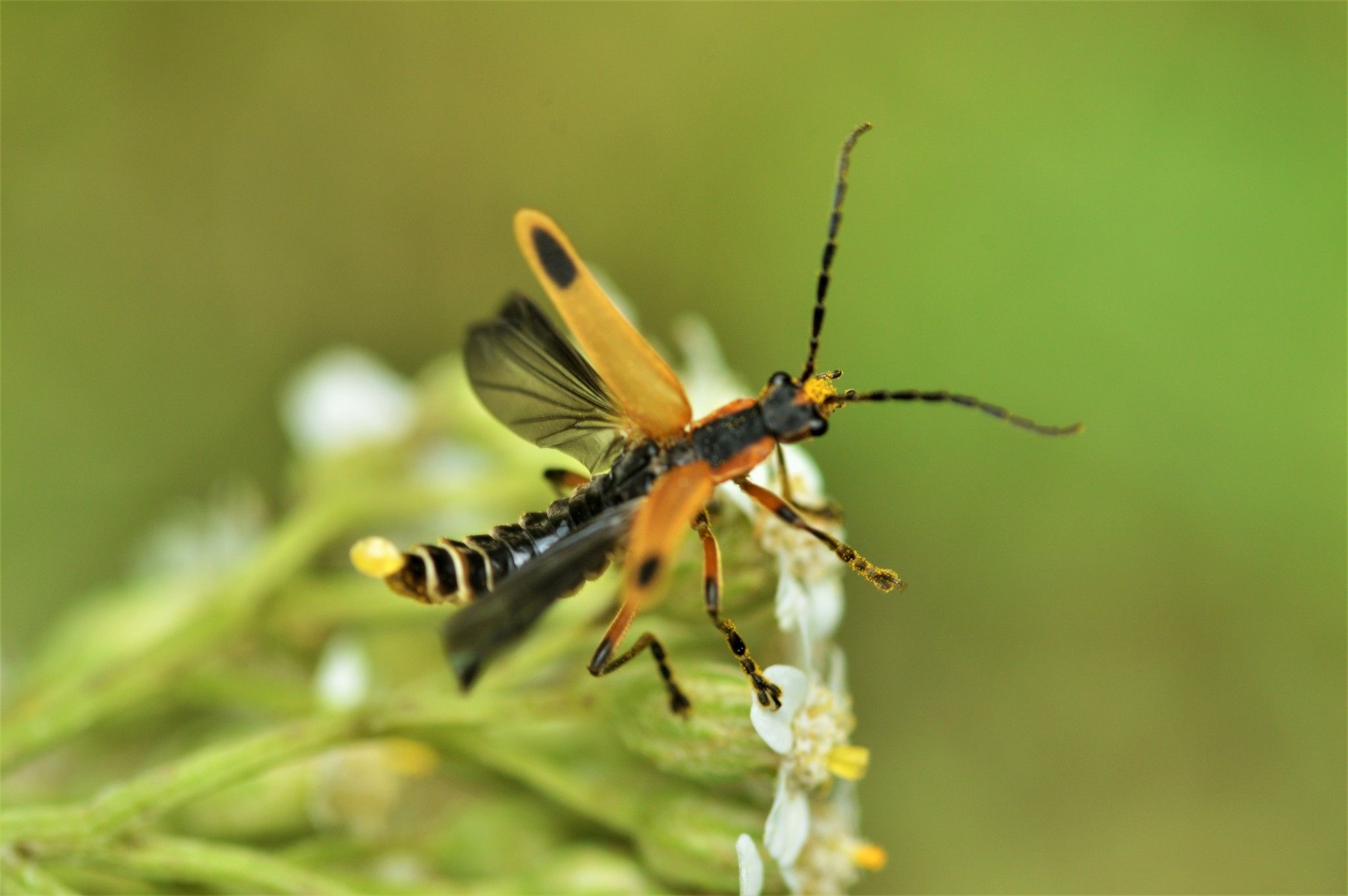
Many adults visit flowers and can move pollen between blooms, while also helping control some garden pests.
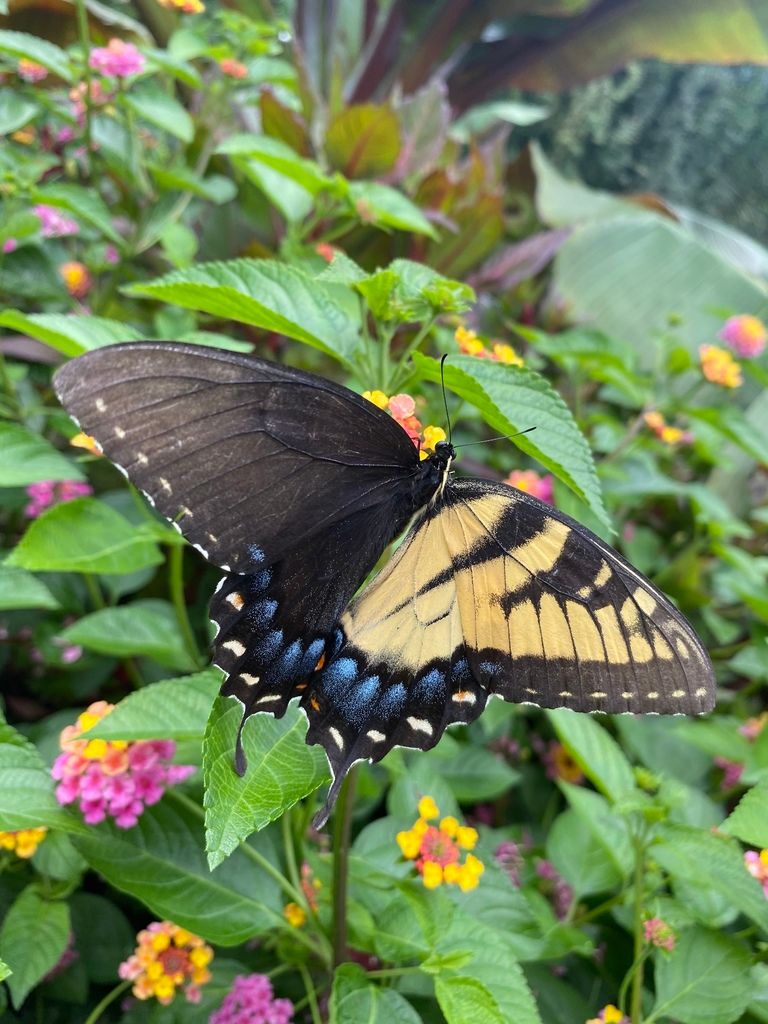
Adult swallowtails visit many flowers for nectar and can help move pollen between blooms as they feed.
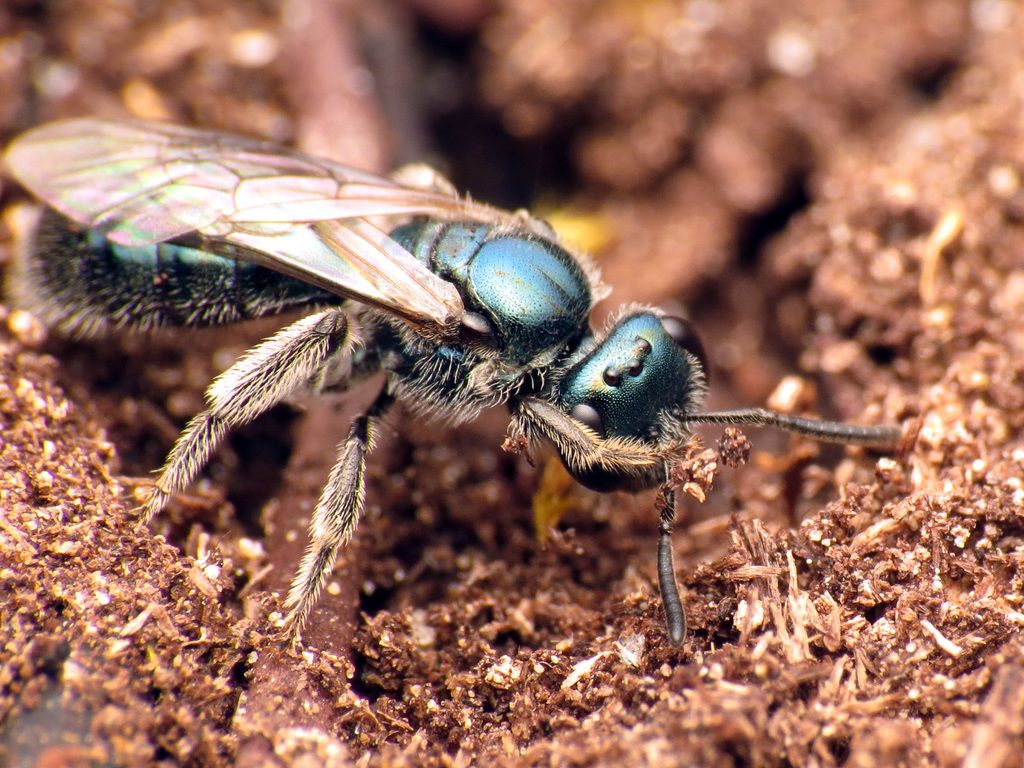
They help move pollen between flowers in gardens, parks, and natural areas, supporting seed and fruit production.
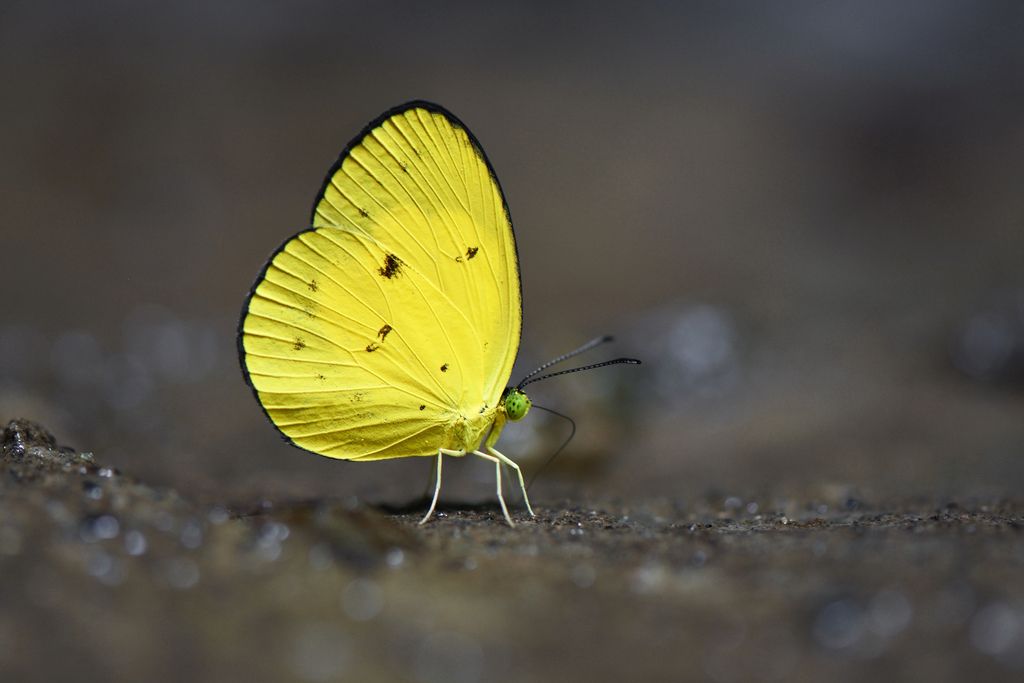
They visit a wide range of flowers for nectar and can help move pollen between blooms as they feed.