Skip to content
Irises (*Iris* (native species))
Plant profile

Irises

Genus Iris (native spp.)

Native irises bring bold, early-season color and sturdy, upright leaves to gardens while offering nectar and pollen for a range of visiting insects.

Plant Type

Bulbs & geophytes > Irises

Aliases

Iris

Native Range

Native species occur in parts of Canada and the northern United States; choose a species native to your local area.

Bloom window

Spring to early summer (varies by species)

OVERVIEW

About This Plant

Native irises are a strong “starter” plant for pollinator-friendly gardens because they’re easy to spot, easy to place, and they bloom when many gardens are still filling in. Choose a native species that matches your site—some prefer evenly moist ground, while others do best in well-drained soil. Give them sun to part sun, avoid smothering the base with mulch, and let the leaves keep working after the flowers fade. Over time, clumps can be divided to keep plants vigorous and to share with others.
Best role for pollinators
Sunny borders, rain-garden edges, and naturalized plantings where you want spring color and pollinator visits
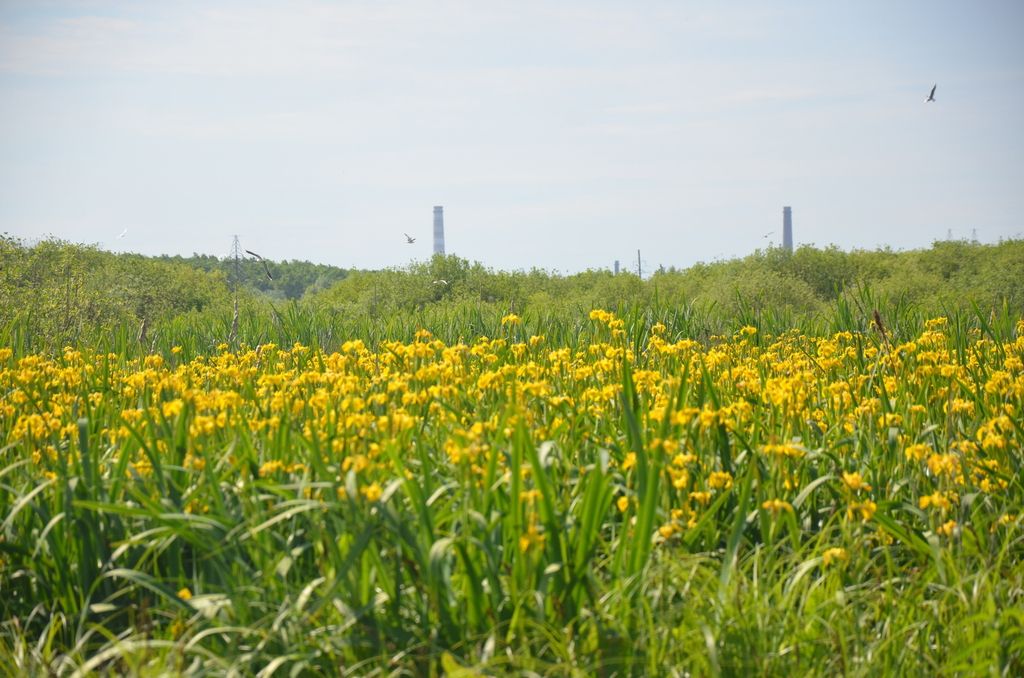
Irises (Iris (native species))
https://www.inaturalist.org/photos/206813546 Photo: (c) olegglushenkov, some rights reserved (CC BY-NC) | CC-BY-NC | iNaturalist

FAST FACTS

Quick Details

Essential stats and requirements for quick reference.

Also known asIris
Bloom windowSpring to early summer (varies by species)
Typical heightVaries by species; generally low to medium height clumps
Pollinators supportedBees, Flies, Butterflies
Light & moistureSun to part sun; moisture depends on species—aim for evenly moist, not constantly wet
Best roles for pollinatorsSunny borders, rain-garden edges, and naturalized plantings where you want spring color and pollinator visits

SUMMARY

If You Remember Three Things

A quick scan of what they do, what they need, and the best first step.

What they do

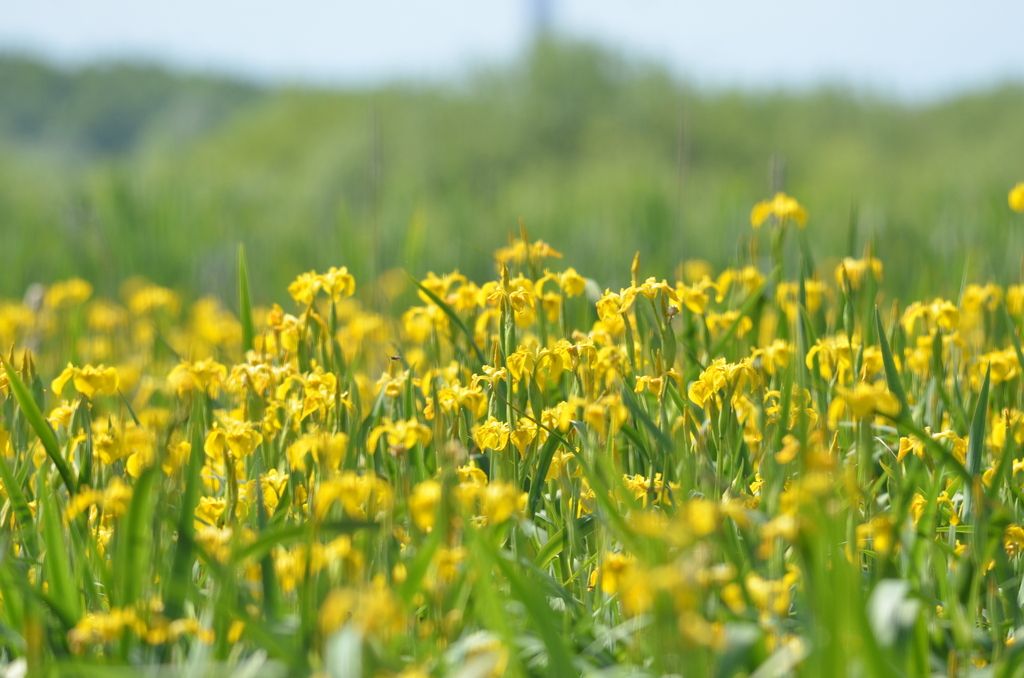
Native irises add spring blooms that can be visited by a variety of pollinators and bring strong, upright foliage to the garden.
What they need

Good light, decent drainage, and space so clumps can dry out a bit between waterings.

One best action

Plant irises where they get sun and the soil drains well, then avoid overwatering.

IMPACT

Why Plant This?

Native irises are a practical way to add spring blooms and sturdy foliage while supporting pollinator activity in a garden that avoids pesticides.
Iris flowers have a distinctive “landing pad” shape that helps guide visiting insects toward the flower’s center.

Key Impacts

What it Supports

  • Spring flowers can help fill a gap when fewer plants are blooming.
  • Clump-forming leaves add structure that can make small gardens feel more layered.
  • Once established, many native irises are steady performers with simple care.

RECOGNITION

Identification Guide

Use these quick clues to recognize native irises in the garden.

Leaves

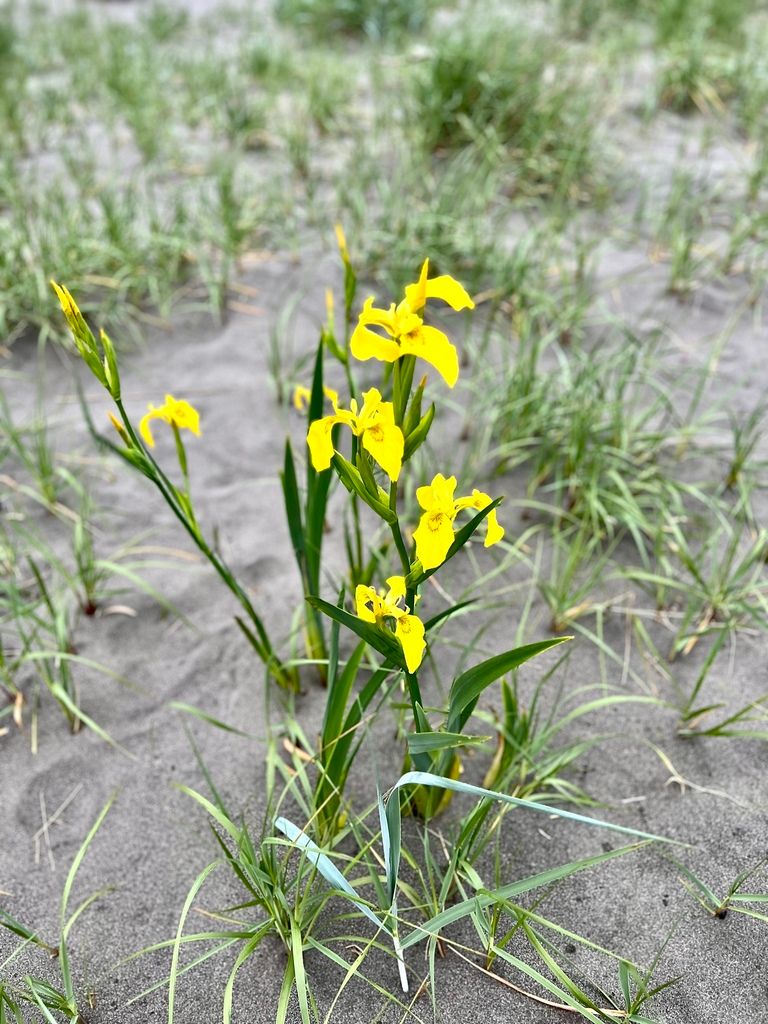
Long, narrow, blade-like leaves that often rise in a fan from the base.

Flowers

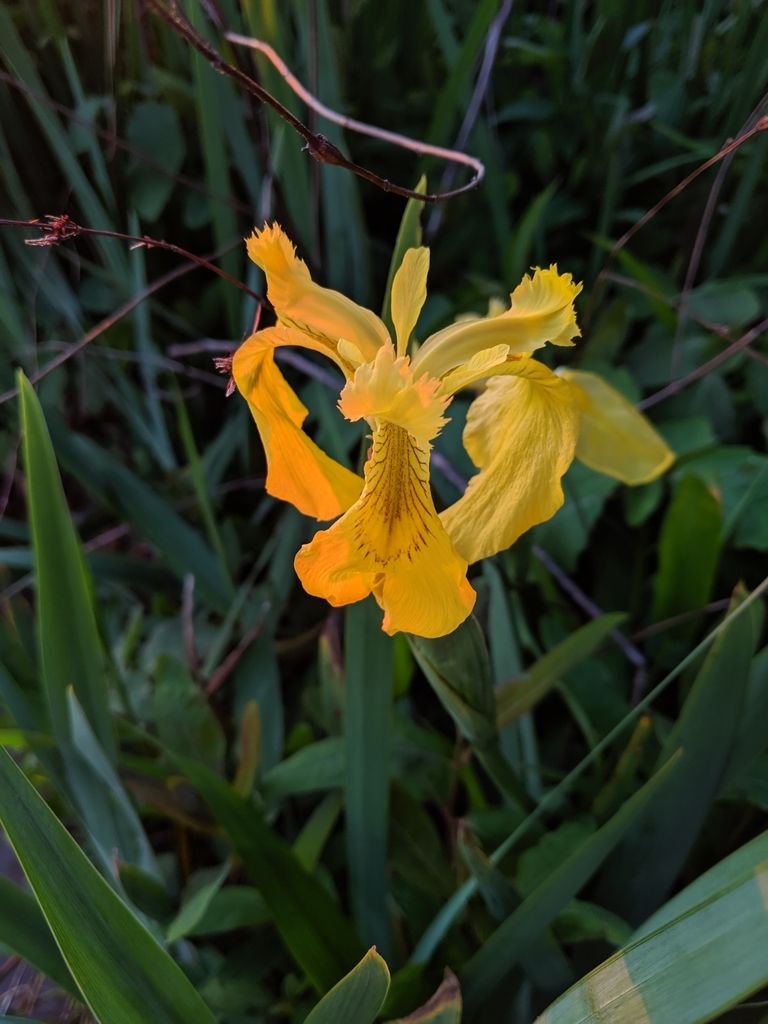
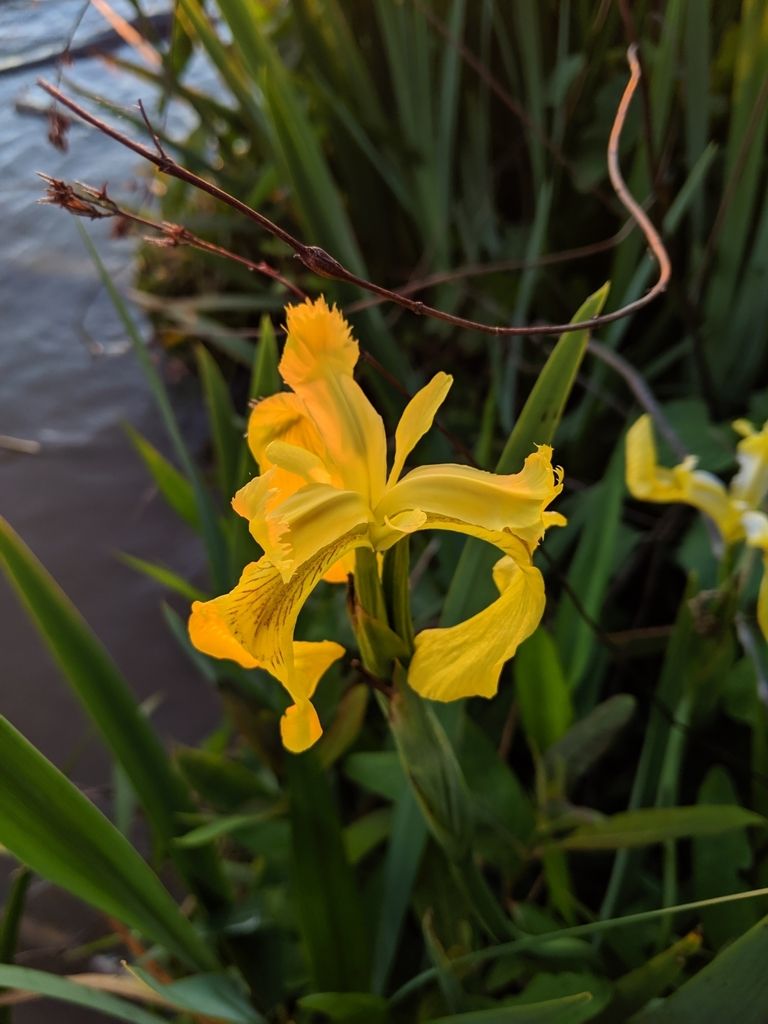
Large, showy flowers with three upright petals and three drooping petals; colors and markings vary by species.

Fruits

After flowering, a seed capsule may form and dry as it matures.
Irises (Iris (native species))
https://www.inaturalist.org/photos/280029495 Photo: (c) renataandrews, some rights reserved (CC BY-NC) | CC-BY-NC | iNaturalist
Irises (Iris (native species))

LOCATION

Where It Grows

Native environments and the best spots to place it in your landscape.

Habitats

  • Open woods and woodland edges
  • Meadows and prairies
  • Stream edges and seasonally moist areas (species-dependent)

Where it is often used

  • Pollinator-friendly spring border
  • Rain-garden edge (where soil is moist but not permanently flooded)
  • Naturalized clumps in a sunny meadow-style planting
  • Container feature (choose a pot with drainage)

SEASONALITY

When It Blooms

Notes on bloom windows and how this plant helps pollinators across the seasons.

Bloom window

Bloom timing depends on the native iris species you choose, but many flower in spring.

Bloom Season Role: Early-season color and nectar/pollen

Seasonal benefits

  • Adds color when many gardens are just waking up
  • Pairs well with later-blooming perennials that take over after iris flowers fade

REQUIREMENTS

What It Needs

The right mix of sun, soil, and space for healthy growth.

Sun exposure

Best in sun; many tolerate part sun.

Soil type

Well-drained soil is a safe default; some native species prefer consistently moist soils—match the plant to the site.

Moisture needs

Water to establish, then aim for even moisture without waterlogging.

Planting method

Plant at the right depth for the type (rhizome vs. bulb) and give each plant room to expand into a clump.

Mulching tips

Use a light mulch if needed, but keep it from smothering the crown/rhizome area.

GARDENING GUIDE

How to Grow It

Simple steps to plant, prune, and maintain healthy trees without pesticides.

Planting tips

  • Pick a spot with sun to part sun and soil that drains well (or choose a moisture-loving native iris for naturally moist areas).
  • Loosen the soil and remove weeds so young plants don’t have to compete.
  • Plant at the correct depth for the plant you bought (follow the tag), keeping the crown/rhizome area from being buried too deeply.
  • Water in well, then keep soil lightly moist while the plant settles in.
  • Label the planting so you remember where it is after the flowers fade.

Seasonal care

  • Water during long dry spells while plants are establishing; avoid frequent shallow watering.
  • After flowering, leave the leaves to feed the plant for next year’s blooms.
  • Remove dead or damaged leaves to improve airflow and reduce rot.
  • Divide crowded clumps when flowering slows or the center thins, then replant healthy sections.

What not to do

  • Planting too deep or burying the crown/rhizome under thick mulch.
  • Keeping the soil constantly wet in a spot that doesn’t drain.
  • Cutting all foliage down right after blooming.
  • Letting clumps get overcrowded for years.

Pairings

Best Pairings for Season-Long Bloom

Pairing ideas to keep pollinators fed throughout the growing season.

Early Bloom

  • Wild columbine
  • Spring ephemerals (native woodland flowers)

Mid-Season Bloom

  • Beardtongue (native species)
  • Native geranium

Late-Season Bloom

  • Goldenrods (native species)
  • Asters (native species)
“Native iris” can mean different species depending on where you live. When shopping, look for a species native to your region and avoid known invasive irises in your area.

GLOSSARY

Key Terms

A few helpful terms you might see on plant tags or in garden guides:

Glossary terms are being added.

What You Can Do

Make a difference for native habitats.

Turn this knowledge into action. Whether you plant a single pot or a whole garden, you are building a vital bridge for local biodiversity.

Join the movement to restore our shared habitats.

Pollinators supported

Species that benefit from this plant

Pollinator links are being added for this plant.

Regions

Where this plant is native

Regional links are being added for this plant.