
What they do
Wild onions add small, nectar-and-pollen flowers that can help fill bloom gaps and bring more insect activity to your yard or balcony.
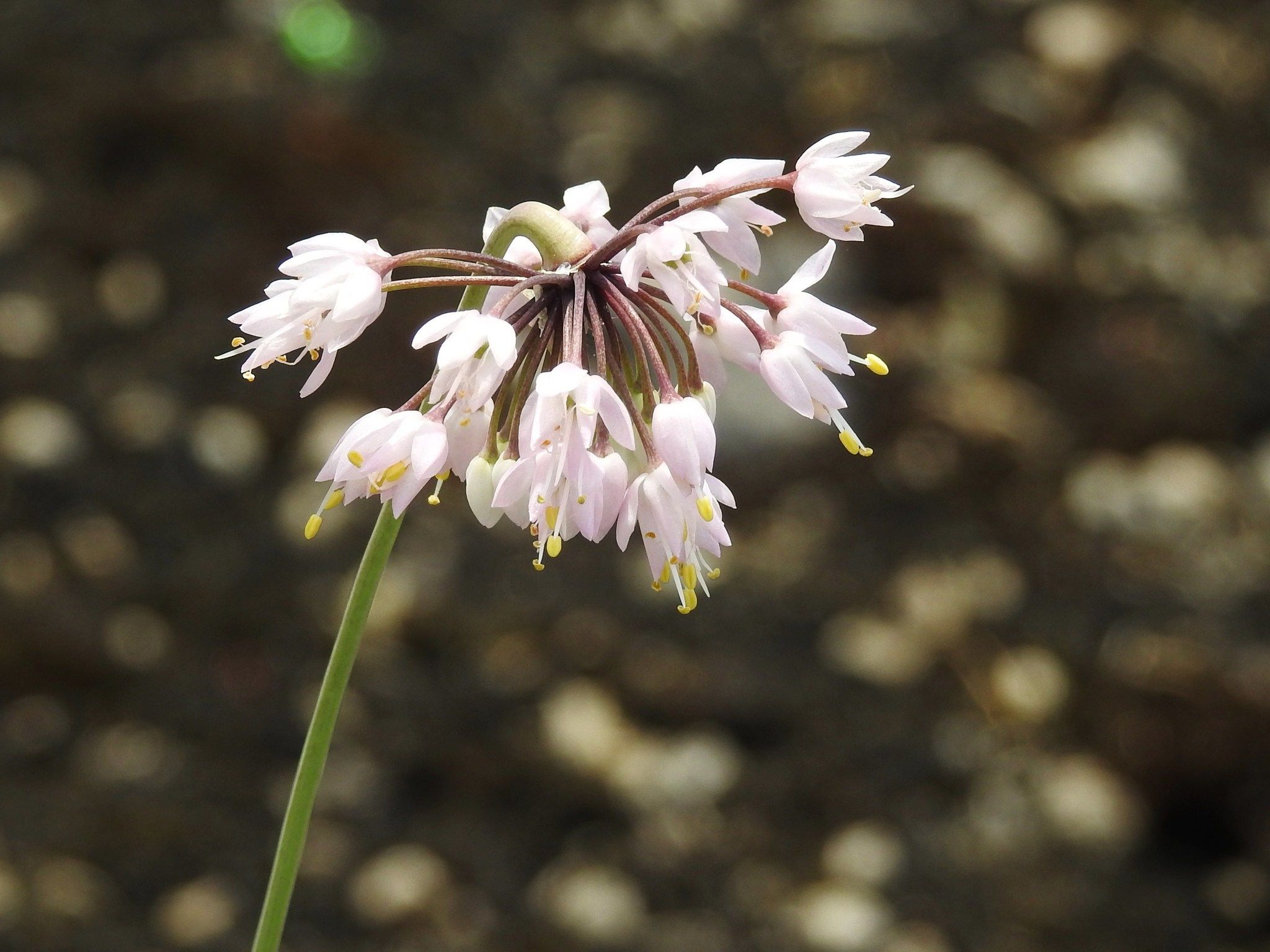
Genus Allium (native spp.)
Wild onions (native Allium species) are small, bulb-forming plants with starry blooms that can add early-season nectar and pollen to gardens, lawns, and pots—especially when you let them grow undisturbed.
Plant Type
Bulbs & geophytes > Wild onions
Aliases
Wild onion
Native Range
Native species occur across parts of North America; local species vary by region.
Bloom window
Spring to early summer (varies by species)
OVERVIEW
Native wild onions (Allium species) are low-growing, bulb-forming plants that provide crucial early-season resources. Functionally, these plants add a base layer of structure to gardens, helping to cover bare ground and stabilize soil without creating dense, overwhelming shade. Their small size makes them ideal for incorporating into existing plantings, lawns, or rock gardens, where they can thrive undisturbed.
The primary ecological value of native Allium lies in their accessible, starry blooms which appear early in the season. These flowers offer a vital “spring kickoff” source of nectar and pollen for emerging native insects, including early-flying bees and smaller pollinators. By blooming before many major perennials, they bridge a critical resource gap, ensuring a more resilient and continuously supportive habitat throughout the growing year.
FAST FACTS
Essential stats and requirements for quick reference.
| Category | Details |
|---|---|
| Also known as | Wild onion |
| Bloom window | Spring to early summer (varies by species) |
| Typical height | Low to medium (varies by species) |
| Pollinators supported | Bees, Flies, Butterflies |
| Light & moisture | Generally best in sun with well-drained soil; many tolerate average garden moisture once established. |
| Best roles for pollinators | Sunny edges, rock gardens, naturalized patches, and containers where you want small, pollinator-friendly blooms with minimal fuss. |
SUMMARY
A quick scan of what they do, what they need, and the best first step.
Wild onions add small, nectar-and-pollen flowers that can help fill bloom gaps and bring more insect activity to your yard or balcony.
Sun and decent drainage, plus a little patience—bulbs like to settle in and return each year.
Mark the spot and avoid mowing or digging there until after the plants finish blooming and the leaves start to fade.
IMPACT
Key Impacts
RECOGNITION
Slender, upright leaves; often smell like onion when gently crushed.
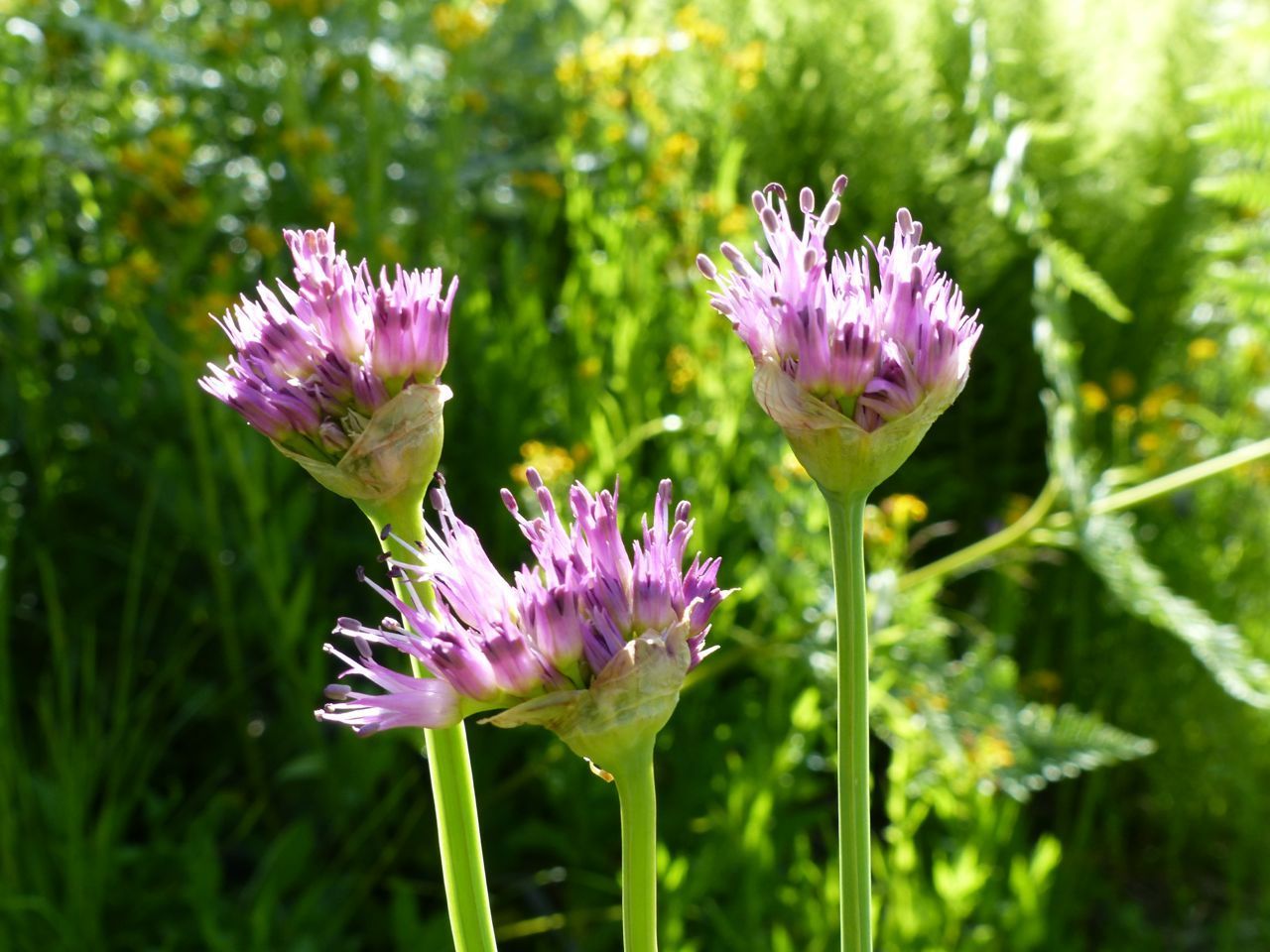
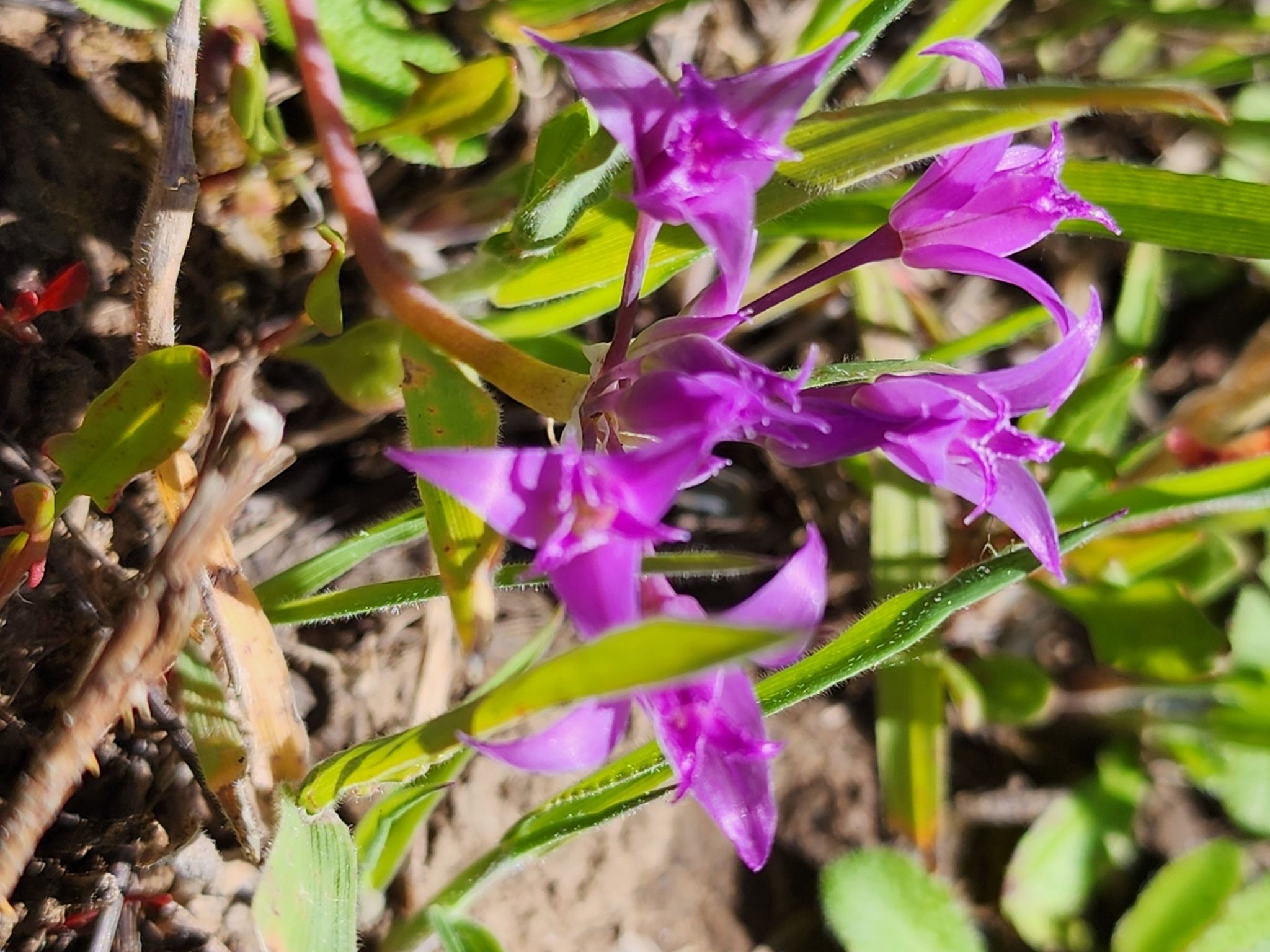
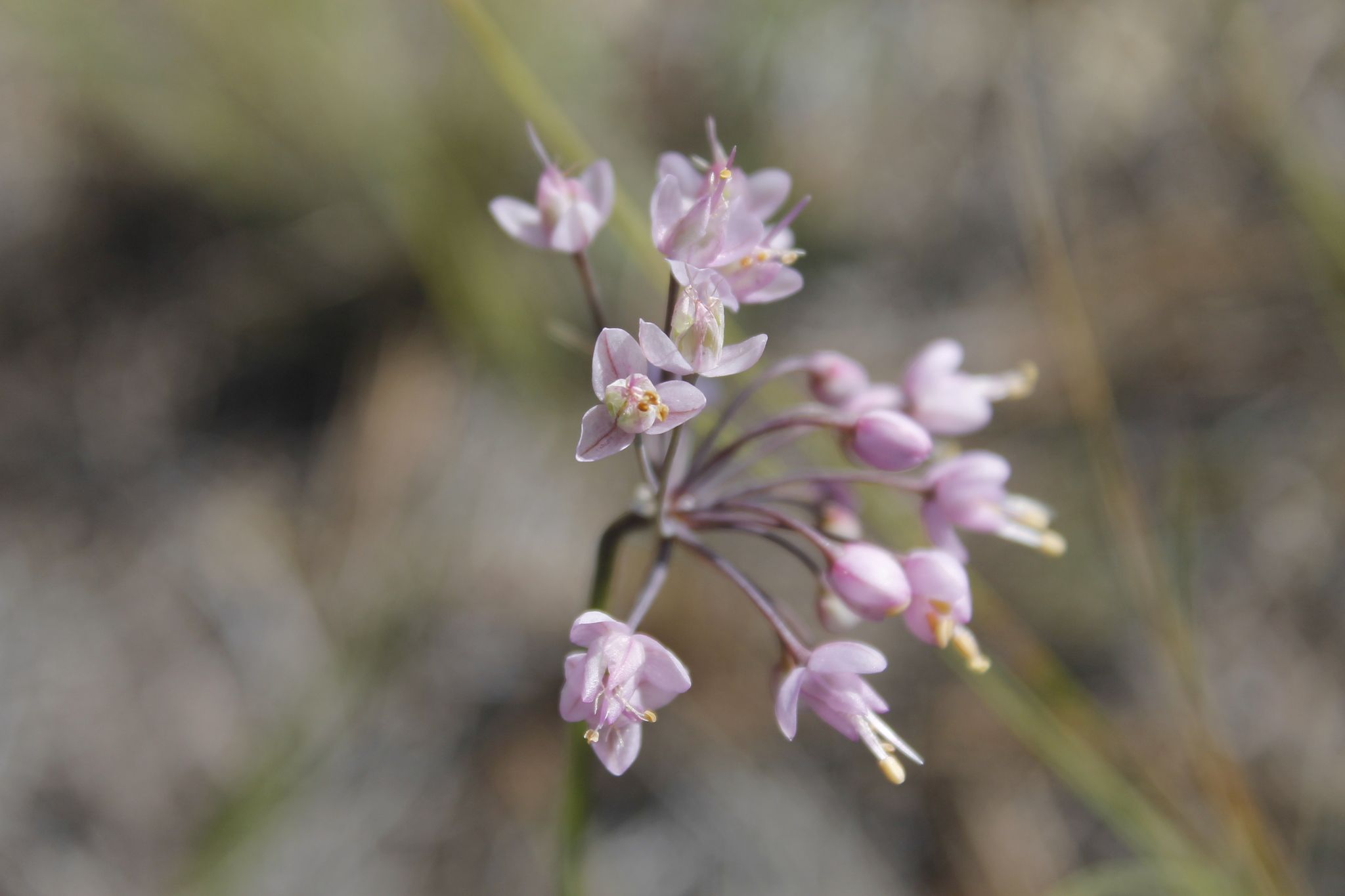
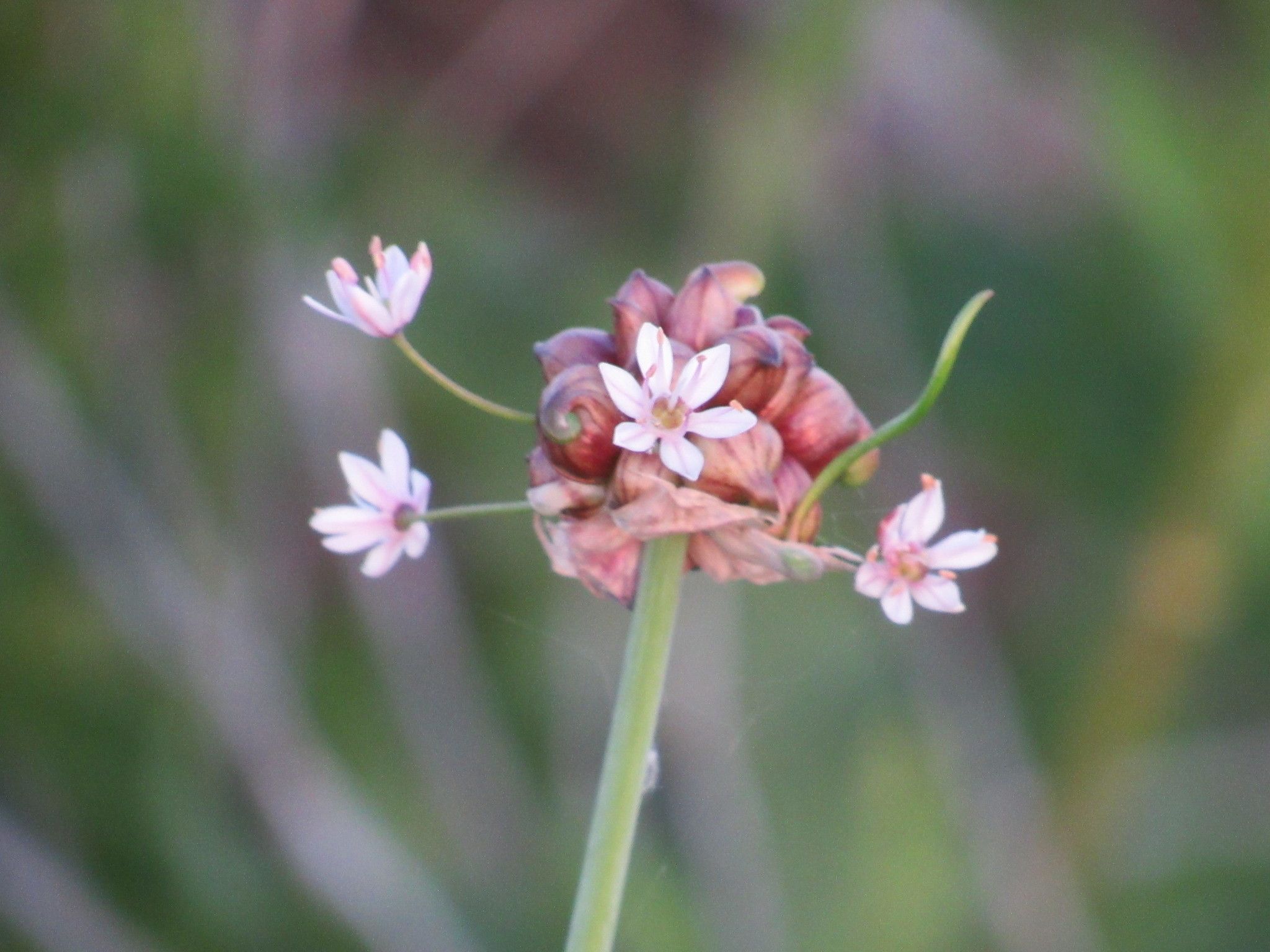
Clusters of small, star-shaped flowers on a leafless stalk; color varies by species.
After bloom, flowers can form small seed capsules that dry and open when mature.
LOCATION
Native environments and the best spots to place it in your landscape.
SEASONALITY
Notes on bloom windows and how this plant helps pollinators across the seasons.
Bloom timing depends on the species, but wild onions often show up when many gardens are just getting started.
Bloom Season Role: Early-season support with small clustered flowers that are easy to land on.
REQUIREMENTS
The right mix of sun, soil, and space for healthy growth.
Best flowering in full sun; many tolerate part sun.
Well-drained soil is key; sandy or loamy soils are often a good fit.
Water to establish, then let the soil dry slightly between waterings; avoid constantly wet ground.
Plant bulbs in fall if you have them, or plant nursery starts in spring. Give each plant a little space so clumps can expand over time.
Use a light mulch if needed to reduce weeds, but don’t bury the crown or keep the area overly damp.
GARDENING GUIDE
Simple steps to plant, prune, and maintain healthy trees without pesticides.
Pairings
Pairing ideas to keep pollinators fed throughout the growing season.
GLOSSARY
Glossary terms are being added.
What You Can Do
Turn this knowledge into action. Whether you plant a single pot or a whole garden, you are building a vital bridge for local biodiversity.
Join the movement to restore our shared habitats.