

What they do
Pitayas can add big, memorable flowers to a balcony or patio, and sometimes fruit if pollination lines up.
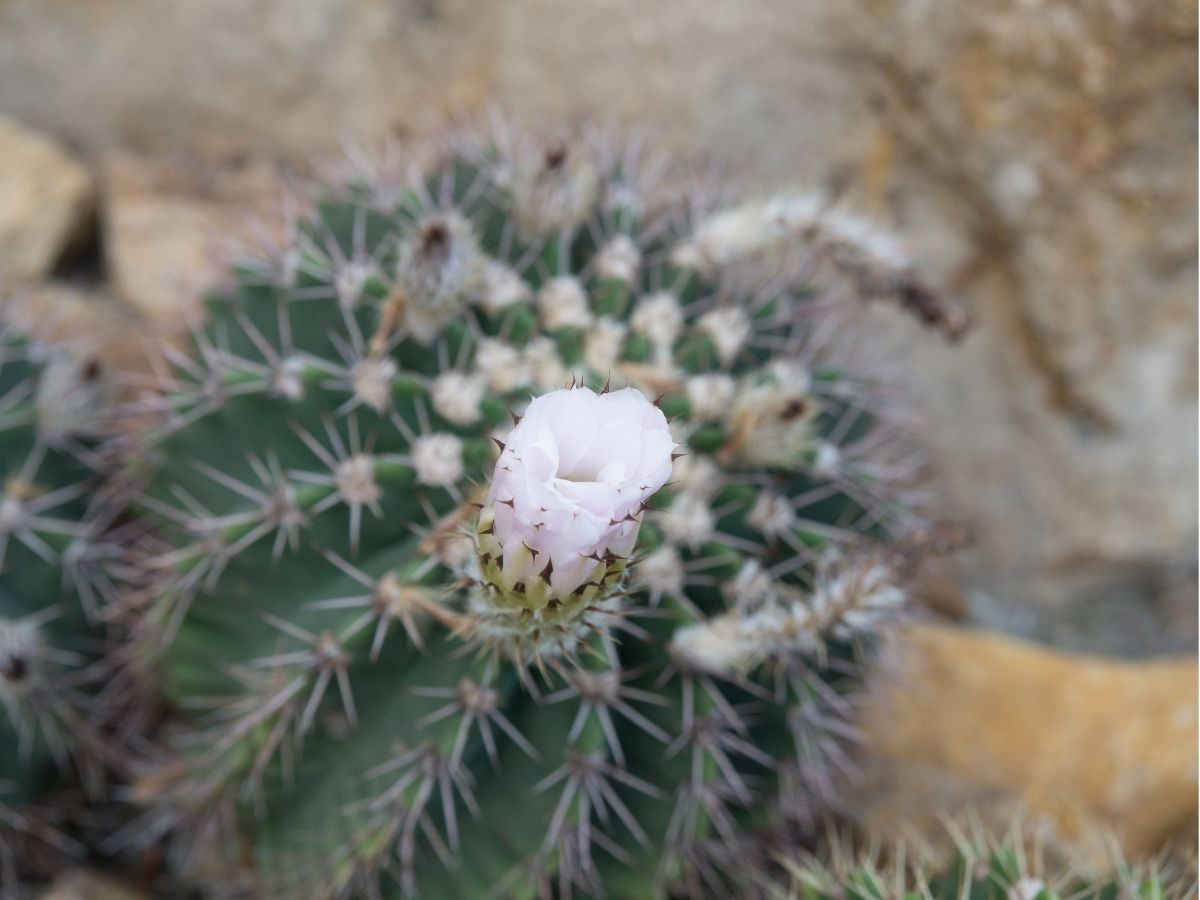
Genus Hylocereus/Selenicereus
Pitayas (often called dragon fruit) are climbing cactus relatives grown for their dramatic night-blooming flowers and colorful fruit. In the right spot, they can be a conversation-starting plant that also offers nectar when in bloom.
Plant Type
Cacti & succulents > Pitayas & relatives
Aliases
Pitaya, dragon fruit
Native Range
Tropical and subtropical parts of the Americas (broadly)
Bloom window
Often blooms in warm seasons; many flowers open at night
OVERVIEW
Pitayas (dragon fruit) are climbing cactus relatives that can be grown as a bold container plant in bright light. Their stems are fleshy and jointed, and they appreciate a sturdy support so they can climb instead of sprawling.
If you’re growing pitaya for flowers, focus on light and drainage. A fast-draining mix and a pot with drainage holes are the foundation. Water deeply, then let the mix dry before watering again—roots that stay wet too long are the most common reason these plants struggle.
When a pitaya blooms, the flowers are large and eye-catching, and many open in the evening. Because blooms can be short-lived, it helps to check the plant regularly during the time it’s setting buds.
For small spaces, pitayas can be part of a pollinator-friendly container lineup: pair them with other flowering plants so your balcony or patio has something in bloom more often. And as with any pollinator-friendly effort, skip pesticides and start with simple, low-impact care if problems show up.
FAST FACTS
Essential stats and requirements for quick reference.
| Category | Details |
|---|---|
| Also known as | Pitaya, dragon fruit |
| Bloom window | Often blooms in warm seasons; many flowers open at night |
| Typical height | Climbing stems can become several feet long with support |
| Pollinators supported | Moths, Bees |
| Light & moisture | Bright light; let soil dry between waterings |
| Best roles for pollinators | Containers, sunny patios, bright indoor spots, and gardeners who enjoy unusual blooms |
SUMMARY
A quick scan of what they do, what they need, and the best first step.
Pitayas can add big, memorable flowers to a balcony or patio, and sometimes fruit if pollination lines up.
Bright light, fast-draining soil, and a watering routine that avoids soggy roots.
Use a cactus/succulent potting mix in a pot with drainage, and water only after the top of the mix dries.
IMPACT
Key Impacts
RECOGNITION
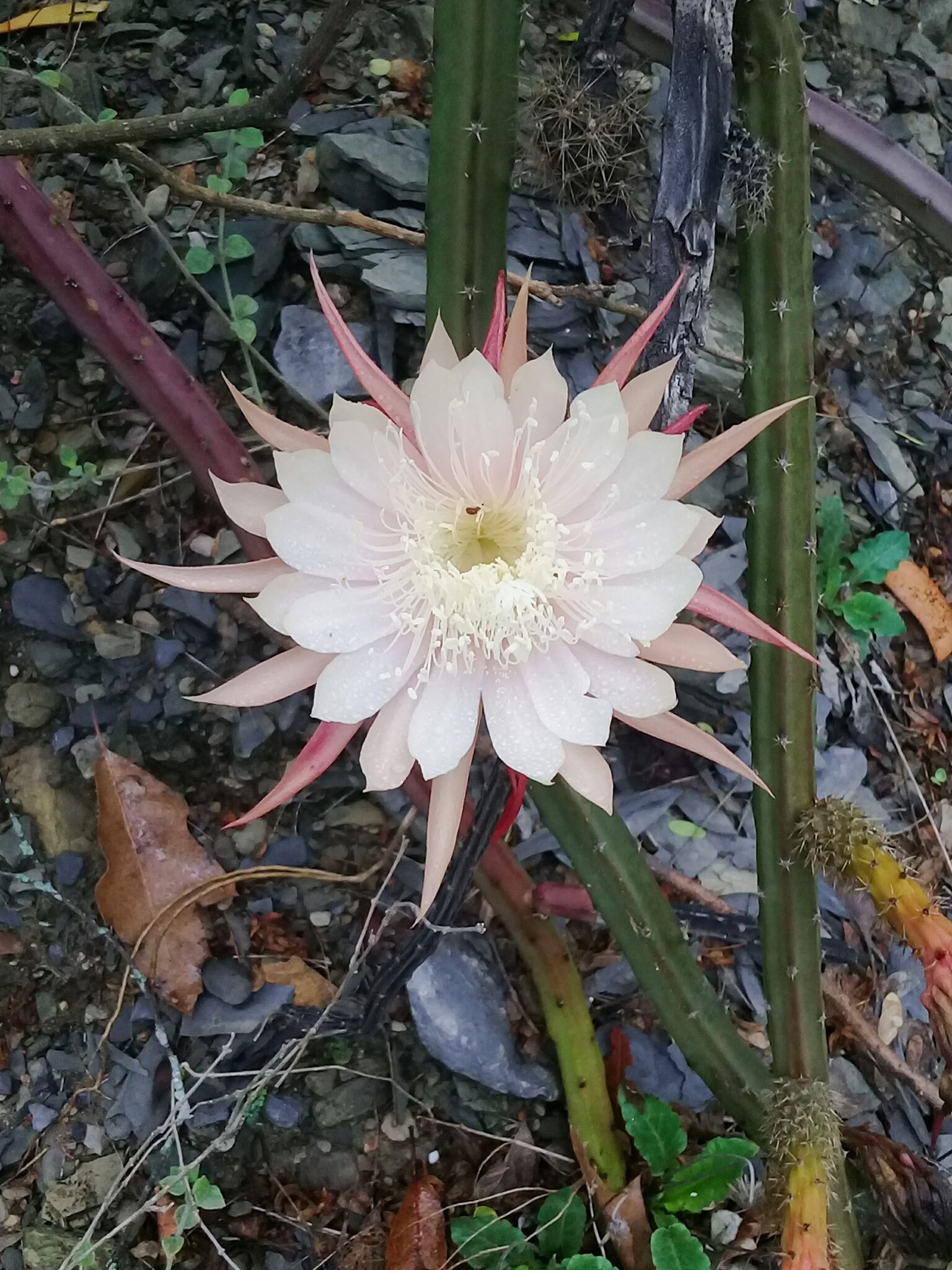
No true leaves; instead, jointed, fleshy green stems that do the photosynthesis.
Very large, showy blooms, often white or pale, sometimes opening in the evening or at night.
If pollinated, can form dragon fruit with bright skin and speckled flesh (varies by type).
LOCATION
Native environments and the best spots to place it in your landscape.
SEASONALITY
Notes on bloom windows and how this plant helps pollinators across the seasons.
Bloom timing varies by plant and growing conditions, and flowers may be short-lived.
Bloom Season Role: Showy, occasional blooms that can be a special nectar moment
REQUIREMENTS
The right mix of sun, soil, and space for healthy growth.
Give as much bright light as you can. Outdoors in warm weather, a sunny, sheltered spot is ideal; indoors, place near the brightest window available.
Use a fast-draining cactus/succulent mix. A slightly chunky mix (with added grit or perlite) helps prevent soggy roots.
Water thoroughly, then let the mix dry partway before watering again. Reduce watering when growth slows or light levels drop.
Choose a pot with drainage holes. Plant at the same depth it was growing before, and add a sturdy stake, trellis, or post early so you don’t damage roots later.
Skip heavy mulches that hold moisture against the stem base. If you top-dress, use gravel or coarse material that dries quickly.
GARDENING GUIDE
Simple steps to plant, prune, and maintain healthy trees without pesticides.
Pairings
Pairing ideas to keep pollinators fed throughout the growing season.
GLOSSARY
Glossary terms are being added.
What You Can Do
Turn this knowledge into action. Whether you plant a single pot or a whole garden, you are building a vital bridge for local biodiversity.
Join the movement to restore our shared habitats.