Skip to content
Bunchgrasses (*Multiple genera (region-dependent)*)
Plant profile

Bunchgrasses

Multiple genera (region-dependent)

Bunchgrasses are clump-forming native grasses that act like living structure in a garden—holding soil, creating shelter, and supporting a healthier pollinator habitat even when they aren’t showy bloomers.

Plant Type

Grasses (habitat) > Bunchgrasses

Aliases

Bunchgrass

Native Range

Region-dependent; choose native bunchgrasses appropriate to your local area

Bloom window

Varies by species; many flower subtly in warm seasons

OVERVIEW

About This Plant

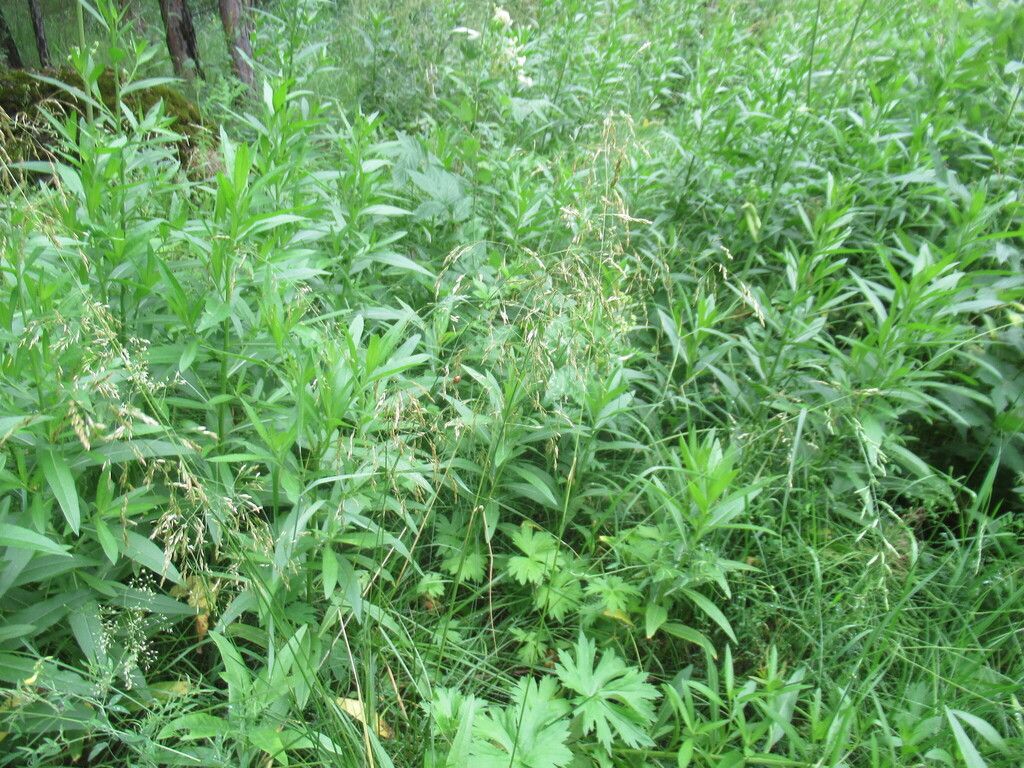
Bunchgrasses (Multiple genera) are native, clump-forming grasses that are essential structural components in North American pollinator habitat. They are valued not for showy blooms but for the robust shelter and living framework they provide, holding soil in place and reducing bare ground between flowering plants.

By adding height and density, bunchgrasses create crucial nesting sites, overwintering cover, and safe pathways for native bees, beetles, and other small wildlife throughout the year. For a resilient habitat, choose a native species adapted to your region and plant in small groups for maximum cover, ensuring the layered structure vital to a healthy, local ecosystem.

Best role for pollinators
Adding habitat structure, stabilizing soil, and supporting a pollinator-friendly garden alongside flowering plants
Bunchgrasses (*Multiple genera (region-dependent)*)
https://www.inaturalist.org/photos/576837202 Photo: no rights reserved | CC0 | iNaturalist

FAST FACTS

Quick Details

Essential stats and requirements for quick reference.

Also known asBunchgrass
Bloom windowVaries by species; many flower subtly in warm seasons
Typical heightVaries widely by species; from low clumps to tall, upright forms
Pollinators supportedBees, Butterflies, Flies, Beetles
Light & moistureVaries by species; choose a local bunchgrass that matches your sun and moisture
Best roles for pollinatorsAdding habitat structure, stabilizing soil, and supporting a pollinator-friendly garden alongside flowering plants

SUMMARY

If You Remember Three Things

A quick scan of what they do, what they need, and the best first step.

What they do

Bunchgrasses create clumps that add shelter and structure, helping a pollinator garden feel safer and more stable.
What they need

A spot that matches the species (sun and moisture), room to form a clump, and minimal disturbance at the base.

One best action

Plant bunchgrasses in small groups and mix them with flowering plants so your habitat has both structure and nectar.

IMPACT

Why Plant This?

A pollinator-friendly space needs more than flowers. Bunchgrasses add the “bones” of habitat—cover, structure, and stability—so pollinators and other helpful insects can use the garden more safely and consistently.
Bunchgrasses grow as clumps rather than spreading into a solid mat—this creates natural-looking pockets where other plants can fit in.

Key Impacts

What it Supports

  • Adds “cover” in a garden, which can help small insects move and rest.
  • Helps hold soil in place and reduces bare ground between flowers.
  • Provides structure when flowers aren’t blooming, keeping the habitat useful across seasons.

RECOGNITION

Identification Guide

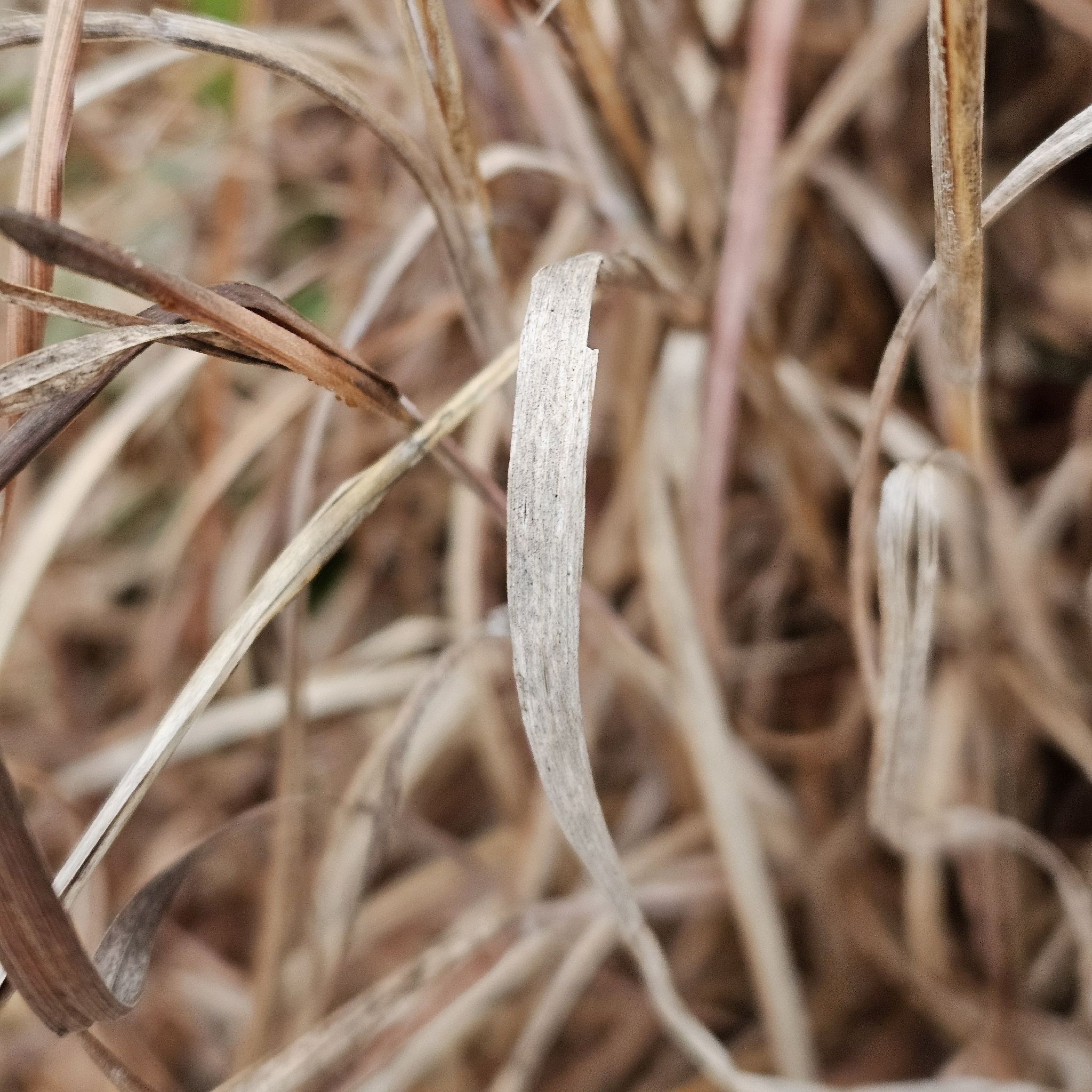
Bunchgrasses are easiest to recognize by their growth shape and leaf texture.

Leaves

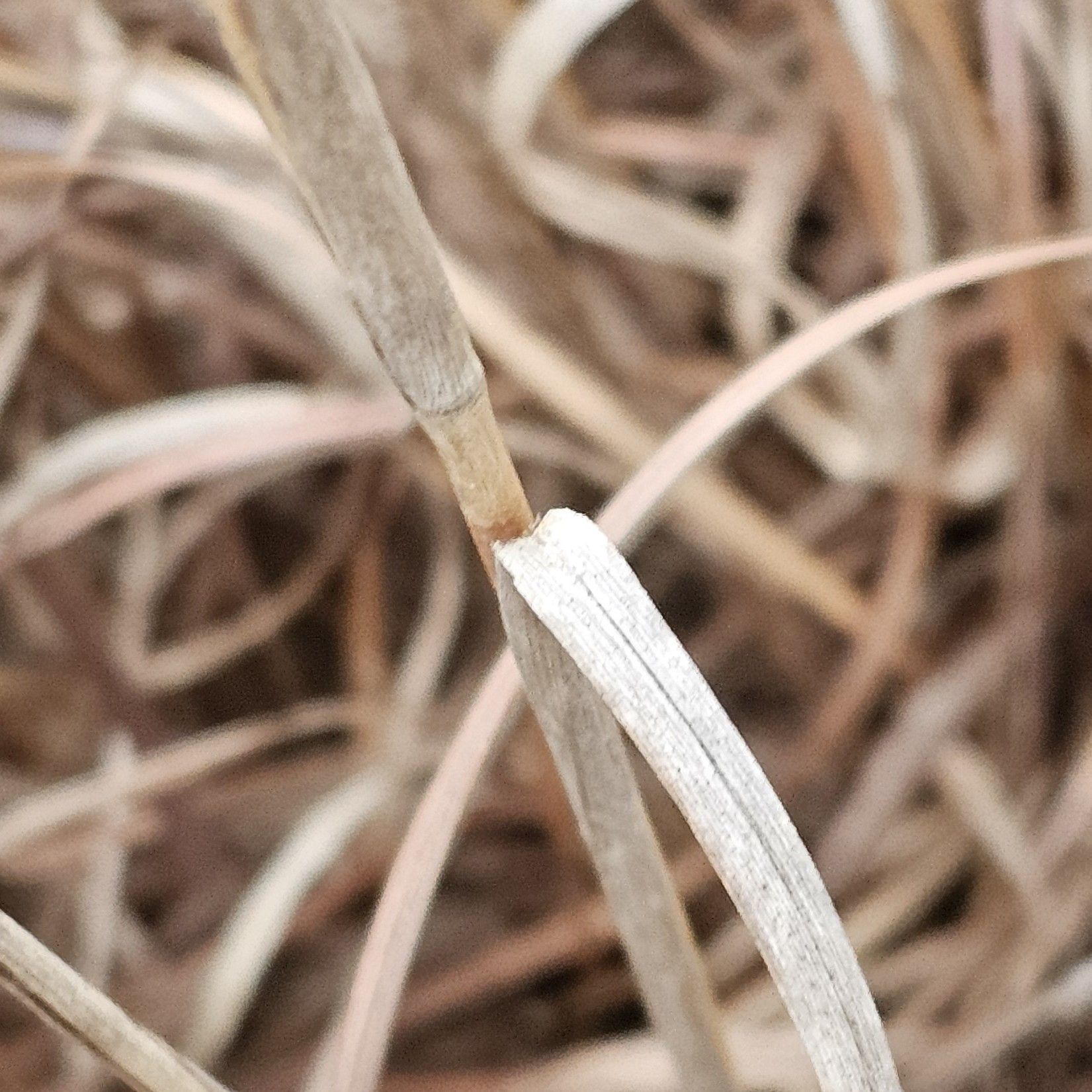
Narrow, grass-like leaves that emerge from a central base and form a clump; texture ranges from soft and fine to stiff and upright depending on the species.

Flowers

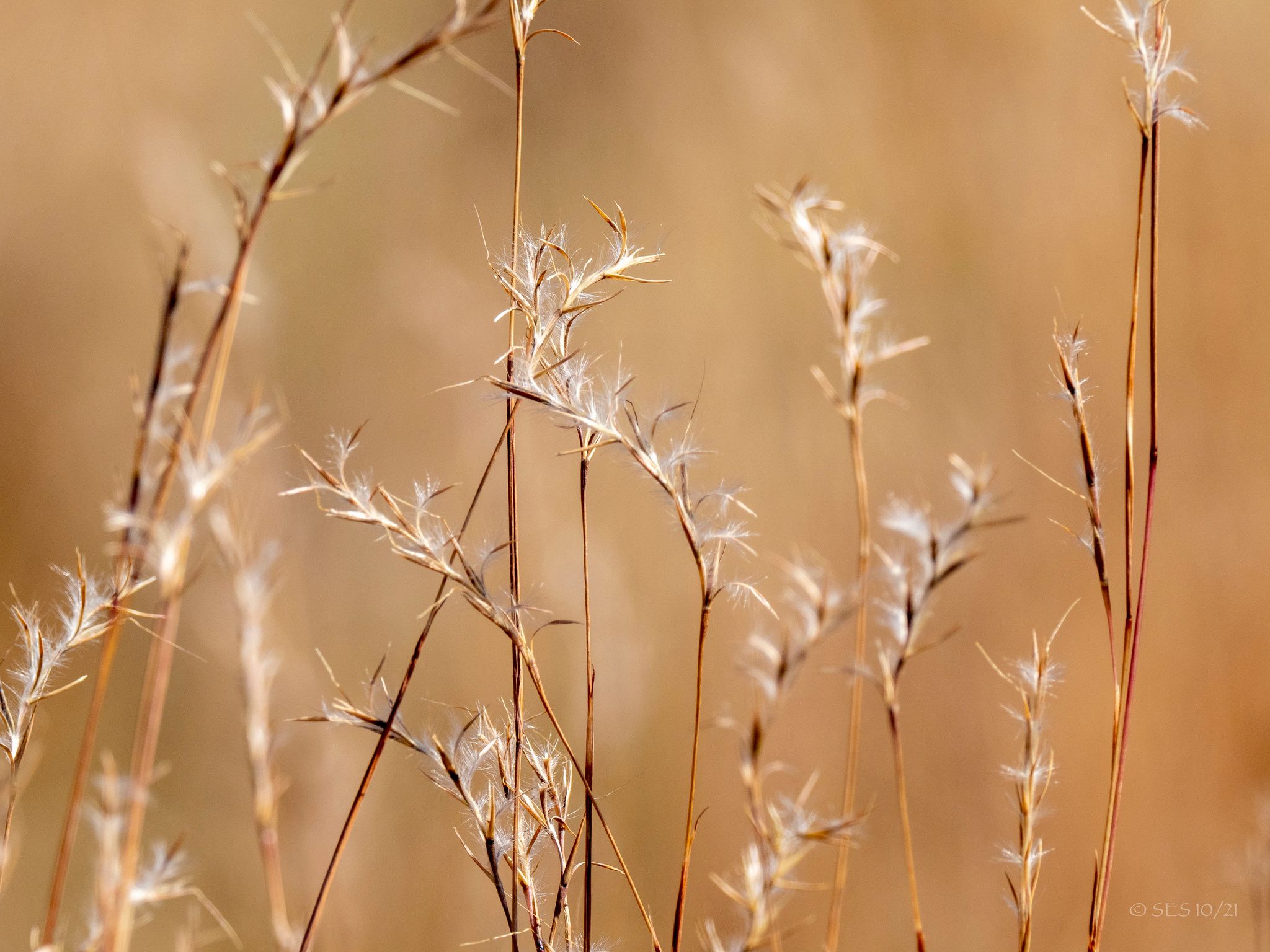
Often small, wind-pollinated-looking flowers that form seedheads; showiness varies, but many are subtle and best appreciated up close.

Fruits

Seeds develop in the seedheads; they may be fluffy, airy, or bristly depending on the species.
Bunchgrasses (*Multiple genera (region-dependent)*)
https://www.inaturalist.org/photos/610304775 Photo: (c) Robert Doyal, some rights reserved (CC BY-NC) | CC-BY-NC | iNaturalist
Bunchgrasses (*Multiple genera (region-dependent)*)

LOCATION

Where It Grows

Native environments and the best spots to place it in your landscape.

Habitats

  • Meadows and open fields
  • Prairie- and savanna-like plant communities
  • Open woodland edges
  • Dry to moderately moist open sites (species-dependent)

Where it is often used

  • Pollinator habitat borders and meadow-style plantings
  • Rain garden edges (choose a species suited to occasional wetness)
  • Sunny slopes or spots where soil needs holding in place
  • Containers (choose compact species and don’t let pots stay waterlogged)
  • Pathway edges for a soft, natural look

SEASONALITY

When It Blooms

Notes on bloom windows and how this plant helps pollinators across the seasons.

Bloom window

Bunchgrasses can flower, but their blooms are usually subtle compared to wildflowers.

Bloom Season Role: Habitat builder (structure more than showy blooms)

Seasonal benefits

  • Keeps the garden looking full even when flowers pause between bloom waves
  • Adds texture and movement that complements flowering plants
  • Seedheads can provide seasonal interest and habitat value

REQUIREMENTS

What It Needs

The right mix of sun, soil, and space for healthy growth.

Sun exposure

Match the species to the site; many bunchgrasses do well in sun to part sun.

Soil type

Often best in well-drained soil; avoid spots that stay soggy unless you’ve chosen a species that tolerates it.

Moisture needs

Water to establish, then aim for steady but not constant moisture; let the soil surface dry a bit between waterings if drainage is good.

Planting method

Plant with the crown (the base of the plant) at soil level. Give each clump space so it can form its natural shape.

Mulching tips

Use a light mulch layer around the plant, not on top of the crown. Keep the base open to air.

GARDENING GUIDE

How to Grow It

Simple steps to plant, prune, and maintain healthy trees without pesticides.

Planting tips

  • Pick a bunchgrass suited to your site (sun and moisture) and, if possible, native to your region.
  • Place plants in small groups (for example, 3–7 clumps) to create visible habitat structure.
  • Dig a hole as deep as the root ball and a bit wider.
  • Set the plant so the crown sits at soil level, then backfill and gently firm the soil.
  • Water well after planting and keep watering regularly until established.

Seasonal care

  • Leave clumps standing through the colder months when possible; cut back later when new growth starts to appear.
  • Avoid heavy raking at the base—gentle cleanup is better than disturbing the crown.
  • Weed around young clumps so they aren’t crowded while establishing.
  • Divide clumps only if they become crowded or thin in the center (timing depends on the species).

What not to do

  • Cutting bunchgrasses down too early and removing all cover at once
  • Burying the crown under thick mulch or soil
  • Planting in a spot that stays wet when the species prefers drainage
  • Relying on grasses alone and forgetting flowers

Pairings

Best Pairings for Season-Long Bloom

Pairing ideas to keep pollinators fed throughout the growing season.

Early Bloom

  • Early-blooming native wildflowers suited to your region
  • Spring-flowering woodland edge plants (for part-sun sites)

Mid-Season Bloom

  • Summer-blooming native wildflowers with different flower shapes
  • Clump-forming perennials that won’t smother the grass base

Late-Season Bloom

  • Late-season native wildflowers for fall color and nectar
  • Seedhead-friendly plants that add structure into cooler weather
Because “bunchgrass” describes a growth style, not one single species, the best choice depends on your region and your site. If you’re unsure, start by asking for a native, clump-forming grass that fits your sun and moisture conditions.

GLOSSARY

Key Terms

A few helpful terms you might see when shopping for or planting bunchgrasses:

Glossary terms are being added.

What You Can Do

Make a difference for native habitats.

Turn this knowledge into action. Whether you plant a single pot or a whole garden, you are building a vital bridge for local biodiversity.

Join the movement to restore our shared habitats.

Pollinators supported

Species that benefit from this plant

Pollinator links are being added for this plant.

Regions

Where this plant is native

Regional links are being added for this plant.