

What they do
Prairie grasses create shelter and structure that helps a pollinator garden function, even when few flowers are blooming.
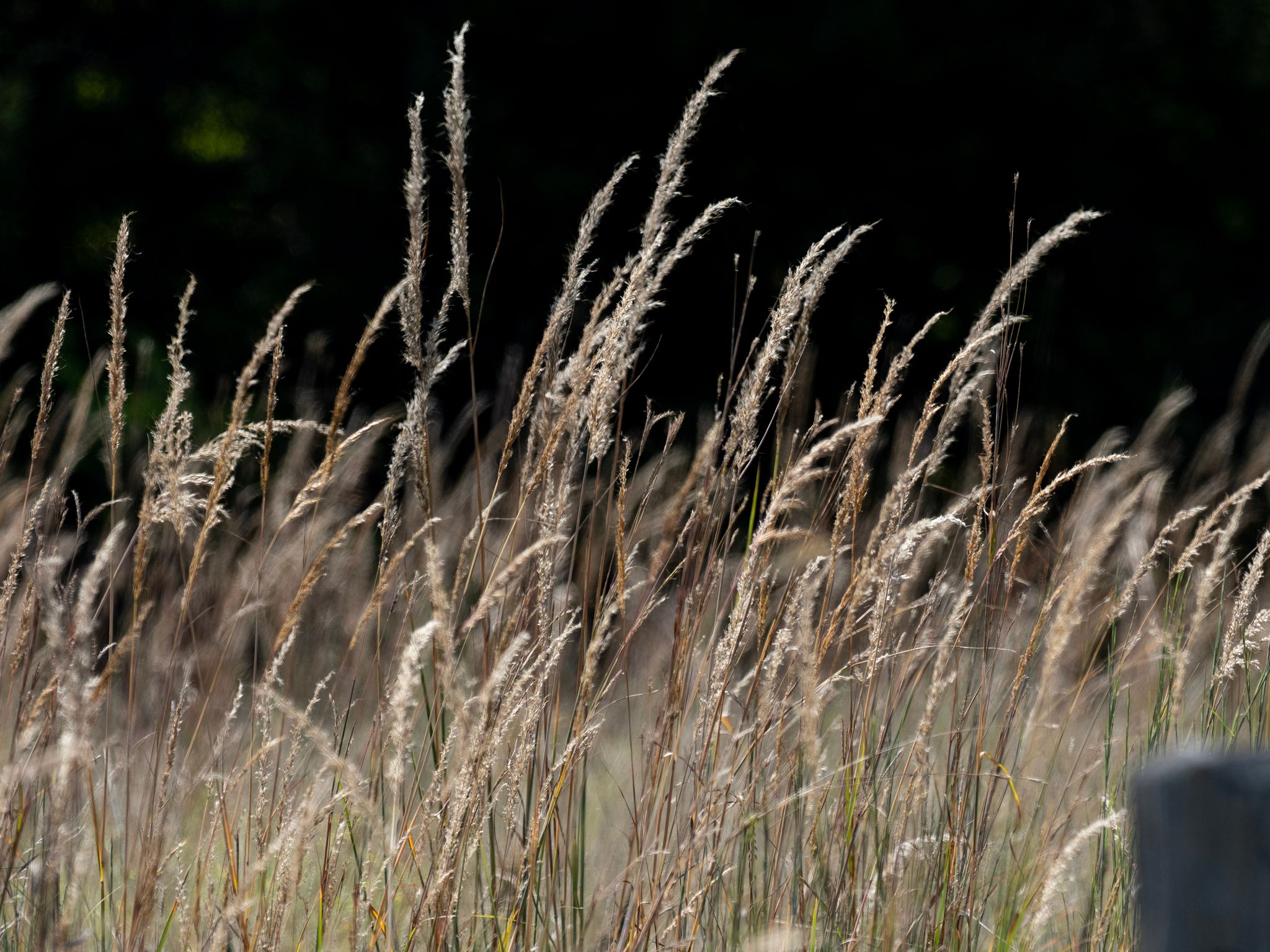
Multiple genera (region-dependent)
Native prairie grasses are a mix of region-appropriate grasses that add structure, movement, and shelter to gardens while supporting healthier habitat for pollinators and other beneficial insects.
Plant Type
Grasses (habitat) > Native prairie grasses
Aliases
Prairie grasses
Native Range
Region-dependent; choose grasses native to your local area
Bloom window
Late summer to fall (seed heads and pollen; flowers are subtle)
OVERVIEW
Native prairie grasses are a simple way to make a garden feel alive: they sway in the wind, soften hard edges, and keep a bed looking full even when flowers come and go. In a pollinator-friendly planting, grasses act like the “walls and hallways” of the habitat—creating cover near the ground and structure above it.
Because this page covers a mix of grasses, the best results come from choosing a small set of locally native species that match your site. If your space is sunny and tends to dry out, pick drought-tolerant native grasses. If your soil stays moist, choose moisture-tolerant native grasses. Plant in clumps, repeat those clumps across the bed, and weave in flowering plants for color and nectar.
If you only do one thing: leave the stems standing through winter and cut back in early spring. That one choice keeps your garden looking good and can make the space more useful for small creatures that rely on cover.
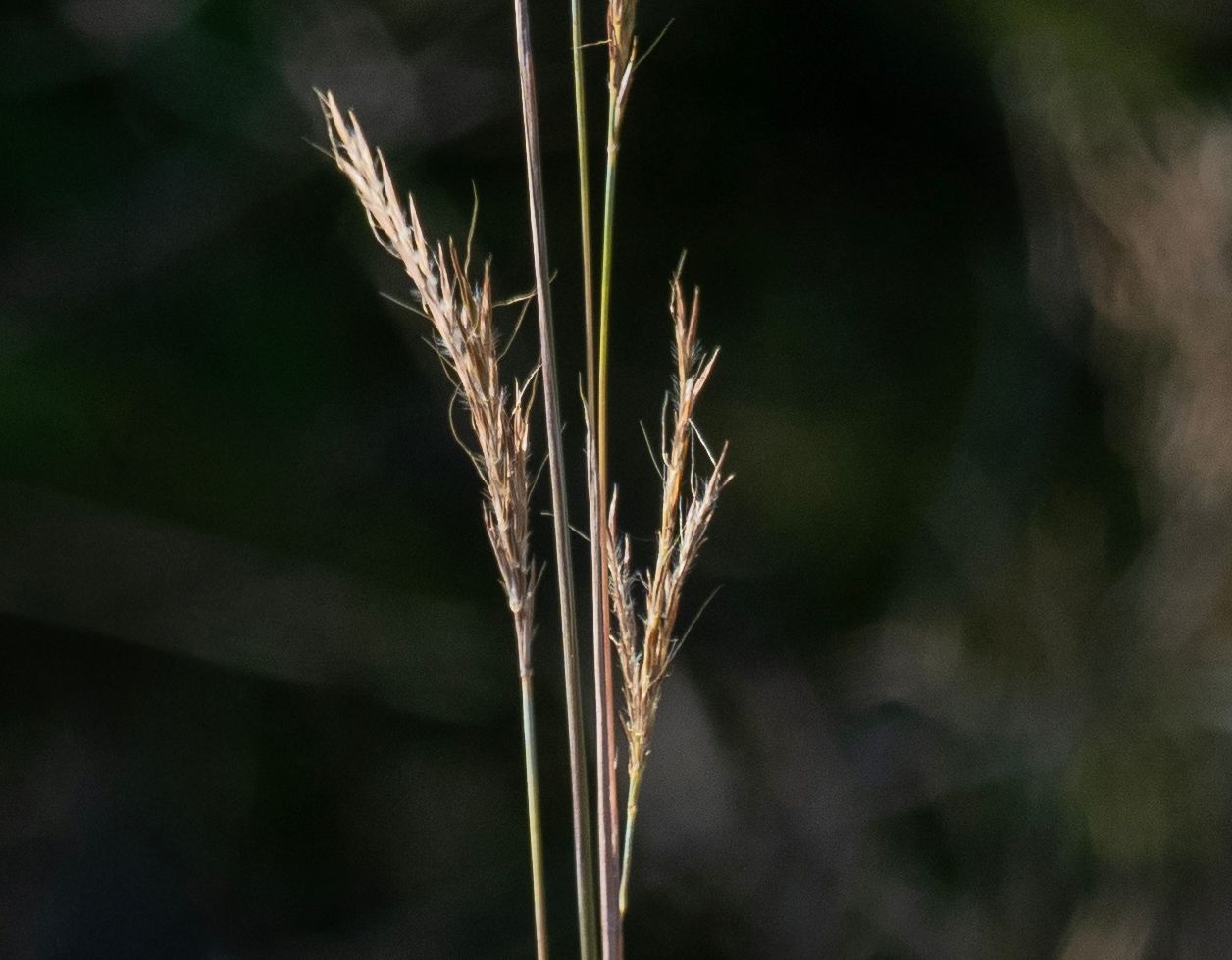
FAST FACTS
Essential stats and requirements for quick reference.
| Category | Details |
|---|---|
| Also known as | Prairie grasses |
| Bloom window | Late summer to fall (seed heads and pollen; flowers are subtle) |
| Typical height | Varies by species; from low clumps to tall, upright grasses |
| Pollinators supported | Bees, Butterflies, Moths, Flies, Beetles |
| Light & moisture | Choose species that match your site (sunny and dry to moist options exist) |
| Best roles for pollinators | Adding habitat structure, reducing bare soil, and creating a low-fuss backdrop for pollinator flowers |
SUMMARY
A quick scan of what they do, what they need, and the best first step.
Prairie grasses create shelter and structure that helps a pollinator garden function, even when few flowers are blooming.
The right match of grass species to your light and moisture, plus a little patience while roots establish.
Pick 2–4 locally native grass species that fit your site and plant them in small clumps for a natural look.
IMPACT
Key Impacts
RECOGNITION
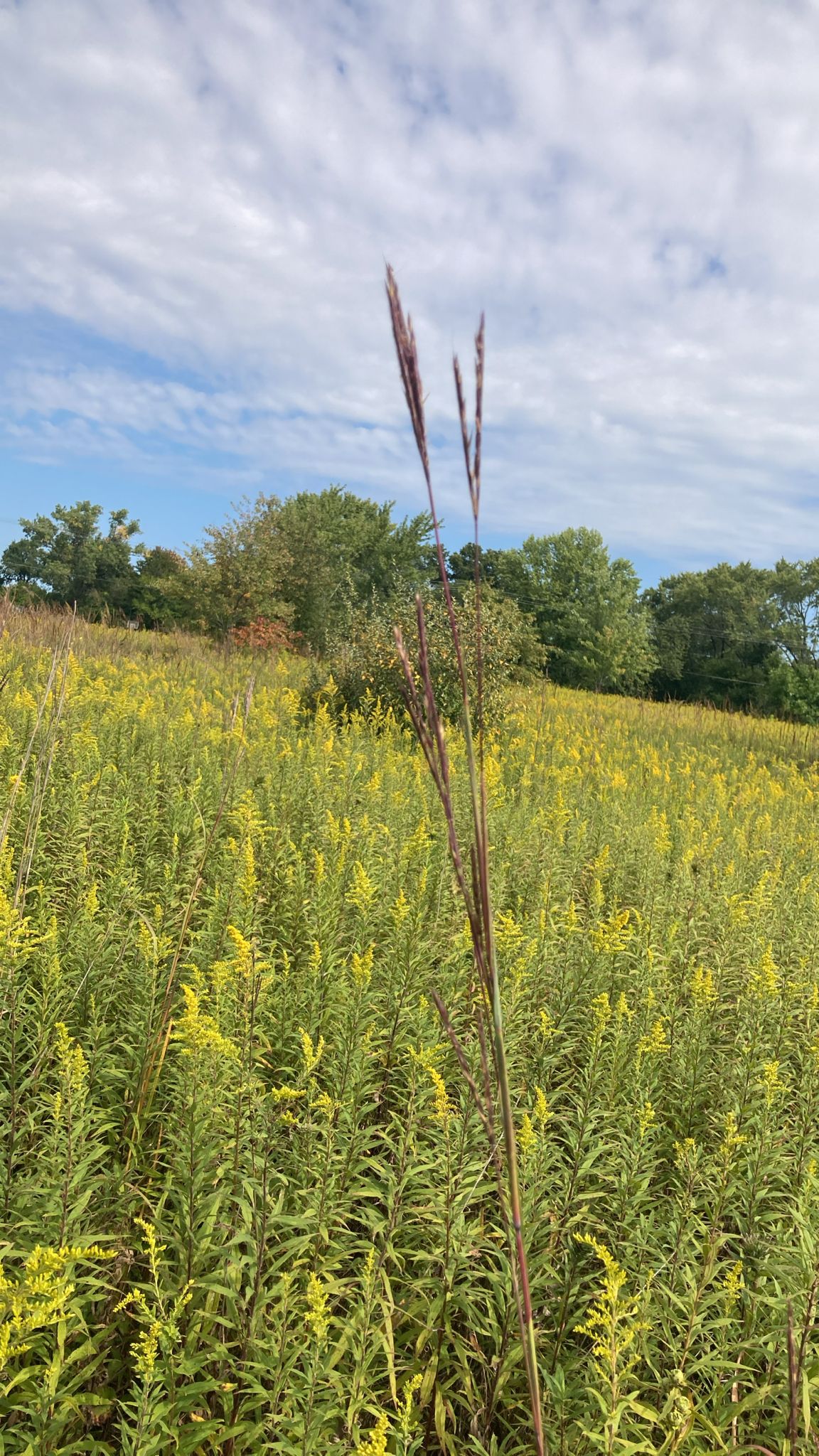
Long, narrow blades; often forming clumps or upright tufts depending on the species.
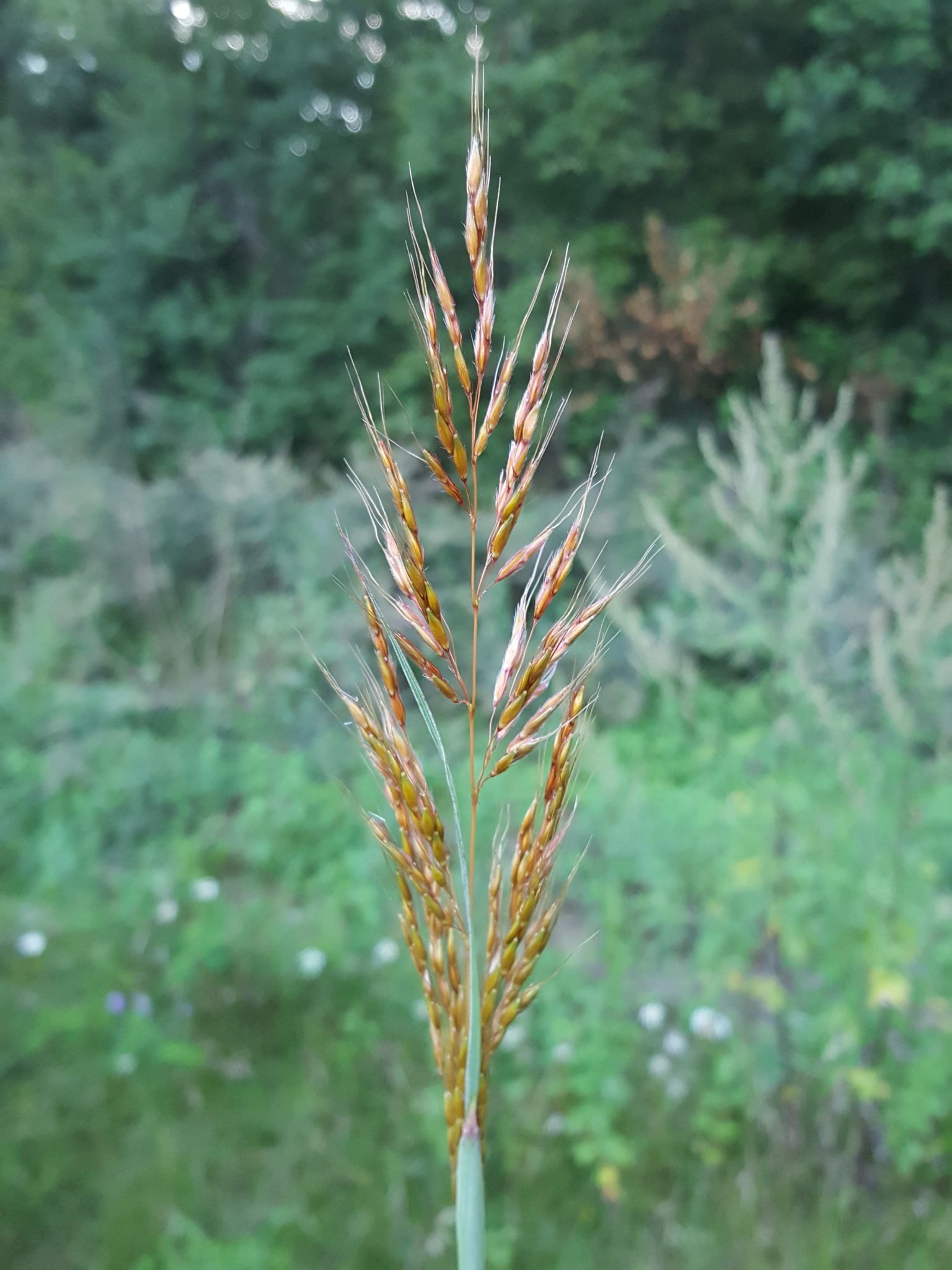
Small and subtle; often noticed as airy plumes or tidy spikes rather than colorful petals.
Seed heads that mature in late summer to fall; many stay attractive into winter.
LOCATION
Native environments and the best spots to place it in your landscape.
SEASONALITY
Notes on bloom windows and how this plant helps pollinators across the seasons.
Prairie grasses are more about seed heads and structure than showy blooms, but they still play an important seasonal role.
Bloom Season Role: Habitat builder (structure and shelter more than showy blooms)
REQUIREMENTS
The right mix of sun, soil, and space for healthy growth.
Match the species to your site; many prairie grasses do best in sun, while some handle part sun.
Most prefer well-drained soil, but there are native options for heavier or seasonally moist soils too.
Water regularly during the first season; after that, many native grasses handle normal rainfall once established.
Plant in small groups or drifts for a natural look, leaving space for flowering plants between clumps.
Use a light mulch layer to reduce weeds while plants establish; keep mulch off the crown (the base of the plant).
GARDENING GUIDE
Simple steps to plant, prune, and maintain healthy trees without pesticides.
Pairings
Pairing ideas to keep pollinators fed throughout the growing season.
GLOSSARY
Glossary terms are being added.
What You Can Do
Turn this knowledge into action. Whether you plant a single pot or a whole garden, you are building a vital bridge for local biodiversity.
Join the movement to restore our shared habitats.