
What they do
Add spring flowers and shrub structure that can fit into a pollinator-friendly garden.
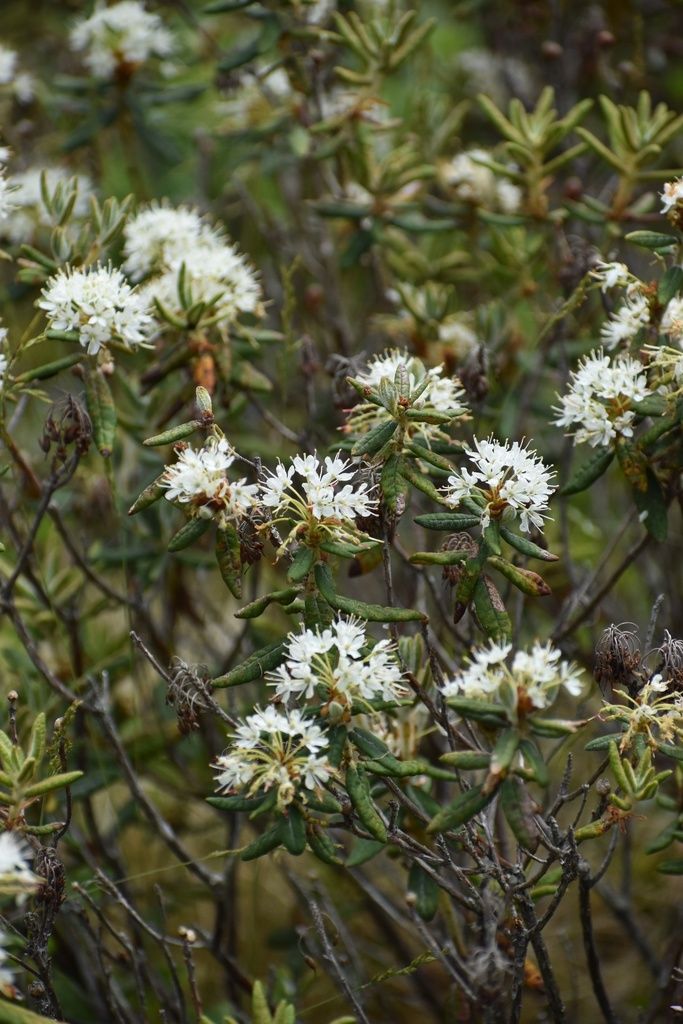
Genus Rhododendron (native azaleas and rhododendrons)
Native azaleas and rhododendrons are flowering shrubs in the genus Rhododendron that can add spring color and support pollinators when planted in the right spot with the right soil.
Plant Type
Shrubs > Azaleas & rhododendrons
Aliases
Rhododendron
Native Range
Native species occur in parts of North America; choose a locally native species for your region when possible.
Bloom window
Spring (timing varies by species and site)
OVERVIEW
Native Azaleas and Rhododendrons (Genus Rhododendron) are foundational flowering shrubs that provide essential, layered structure and evergreen cover in woodland-edge and open forest habitats. They are particularly valuable for adding mid-story height and refuge for small wildlife.
Functionally, these shrubs serve as a critical spring-season resource. Their showy flowers deliver significant nectar and pollen, primarily supporting early-emerging native bees, including bumblebees, and hummingbirds. By offering abundant blooms early in the year, they help bridge resource gaps as the season begins.
FAST FACTS
Essential stats and requirements for quick reference.
| Category | Details |
|---|---|
| Also known as | Rhododendron |
| Bloom window | Spring (timing varies by species and site) |
| Typical height | Shrub-sized; varies widely by species and cultivar |
| Pollinators supported | Bees, Butterflies |
| Light & moisture | Often best in part shade with evenly moist, well-drained soil. |
| Best roles for pollinators | Part shade gardens, woodland edges, foundation plantings, and mixed shrub borders where you can provide the right soil and steady moisture. |
SUMMARY
A quick scan of what they do, what they need, and the best first step.
Add spring flowers and shrub structure that can fit into a pollinator-friendly garden.
A site with the right light and soil, plus steady moisture—especially while establishing.
Choose a native Rhododendron suited to your yard’s light and soil, then plant it at the correct depth and keep it evenly watered the first season.
IMPACT
Key Impacts
RECOGNITION
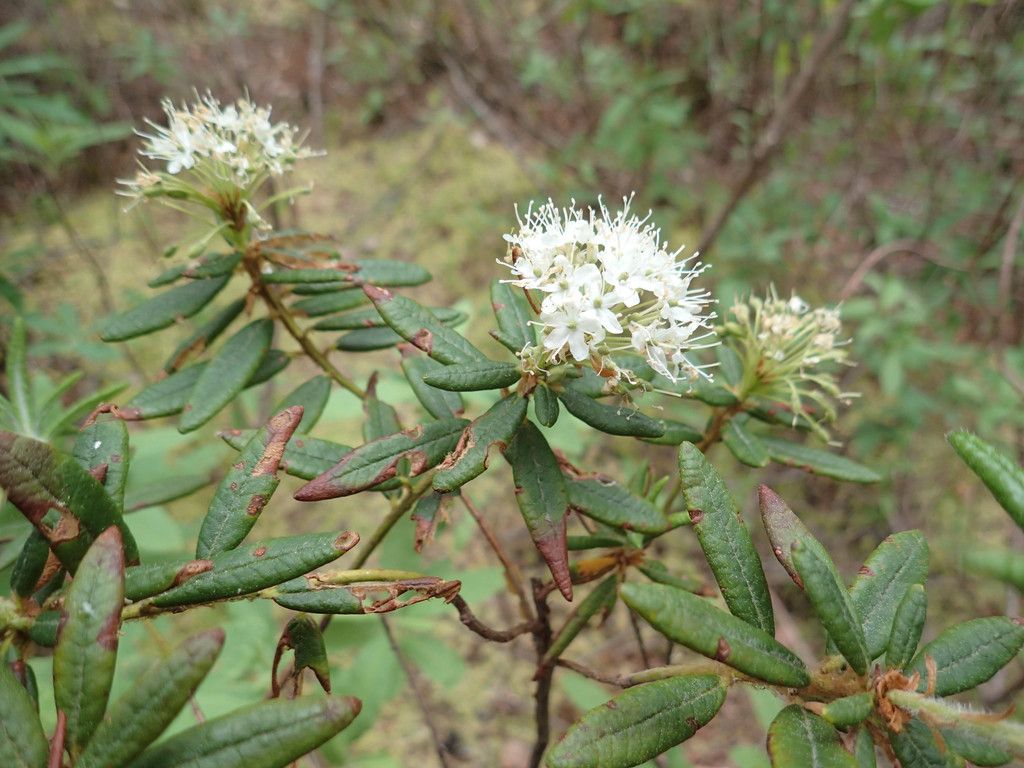
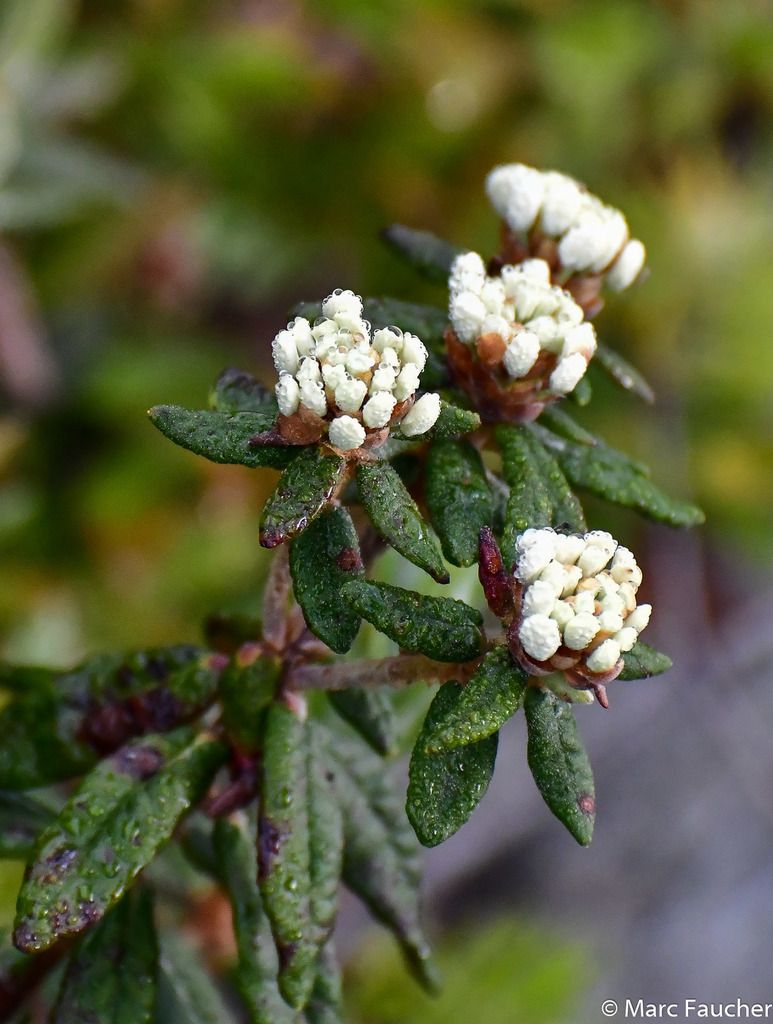
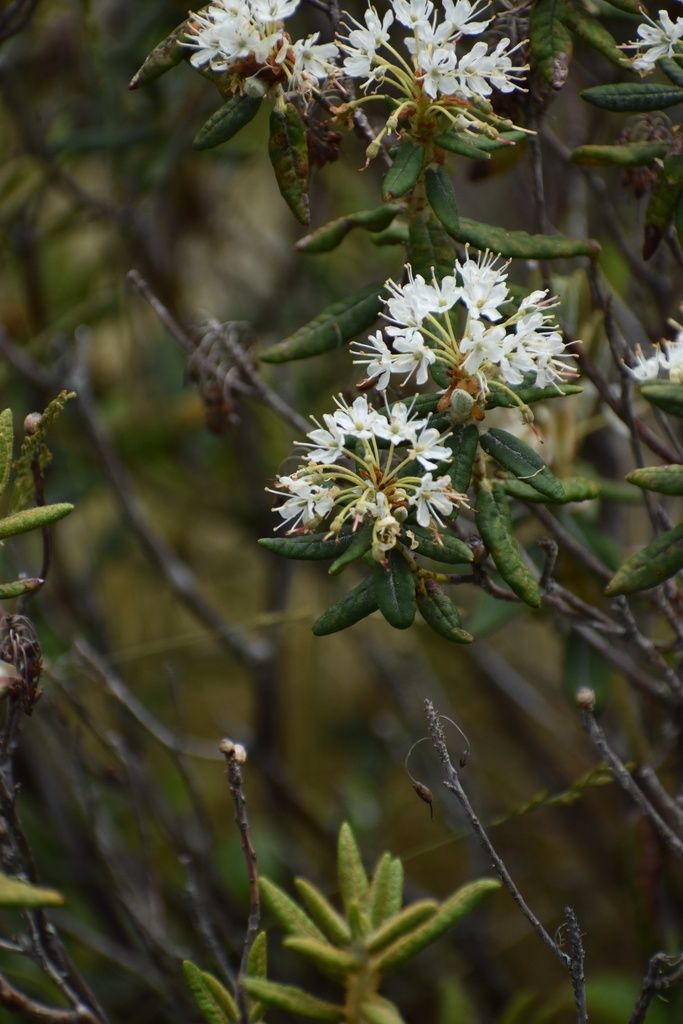
Simple, oval to elongated leaves; some species are evergreen while others are deciduous.
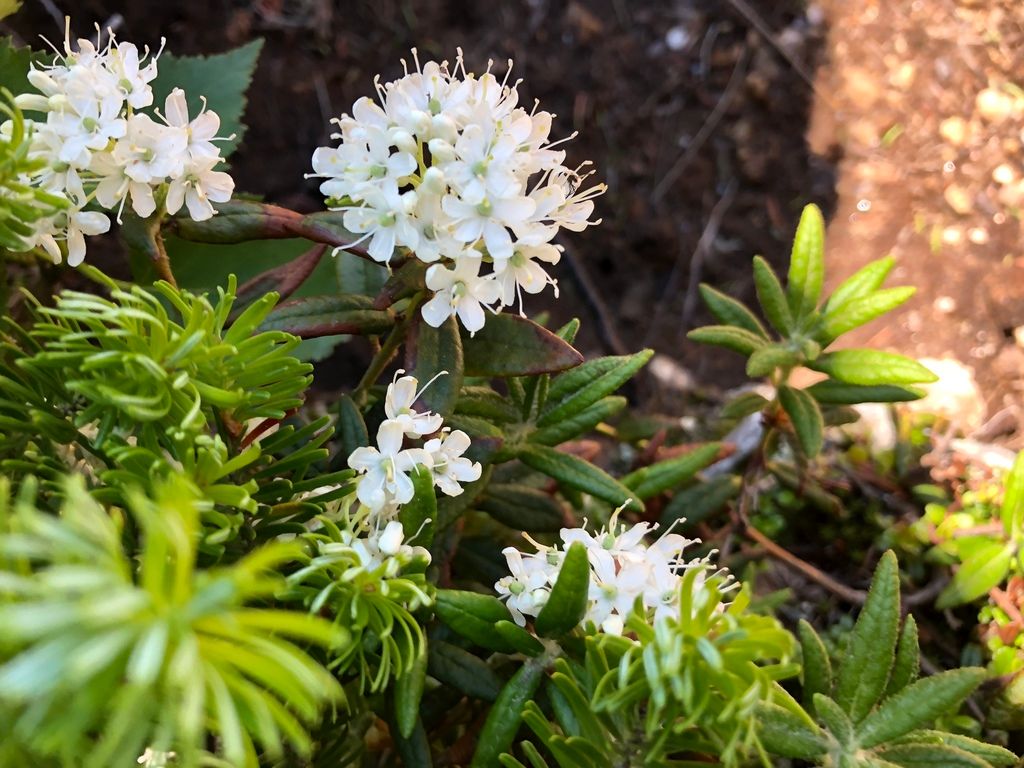
Showy clusters of tubular or funnel-shaped blooms; colors vary by species.
After flowering, plants form dry seed capsules (often not noticed in ornamental plantings).
LOCATION
Native environments and the best spots to place it in your landscape.
SEASONALITY
Notes on bloom windows and how this plant helps pollinators across the seasons.
Bloom timing depends on the species and the weather, but native Rhododendron shrubs are best thought of as spring bloomers.
Bloom Season Role: Spring showpiece shrub that can help kick off the season.
REQUIREMENTS
The right mix of sun, soil, and space for healthy growth.
Often best in part shade; morning sun with afternoon shade is a common sweet spot.
Typically prefers acidic, organic-rich, well-drained soil. If your soil is heavy clay or stays wet, improve drainage or choose a different spot.
Keep evenly moist while establishing; water during dry spells rather than on a rigid schedule.
Plant at the same depth as in the pot (or slightly high if drainage is a concern). Give room for mature size and airflow.
Use a light layer of mulch to hold moisture, but keep mulch pulled back from the stems.
GARDENING GUIDE
Simple steps to plant, prune, and maintain healthy trees without pesticides.
Pairings
Pairing ideas to keep pollinators fed throughout the growing season.
GLOSSARY
Glossary terms are being added.
What You Can Do
Turn this knowledge into action. Whether you plant a single pot or a whole garden, you are building a vital bridge for local biodiversity.
Join the movement to restore our shared habitats.