
What they do
Provides nectar and a reliable place for pollinators to visit during its flowering periods.
Genus Hyptis (regional)
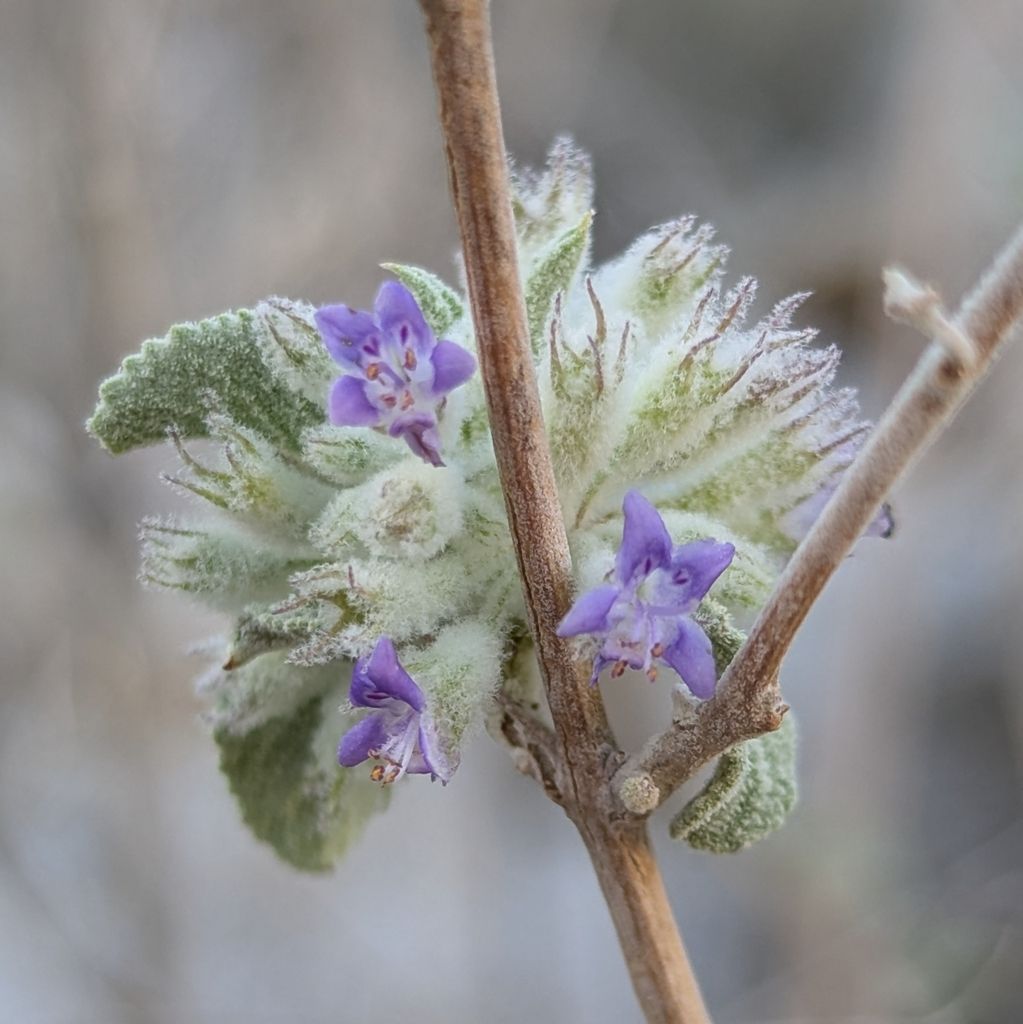
Desert lavender is a regional common name often used for plants in the genus Hyptis. These aromatic shrubs can add long-lasting color and steady nectar to sunny gardens when given good drainage and room to breathe.
Plant Type
Shrubs > Desert lavender
Aliases
Desert lavender
Native Range
Varies by species within the genus Hyptis; sold regionally under the common name “desert lavender.”
Bloom window
Warm-season bloomer (timing varies by species and local conditions)
OVERVIEW
Desert lavender is a useful choice when you want a sunny, fragrant shrub that can contribute flowers for visiting pollinators. Since the name is used regionally for different plants in the genus Hyptis, focus on the basics that work for most: lots of sun, excellent drainage, and moderate watering while the plant gets established.
If you’re gardening in a small space, a container is often the easiest way to get the drainage right. Choose a pot with drainage holes, use a fast-draining potting mix, and place it where it will get strong light. In the ground, avoid low spots where water collects, and consider planting slightly high (on a gentle mound) if your soil tends to stay wet.
For a pollinator patch, desert lavender works best when it’s part of a team. Pair it with plants that bloom earlier and later so there’s something in flower across the growing season. Keep care simple, skip pesticides, and let the garden be a place where pollinators can reliably find food.
FAST FACTS
Essential stats and requirements for quick reference.
| Category | Details |
|---|---|
| Also known as | Desert lavender |
| Bloom window | Warm-season bloomer (timing varies by species and local conditions) |
| Typical height | Shrub-sized (varies by species and pruning) |
| Pollinators supported | Bees, Butterflies |
| Light & moisture | Sun + well-drained soil; water to establish, then avoid staying soggy. |
| Best roles for pollinators | Sunny spots where you want an aromatic shrub that can support pollinators with repeated flowering. |
SUMMARY
A quick scan of what they do, what they need, and the best first step.
Provides nectar and a reliable place for pollinators to visit during its flowering periods.
Bright light, good drainage, and simple, consistent care—especially while establishing roots.
Give it excellent drainage (raised bed or a pot with drainage holes) to prevent root stress.
IMPACT
Key Impacts
RECOGNITION
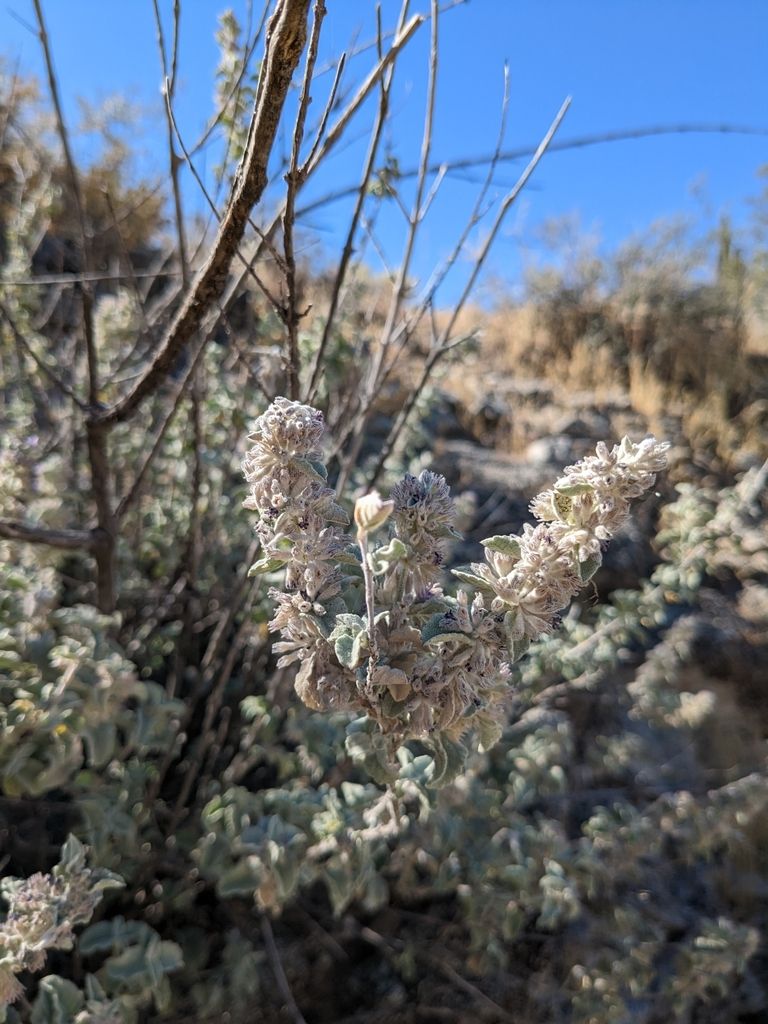
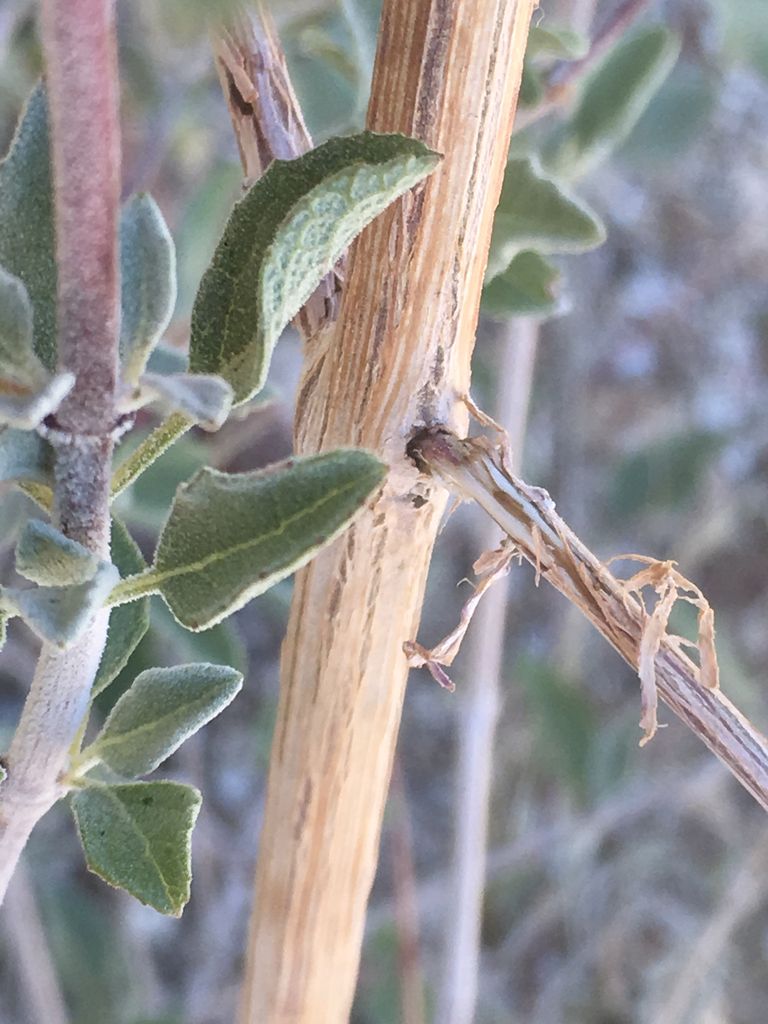
Aromatic leaves, often oval to lance-shaped; texture can be slightly rough or fuzzy depending on the plant.
Small flowers grouped in clusters; commonly purple-toned, but color can vary by selection.
Small, dry seed structures typical of many mint-family plants; not usually a main ornamental feature.
LOCATION
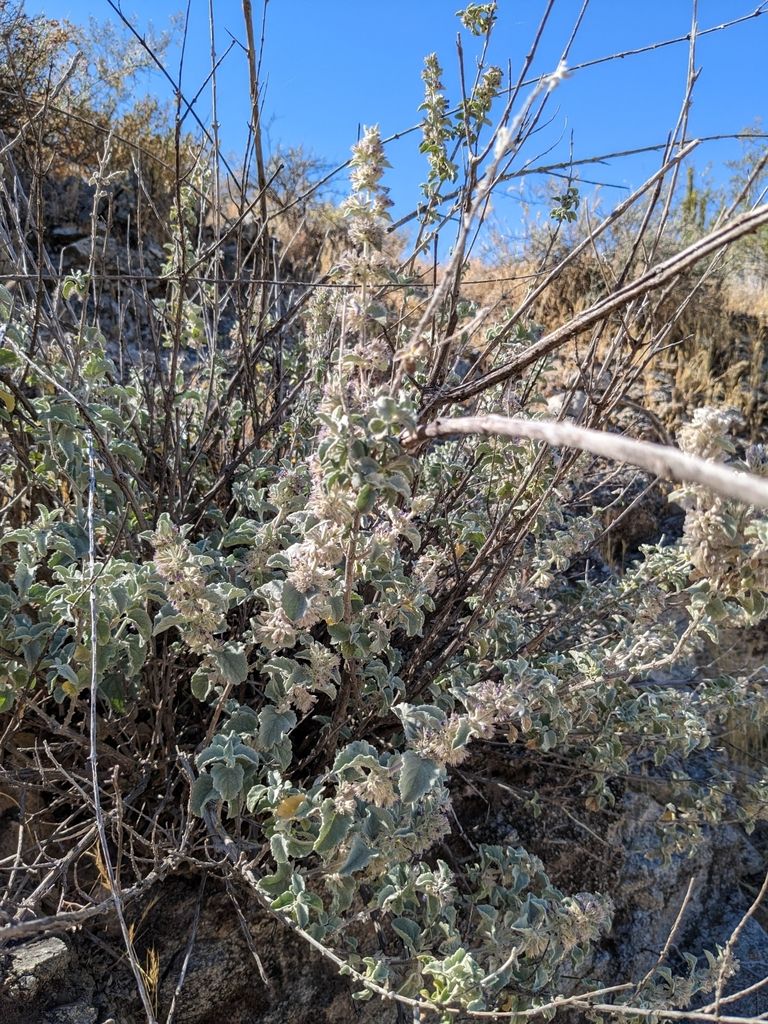
Native environments and the best spots to place it in your landscape.
SEASONALITY
Notes on bloom windows and how this plant helps pollinators across the seasons.
Bloom timing depends on the exact species sold as “desert lavender” and on local growing conditions.
Bloom Season Role: A steady, repeat-blooming option in warm weather when conditions are right.
REQUIREMENTS
The right mix of sun, soil, and space for healthy growth.
Give as much sun as you can for best flowering and a sturdy shape.
Well-drained soil is key; if your soil stays wet, use a raised bed or a container.
Water regularly while the plant is settling in, then water deeply but less often; let the top of the soil dry a bit between waterings.
Plant at the same depth as the pot, loosen the surrounding soil, and leave space for airflow as it grows.
Use a light layer of mulch to reduce weeds, but keep mulch pulled back from the stem to avoid trapping moisture.
GARDENING GUIDE
Simple steps to plant, prune, and maintain healthy trees without pesticides.
Pairings
Pairing ideas to keep pollinators fed throughout the growing season.
GLOSSARY
Glossary terms are being added.
What You Can Do
Turn this knowledge into action. Whether you plant a single pot or a whole garden, you are building a vital bridge for local biodiversity.
Join the movement to restore our shared habitats.