
What they do
Native heaths add long-lasting shrub structure and seasonal flowers that pollinators can visit.
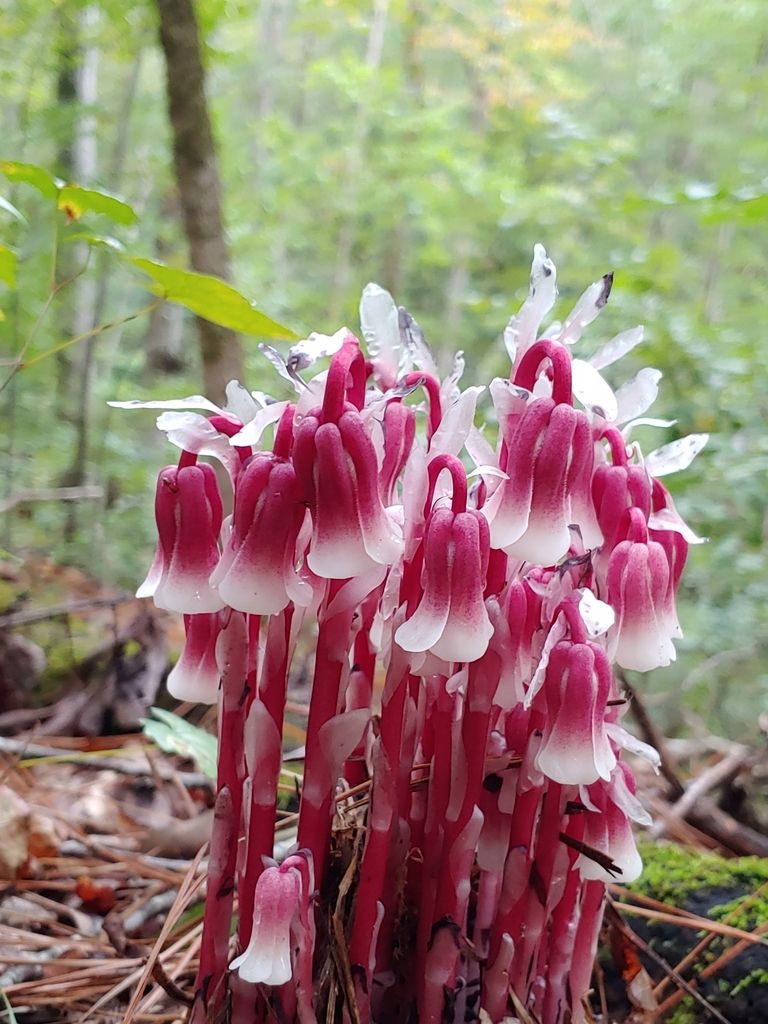
Family Ericaceae (various)
Native heaths are small, heather-like shrubs in the heath family (Ericaceae) that can add year-round structure and nectar-rich blooms to pollinator-friendly gardens when matched to the right light and soil.
Plant Type
Shrubs > Heaths
Aliases
Heath, heather-like native shrubs
Native Range
Native options occur in parts of Canada and the northern United States; choose species native to your local area.
Bloom window
Varies by species; many bloom in spring through summer
OVERVIEW
Native heaths (heather-like shrubs in the Ericaceae family) can be a smart choice when you want a small shrub that looks neat, fits into tight spaces, and offers clusters of small flowers that pollinators may visit.
The biggest success factor is fit: many heath-family shrubs are picky about soil and drainage. If your yard has heavy, compacted soil, consider improving the planting area, choosing a species that tolerates those conditions, or using a container or raised spot with a well-draining mix.
For pollinator-friendly gardening, focus on steady blooms across the seasons. Use native heaths as one piece of the puzzle—pair them with other native plants that flower earlier and later so there’s something in bloom for more of the year.
Keep care simple: water well during establishment, mulch lightly, and avoid pesticides—especially when plants are flowering.
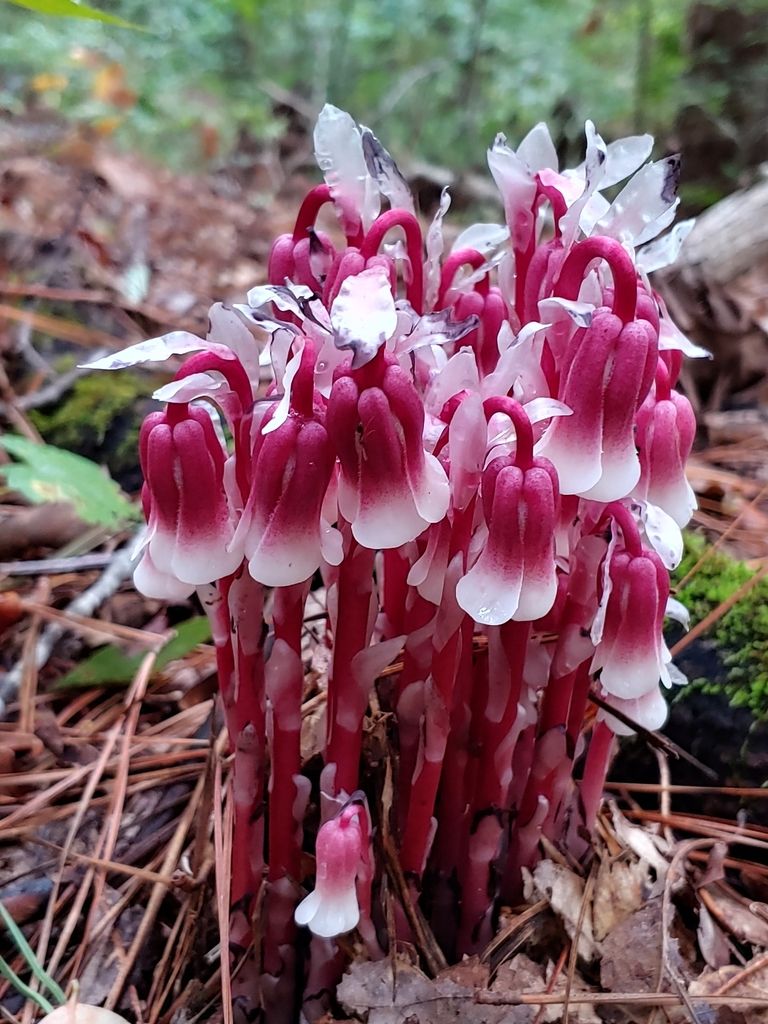
FAST FACTS
Essential stats and requirements for quick reference.
| Category | Details |
|---|---|
| Also known as | Heath, heather-like native shrubs |
| Bloom window | Varies by species; many bloom in spring through summer |
| Typical height | Varies by species; often low to medium shrubs. |
| Pollinators supported | Bees, Butterflies |
| Light & moisture | Depends on the species; choose a native heath that matches your sun/shade and soil moisture. |
| Best roles for pollinators | Small gardens, borders, rock-garden style plantings, and pollinator-friendly containers when the soil and moisture match the plant. |
SUMMARY
A quick scan of what they do, what they need, and the best first step.
Native heaths add long-lasting shrub structure and seasonal flowers that pollinators can visit.
A good match between the plant and your site—especially soil type, drainage, and moisture.
Before you buy, check the tag (or ask) for the plant’s soil and moisture needs and pick a native option that fits your yard or container.
IMPACT
Key Impacts
RECOGNITION
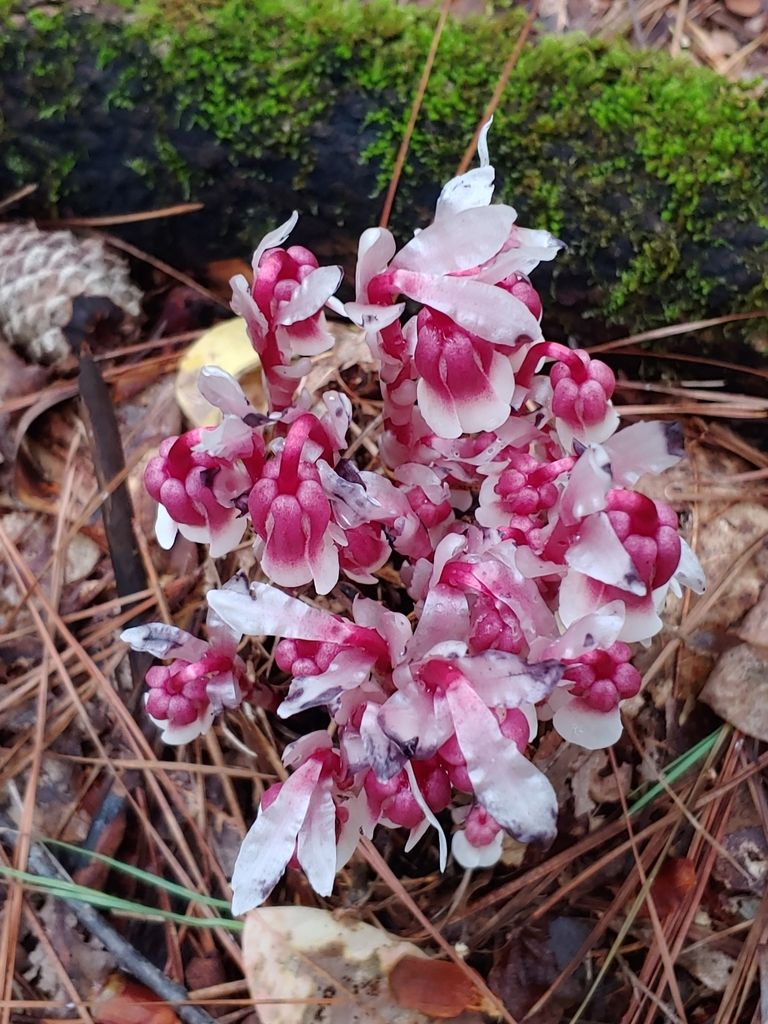
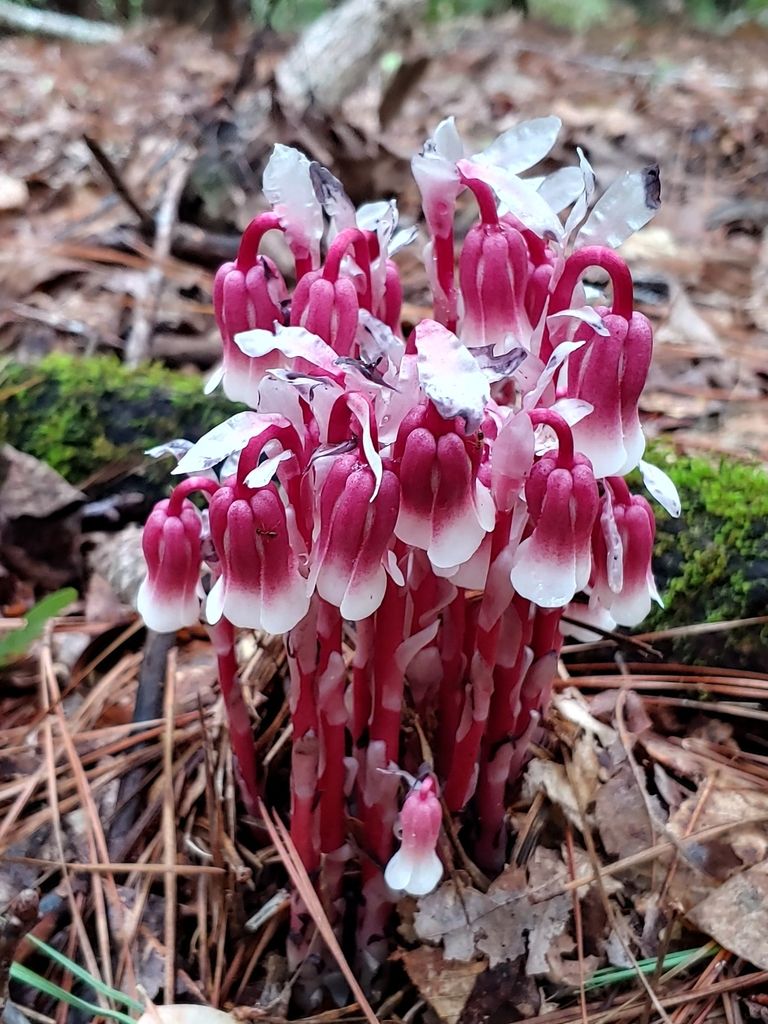
Usually small and narrow, giving a fine-textured look; some are evergreen or semi-evergreen depending on the species.
Many small flowers in clusters; often bell- or urn-shaped.
Small seed capsules or berry-like fruits depending on the species.
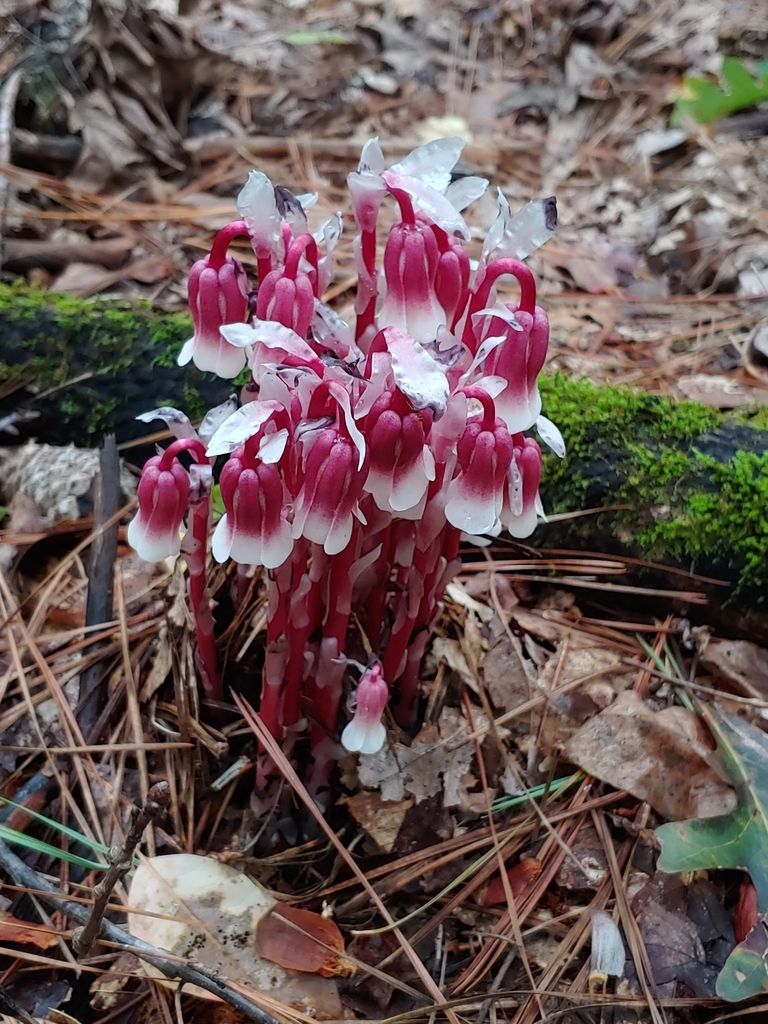
LOCATION
Native environments and the best spots to place it in your landscape.
SEASONALITY
Notes on bloom windows and how this plant helps pollinators across the seasons.
Bloom timing depends on which native heath-family shrub you choose.
Bloom Season Role: Small clustered flowers that can provide steady, easy-to-find blooms when in season.
REQUIREMENTS
The right mix of sun, soil, and space for healthy growth.
Match the species to your site; many do well in sun to part shade.
Often prefers well-drained, low-compaction soil; avoid heavy, waterlogged spots unless the species is suited to them.
Water regularly during establishment; after that, aim for steady moisture without soggy soil (species-dependent).
Plant at the same depth as the pot, loosen the surrounding soil, and water in well.
Use a light layer of mulch to protect roots and reduce weeds, keeping mulch off the stem base.
GARDENING GUIDE
Simple steps to plant, prune, and maintain healthy trees without pesticides.
Pairings
Pairing ideas to keep pollinators fed throughout the growing season.
GLOSSARY
Glossary terms are being added.
What You Can Do
Turn this knowledge into action. Whether you plant a single pot or a whole garden, you are building a vital bridge for local biodiversity.
Join the movement to restore our shared habitats.