

What they do
Kinnikinnick covers the ground with evergreen leaves and offers small spring flowers that can support early pollinators.
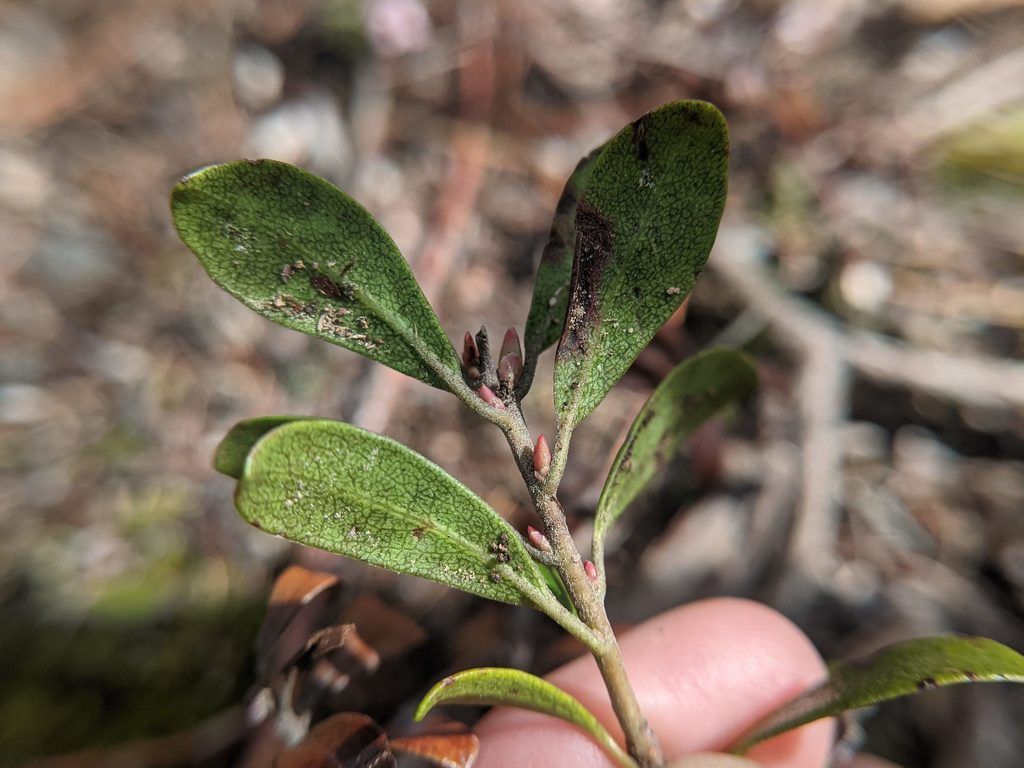
Genus Arctostaphylos (groundcover spp.)
Kinnikinnick is a tough, low-growing evergreen groundcover in the genus Arctostaphylos (often called bearberry) that forms a tidy mat and offers small spring flowers followed by red berries.
Plant Type
Shrubs > Kinnikinnick
Aliases
Bearberry, kinnikinnick
Native Range
Broadly native to northern regions of North America (varies by species).
Bloom window
Spring
OVERVIEW
Kinnikinnick (genus Arctostaphylos, groundcover species) is a durable, low-growing evergreen groundcover that provides year-round structure and soil moisture conservation in sunny, well-drained spots. This plant is functionally important for building resilient, low-fuss layers in a habitat garden.
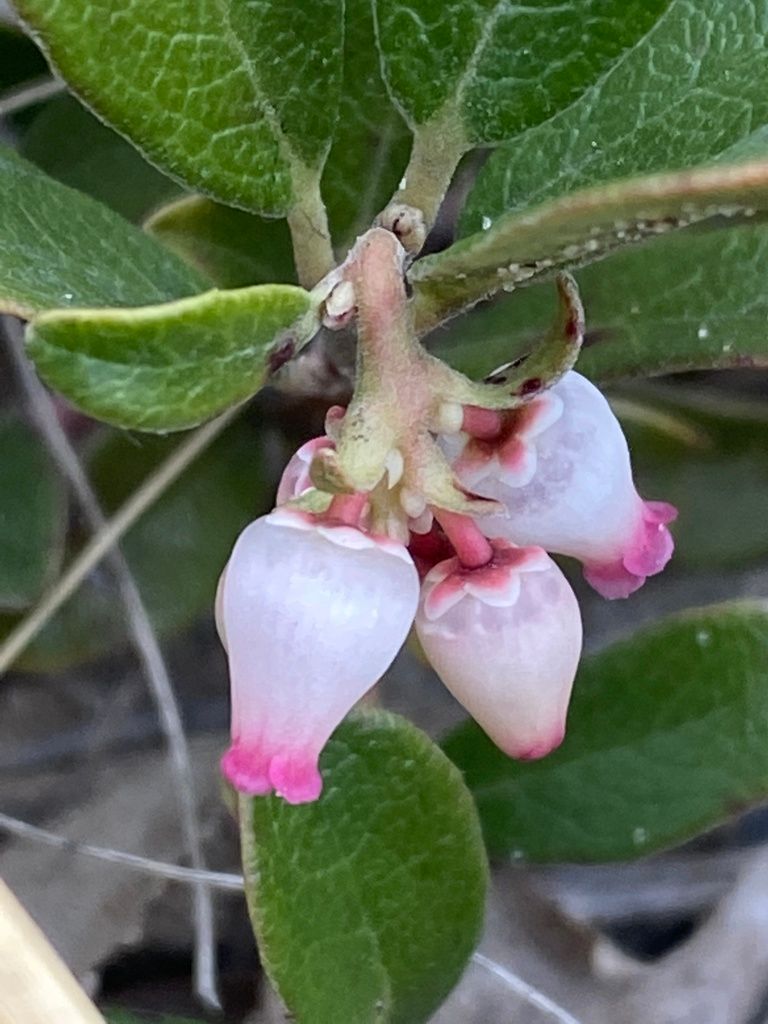
For wildlife, the plant offers resources across multiple seasons. Its small, bell-shaped flowers are an early spring kickoff source of nectar and pollen for emerging native insects. Later, the red berries (often called bearberries) provide a seasonal food source for birds and small mammals. To ensure its ecological benefit, site Kinnikinnick away from excessive moisture and maintain a pesticide-free surrounding area.
FAST FACTS
Essential stats and requirements for quick reference.
| Category | Details |
|---|---|
| Also known as | Bearberry, kinnikinnick |
| Bloom window | Spring |
| Typical height | Low-growing groundcover |
| Pollinators supported | Bees |
| Light & moisture | Best in sun to part sun with well-drained soil; avoid soggy spots. |
| Best roles for pollinators | Sunny groundcover areas, edges of paths, rock gardens, and low-maintenance plantings where you want year-round greenery. |
SUMMARY
A quick scan of what they do, what they need, and the best first step.
Kinnikinnick covers the ground with evergreen leaves and offers small spring flowers that can support early pollinators.
Sun to part sun and well-drained soil; give it space and avoid overwatering.
Choose a well-drained spot and keep mulch light so the stems can breathe and spread.
IMPACT
Key Impacts
RECOGNITION
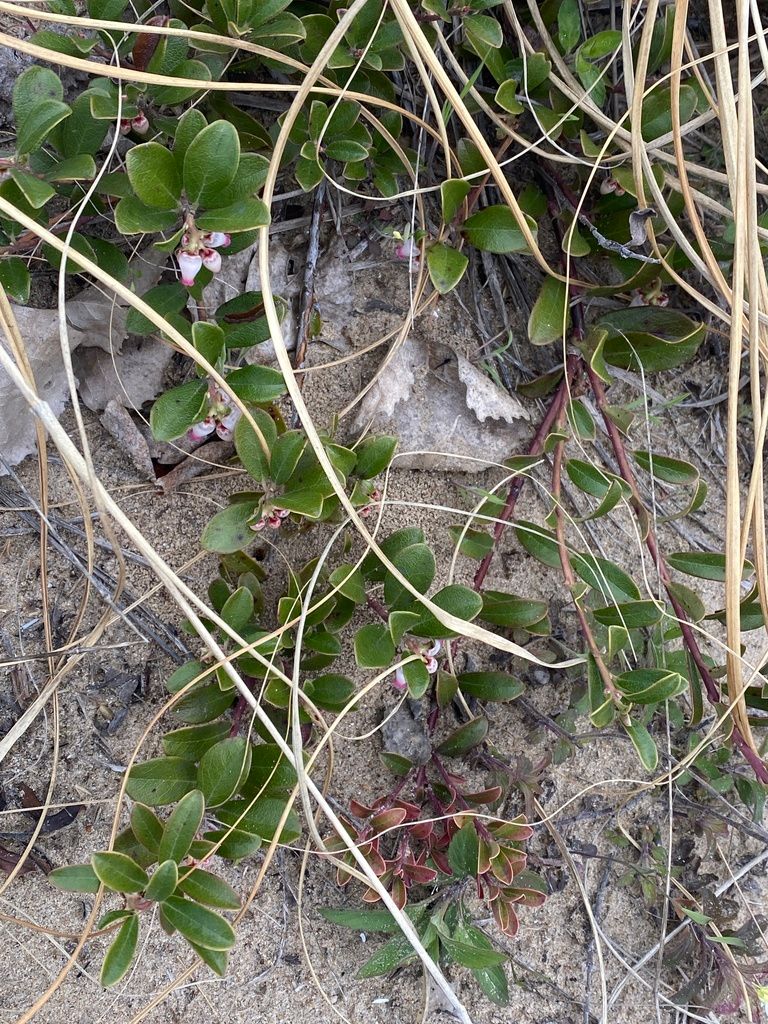
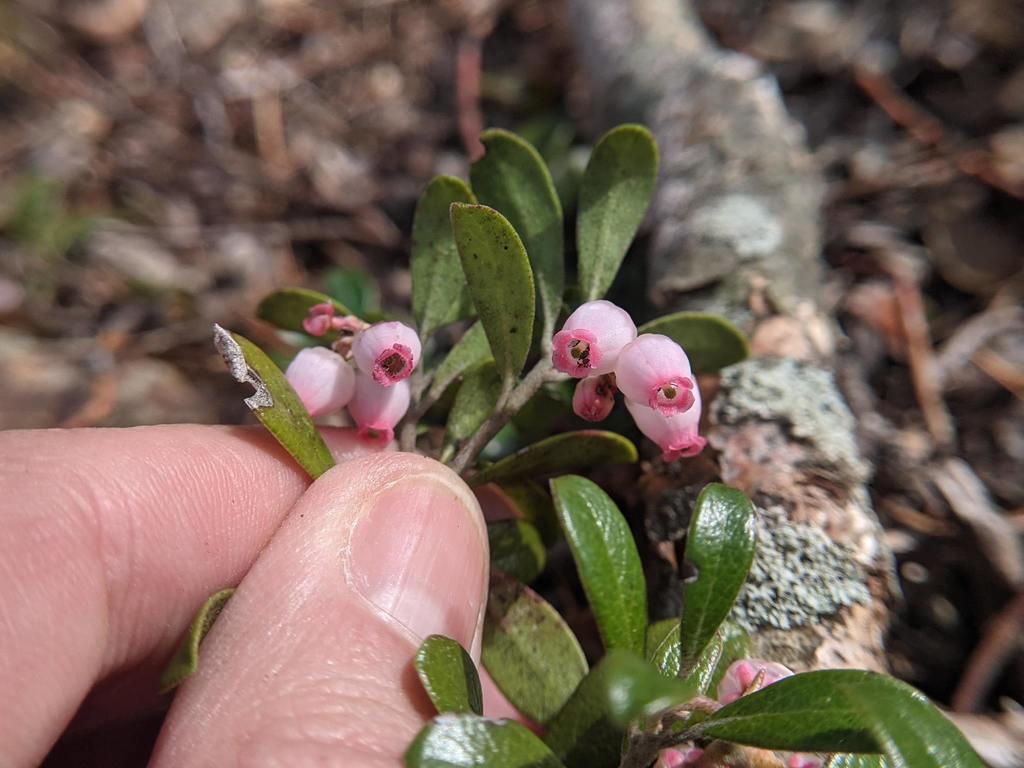
Small, thick, evergreen leaves on trailing stems; leaves are often oval and leathery.
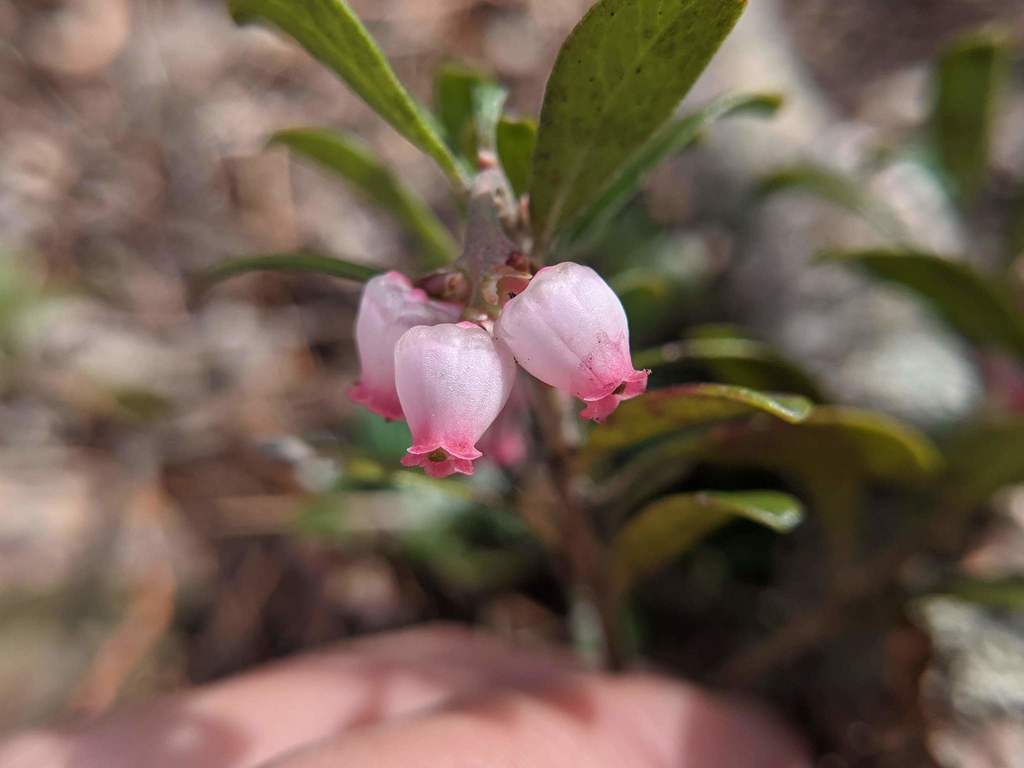
Small, bell-shaped flowers in spring, usually in short clusters.
Red berries may appear after flowering.
LOCATION
Native environments and the best spots to place it in your landscape.
SEASONALITY
Notes on bloom windows and how this plant helps pollinators across the seasons.
Kinnikinnick blooms in spring with small flowers that can be especially helpful when few other plants are flowering.
Bloom Season Role: Early-season nectar and pollen from small spring flowers.
REQUIREMENTS
The right mix of sun, soil, and space for healthy growth.
Sun to part sun is best; too much shade can make it thin out.
Well-drained soil is key; sandy or rocky soils are often a good fit. Avoid heavy, waterlogged areas.
Water to establish, then let the soil dry slightly between waterings. Once settled, it generally prefers not to stay wet.
Plant where it can spread as a low mat. Keep the crown at soil level and avoid burying stems.
Use a thin layer of mulch (or none) so stems aren’t smothered; keep mulch pulled back from the base.
GARDENING GUIDE
Simple steps to plant, prune, and maintain healthy trees without pesticides.
Pairings
Pairing ideas to keep pollinators fed throughout the growing season.
GLOSSARY
Glossary terms are being added.
What You Can Do
Turn this knowledge into action. Whether you plant a single pot or a whole garden, you are building a vital bridge for local biodiversity.
Join the movement to restore our shared habitats.
Pollinators supported
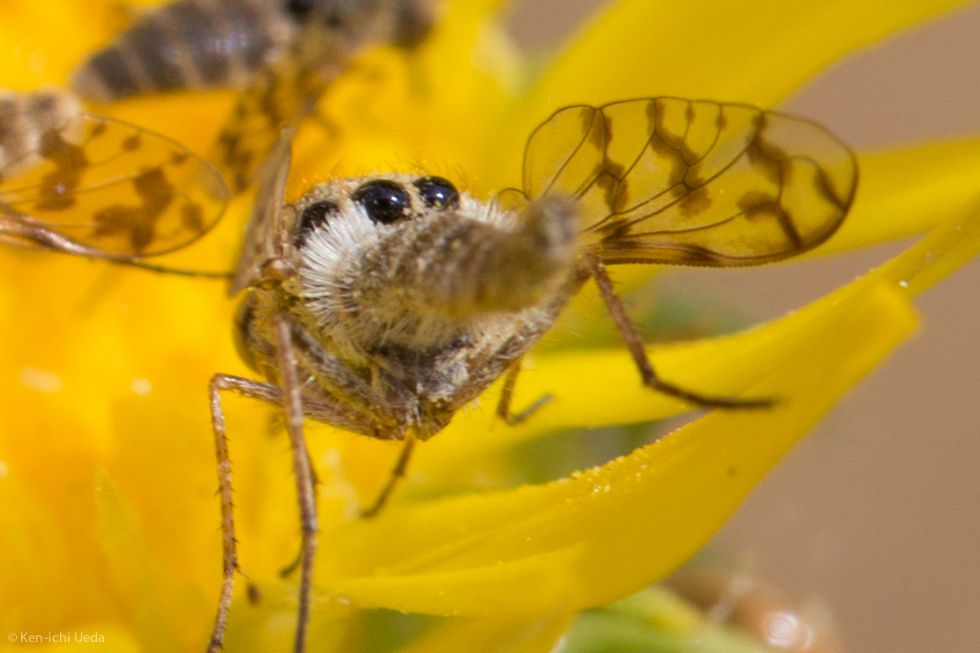
Adults visit flowers for nectar and can move pollen between blooms; their presence is a sign of diverse, functioning habitats.
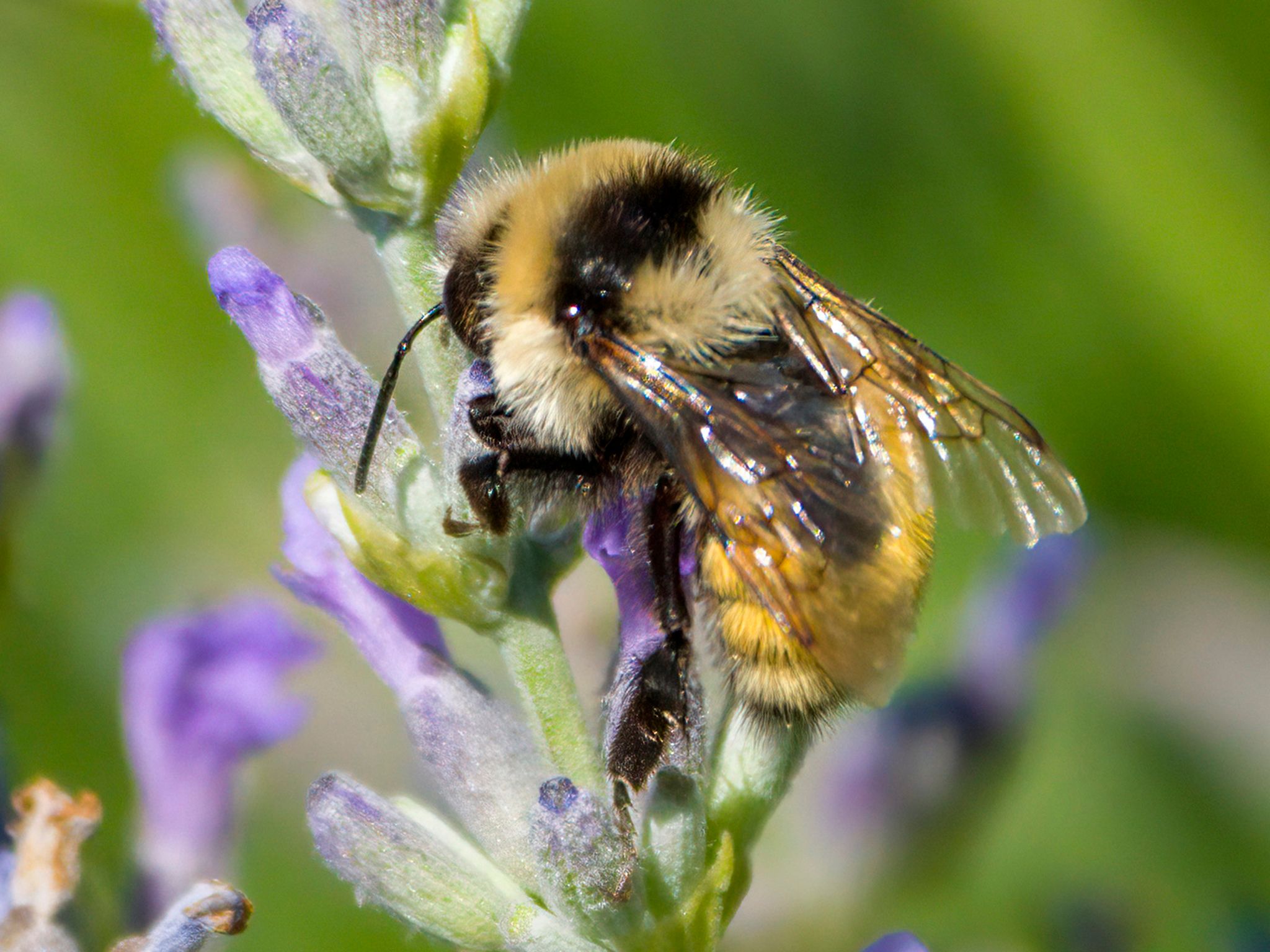
Bumble bees are important pollinators of many wildflowers and garden plants, helping ecosystems and food crops reproduce.
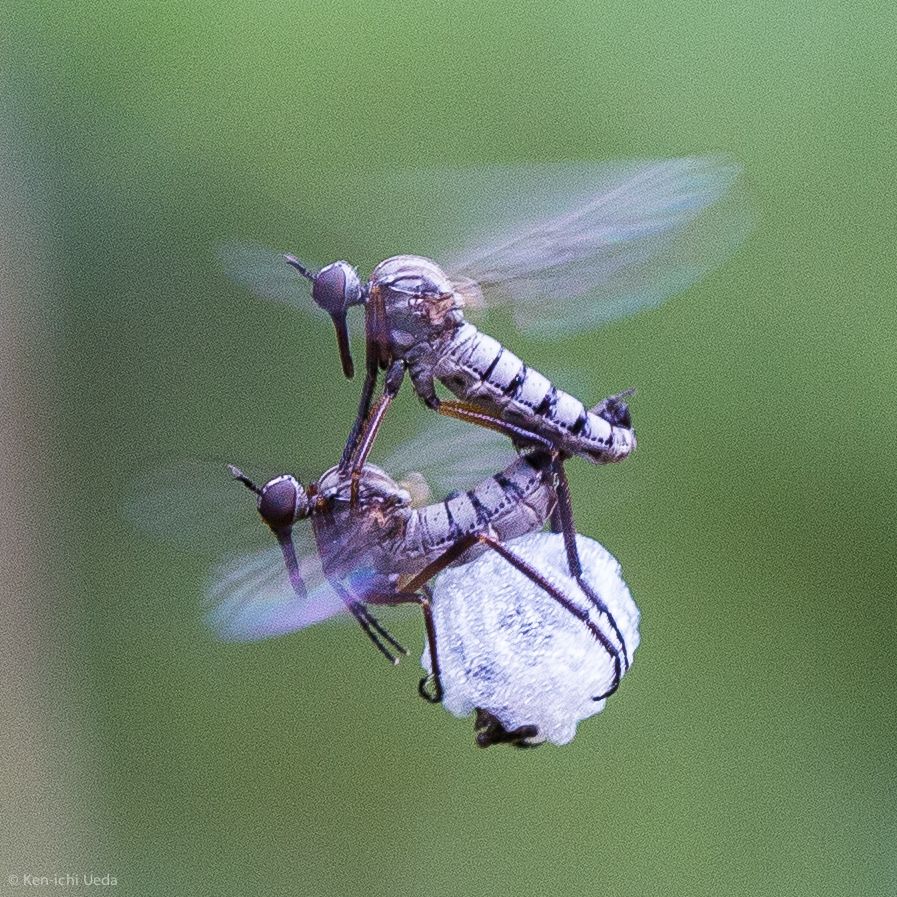
Many visit flowers for nectar and can move pollen between blooms while also playing important roles in local food webs.
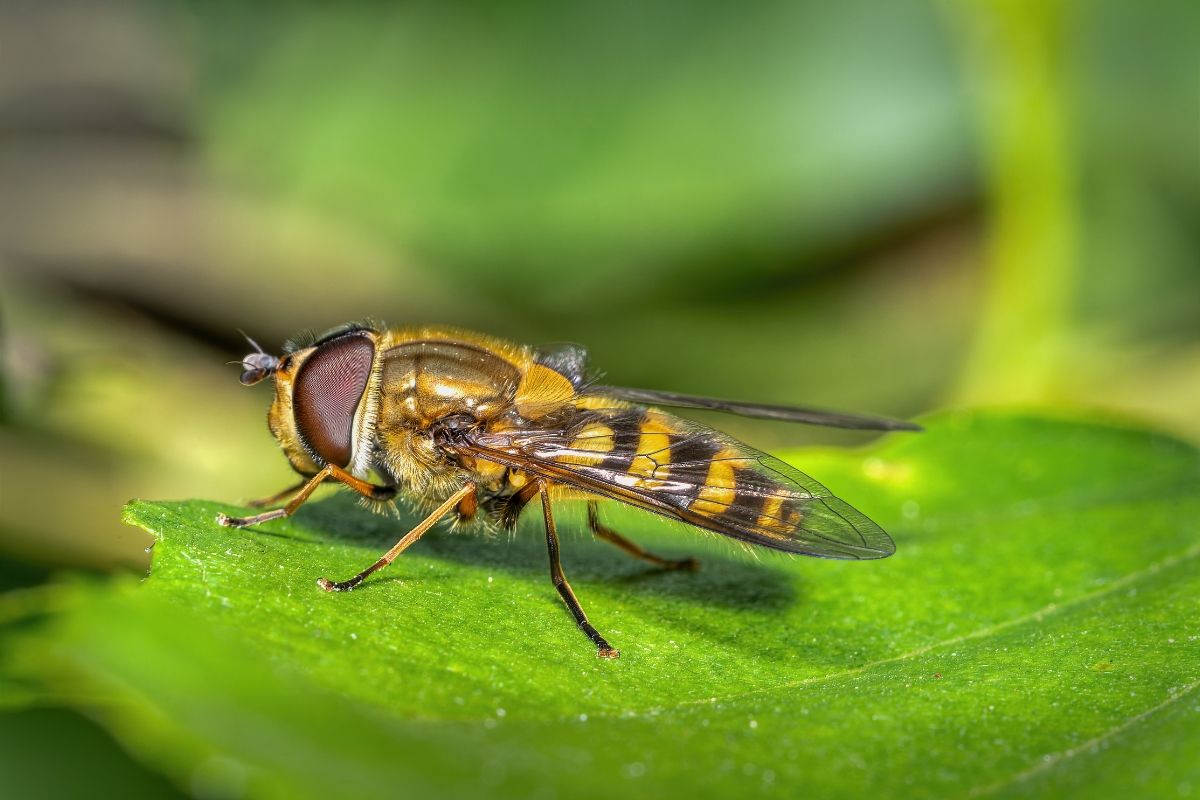
Adults visit flowers for nectar and pollen, and many species’ larvae help keep plant-eating pests in check.
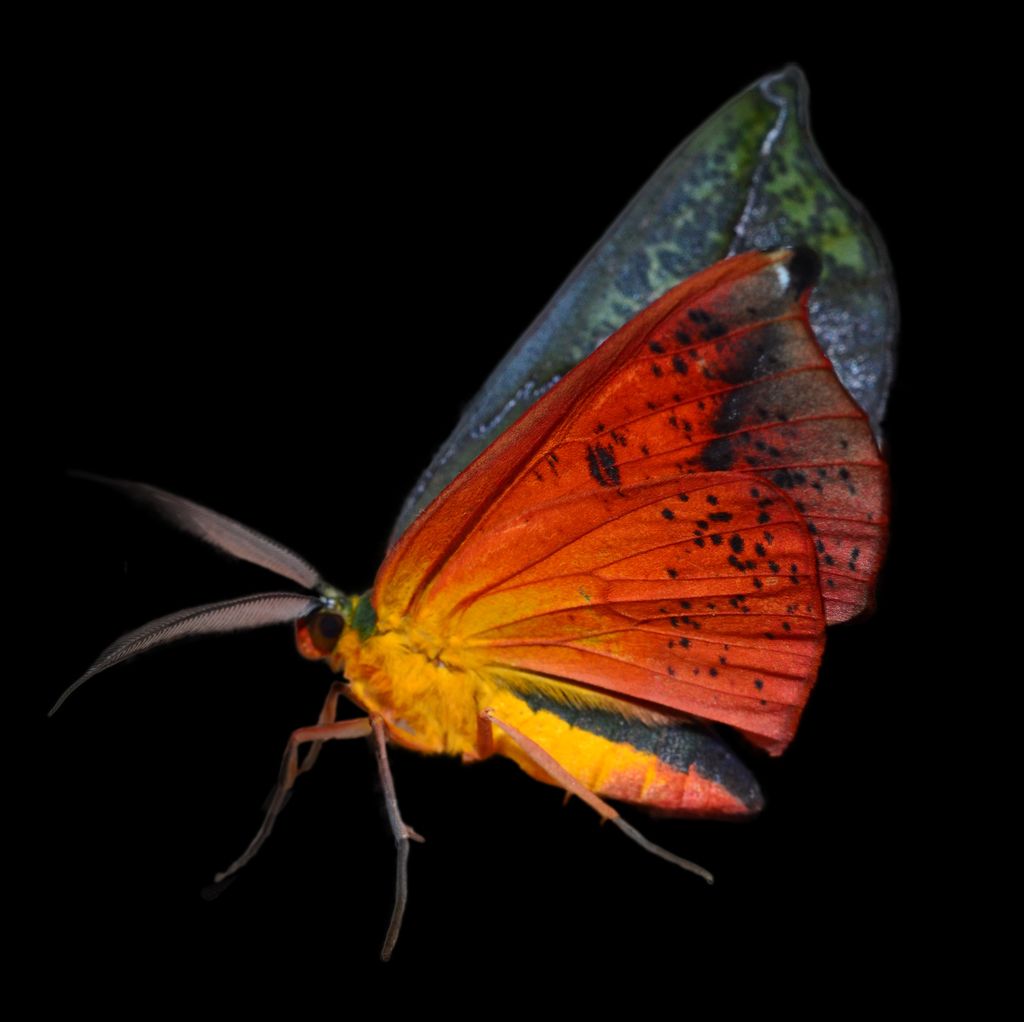
Adults can help move pollen as they nectar at flowers, and their caterpillars are an important part of local food webs.
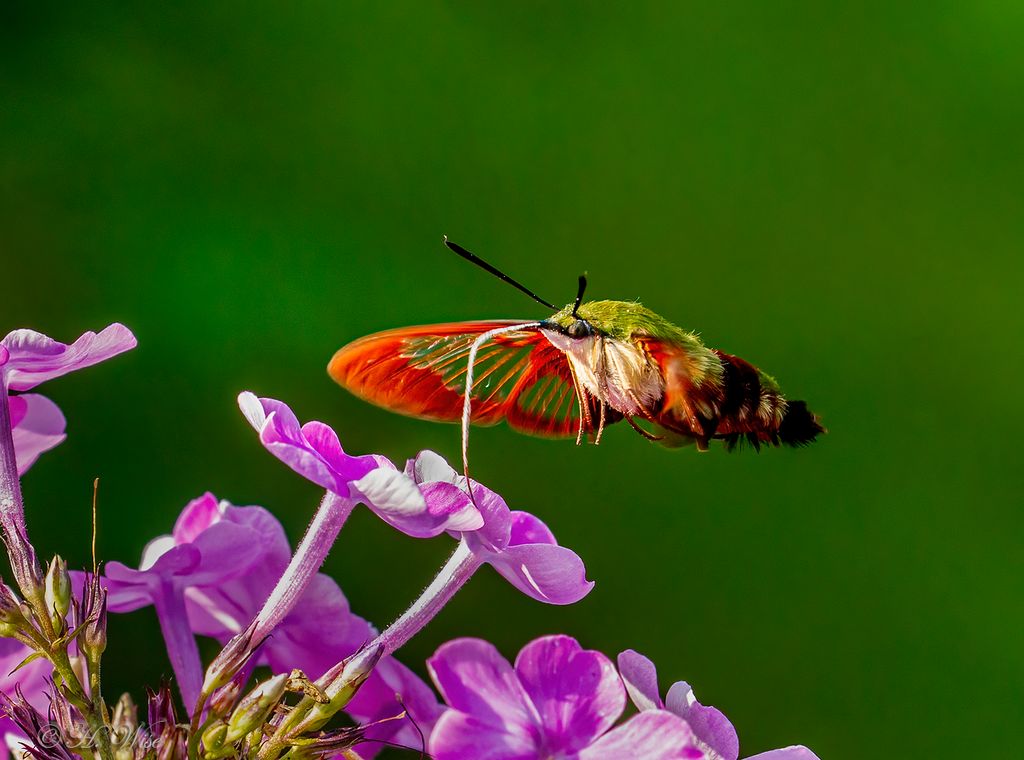
They can move pollen between flowers while feeding on nectar, especially for blooms that open or scent up in the evening.
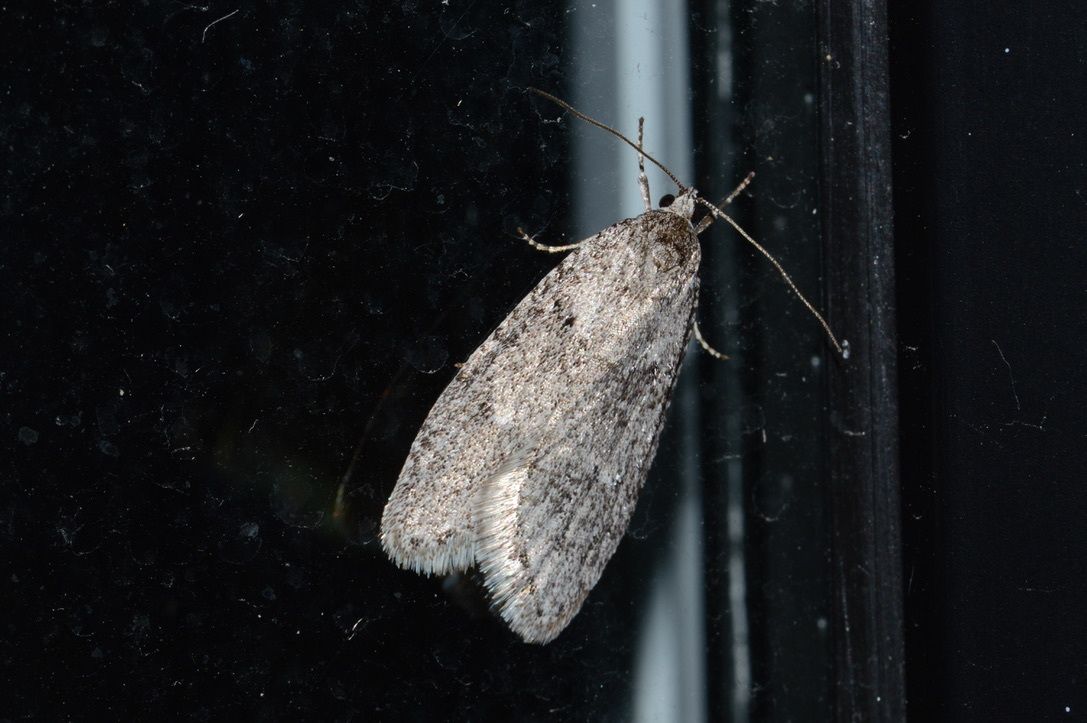
Many small moths move pollen while feeding on nectar, supporting wild plants and garden blooms—especially in the evening and at night.
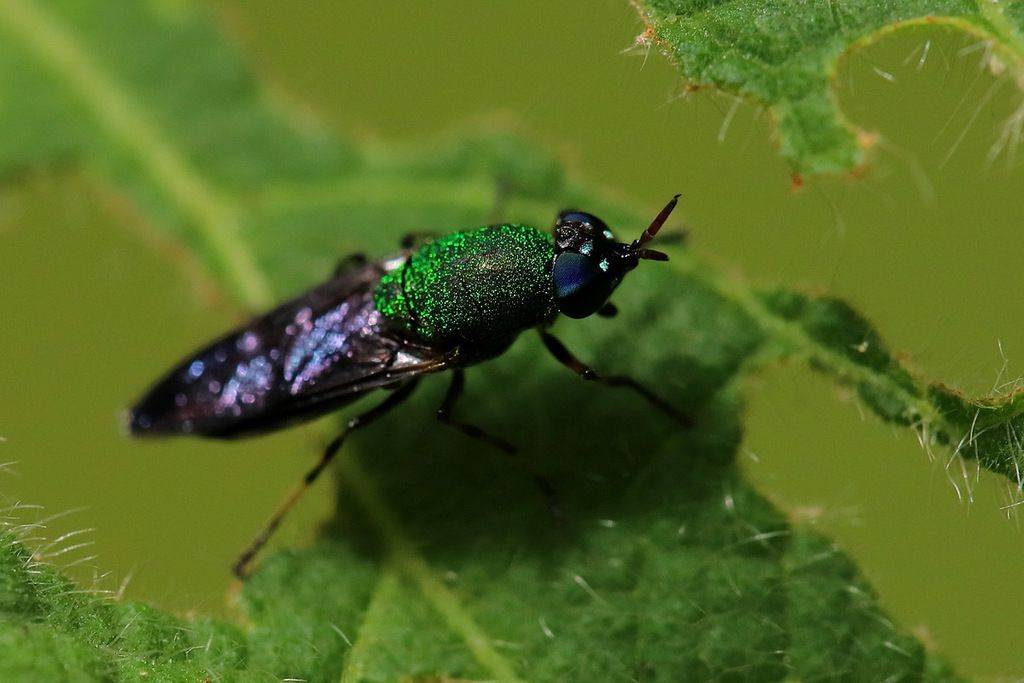
Many adults visit flowers for nectar and can move pollen between blooms while feeding.
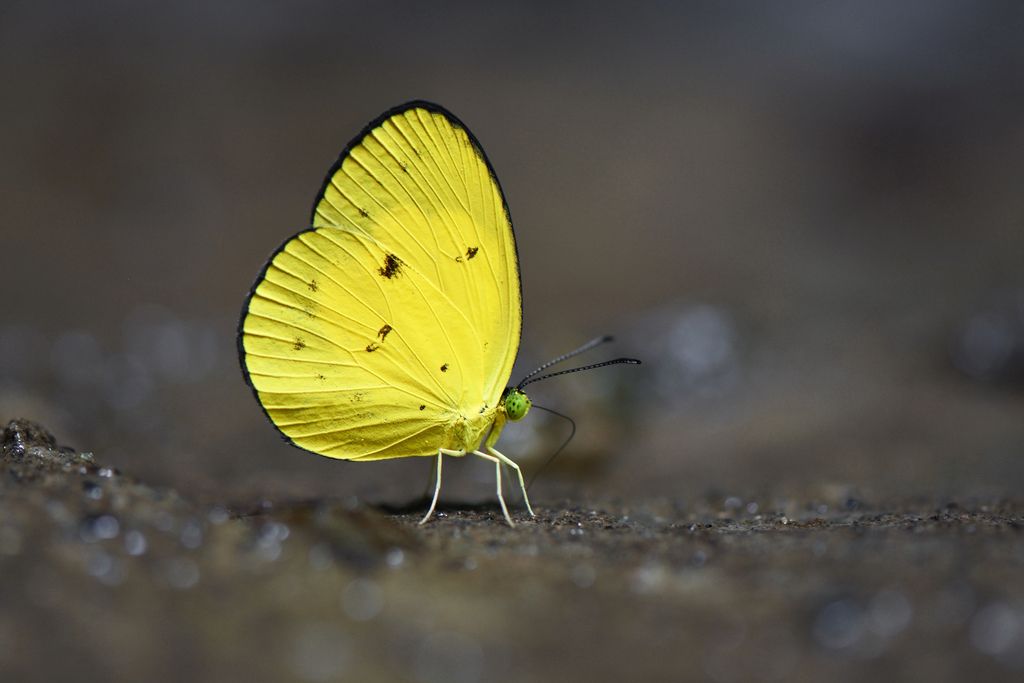
They visit a wide range of flowers for nectar and can help move pollen between blooms as they feed.