

What they do
Mock oranges add a big flush of white flowers that can be visited by a range of pollinators, plus they bring strong fragrance to gardens and schoolyards.
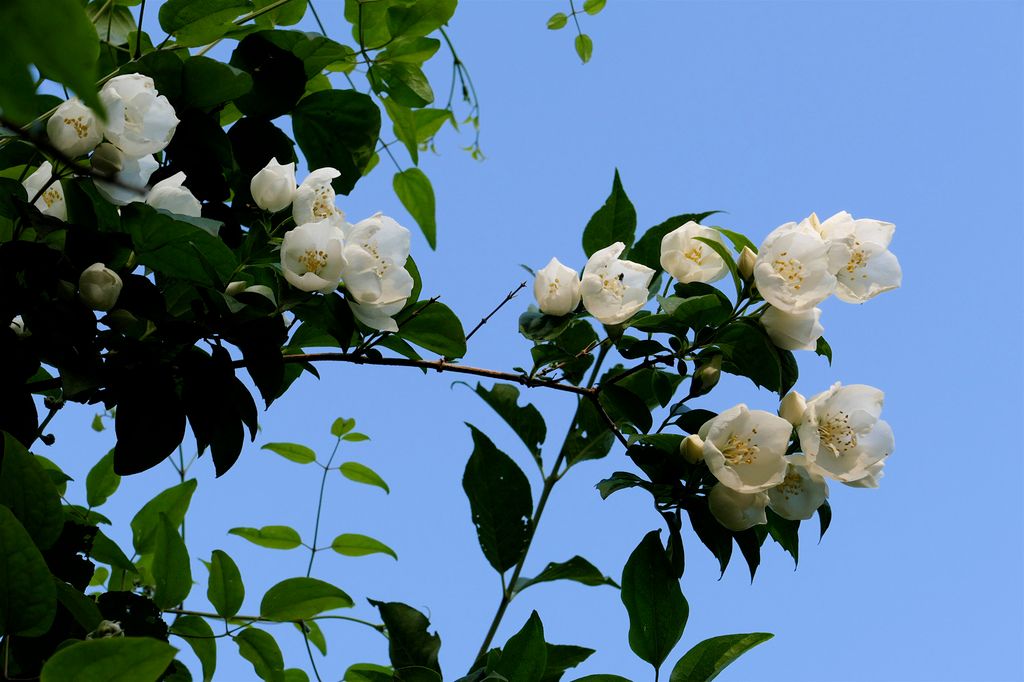
Genus Philadelphus
Mock oranges (Philadelphus) are classic flowering shrubs known for their bright white blooms and sweet, citrus-like fragrance. They’re a simple way to add a big burst of spring-to-early-summer flowers that many pollinators can use.
Plant Type
Shrubs > Mock oranges
Aliases
Mock orange
Native Range
Varies by species within the genus; some are native to parts of North America, Europe, and Asia, and many garden plants are cultivated selections.
Bloom window
Late spring to early summer (varies by species and cultivar)
OVERVIEW
Mock oranges (Philadelphus spp.) are flowering shrubs that earn their name from their orange-blossom-like fragrance. When they bloom, the shrub can be covered in white flowers, making it a standout in a yard, along a fence, or near a walkway.
For pollinator-friendly planting, mock oranges work best as part of a longer-season plan: pair them with earlier spring flowers and later summer and fall bloomers so there’s something in flower across the growing season. Their shrub form also adds structure—useful for creating a layered garden with groundcovers and perennials in front.
If you only remember one care tip, remember this: prune after flowering. Many mock oranges set next year’s flower buds on older wood, so pruning too late can reduce blooms. With the right light and a little space, mock oranges are a reliable, low-stress way to add beauty and pollinator visits to everyday places.
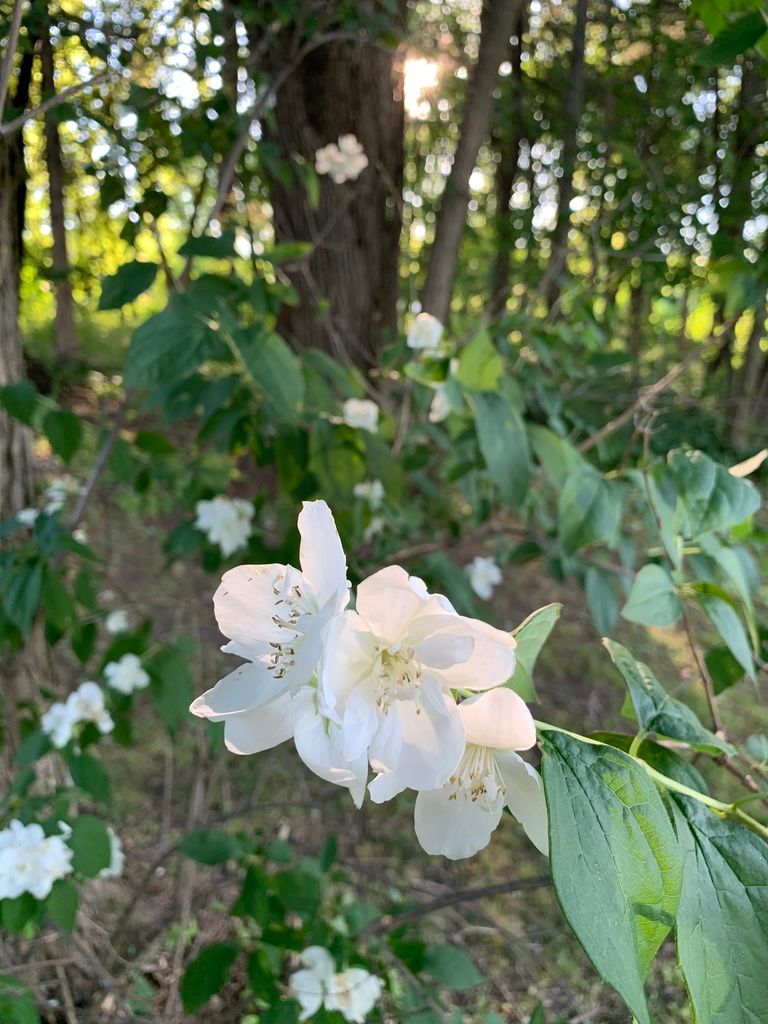
FAST FACTS
Essential stats and requirements for quick reference.
| Category | Details |
|---|---|
| Also known as | Mock orange |
| Bloom window | Late spring to early summer (varies by species and cultivar) |
| Typical height | Varies widely by species and cultivar; from compact shrubs to larger, arching forms |
| Pollinators supported | Bees, Butterflies, Flies |
| Light & moisture | Best in sun to part shade with evenly moist, well-drained soil. |
| Best roles for pollinators | Fragrant blooms, easy-care flowering hedges, and adding a pollinator-friendly burst of flowers in late spring and early summer. |
SUMMARY
A quick scan of what they do, what they need, and the best first step.
Mock oranges add a big flush of white flowers that can be visited by a range of pollinators, plus they bring strong fragrance to gardens and schoolyards.
Give them good light, decent drainage, and a little patience while they establish; prune right after flowering if you need to shape them.
If you prune, do it soon after the blooms fade so you don’t remove next season’s flower buds.
IMPACT
Key Impacts
RECOGNITION
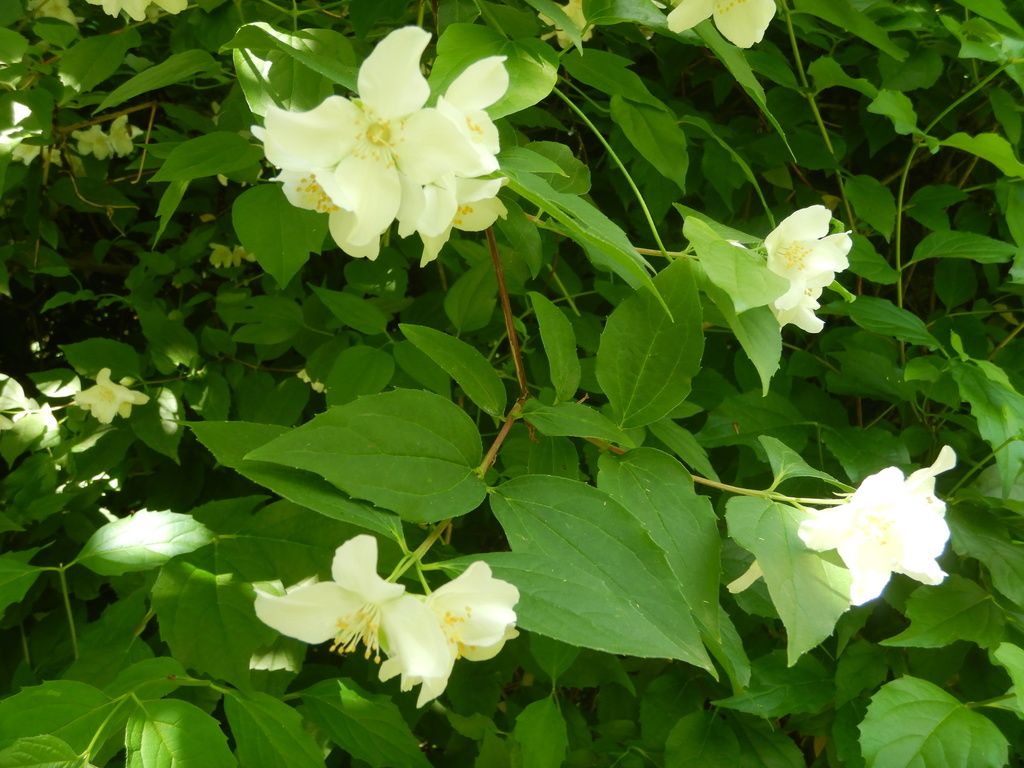
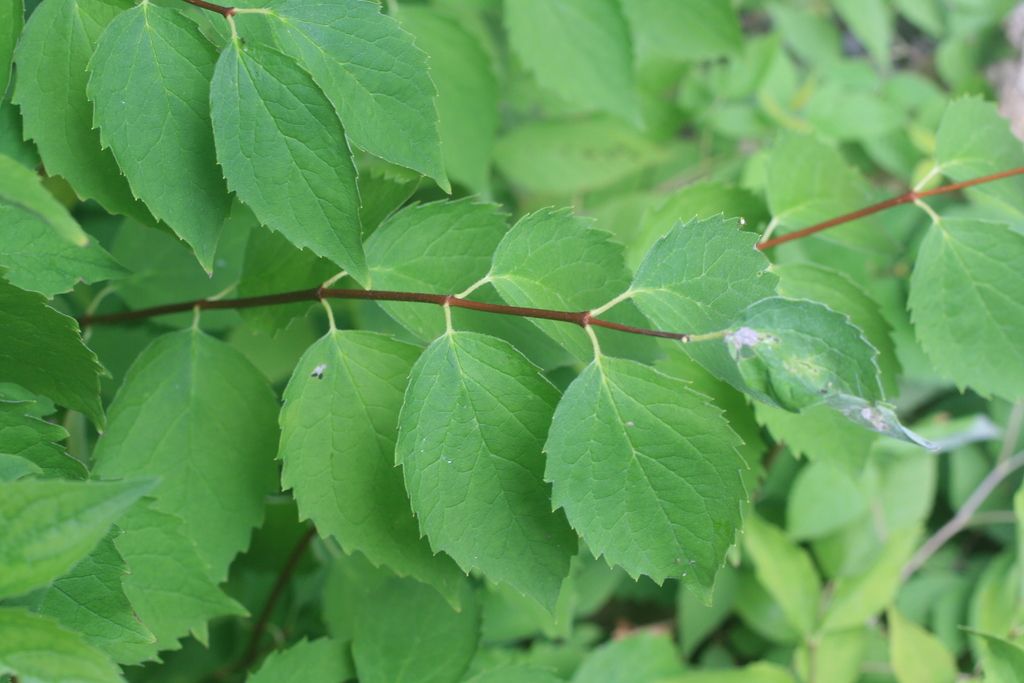
Simple, oval to slightly pointed leaves, usually opposite on the stem; medium green and lightly textured.
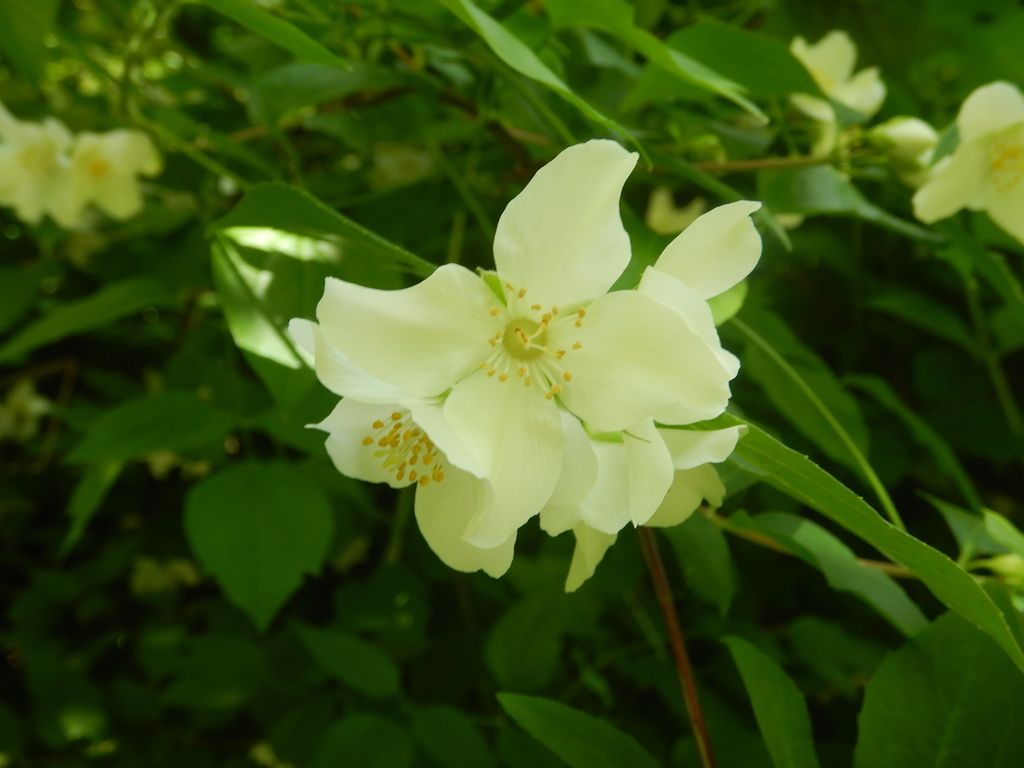
White, often very fragrant flowers in clusters; typically 4 petals with a yellow center of stamens (some cultivars are double).
Small, dry seed capsules that may persist after flowering.
LOCATION
Native environments and the best spots to place it in your landscape.
SEASONALITY
Notes on bloom windows and how this plant helps pollinators across the seasons.
Mock oranges are best known for a short, memorable bloom season.
Bloom Season Role: A showy, fragrant bloom window that can help bridge spring into early summer.
REQUIREMENTS
The right mix of sun, soil, and space for healthy growth.
Full sun gives the best flowering; part shade is usually fine, but heavy shade can reduce blooms.
Average garden soil with good drainage; improves with compost if soil is very sandy or compacted.
Water regularly during the first season; once established, water during long dry spells, especially before and during bloom.
Plant at the same depth as the pot, loosen the surrounding soil, and water in well. Leave enough space for mature width so air can move through the shrub.
Add a thin layer of mulch to hold moisture and reduce weeds, keeping mulch a little away from the stems.
GARDENING GUIDE
Simple steps to plant, prune, and maintain healthy trees without pesticides.
Pairings
Pairing ideas to keep pollinators fed throughout the growing season.
GLOSSARY
Glossary terms are being added.
What You Can Do
Turn this knowledge into action. Whether you plant a single pot or a whole garden, you are building a vital bridge for local biodiversity.
Join the movement to restore our shared habitats.