

What they do
Rabbitbrush provides bright late-season flowers that can support a variety of pollinating insects.
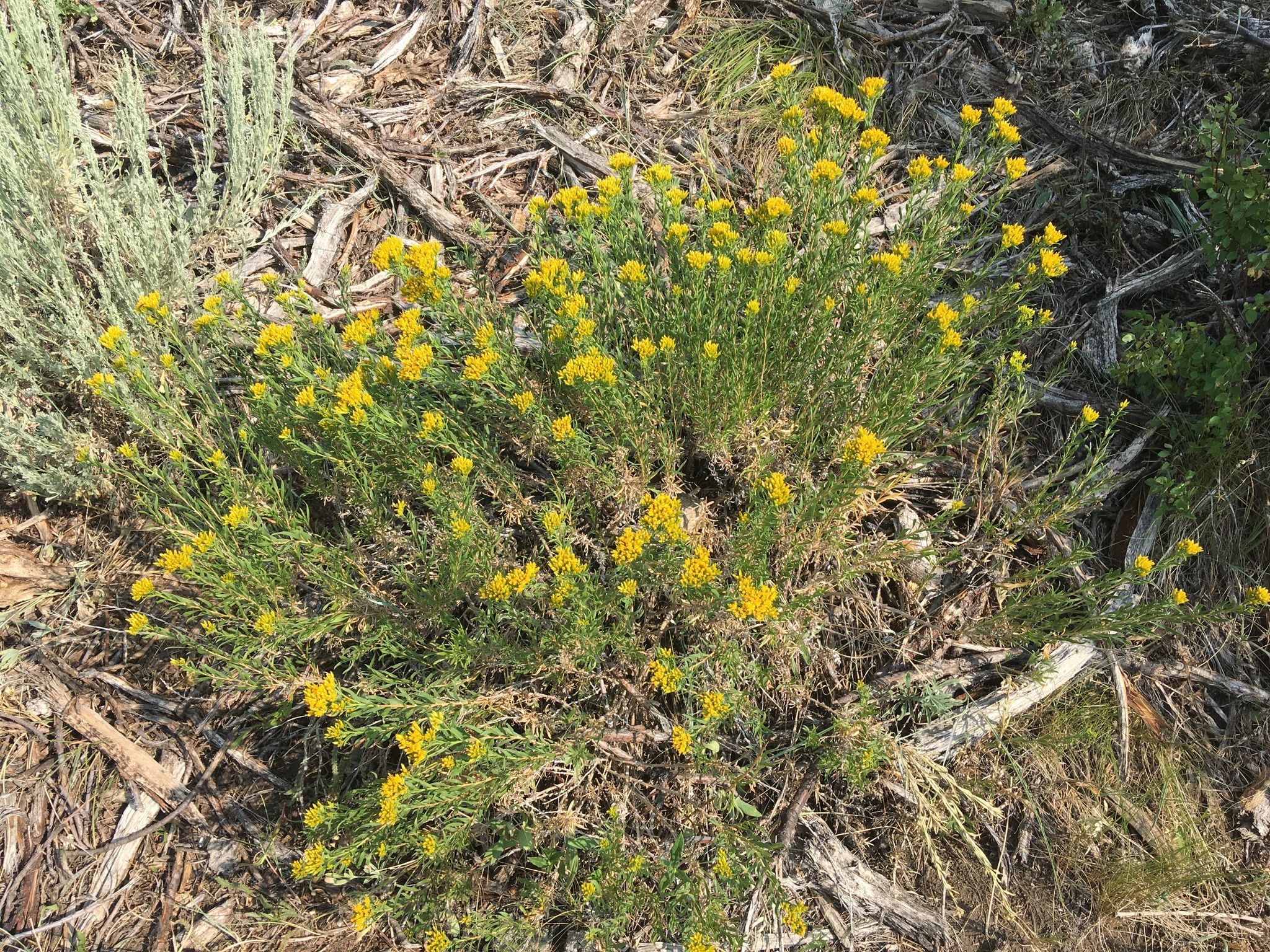
Genera Ericameria & Chrysothamnus
Rabbitbrush is a tough, sun-loving shrub known for its bright yellow late-season blooms that can help keep pollinators fed when many other flowers are fading.
Plant Type
Shrubs > Rabbitbrush
Aliases
Rabbitbrush
Native Range
Native to parts of western North America (varies by species)
Bloom window
Late summer into fall (varies by species and location)
OVERVIEW
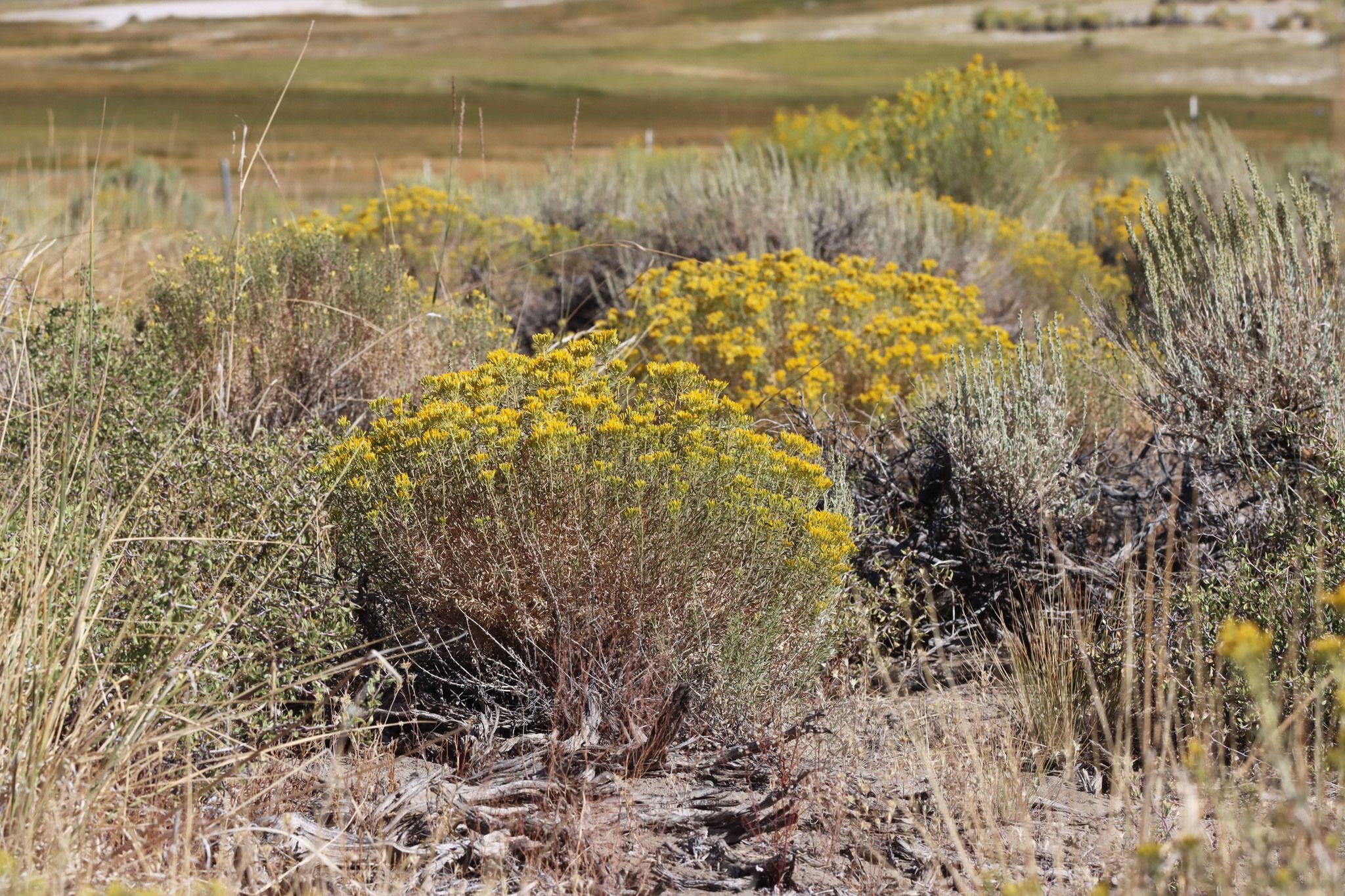
Rabbitbrush is a practical pick for sunny spaces where you want a shrub that can handle lean conditions and still put on a show. Its yellow flower clusters tend to appear later in the season, which can make it a helpful “bridge” plant when earlier blooms are done.
If you’re gardening in or around Toronto, rabbitbrush may be best treated as a specialty plant for very sunny, well-drained sites, and it’s worth checking local availability and suitability for your exact location. If you can’t find rabbitbrush or it doesn’t fit your conditions, you can still follow the same idea: choose a locally appropriate shrub or perennial that blooms later in the season and supports pollinators.
The simplest recipe for success is sun + drainage + patience during the first year. Once established, rabbitbrush usually needs less attention than many flowering shrubs, making it a good option for low-maintenance habitat patches.
FAST FACTS
Essential stats and requirements for quick reference.
| Category | Details |
|---|---|
| Also known as | Rabbitbrush |
| Bloom window | Late summer into fall (varies by species and location) |
| Typical height | Varies by species; generally a medium-sized shrub |
| Pollinators supported | Bees, Butterflies, Flies, Beetles, Wasps |
| Light & moisture | Full sun; dry to medium moisture once established |
| Best roles for pollinators | Sunny, low-water gardens; naturalized edges; adding late-season blooms for pollinators |
SUMMARY
A quick scan of what they do, what they need, and the best first step.
Rabbitbrush provides bright late-season flowers that can support a variety of pollinating insects.
Sun, good drainage, and a light hand with watering once established.
Plant it in the sunniest, best-drained spot you have and water only until it’s settled in.
IMPACT
Key Impacts
RECOGNITION
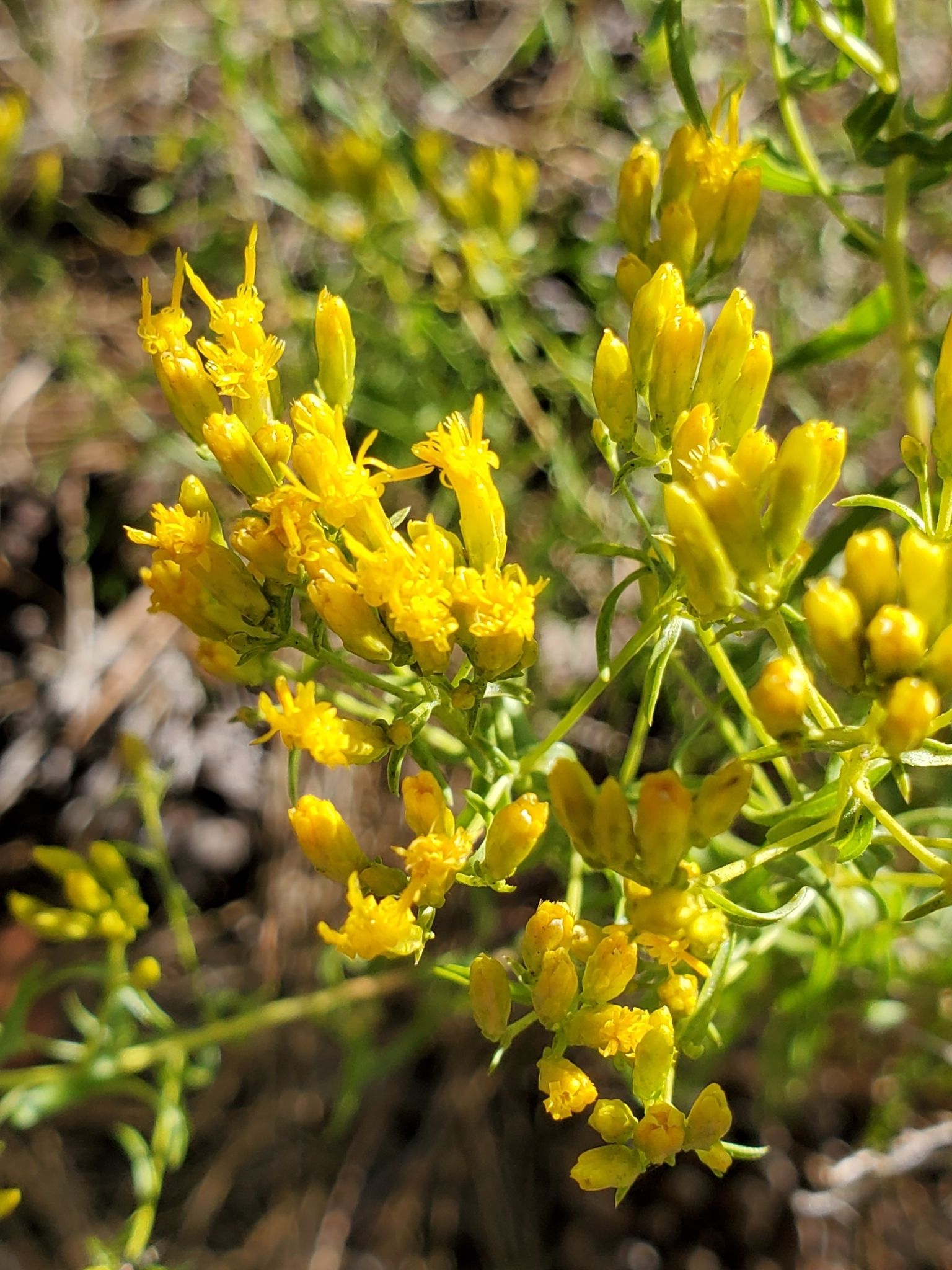
Usually narrow and often gray-green; leaf shape and texture vary by species.
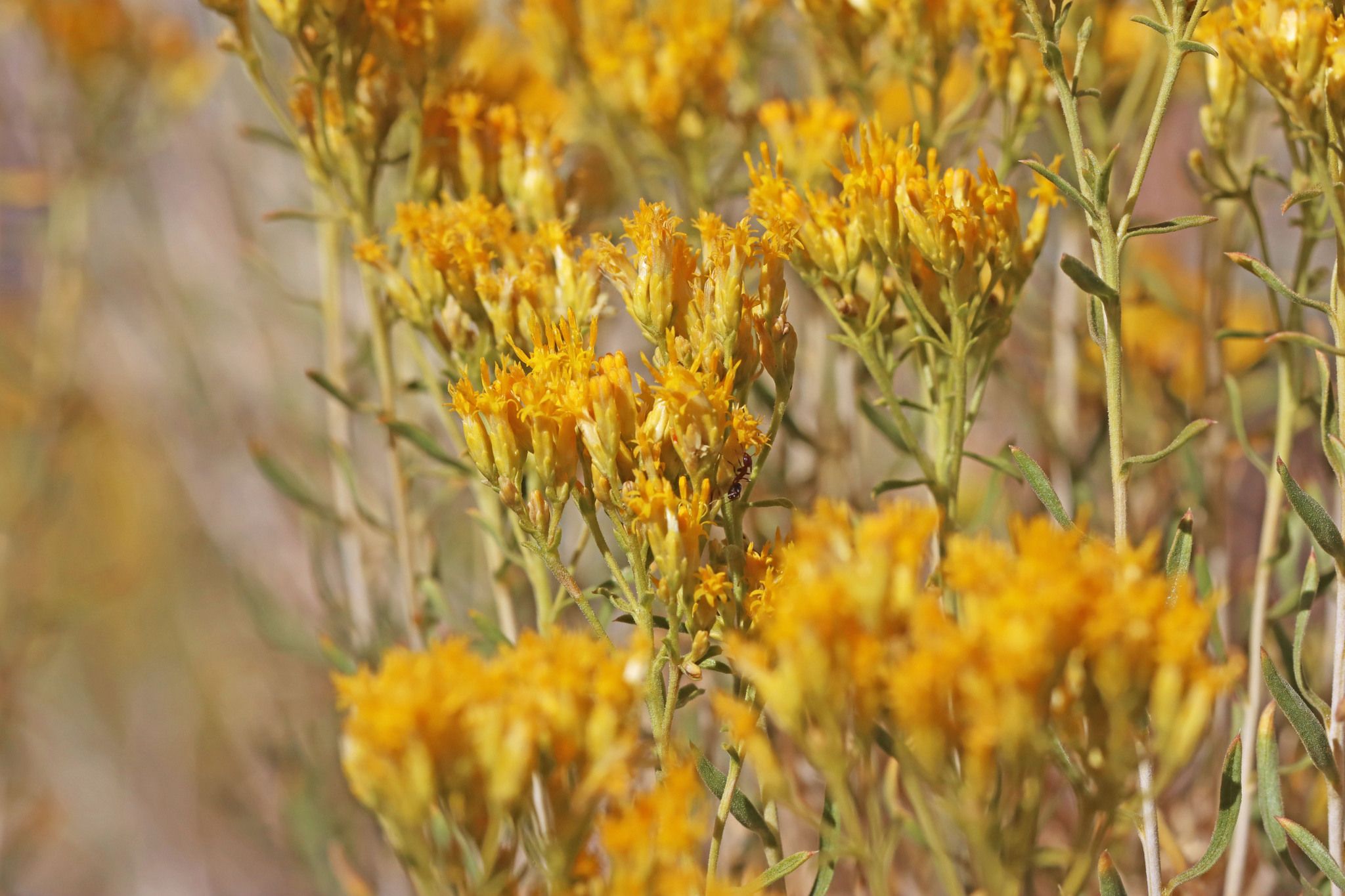
Many small yellow flower heads grouped in clusters, creating a bright golden display.
Small, dry seeds typical of the aster family; often carried by wind.
LOCATION
Native environments and the best spots to place it in your landscape.
SEASONALITY
Notes on bloom windows and how this plant helps pollinators across the seasons.
Rabbitbrush is best known for blooming later in the growing season.
Bloom Season Role: Late-season nectar and pollen
REQUIREMENTS
The right mix of sun, soil, and space for healthy growth.
Plant in full sun for best flowering and sturdy growth.
Best in well-drained soil; avoid spots that stay soggy or compacted.
Water regularly at first to help roots establish, then reduce; established plants usually prefer drier conditions.
Give it room for its mature width and airflow; plant where it won’t be crowded by thirsty plants.
Use a light layer of mulch to reduce weeds, but keep mulch pulled back from the base of the stems.
GARDENING GUIDE
Simple steps to plant, prune, and maintain healthy trees without pesticides.
Pairings
Pairing ideas to keep pollinators fed throughout the growing season.
GLOSSARY
Glossary terms are being added.
What You Can Do
Turn this knowledge into action. Whether you plant a single pot or a whole garden, you are building a vital bridge for local biodiversity.
Join the movement to restore our shared habitats.
Pollinators supported
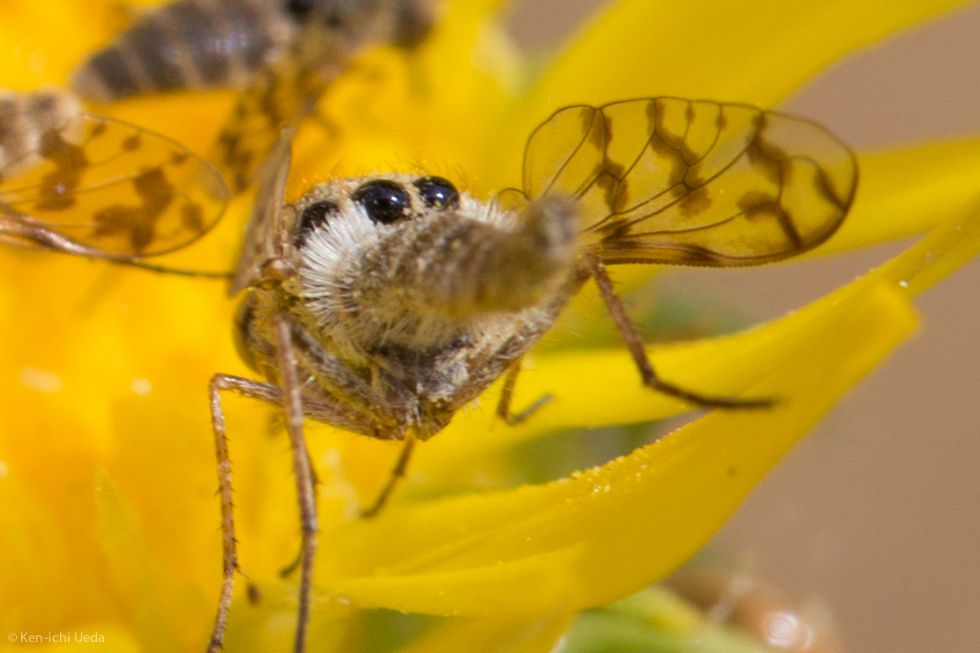
Adults visit flowers for nectar and can move pollen between blooms; their presence is a sign of diverse, functioning habitats.
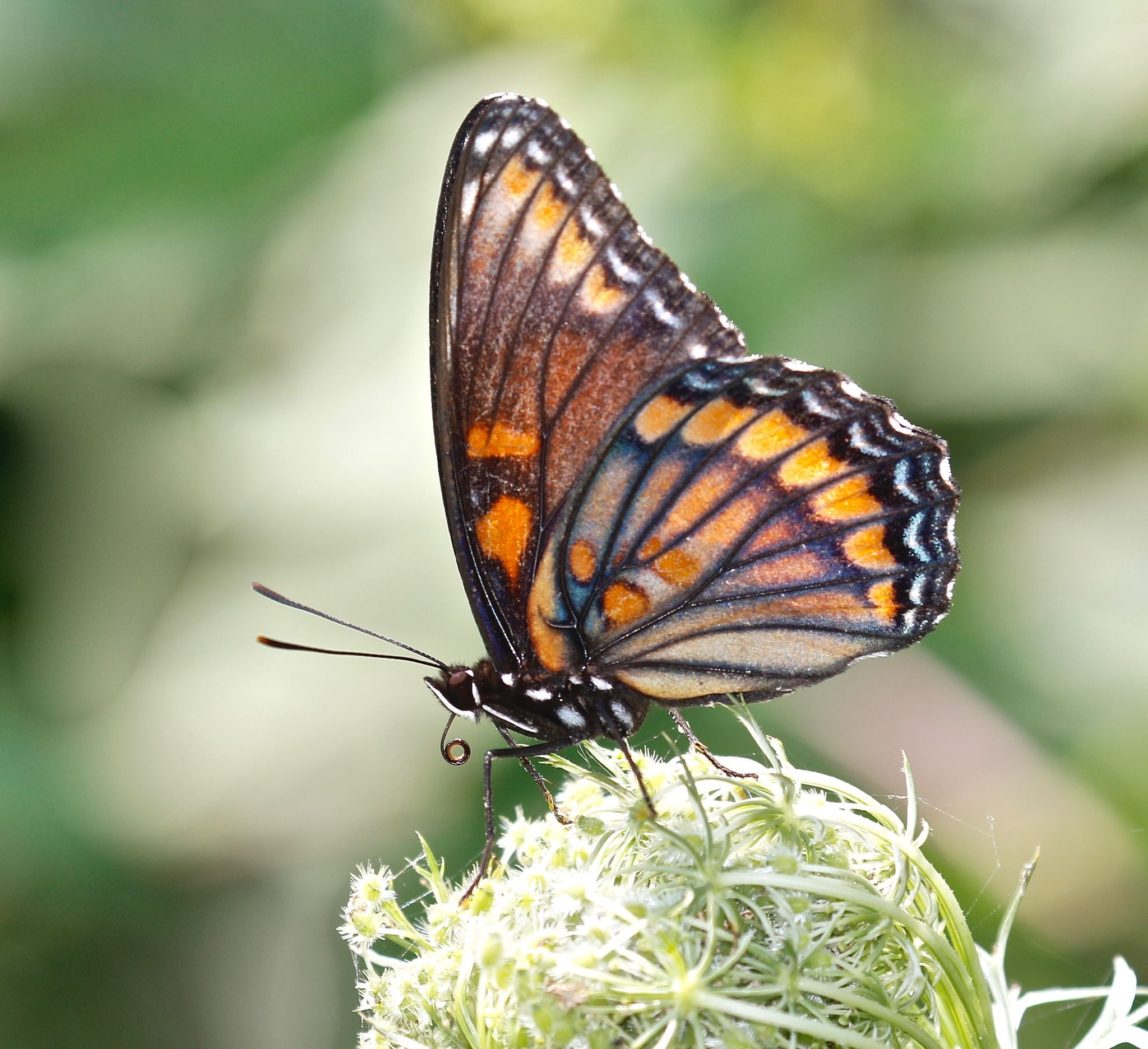
Many brushfoots move pollen between flowers as they feed, and their caterpillars are part of healthy food webs.
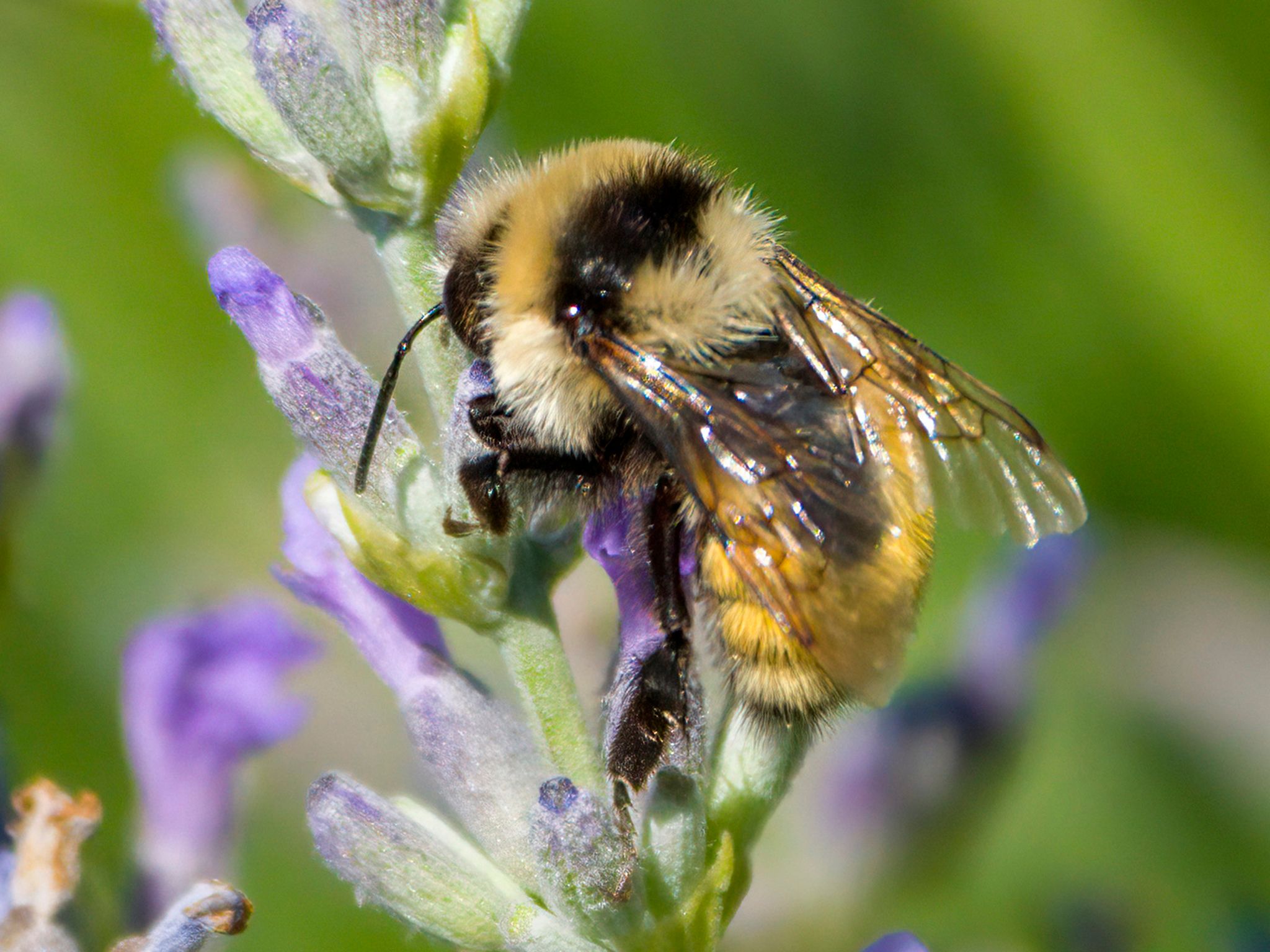
Bumble bees are important pollinators of many wildflowers and garden plants, helping ecosystems and food crops reproduce.
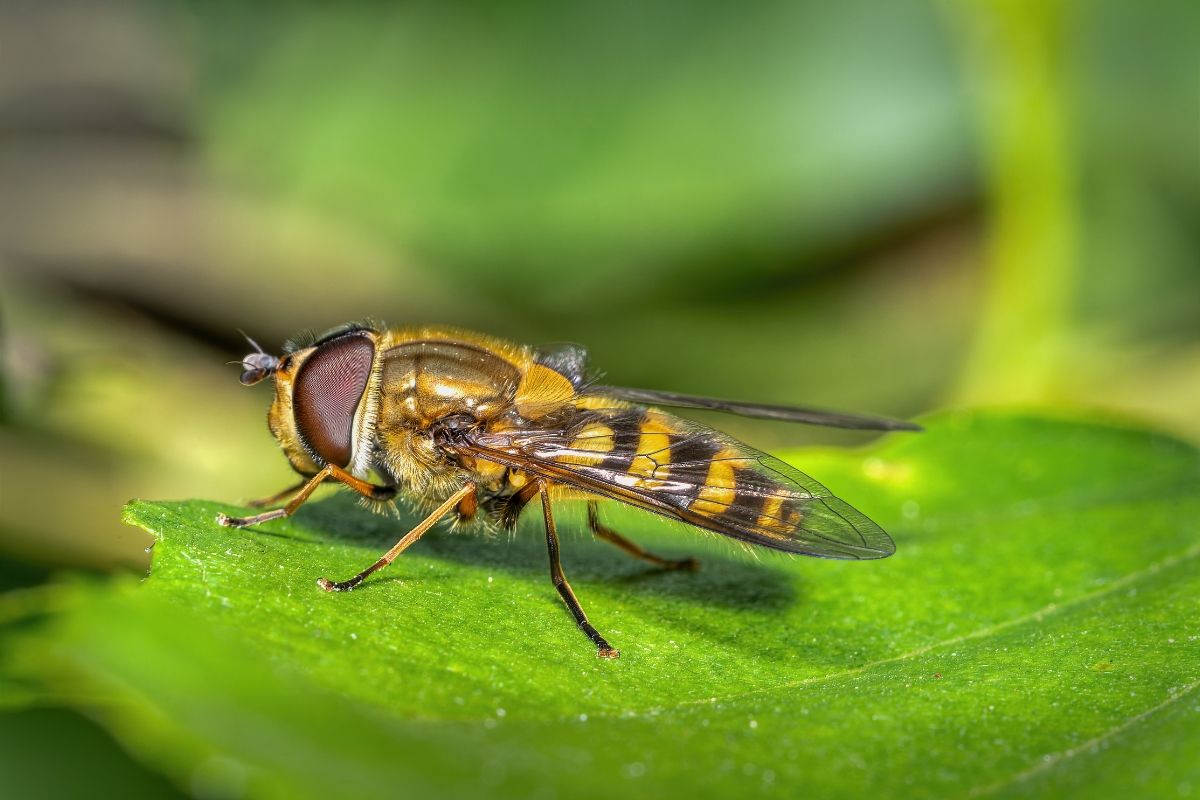
Adults visit flowers for nectar and pollen, and many species’ larvae help keep plant-eating pests in check.
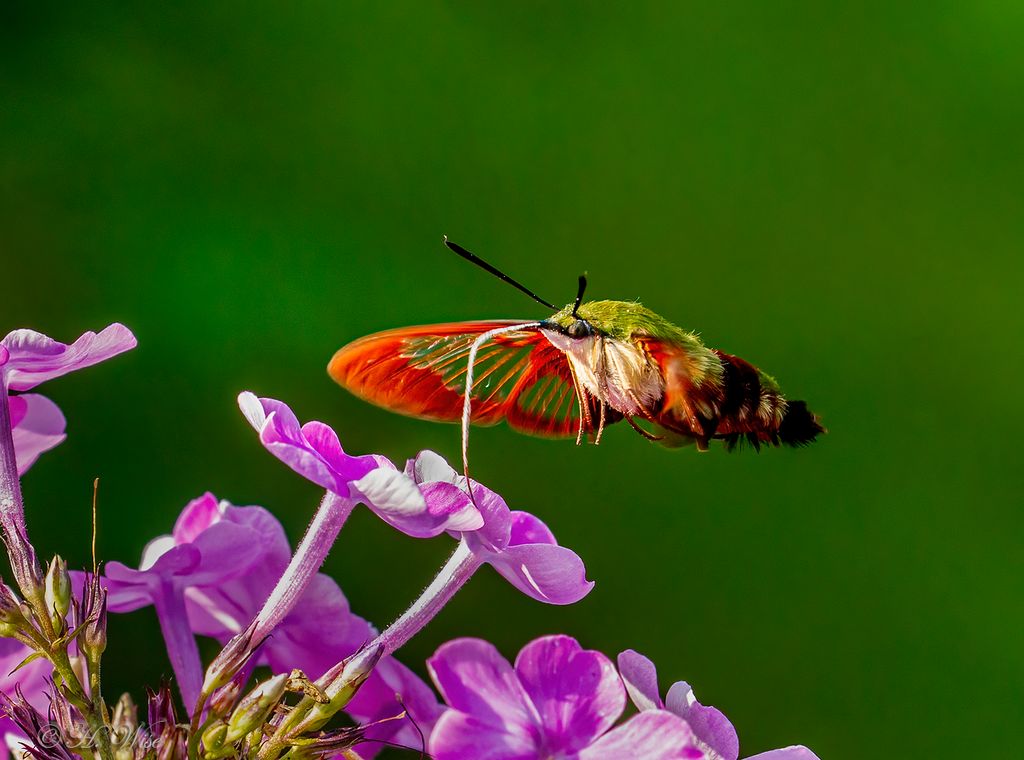
They can move pollen between flowers while feeding on nectar, especially for blooms that open or scent up in the evening.
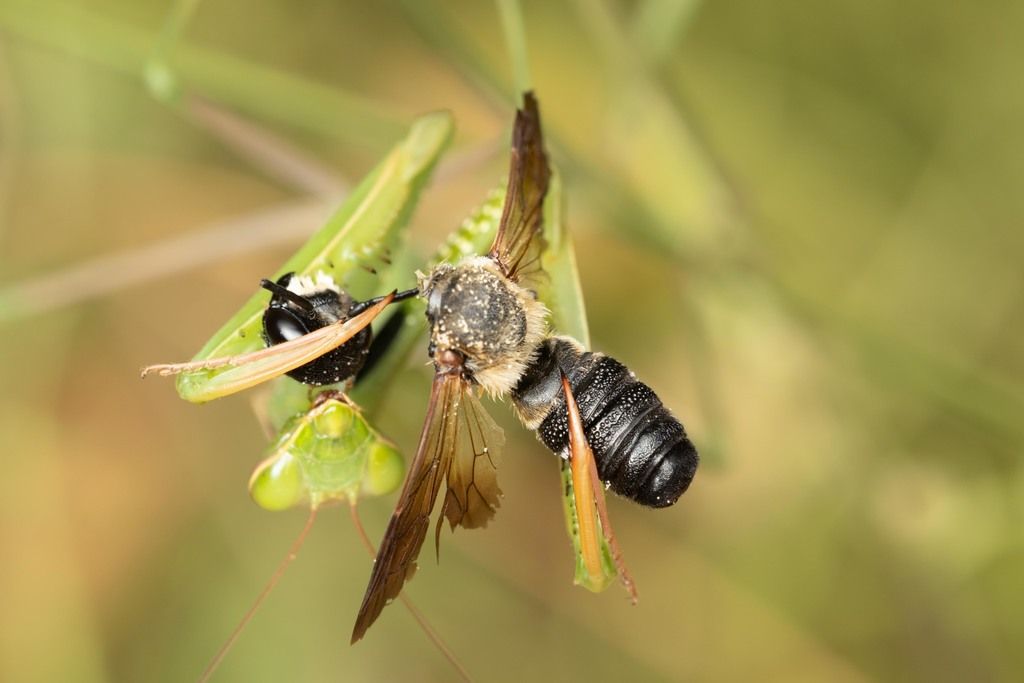
They move pollen between flowers while foraging, helping many wild plants and garden plants set seed and fruit.
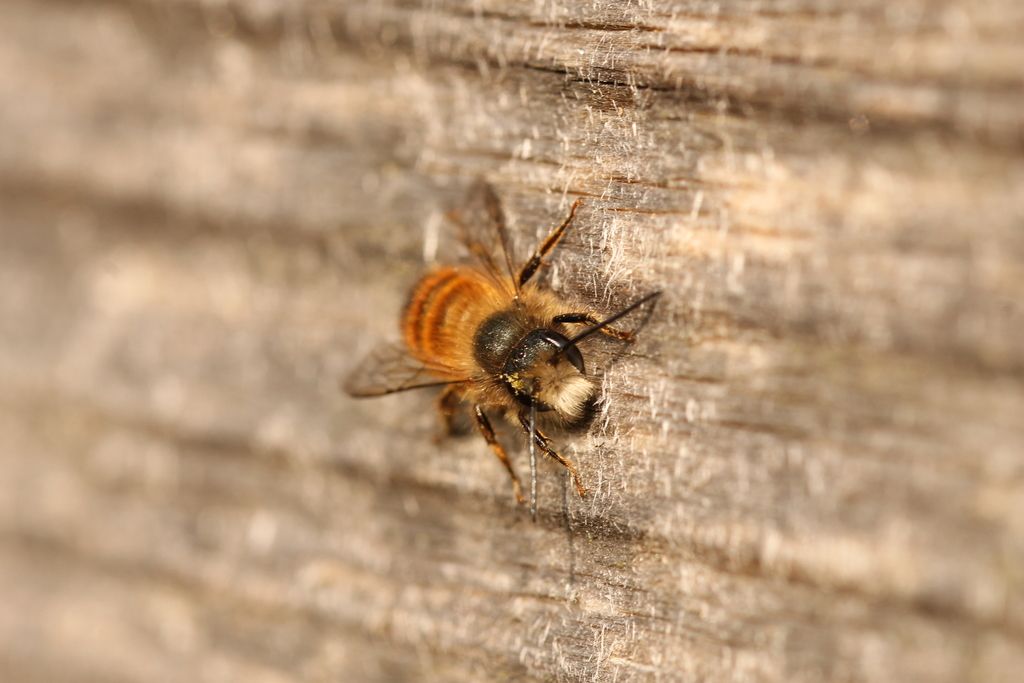
They move pollen between flowers while foraging, helping many wild plants and garden crops set seed and fruit.
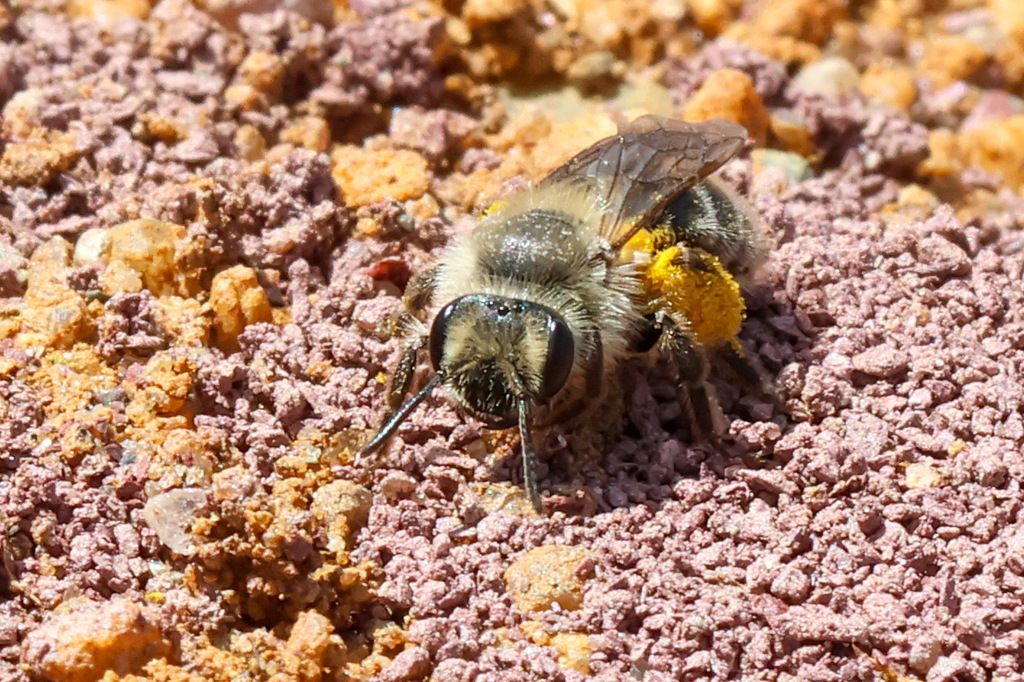
They move pollen between flowers while foraging, helping many wild plants and garden plants set seed and fruit.
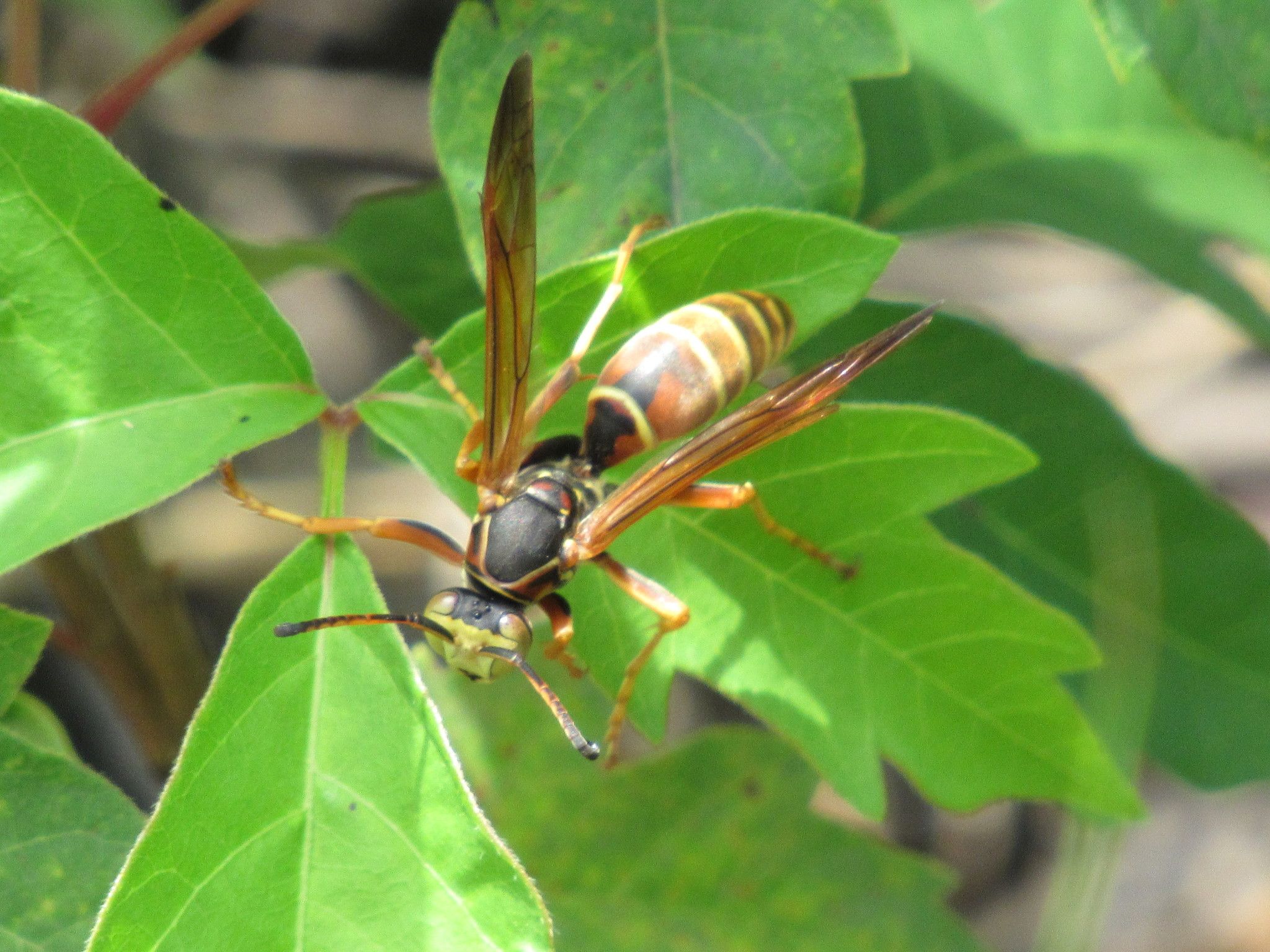
They can move pollen while drinking nectar, and they also help control many plant-eating insects.
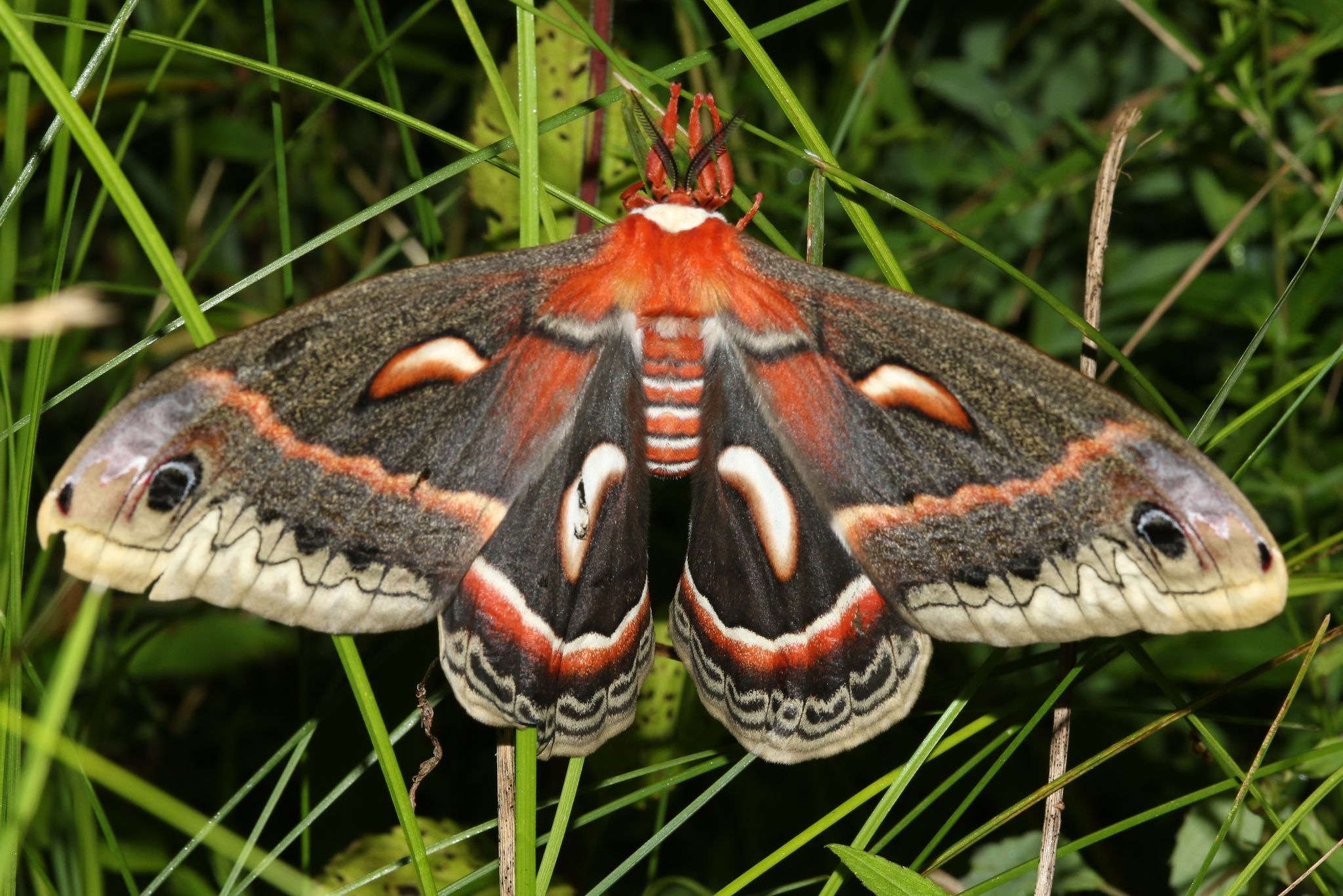
They’re part of healthy food webs and plant communities, and their caterpillars depend on a wide range of native trees and shrubs.
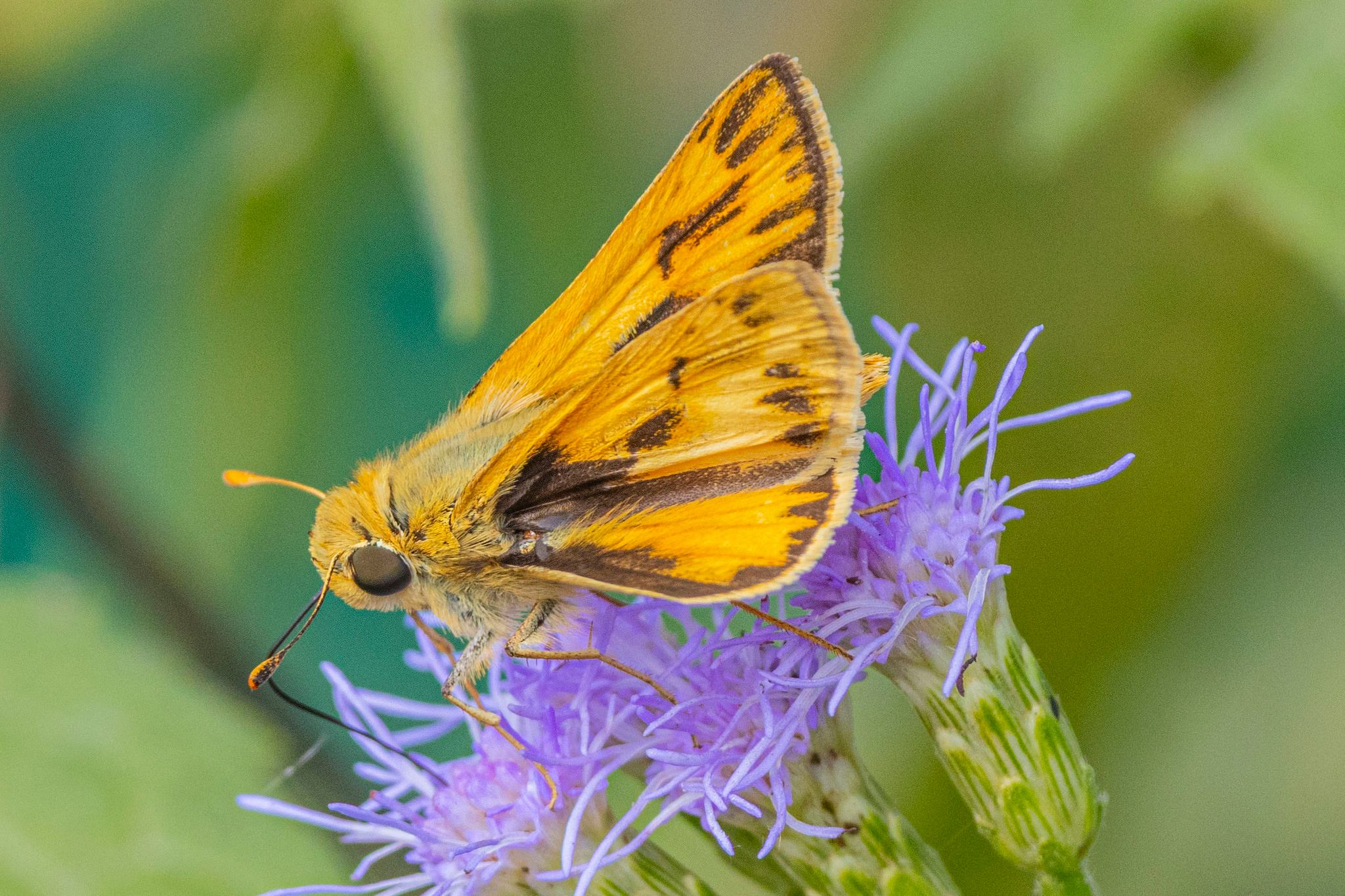
Skippers visit many flowers for nectar and can help move pollen between blooms while they feed.
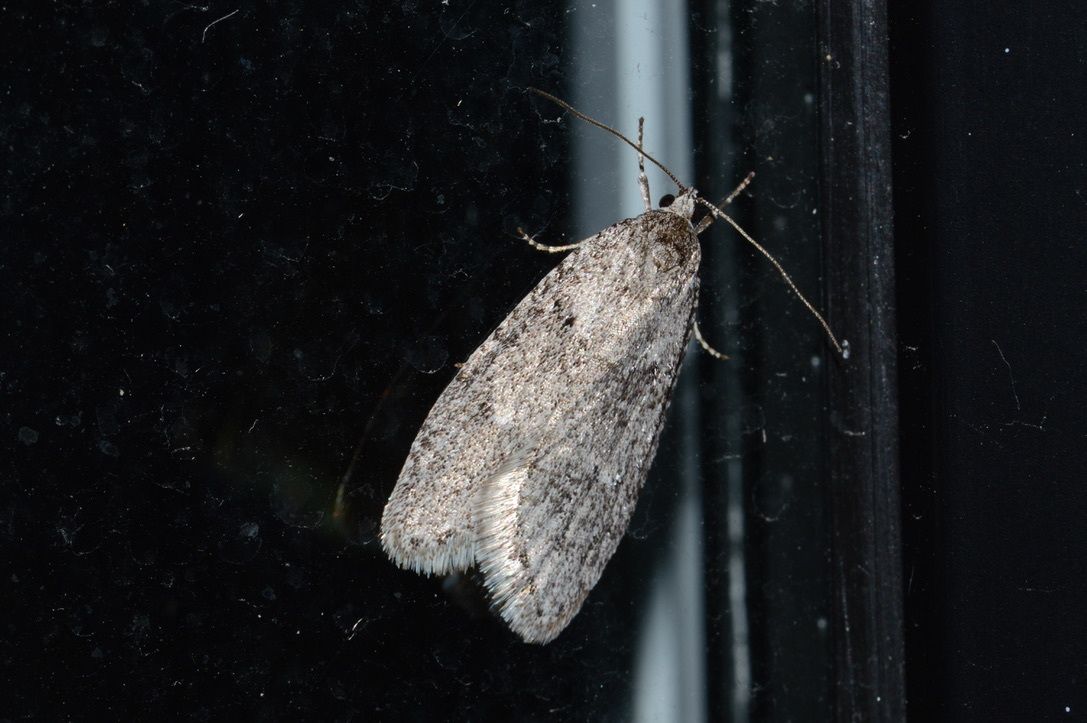
Many small moths move pollen while feeding on nectar, supporting wild plants and garden blooms—especially in the evening and at night.
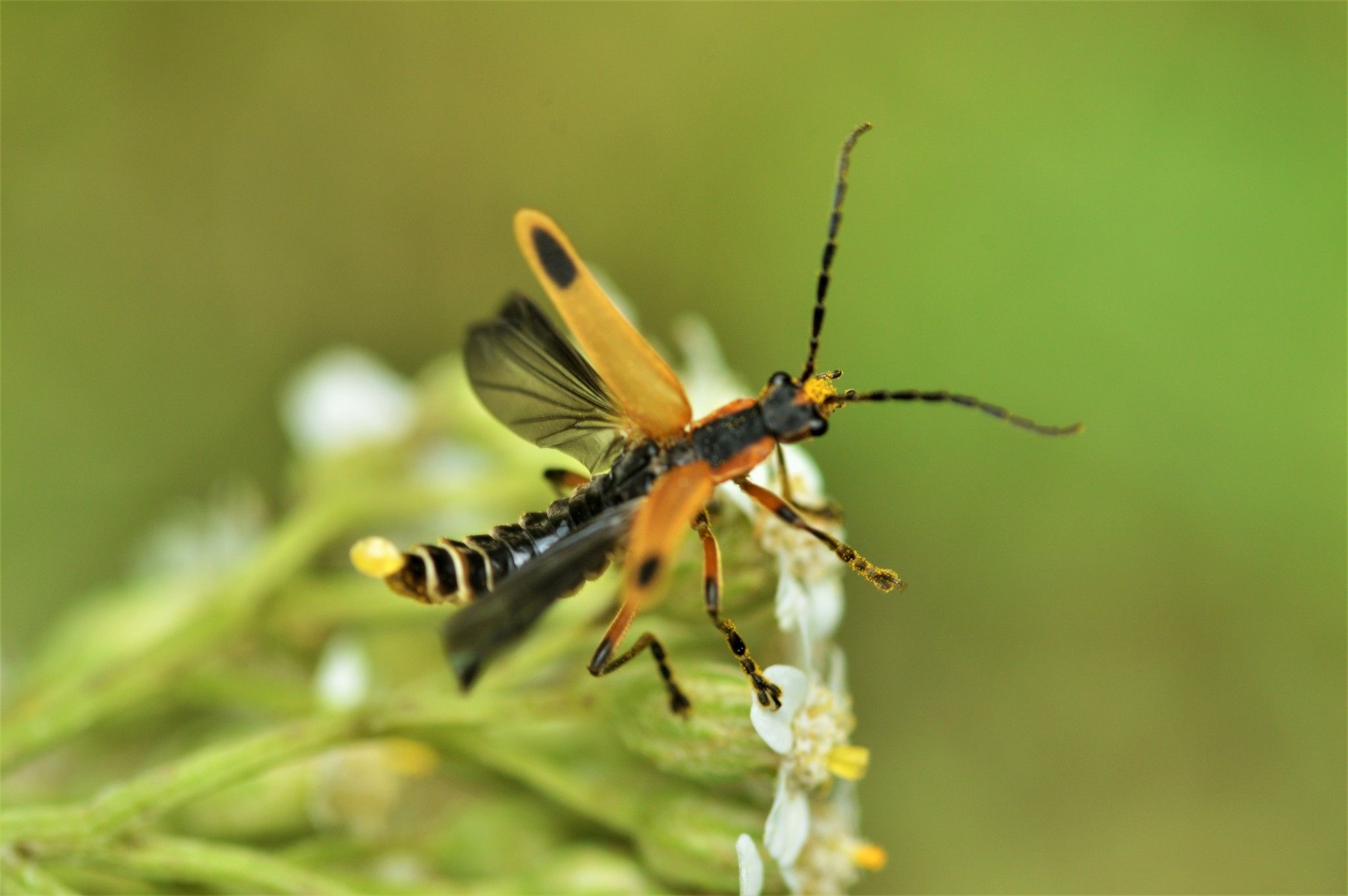
Many adults visit flowers and can move pollen between blooms, while also helping control some garden pests.
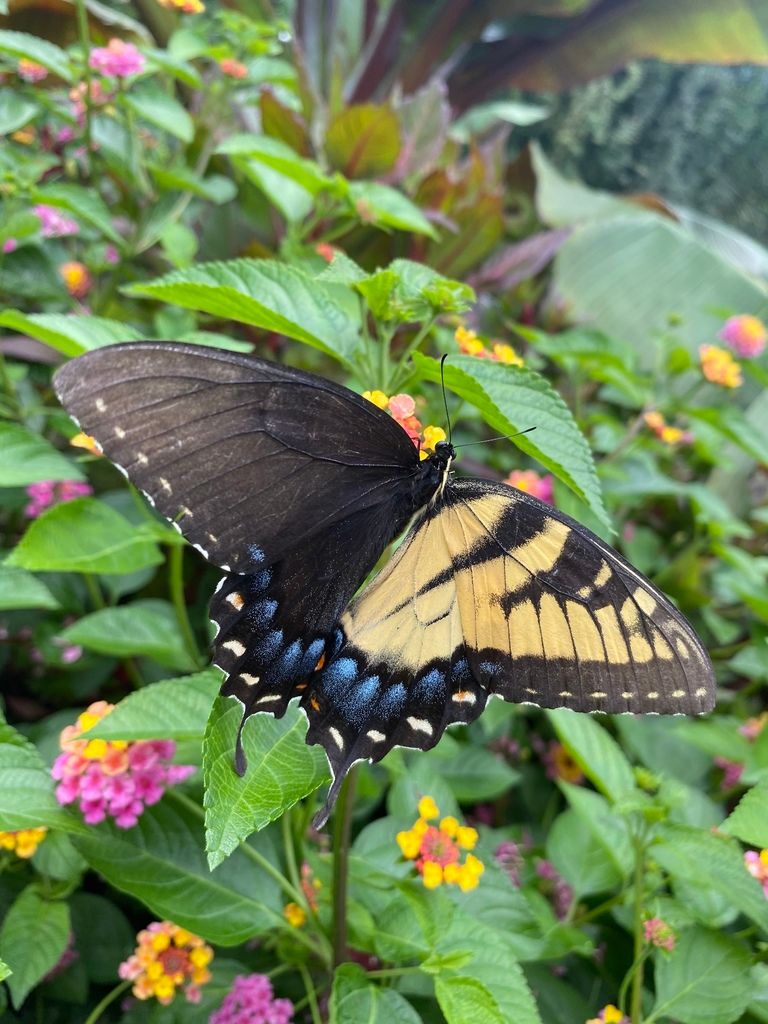
Adult swallowtails visit many flowers for nectar and can help move pollen between blooms as they feed.
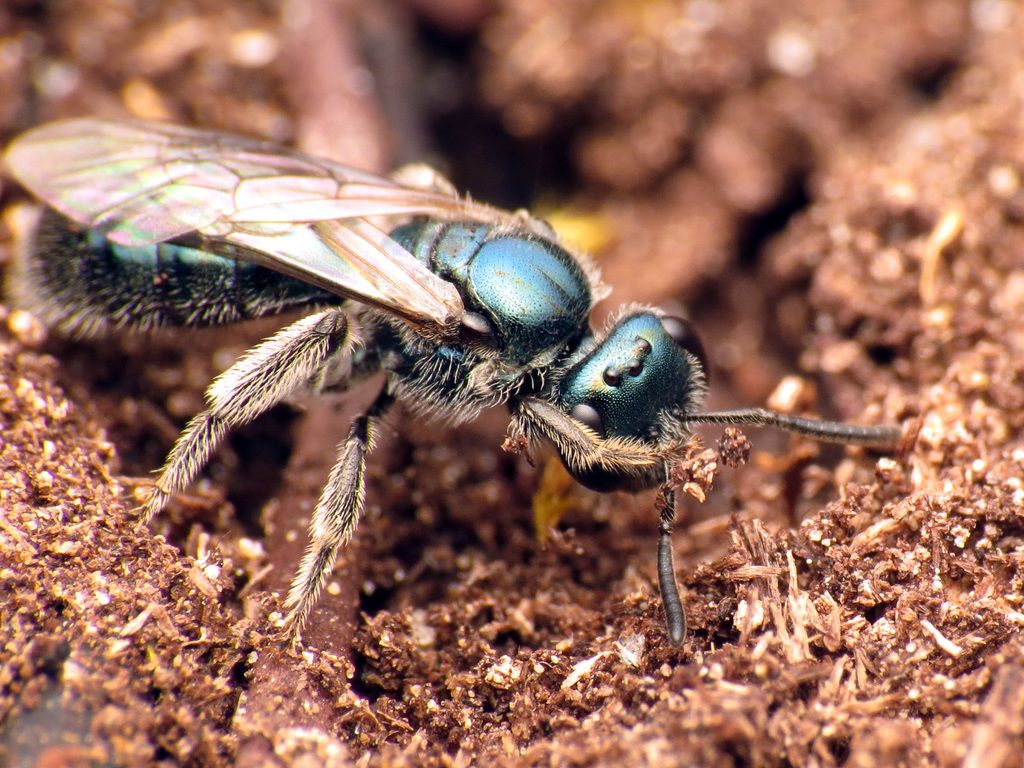
They help move pollen between flowers in gardens, parks, and natural areas, supporting seed and fruit production.
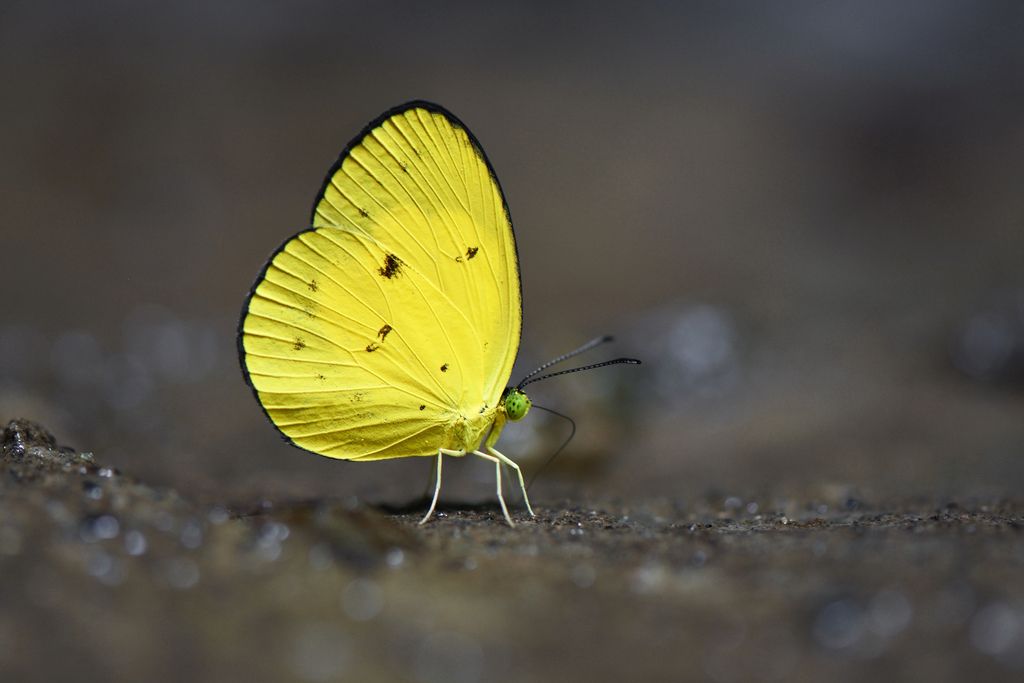
They visit a wide range of flowers for nectar and can help move pollen between blooms as they feed.