

What they do
Sagebrushes add a hardy shrub layer that can support insects and make a pollinator habitat more resilient and low-maintenance.
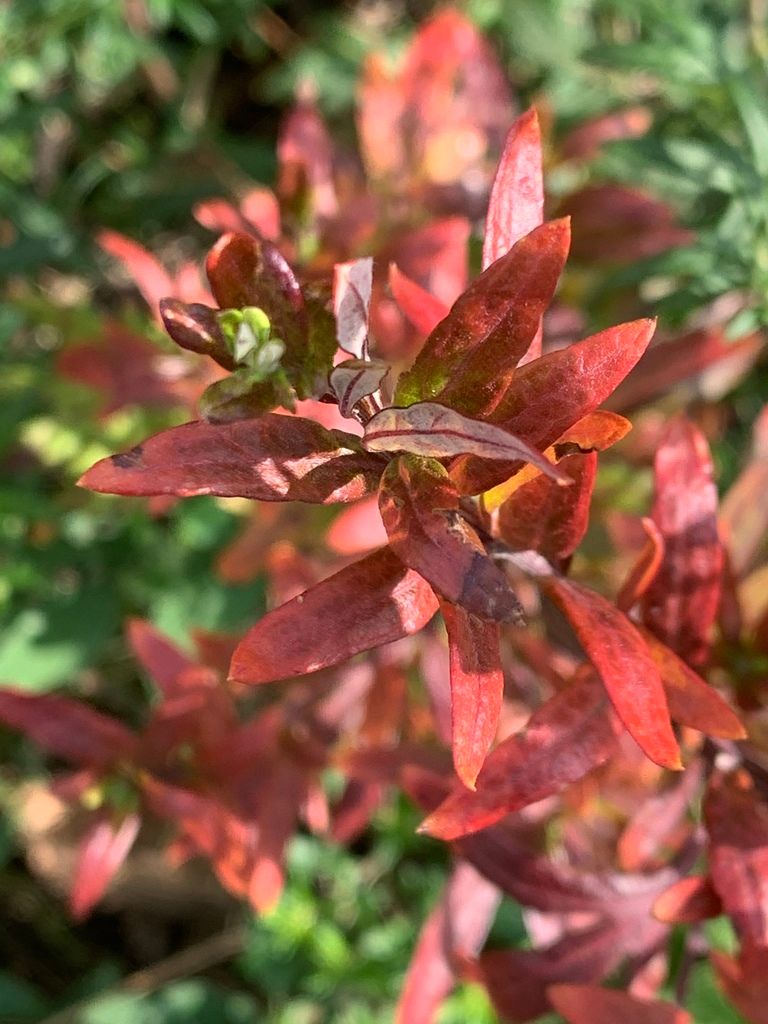
Genus Artemisia
Sagebrushes are tough, aromatic shrubs in the genus Artemisia that can anchor a dry, sunny habitat and offer shelter and seasonal nectar for a range of insects.
Plant Type
Shrubs > Sagebrushes
Aliases
Sagebrush
Native Range
Varies by species; the genus Artemisia occurs across many regions of the Northern Hemisphere.
Bloom window
Varies by species; often late summer into fall
OVERVIEW
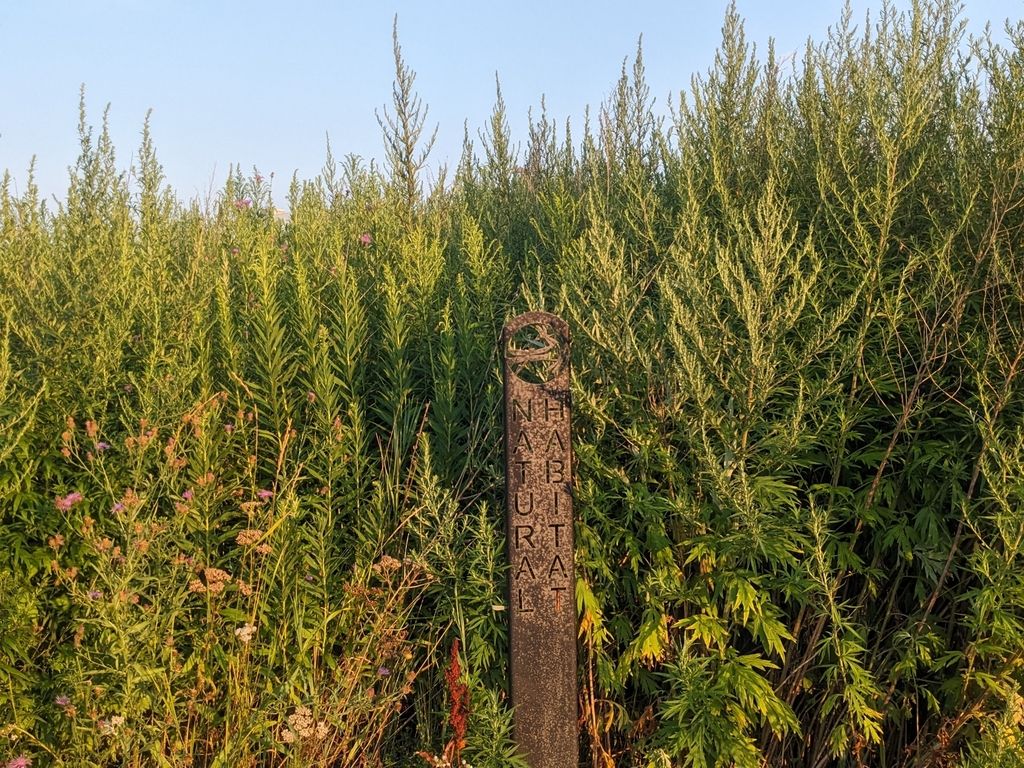
Sagebrushes (genus Artemisia) are a smart choice when you want a pollinator habitat that looks intentional and can handle dry, sunny conditions. Think of them as the “backbone” of a planting: they add a shrub layer that helps smaller flowering plants feel protected and makes the whole patch look full even when not much is blooming.
Because the genus includes many species and garden selections, the details (size, bloom timing, and cold tolerance) can vary. What stays consistent is the basic care pattern: give sagebrush light, give it drainage, and don’t keep it wet.
To make sagebrush work best for pollinators, combine it with nearby flowers that have more obvious blooms across spring, summer, and fall. That way, the habitat offers both food (from a variety of flowers) and structure (from the shrub layer) in one easy-to-manage space.
FAST FACTS
Essential stats and requirements for quick reference.
| Category | Details |
|---|---|
| Also known as | Sagebrush |
| Bloom window | Varies by species; often late summer into fall |
| Typical height | Varies widely by species; from low mounds to larger shrubs |
| Pollinators supported | Bees, Flies, Wasps, Beetles |
| Light & moisture | Sun to part sun; dry to medium moisture, well-drained soil |
| Best roles for pollinators | Sunny, low-water habitat plantings where you want durable structure and a natural look |
SUMMARY
A quick scan of what they do, what they need, and the best first step.
Sagebrushes add a hardy shrub layer that can support insects and make a pollinator habitat more resilient and low-maintenance.
Plenty of light and well-drained soil; water to establish, then avoid keeping roots soggy.
Place sagebrush where it gets sun and drains well, then pair it with nearby flowering plants for more obvious pollinator food.
IMPACT
Key Impacts
RECOGNITION
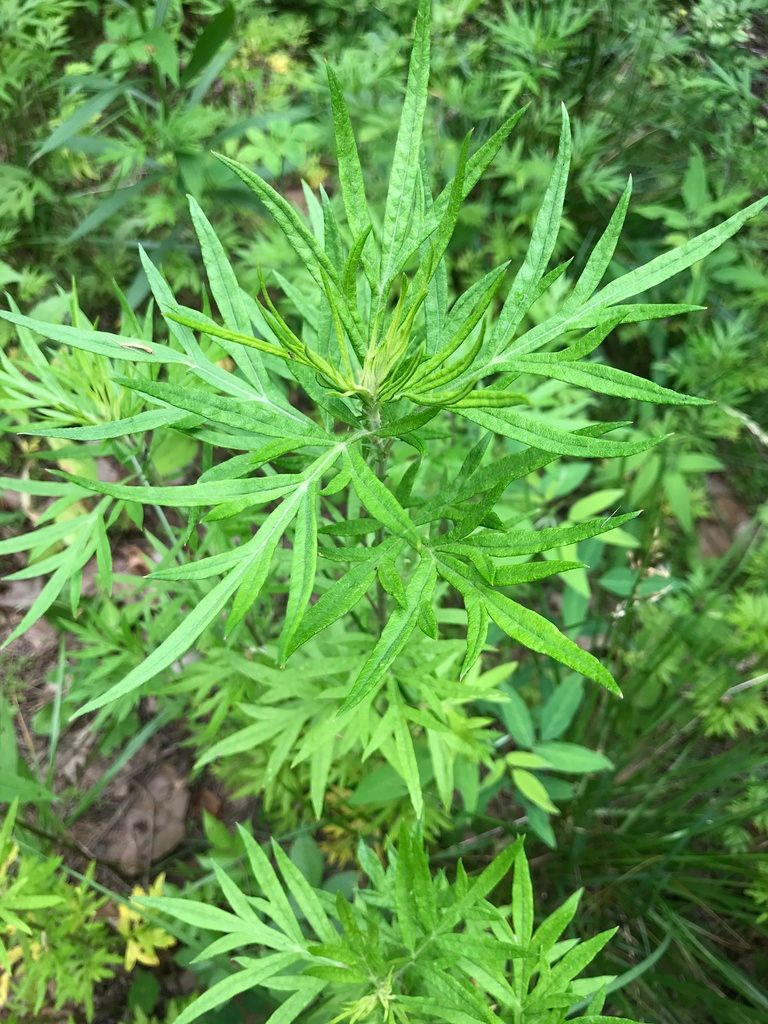
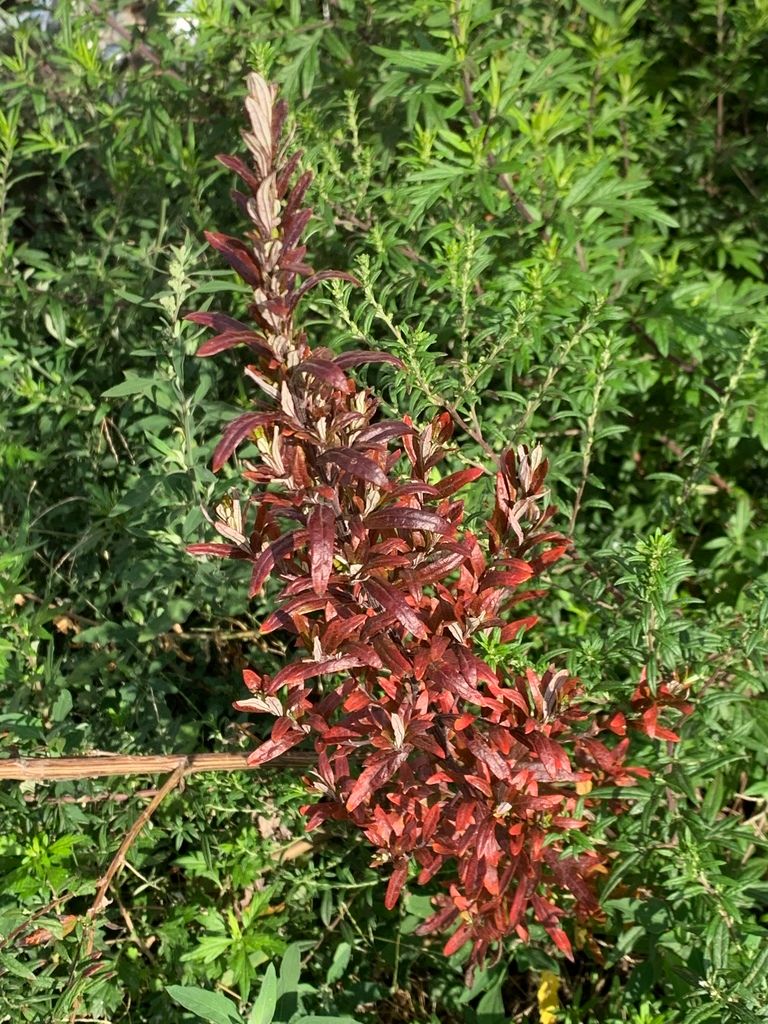
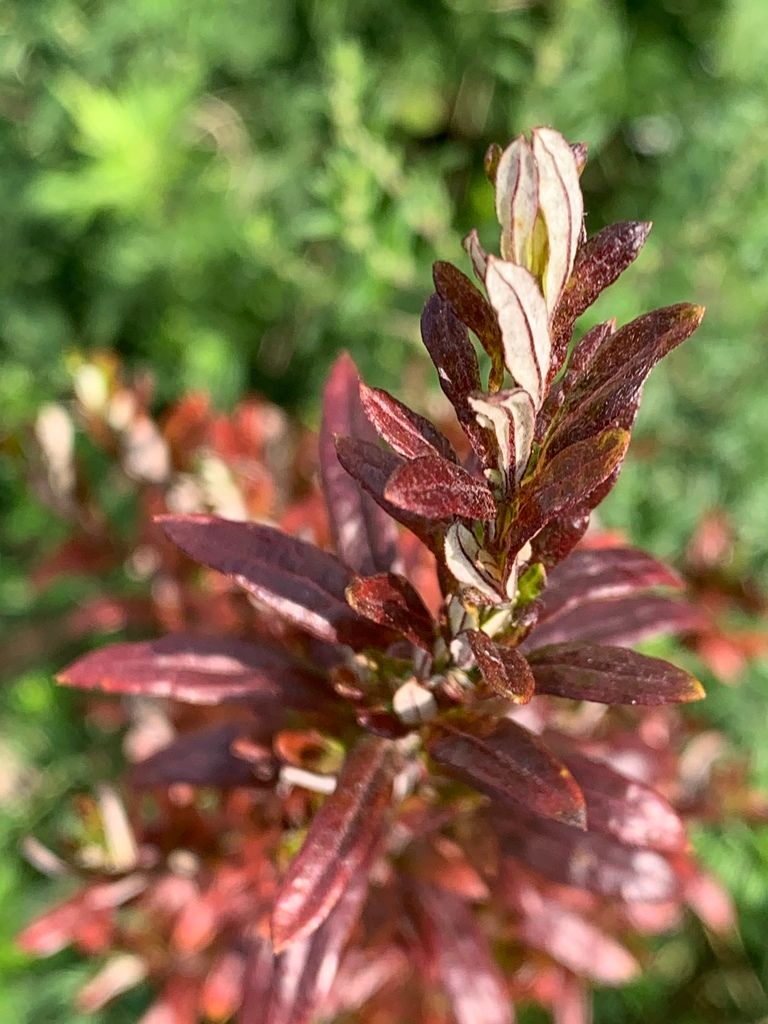
Often aromatic; commonly gray-green or silvery; may be finely divided, feathery, or lobed depending on species.
Usually small and clustered; not showy like many garden flowers; timing varies by species.
Small, dry seeds typical of many daisy-family plants; not usually a garden feature.
LOCATION
Native environments and the best spots to place it in your landscape.
SEASONALITY
Notes on bloom windows and how this plant helps pollinators across the seasons.
Bloom timing depends on the species, and the flowers are often small—think of sagebrush as a “supporting actor” in the bloom calendar.
Bloom Season Role: Support plant (often subtle blooms) plus strong habitat structure
REQUIREMENTS
The right mix of sun, soil, and space for healthy growth.
Full sun is best; part sun can work if the site stays open and bright.
Well-drained soil is key. Many sagebrushes tolerate lean, sandy, or rocky soils.
Water regularly during establishment, then reduce. Avoid keeping the soil constantly wet.
Give each plant room for airflow and its mature width. Place it where it won’t shade smaller sun-loving flowers.
Use a light mulch layer if needed, keeping it off the crown. In very dry plantings, gravel or small stone mulch can help keep stems dry.
GARDENING GUIDE
Simple steps to plant, prune, and maintain healthy trees without pesticides.
Pairings
Pairing ideas to keep pollinators fed throughout the growing season.
GLOSSARY
Glossary terms are being added.
What You Can Do
Turn this knowledge into action. Whether you plant a single pot or a whole garden, you are building a vital bridge for local biodiversity.
Join the movement to restore our shared habitats.
Pollinators supported
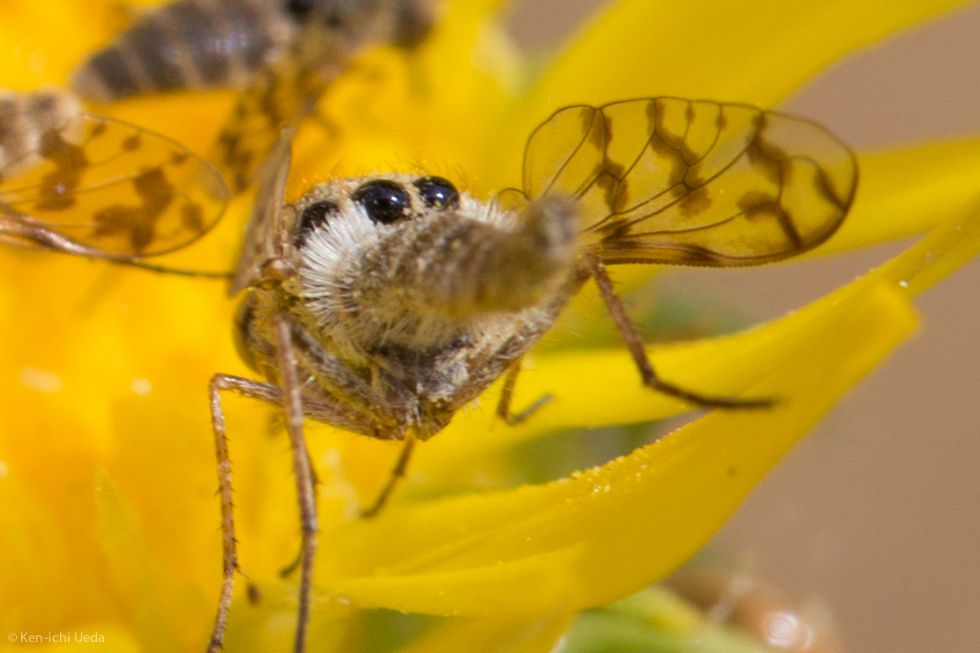
Adults visit flowers for nectar and can move pollen between blooms; their presence is a sign of diverse, functioning habitats.
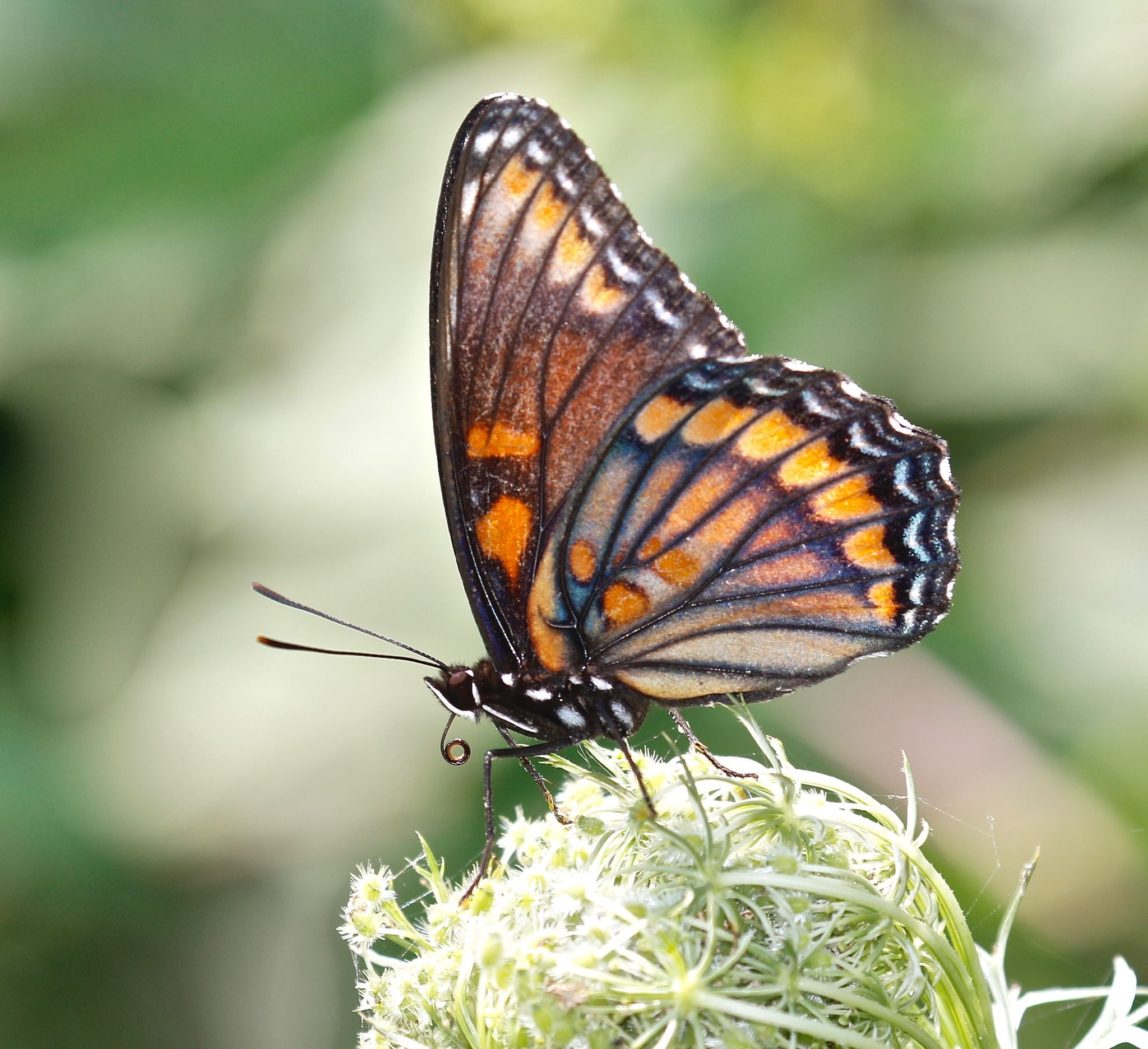
Many brushfoots move pollen between flowers as they feed, and their caterpillars are part of healthy food webs.
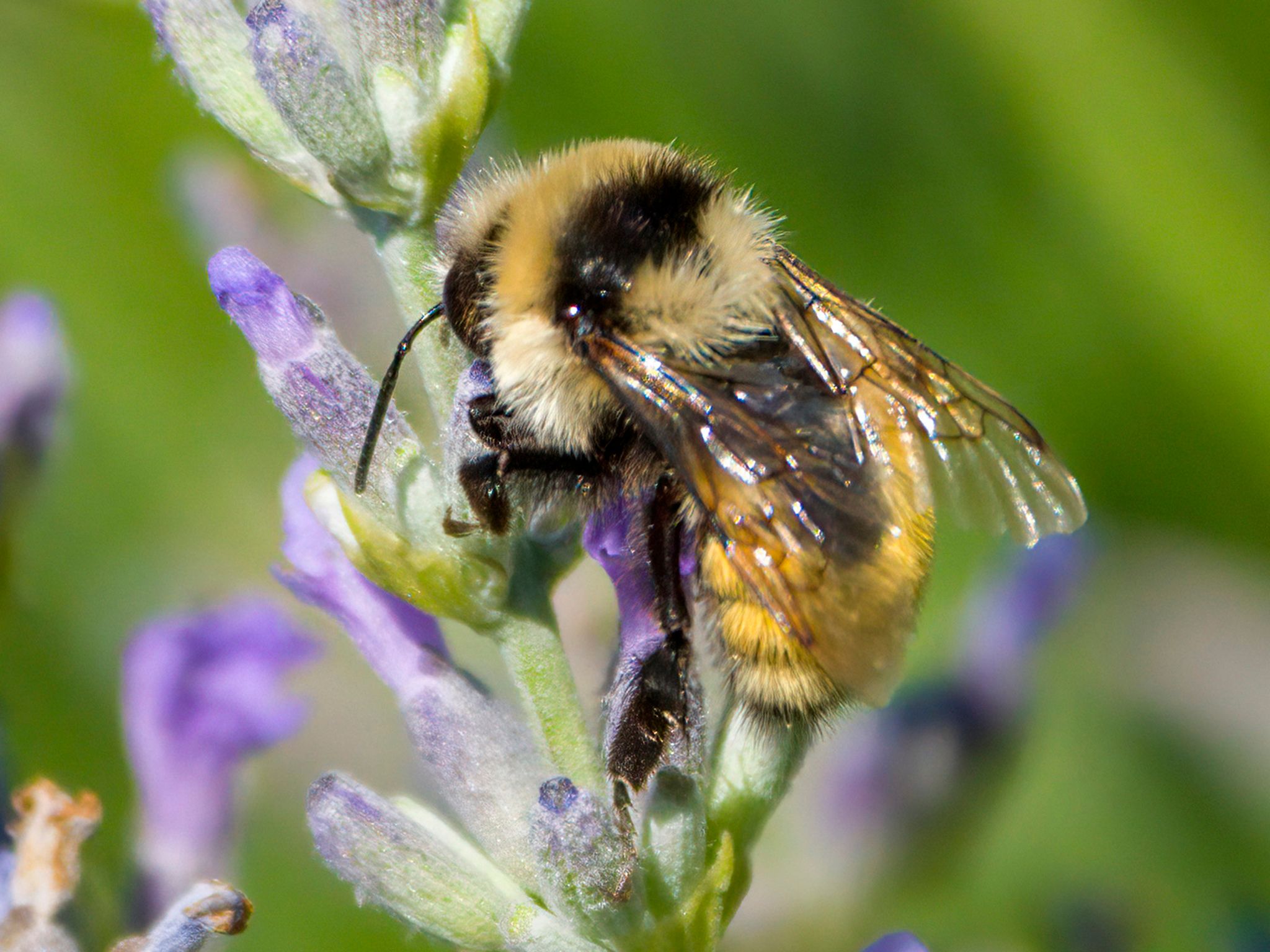
Bumble bees are important pollinators of many wildflowers and garden plants, helping ecosystems and food crops reproduce.
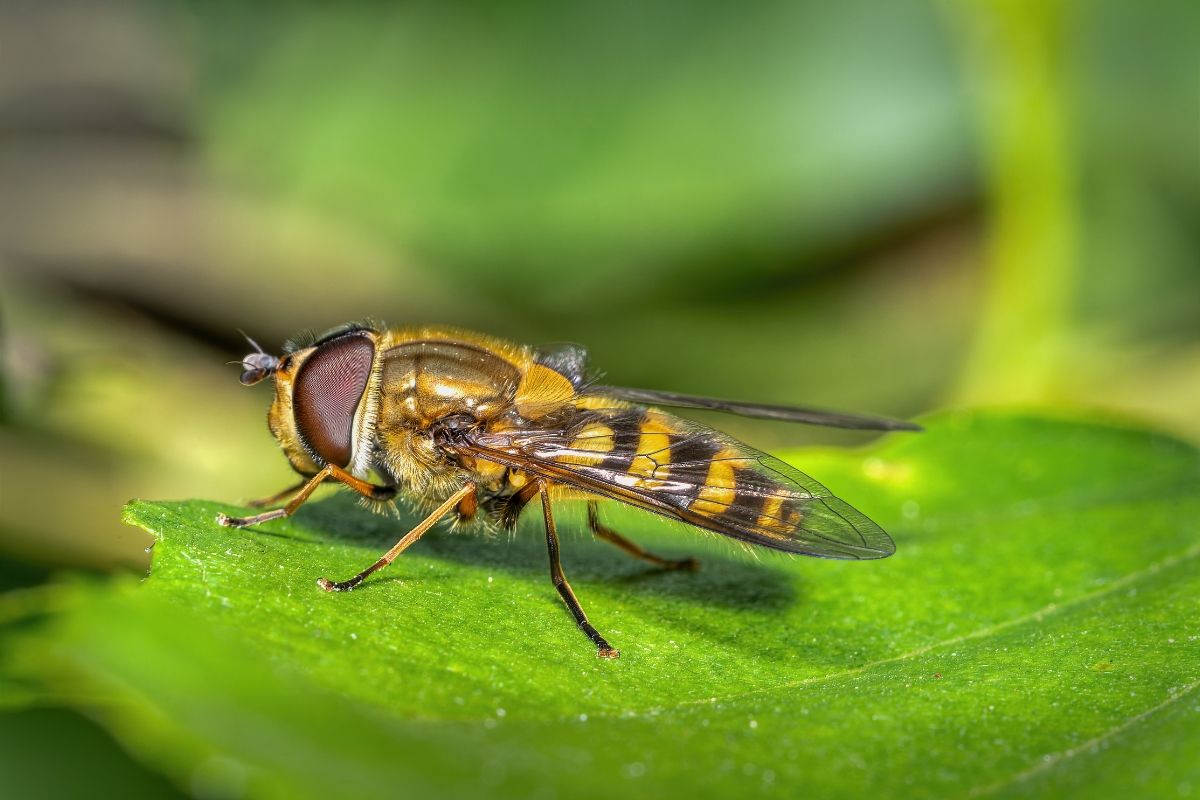
Adults visit flowers for nectar and pollen, and many species’ larvae help keep plant-eating pests in check.
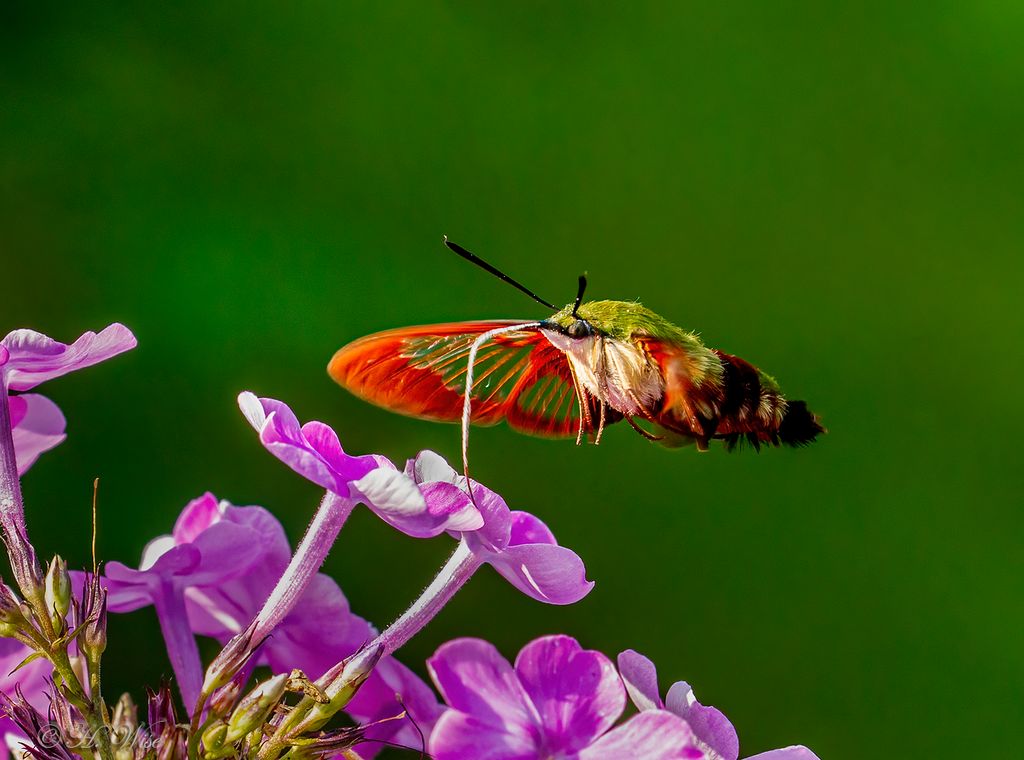
They can move pollen between flowers while feeding on nectar, especially for blooms that open or scent up in the evening.
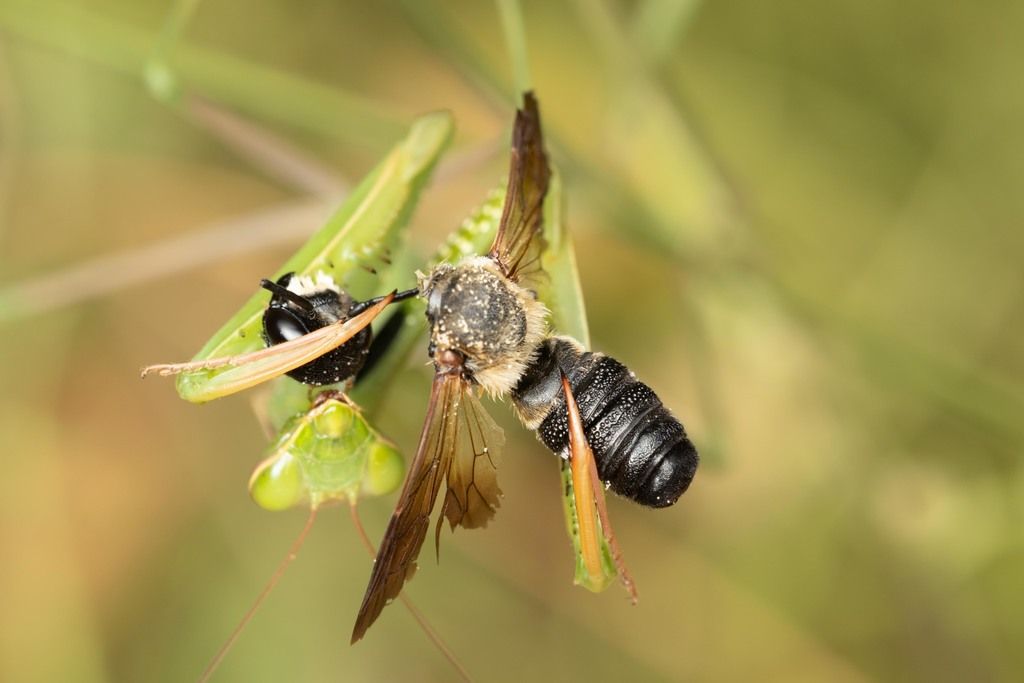
They move pollen between flowers while foraging, helping many wild plants and garden plants set seed and fruit.
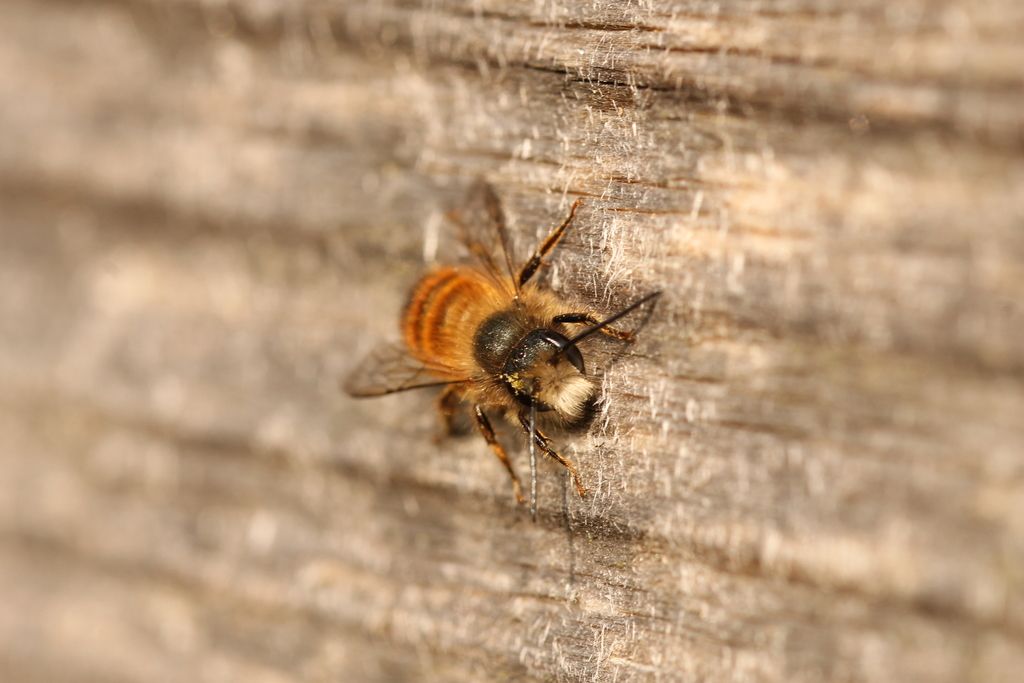
They move pollen between flowers while foraging, helping many wild plants and garden crops set seed and fruit.
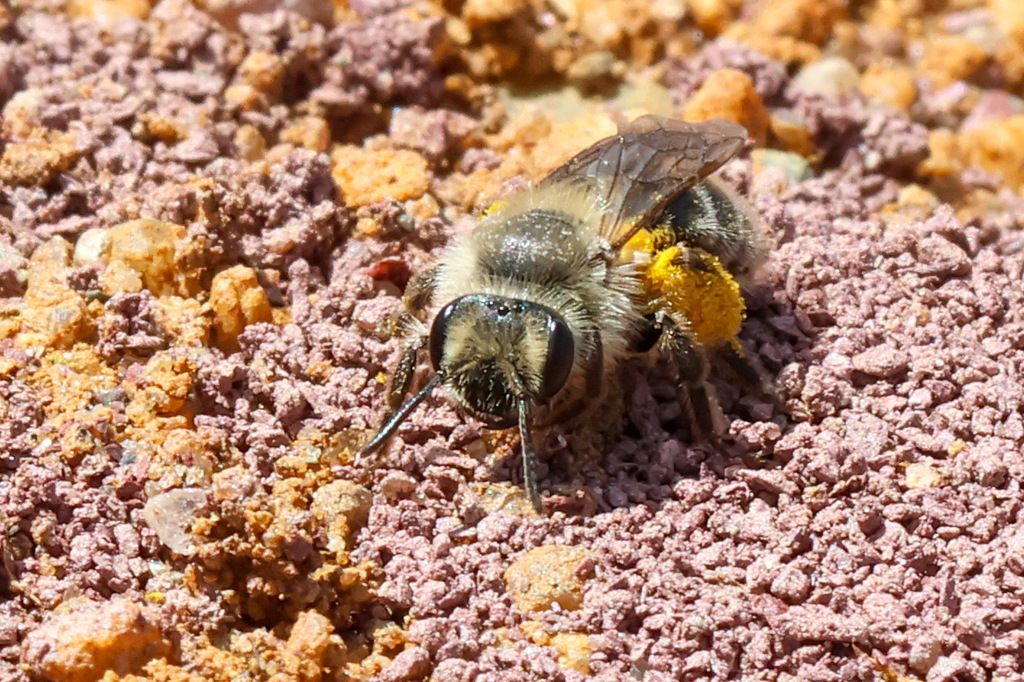
They move pollen between flowers while foraging, helping many wild plants and garden plants set seed and fruit.
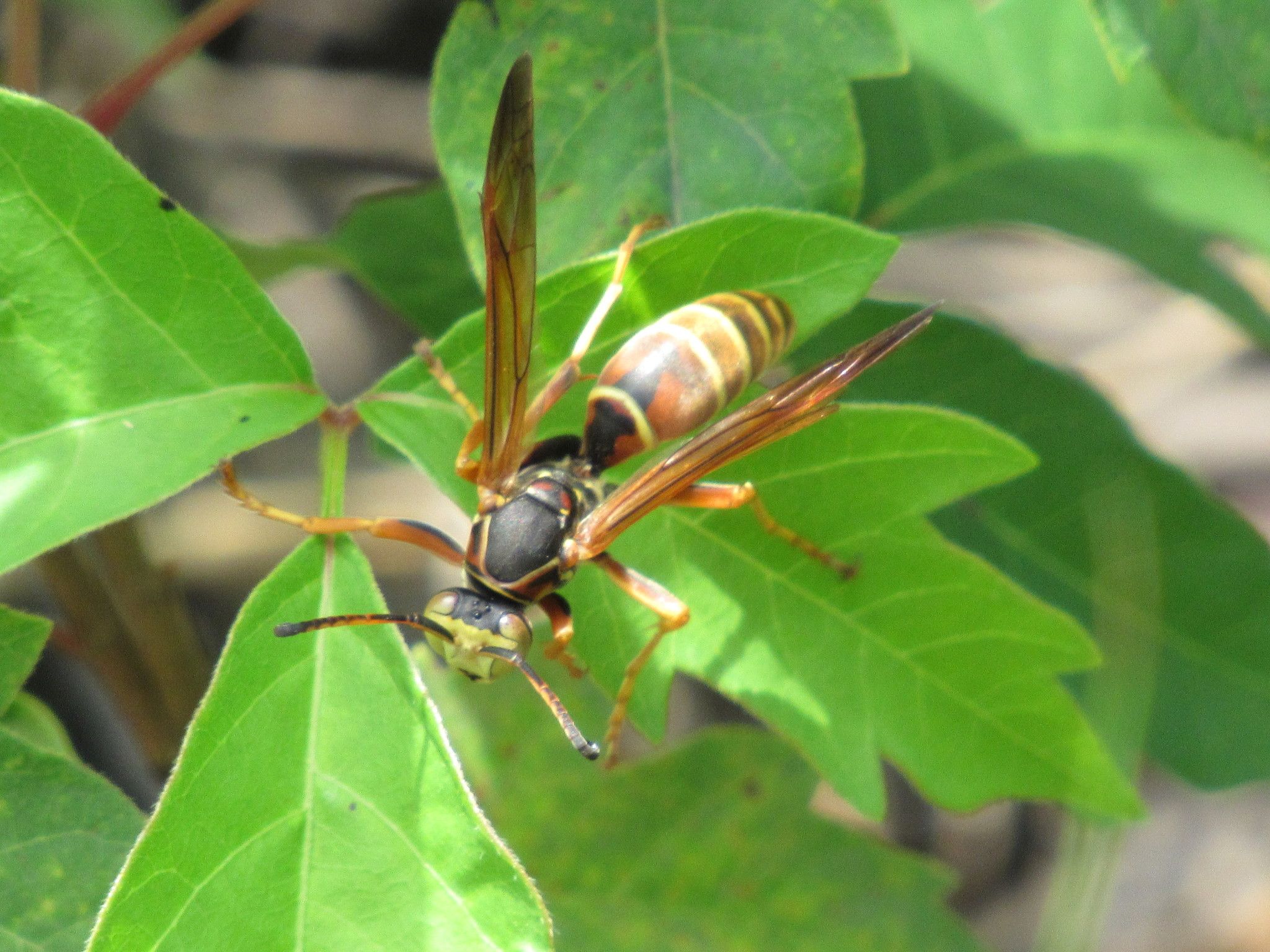
They can move pollen while drinking nectar, and they also help control many plant-eating insects.
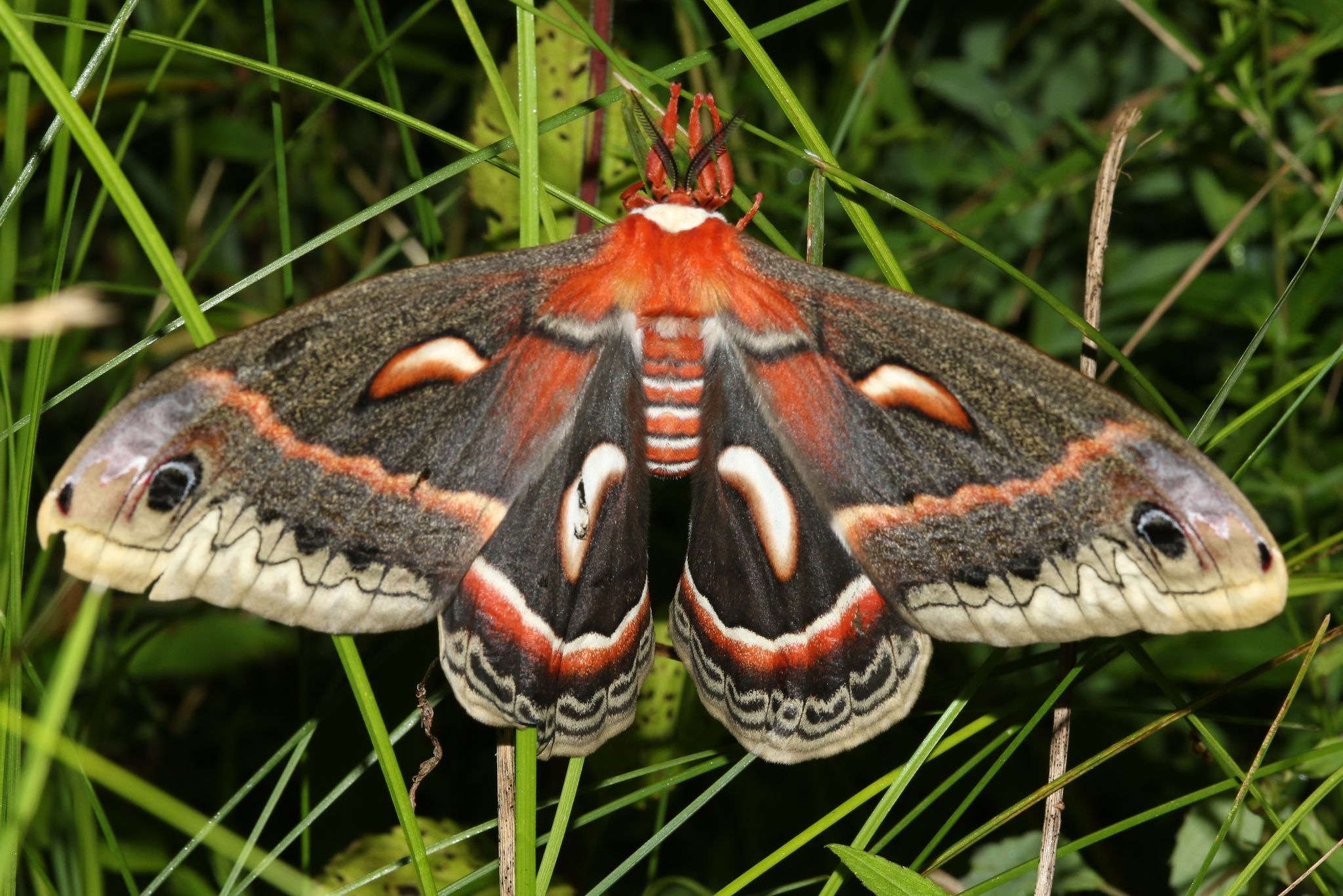
They’re part of healthy food webs and plant communities, and their caterpillars depend on a wide range of native trees and shrubs.
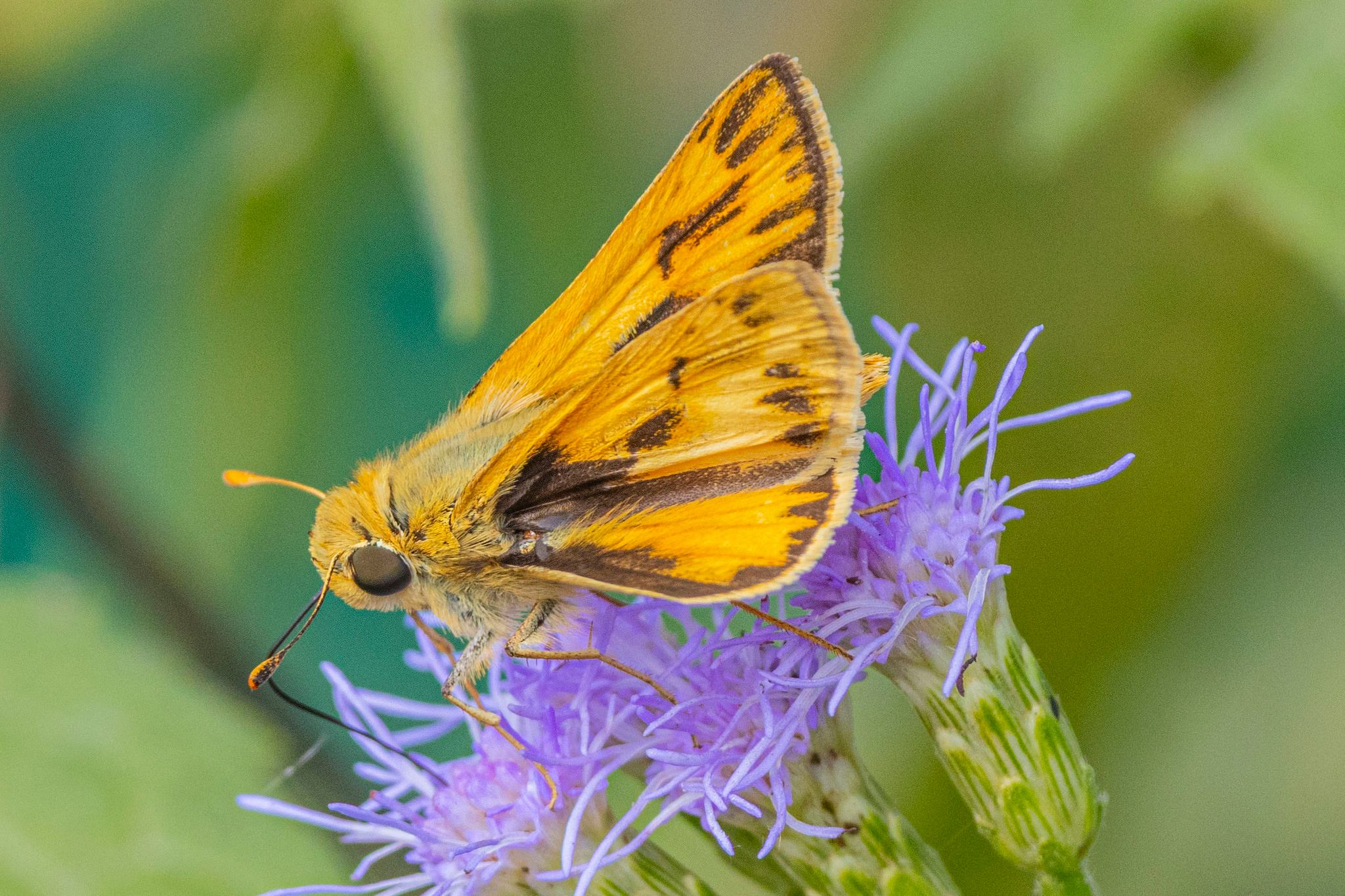
Skippers visit many flowers for nectar and can help move pollen between blooms while they feed.
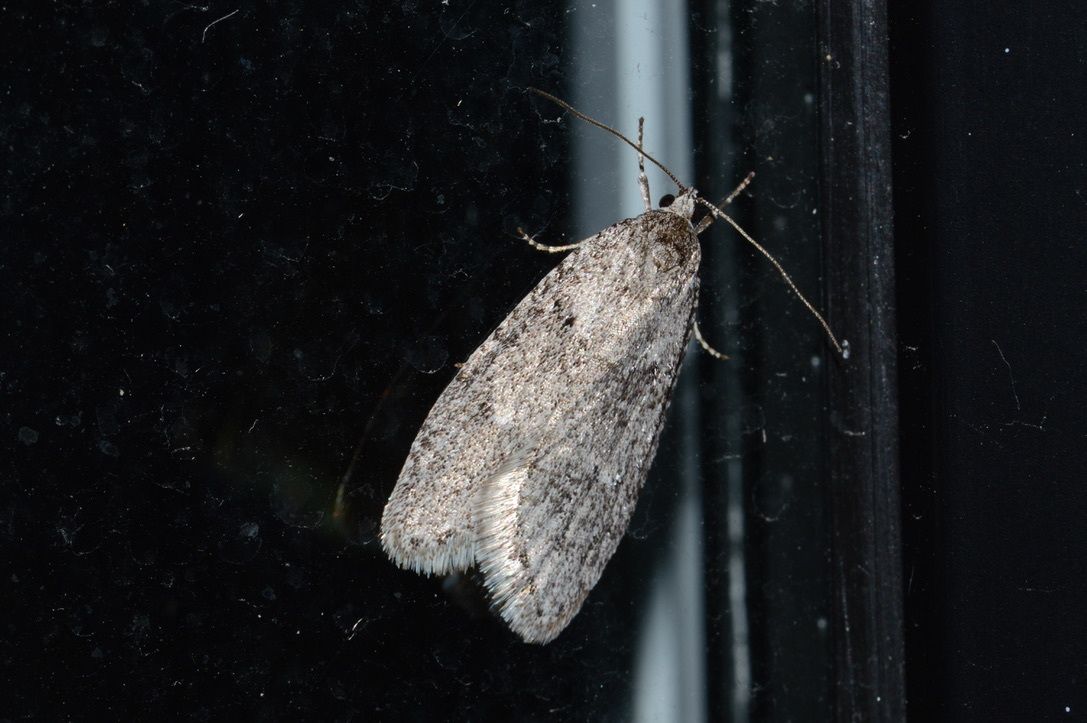
Many small moths move pollen while feeding on nectar, supporting wild plants and garden blooms—especially in the evening and at night.
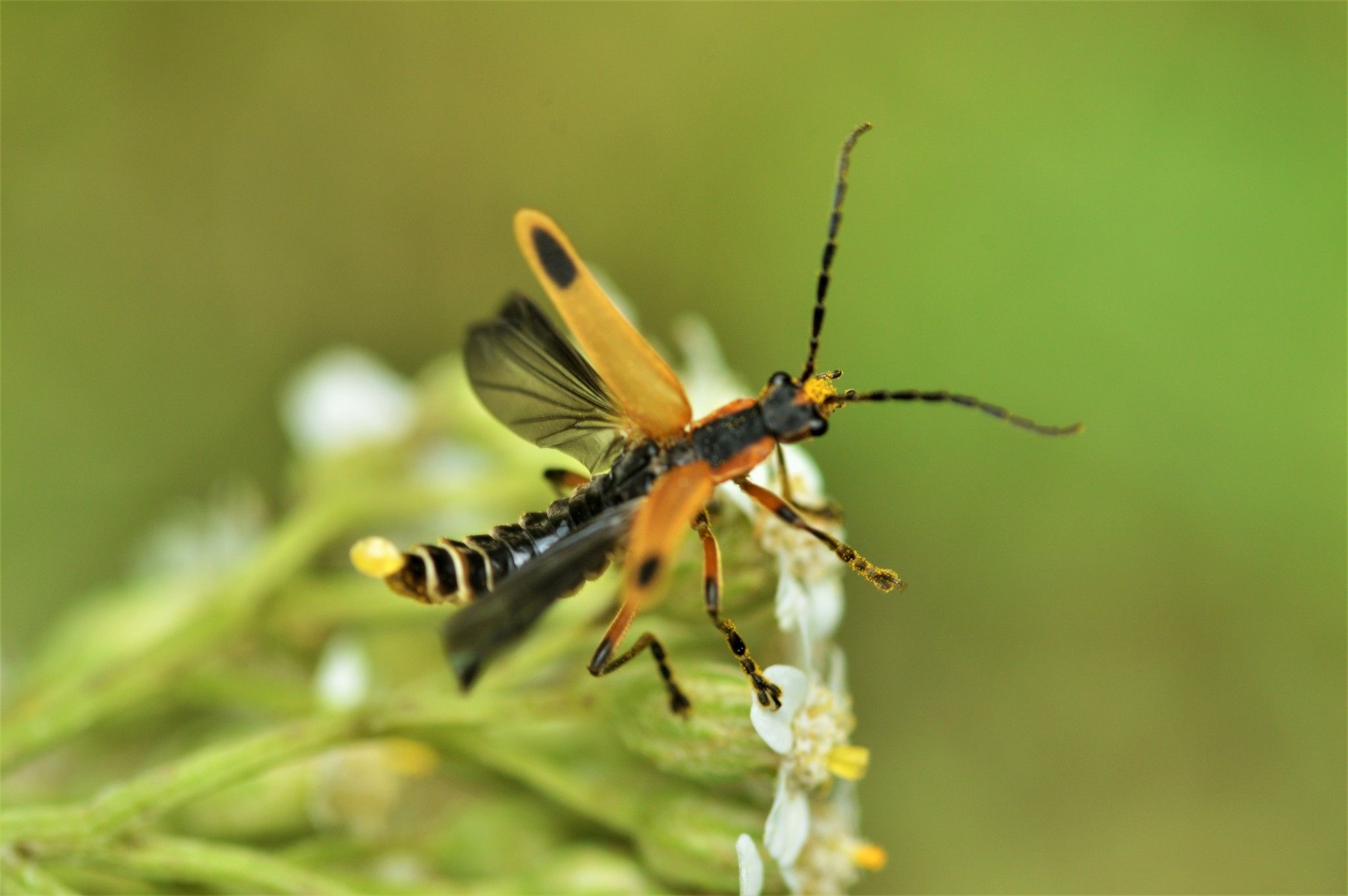
Many adults visit flowers and can move pollen between blooms, while also helping control some garden pests.
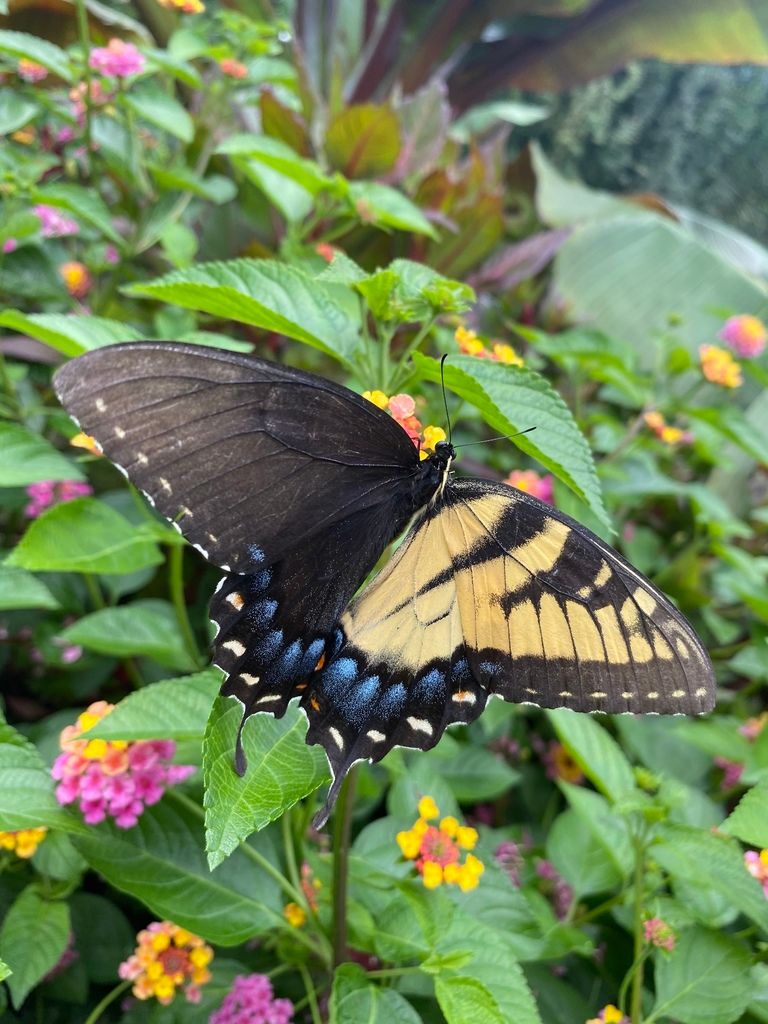
Adult swallowtails visit many flowers for nectar and can help move pollen between blooms as they feed.
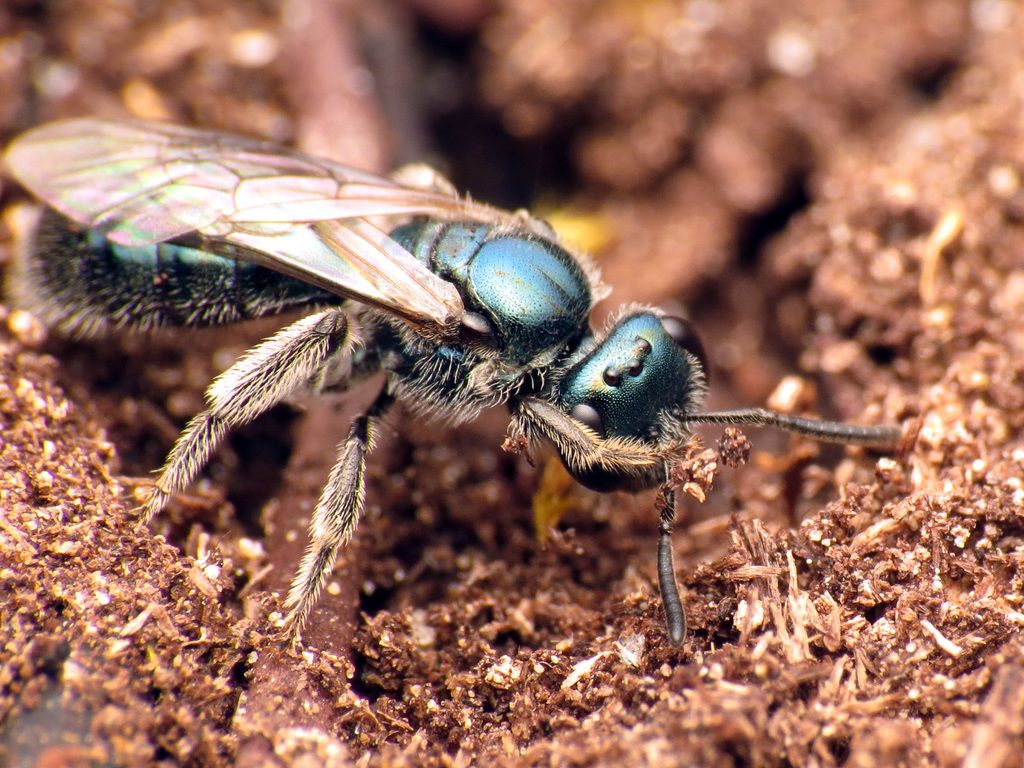
They help move pollen between flowers in gardens, parks, and natural areas, supporting seed and fruit production.
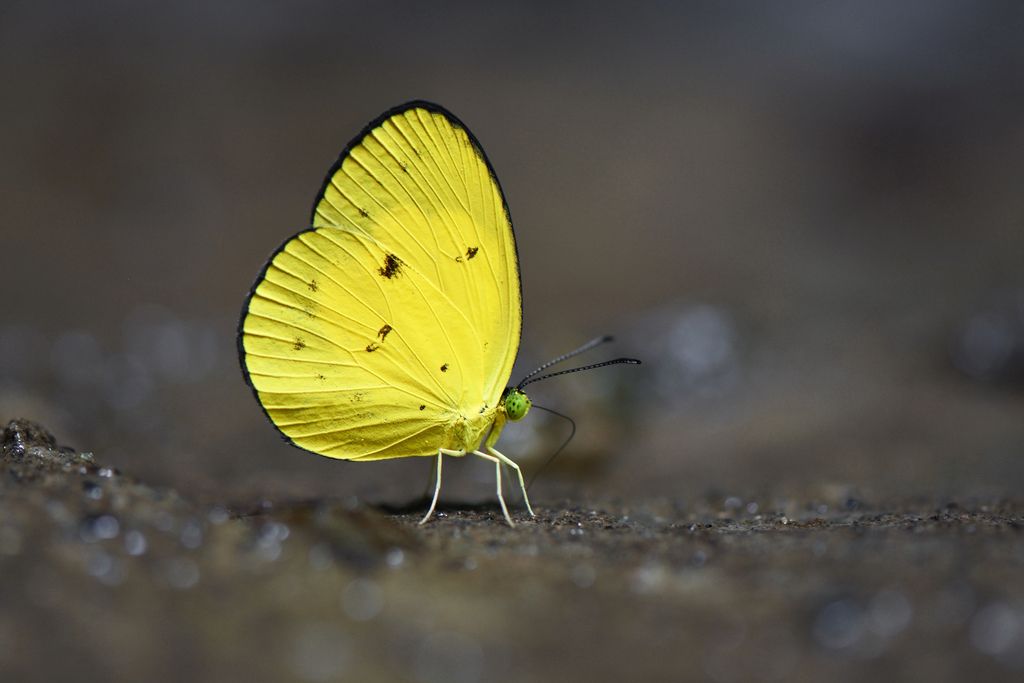
They visit a wide range of flowers for nectar and can help move pollen between blooms as they feed.