
What they do
Adds year-round greenery and spring flowers that can be visited by pollinators.
Species
Salal is a tough, evergreen shrub with glossy leaves and spring flowers that can support pollinators and add year-round structure to gardens and containers.
Plant Type
Shrubs > Salal
Aliases
Salal
Native Range
Native to the Pacific Northwest of North America.
Bloom window
Spring
OVERVIEW
Salal (Gaultheria shallon) is an evergreen shrub that brings glossy leaves and spring flower clusters to gardens. It’s often used to create a full, green look in shadier areas, and its blooms can be visited by a range of insects.
If you’re planting salal, focus on the basics: gentler light, soil that holds moisture without staying soggy, and a steady watering routine while the plant settles in. In containers, it’s especially important not to let the pot dry out completely.
For pollinator-friendly gardening, salal works best as part of a mix: pair it with other plants that bloom in summer and fall so there’s something in flower across the growing season. Keep pesticide use off the table whenever possible—healthy soil, consistent watering, and simple hands-on fixes usually go a long way.
FAST FACTS
Essential stats and requirements for quick reference.
| Category | Details |
|---|---|
| Also known as | Salal |
| Bloom window | Spring |
| Typical height | Low to medium shrub; can spread and form a dense patch over time. |
| Pollinators supported | Bees, Flies |
| Light & moisture | Best in part shade to shade with evenly moist, well-drained soil; can handle some sun if it doesn’t dry out. |
| Best roles for pollinators | Evergreen groundcover-like shrub layers, shady edges, and low-maintenance plantings that still offer flowers for pollinators. |
SUMMARY
A quick scan of what they do, what they need, and the best first step.
Adds year-round greenery and spring flowers that can be visited by pollinators.
Gentle light (often part shade), consistent moisture, and soil that drains well.
Choose a spot that won’t bake or dry out, then keep watering steady while it establishes.
IMPACT
Key Impacts
RECOGNITION
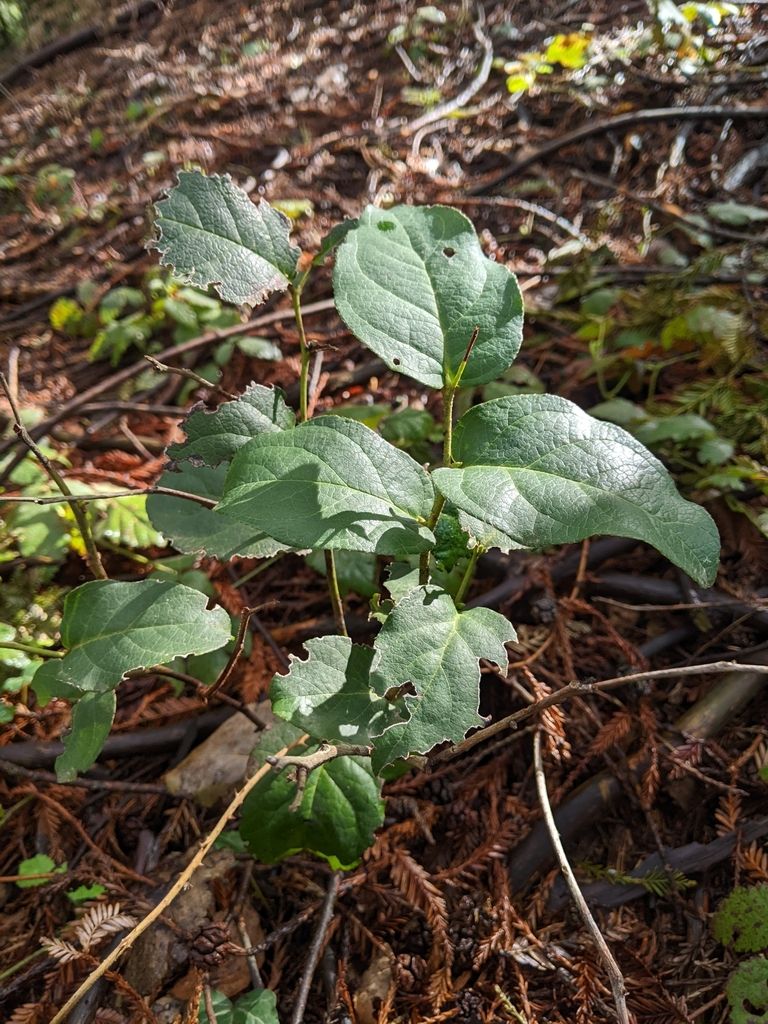
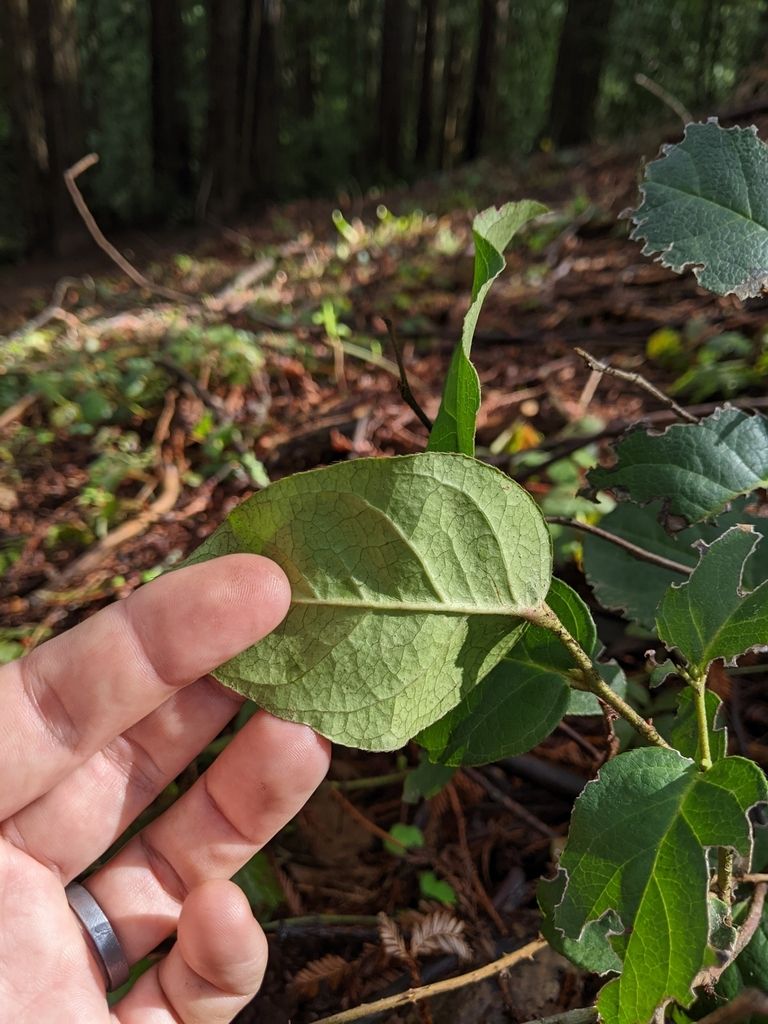
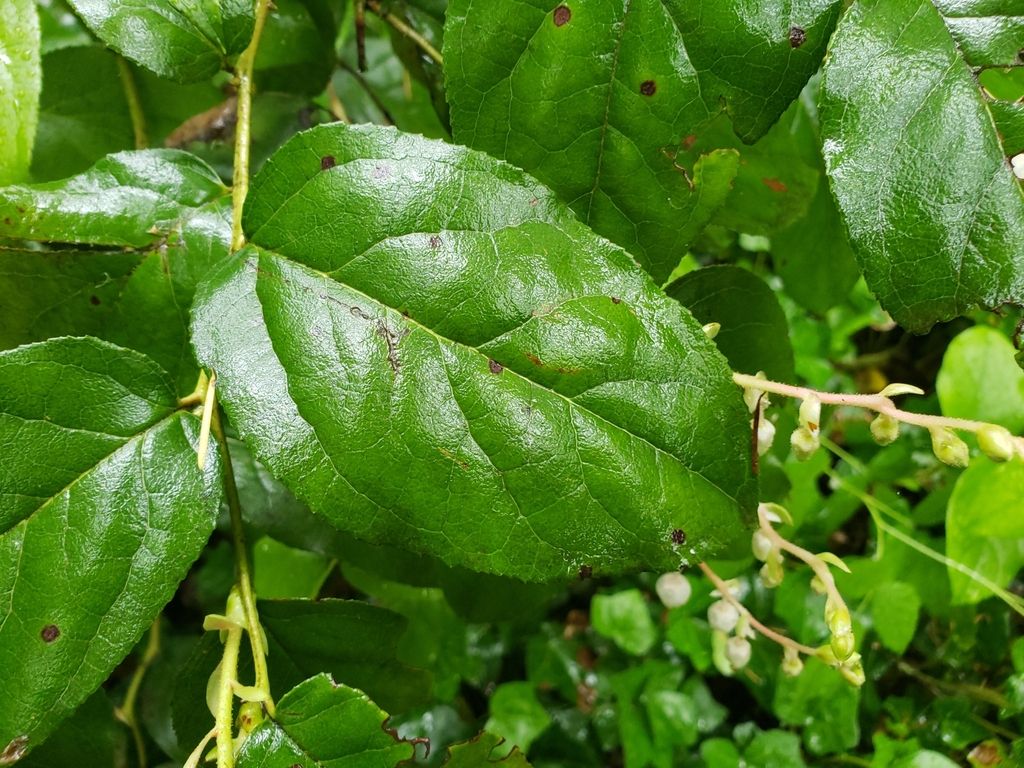
Evergreen, thick and leathery, glossy dark green, usually oval; leaves are a standout feature year-round.
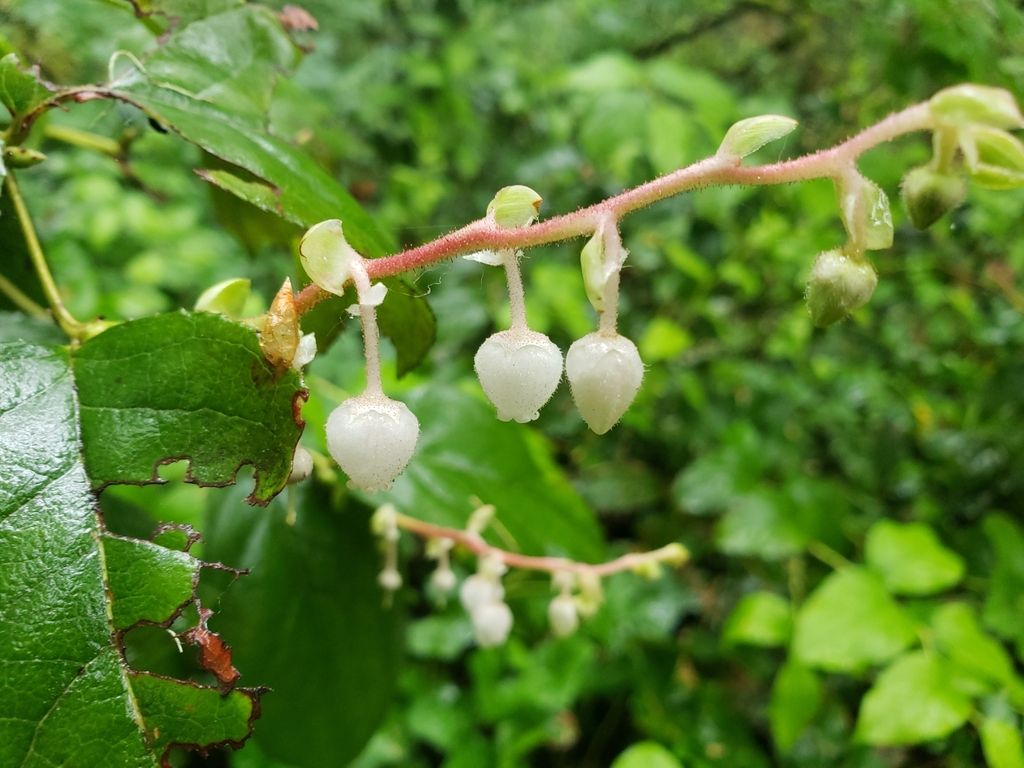
Small, bell-shaped (urn-shaped) flowers in clusters, often pale pink to white, appearing in spring.
Small berries may form after flowering; leave them for wildlife when possible.
LOCATION
Native environments and the best spots to place it in your landscape.
SEASONALITY
Notes on bloom windows and how this plant helps pollinators across the seasons.
Salal typically blooms in spring, with flowers held in small clusters.
Bloom Season Role: Early-season nectar and pollen from small spring flowers.
REQUIREMENTS
The right mix of sun, soil, and space for healthy growth.
Part shade to shade is often easiest; morning sun can work if afternoons aren’t too hot.
Rich, organic soil that drains well; add leaf mold or compost to improve texture.
Water regularly during establishment; after that, aim for consistent moisture rather than cycles of drought and soaking.
Plant at the same depth as in the pot, loosen the root ball gently, and water in well.
Mulch with shredded leaves or bark to help hold moisture and protect roots; keep mulch a little away from the stem base.
GARDENING GUIDE
Simple steps to plant, prune, and maintain healthy trees without pesticides.
Pairings
Pairing ideas to keep pollinators fed throughout the growing season.
GLOSSARY
Glossary terms are being added.
What You Can Do
Turn this knowledge into action. Whether you plant a single pot or a whole garden, you are building a vital bridge for local biodiversity.
Join the movement to restore our shared habitats.