
What they do
Snowberries provide small flowers for visiting insects and showy berries that keep the garden interesting later in the year.
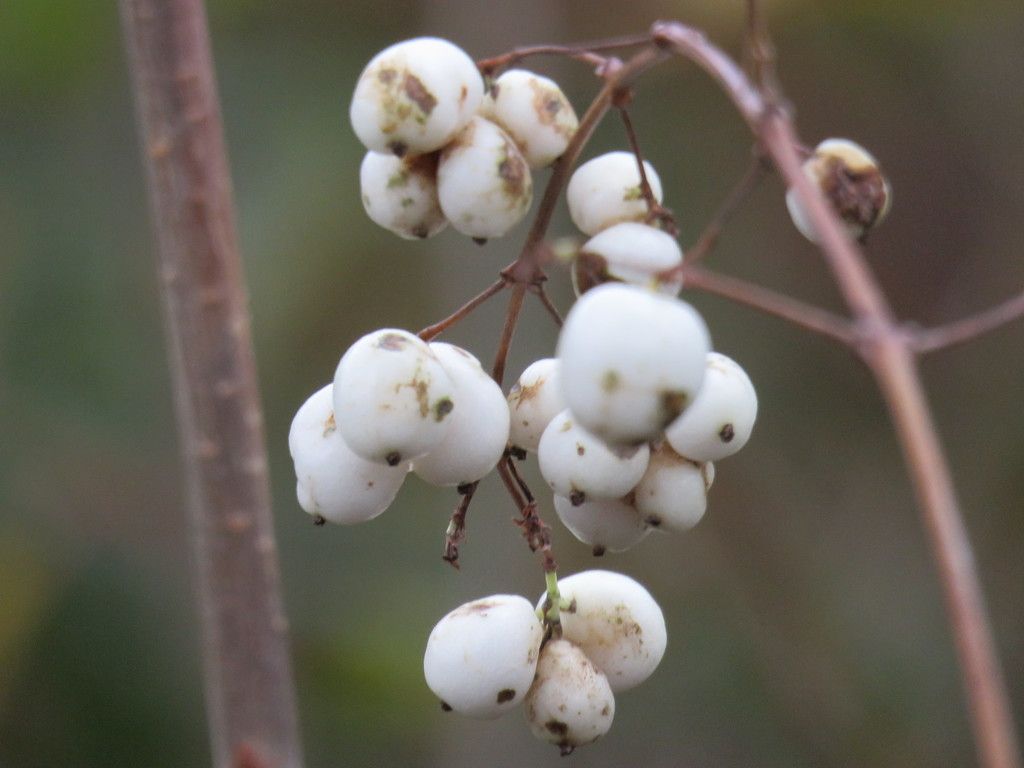
Genus Symphoricarpos
Snowberries are easygoing shrubs in the genus Symphoricarpos, known for their small flowers and bright, bead-like berries that add interest long after bloom season.
Plant Type
Shrubs > Snowberries
Aliases
Snowberry
Native Range
Parts of North America (varies by species within the genus)
Bloom window
Late spring through summer (varies by species)
OVERVIEW
Snowberries (Symphoricarpos) are a smart “backbone shrub” for pollinator-friendly spaces because they’re generally easy to grow and don’t demand constant attention. Their flowers are small, but they can still be visited by insects during the growing season, and the berries bring a bright, lasting display that helps a garden feel active beyond peak bloom.
For schoolyards and home gardens, snowberries work well along fences, at the edge of a planting bed, or on a slope where you want a living, leafy buffer. Let them keep a natural shape, pair them with a mix of flowering perennials across the seasons, and you’ll get a planting that looks good and supports more life with less work.
FAST FACTS
Essential stats and requirements for quick reference.
| Category | Details |
|---|---|
| Also known as | Snowberry |
| Bloom window | Late spring through summer (varies by species) |
| Typical height | About waist- to chest-high (varies by species and conditions) |
| Pollinators supported | Bees, Butterflies |
| Light & moisture | Adaptable; does best with some sun and average moisture |
| Best roles for pollinators | Low-maintenance borders, naturalized areas, slopes, and wildlife-friendly plantings |
SUMMARY
A quick scan of what they do, what they need, and the best first step.
Snowberries provide small flowers for visiting insects and showy berries that keep the garden interesting later in the year.
A spot with some sun, well-drained to average soil, and minimal fuss once established.
Give them room to grow naturally and avoid spraying anything on or near the flowers.
IMPACT
Key Impacts
RECOGNITION
Small, simple leaves, often oval; typically medium green and arranged along slender stems.
Small, pale flowers that may be white to pinkish; often tucked among leaves and not showy from a distance.
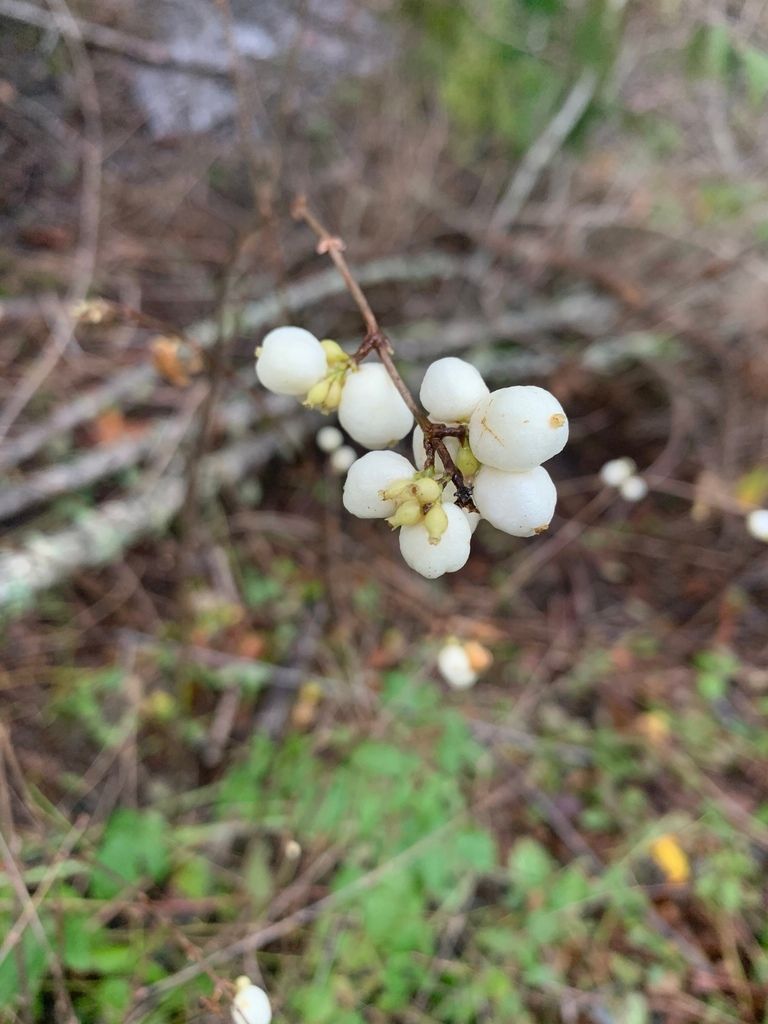
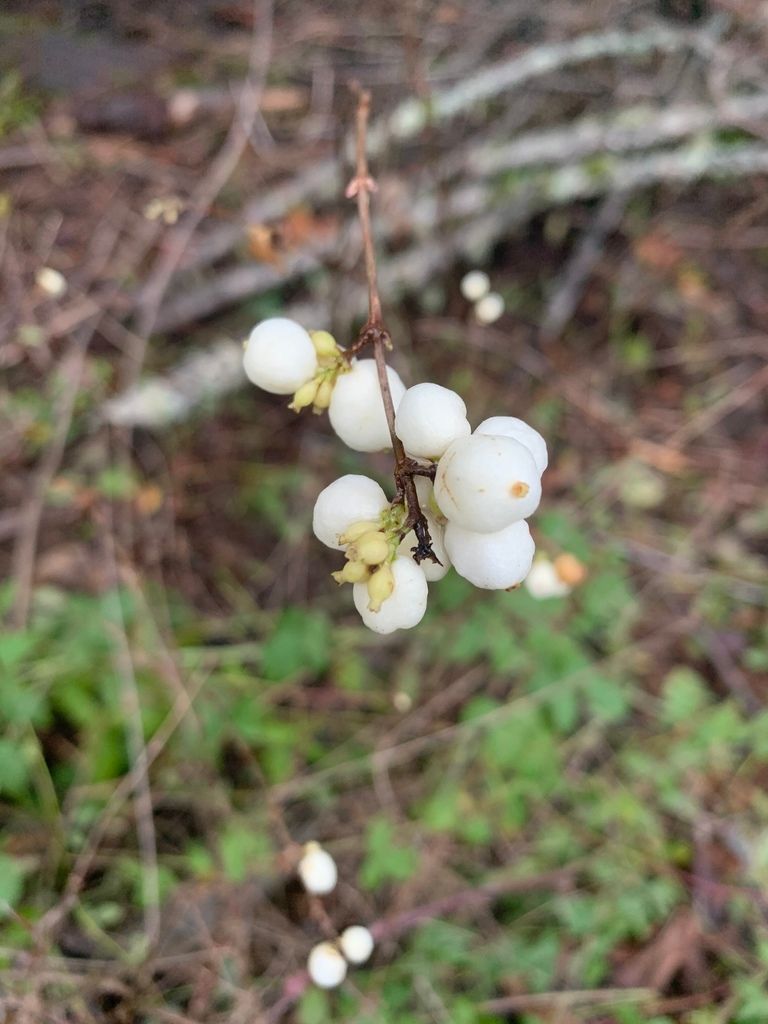
Round berries in clusters along the stems; often white, sometimes pinkish depending on species.
LOCATION
Native environments and the best spots to place it in your landscape.
SEASONALITY
Notes on bloom windows and how this plant helps pollinators across the seasons.
Snowberries bloom with small flowers that can blend into the foliage, then shift to their showy berry display later.
Bloom Season Role: Supports pollinators during the growing season; berries add late-season interest
REQUIREMENTS
The right mix of sun, soil, and space for healthy growth.
Best flowering and berry set with sun; tolerates part shade.
Adaptable to many soils; avoid constantly soggy spots.
Water regularly during the first season; after that, water during long dry spells.
Plant at the same depth as the pot, loosen circling roots, and give space for a natural shape.
Mulch with leaves or wood chips, keeping mulch a little away from the stems.
GARDENING GUIDE
Simple steps to plant, prune, and maintain healthy trees without pesticides.
Pairings
Pairing ideas to keep pollinators fed throughout the growing season.
GLOSSARY
Glossary terms are being added.
What You Can Do
Turn this knowledge into action. Whether you plant a single pot or a whole garden, you are building a vital bridge for local biodiversity.
Join the movement to restore our shared habitats.