
Skip to content
Sumacs (*Rhus* spp.)
Plant profile

Sumacs

Genus Rhus

Sumacs are tough, wildlife-friendly shrubs in the genus Rhus, known for their bold leaves, airy flower clusters, and fuzzy red seed heads that can add color and structure to a garden edge.

Plant Type

Shrubs > Sumacs

Aliases

Sumac

Native Range

Varies by species; some sumacs are native in parts of North America

Bloom window

Seasonal; varies by species

OVERVIEW

About This Plant

Sumacs are a great “backbone” shrub for a pollinator-friendly space because they add height and structure without needing constant attention. In a mixed planting, they pair well with sun-loving perennials and grasses, creating a layered look that feels natural and provides more places for insects to forage and rest.

If you’re working with a small yard, the biggest planning tip is space: some sumacs spread and can form a patch over time. That can be a feature (especially for a naturalized corner or slope), but it’s frustrating in a tight, formal bed. When in doubt, ask for the exact species name and expected growth habit before planting.

Best role for pollinators
Sunny edges, naturalized areas, slopes, and low-maintenance habitat plantings
Sumacs (Rhus spp.)
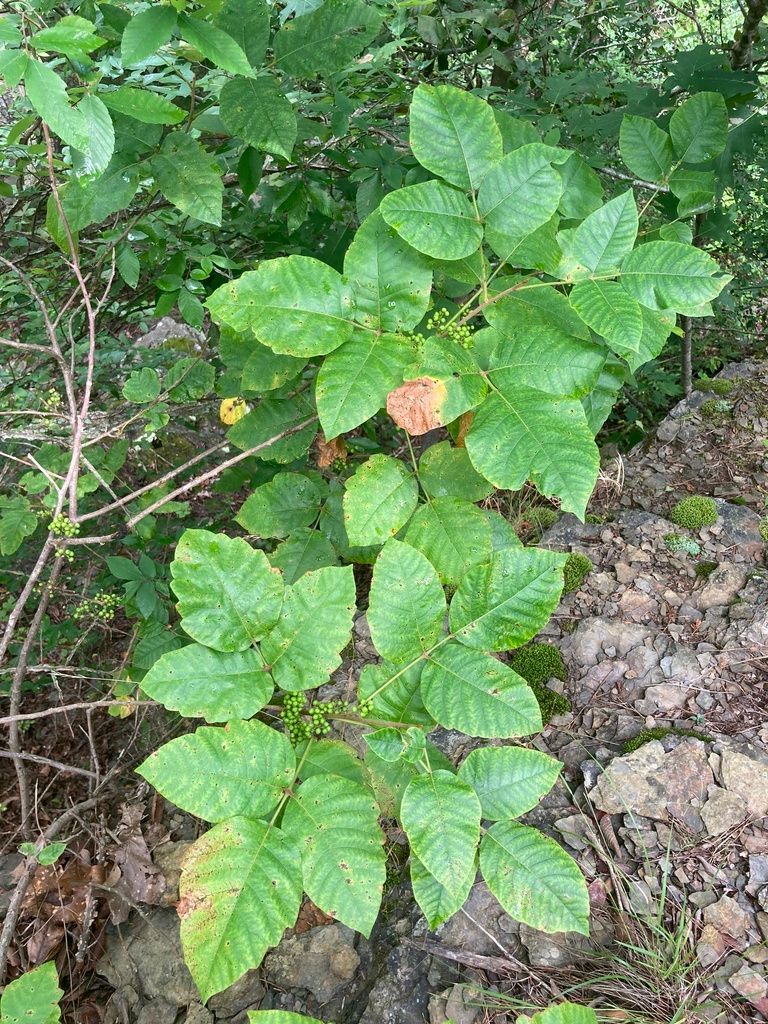
https://www.inaturalist.org/photos/140070769 Photo: (c) Theo Witsell, some rights reserved (CC BY-NC) | CC-BY-NC | iNaturalist

FAST FACTS

Quick Details

Essential stats and requirements for quick reference.

Also known asSumac
Bloom windowSeasonal; varies by species
Typical heightVaries by species; often a medium to large shrub
Pollinators supportedBees, Flies, Wasps, Beetles
Light & moistureOften best in sun; many types handle dry to average soils once established.
Best roles for pollinatorsSunny edges, naturalized areas, slopes, and low-maintenance habitat plantings

SUMMARY

If You Remember Three Things

A quick scan of what they do, what they need, and the best first step.

What they do

Sumacs add structure and seasonal color while offering flowers that many insects visit.
What they need

A sunny spot and room to grow; many types are adaptable and don’t need rich soil.

One best action

Give sumac space—use it where a shrub can form a natural-looking patch without crowding other plants.

IMPACT

Why Plant This?

Including shrubs like sumac helps create a more complete habitat garden with shelter, structure, and seasonal resources—especially when paired with a mix of flowering perennials.
Many sumacs are known for their striking fall color, making them a “habitat plant” that also looks great in a yard.

Key Impacts

What it Supports

  • Shrubs add layers to a pollinator garden, not just flowers at ground level.
  • Flower clusters can be a busy stop for a variety of beneficial insects.
  • Seed heads and branching structure can add off-season interest and cover in the garden.

RECOGNITION

Identification Guide

Use these quick clues to recognize sumacs in the garden.

Leaves

Often compound leaves with multiple leaflets; overall look can be feathery. Leaf color may turn vivid in fall.

Flowers

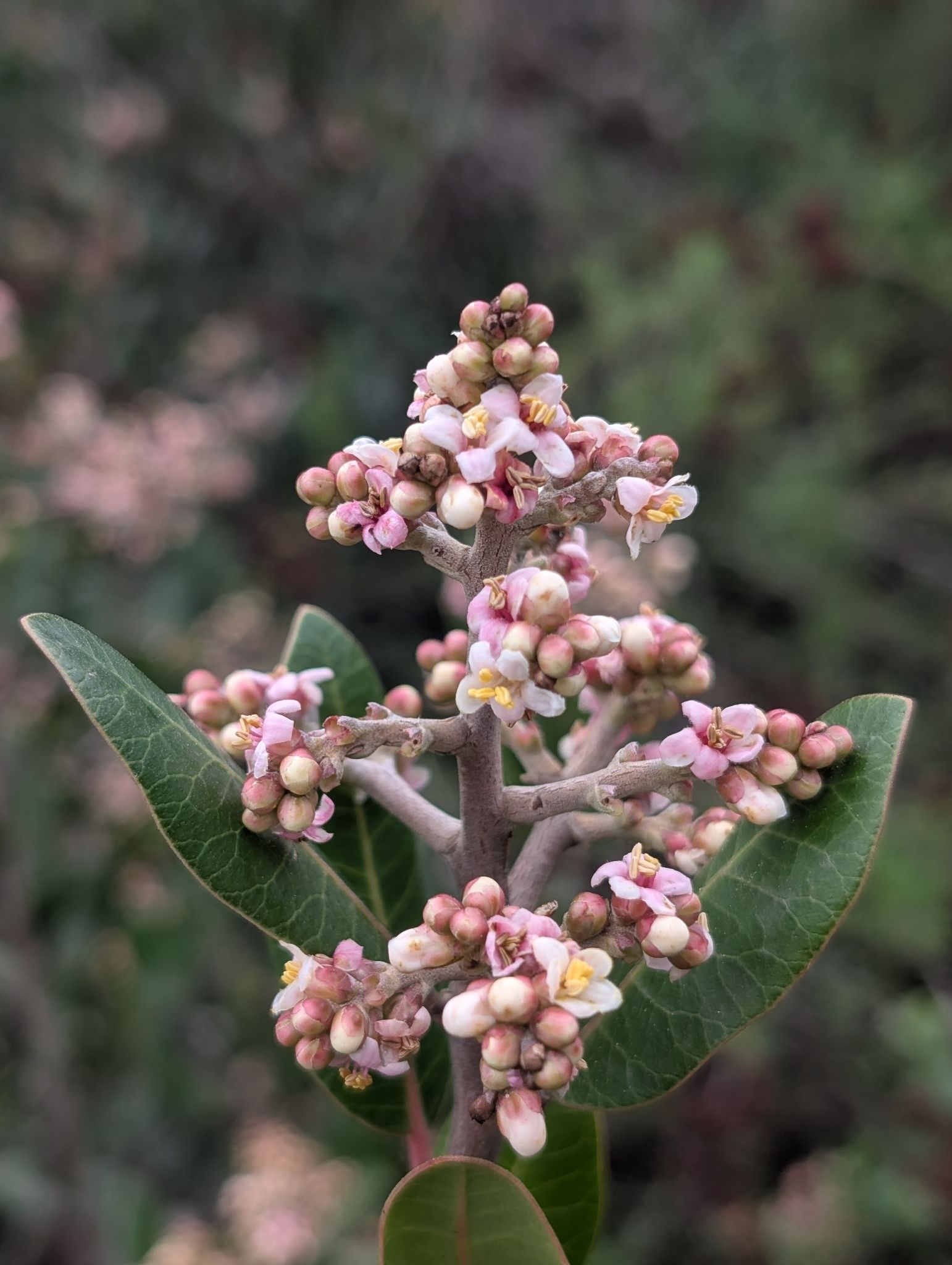
Small flowers grouped in upright clusters; individual flowers are tiny but the clusters are noticeable.

Fruits

Many species form dense, often reddish seed heads that can persist for a long time.
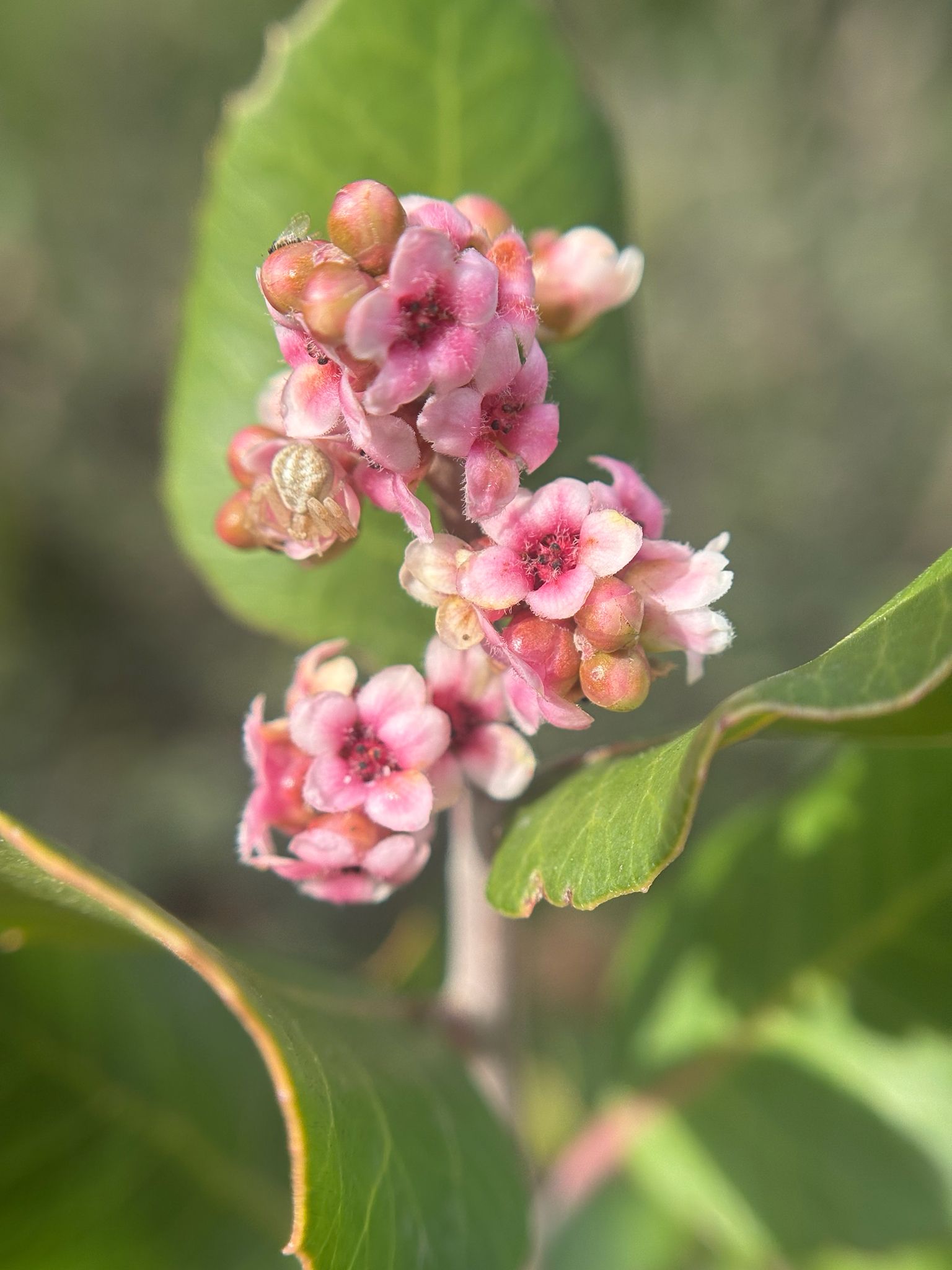
Sumacs (*Rhus* spp.)
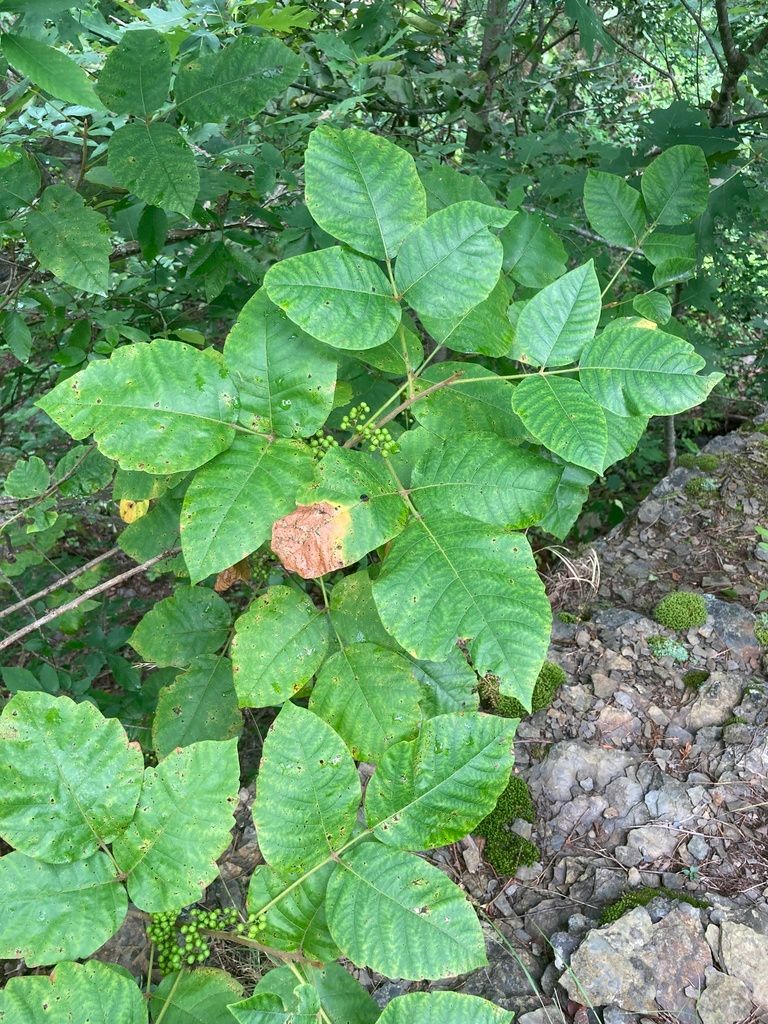
https://www.inaturalist.org/photos/611447800 Photo: (c) jack, some rights reserved (CC BY-NC) | CC-BY-NC | iNaturalist
Sumacs (Rhus spp.)
Sumacs (Rhus spp.)

LOCATION

Where It Grows

Native environments and the best spots to place it in your landscape.

Habitats

  • Sunny edges and open areas
  • Roadsides and disturbed ground
  • Dry slopes and rocky spots
  • Thickets and field margins

Where it is often used

  • Back-of-border shrub for pollinator plantings
  • Naturalized hedgerow or screen
  • Slope or edge planting where a tough shrub is needed
  • Wildlife-friendly thicket in a larger yard

SEASONALITY

When It Blooms

Notes on bloom windows and how this plant helps pollinators across the seasons.

Bloom window

Bloom timing depends on the species of sumac and local conditions.

Bloom Season Role: A sturdy shrub that can provide mid-season flowers and later seed heads for seasonal interest.

Seasonal benefits

  • Adds a shrub layer to extend habitat beyond ground-level flowers
  • Provides a noticeable floral display that can draw in many small insects

REQUIREMENTS

What It Needs

The right mix of sun, soil, and space for healthy growth.

Sun exposure

Full sun is often best; part sun can work depending on the species and site.

Soil type

Adaptable; many sumacs tolerate poorer soils. Avoid constantly soggy spots.

Moisture needs

Water regularly during the first season; after that, many types handle dry spells once established.

Planting method

Plant where it has room to spread and where you won’t need to mow or edge tightly around it.

Mulching tips

Mulch lightly to reduce weeds and protect soil, keeping mulch away from the base of stems.

GARDENING GUIDE

How to Grow It

Simple steps to plant, prune, and maintain healthy trees without pesticides.

Planting tips

  • Choose a sunny spot with enough space for a shrub to expand over time.
  • Dig a hole about as deep as the root ball and a bit wider.
  • Set the plant so the top of the root ball is level with the soil surface.
  • Backfill, press soil gently, and water well.
  • Mulch lightly and keep the area weeded while the plant establishes.

Seasonal care

  • Water during the first growing season; reduce watering once established unless there’s a long dry spell.
  • Prune out dead or crossing stems in late winter or early spring if needed.
  • If the plant spreads by shoots, remove unwanted shoots by cutting them at the base or digging small ones out.
  • Leave seed heads for seasonal interest if you like the look; tidy up in late winter if desired.

What not to do

  • Planting sumac in a tight, formal bed where it can’t spread.
  • Removing it because it’s mistaken for a harmful look-alike.
  • Overwatering or planting in a spot that stays wet.

Pairings

Best Pairings for Season-Long Bloom

Pairing ideas to keep pollinators fed throughout the growing season.

Early Bloom

  • Spring ephemerals (in nearby beds where soil stays undisturbed)
  • Early-blooming native perennials suited to your site

Mid-Season Bloom

  • Coneflowers
  • Bee balm
  • Native grasses for structure

Late-Season Bloom

  • Goldenrods
  • Asters
  • Late-blooming native perennials
“Sumac” can refer to several different species in Rhus. If you’re planting for a specific space, check the mature size and spreading habit of the exact species offered locally.

GLOSSARY

Key Terms

A few quick terms you might see when shopping for shrubs or planning a pollinator garden:

Glossary terms are being added.

What You Can Do

Make a difference for native habitats.

Turn this knowledge into action. Whether you plant a single pot or a whole garden, you are building a vital bridge for local biodiversity.

Join the movement to restore our shared habitats.

Pollinators supported

Species that benefit from this plant

Pollinator links are being added for this plant.

Regions

Where this plant is native

Regional links are being added for this plant.