
What they do
Alders add quick tree cover and offer early catkins that can help insects get started in spring.
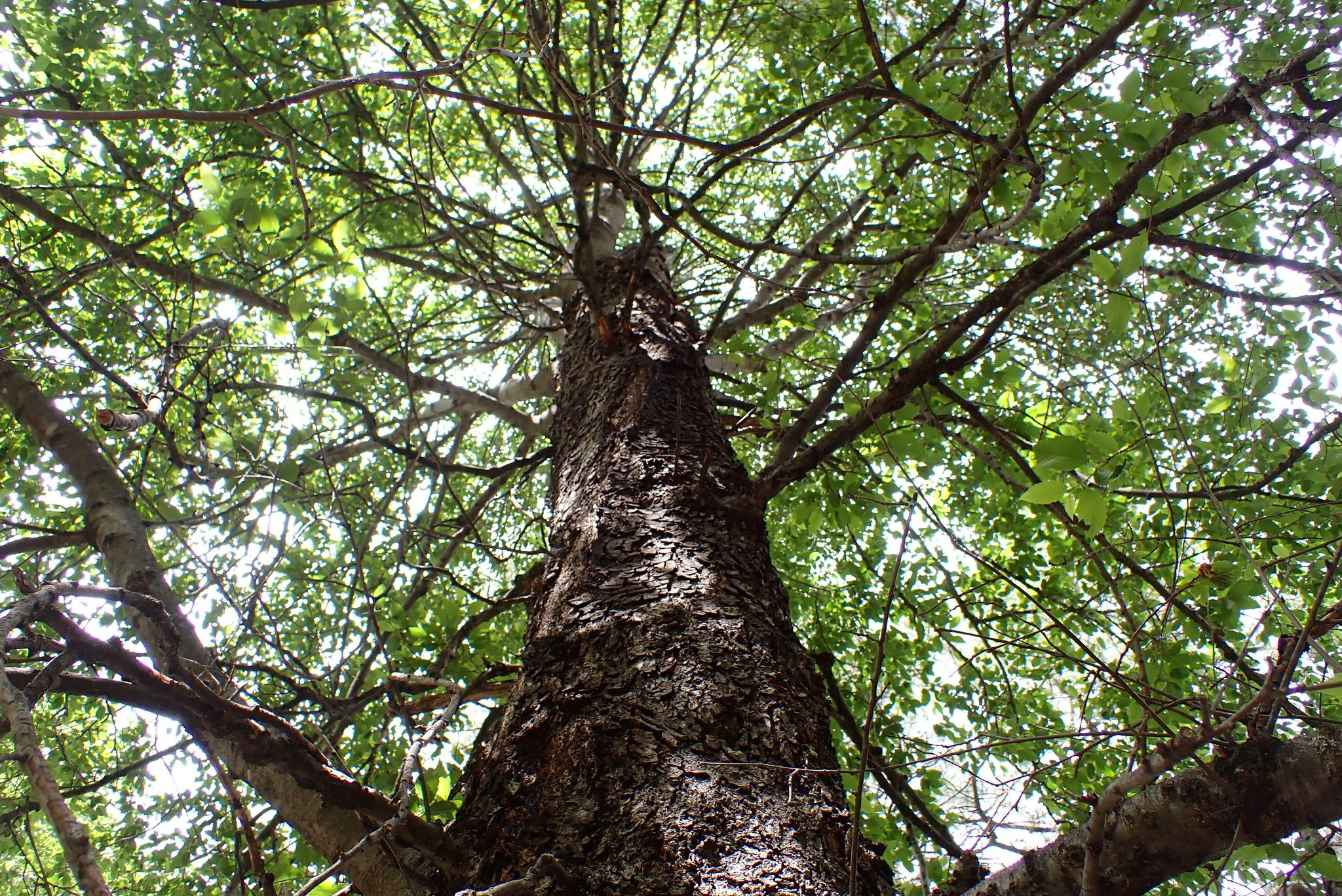
Genus Alnus
Alders are fast-growing trees in the genus Alnus that are especially useful in damp spots and along edges where you want quick cover and early-season pollen for insects.
Plant Type
Trees > Alders
Aliases
Alder
Native Range
Varies by species within the genus; many alders are native across northern temperate regions.
Bloom window
Early spring
OVERVIEW
Alders (genus Alnus) are a smart choice when you need a hardy tree for a site that stays damp or has heavier soil. Instead of big, colorful blossoms, alders bloom with catkins—flower clusters that show up early in spring. That timing can matter: when the season is just starting, early-flying insects may be looking for pollen sources.
In a habitat-focused planting, think of alders as a “structure” plant. They can help create shade and shelter, and they pair well with a mix of flowering perennials and shrubs that take over the nectar-and-pollen job later in the year. If you’re planting on a school campus or in a small yard, the biggest success factor is space—choose a spot where a tree can grow without constant pruning or conflicts with paths and buildings.
If you’re not sure which alder is right for your area, start by checking what’s locally appropriate and what fits your site (especially moisture and available room).
FAST FACTS
Essential stats and requirements for quick reference.
| Category | Details |
|---|---|
| Also known as | Alder |
| Bloom window | Early spring |
| Typical height | Small to medium tree (varies by species) |
| Pollinators supported | Early-season bees |
| Light & moisture | Sun to part shade; medium to wet soil |
| Best roles for pollinators | Moist sites, naturalized edges, and early-season pollen support |
SUMMARY
A quick scan of what they do, what they need, and the best first step.
Alders add quick tree cover and offer early catkins that can help insects get started in spring.
Room to grow and soil that doesn’t stay bone-dry, especially while the tree is getting established.
Choose a spot with consistent moisture and give the tree enough space from sidewalks, fences, and foundations.
IMPACT
Key Impacts
RECOGNITION
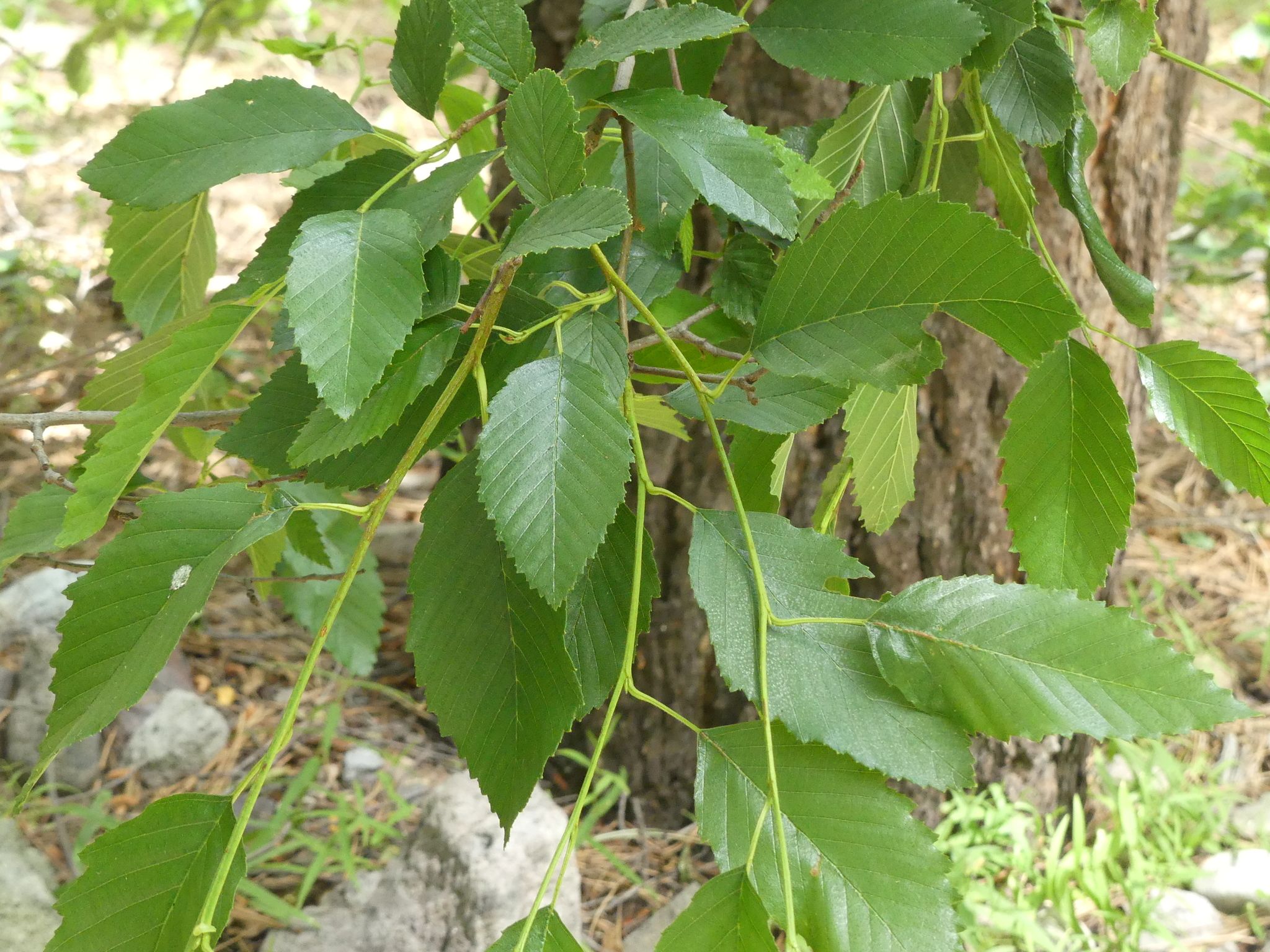
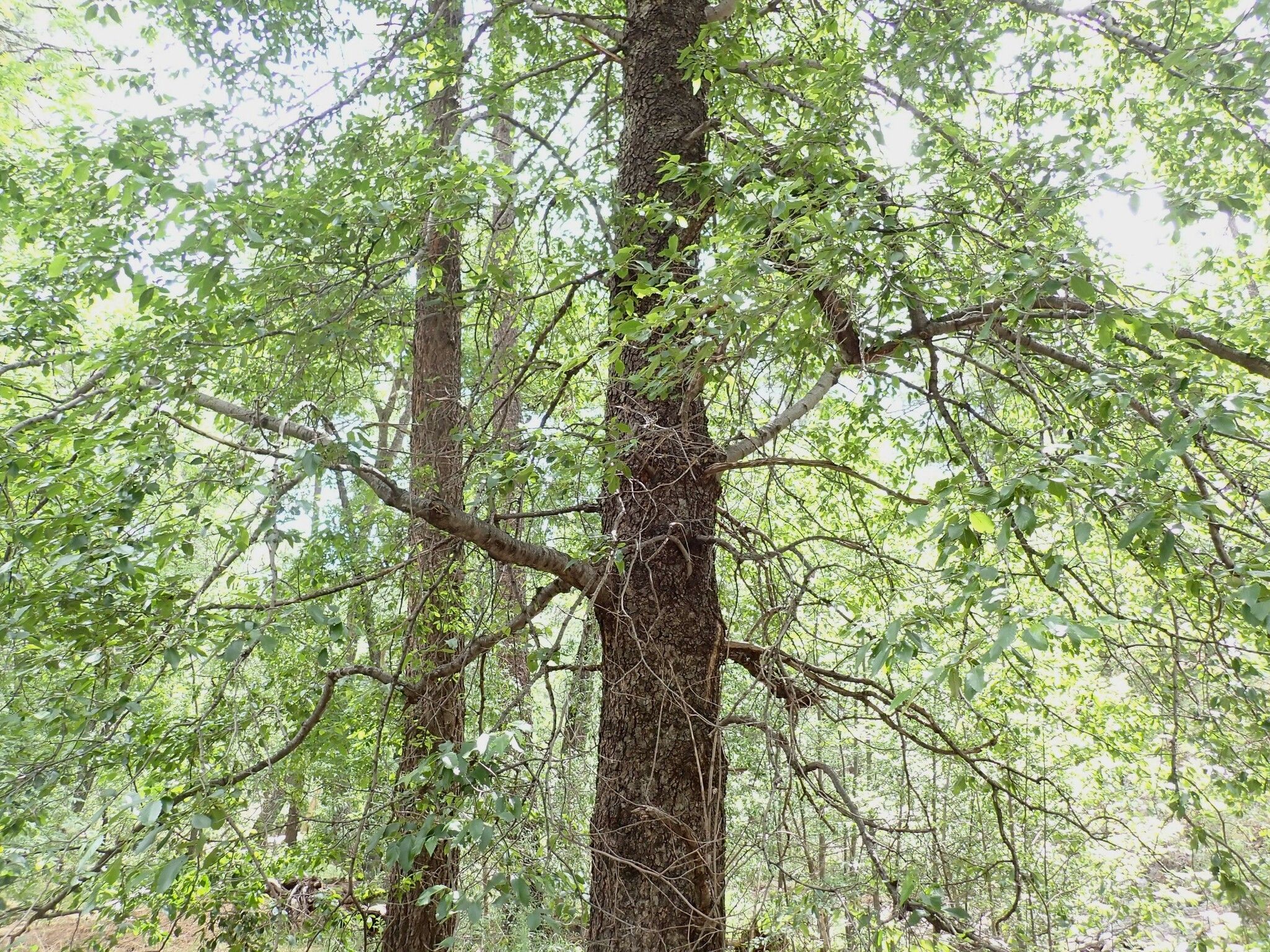
Simple, rounded to oval leaves; edges may be slightly toothed; leaves are arranged alternately on the twig.
Catkins; typically appear in early spring, often before full leaf-out.
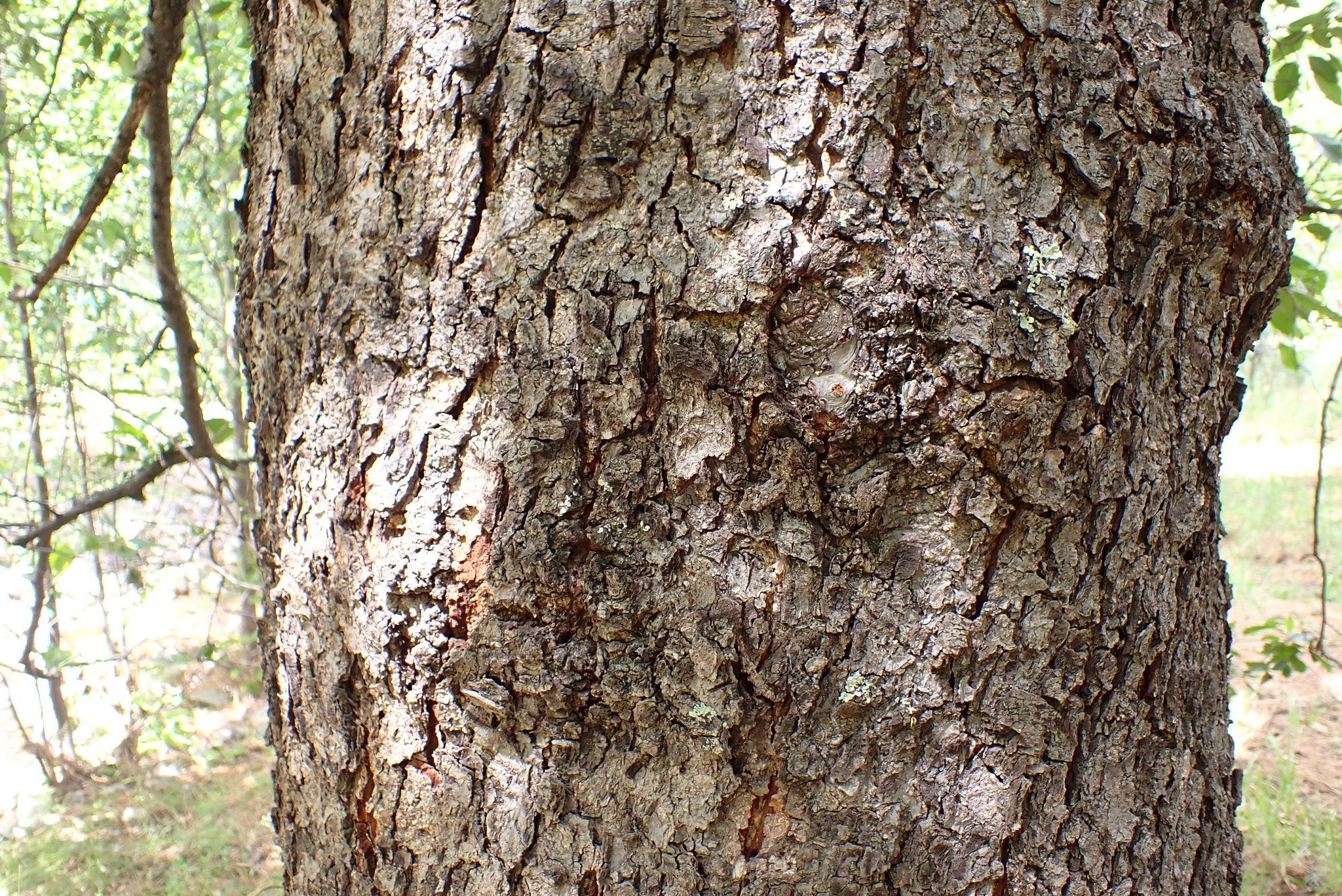
Small, woody cone-like clusters that hold seeds and may remain on branches.
LOCATION
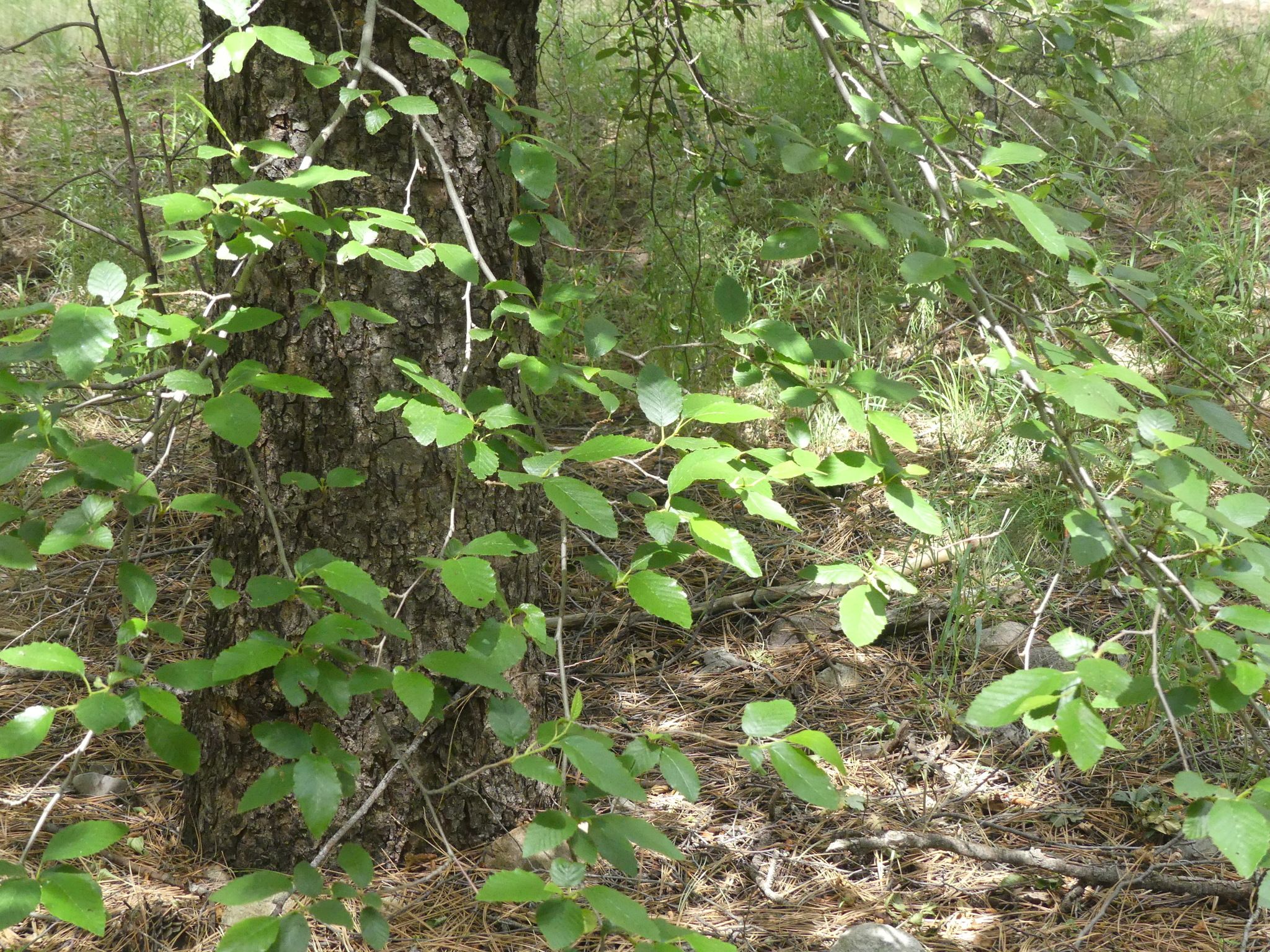
Native environments and the best spots to place it in your landscape.
SEASONALITY
Notes on bloom windows and how this plant helps pollinators across the seasons.
Alders bloom early, before many garden flowers are open.
Bloom Season Role: Early-season pollen source (catkins)
REQUIREMENTS
The right mix of sun, soil, and space for healthy growth.
Full sun to part shade.
Moist, well-drained to wet soils; tolerates heavier soils in many settings.
Water regularly during the first season; after establishment, alders are often more forgiving in consistently moist sites.
Plant in a spot with room for canopy and roots; keep away from tight corners, narrow boulevards, and building foundations.
Mulch a wide ring to reduce weeds and protect the trunk; keep mulch pulled back from direct contact with the bark.
GARDENING GUIDE
Simple steps to plant, prune, and maintain healthy trees without pesticides.
Pairings
Pairing ideas to keep pollinators fed throughout the growing season.
GLOSSARY
Glossary terms are being added.
What You Can Do
Turn this knowledge into action. Whether you plant a single pot or a whole garden, you are building a vital bridge for local biodiversity.
Join the movement to restore our shared habitats.
Pollinators supported
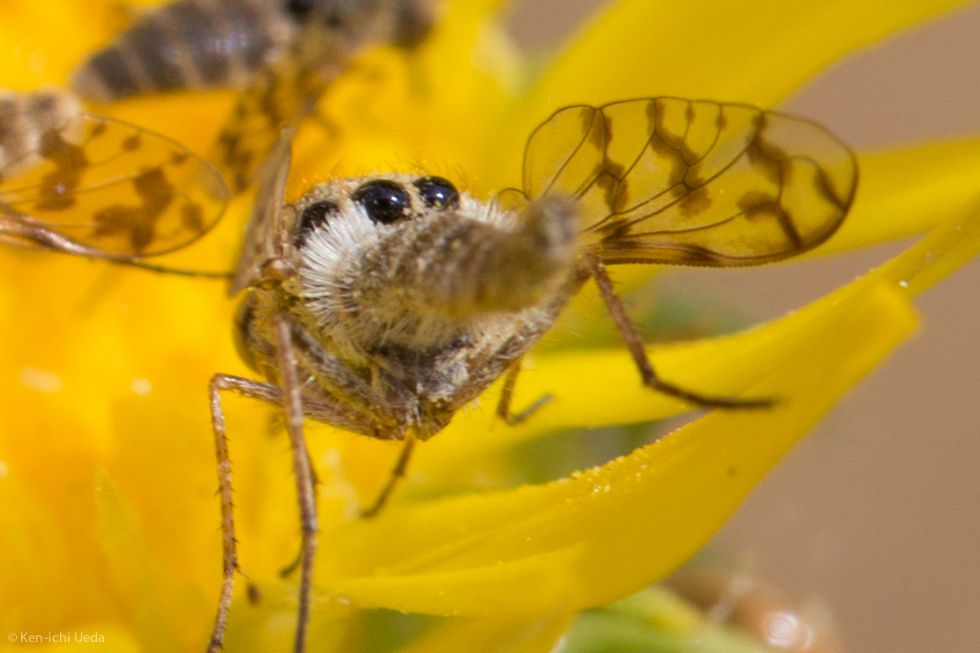
Adults visit flowers for nectar and can move pollen between blooms; their presence is a sign of diverse, functioning habitats.
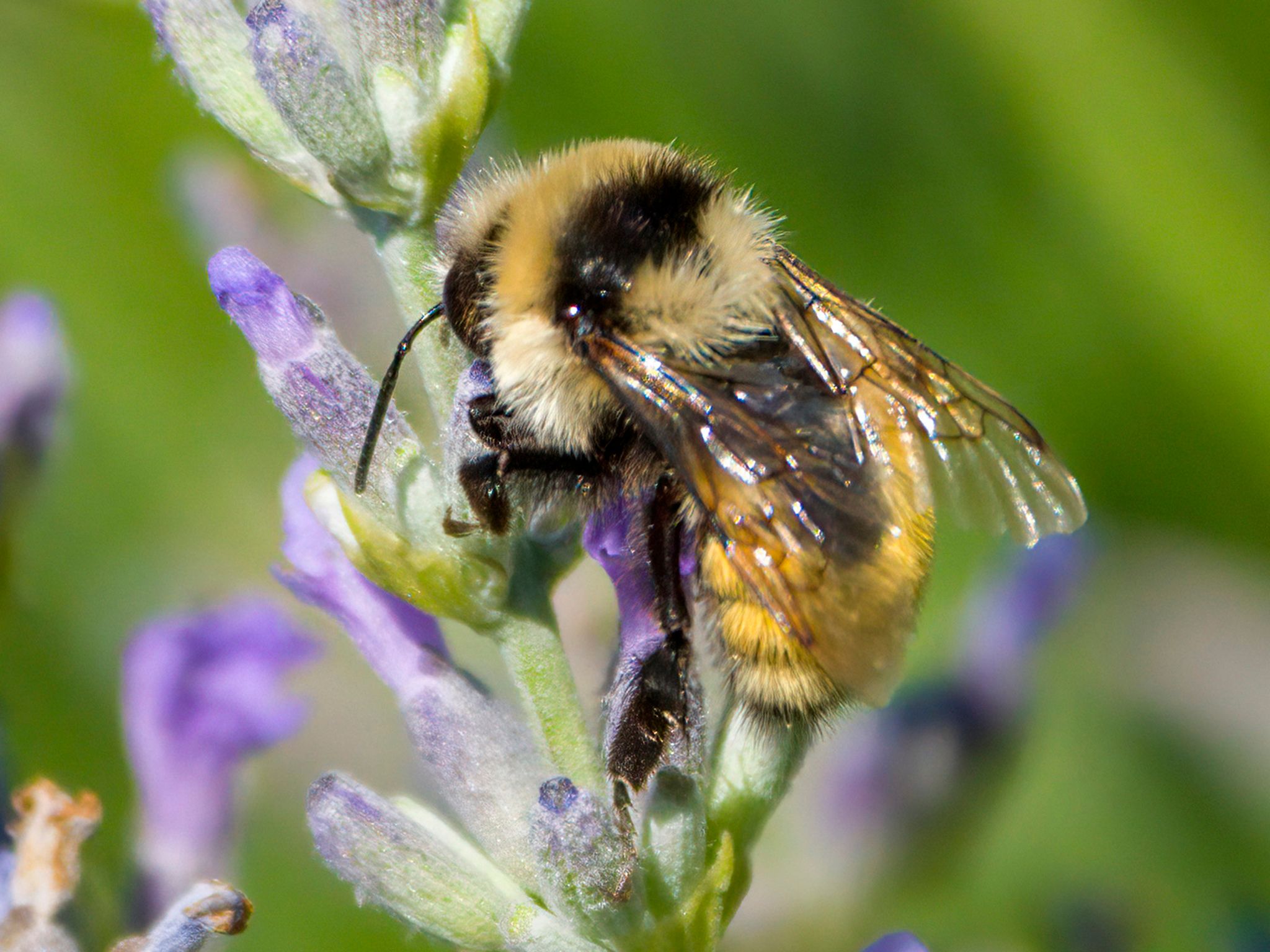
Bumble bees are important pollinators of many wildflowers and garden plants, helping ecosystems and food crops reproduce.
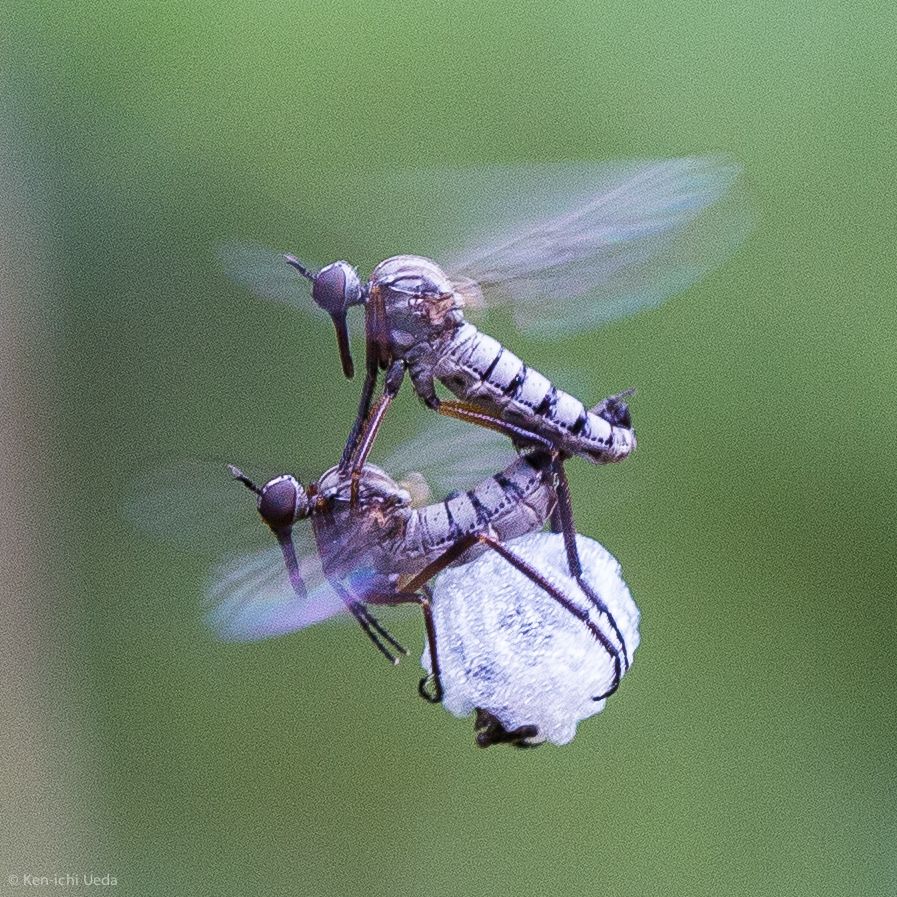
Many visit flowers for nectar and can move pollen between blooms while also playing important roles in local food webs.
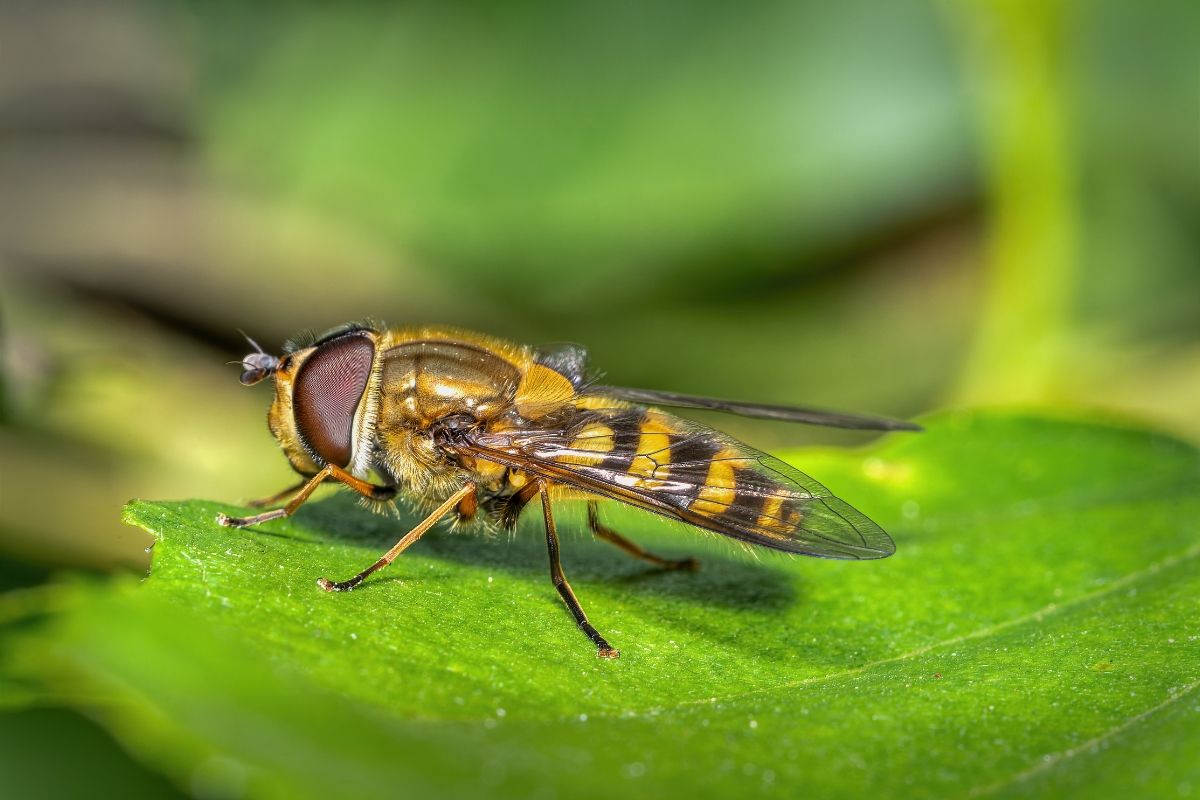
Adults visit flowers for nectar and pollen, and many species’ larvae help keep plant-eating pests in check.
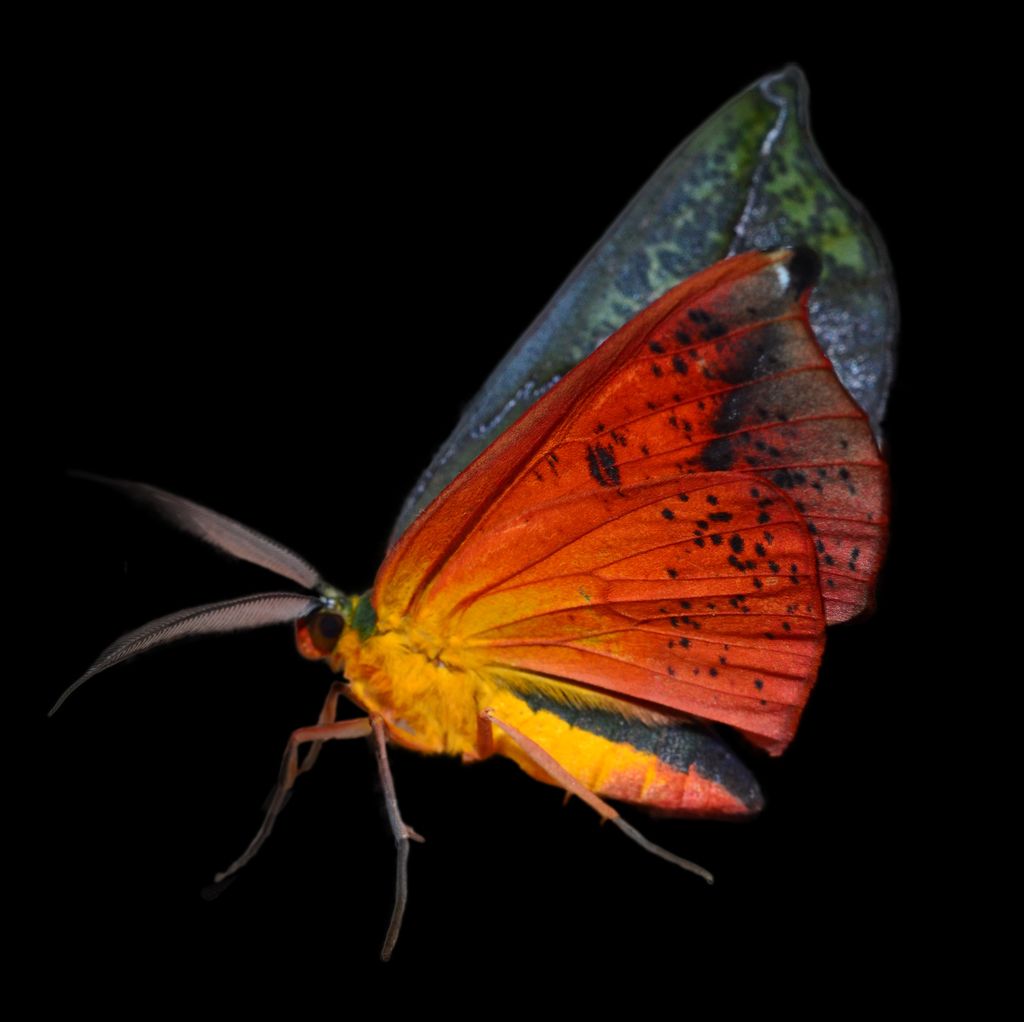
Adults can help move pollen as they nectar at flowers, and their caterpillars are an important part of local food webs.
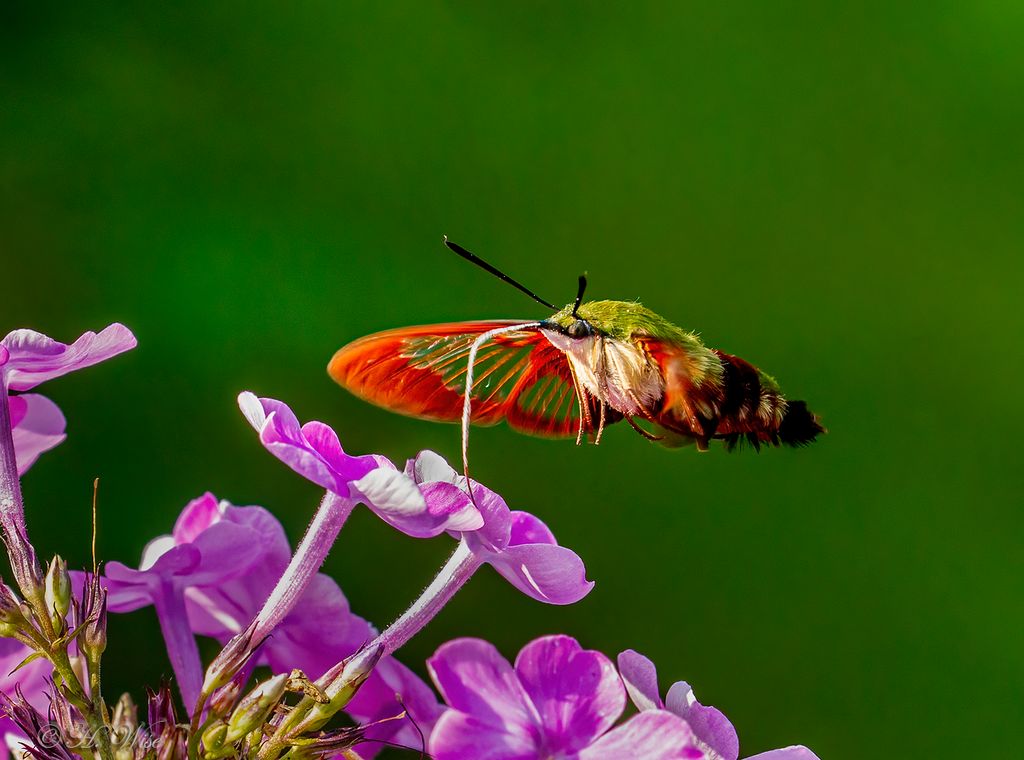
They can move pollen between flowers while feeding on nectar, especially for blooms that open or scent up in the evening.
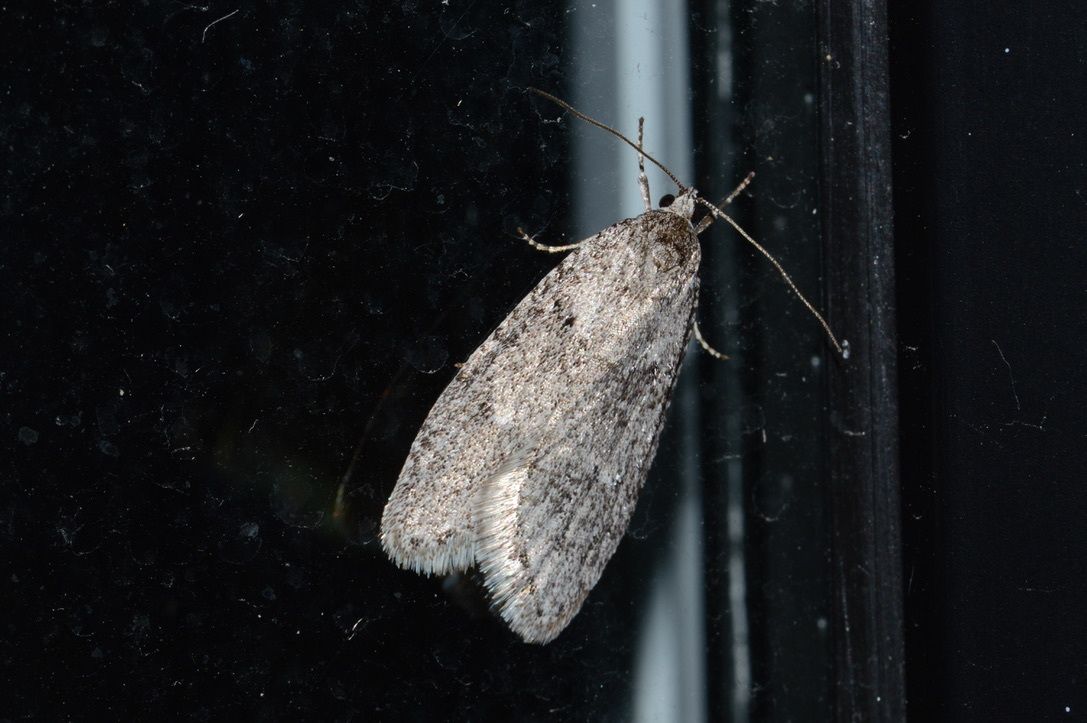
Many small moths move pollen while feeding on nectar, supporting wild plants and garden blooms—especially in the evening and at night.
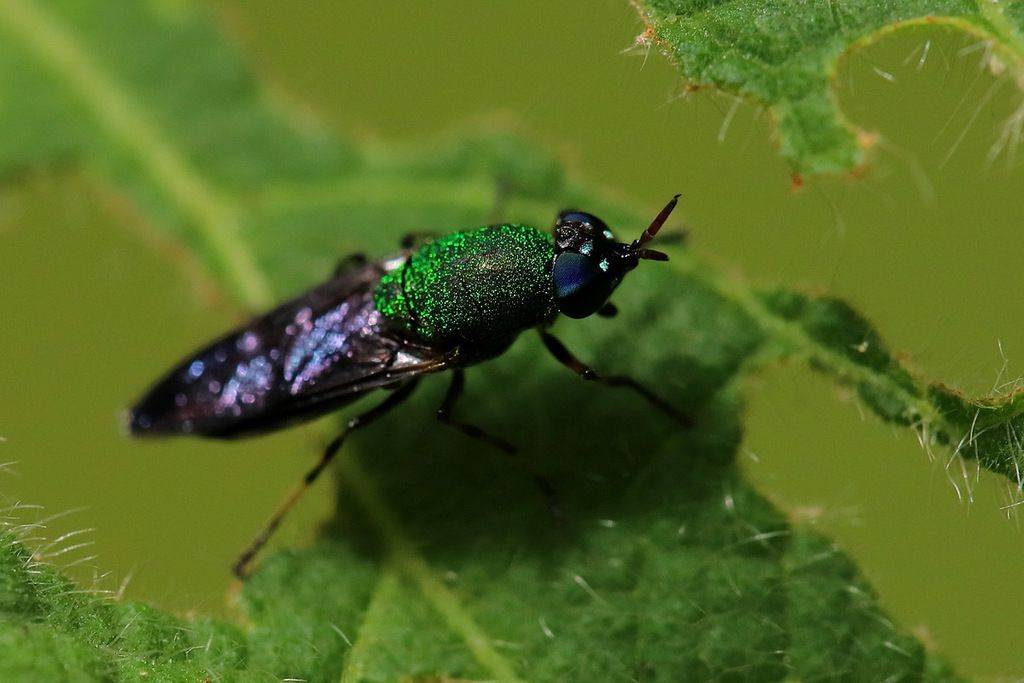
Many adults visit flowers for nectar and can move pollen between blooms while feeding.
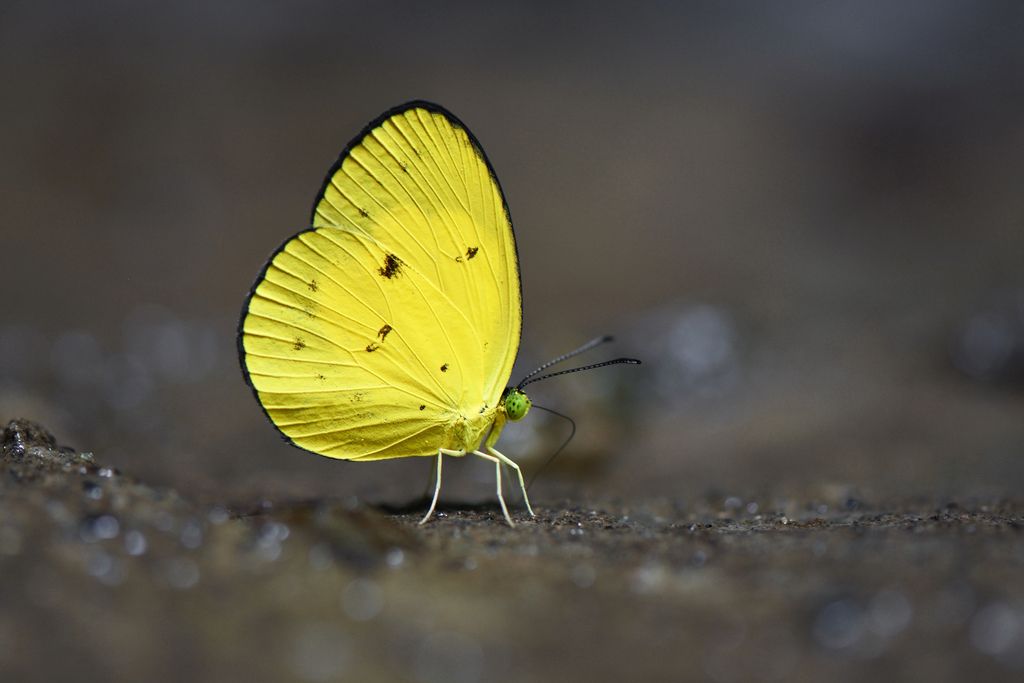
They visit a wide range of flowers for nectar and can help move pollen between blooms as they feed.