Skip to content
Apples & crabapples (*Malus* spp.)
Plant profile

Apples & crabapples

Genus Malus

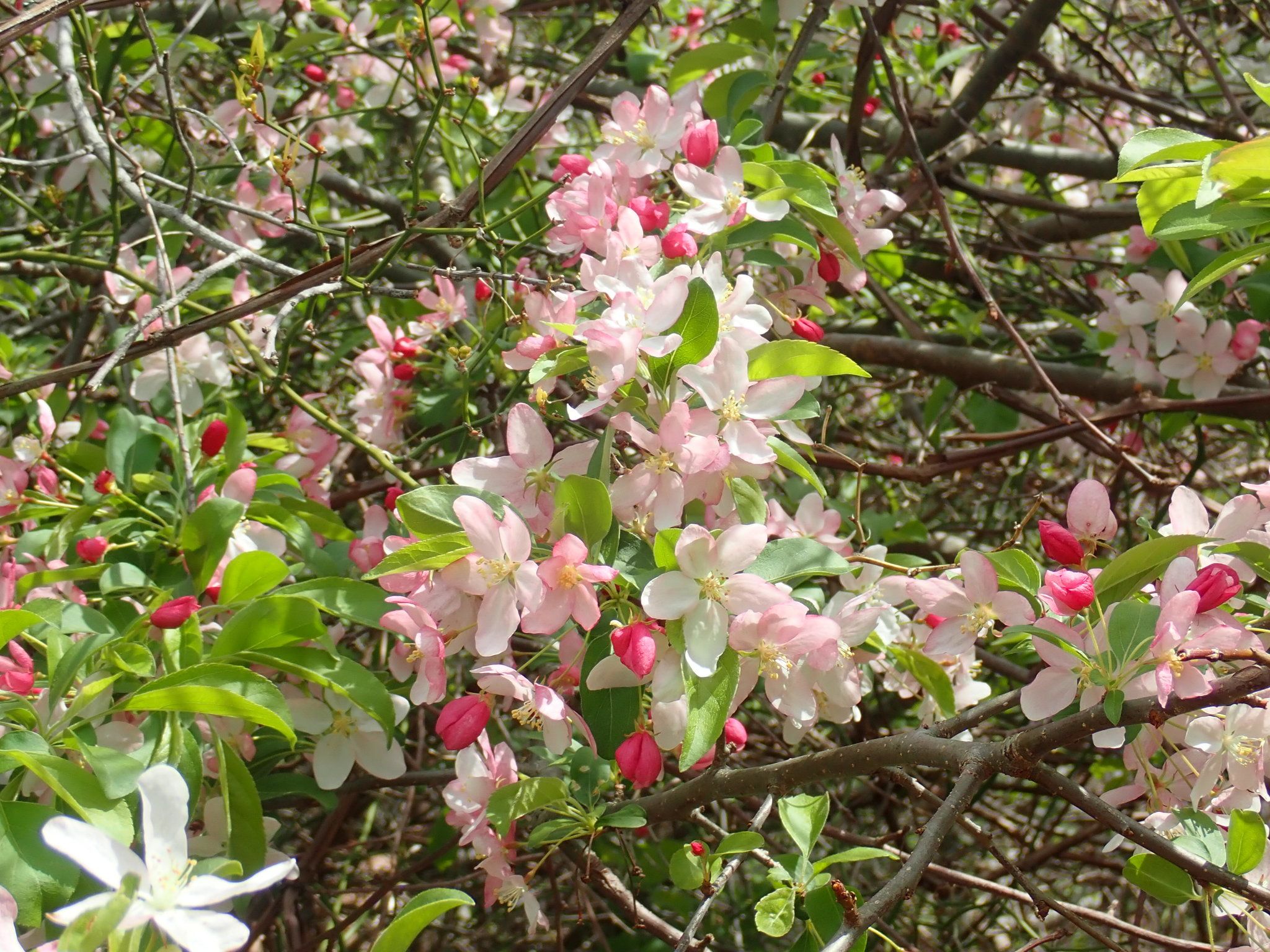
Apples and crabapples are flowering trees in the genus Malus that can add a big burst of spring blossoms for pollinators, followed by small fruits that many birds and other wildlife may use.

Plant Type

Trees > Apples & crabapples

Aliases

Crabapple

Native Range

Apples and crabapples include species native to parts of North America as well as many cultivated and regional selections; what’s “native” depends on the species and local planting choices.

Bloom window

Spring

OVERVIEW

About This Plant

Apples and crabapples (genus Malus) are classic spring-flowering trees that can fit into many landscapes, from small yards to larger school grounds. During bloom, their many blossoms can draw a variety of pollinators. After flowering, trees set fruit—sometimes large and edible, sometimes small and ornamental—adding another season of interest.

When planning a planting, focus on the basics: a sunny site, decent drainage, and enough space for the tree to grow without constant heavy pruning. Good airflow and simple, timely pruning can also help reduce common issues and keep the tree vigorous.

If your goal is pollinator support, the most important choice is how you manage the area around the tree: avoid pesticides, especially during bloom, and build a longer flowering season by adding perennials and shrubs that bloom before and after the tree’s spring show.

Best role for pollinators
Spring pollinator support, small yards (dwarf forms), schoolyards and parks, and anyone who wants a flowering tree with seasonal interest.
Apples & crabapples (*Malus* spp.)
https://www.inaturalist.org/photos/33825854 Photo: (c) Daniel Folds, some rights reserved (CC BY-NC) | CC-BY-NC | iNaturalist

FAST FACTS

Quick Details

Essential stats and requirements for quick reference.

Also known asCrabapple
Bloom windowSpring
Typical heightVaries widely by species and cultivar; from small ornamental trees to larger shade trees
Pollinators supportedBees, Flies, Beetles
Light & moistureGenerally best in sun with average moisture (varies by species and cultivar)
Best roles for pollinatorsSpring pollinator support, small yards (dwarf forms), schoolyards and parks, and anyone who wants a flowering tree with seasonal interest.

SUMMARY

If You Remember Three Things

A quick scan of what they do, what they need, and the best first step.

What they do

Provide a concentrated spring bloom that can help feed early-season pollinators.
What they need

A sunny, well-chosen site with room to grow and basic care in the first few years.

One best action

Pick a planting spot with enough sun and space so the tree can stay healthy with minimal intervention.

IMPACT

Why Plant This?

A flowering tree can be a high-impact way to add pollinator-friendly blooms to a landscape, especially in spring when many pollinators are looking for reliable food sources.
Because apple and crabapple trees bloom in big clusters, you can often see pollinators working one tree for a long time before moving on.

Key Impacts

What it Supports

  • Spring blossoms can be an important food stop when fewer flowers are open.
  • A single tree can support many visitors during bloom because it carries so many flowers at once.
  • Fruit and branches can add seasonal interest and potential habitat value in a yard or school landscape.

RECOGNITION

Identification Guide

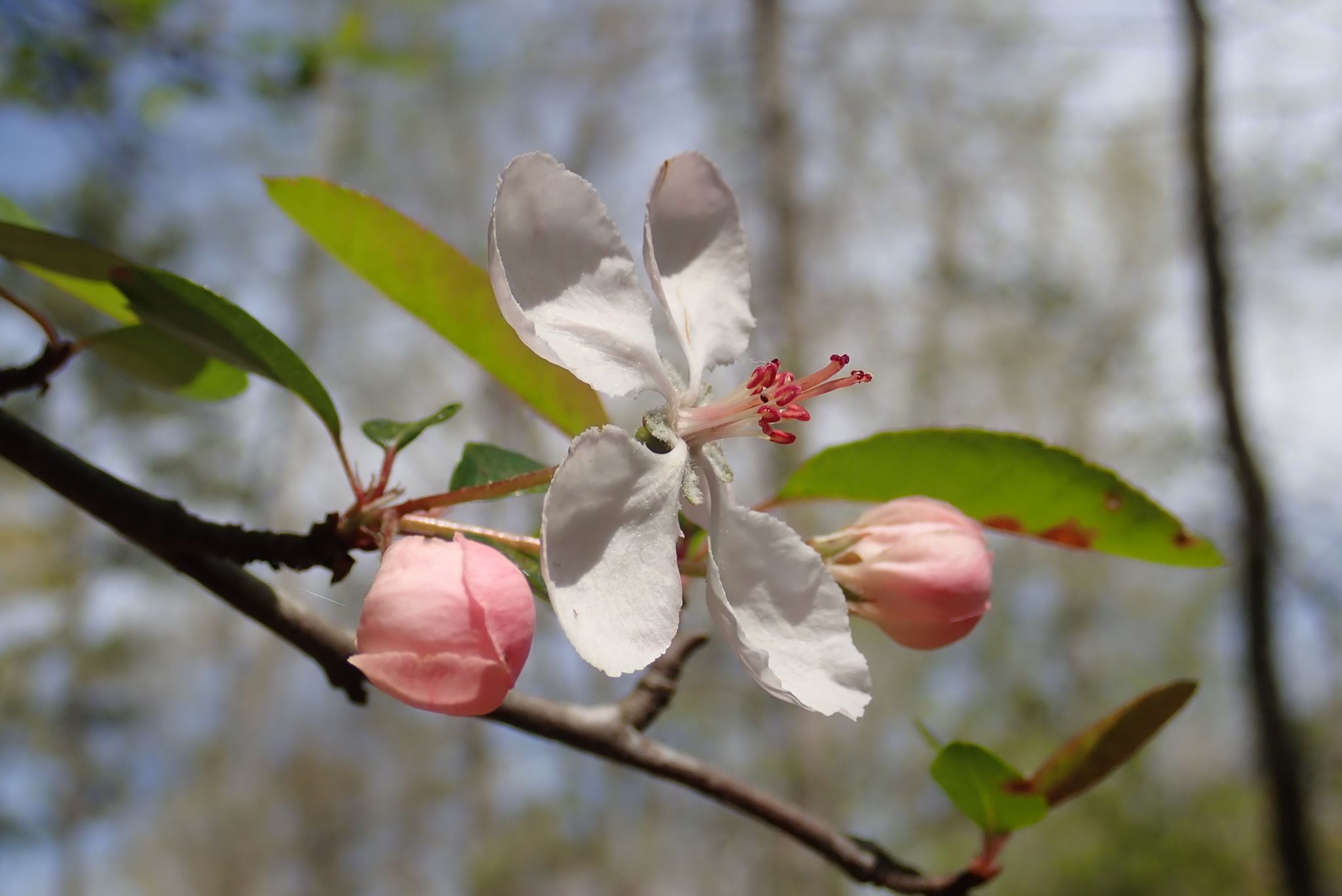
Apples and crabapples can look different depending on the species or variety, but a few features are common across Malus.

Leaves

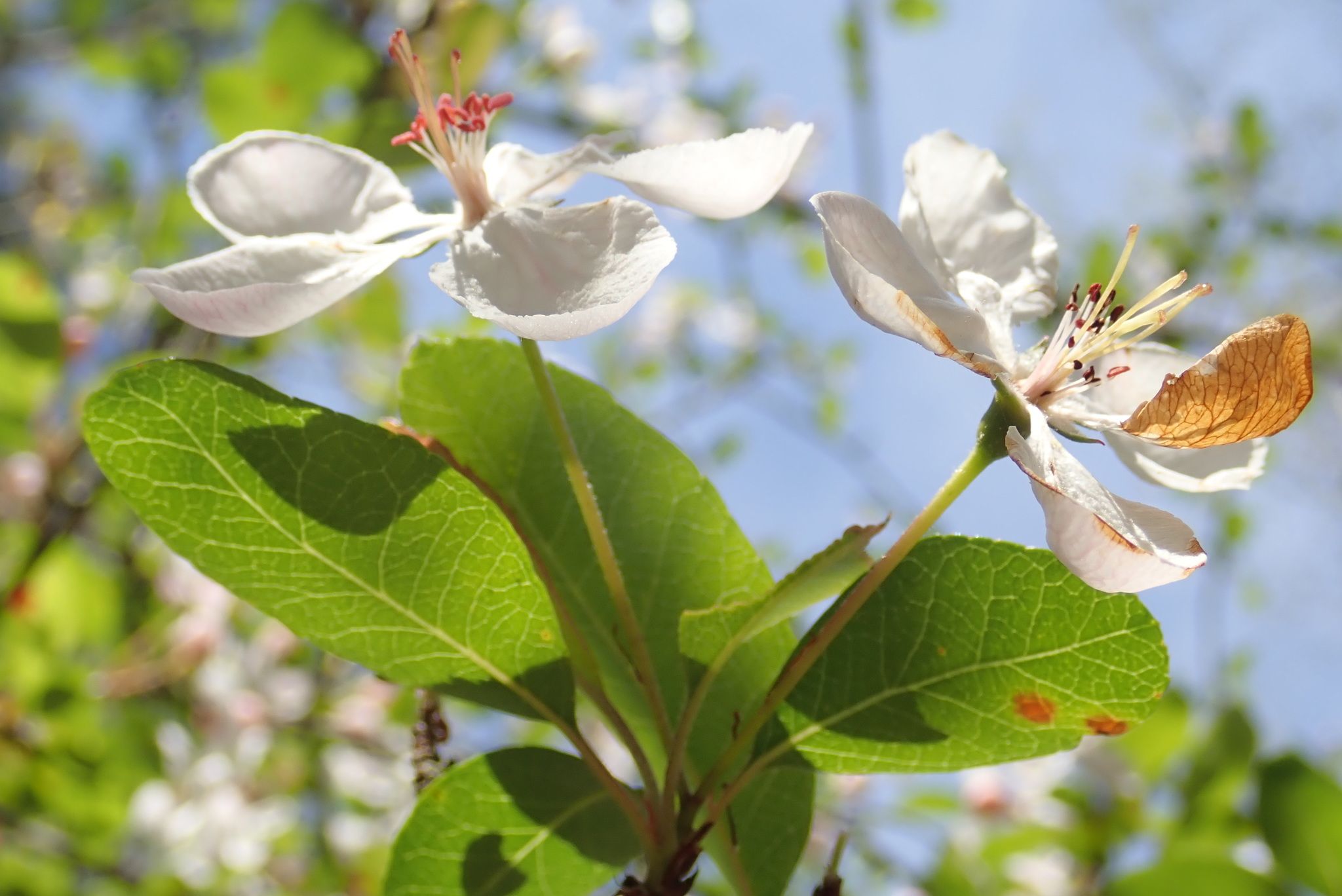
Simple, oval leaves with toothed edges; leaf size and texture vary by type.

Flowers

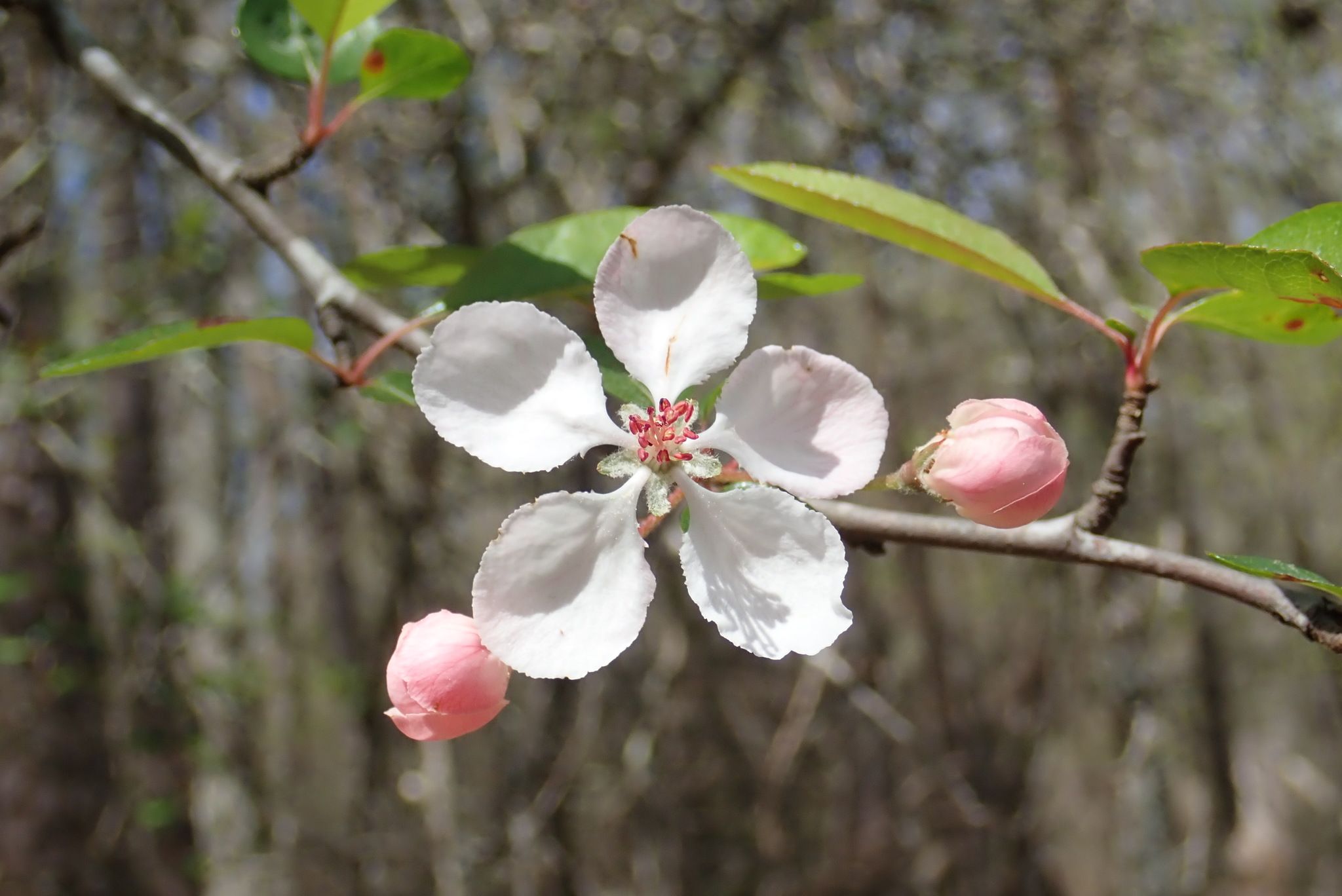
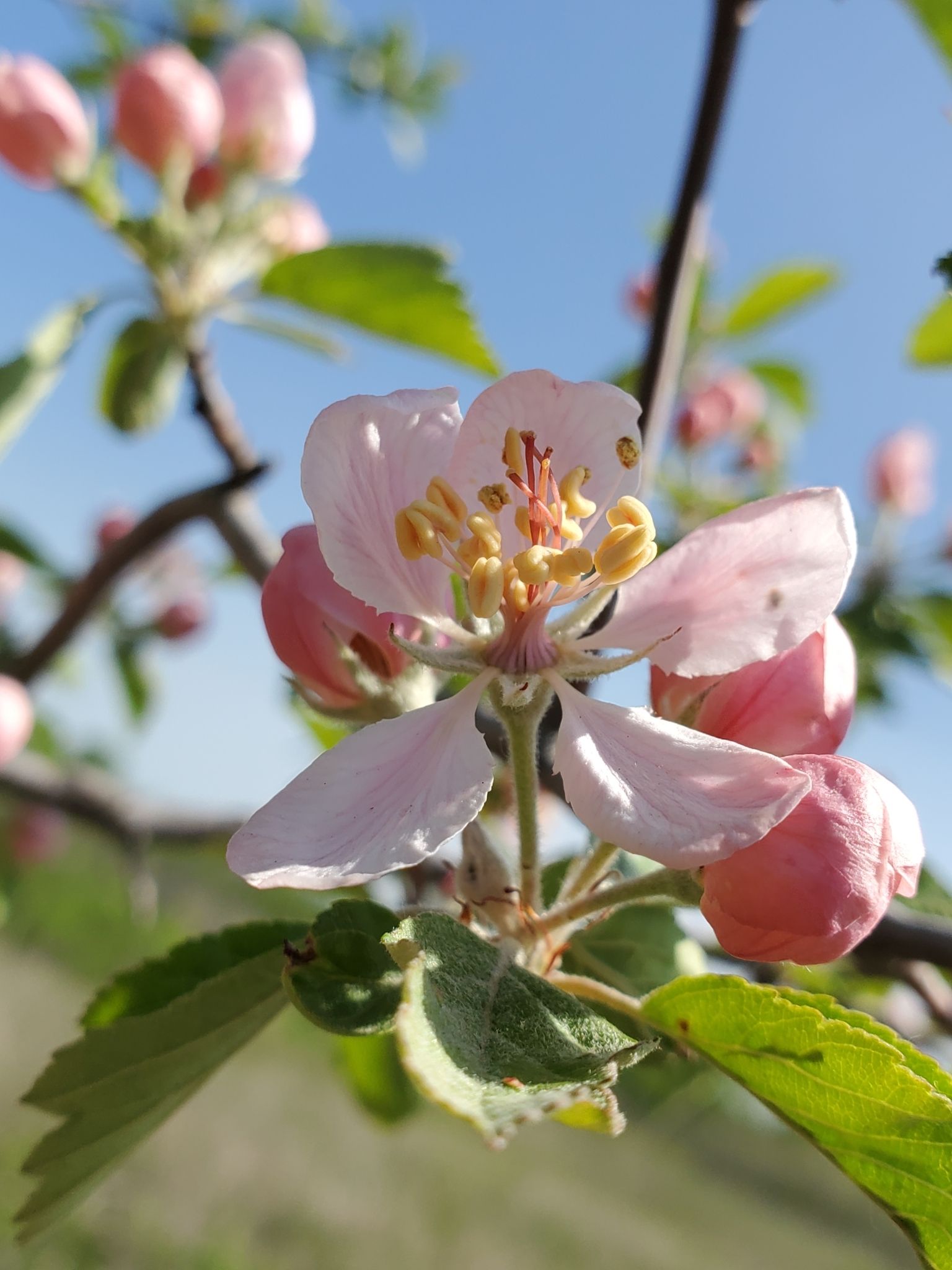
Clusters of five-petaled blossoms, often white to pink, opening in spring.

Fruits

Round pome fruits that range from small crabapples to larger apples, depending on the type.
Apples & crabapples (*Malus* spp.)
https://www.inaturalist.org/photos/33825921 Photo: (c) Daniel Folds, some rights reserved (CC BY-NC) | CC-BY-NC | iNaturalist
Apples & crabapples (*Malus* spp.)

LOCATION

Where It Grows

Native environments and the best spots to place it in your landscape.

Habitats

  • Yards and gardens
  • Parks and school grounds
  • Orchards and community plantings
  • Edges of open woodlands (where planted or naturalized)

Where it is often used

  • Pollinator-friendly spring flowering tree
  • Small shade tree for yards and school grounds
  • Orchard-style planting (where appropriate)
  • Street or courtyard tree (choose a size that fits the space)
  • Wildlife-friendly planting when fruit is left on the tree

SEASONALITY

When It Blooms

Notes on bloom windows and how this plant helps pollinators across the seasons.

Bloom window

Apple and crabapple bloom is usually a short, showy event in spring.

Bloom Season Role: Spring burst of blossoms

Seasonal benefits

  • Helps kick-start pollinator activity in spring
  • Pairs well with early-blooming perennials and shrubs to extend the season

REQUIREMENTS

What It Needs

The right mix of sun, soil, and space for healthy growth.

Sun exposure

Plant in a bright spot; more sun usually means better flowering and stronger growth.

Soil type

Most do best in reasonably fertile, well-drained soil; avoid compacted or waterlogged areas when possible.

Moisture needs

Water regularly during establishment; once established, many handle typical garden conditions, but prolonged drought can stress trees.

Planting method

Give the tree enough room for its mature size and airflow; keep the trunk flare visible and avoid planting too deep.

Mulching tips

Mulch in a wide ring to protect roots and hold moisture, but keep mulch pulled back from the trunk.

GARDENING GUIDE

How to Grow It

Simple steps to plant, prune, and maintain healthy trees without pesticides.

Planting tips

  • Choose a site with good sun and enough space for the tree’s mature canopy.
  • Dig a hole wider than the root ball and set the tree so it sits at the same depth it was growing before.
  • Backfill with the original soil, firm gently, and water thoroughly.
  • Add a mulch ring to reduce weeds and protect the root zone, keeping mulch away from the trunk.
  • Water consistently through the first growing season, especially during dry spells.

Seasonal care

  • Water during dry periods, especially for young trees.
  • Prune lightly as needed to remove dead, damaged, or crossing branches and to improve airflow.
  • Rake up and dispose of heavily diseased fallen leaves if disease has been a recurring issue.
  • If fruit drop is messy in high-traffic areas, choose a variety known for smaller or less persistent fruit, or site the tree where fallen fruit is less of a problem.

What not to do

  • Spraying insecticides or using broad pest treatments during bloom.
  • Planting too close to buildings, fences, or other trees.
  • Planting in a low spot where water sits after rain.
  • Letting grass grow right up to the trunk.

Pairings

Best Pairings for Season-Long Bloom

Pairing ideas to keep pollinators fed throughout the growing season.

Early Bloom

  • Native spring ephemerals (where appropriate)
  • Early-blooming woodland or edge wildflowers
  • Early-flowering shrubs

Mid-Season Bloom

  • Bee-friendly perennials that bloom after the tree finishes
  • Flowering herbs (if you have a sunny bed nearby)

Late-Season Bloom

  • Late-summer and fall-blooming perennials to carry pollinators through the season
  • Native grasses and seed-producing plants for seasonal structure
If you’re choosing a tree for pollinators, look for options that are known to flower well and fit your space; local nurseries or community tree programs can help you pick a good match.

GLOSSARY

Key Terms

A few helpful terms you might see when shopping for or caring for apples and crabapples:

Glossary terms are being added.

What You Can Do

Make a difference for native habitats.

Turn this knowledge into action. Whether you plant a single pot or a whole garden, you are building a vital bridge for local biodiversity.

Join the movement to restore our shared habitats.

Pollinators supported

Species that benefit from this plant

Pollinator links are being added for this plant.

Regions

Where this plant is native

Regional links are being added for this plant.