

What they do
Beeches provide deep shade, nesting and shelter space, and seasonal food through their nuts.
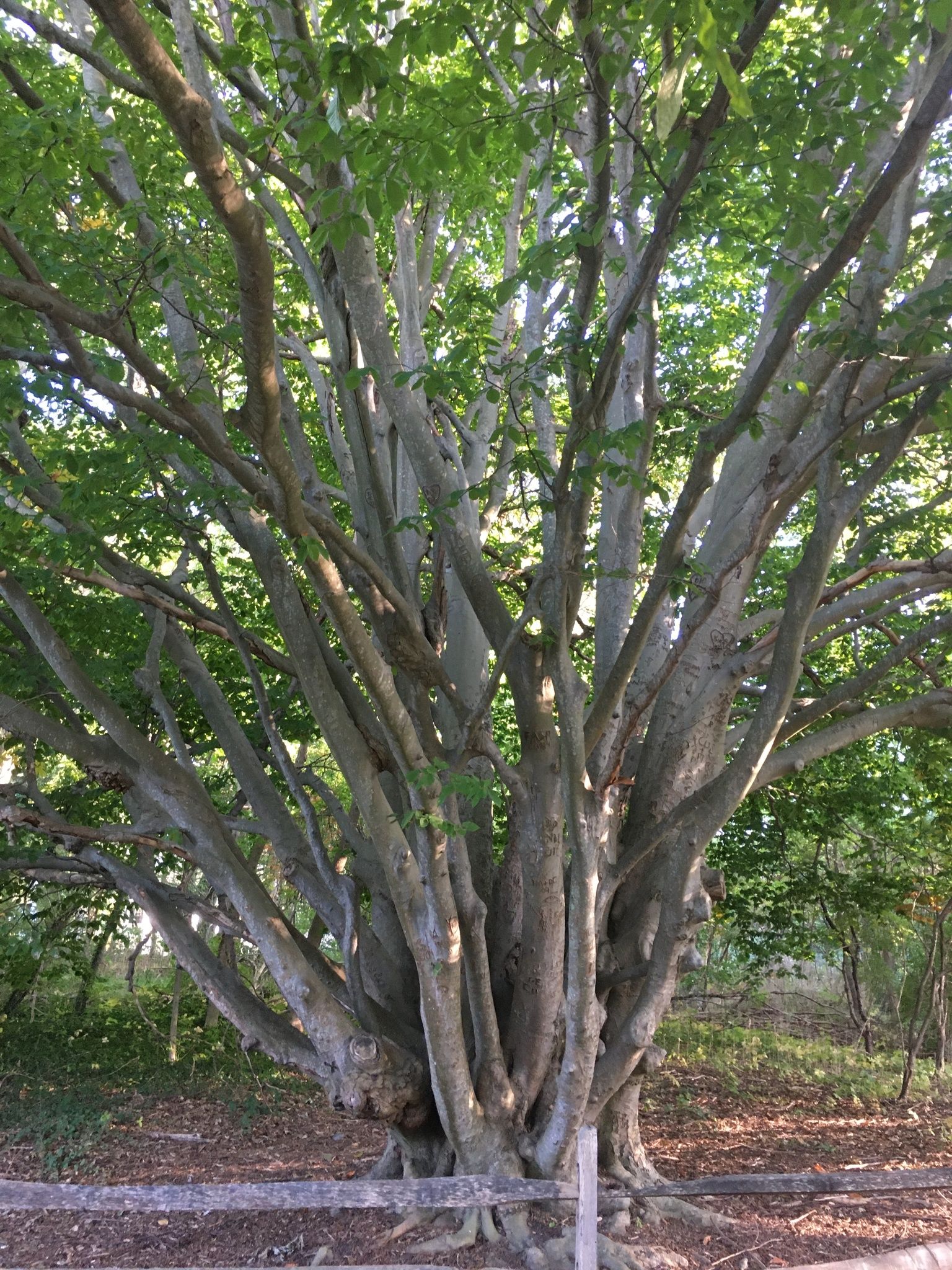
Genus Fagus
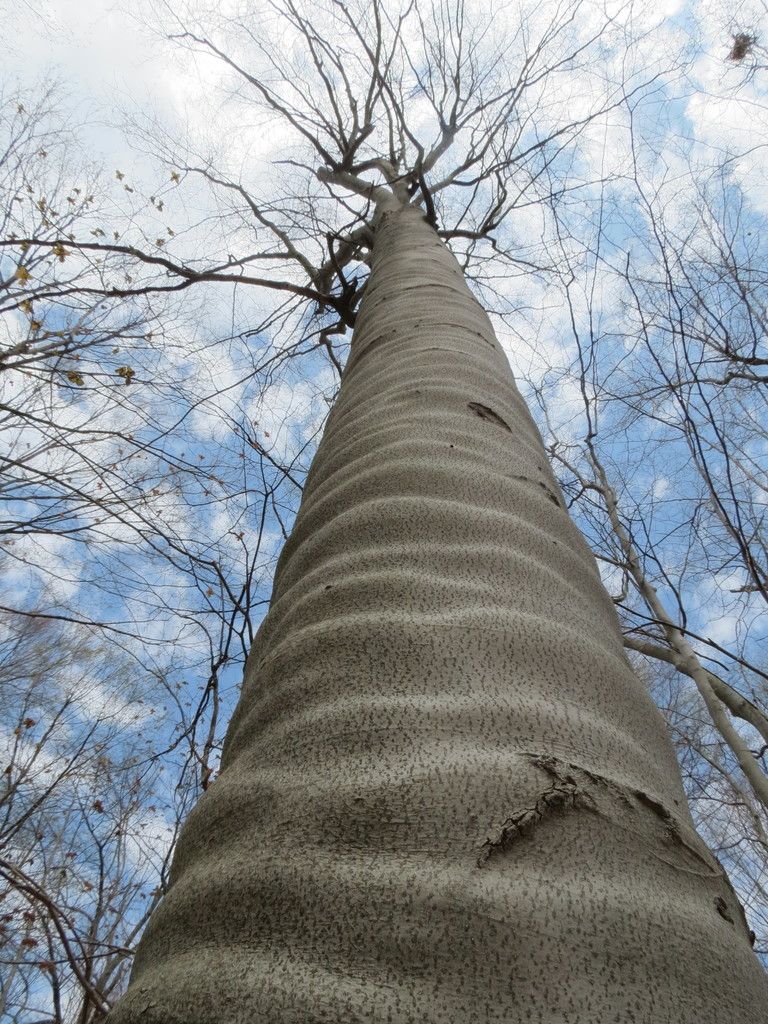
Beeches are long-lived shade trees in the genus Fagus, valued for smooth gray bark, dense canopies, and wildlife-friendly nuts. They’re a strong choice for parks and larger yards where you can give them room and avoid disturbing their roots.
Plant Type
Trees > Beeches
Aliases
Beech
Native Range
Varies by species within the genus; beeches occur across parts of the Northern Hemisphere.
Bloom window
Spring (small catkins)
OVERVIEW
Beeches (genus Fagus) function as foundational “structure trees,” providing dense, long-term canopies critical for creating stable, shaded habitats. While their flowers are small, the resulting canopy and leaf litter enable diverse understory ecosystems to thrive, offering shelter and resources for numerous species over decades.
For gardeners with large spaces, Beeches offer lasting wildlife value, particularly through their nutrient-rich nuts. Site them where they have ample room and their roots can remain undisturbed, as this supports long-term tree health. To maximize pollinator benefit, integrate shade-tolerant, native flowering plants beneath the canopy to provide season-long nectar and pollen, ensuring the entire planting area is pesticide-free.
FAST FACTS
Essential stats and requirements for quick reference.
| Category | Details |
|---|---|
| Also known as | Beech |
| Bloom window | Spring (small catkins) |
| Typical height | Large tree (size varies by species and site) |
| Pollinators supported | Bees, Flies |
| Light & moisture | Sun to partial shade; prefers evenly moist, well-drained soil once established. |
| Best roles for pollinators | Large yards, parks, and naturalized edges where a long-lived shade tree can grow undisturbed. |
SUMMARY
A quick scan of what they do, what they need, and the best first step.
Beeches provide deep shade, nesting and shelter space, and seasonal food through their nuts.
A permanent spot with room to grow, steady moisture while establishing, and minimal root disturbance.
Pick the right location first—then avoid digging, compacting, or changing the soil grade around the tree.
IMPACT
Key Impacts
RECOGNITION
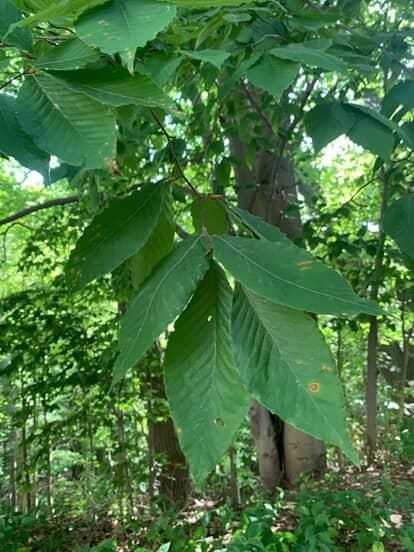
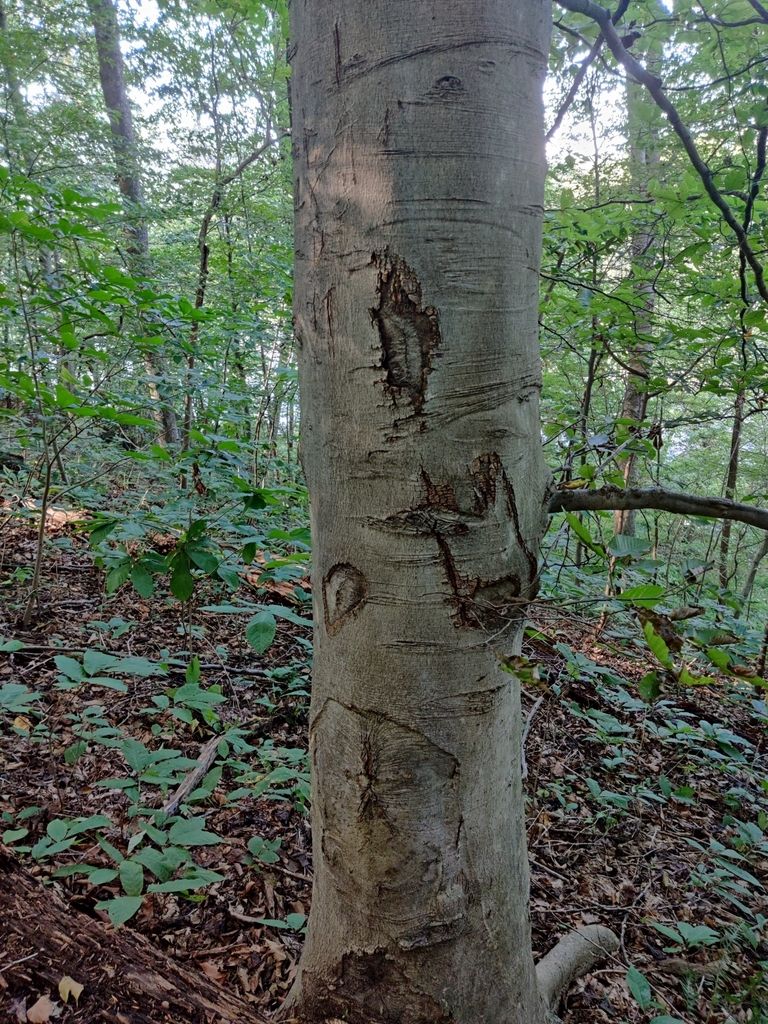
Oval leaves with straight, parallel side veins and fine teeth; often a slightly glossy look.
Small, dangling catkins in spring; not showy.
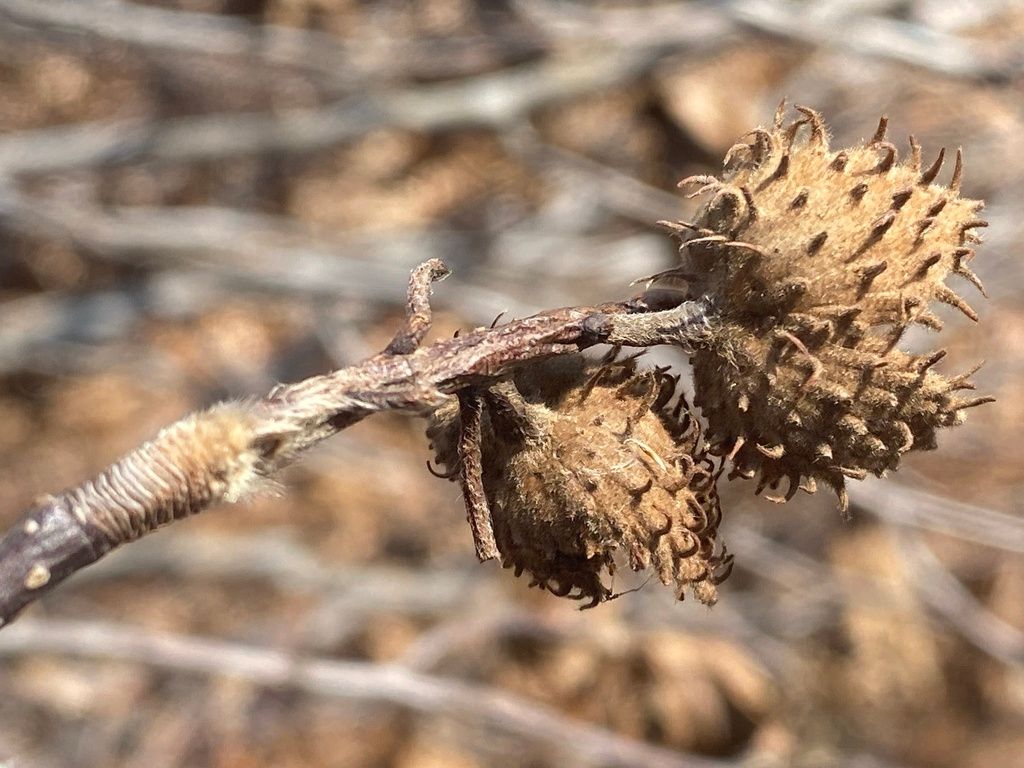
Beech nuts in a spiky husk that opens as they mature in fall.
LOCATION
Native environments and the best spots to place it in your landscape.
SEASONALITY
Notes on bloom windows and how this plant helps pollinators across the seasons.
Beeches don’t bloom like garden flowers, but they do have a seasonal rhythm.
Bloom Season Role: Early-season pollen from small spring catkins (not a showy flower).
REQUIREMENTS
The right mix of sun, soil, and space for healthy growth.
Full sun to partial shade; more sun generally supports a fuller crown.
Best in well-drained soil with plenty of organic matter; avoid heavily compacted sites.
Water regularly during establishment; after that, aim for steady moisture rather than extremes.
Plant where the tree can stay for decades; keep the root area open and avoid frequent digging nearby.
Use a wide, thin mulch ring to protect roots and hold moisture, keeping mulch off the trunk.
GARDENING GUIDE
Simple steps to plant, prune, and maintain healthy trees without pesticides.
Pairings
Pairing ideas to keep pollinators fed throughout the growing season.
GLOSSARY
Glossary terms are being added.
What You Can Do
Turn this knowledge into action. Whether you plant a single pot or a whole garden, you are building a vital bridge for local biodiversity.
Join the movement to restore our shared habitats.