Skip to content
Black tupelo (*Nyssa* spp.)
Plant profile

Black tupelo

Genus Nyssa

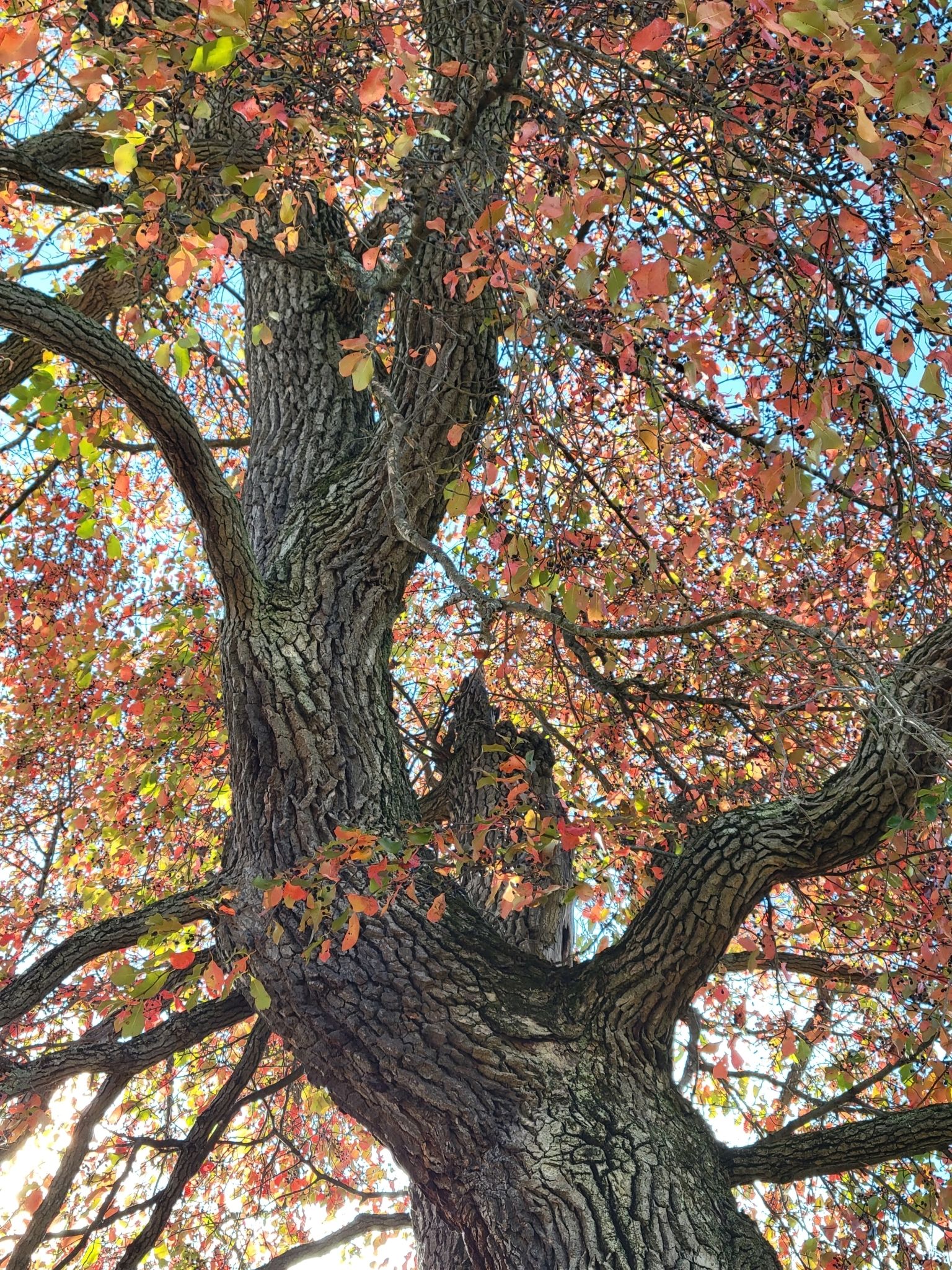
Black tupelo is a long-lived tree in the genus Nyssa, valued for its nectar-rich spring flowers and its ability to anchor a pollinator-friendly yard with shade and seasonal interest.

Plant Type

Trees > Black tupelo

Aliases

Tupelo, black gum

Native Range

Eastern North America (broadly)

Bloom window

Spring

OVERVIEW

About This Plant

Black tupelo is a great choice when you want a tree that does more than look nice. Its spring flowers can help support early-season insects, and its canopy adds structure that makes a yard feel more like a living habitat.

If you’re planting one, the biggest success factors are simple: pick a spot with room to grow, plant at the right depth, and keep the root zone from drying out while it establishes. After that, focus on gentle, pesticide-free care and build a diverse planting underneath to keep blooms going through the seasons.

Best role for pollinators
Yards and school grounds with space for a long-lived shade tree that also offers spring flowers for pollinators.
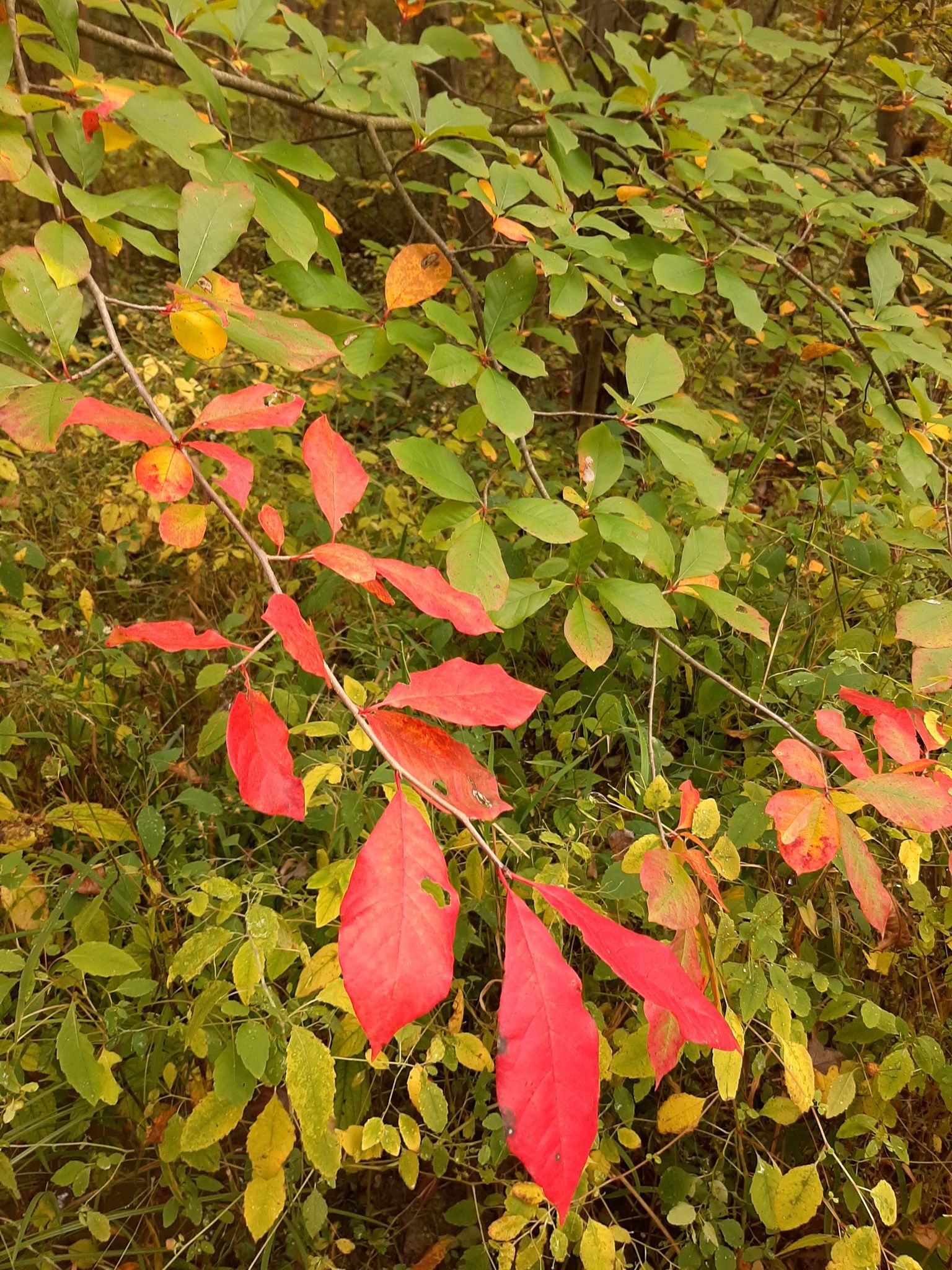
Black tupelo (*Nyssa* spp.)
https://www.inaturalist.org/photos/162306497 Photo: (c) ceejg, some rights reserved (CC BY-NC) | CC-BY-NC | iNaturalist

FAST FACTS

Quick Details

Essential stats and requirements for quick reference.

Also known asTupelo, black gum
Bloom windowSpring
Typical heightMedium to tall tree (size varies by site and age)
Pollinators supportedBees, Flies
Light & moistureAdaptable; best with consistent moisture while establishing
Best roles for pollinatorsYards and school grounds with space for a long-lived shade tree that also offers spring flowers for pollinators.

SUMMARY

If You Remember Three Things

A quick scan of what they do, what they need, and the best first step.

What they do

Adds long-term habitat structure and offers spring flowers that can help feed early foragers.
What they need

A site with enough room to grow, decent soil, and regular watering while it gets established.

One best action

Give it space and keep the root zone evenly watered during establishment.

IMPACT

Why Plant This?

Black tupelo is a long-term habitat builder: it adds canopy, seasonal bloom, and a stable place for a pollinator-friendly garden to grow around. It’s especially helpful when you want a “set it up once” plant that keeps paying off year after year.
Even though the flowers are small, they can be busy with visiting insects when they’re in bloom.

Key Impacts

What it Supports

  • Trees create lasting habitat structure that smaller plants can’t replace.
  • Spring blooms can help bridge the gap before summer flowers take over.
  • A single well-placed tree can support many small steps around it—underplanting, mulching, and pesticide-free care.

RECOGNITION

Identification Guide

Use these quick clues to recognize black tupelo in the landscape.

Leaves

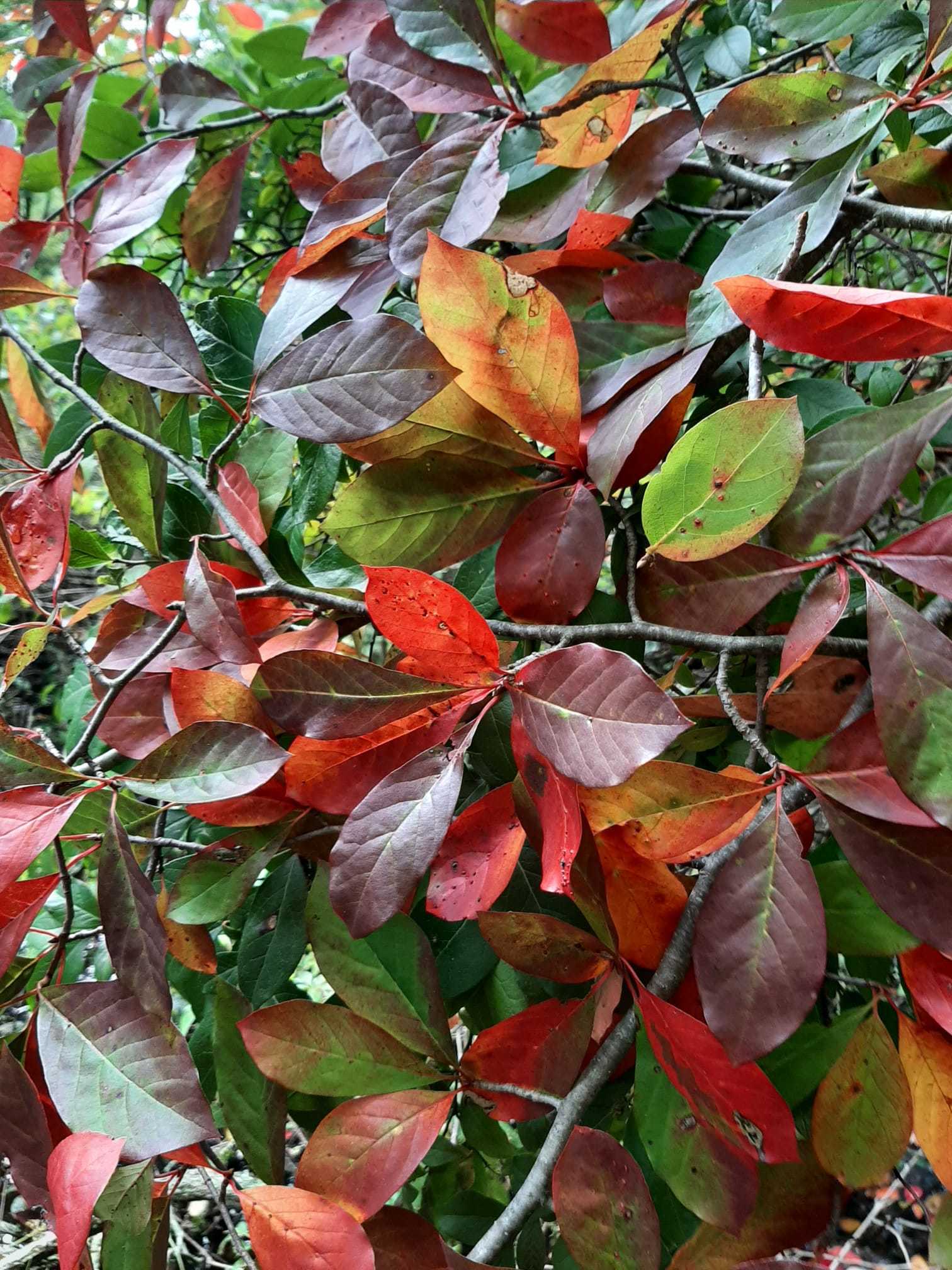
Simple, oval leaves with a smooth, clean look; arranged along twigs to form a tidy canopy.

Flowers

Small spring flowers that may be easy to miss until you look closely along the branches.

Fruits

May produce small, dark fruits later in the season (varies by plant and site).
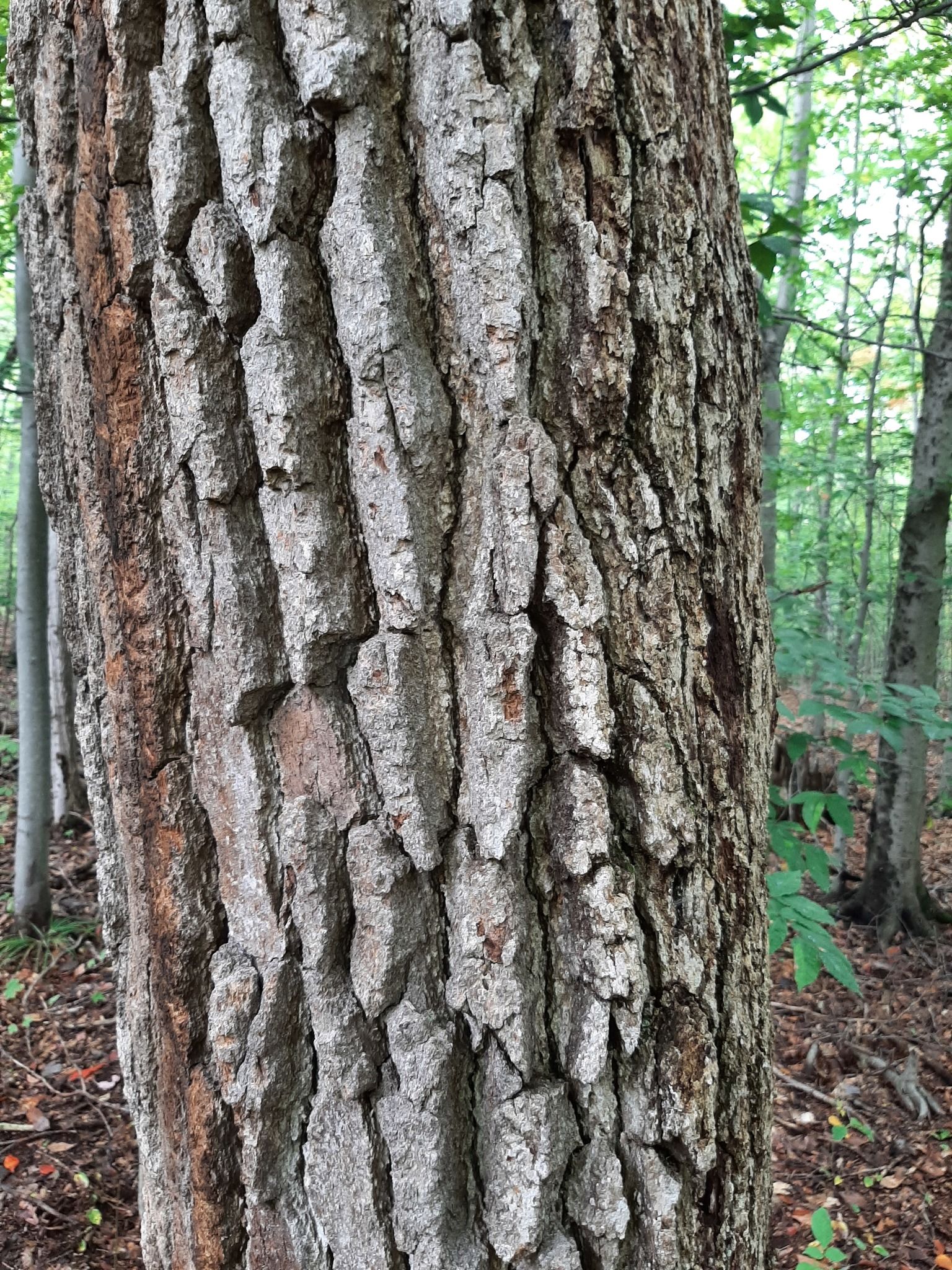
Black tupelo (*Nyssa* spp.)
https://www.inaturalist.org/photos/162306716 Photo: (c) ceejg, some rights reserved (CC BY-NC) | CC-BY-NC | iNaturalist
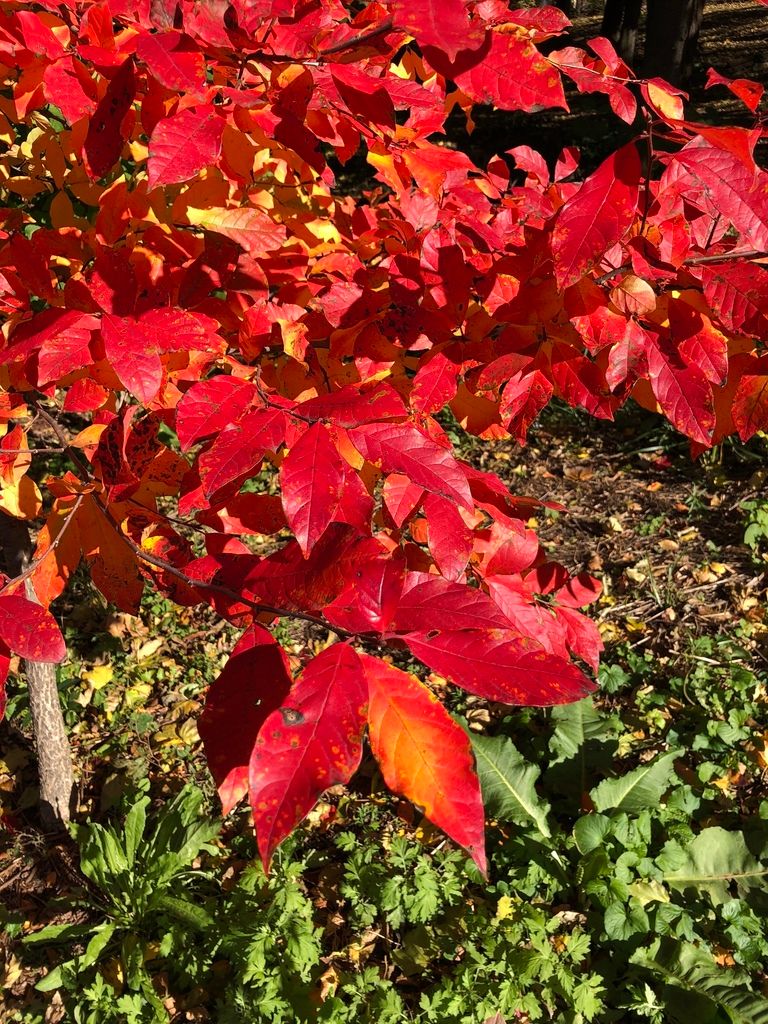
Black tupelo (*Nyssa* spp.)
Black tupelo (Nyssa spp.)

LOCATION

Where It Grows

Native environments and the best spots to place it in your landscape.

Habitats

  • Woodland edges
  • Moist forests
  • Low areas with consistent soil moisture

Where it is often used

  • Shade and structure in a pollinator-friendly yard
  • Street or campus tree where space allows
  • Anchor tree for a native-leaning planting bed beneath

SEASONALITY

When It Blooms

Notes on bloom windows and how this plant helps pollinators across the seasons.

Bloom window

Black tupelo blooms in spring, when many gardens are just waking up.

Bloom Season Role: Early-season support

Seasonal benefits

  • Supports early foraging insects
  • Pairs well with spring ephemerals and early perennials planted underneath

REQUIREMENTS

What It Needs

The right mix of sun, soil, and space for healthy growth.

Sun exposure

Full sun to part shade. More sun generally supports a fuller canopy.

Soil type

Prefers soils that don’t dry out too quickly. Avoid sites that are constantly compacted or heavily disturbed.

Moisture needs

Water regularly during the first couple of seasons. After that, it’s typically more resilient, but prolonged drought can still stress young trees.

Planting method

Plant at the same depth it was growing in the pot. Keep the root flare visible and avoid burying the trunk.

Mulching tips

Use a wide, thin mulch ring to protect roots and hold moisture, keeping mulch pulled back from the trunk.

GARDENING GUIDE

How to Grow It

Simple steps to plant, prune, and maintain healthy trees without pesticides.

Planting tips

  • Choose a spot with enough room for a mature tree canopy and roots.
  • Dig a hole as deep as the root ball and wider than the pot.
  • Set the tree so the base of the trunk is not buried; backfill gently and water in well.
  • Add a mulch ring and keep it a few inches away from the trunk.
  • Water consistently through the first growing season and during dry spells after that.

Seasonal care

  • Water during dry periods while the tree is establishing.
  • Refresh mulch yearly, keeping it off the trunk.
  • Protect the trunk from mower and trimmer damage.
  • Prune lightly as needed to remove broken branches and encourage a strong structure (best done when the tree is dormant).

What not to do

  • Planting too deep and burying the trunk flare.
  • Letting grass grow right up to the trunk.
  • Using broad-spectrum pesticides to “solve” insect problems.

Pairings

Best Pairings for Season-Long Bloom

Pairing ideas to keep pollinators fed throughout the growing season.

Early Bloom

  • Early-blooming native woodland flowers (site-appropriate)
  • Spring bulbs (where suitable)

Mid-Season Bloom

  • Bee-friendly perennials for sun or part shade (matched to your site)
  • Native grasses or sedges for a tidy understory

Late-Season Bloom

  • Late-season flowering perennials to extend bloom into fall
  • Seed- and nectar-producing plants that keep the area active later in the year
If you’re planting on a school campus or small yard, plan for the long term: choose a location where the tree can mature without needing heavy pruning later.

GLOSSARY

Key Terms

A few quick terms you might see on plant tags or care guides:

Glossary terms are being added.

What You Can Do

Make a difference for native habitats.

Turn this knowledge into action. Whether you plant a single pot or a whole garden, you are building a vital bridge for local biodiversity.

Join the movement to restore our shared habitats.

Pollinators supported

Species that benefit from this plant

Pollinator links are being added for this plant.

Regions

Where this plant is native

Regional links are being added for this plant.