

What they do
Elms add a strong tree canopy and can offer early-season floral resources, while also creating shelter and cooler micro-spaces for gardens below.
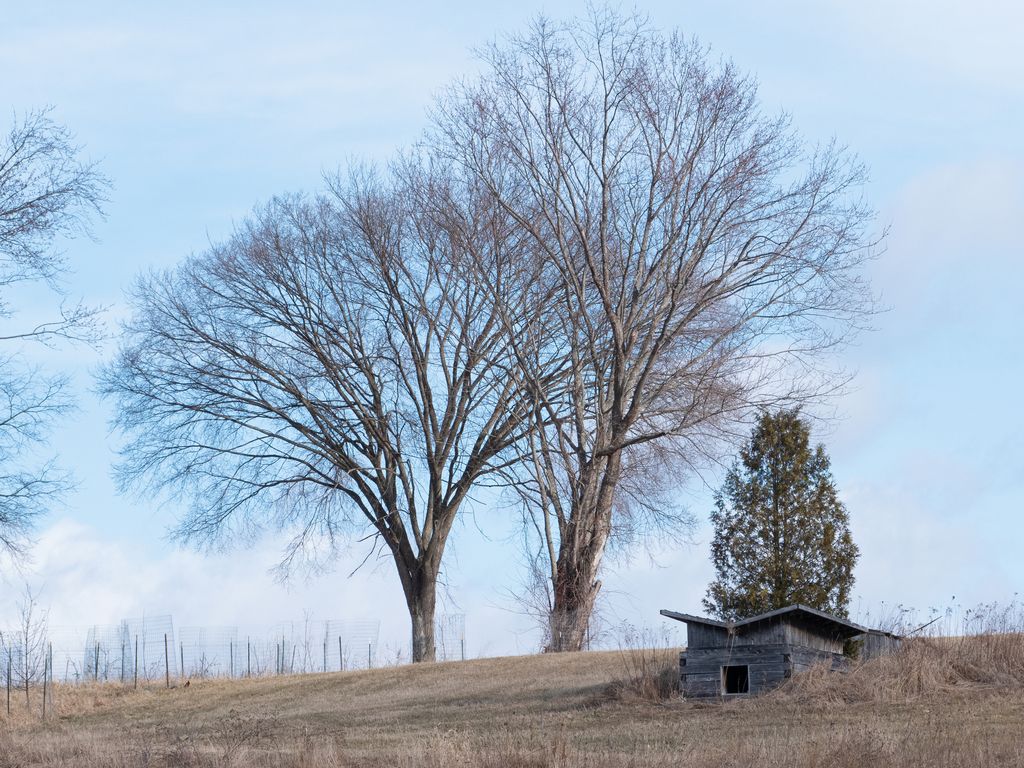
Genus Ulmus
Elms are classic shade trees (genus Ulmus) with arching branches and small spring flowers that can support early-season insects. They’re best for larger yards, school grounds, and streetscapes where a long-lived canopy tree can make a big difference.
Plant Type
Trees > Elms
Aliases
Elm
Native Range
Elms occur across the Northern Hemisphere; native status depends on the species and your region.
Bloom window
Spring (small, often overlooked flowers)
OVERVIEW
Elms (Genus Ulmus) are foundational canopy trees known for their robust structure and substantial shade, making them essential for creating layered, cooler habitat spaces in large yards, parks, and streetscapes. Their presence is vital, allowing sensitive understory plants and flowers to thrive in a protected environment. Elms offer a specific value early in the season: small, non-showy spring flowers that provide emerging native insects with a much-needed “kickoff” source of pollen and nectar.
If you are planting an elm, prioritize location for its long-term growth; these trees need ample space to mature without conflict. Consistent watering is important for young trees to establish deep, resilient roots. To maximize its pollinator value, focus on creating a diverse understory planting beneath its canopy and ensure the soil is protected. Avoid using systemic pesticides, which can harm insects visiting the early spring flowers. A healthy, well-sited elm provides decades of ecological benefit.
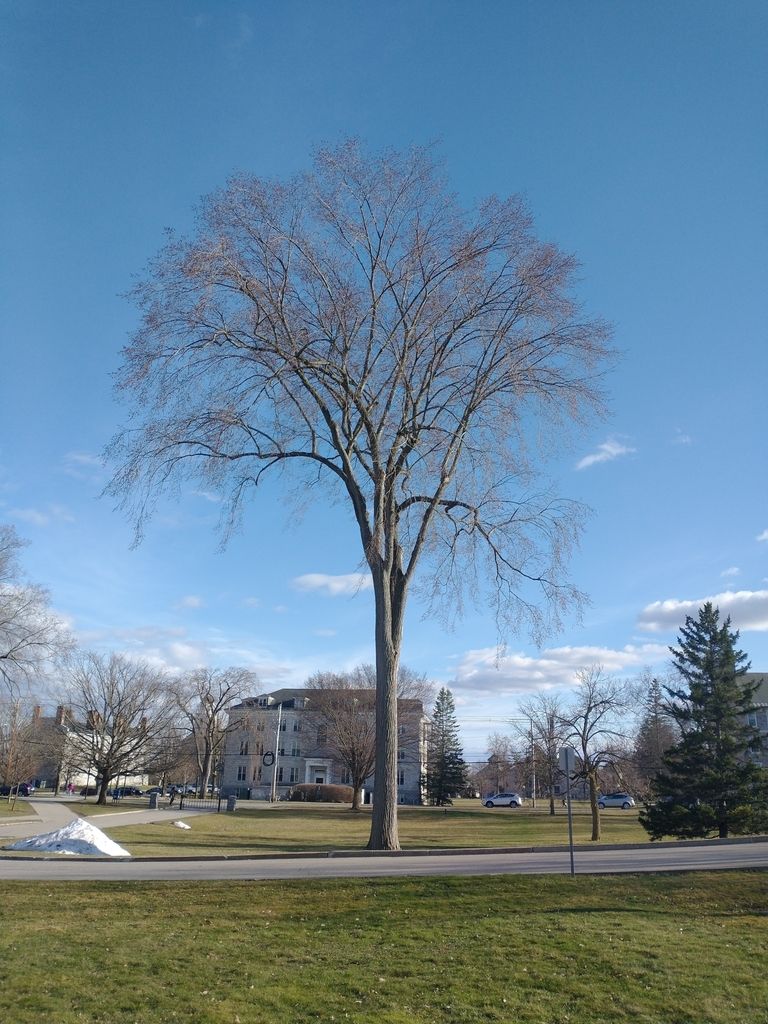
FAST FACTS
Essential stats and requirements for quick reference.
| Category | Details |
|---|---|
| Also known as | Elm |
| Bloom window | Spring (small, often overlooked flowers) |
| Typical height | Medium to tall tree (varies widely by species and cultivar) |
| Pollinators supported | Bees, Flies |
| Light & moisture | Adaptable; choose a site with room to grow and steady moisture while establishing |
| Best roles for pollinators | Creating shade and adding a long-term tree layer to pollinator-friendly gardens, schoolyards, and community spaces. |
SUMMARY
A quick scan of what they do, what they need, and the best first step.
Elms add a strong tree canopy and can offer early-season floral resources, while also creating shelter and cooler micro-spaces for gardens below.
Space to grow, a good start with consistent watering, and gentle care that protects roots and bark.
Plant an elm only where it has plenty of room, then water it regularly during establishment and keep mulch off the trunk.
IMPACT
Key Impacts
RECOGNITION
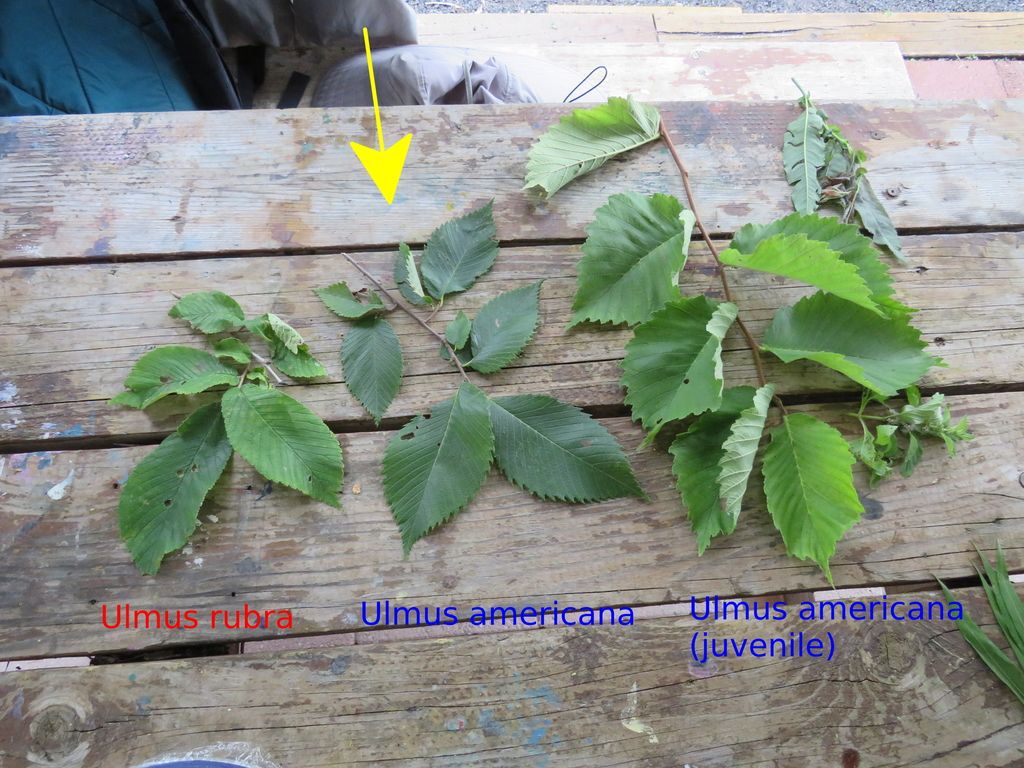
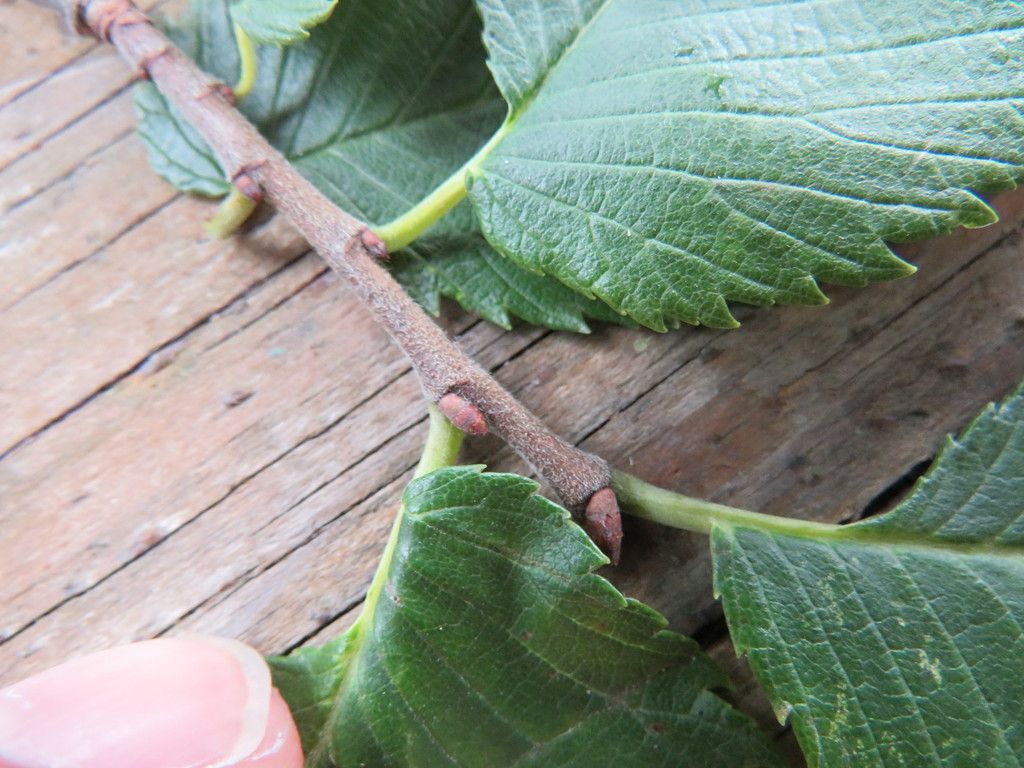
Typically oval with toothed edges; many elms have a slightly uneven (asymmetrical) leaf base.
Small, not showy, often appearing in spring before or as leaves emerge.
Often flat, papery seeds (samaras) that may appear in clusters.
LOCATION
Native environments and the best spots to place it in your landscape.
SEASONALITY
Notes on bloom windows and how this plant helps pollinators across the seasons.
Elm bloom is subtle, but it can still be part of a spring-to-fall habitat plan.
Bloom Season Role: Early-season support (subtle flowers)
REQUIREMENTS
The right mix of sun, soil, and space for healthy growth.
Most elms do best with plenty of light; many tolerate part shade.
Adaptable to many soils if drainage is reasonable; avoid chronically waterlogged sites unless a locally suitable species is chosen.
Water deeply and consistently during the first couple of growing seasons; after that, water during long dry spells.
Plant at the same depth as in the pot; keep the root flare visible and give the tree room away from buildings and pavement edges.
Mulch in a wide, thin ring to protect roots and hold moisture, but keep mulch pulled back from the trunk.
GARDENING GUIDE
Simple steps to plant, prune, and maintain healthy trees without pesticides.
Pairings
Pairing ideas to keep pollinators fed throughout the growing season.
GLOSSARY
Glossary terms are being added.
What You Can Do
Turn this knowledge into action. Whether you plant a single pot or a whole garden, you are building a vital bridge for local biodiversity.
Join the movement to restore our shared habitats.