
What they do
Hickories add long-term habitat value and spring flowers that can help kick-start the season for some pollinators.
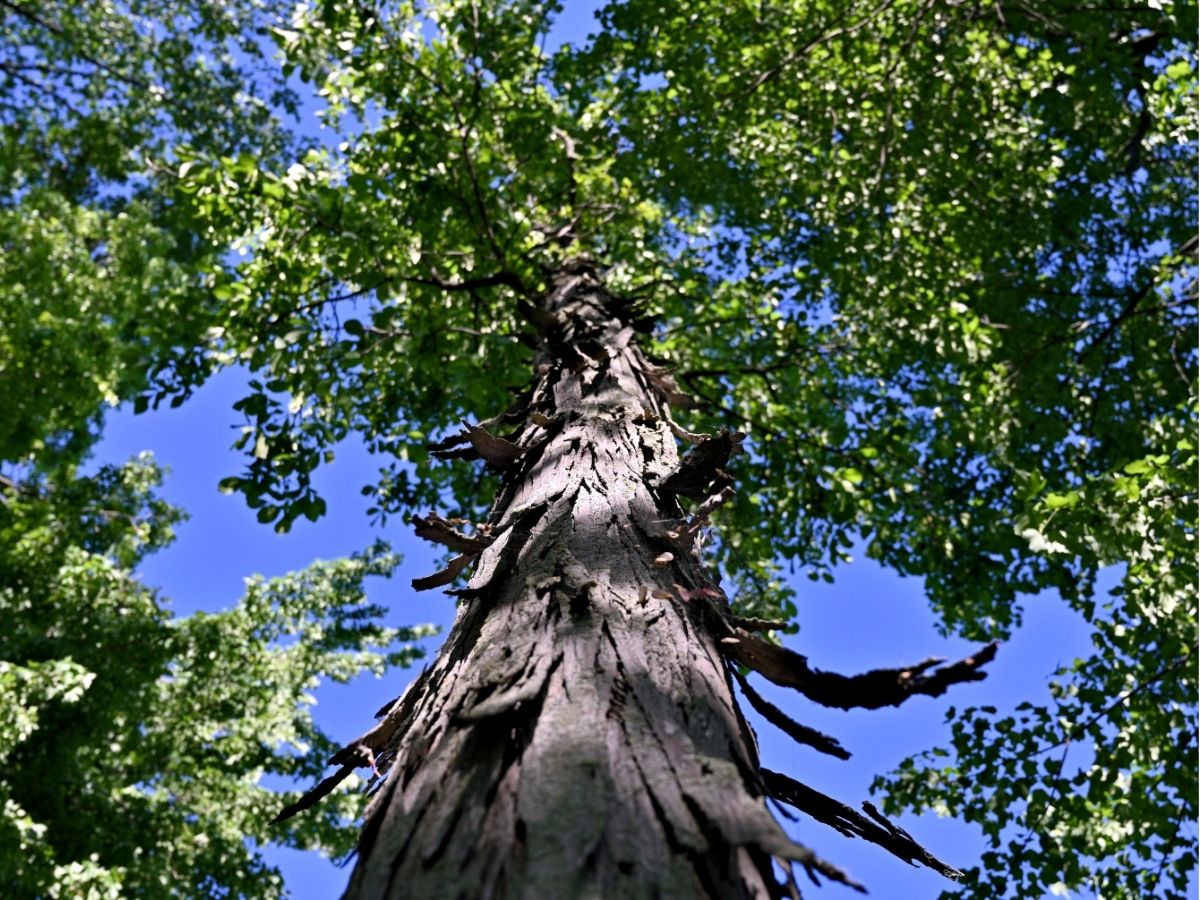
Genus Carya
Hickories are long-lived native trees (genus Carya) that support pollinators with spring flowers and provide valuable habitat as they mature.
Plant Type
Trees > Hickories
Aliases
Hickory
Native Range
Native to parts of eastern and central North America; some species occur in southern Ontario.
Bloom window
Spring
OVERVIEW
Hickories (genus Carya) are foundational, long-lived native trees that provide essential canopy height and structure, critical for creating stable, layered habitat gardens. While their flowers are inconspicuous, the spring catkins offer a crucial early-season pulse of pollen for emerging native bees and insects when other forage is scarce.
Because hickories mature into large trees, they are best suited for parks or school grounds where they have plenty of room to develop fully. To ensure the tree maintains its ecological value, avoid all pesticide use, particularly during bloom, and site it correctly away from conflicts with structures or pathways.
FAST FACTS
Essential stats and requirements for quick reference.
| Category | Details |
|---|---|
| Also known as | Hickory |
| Bloom window | Spring |
| Typical height | Medium to large tree (varies by species) |
| Pollinators supported | Early-season bees, flies |
| Light & moisture | Sun to part sun; average moisture once established |
| Best roles for pollinators | Large yards, parks, and school grounds where a long-lived shade tree can grow without crowding buildings or sidewalks. |
SUMMARY
A quick scan of what they do, what they need, and the best first step.
Hickories add long-term habitat value and spring flowers that can help kick-start the season for some pollinators.
Space, patience, and a good start (correct planting depth, mulch, and steady watering while establishing).
Choose a planting spot with plenty of room for a full-size tree and keep the root flare at soil level.
IMPACT
Key Impacts
RECOGNITION
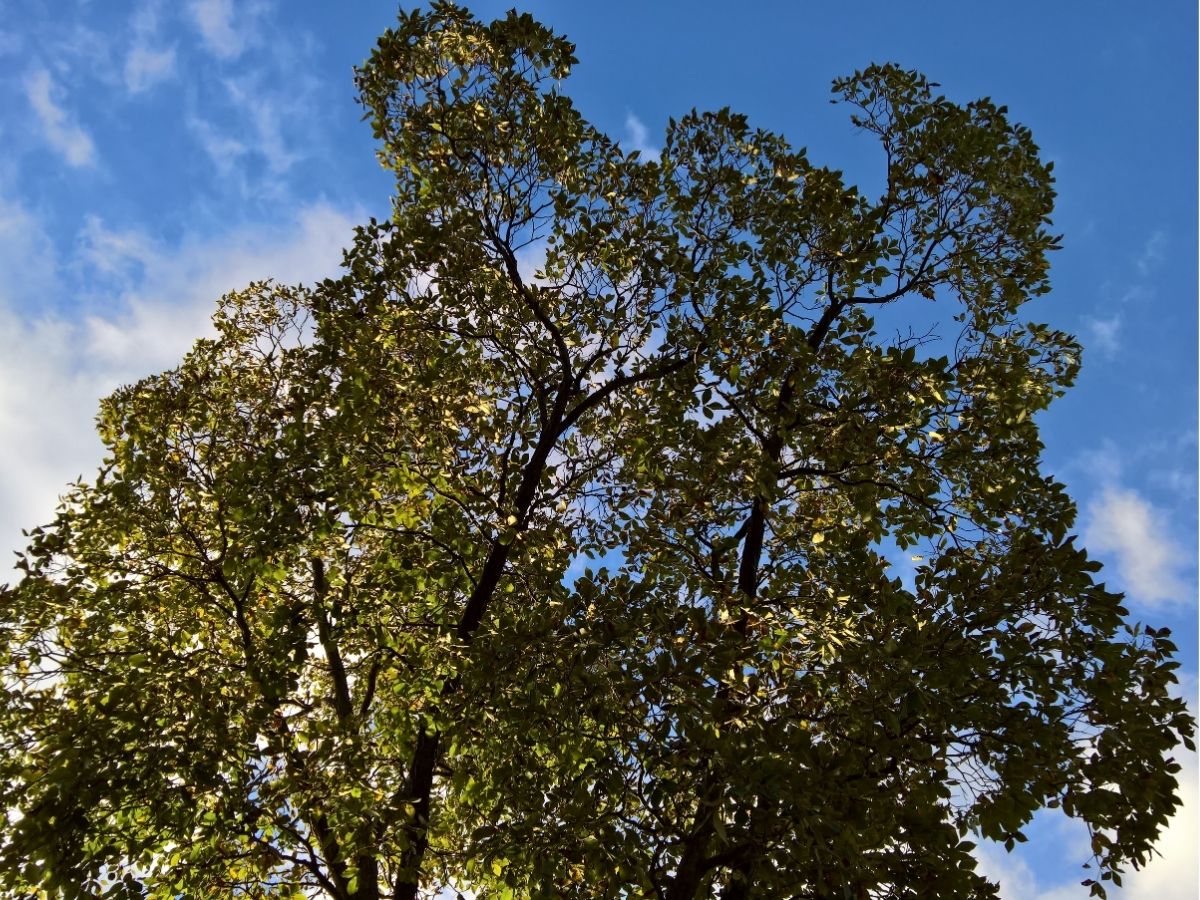
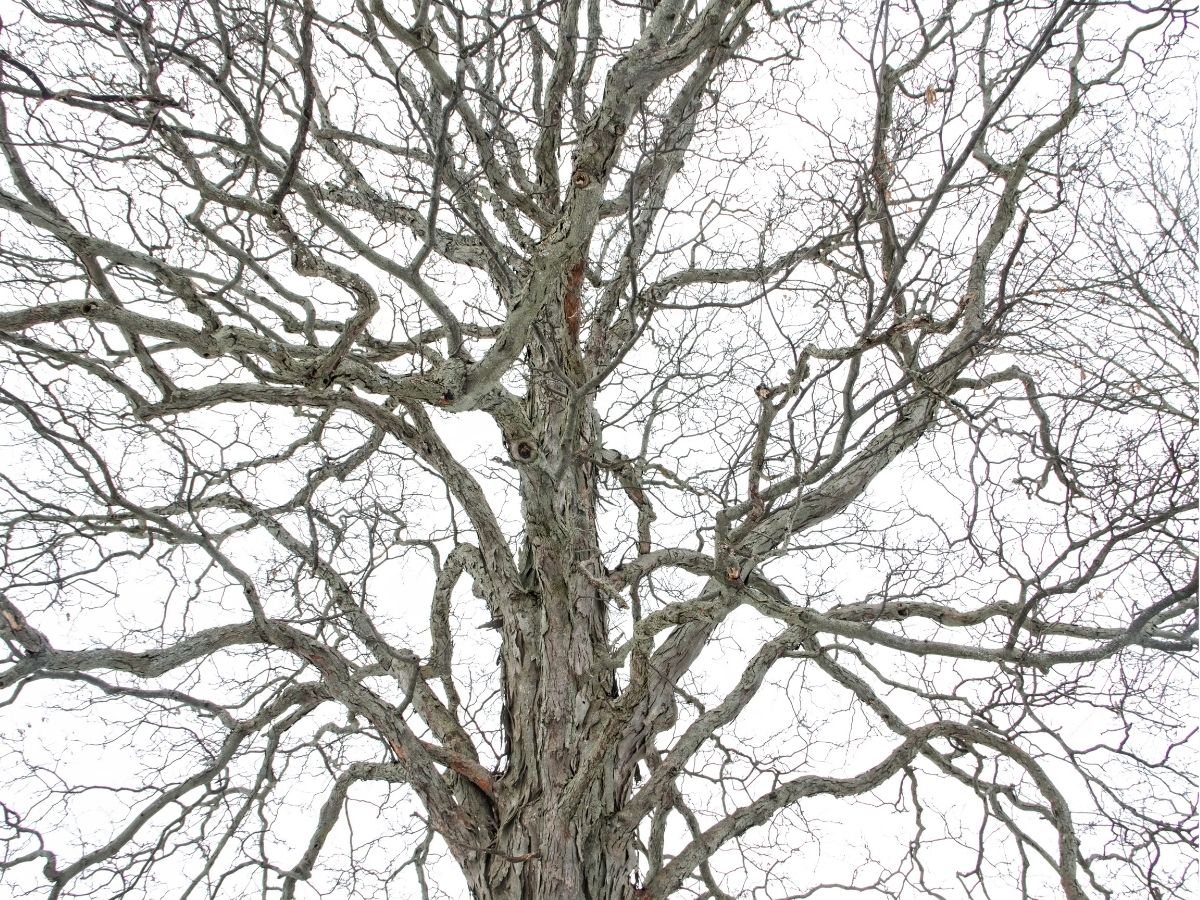
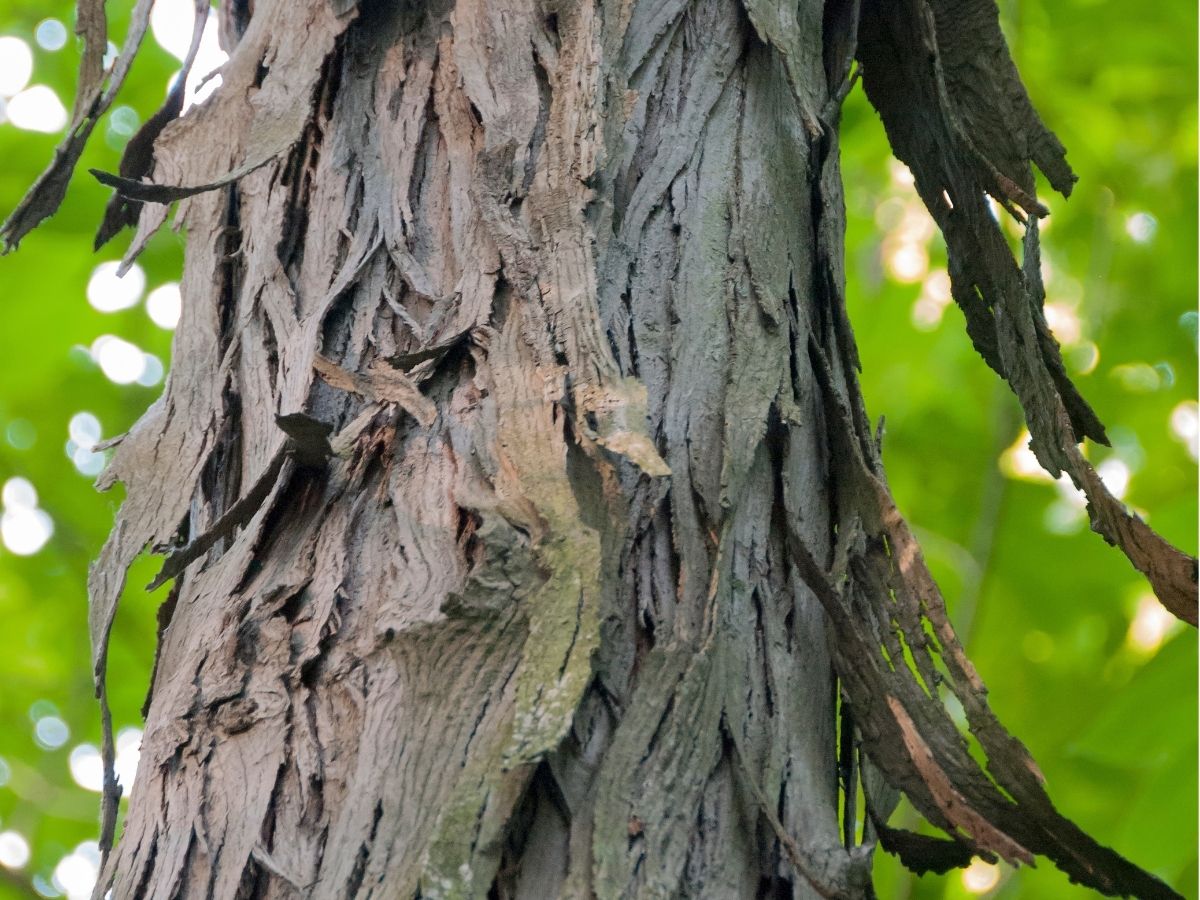
Compound leaves with several leaflets arranged along a central stem; leaflets are often pointed and can be slightly toothed.
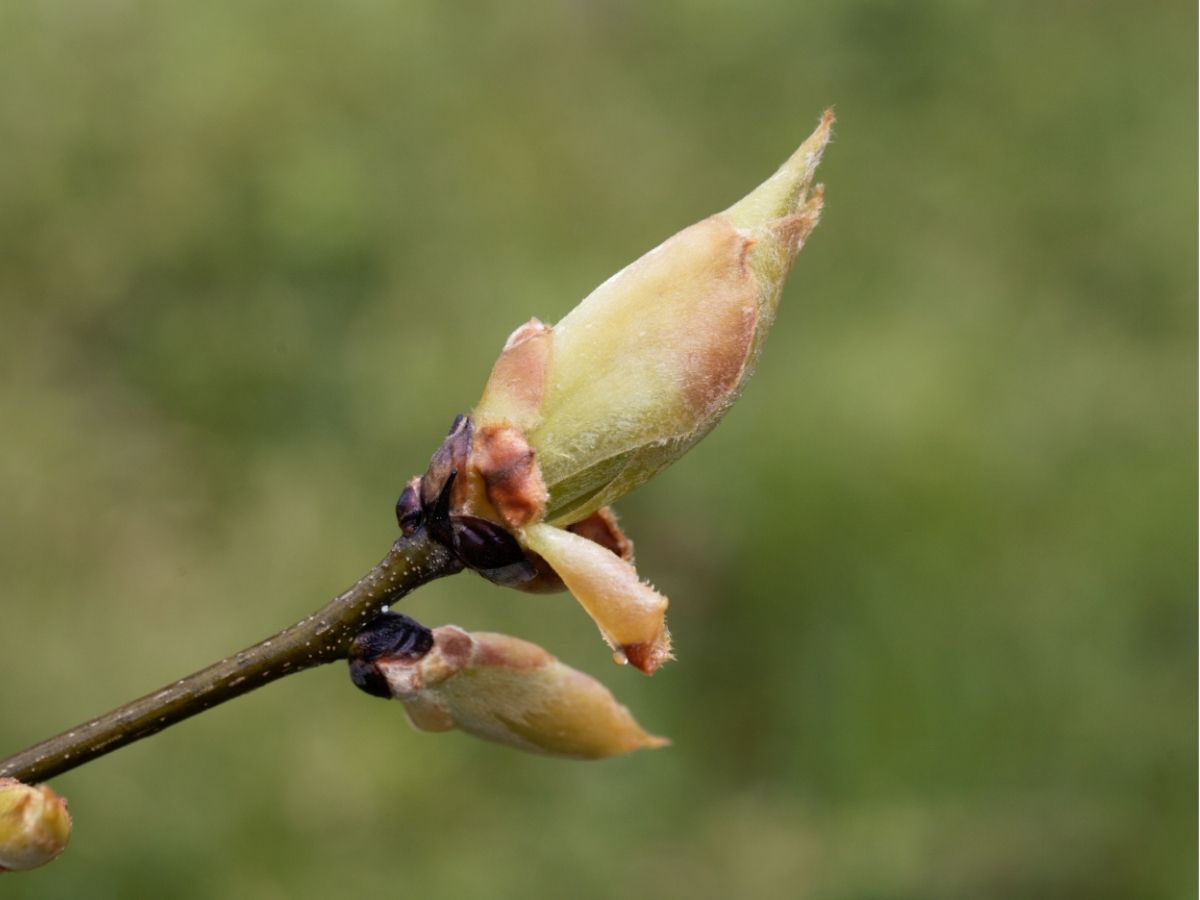
Small spring flowers; male flowers hang in catkins, while female flowers are smaller and less noticeable.
A nut inside a thick husk that splits open as it ripens; nuts may drop and attract wildlife.
LOCATION
Native environments and the best spots to place it in your landscape.
SEASONALITY
Notes on bloom windows and how this plant helps pollinators across the seasons.
Hickories bloom in spring with small flowers that don’t look showy from a distance.
Bloom Season Role: Early-season pollen source (subtle bloom)
REQUIREMENTS
The right mix of sun, soil, and space for healthy growth.
Full sun is best for strong growth; part sun is workable in open settings.
Prefers well-drained soil; tolerates a range of soil types once established.
Water regularly during the first growing season; after that, water during long dry spells.
Plant in a wide hole, keep the root flare at soil level, and avoid burying the trunk.
Mulch in a wide ring to protect roots and hold moisture, keeping mulch off the trunk.
GARDENING GUIDE
Simple steps to plant, prune, and maintain healthy trees without pesticides.
Pairings
Pairing ideas to keep pollinators fed throughout the growing season.
GLOSSARY
Glossary terms are being added.
What You Can Do
Turn this knowledge into action. Whether you plant a single pot or a whole garden, you are building a vital bridge for local biodiversity.
Join the movement to restore our shared habitats.