
What they do
Provide tree structure and dappled shade that can help you build a layered, pollinator-friendly yard.
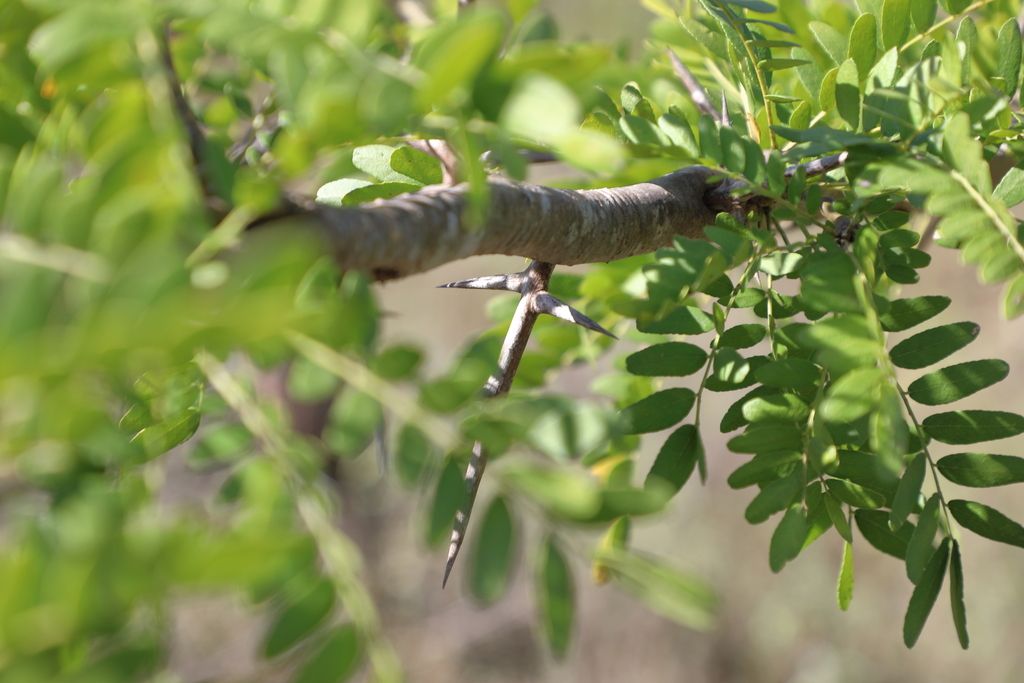
Genus Gleditsia
Honey locusts (genus Gleditsia) are airy-canopied trees that can add light shade and seasonal flowers to yards and streetscapes while fitting into pollinator-friendly planting.
Plant Type
Trees > Honey locusts
Aliases
Honey locust
Native Range
Native to parts of North America; some honey locusts are planted widely beyond their original range.
Bloom window
Late spring to early summer (varies by species and local conditions)
OVERVIEW
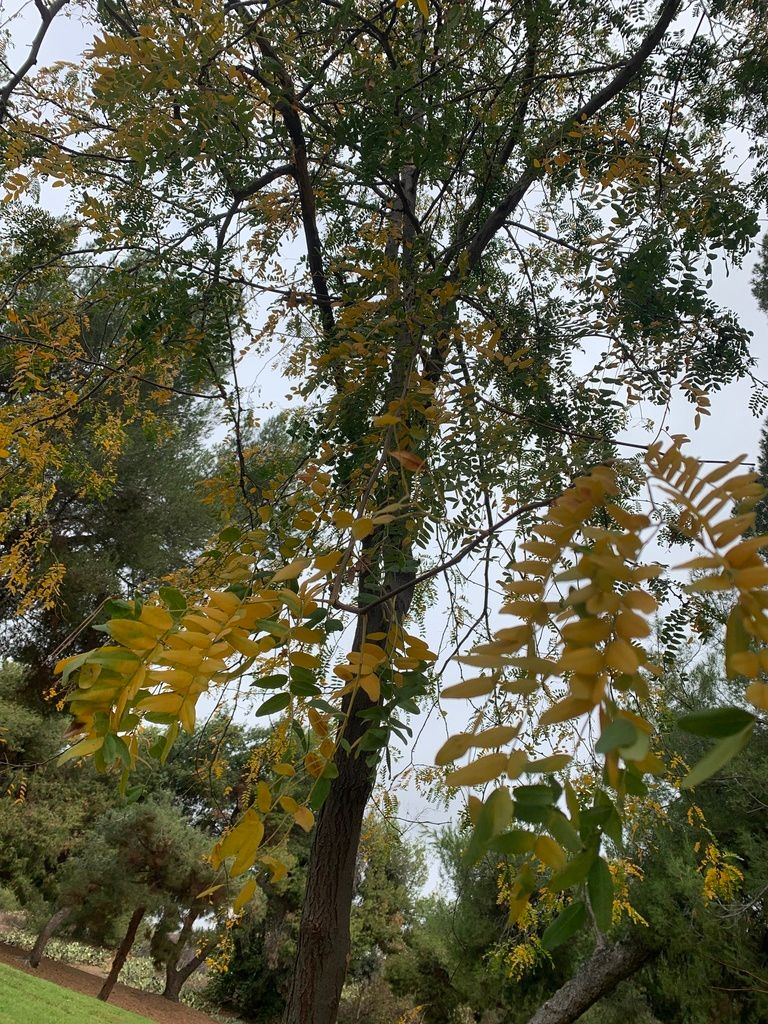
Honey locusts (Genus Gleditsia) are valuable canopy trees prized for the light, airy shade they provide. This open canopy is a key functional benefit, as it allows essential sunlight to filter through, enabling a diverse understory of flowering perennials and shrubs to thrive beneath them.
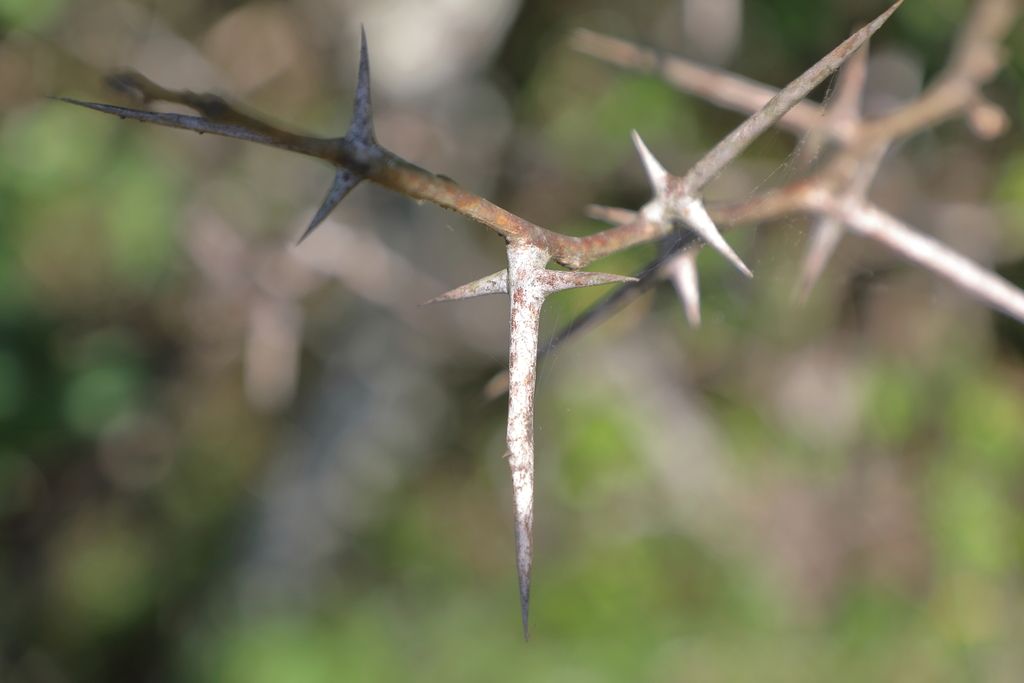
Their small, seasonal flowers offer nectar and pollen for visiting native insects. To maximize their ecological value, use the tree to anchor a layered habitat, planting a variety of flowers around its base that bloom across the spring and summer to ensure continuous resources for pollinators. If planting near high-traffic areas, select a thornless, low-pod cultivar.
FAST FACTS
Essential stats and requirements for quick reference.
| Category | Details |
|---|---|
| Also known as | Honey locust |
| Bloom window | Late spring to early summer (varies by species and local conditions) |
| Typical height | Medium to large tree (varies by species and selection) |
| Pollinators supported | Bees, Flies |
| Light & moisture | Sun to partial shade; adaptable once established |
| Best roles for pollinators | Adding a tree canopy that still allows light for a pollinator garden underneath |
SUMMARY
A quick scan of what they do, what they need, and the best first step.
Provide tree structure and dappled shade that can help you build a layered, pollinator-friendly yard.
A suitable planting spot with room for roots and canopy, plus steady care while establishing.
Pair a honey locust with a simple underplanting of pollinator-friendly flowers to make the space do more.
IMPACT
Key Impacts
RECOGNITION
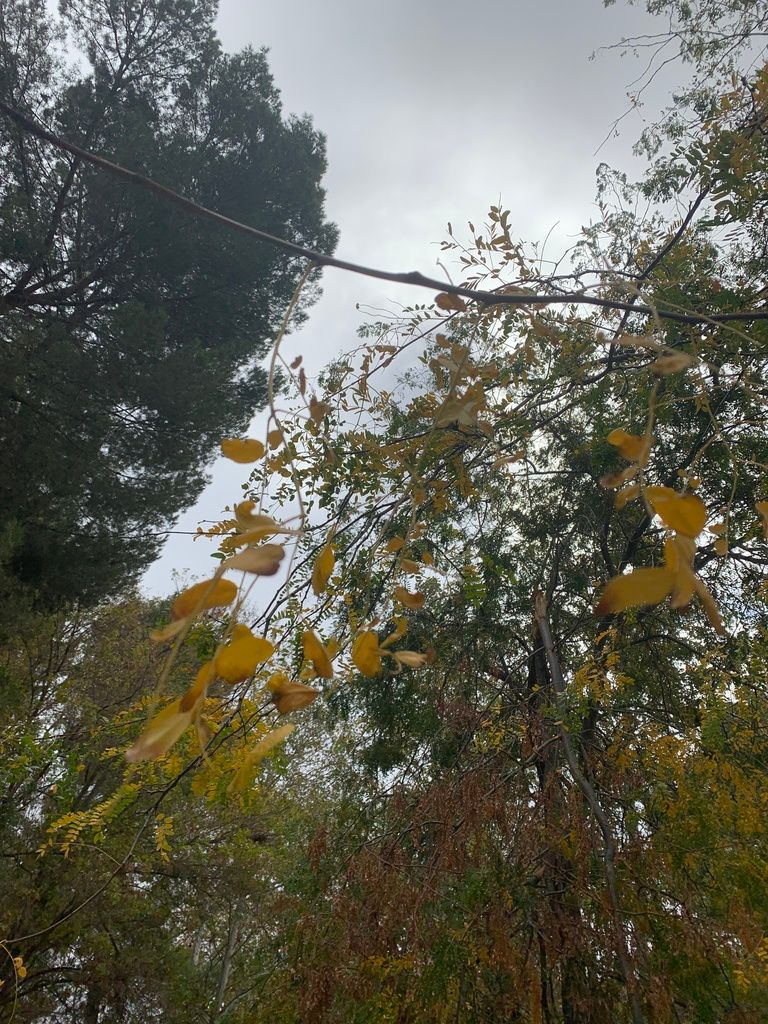
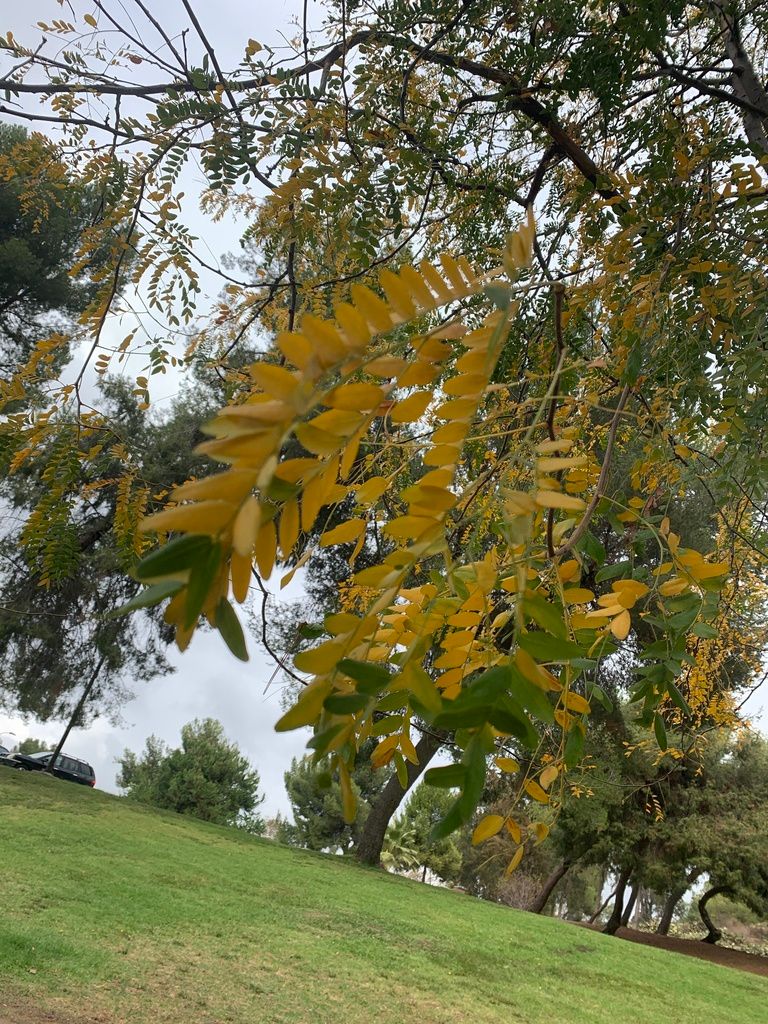
Leaves are made of many small leaflets, giving the tree a fine, feathery look.
Flowers are small and greenish, often in short clusters; they’re easy to overlook.
Some honey locusts form long pods; others may have few or none depending on the plant.
LOCATION
Native environments and the best spots to place it in your landscape.
SEASONALITY
Notes on bloom windows and how this plant helps pollinators across the seasons.
Honey locust flowers are usually subtle, so think of them as a background helper rather than the main show.
Bloom Season Role: Supportive—small flowers that can complement showier blooms nearby
REQUIREMENTS
The right mix of sun, soil, and space for healthy growth.
Best in sun, but can handle partial shade.
Adaptable to many soils; aim for well-drained ground when possible.
Water regularly during the first growing season; after that, water during long dry spells.
Plant with enough room for the mature canopy and roots; keep the root flare at ground level.
Mulch in a wide ring to protect roots and hold moisture, but keep mulch off the trunk.
GARDENING GUIDE
Simple steps to plant, prune, and maintain healthy trees without pesticides.
Pairings
Pairing ideas to keep pollinators fed throughout the growing season.
GLOSSARY
Glossary terms are being added.
What You Can Do
Turn this knowledge into action. Whether you plant a single pot or a whole garden, you are building a vital bridge for local biodiversity.
Join the movement to restore our shared habitats.