
What they do
Magnolias provide big, noticeable spring flowers that can support early foraging and add beauty to shared spaces.
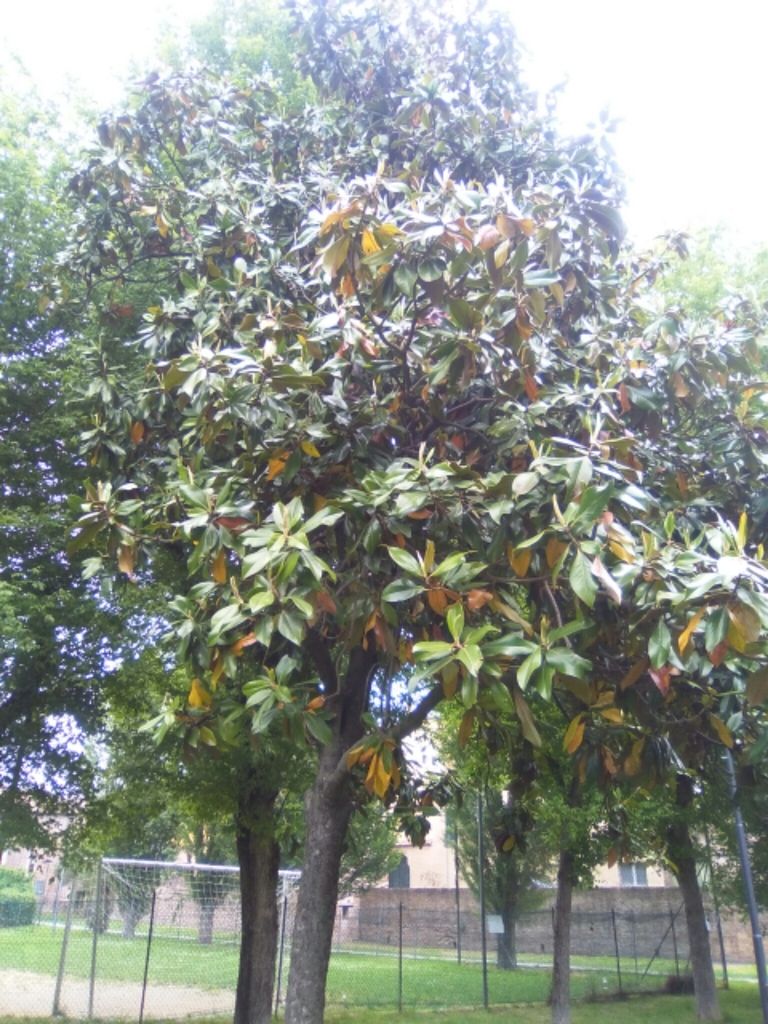
Genus Magnolia
Magnolias are flowering trees known for their big, early-season blooms that can help kick-start spring foraging for pollinators. Choose a site with steady moisture and protection from harsh wind, and let fallen leaves act as a natural mulch.
Plant Type
Trees > Magnolias
Aliases
Magnolia
Native Range
Varies by species within the genus; different magnolias come from different parts of the world.
Bloom window
Spring (often early)
OVERVIEW
Magnolias (Genus Magnolia) are robust trees valued for their structure and dense canopies. Their large, early-season blooms provide a critical “spring kickoff” source of nectar and pollen for emerging native insects and early-waking pollinators, making them a valuable habitat anchor.
If planting a Magnolia, choose a site with steady moisture and protection from harsh winds to ensure successful establishment. Give the tree room to mature and protect its roots with a broad mulch ring. To maximize pollinator benefit, pair it with later-blooming plants underneath to extend the available foraging window from spring into fall.
FAST FACTS
Essential stats and requirements for quick reference.
| Category | Details |
|---|---|
| Also known as | Magnolia |
| Bloom window | Spring (often early) |
| Typical height | Varies by species and cultivar; from small ornamental trees to larger shade trees |
| Pollinators supported | Bees, Beetles, Flies |
| Light & moisture | Sun to part shade; evenly moist, well-drained soil is ideal |
| Best roles for pollinators | A standout flowering tree that adds early-season blooms and a strong sense of place in yards, school grounds, and parks. |
SUMMARY
A quick scan of what they do, what they need, and the best first step.
Magnolias provide big, noticeable spring flowers that can support early foraging and add beauty to shared spaces.
A stable site with sun to part shade, consistent moisture, and room for roots and branches to grow.
Pick the right spot first—sheltered from wind with soil that doesn’t swing between soggy and bone-dry.
IMPACT
Key Impacts
RECOGNITION
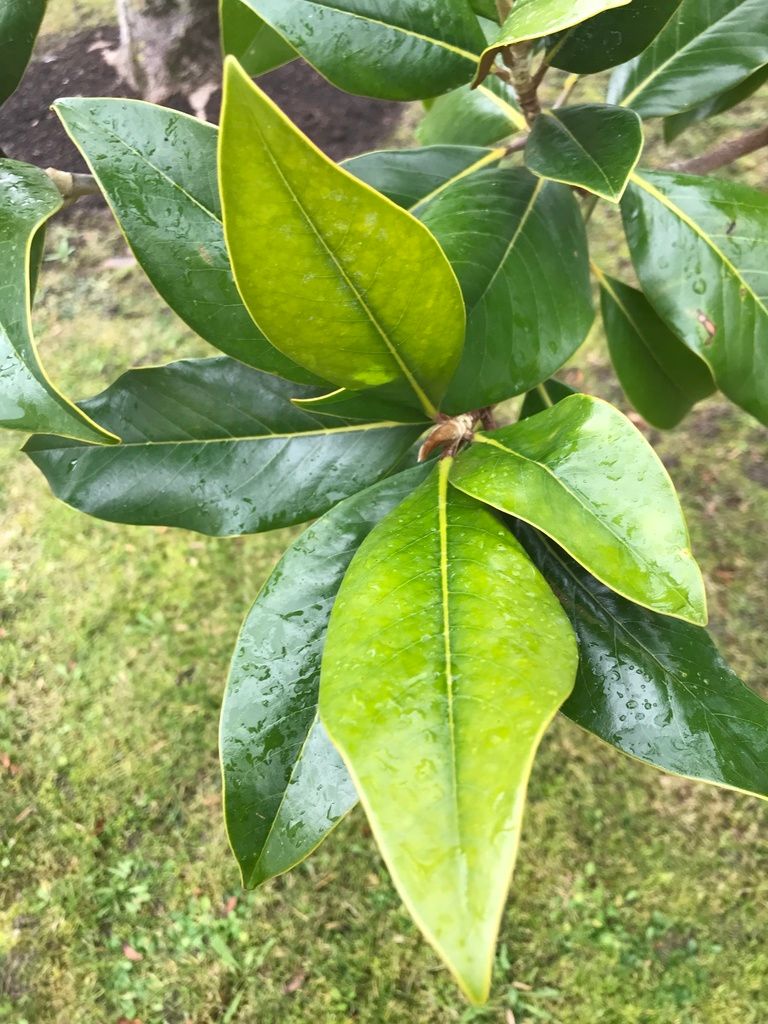
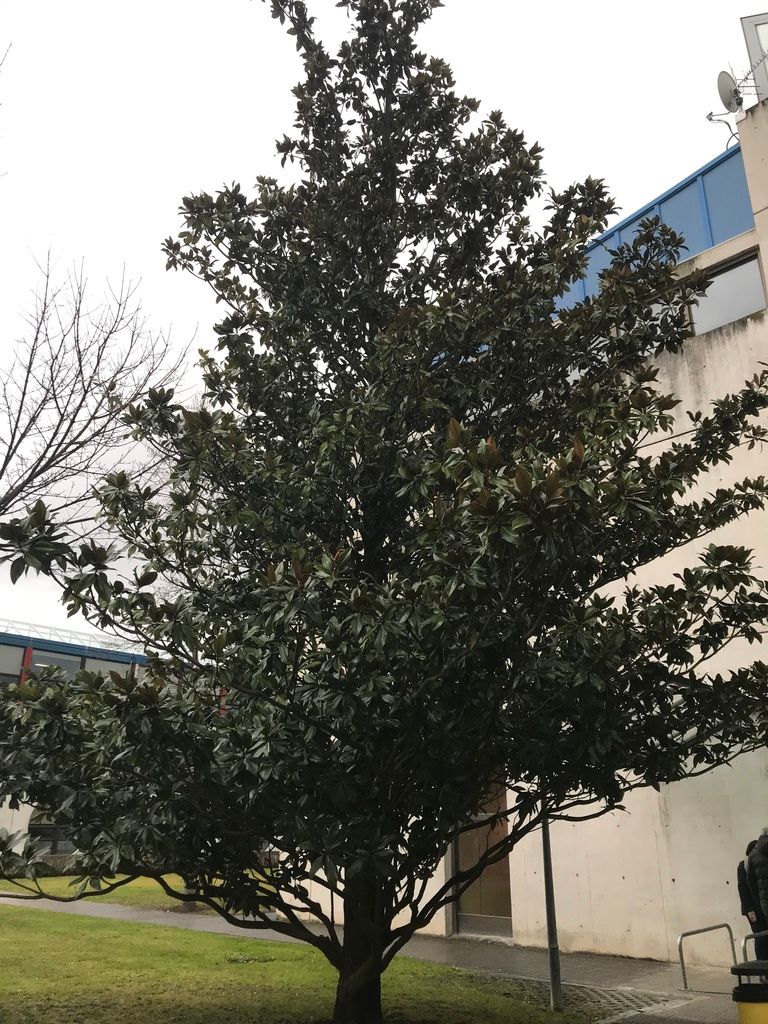
Simple, oval to oblong leaves that appear after or alongside flowering; size and texture vary by type.
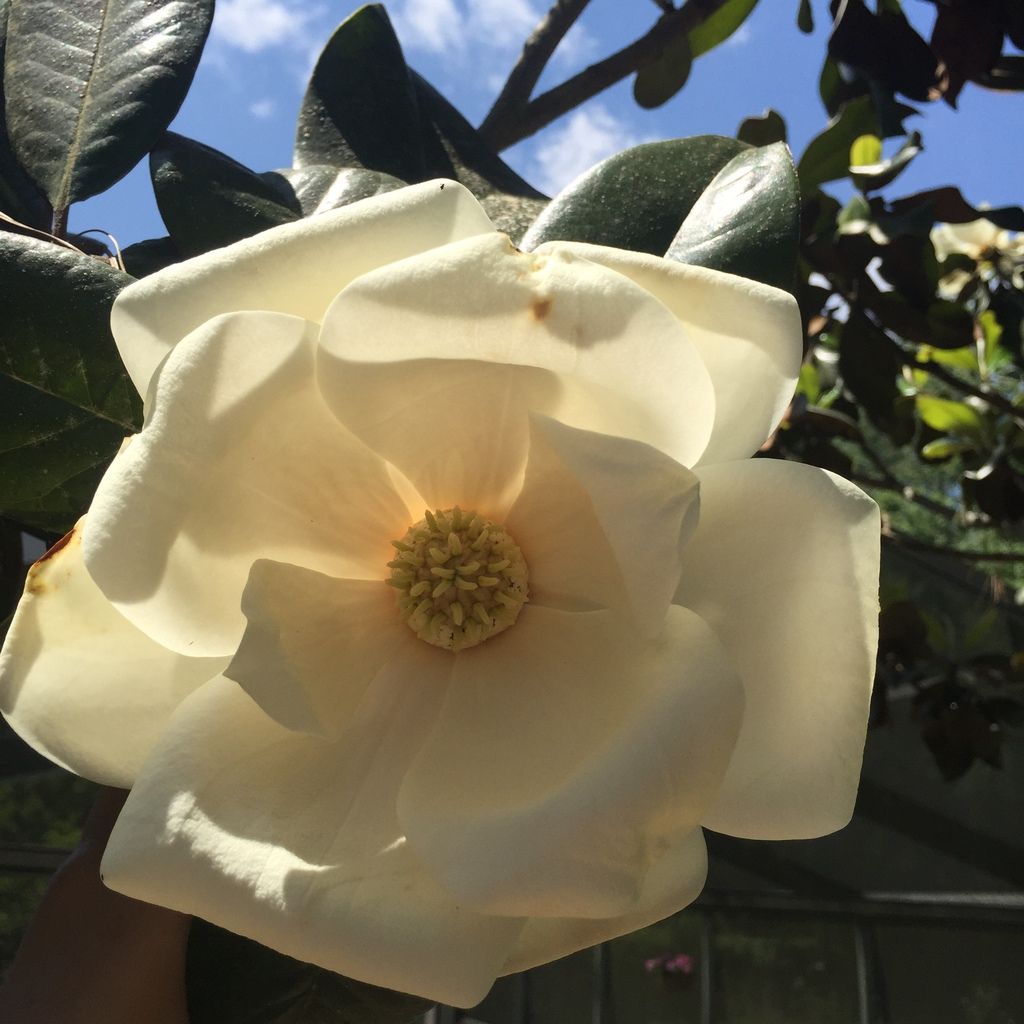
Large, showy, cup- or star-shaped blooms in spring; colors range from white to pink/purple depending on the type.
Cone-like structures may form later, sometimes showing bright seeds as they mature.
LOCATION
Native environments and the best spots to place it in your landscape.
SEASONALITY
Notes on bloom windows and how this plant helps pollinators across the seasons.
Magnolias are best known for spring bloom, often arriving early enough to feel like the season’s opening act.
Bloom Season Role: Early-season blooms when many gardens are still waking up
REQUIREMENTS
The right mix of sun, soil, and space for healthy growth.
Full sun to part shade. In hotter, drier spots, a little afternoon shade can help reduce stress.
Rich, well-drained soil that holds moisture without staying waterlogged. Avoid compacted fill where possible.
Water regularly during establishment and during dry spells; aim for steady moisture rather than extremes.
Plant at the same depth as the root ball, with the root flare at the soil surface. Give it room away from foundations and overhead wires.
Mulch in a wide ring to keep roots cool and moist, but keep mulch pulled back from the trunk.
GARDENING GUIDE
Simple steps to plant, prune, and maintain healthy trees without pesticides.
Pairings
Pairing ideas to keep pollinators fed throughout the growing season.
GLOSSARY
Glossary terms are being added.
What You Can Do
Turn this knowledge into action. Whether you plant a single pot or a whole garden, you are building a vital bridge for local biodiversity.
Join the movement to restore our shared habitats.