
What they do
Oaks provide shade and structure and can support many kinds of insects and wildlife across the seasons.
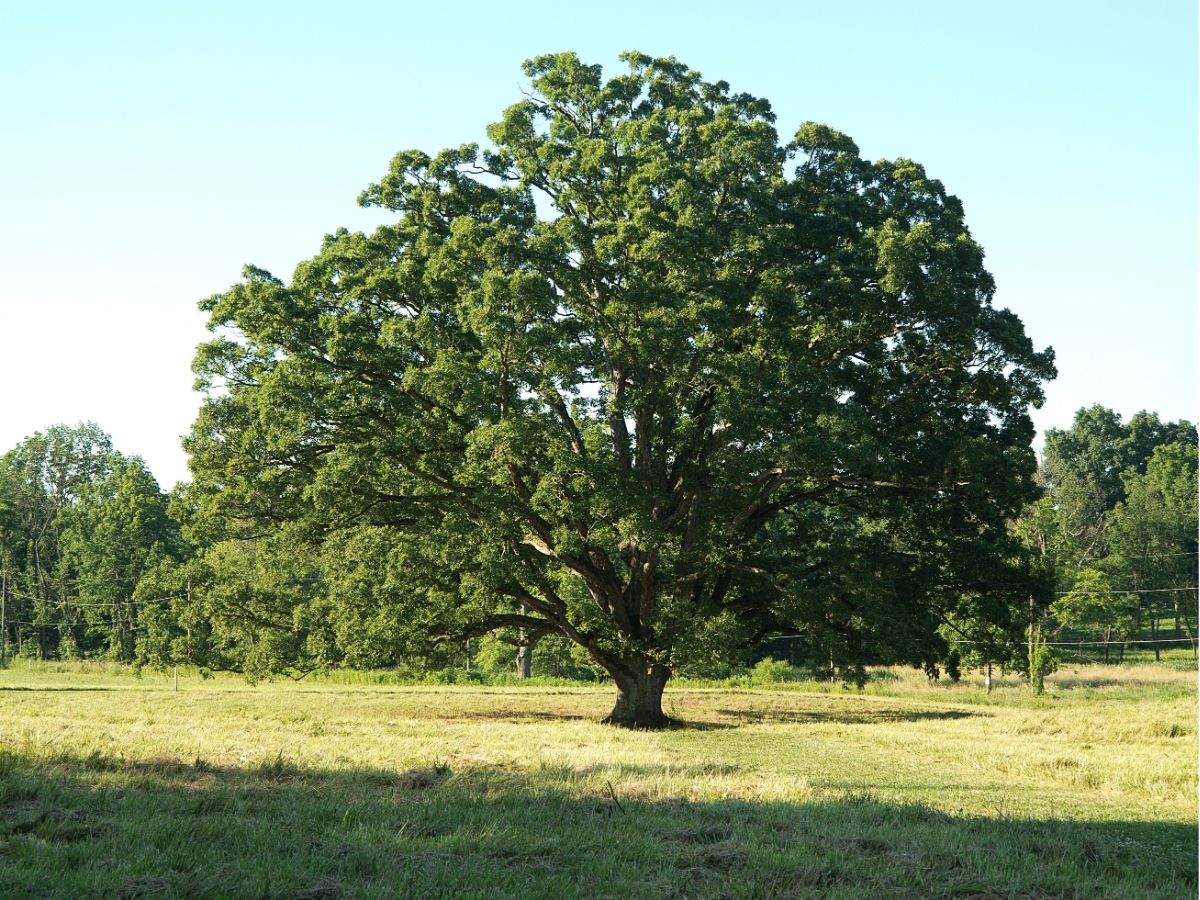
Genus Quercus
Oaks are long-lived trees that can anchor a yard, school ground, or park with shade, structure, and lots of seasonal interest. Many pollinators use oak flowers in spring, and the tree’s leaves and bark support a wide web of life over time.
Plant Type
Trees > Oaks
Aliases
Oak
Native Range
Oaks occur across much of the Northern Hemisphere; species differ by region. Choose a locally appropriate oak when possible.
Bloom window
Spring (flowers are small and not showy)
OVERVIEW
Oaks (Genus Quercus) are essential, foundational trees that offer unmatched long-term structure and shade, which is critical for creating a cool, layered habitat where diverse understory plants can thrive. Although their flowers are inconspicuous, they provide an early spring source of pollen for emerging native insects.
The greatest ecological value of Oaks lies in their leaves, which are key host plants for hundreds of species of butterfly and moth caterpillars—the base of the food web that sustains local birds and wildlife. To ensure they remain healthy habitat builders, site them where they have room to mature and avoid using systemic pesticides, keeping the planting area pesticide-free to protect the web of life they support.
FAST FACTS
Essential stats and requirements for quick reference.
| Category | Details |
|---|---|
| Also known as | Oak |
| Bloom window | Spring (flowers are small and not showy) |
| Typical height | Medium to very tall (varies widely by species and site) |
| Pollinators supported | Bees, Flies |
| Light & moisture | Best in sun to part sun; moisture needs vary by species—aim for well-drained soil and steady watering while young. |
| Best roles for pollinators | Planting a long-lived shade tree, adding habitat structure, and supporting a wide range of insects and birds over time. |
SUMMARY
A quick scan of what they do, what they need, and the best first step.
Oaks provide shade and structure and can support many kinds of insects and wildlife across the seasons.
Space to grow, a good start with watering, and protection from trunk damage and soil compaction.
Choose the right oak for your space and give it a wide, mulched root zone (mulch kept off the trunk).
IMPACT
Key Impacts
RECOGNITION
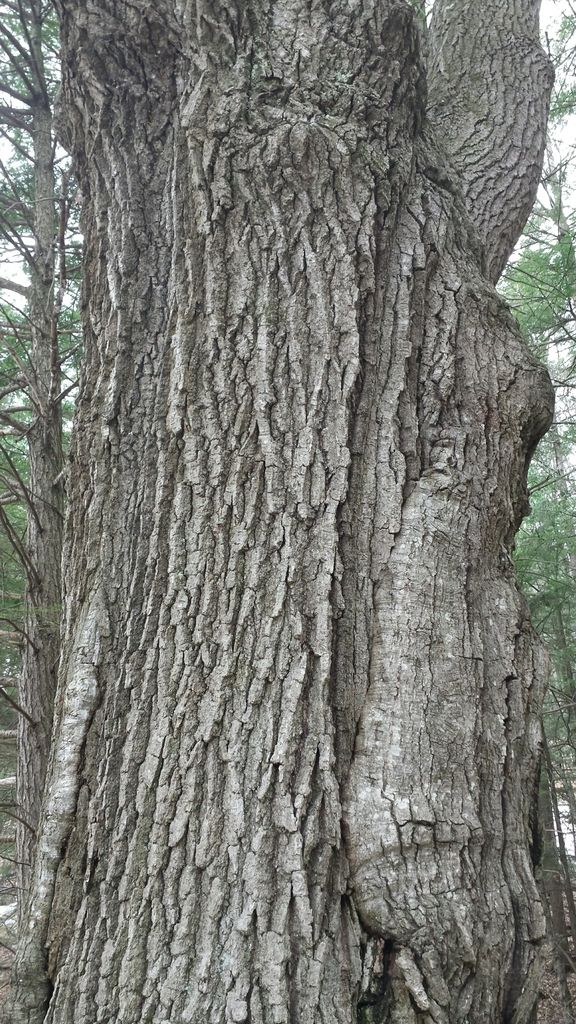
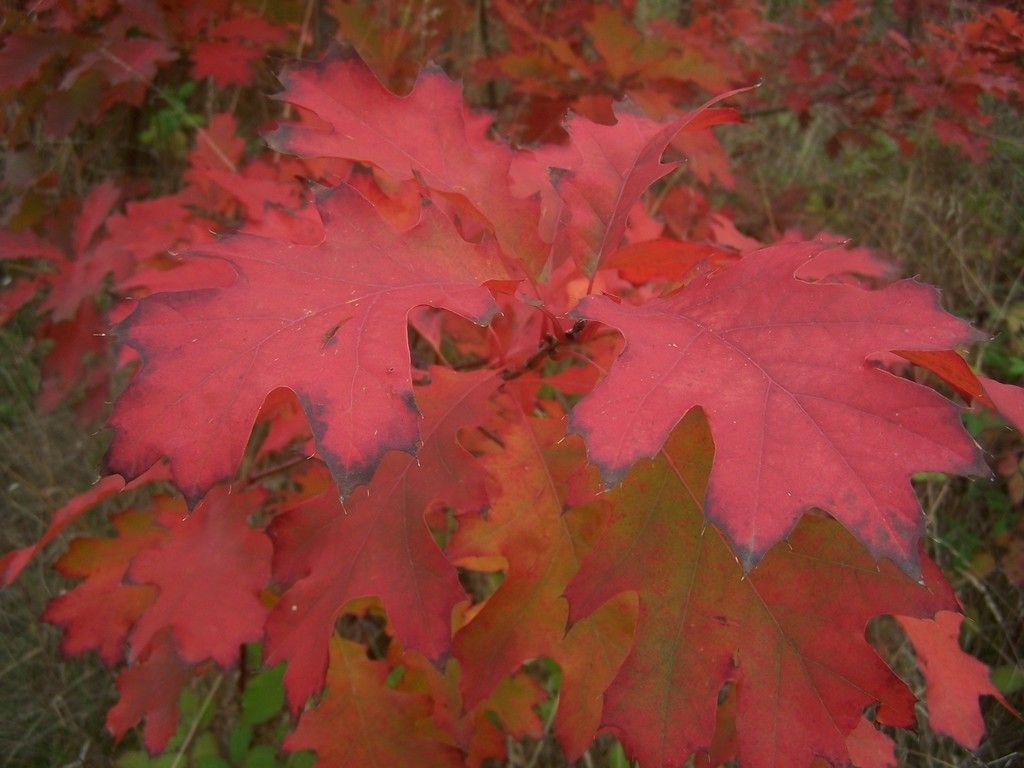
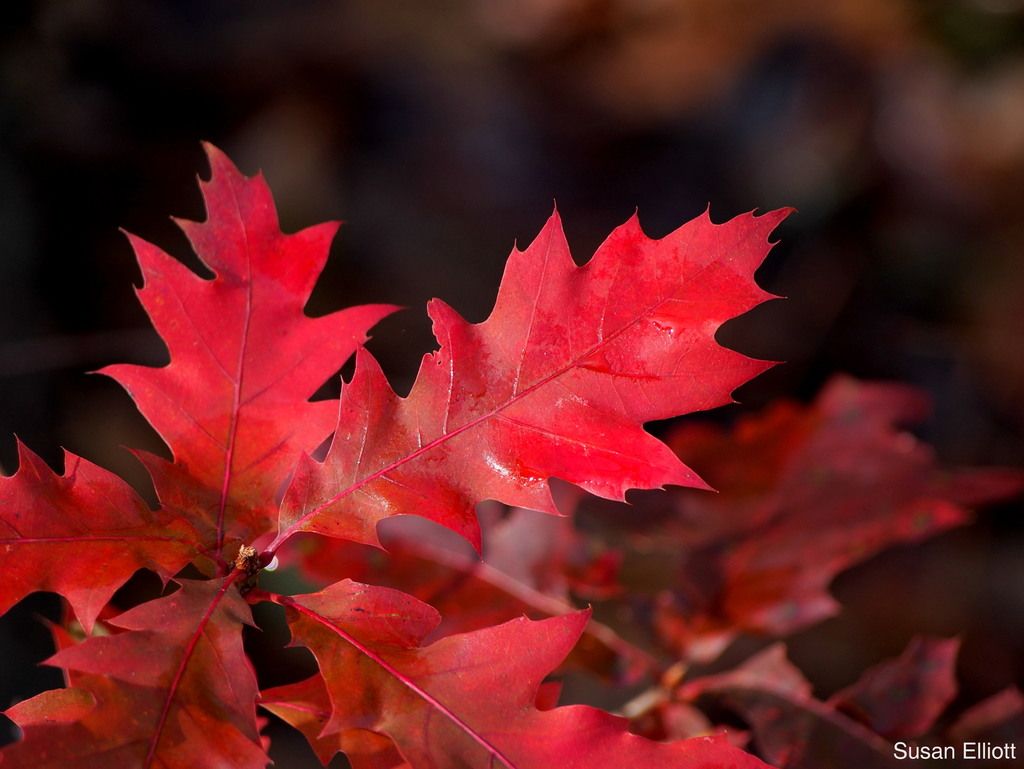
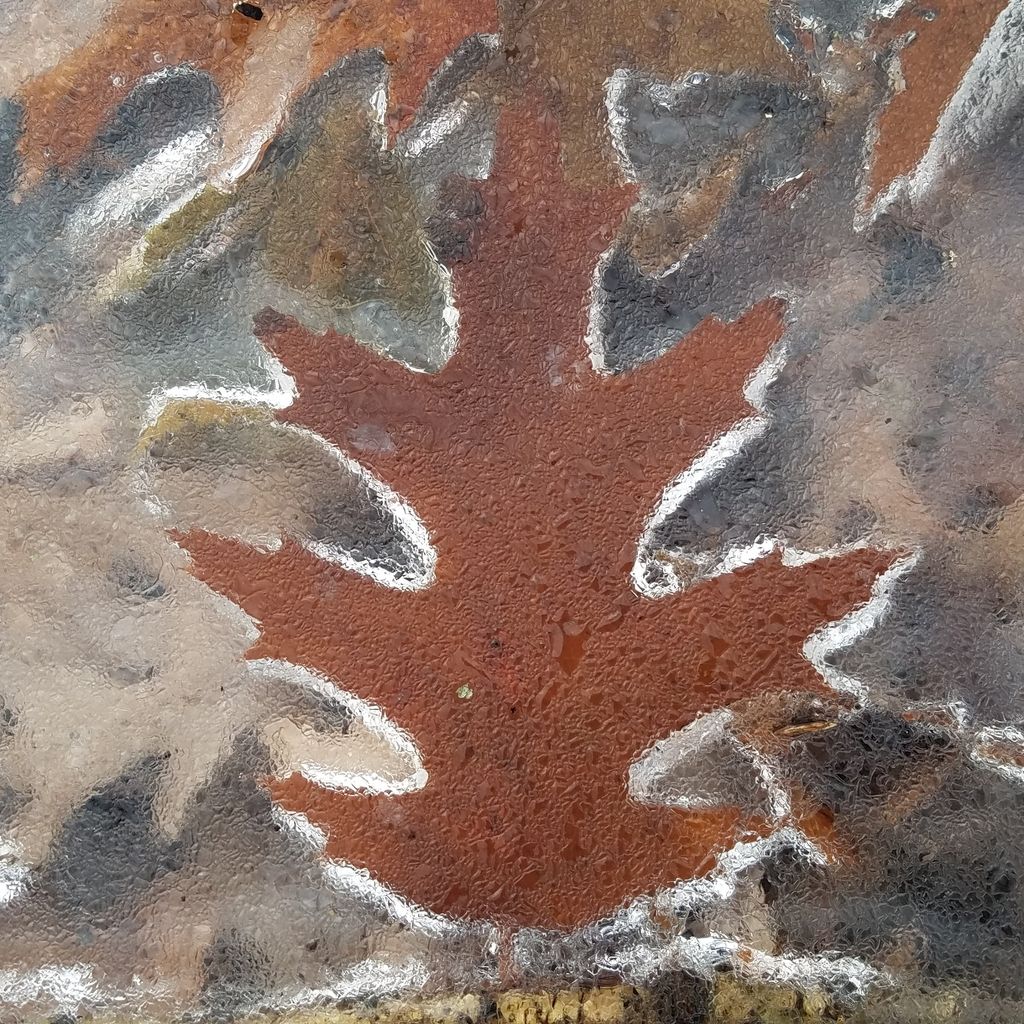
Often lobed or toothed; leaf shape varies by oak species. Leaves are typically alternate along the twig.
Small and not showy; many appear as catkins in spring.
Acorns, usually maturing later in the season; size and cap shape vary by species.
LOCATION
Native environments and the best spots to place it in your landscape.
SEASONALITY
Notes on bloom windows and how this plant helps pollinators across the seasons.
Oak bloom is easy to miss, but it happens early in the growing season.
Bloom Season Role: Early-season, subtle blooms; more about long-term habitat value than showy flowers.
REQUIREMENTS
The right mix of sun, soil, and space for healthy growth.
Full sun to part sun is best for strong growth and a full canopy.
Many oaks handle a range of soils if drainage is decent. Avoid constantly soggy spots.
Water deeply and regularly during the first seasons; once established, many oaks handle short dry spells better.
Plant at the right depth (root flare at soil level) and give plenty of space from buildings, fences, and other trees.
Use a wide mulch ring to protect roots and hold moisture, but keep mulch pulled back from the trunk.
GARDENING GUIDE
Simple steps to plant, prune, and maintain healthy trees without pesticides.
Pairings
Pairing ideas to keep pollinators fed throughout the growing season.
GLOSSARY
Glossary terms are being added.
What You Can Do
Turn this knowledge into action. Whether you plant a single pot or a whole garden, you are building a vital bridge for local biodiversity.
Join the movement to restore our shared habitats.
Pollinators supported
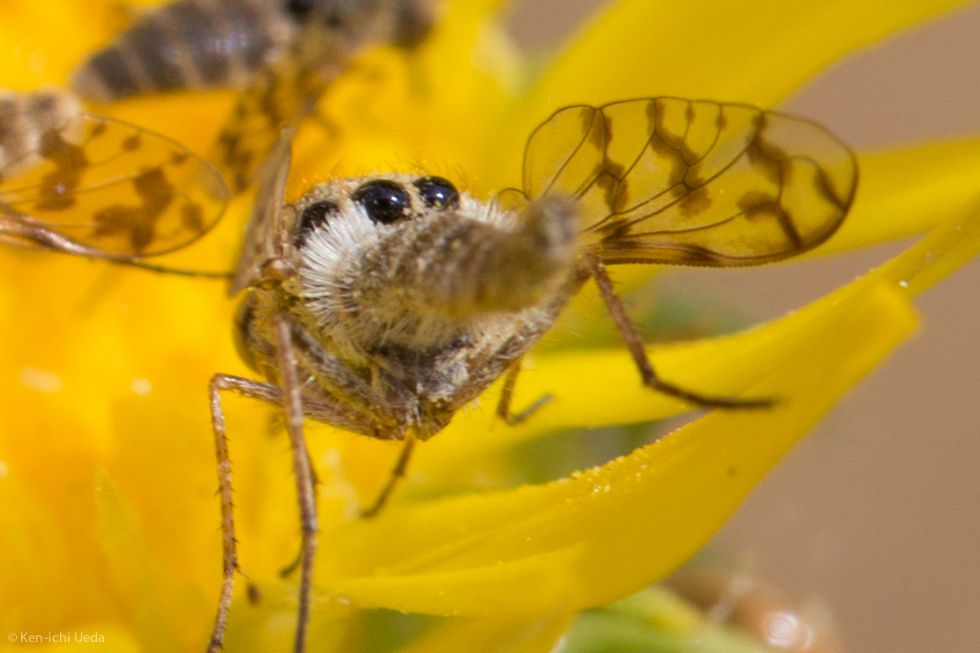
Adults visit flowers for nectar and can move pollen between blooms; their presence is a sign of diverse, functioning habitats.
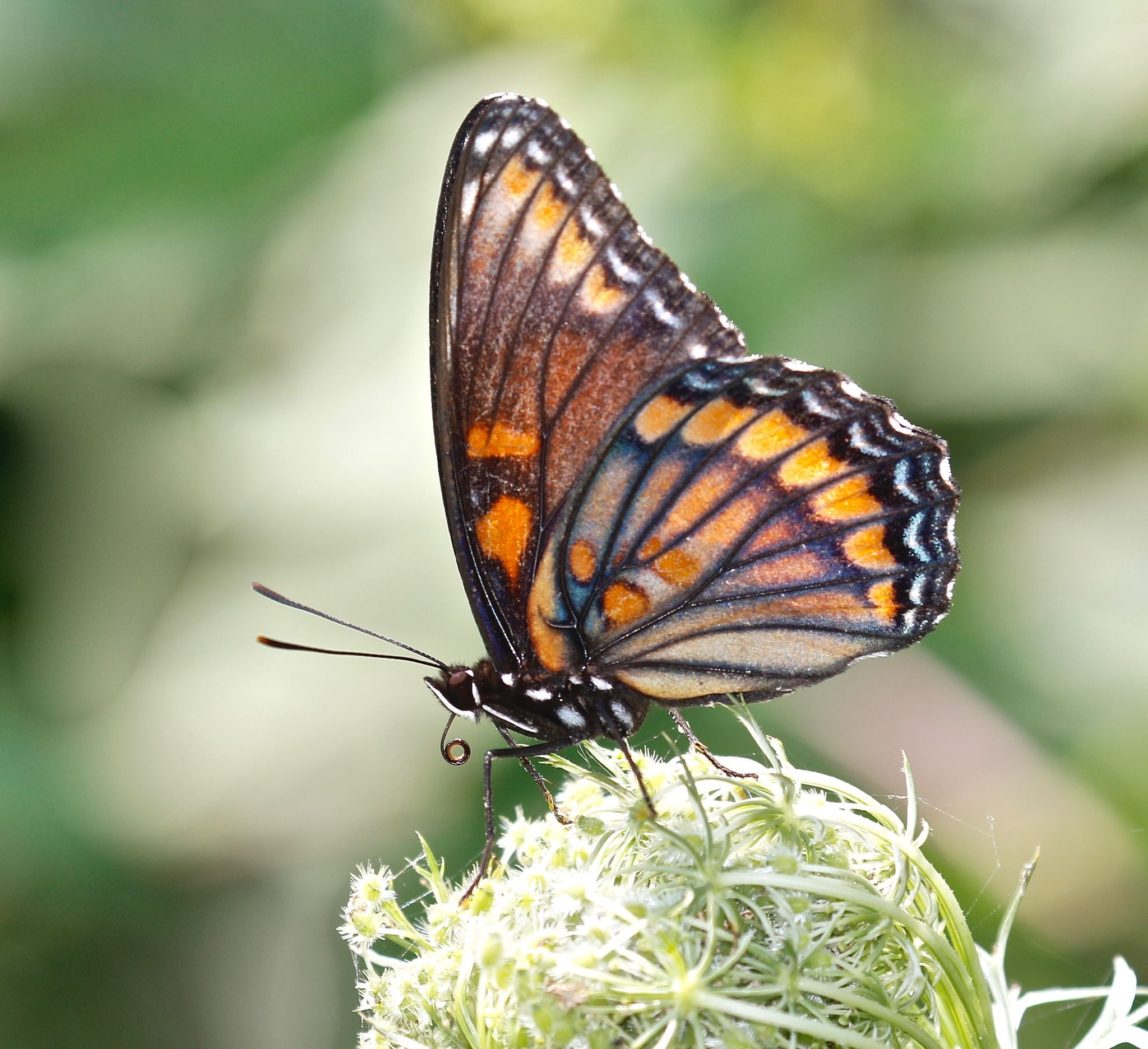
Many brushfoots move pollen between flowers as they feed, and their caterpillars are part of healthy food webs.
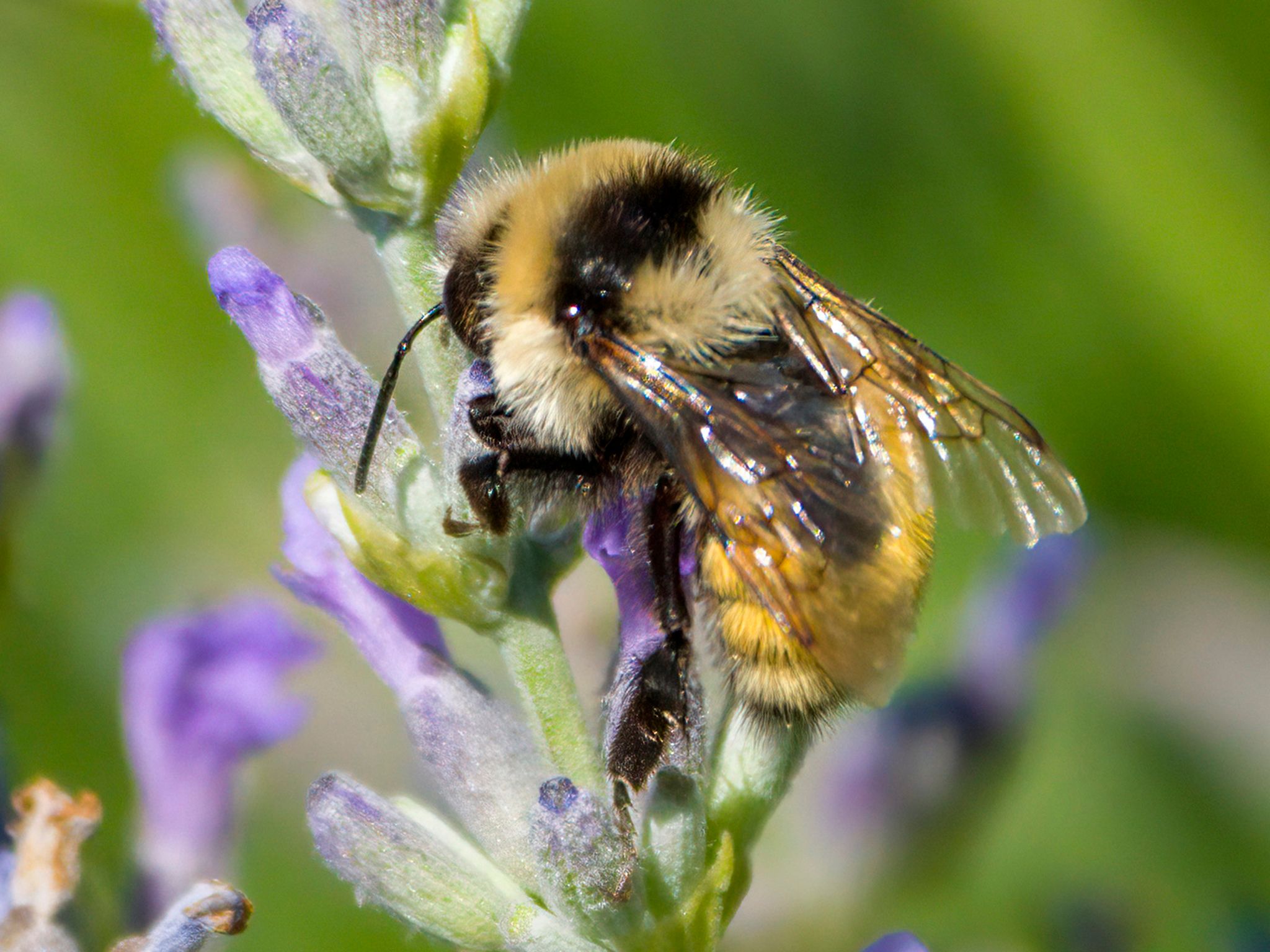
Bumble bees are important pollinators of many wildflowers and garden plants, helping ecosystems and food crops reproduce.
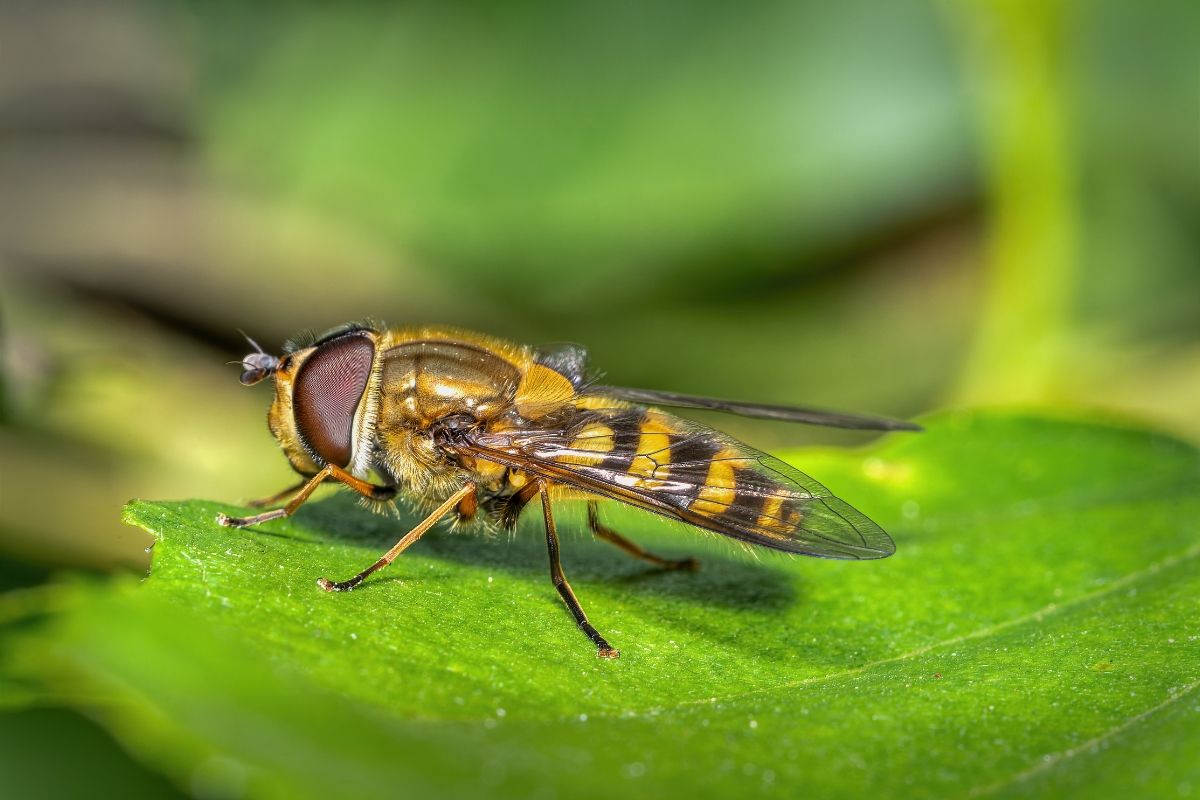
Adults visit flowers for nectar and pollen, and many species’ larvae help keep plant-eating pests in check.
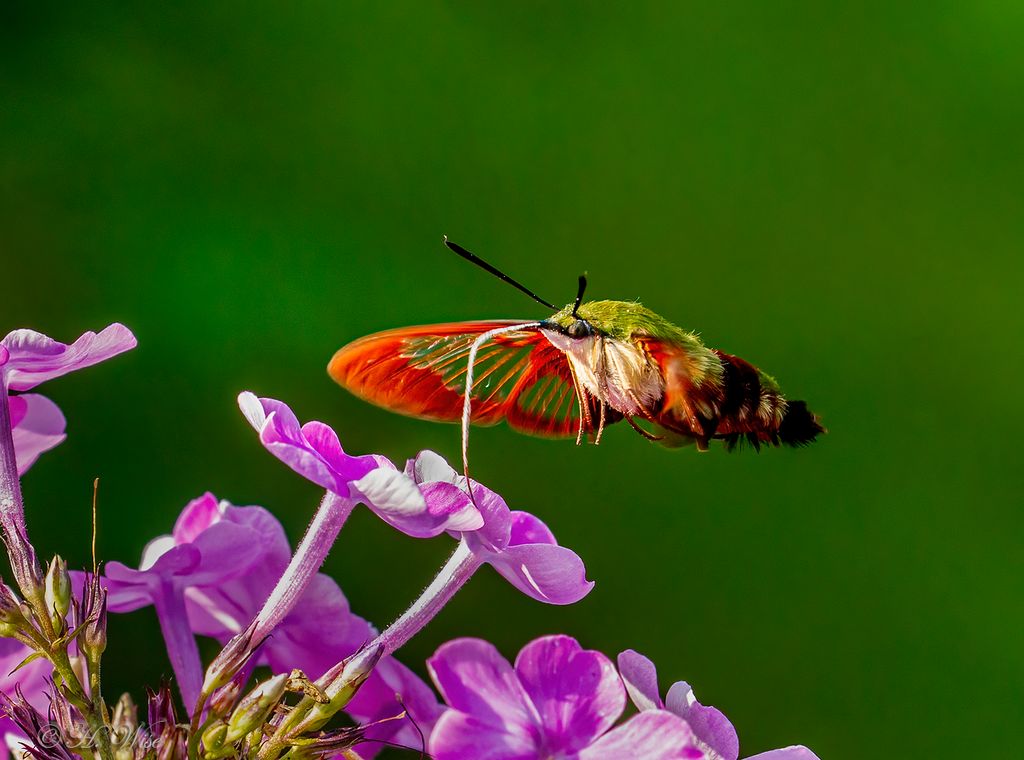
They can move pollen between flowers while feeding on nectar, especially for blooms that open or scent up in the evening.
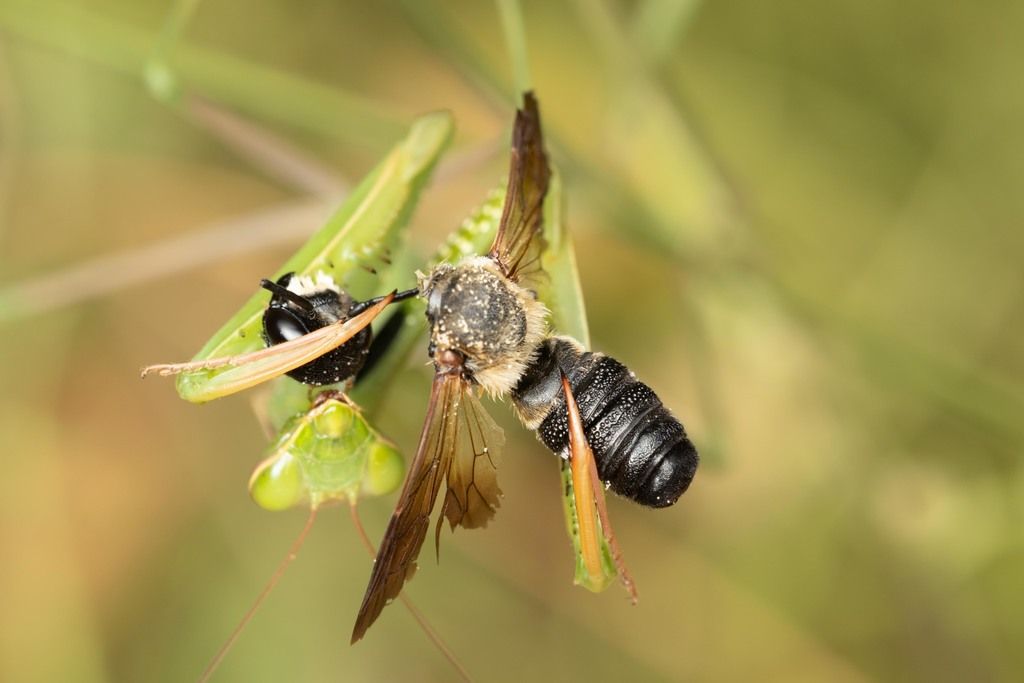
They move pollen between flowers while foraging, helping many wild plants and garden plants set seed and fruit.
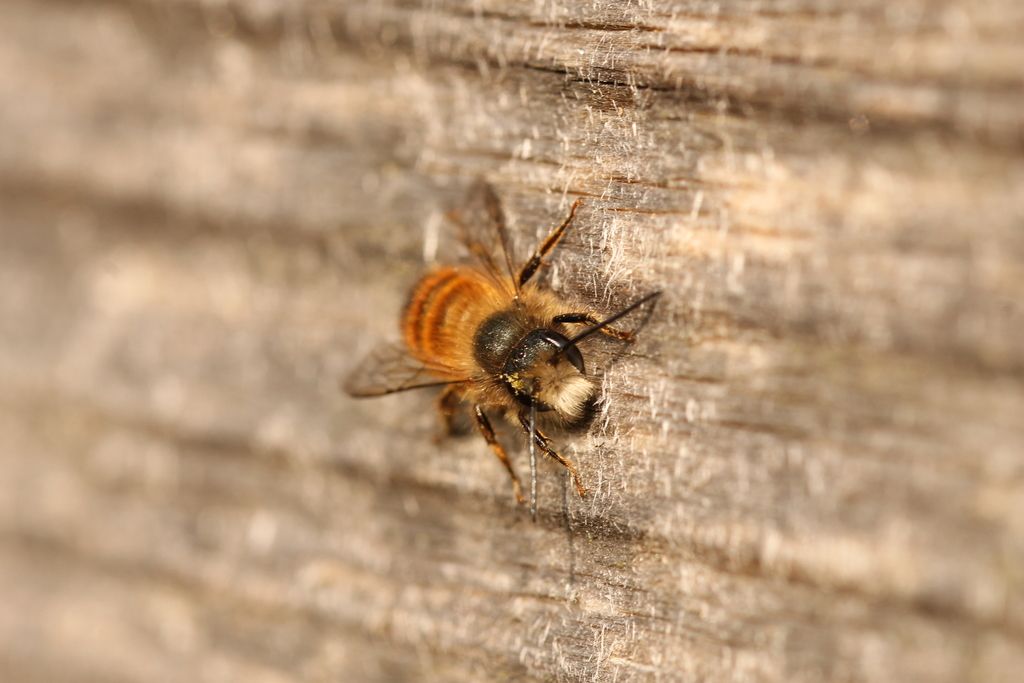
They move pollen between flowers while foraging, helping many wild plants and garden crops set seed and fruit.
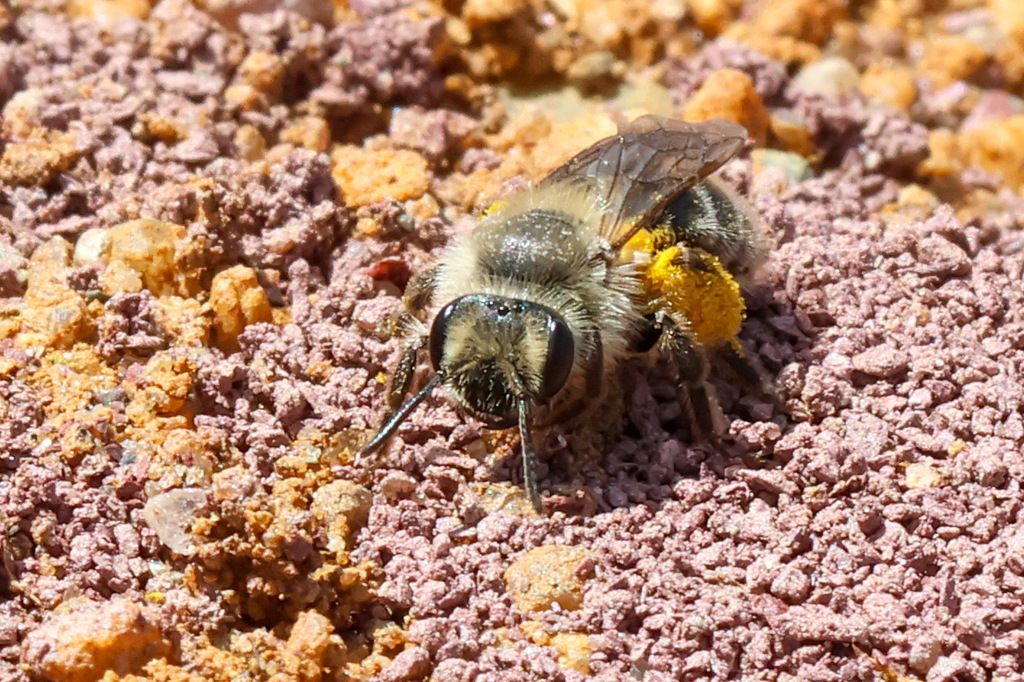
They move pollen between flowers while foraging, helping many wild plants and garden plants set seed and fruit.
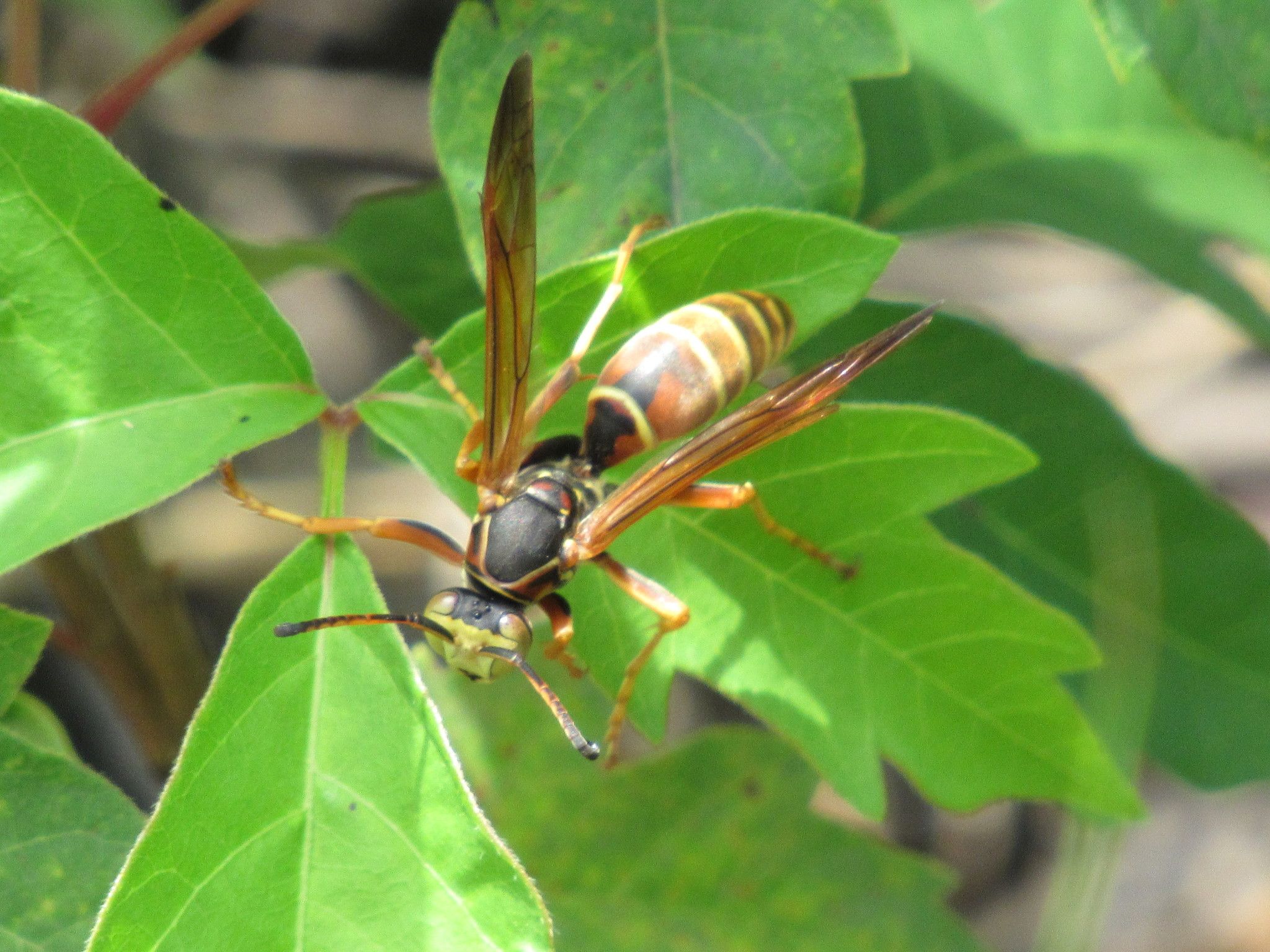
They can move pollen while drinking nectar, and they also help control many plant-eating insects.
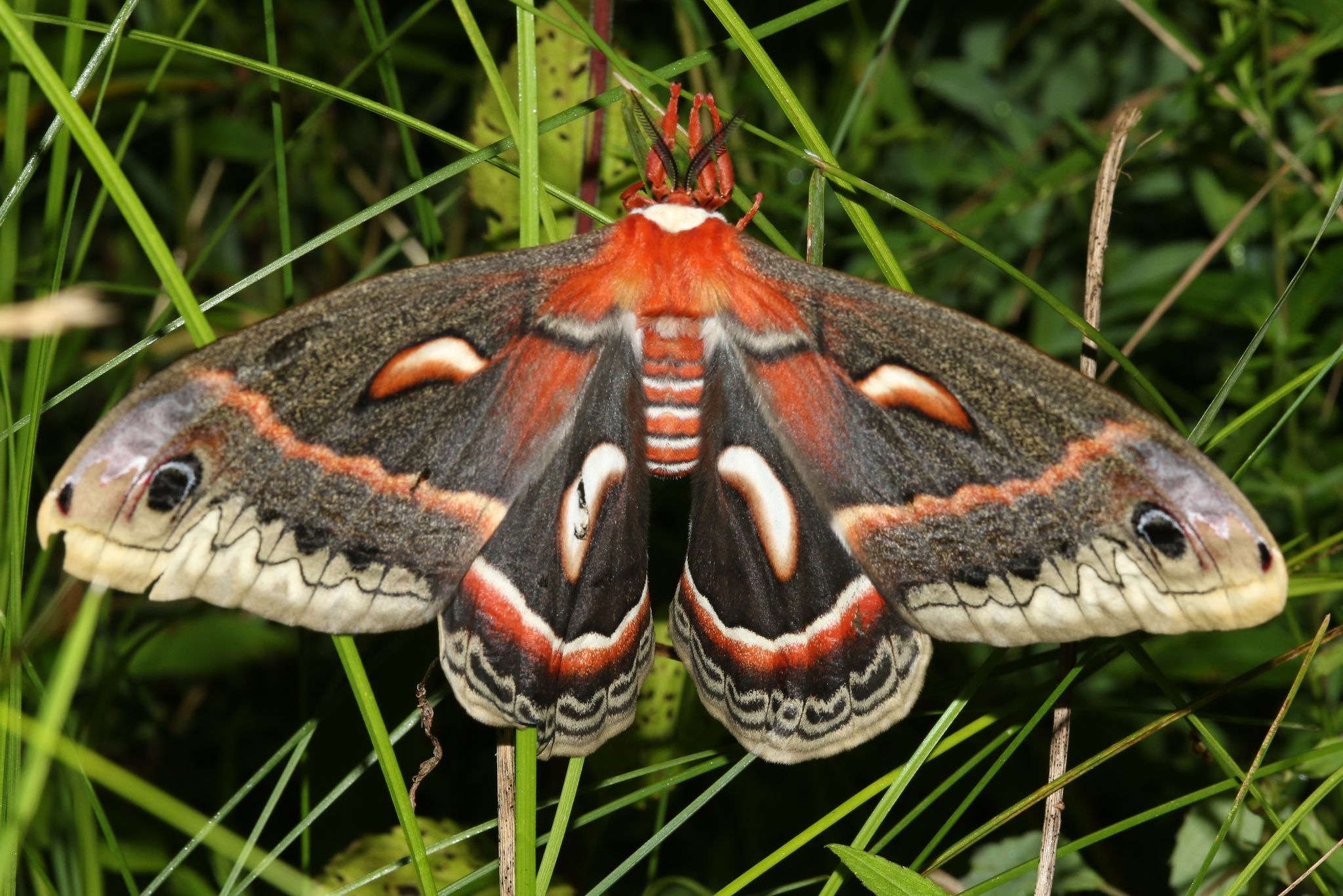
They’re part of healthy food webs and plant communities, and their caterpillars depend on a wide range of native trees and shrubs.
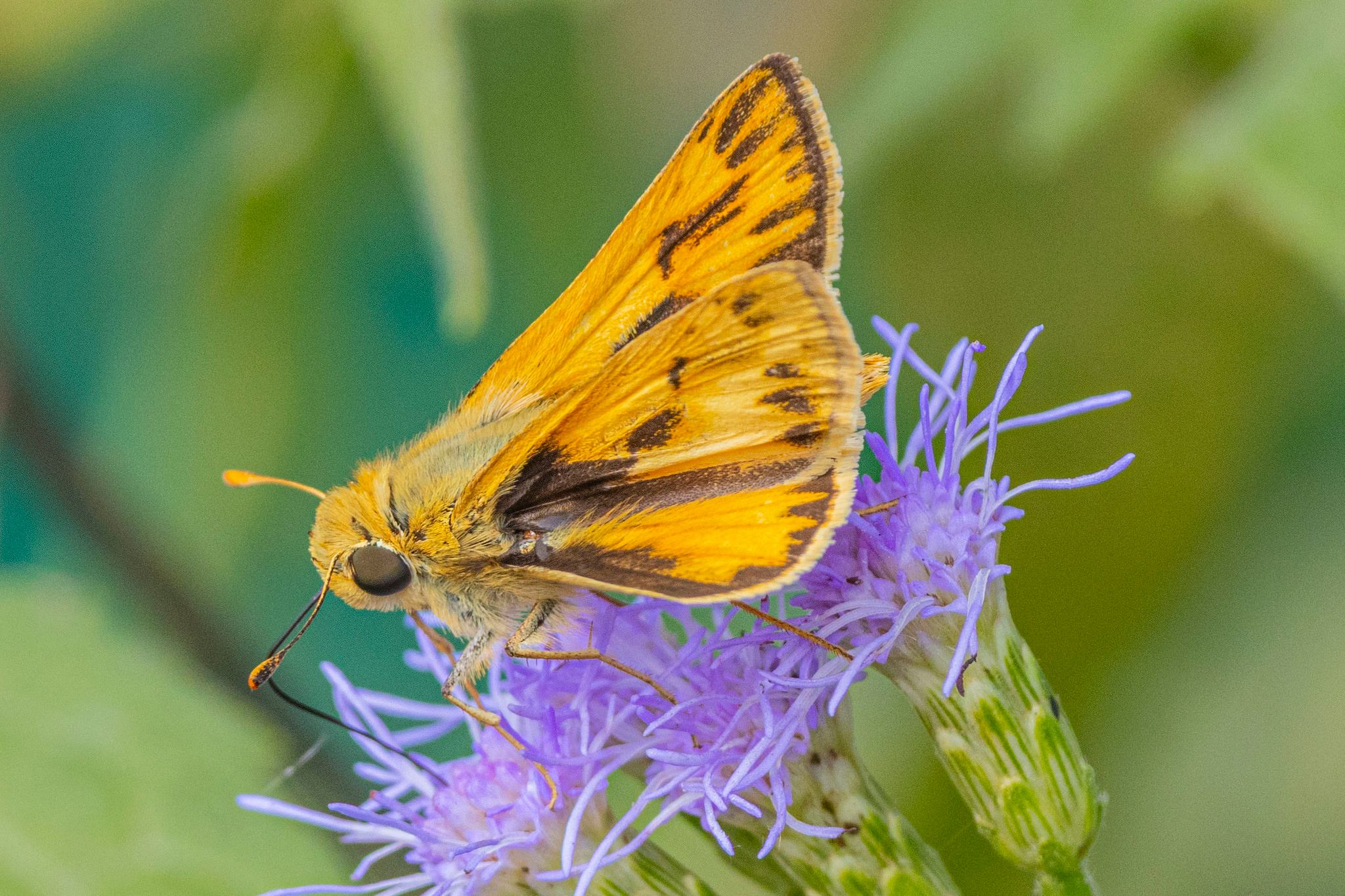
Skippers visit many flowers for nectar and can help move pollen between blooms while they feed.
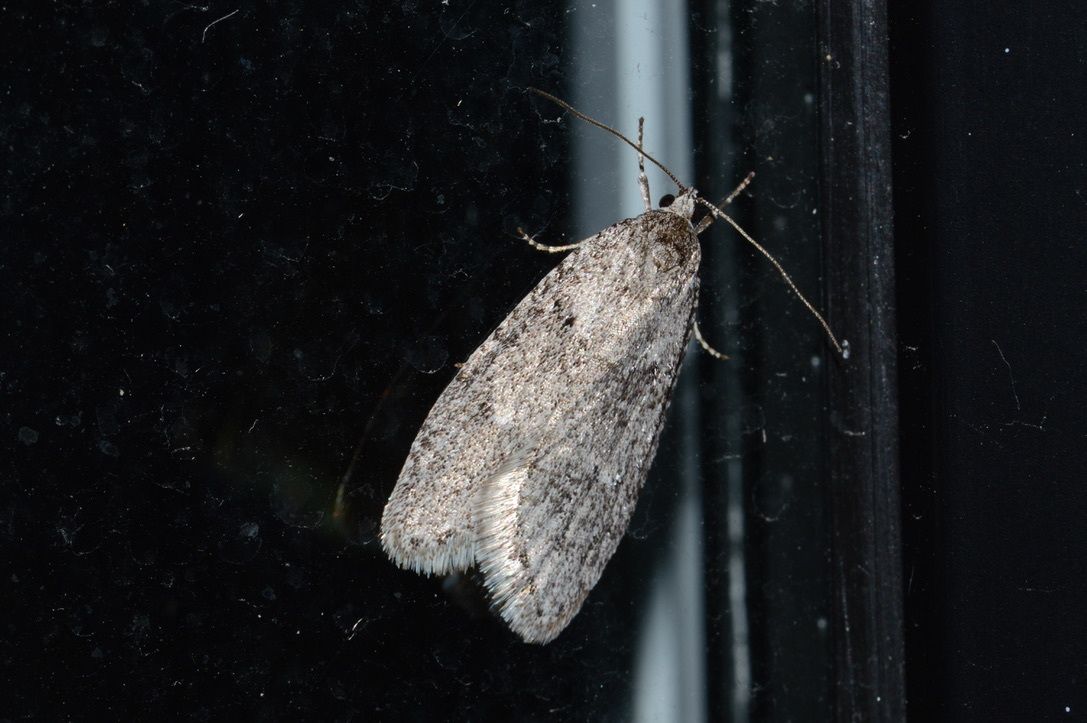
Many small moths move pollen while feeding on nectar, supporting wild plants and garden blooms—especially in the evening and at night.
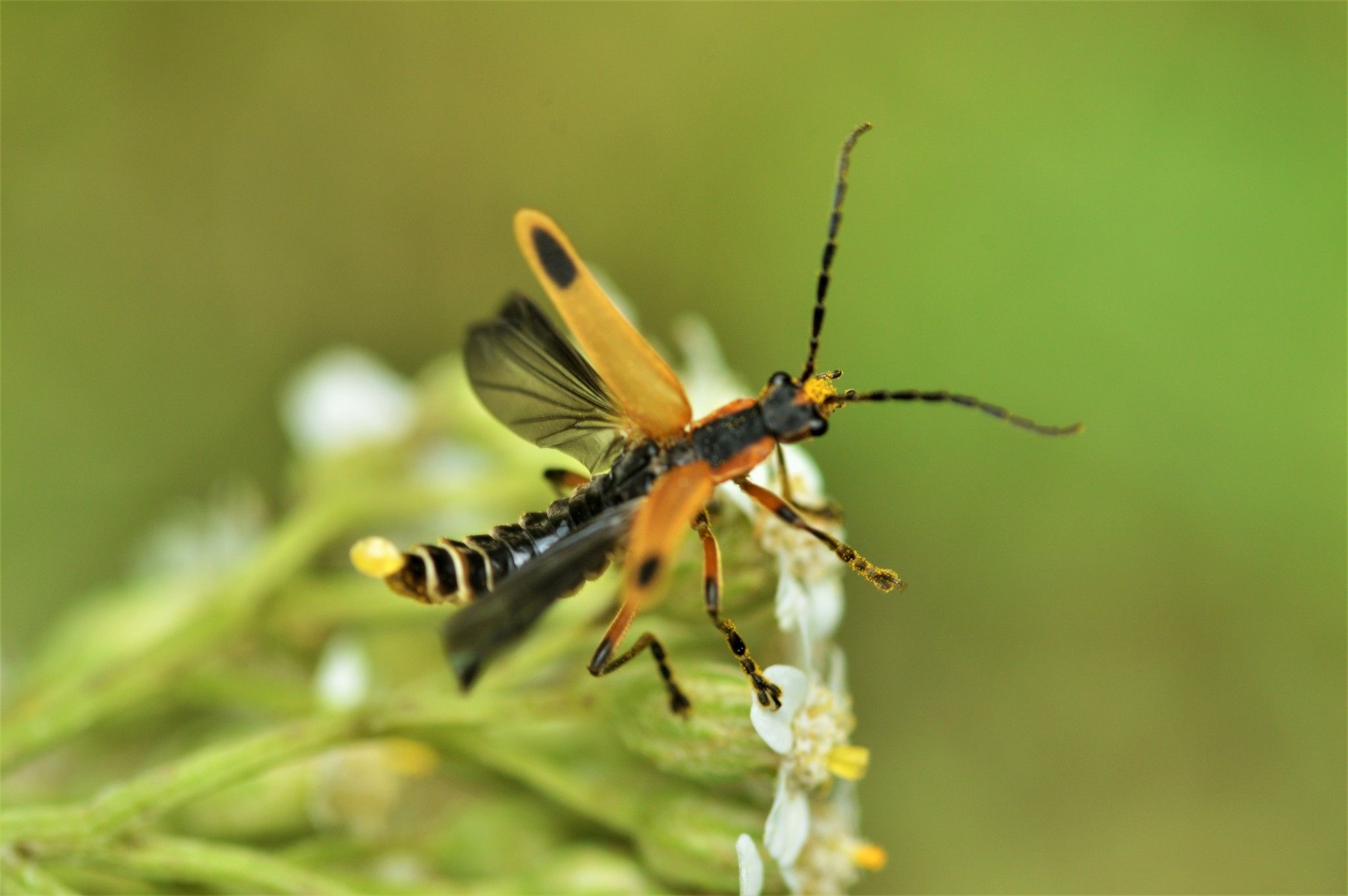
Many adults visit flowers and can move pollen between blooms, while also helping control some garden pests.
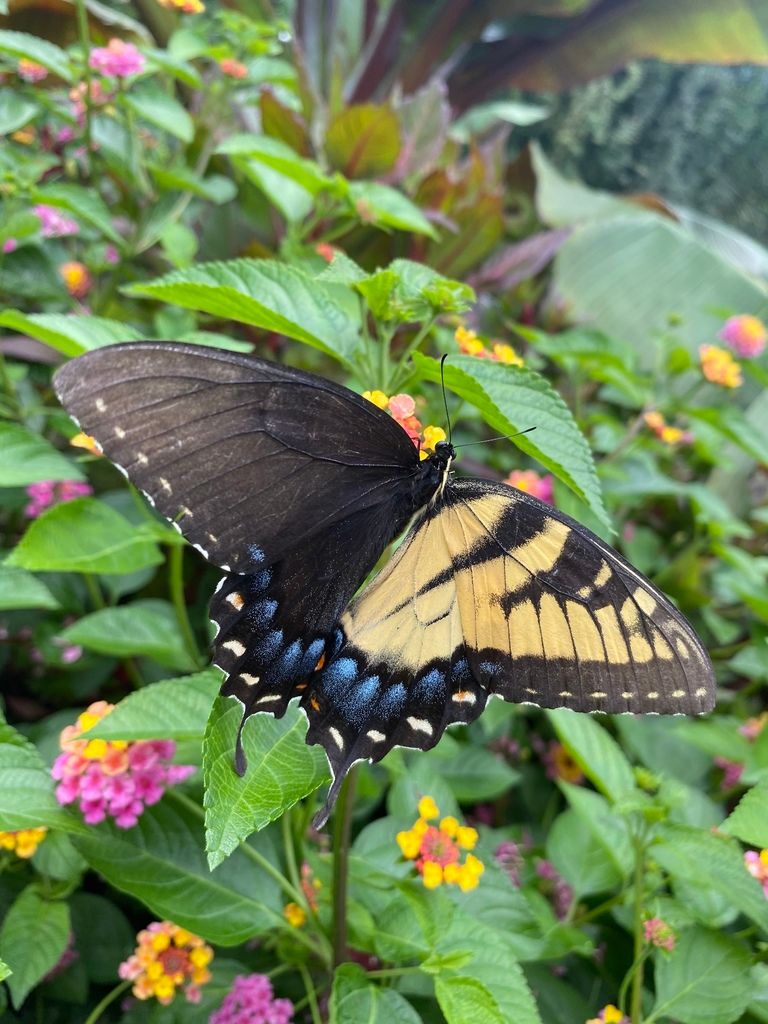
Adult swallowtails visit many flowers for nectar and can help move pollen between blooms as they feed.
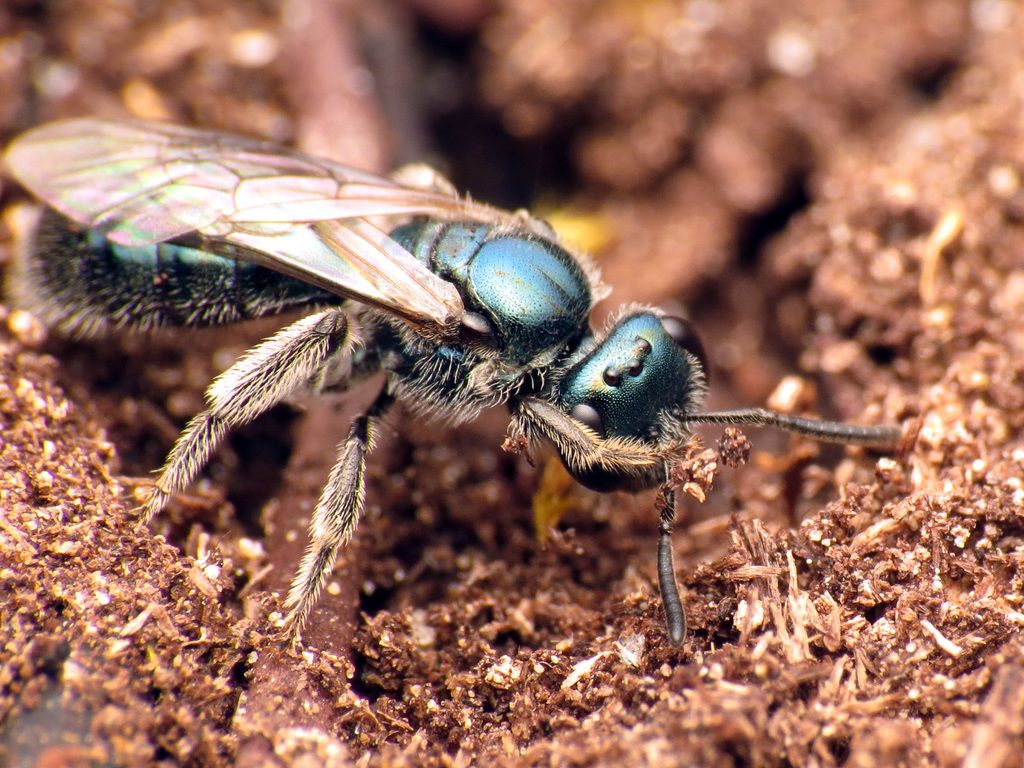
They help move pollen between flowers in gardens, parks, and natural areas, supporting seed and fruit production.
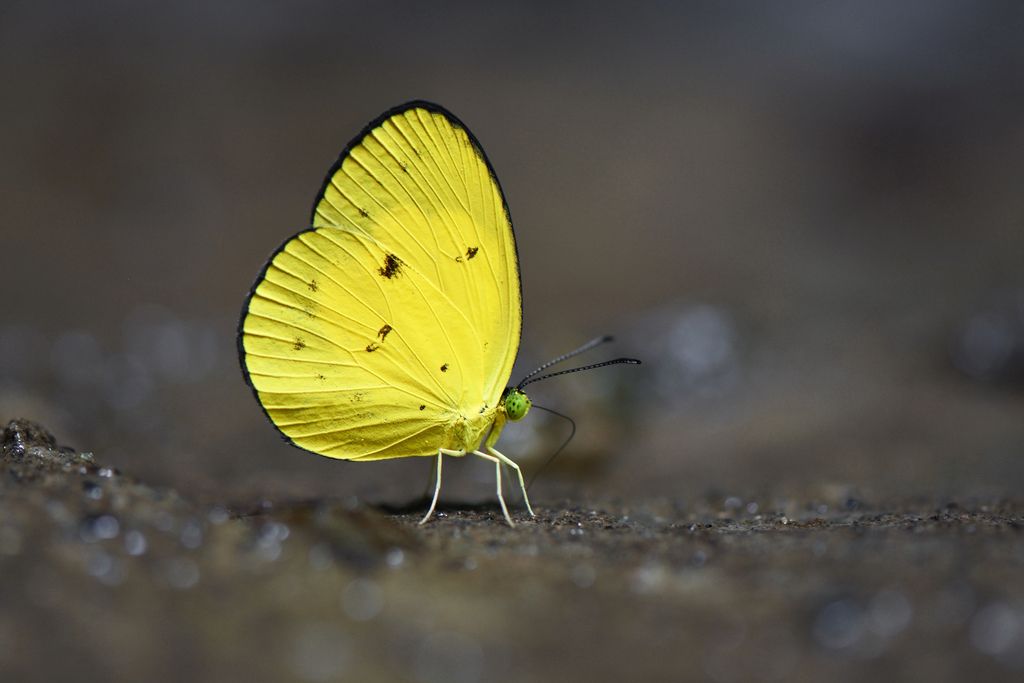
They visit a wide range of flowers for nectar and can help move pollen between blooms as they feed.
Regions
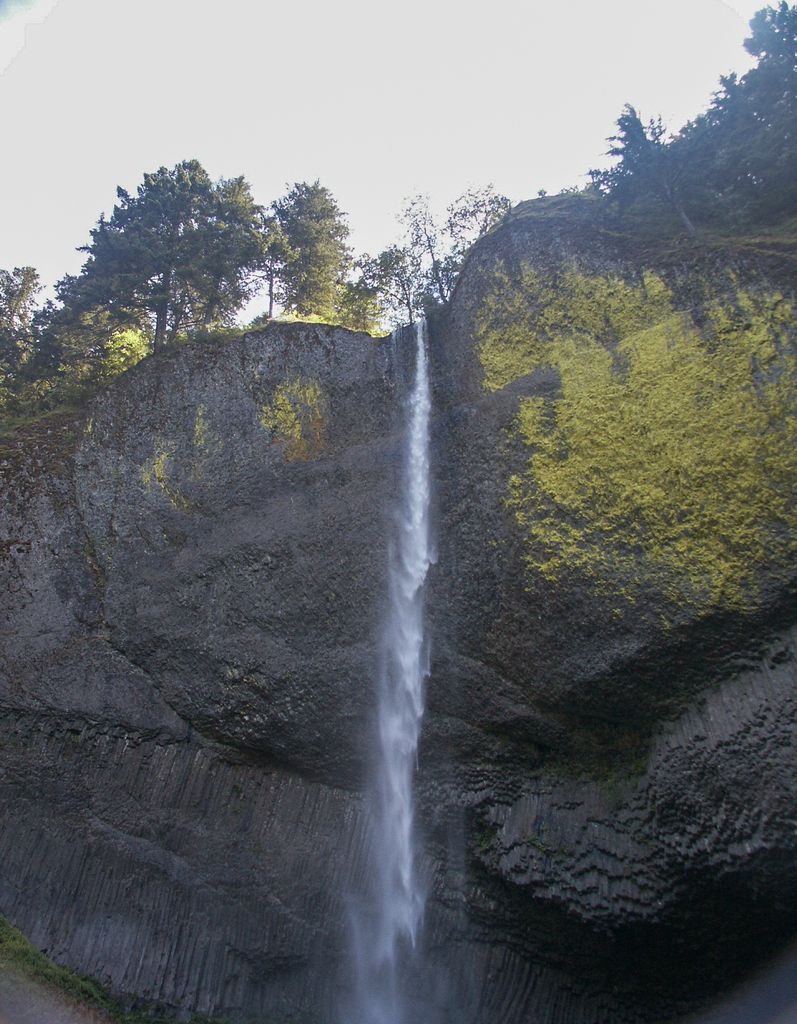
This region is a set of temperate mountain landscapes where conifer, oak, and mixed forests create layered habitat—from sunny edges and clearings to shaded understories.