Skip to content
Redbuds (*Cercis*)
Plant profile

Redbuds

Genus Cercis

Redbuds are small, spring-blooming trees in the genus Cercis, loved for their early flowers and easy, neighborhood-friendly size.

Plant Type

Trees > Redbuds

Aliases

Redbud

Native Range

Varies by species within the genus Cercis; choose a locally appropriate redbud for your area when possible.

Bloom window

Spring

OVERVIEW

About This Plant

Redbuds (genus Cercis) are small trees known for their early spring flowers and friendly scale. If you’re building a pollinator patch at home or as part of a schoolyard project, a redbud can be a simple way to add a “spring kickoff” bloom window.

To get the best results, focus on the basics: choose a spot that drains well, give the tree enough light, and water consistently while it establishes. Keep mulch off the trunk, and avoid pesticides—especially when the tree is flowering. Pair a redbud with a mix of plants that bloom after it (early summer through fall) so your garden keeps offering flowers long after the spring show is over.

Best role for pollinators
Early-season color, small-yard trees, and adding a pollinator-friendly bloom window near homes and schools.
Redbuds (Cercis)
https://www.inaturalist.org/photos/117997126 Photo: (c) Michael J. Papay, some rights reserved (CC BY) | CC-BY | iNaturalist

FAST FACTS

Quick Details

Essential stats and requirements for quick reference.

Also known asRedbud
Bloom windowSpring
Typical heightSmall tree
Pollinators supportedBees
Light & moistureDoes best with good light and soil that drains well; avoid spots that stay soggy.
Best roles for pollinatorsEarly-season color, small-yard trees, and adding a pollinator-friendly bloom window near homes and schools.

SUMMARY

If You Remember Three Things

A quick scan of what they do, what they need, and the best first step.

What they do

Redbuds add early flowers and gentle shade, helping your garden feel alive at the start of spring.
What they need

A well-chosen spot with room to grow, decent light, and soil that doesn’t stay waterlogged.

One best action

Pick a planting location with good drainage and keep mulch pulled back from the trunk.

IMPACT

Why Plant This?

Redbuds offer an early burst of flowers and a manageable tree size, making it easier to add a tree to a pollinator-friendly garden without needing a large space.
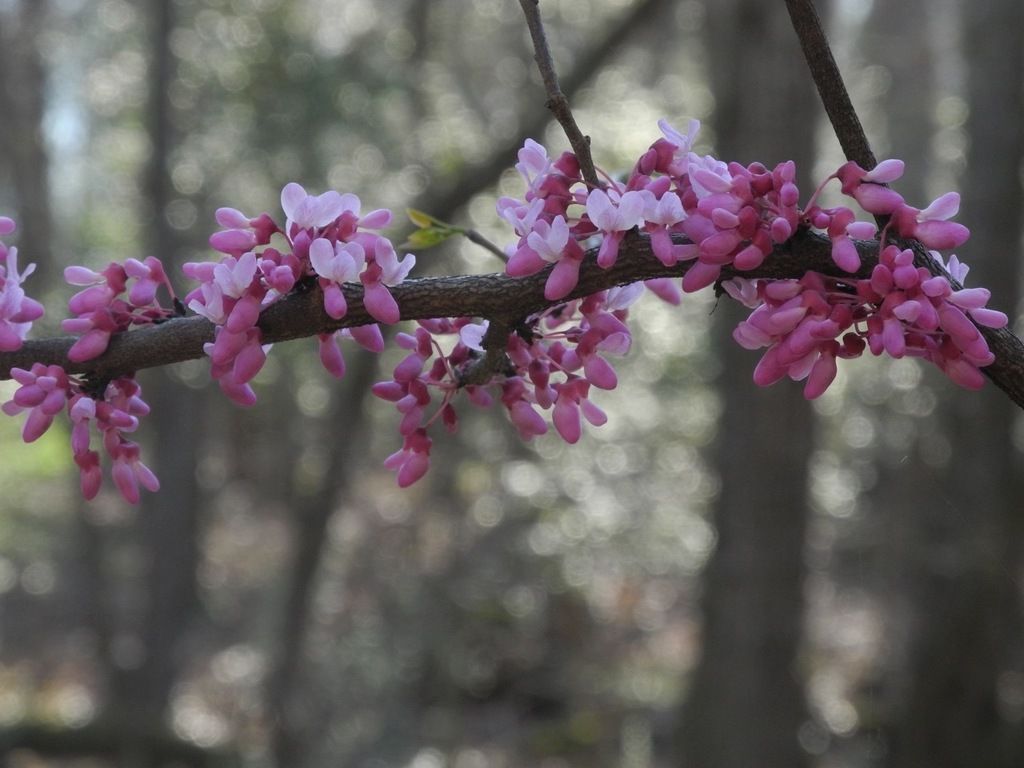
Redbud flowers can appear directly on older branches and even the trunk, making the whole tree look like it’s covered in blossoms.

Key Impacts

What it Supports

  • Early blooms can be a helpful “first stop” for foraging insects in spring.
  • A small tree can add habitat value without taking over a yard.
  • Trees create structure—shade, shelter, and a place to build a layered garden underneath.

RECOGNITION

Identification Guide

Use these quick clues to recognize redbuds through the seasons.

Leaves

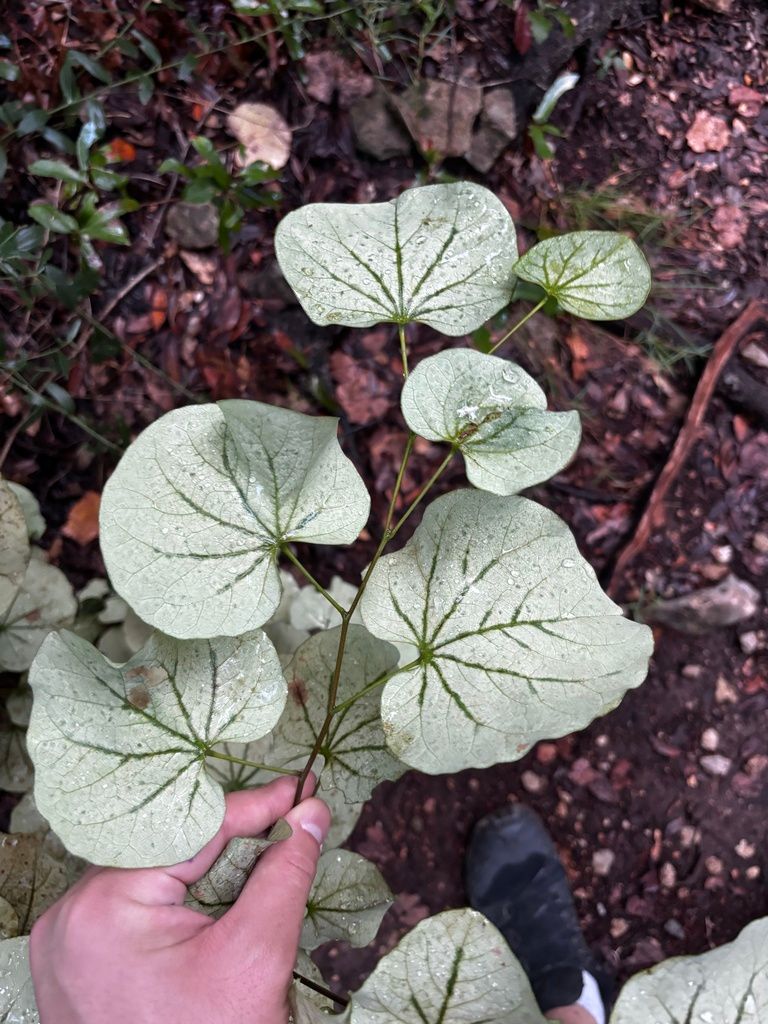
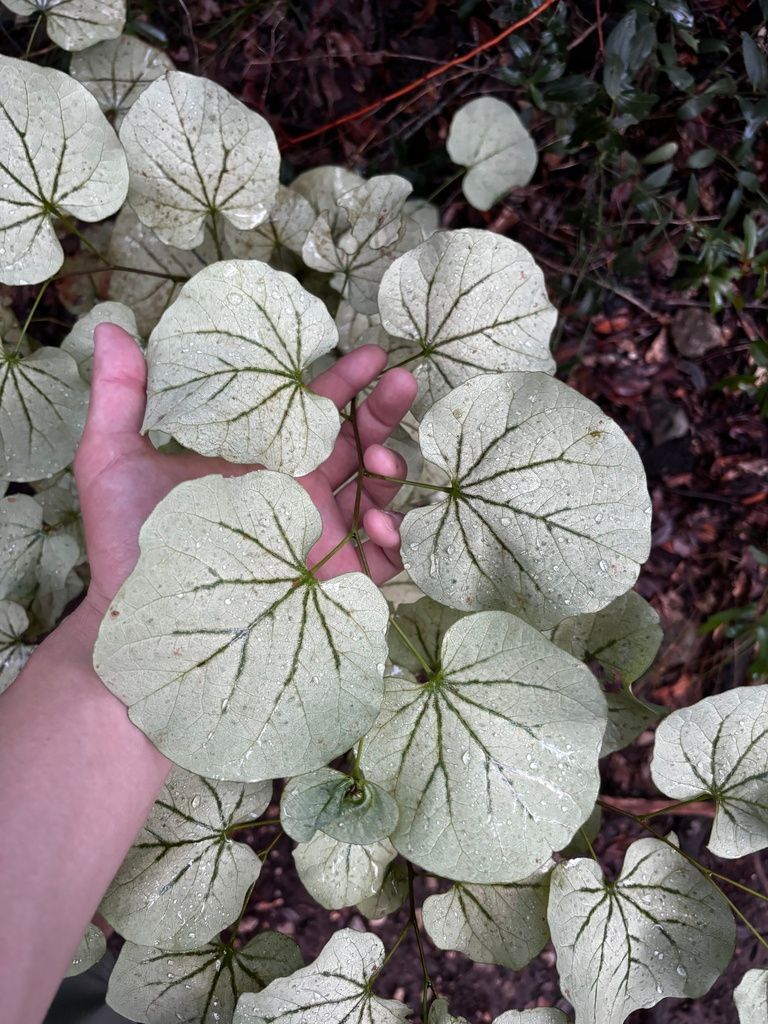
Often heart-shaped leaves that create a soft, dappled shade once fully grown in.

Flowers

Small, pea-like blossoms in clusters along branches; commonly pink to purplish.

Fruits

Flat, bean-like pods may form after flowering.
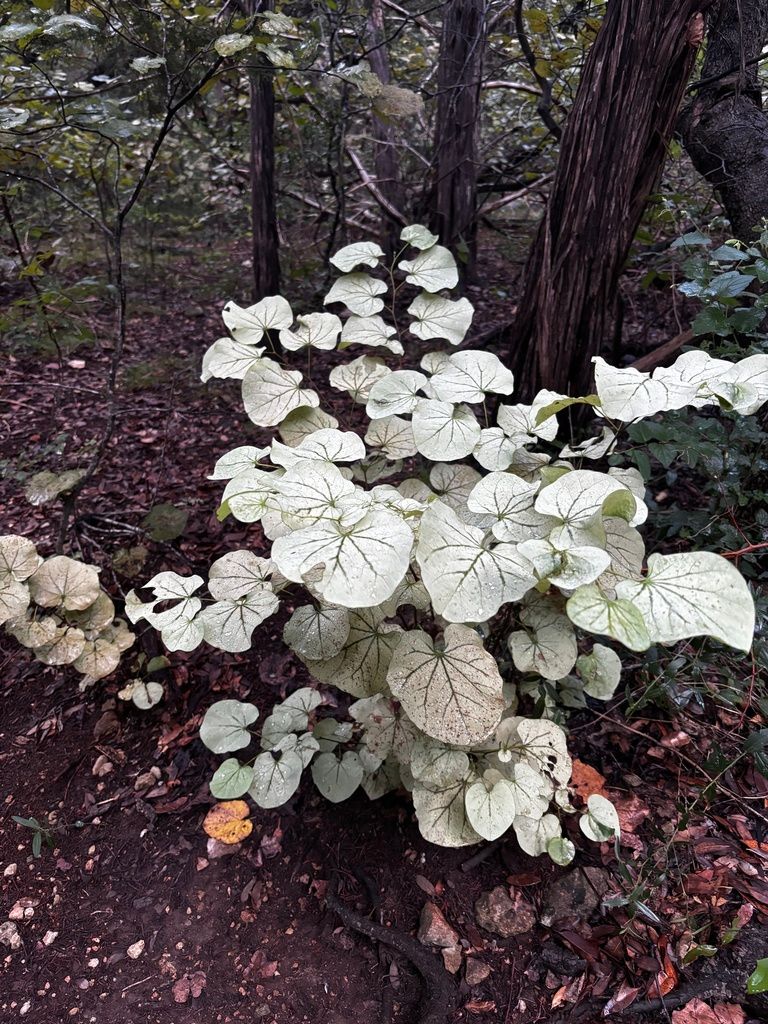
Redbuds (Cercis)
https://www.inaturalist.org/photos/427629144 Photo: (c) Hanfei Zhang, some rights reserved (CC BY-NC) | CC-BY-NC | iNaturalist
Redbuds (Cercis)
Redbuds (Cercis)

LOCATION

Where It Grows

Native environments and the best spots to place it in your landscape.

Habitats

  • Gardens and yards
  • Edges of woodlands and open areas (depending on species)

Where it is often used

  • Front-yard feature tree
  • Schoolyard habitat patch anchor
  • Light shade over a pollinator bed
  • Courtyard or small-lawn tree

SEASONALITY

When It Blooms

Notes on bloom windows and how this plant helps pollinators across the seasons.

Bloom window

Redbuds shine early, when many gardens are just waking up.

Bloom Season Role: Early-season flowers that help start the year’s bloom sequence.

Seasonal benefits

  • Adds a strong early bloom moment
  • Pairs well with spring bulbs and early perennials
  • Helps you build a longer season of flowers by starting early

REQUIREMENTS

What It Needs

The right mix of sun, soil, and space for healthy growth.

Sun exposure

Full sun to part shade. More sun usually means more flowers, while part shade can be helpful in hot, exposed spots.

Soil type

Well-drained soil is key. Many redbuds handle a range of soils as long as water doesn’t sit around the roots.

Moisture needs

Water regularly during the first growing season to help roots establish; after that, water during long dry spells.

Planting method

Plant at the same depth as the pot, loosen circling roots, and give the tree space away from walls and sidewalks.

Mulching tips

Mulch in a wide ring to hold moisture and protect roots, but keep mulch a few inches away from the trunk.

GARDENING GUIDE

How to Grow It

Simple steps to plant, prune, and maintain healthy trees without pesticides.

Planting tips

  • Choose a spot with good drainage and enough room for a small tree to spread.
  • Dig a hole wider than the root ball and about the same depth.
  • Set the tree so the base of the trunk is not buried; the top of the root ball should be level with the surrounding soil.
  • Backfill, gently firm the soil, and water deeply.
  • Add a mulch ring, keeping mulch pulled back from the trunk.

Seasonal care

  • Water during establishment and during extended dry periods.
  • Prune lightly after flowering if you need to shape the tree or remove dead or rubbing branches.
  • Refresh mulch yearly, keeping it off the trunk.
  • Avoid heavy fertilizer unless a soil test suggests it; too much can push leafy growth at the expense of flowers.

What not to do

  • Planting where water pools after rain
  • Piling mulch against the trunk (“mulch volcano”)
  • Pruning at the wrong time and losing next spring’s flowers
  • Using pesticides in or near the bloom period

Pairings

Best Pairings for Season-Long Bloom

Pairing ideas to keep pollinators fed throughout the growing season.

Early Bloom

  • Spring bulbs (like crocus or species tulips)
  • Early woodland-style perennials

Mid-Season Bloom

  • Native or well-behaved garden perennials that bloom in early summer
  • Flowering groundcovers under light shade

Late-Season Bloom

  • Late-summer and fall-blooming perennials to keep flowers going after the tree’s spring show
Different redbud species and cultivars vary in cold tolerance and size—ask for a redbud suited to Toronto-area conditions and your available space.

GLOSSARY

Key Terms

A few quick terms you might see when shopping for or caring for redbuds:

Glossary terms are being added.

What You Can Do

Make a difference for native habitats.

Turn this knowledge into action. Whether you plant a single pot or a whole garden, you are building a vital bridge for local biodiversity.

Join the movement to restore our shared habitats.

Pollinators supported

Species that benefit from this plant

Pollinator links are being added for this plant.

Regions

Where this plant is native

Regional links are being added for this plant.