
What they do
Sycamores/plane trees provide spring flowers for insects and create a large, leafy canopy that supports habitat and comfort in urban spaces.
Genus Platanus
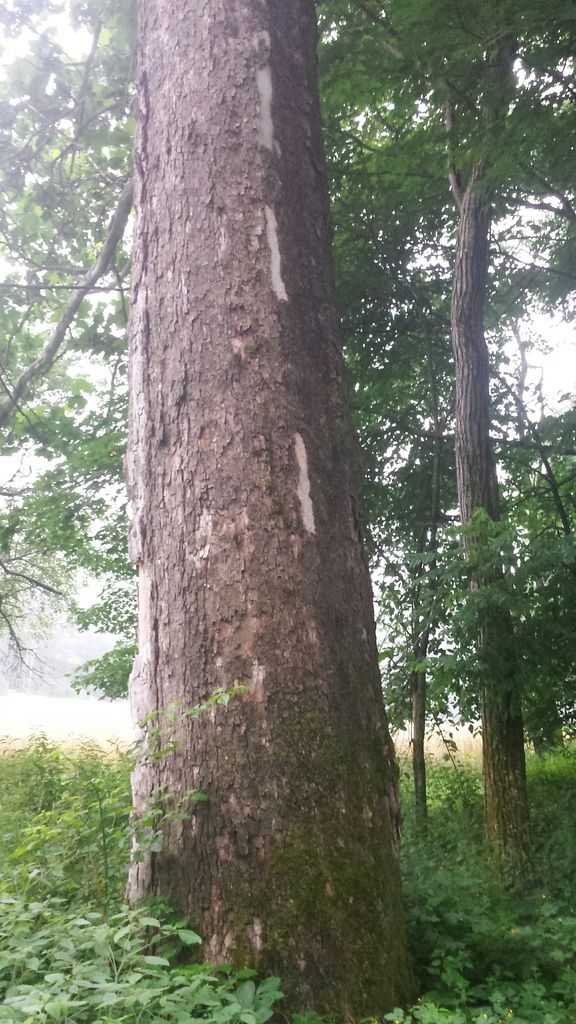
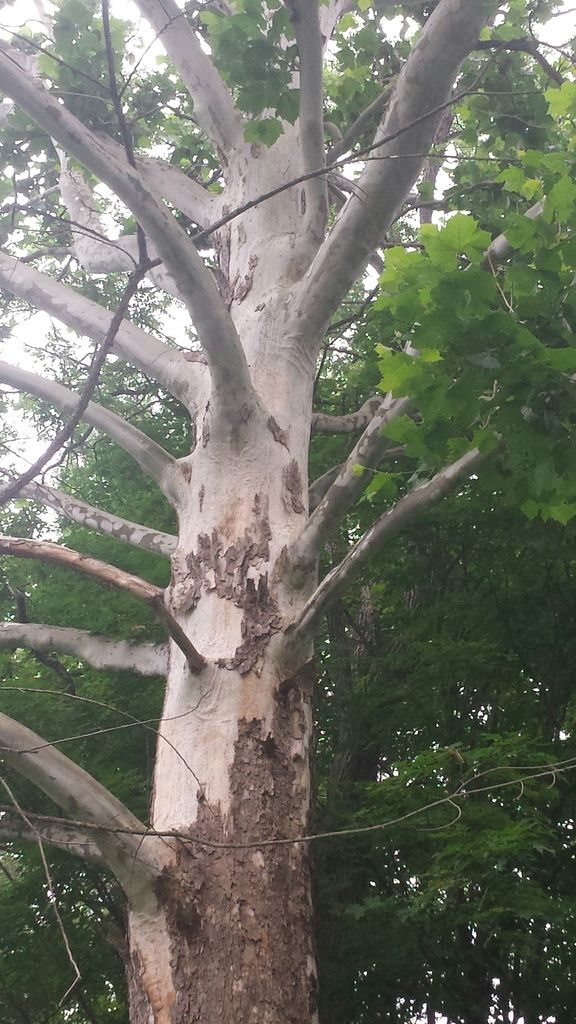
Sycamores and plane trees (genus Platanus) are big, long-lived shade trees known for their patchy, peeling bark and broad leaves. They can support pollinators in spring with clusters of small flowers and help create cooler, more comfortable habitat in parks and yards.
Plant Type
Trees > Sycamores / plane trees
Aliases
Sycamore
Native Range
Varies by species within the genus; some are native to parts of North America, and others are widely planted in cities.
Bloom window
Spring
OVERVIEW
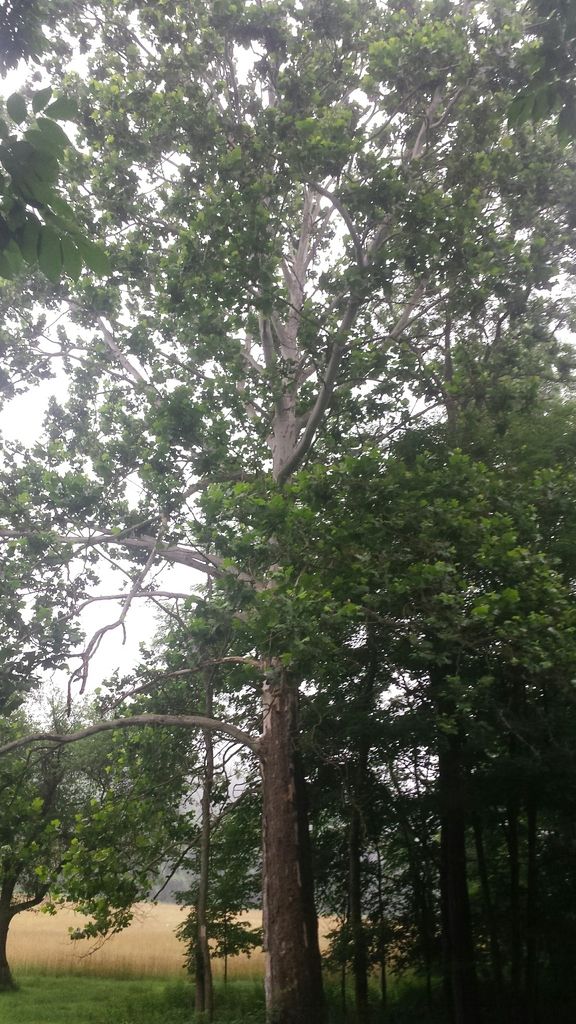
Sycamores and plane trees (Platanus) are best thought of as “foundation” trees: they won’t look like a flower bed, but they can shape an entire space for decades. If you have the room, a healthy canopy tree can make it easier to grow a mix of pollinator-friendly plants below by creating dappled shade and a more sheltered garden feel.
If you’re planting on a campus or in a yard, plan for the future. Give the tree space away from buildings and hard surfaces, protect the trunk from mower damage with a mulch ring, and focus on deep watering while it’s getting established. For pollinators, pair the tree with a simple understory plan—spring flowers, summer bloomers, and fall bloomers—so there’s something in bloom across the seasons.
FAST FACTS
Essential stats and requirements for quick reference.
| Category | Details |
|---|---|
| Also known as | Sycamore |
| Bloom window | Spring |
| Typical height | Large tree |
| Pollinators supported | Bees, Flies, Beetles |
| Light & moisture | Sun to partial shade; adaptable once established, but happiest with consistent moisture. |
| Best roles for pollinators | Large spaces that need shade, street-tree style toughness, and a long-term canopy tree. |
SUMMARY
A quick scan of what they do, what they need, and the best first step.
Sycamores/plane trees provide spring flowers for insects and create a large, leafy canopy that supports habitat and comfort in urban spaces.
Room to grow, decent soil, and steady watering while young.
Choose a planting spot with lots of space—think decades ahead, not just this year.
IMPACT
Key Impacts
RECOGNITION
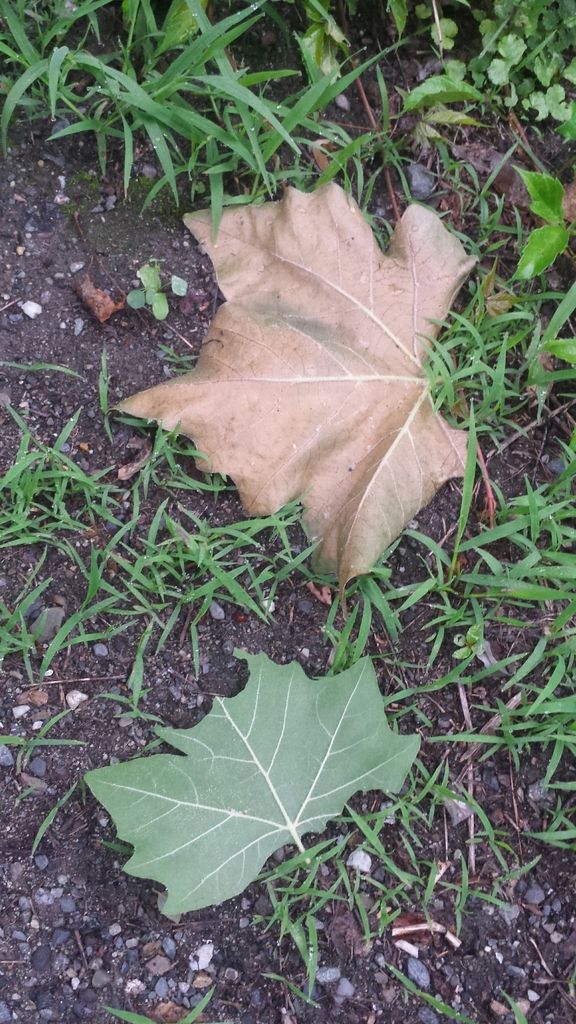
Large, broad leaves, often lobed and somewhat maple-like; typically held on long leaf stalks.
Small, dangling clusters in spring; not showy from a distance.
Round, hanging seed balls that can remain on the tree into winter.
LOCATION
Native environments and the best spots to place it in your landscape.
SEASONALITY
Notes on bloom windows and how this plant helps pollinators across the seasons.
Sycamores and plane trees bloom in spring, but the flowers are small and easy to miss from the ground.
Bloom Season Role: Early-season tree bloom (subtle flowers, big impact through canopy and habitat).
REQUIREMENTS
The right mix of sun, soil, and space for healthy growth.
Full sun is ideal; partial shade is workable.
Adaptable to many soils; best in reasonably deep, well-drained soil with organic matter.
Water regularly while establishing; after that, water during long dry stretches.
Plant where the mature canopy and roots will have plenty of room—away from buildings, narrow boulevards, and tight corners.
Mulch in a wide ring to protect roots and hold moisture; keep mulch off the trunk.
GARDENING GUIDE
Simple steps to plant, prune, and maintain healthy trees without pesticides.
Pairings
Pairing ideas to keep pollinators fed throughout the growing season.
GLOSSARY
Glossary terms are being added.
What You Can Do
Turn this knowledge into action. Whether you plant a single pot or a whole garden, you are building a vital bridge for local biodiversity.
Join the movement to restore our shared habitats.