
What they do
Native clematis vines add flowers and structure to gardens by growing upward, helping you create more habitat in the same footprint.
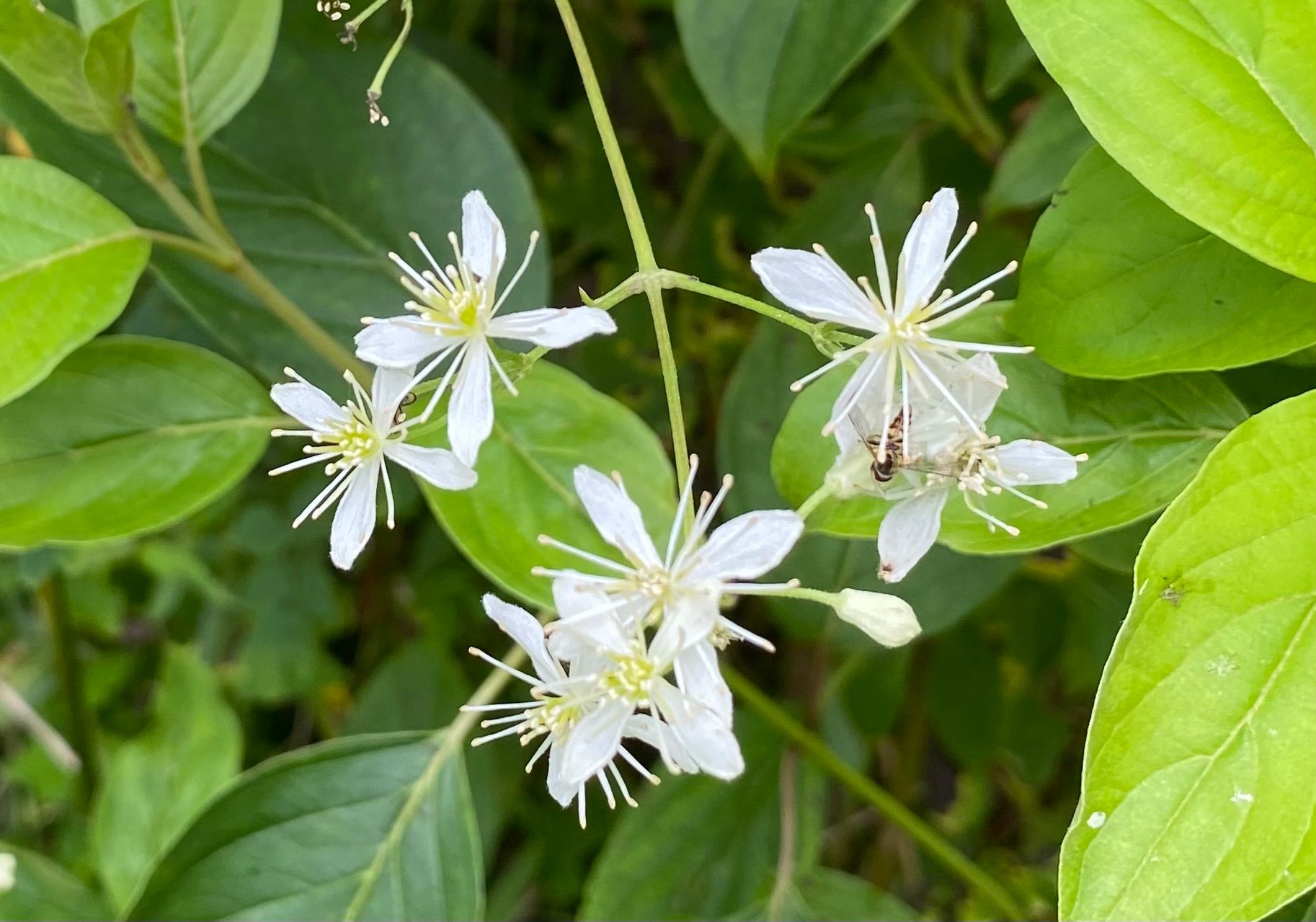
Genus Clematis (native spp.)
Native clematis vines are climbing or scrambling plants that can add vertical blooms and wildlife value to fences, trellises, and naturalized edges—especially when you choose species native to your region.
Plant Type
Vines > Clematis
Aliases
Clematis
Native Range
Native species occur in parts of Canada, including southern Ontario; choose species native to your local area.
Bloom window
Varies by native species; often late spring through summer
OVERVIEW
Native clematis vines are a simple way to add height and interest to a pollinator-friendly garden. Instead of taking up lots of bed space, they climb—turning a fence, trellis, or even a sturdy shrub into a flowering feature.
When choosing clematis for habitat, the most important step is picking a species that’s native where you live. Garden centers often sell clematis as a general category, so look for the full species name and ask whether it’s native to your region.
Once planted, give your vine a clear support and steady care in its first season. After it’s established, most of the work is occasional watering during dry spells, keeping the base weed-free, and light pruning when needed (timing depends on the species).
FAST FACTS
Essential stats and requirements for quick reference.
| Category | Details |
|---|---|
| Also known as | Clematis |
| Bloom window | Varies by native species; often late spring through summer |
| Typical height | Climbing vine; length varies by species and support |
| Pollinators supported | Bees, Butterflies |
| Light & moisture | Often best with sun to part sun and evenly moist soil; exact needs vary by species |
| Best roles for pollinators | Vertical habitat, trellises and fences, naturalized edges, and small spaces where you want flowers without a big footprint |
SUMMARY
A quick scan of what they do, what they need, and the best first step.
Native clematis vines add flowers and structure to gardens by growing upward, helping you create more habitat in the same footprint.
A place to climb (or a shrub to weave through), steady moisture while establishing, and a species choice that matches your site.
Choose a clematis species that is native to your area and plant it where it can climb safely on a trellis or fence.
IMPACT
Key Impacts
RECOGNITION
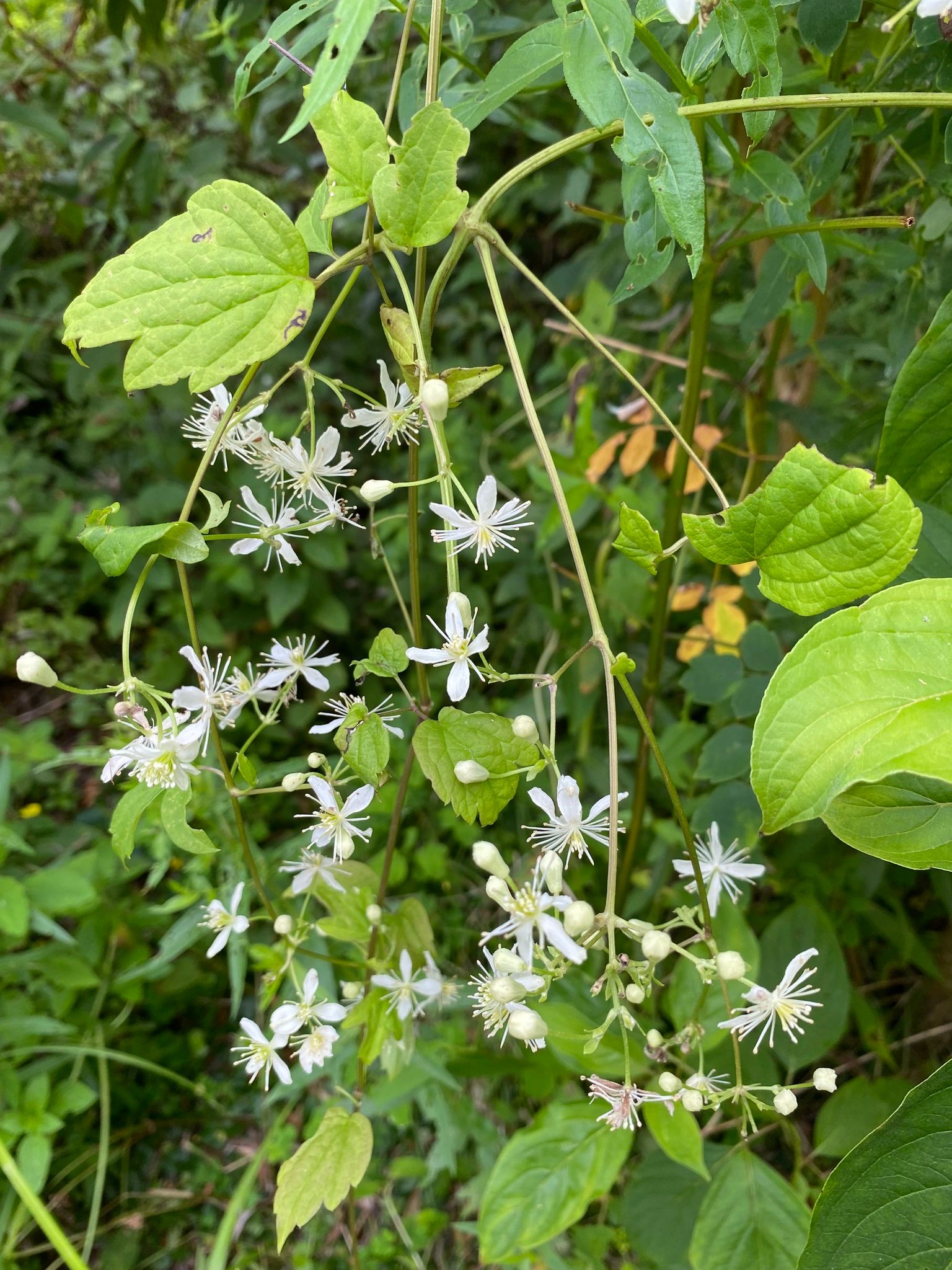
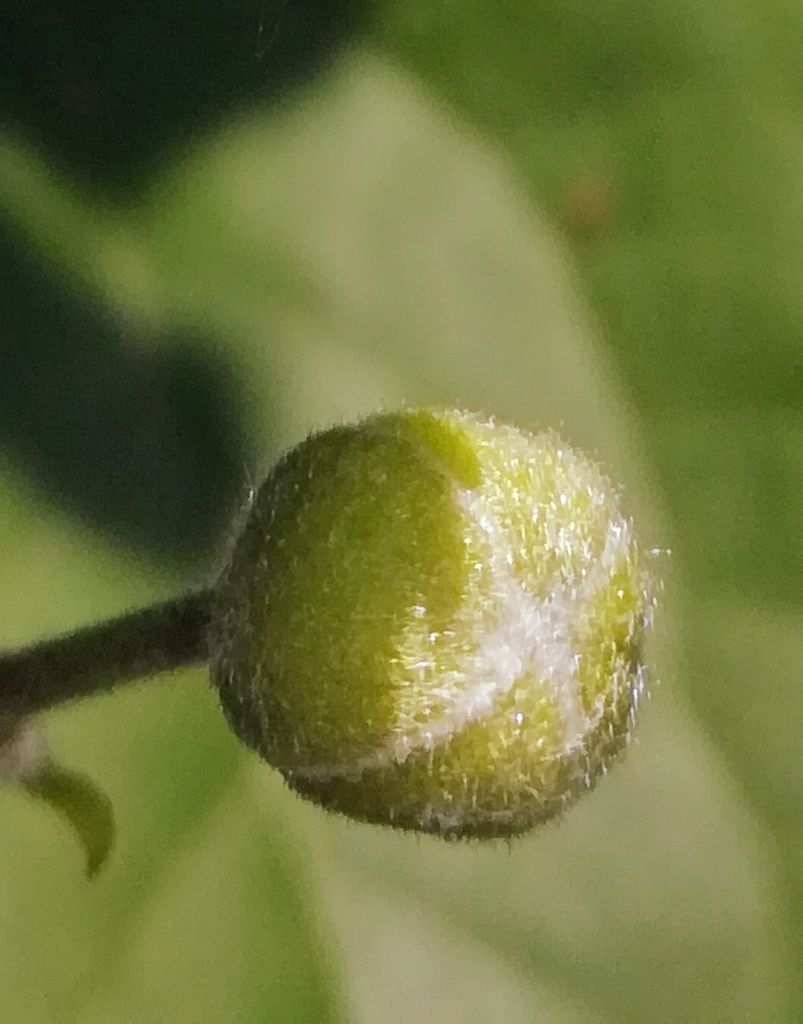
Leaves vary by species; often arranged along slender stems and adapted for climbing or scrambling.
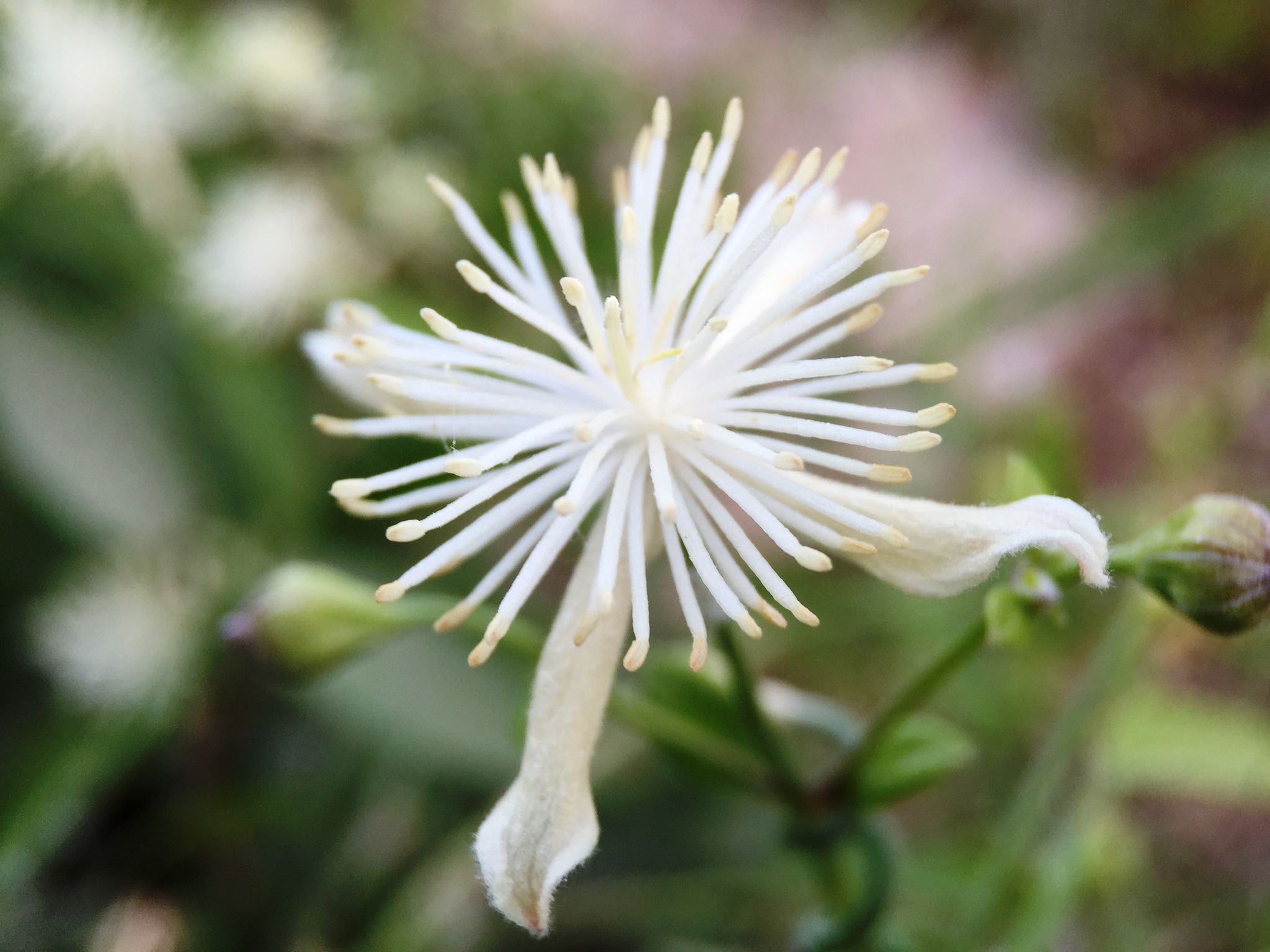
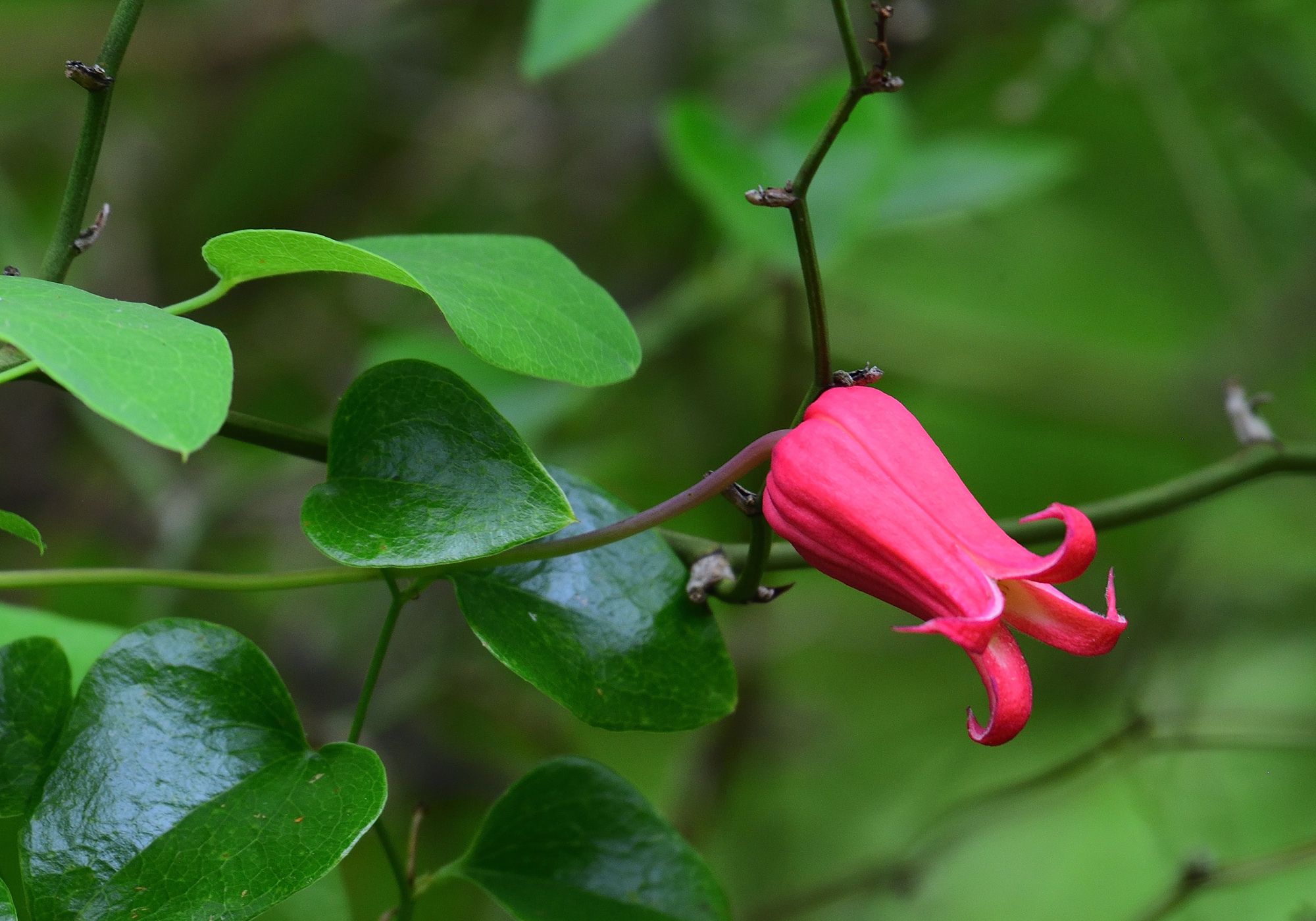
Showy, open flowers that are often star-like; color and size vary by species.
Seed heads may develop into fluffy or feathery-looking clusters as they mature (species-dependent).
LOCATION
Native environments and the best spots to place it in your landscape.
SEASONALITY
Notes on bloom windows and how this plant helps pollinators across the seasons.
Bloom timing depends on which native clematis species you choose and local conditions.
Bloom Season Role: Adds blooms in vertical space and along edges
REQUIREMENTS
The right mix of sun, soil, and space for healthy growth.
Many native clematis do well in sun to part shade; match the species to your site.
Well-drained soil with organic matter is a good starting point; avoid compacted ground.
Water regularly during the first season; after that, water during long dry spells.
Plant near a trellis, fence, or sturdy shrub so the vine can climb without being forced.
Mulch to keep soil moisture steady and reduce weeds, keeping mulch a little away from the stem.
GARDENING GUIDE
Simple steps to plant, prune, and maintain healthy trees without pesticides.
Pairings
Pairing ideas to keep pollinators fed throughout the growing season.
GLOSSARY
Glossary terms are being added.
What You Can Do
Turn this knowledge into action. Whether you plant a single pot or a whole garden, you are building a vital bridge for local biodiversity.
Join the movement to restore our shared habitats.