
What they do
Native honeysuckles add nectar-rich flowers and vertical cover, helping turn fences and trellises into habitat.
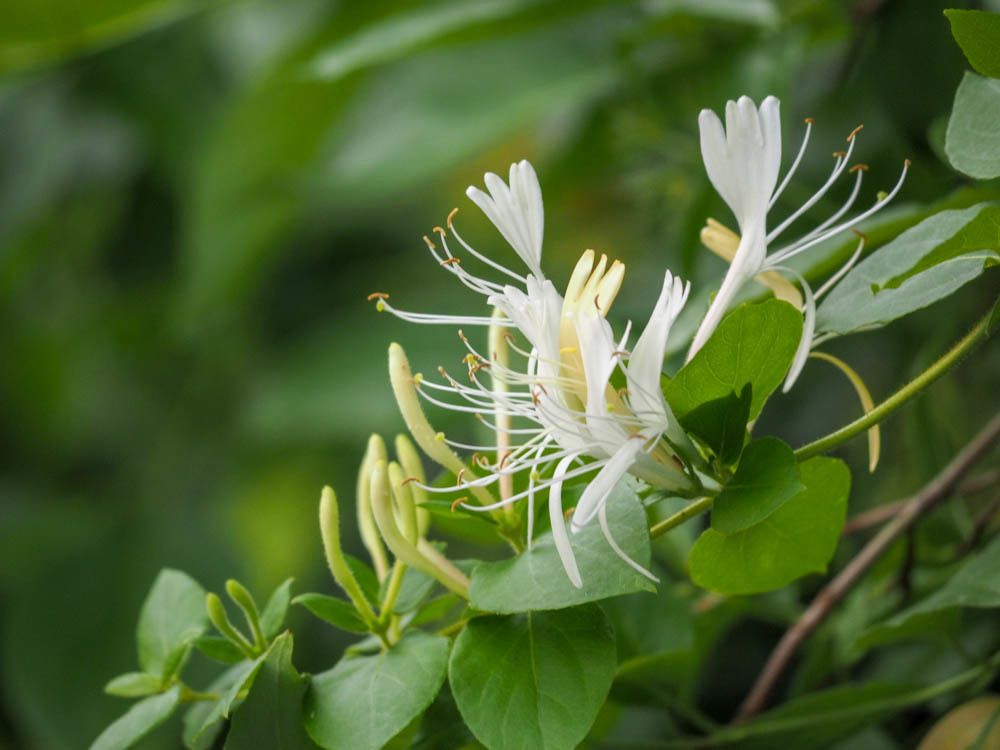
Genus Lonicera (native spp.)
Native honeysuckles are twining or trailing vines in the genus Lonicera (native species) that offer nectar-rich blooms and cover for wildlife—great for fences, trellises, and naturalized edges.
Plant Type
Vines > Native honeysuckles
Aliases
Honeysuckle (native)
Native Range
Native species occur across parts of North America; choose species native to your region
Bloom window
Varies by species; often late spring through summer
OVERVIEW
Native honeysuckles (native species of Lonicera) are a flexible choice when you want flowers and habitat without using much ground space. Because “honeysuckle” is a common name used for many different plants, the most important step is choosing a native species for your region.
If you have a fence, trellis, or arbor, a honeysuckle vine can quickly add greenery and blooms at eye level. In smaller yards, that vertical growth can make a big difference—especially when paired with a few other flowering plants at the base.
To keep things simple: give it support, guide the stems early, and prune to prevent tangles. With those basics, native honeysuckles can be an easy, practical way to add pollinator-friendly flowers to a home garden or schoolyard planting.
FAST FACTS
Essential stats and requirements for quick reference.
| Category | Details |
|---|---|
| Also known as | Honeysuckle (native) |
| Bloom window | Varies by species; often late spring through summer |
| Typical height | Varies widely by species and support; can climb several feet or more |
| Pollinators supported | Bees, Butterflies, Hummingbirds |
| Light & moisture | Often best in sun to part shade with evenly moist soil (species vary) |
| Best roles for pollinators | Trellises, fences, arbors, and adding pollinator-friendly blooms in small spaces |
SUMMARY
A quick scan of what they do, what they need, and the best first step.
Native honeysuckles add nectar-rich flowers and vertical cover, helping turn fences and trellises into habitat.
A sturdy support, room to climb, and simple pruning to keep growth where you want it.
Pick a native Lonicera species and train it early onto a trellis or fence.
IMPACT
Key Impacts
RECOGNITION
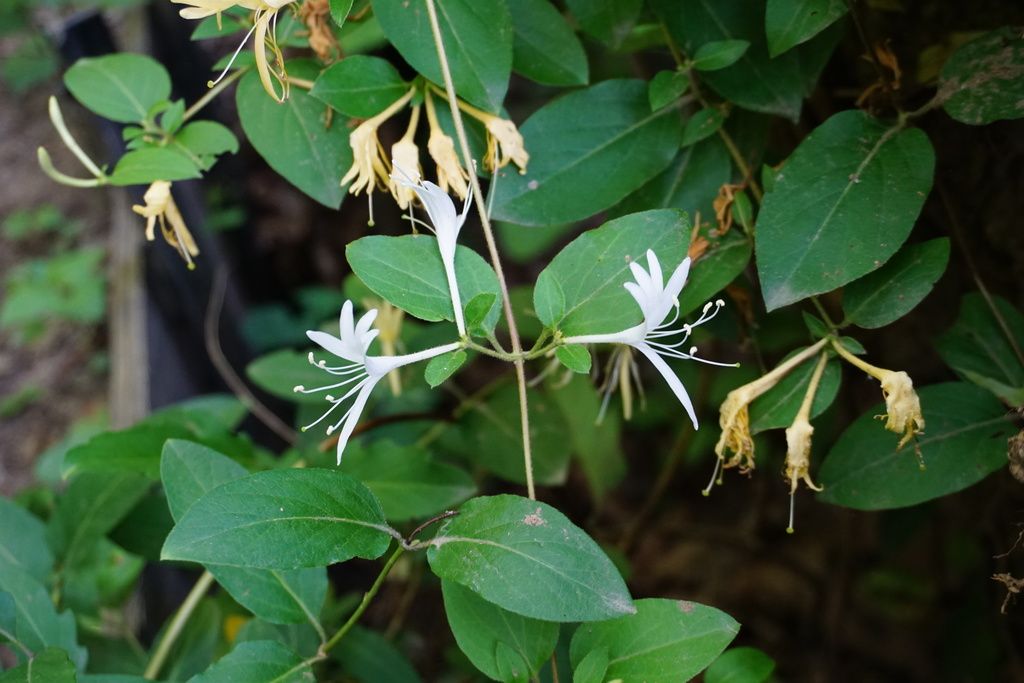
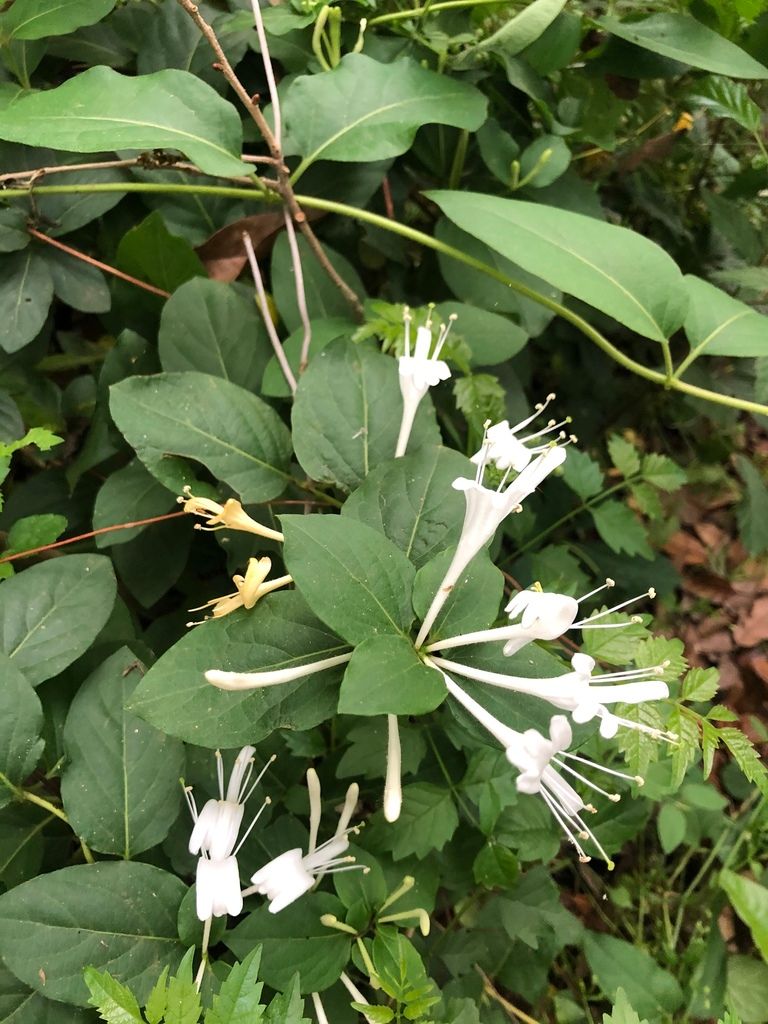
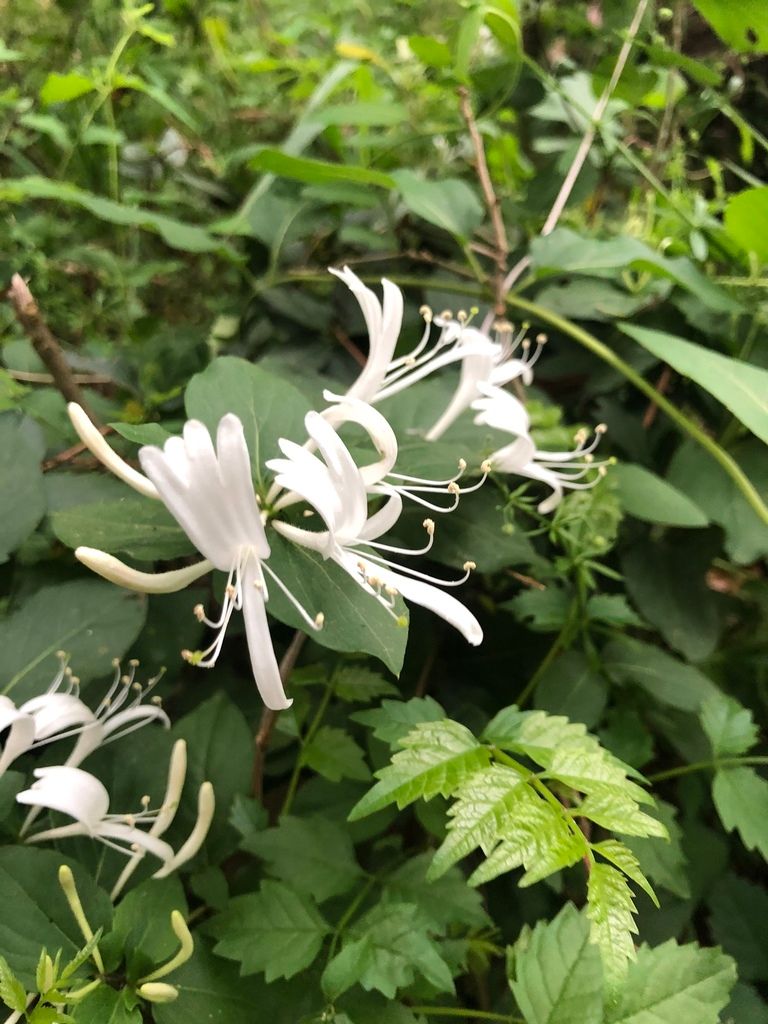
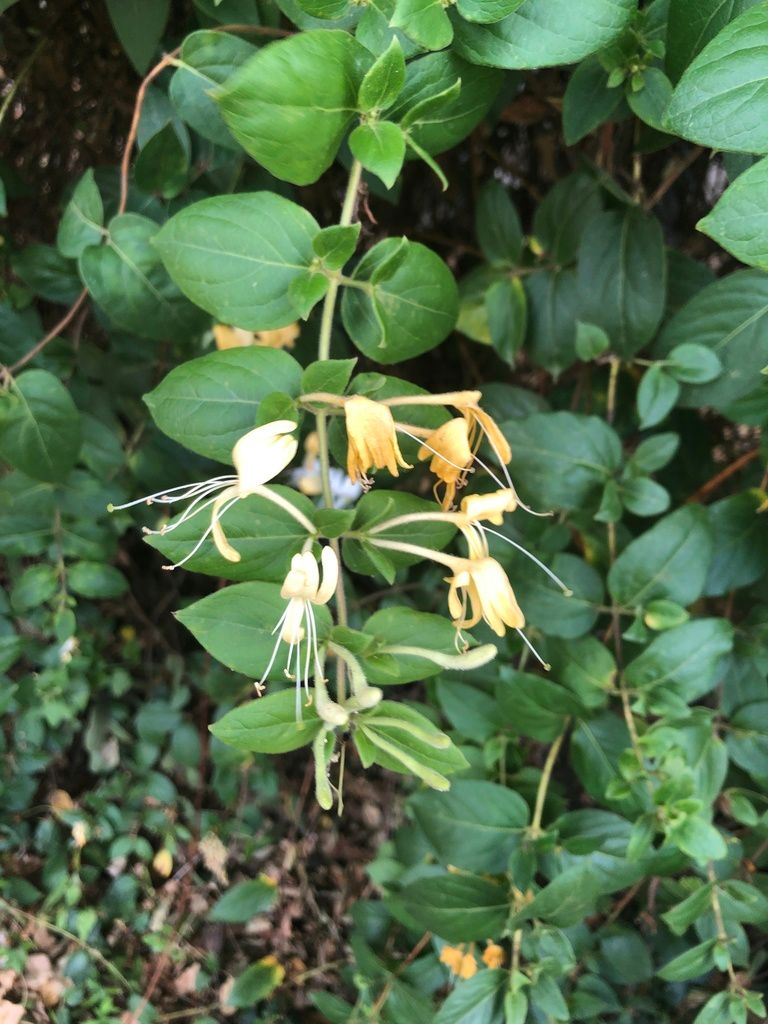
Leaves are typically opposite (paired) along the stem; shape and size vary by species.
Often tubular and showy, commonly appearing in pairs or clusters; color and scent vary by species.
Berries may follow flowers; appearance varies by species—avoid eating unless you are certain of the species.
LOCATION
Native environments and the best spots to place it in your landscape.
SEASONALITY
Notes on bloom windows and how this plant helps pollinators across the seasons.
Bloom timing depends on the native species you choose, but many offer flowers from late spring into summer.
Bloom Season Role: Climbing blooms that add nectar and color through the growing season
REQUIREMENTS
The right mix of sun, soil, and space for healthy growth.
Most native honeysuckles do well in sun to part shade; more sun often means more flowers.
Adaptable in many garden soils that drain reasonably well; avoid constantly soggy spots unless the species prefers it.
Water regularly during the first season; after that, water during long dry spells.
Plant near a sturdy support (trellis, fence, arbor). Give space for airflow and for the vine to be trained where you want it.
Mulch around the base to help hold moisture and reduce weeds, keeping mulch a little away from the stem.
GARDENING GUIDE
Simple steps to plant, prune, and maintain healthy trees without pesticides.
Pairings
Pairing ideas to keep pollinators fed throughout the growing season.
GLOSSARY
Glossary terms are being added.
What You Can Do
Turn this knowledge into action. Whether you plant a single pot or a whole garden, you are building a vital bridge for local biodiversity.
Join the movement to restore our shared habitats.