

What they do
Passionflowers bring dramatic blooms and vertical greenery that can help make small spaces feel more alive and layered.
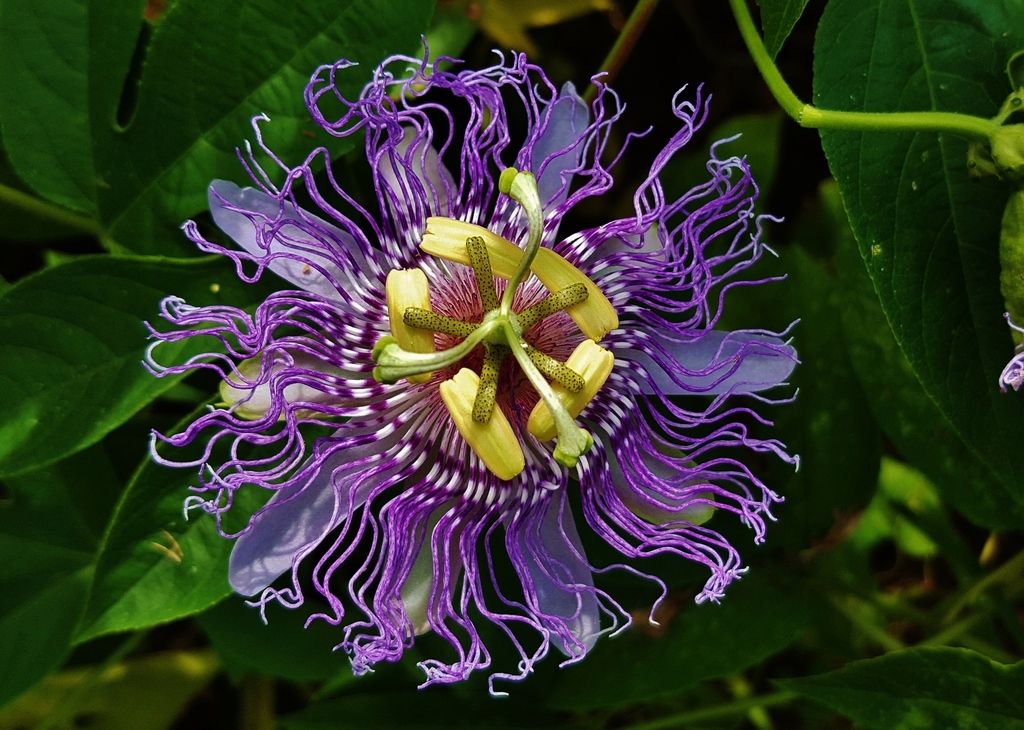
Genus Passiflora
Passionflowers (genus Passiflora) are climbing vines known for their intricate, otherworldly blooms and their ability to add vertical color to fences, trellises, and sunny walls.
Plant Type
Vines > Passionflowers
Aliases
Passionflower
Native Range
Varies by species within the genus; many are native to the Americas
Bloom window
Varies by species and growing conditions
OVERVIEW
Passionflowers (genus Passiflora) are climbing vines that can make a big impact in a small space—especially when you let them grow upward. Their flowers are famously detailed, and the vines can quickly turn a plain fence or trellis into a living feature.
If you’re growing passionflowers in a container, remember that pots dry out faster than garden beds. A consistent watering routine and a sturdy support are often the difference between a stressed vine and a thriving one.
For pollinator-friendly gardening, the simplest rule is also the most helpful: keep flowers pesticide-free. If pests show up, try gentle, practical steps first—like rinsing with water, removing pests by hand, and making sure the plant has the light and water it needs.
FAST FACTS
Essential stats and requirements for quick reference.
| Category | Details |
|---|---|
| Also known as | Passionflower |
| Bloom window | Varies by species and growing conditions |
| Typical height | Climbing vine; length depends on species and support |
| Pollinators supported | Bees, Butterflies |
| Light & moisture | Generally best with bright light and evenly moist (not soggy) soil |
| Best roles for pollinators | Adding vertical interest, covering a trellis or fence, and creating a pollinator-friendly planting area in warm, bright spots. |
SUMMARY
A quick scan of what they do, what they need, and the best first step.
Passionflowers bring dramatic blooms and vertical greenery that can help make small spaces feel more alive and layered.
A sturdy support, bright light, and consistent care—especially regular watering while they’re growing.
Set up a trellis or fence support before planting, then gently guide new shoots as they grow.
IMPACT
Key Impacts
RECOGNITION
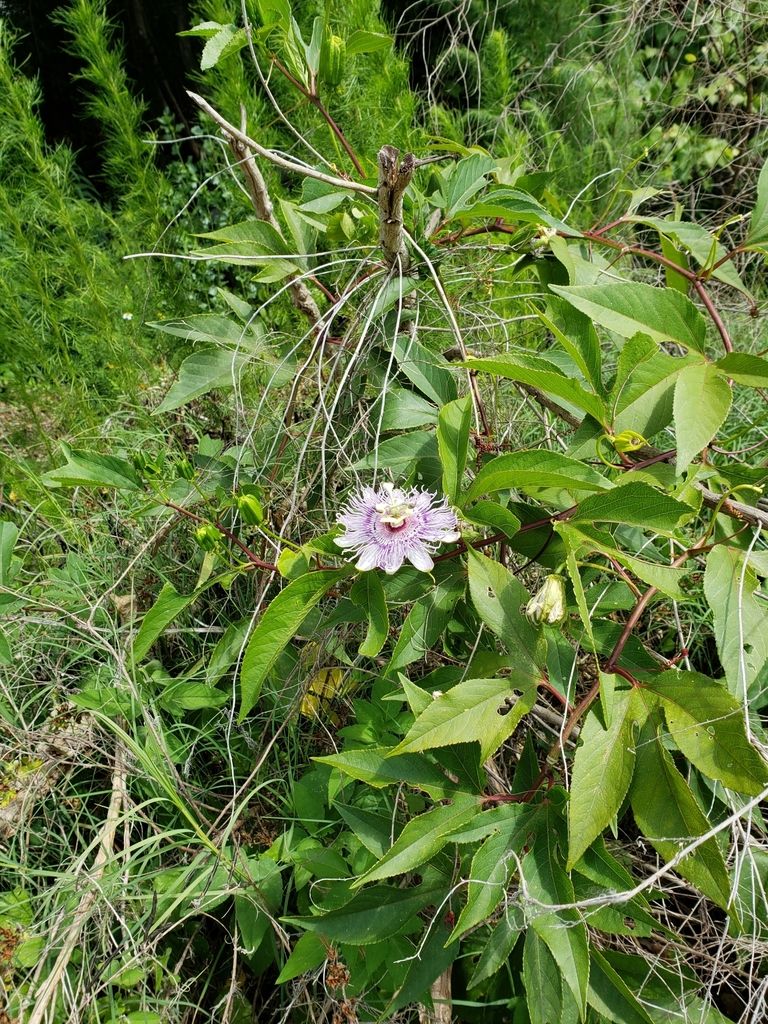
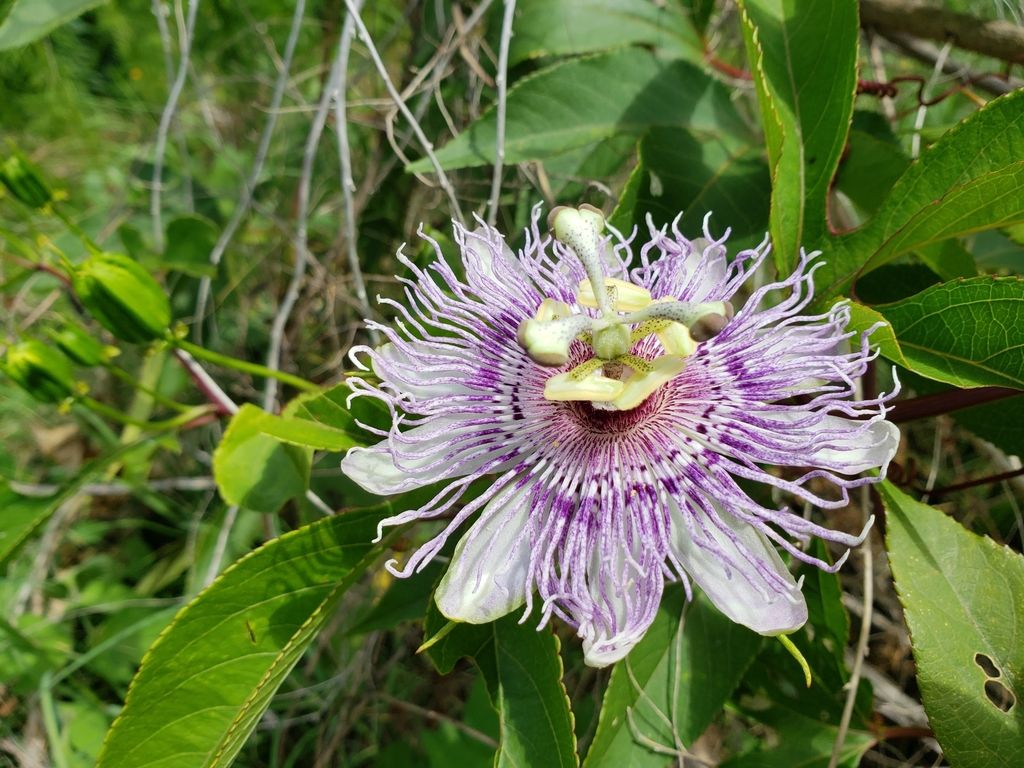
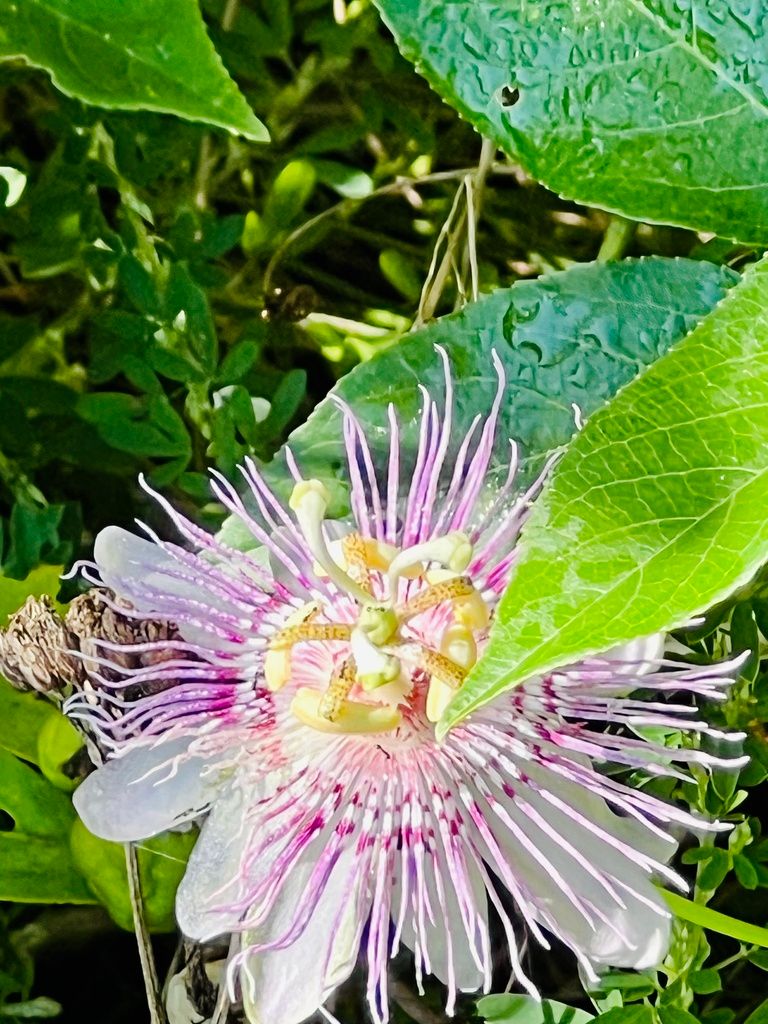
Leaves vary by species, but many passionflowers have lobed leaves on twining stems.
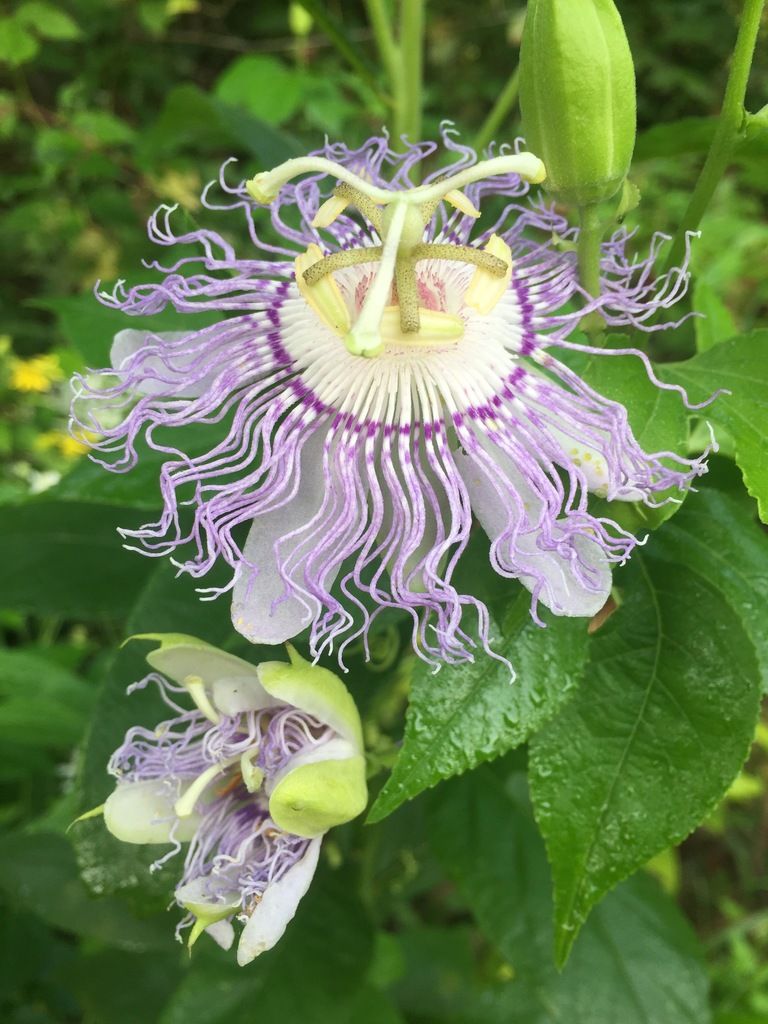
Large, intricate flowers with multiple layers and a distinctive ring of filaments; colors vary by species.
Some species produce egg-shaped fruits; not all will fruit reliably in every setting.
LOCATION
Native environments and the best spots to place it in your landscape.
SEASONALITY
Notes on bloom windows and how this plant helps pollinators across the seasons.
Bloom timing depends on the passionflower species and how long the growing season lasts where you live.
Bloom Season Role: Showy blooms that can add interest when the vine is actively growing
REQUIREMENTS
The right mix of sun, soil, and space for healthy growth.
Choose a bright spot with sun for part or most of the day; more light usually means more flowers.
Use well-draining soil that holds some moisture. In containers, a quality potting mix works well.
Water regularly during active growth so the soil stays evenly moist. Let the top layer dry slightly between waterings, but don’t let it bake dry for long.
Plant near a sturdy support and leave room for airflow. If growing in a pot, choose a container large enough to stay stable once the vine climbs.
A light mulch can help keep moisture steady and reduce weeds; keep mulch a little away from the stem.
GARDENING GUIDE
Simple steps to plant, prune, and maintain healthy trees without pesticides.
Pairings
Pairing ideas to keep pollinators fed throughout the growing season.
GLOSSARY
Glossary terms are being added.
What You Can Do
Turn this knowledge into action. Whether you plant a single pot or a whole garden, you are building a vital bridge for local biodiversity.
Join the movement to restore our shared habitats.
Pollinators supported
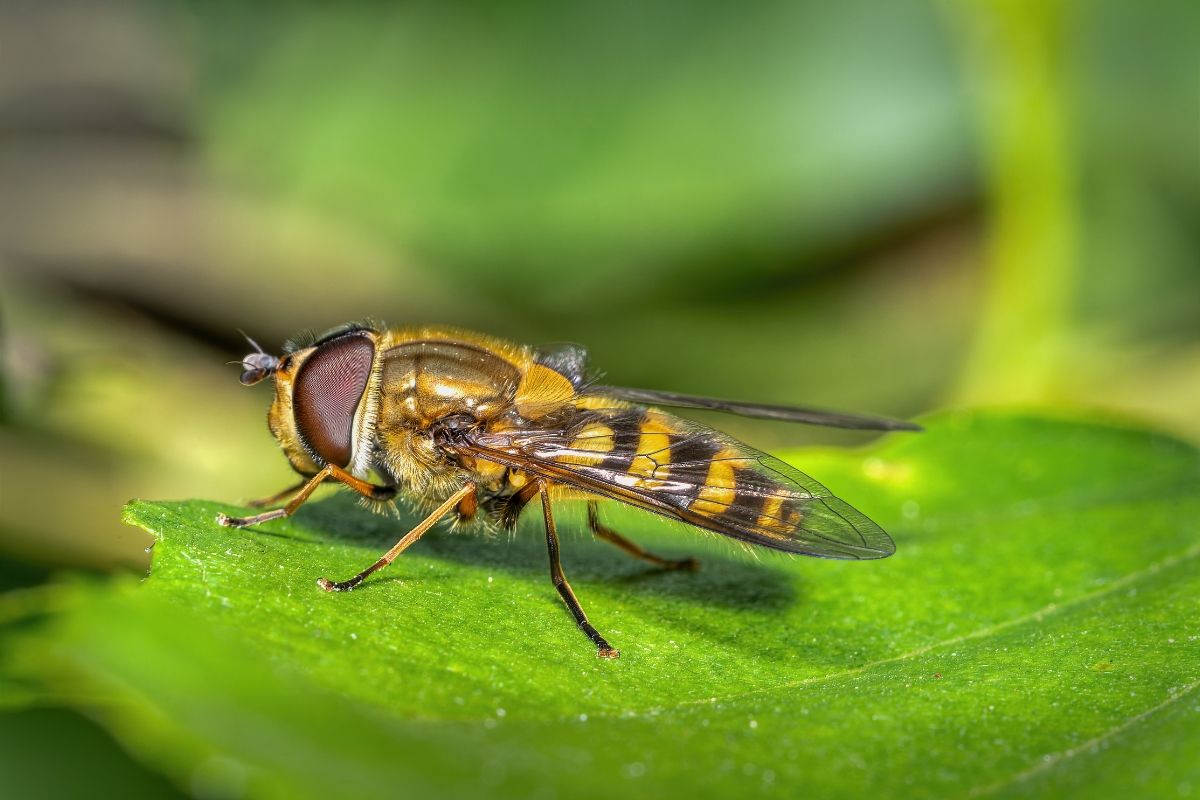
Adults visit flowers for nectar and pollen, and many species’ larvae help keep plant-eating pests in check.
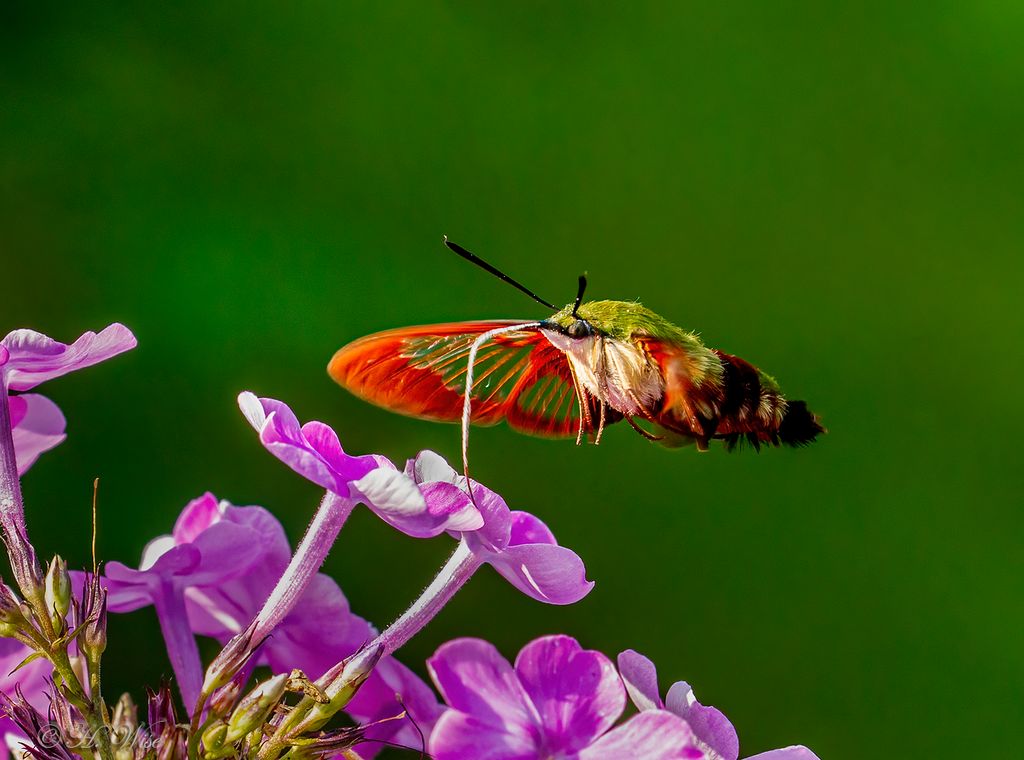
They can move pollen between flowers while feeding on nectar, especially for blooms that open or scent up in the evening.
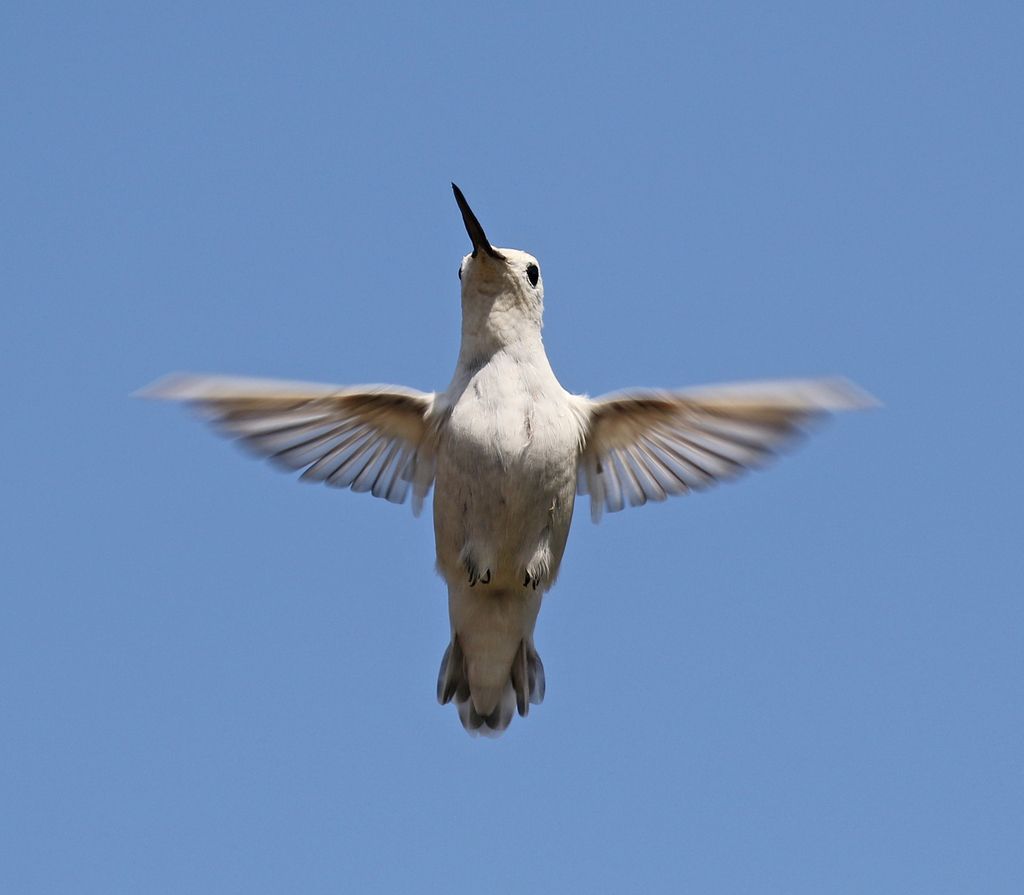
They move pollen between flowers while feeding, helping many plants reproduce.
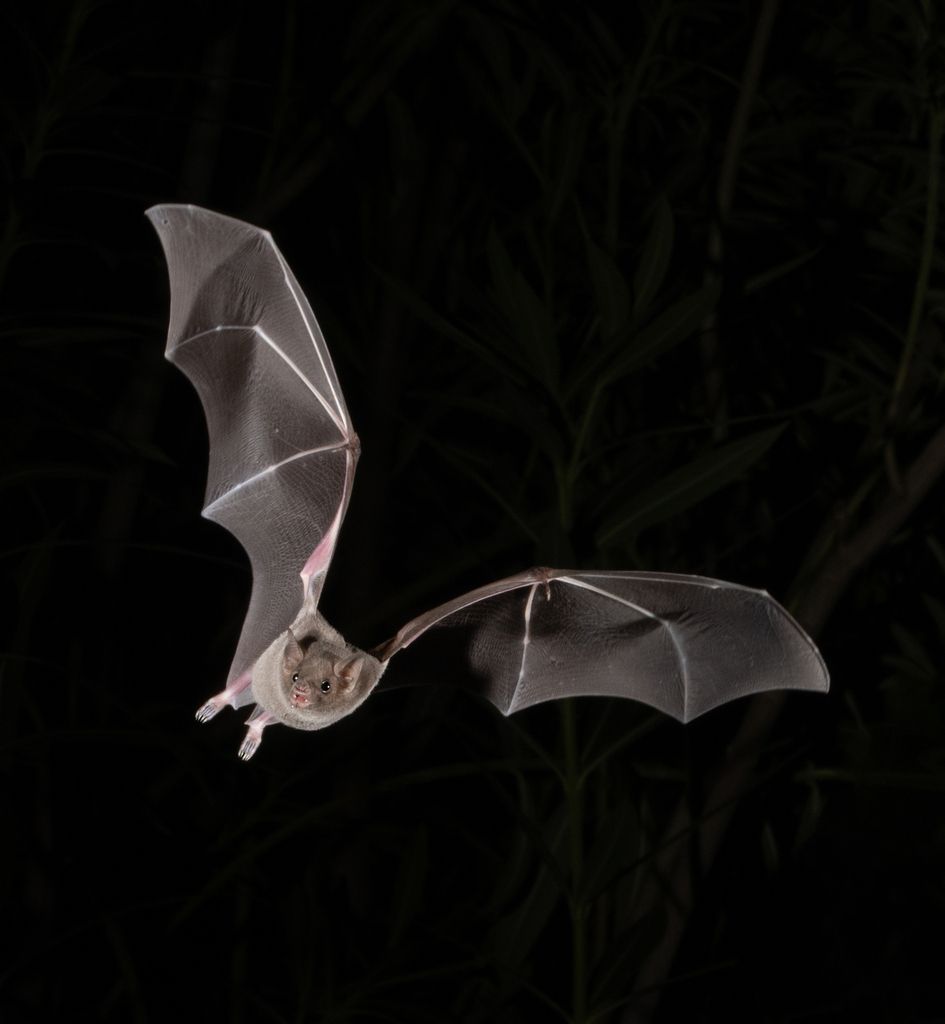
They move pollen between flowers over long distances, helping some plants set fruit and seed.
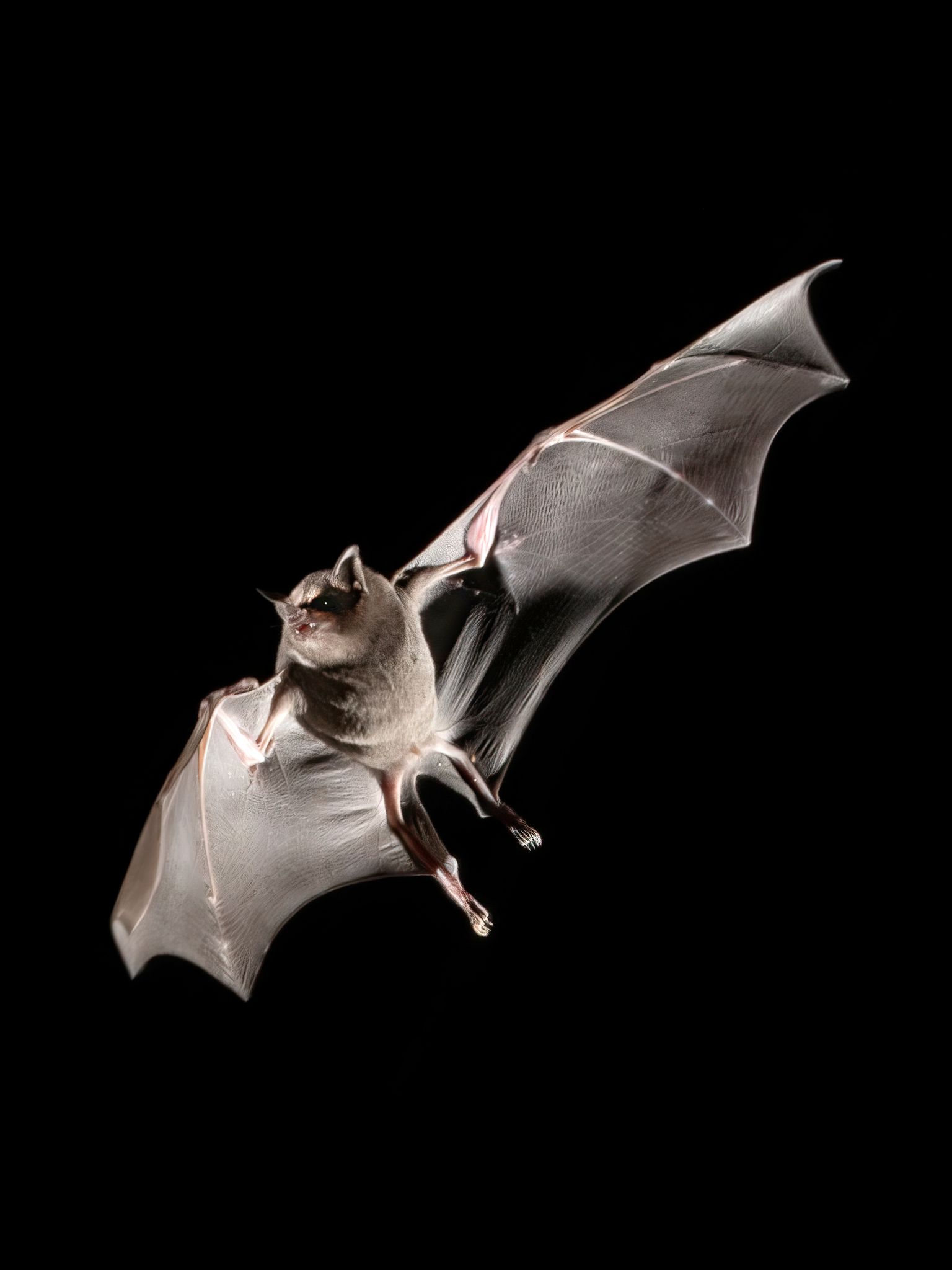
They move pollen between flowers over long distances and help many plants set fruit and seed.
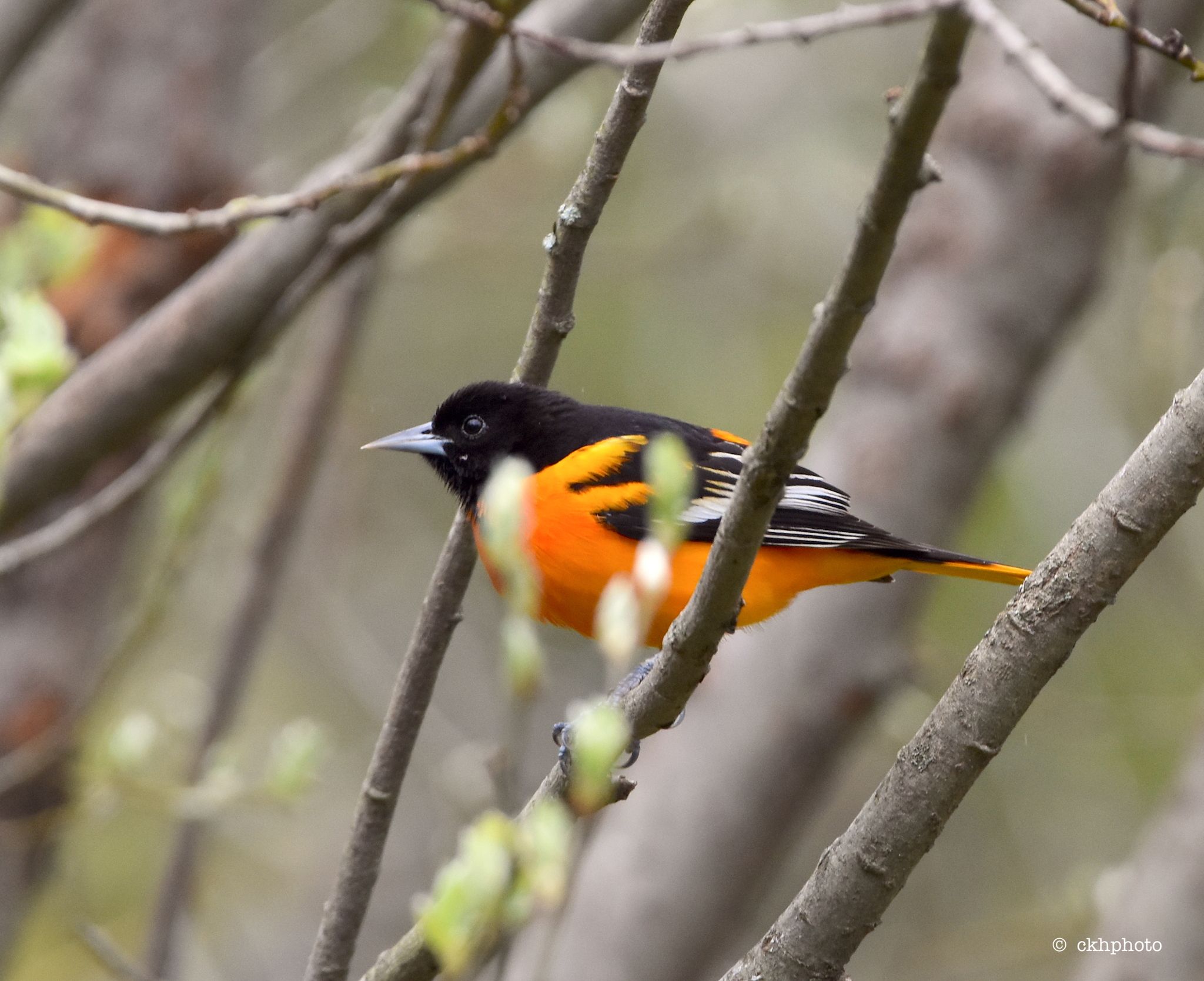
They move pollen between flowers while feeding on nectar, supporting seed and fruit production in many plants.
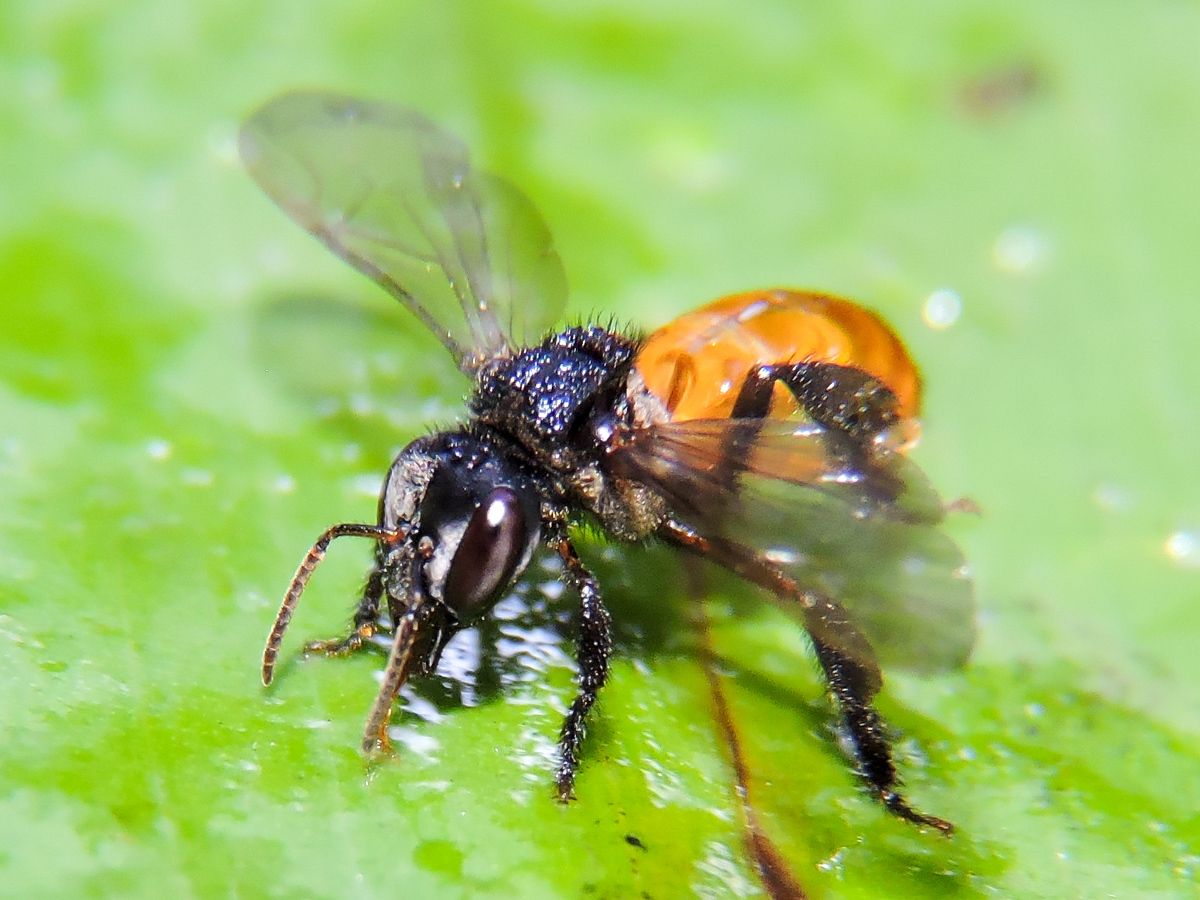
They help pollinate many wild and cultivated plants in tropical and subtropical regions, supporting food webs and biodiversity.