

What they do
They add vertical flowers and can provide nectar for visiting pollinators.
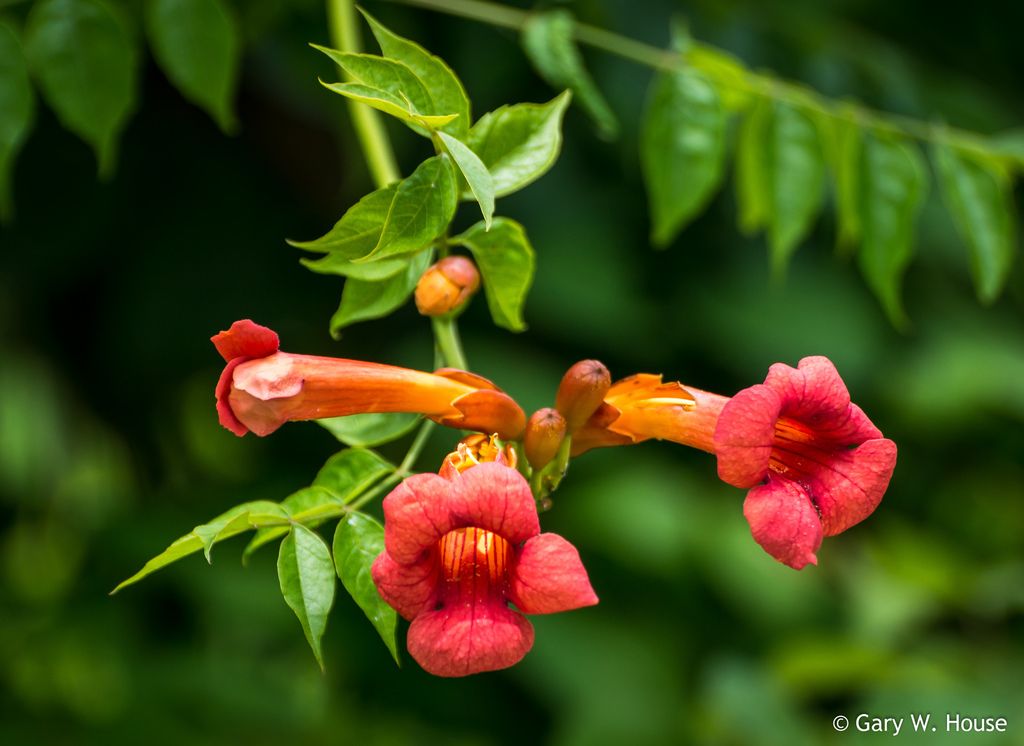
Genus Campsis
Trumpet creepers (genus Campsis) are vigorous, woody vines known for their bold, trumpet-shaped flowers that can draw in pollinators. They’re best used where you have sturdy support and room to manage their enthusiastic growth.
Plant Type
Vines > Trumpet creepers
Aliases
Trumpet vine
Native Range
Varies by species within the genus Campsis; check the specific species or cultivar for local nativeness.
Bloom window
Warm-season bloom; timing varies by location and species
OVERVIEW
Trumpet creepers (genus Campsis) are bold, flowering vines that can turn a plain structure into a living wall of color. They’re often chosen for their dramatic, trumpet-shaped blooms and their ability to quickly cover a trellis or arbor.
Before planting, think like a builder: the support needs to be strong, and the vine needs a “lane” where it’s allowed to grow. If you give it a clear boundary and prune regularly, trumpet creepers can be a striking, pollinator-friendly feature in a home garden.
If you’re gardening in the Toronto area, focus on smart placement, sturdy supports, and pesticide-free care. Even if you don’t have space for a large vine, you can still support pollinators with smaller flowering plants in beds or containers.
FAST FACTS
Essential stats and requirements for quick reference.
| Category | Details |
|---|---|
| Also known as | Trumpet vine |
| Bloom window | Warm-season bloom; timing varies by location and species |
| Typical height | Climbing vine; can become large with support |
| Pollinators supported | Hummingbirds, Bees |
| Light & moisture | Sun to part sun; average moisture once established |
| Best roles for pollinators | Covering sturdy structures (arbors, fences, pergolas) and adding big, colorful blooms where you can manage a fast-growing vine. |
SUMMARY
A quick scan of what they do, what they need, and the best first step.
They add vertical flowers and can provide nectar for visiting pollinators.
A strong support, decent light, and regular pruning to keep growth where you want it.
Choose the planting spot carefully—give it a sturdy structure and a clear boundary from the start.
IMPACT
Key Impacts
RECOGNITION
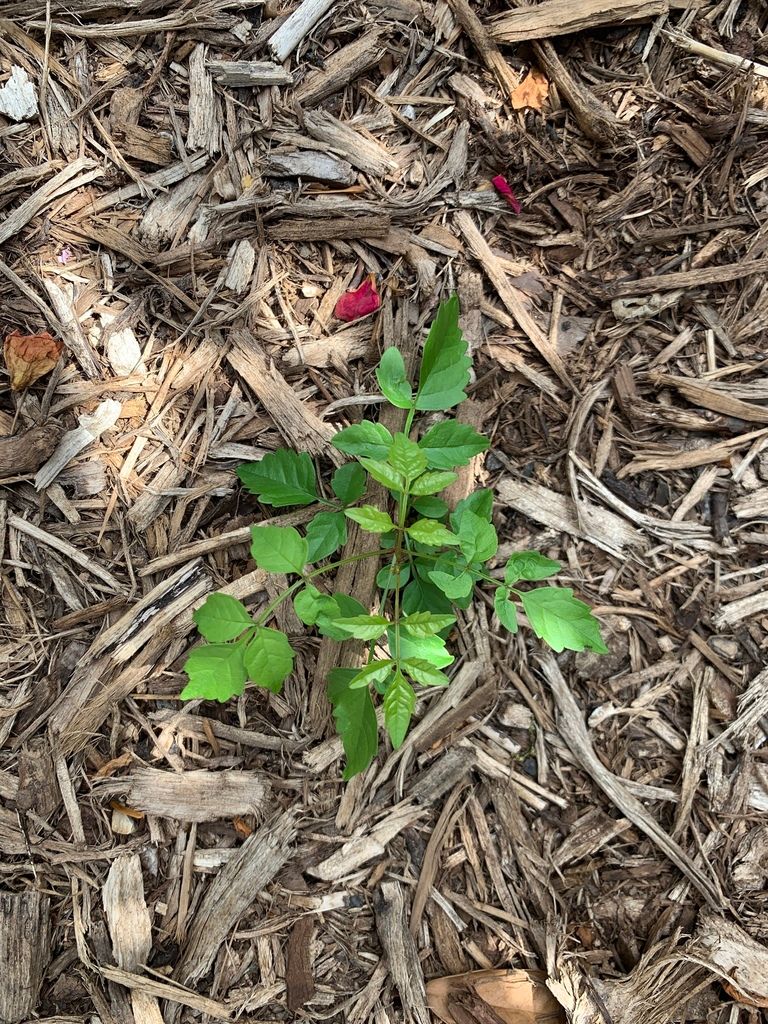
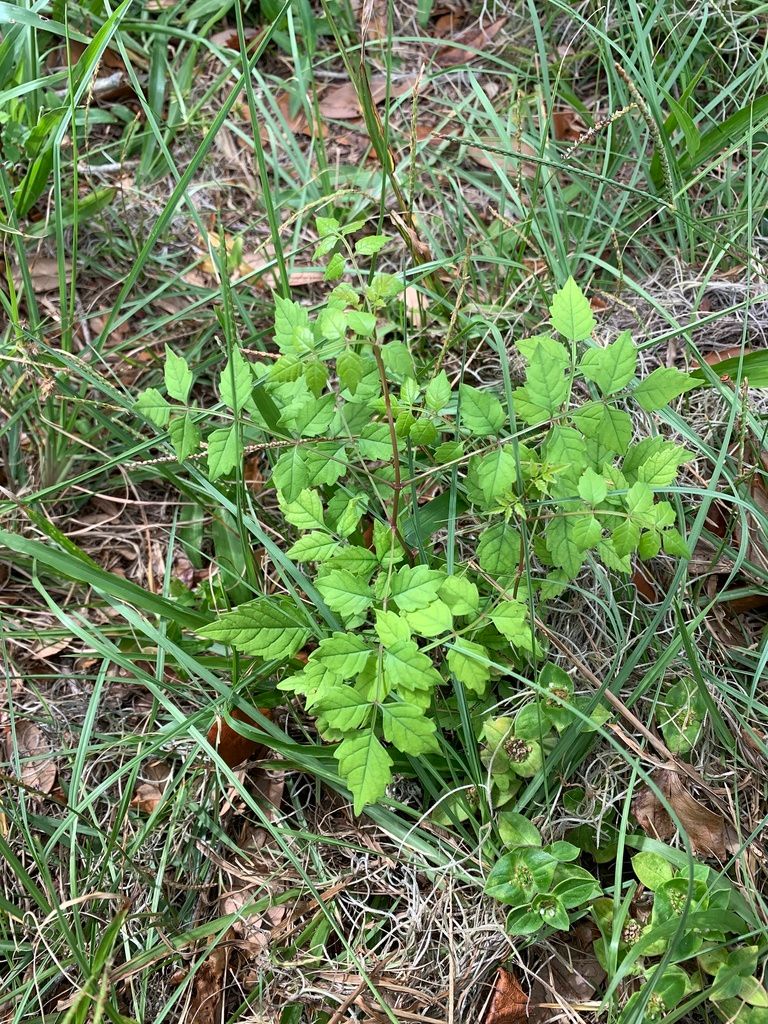
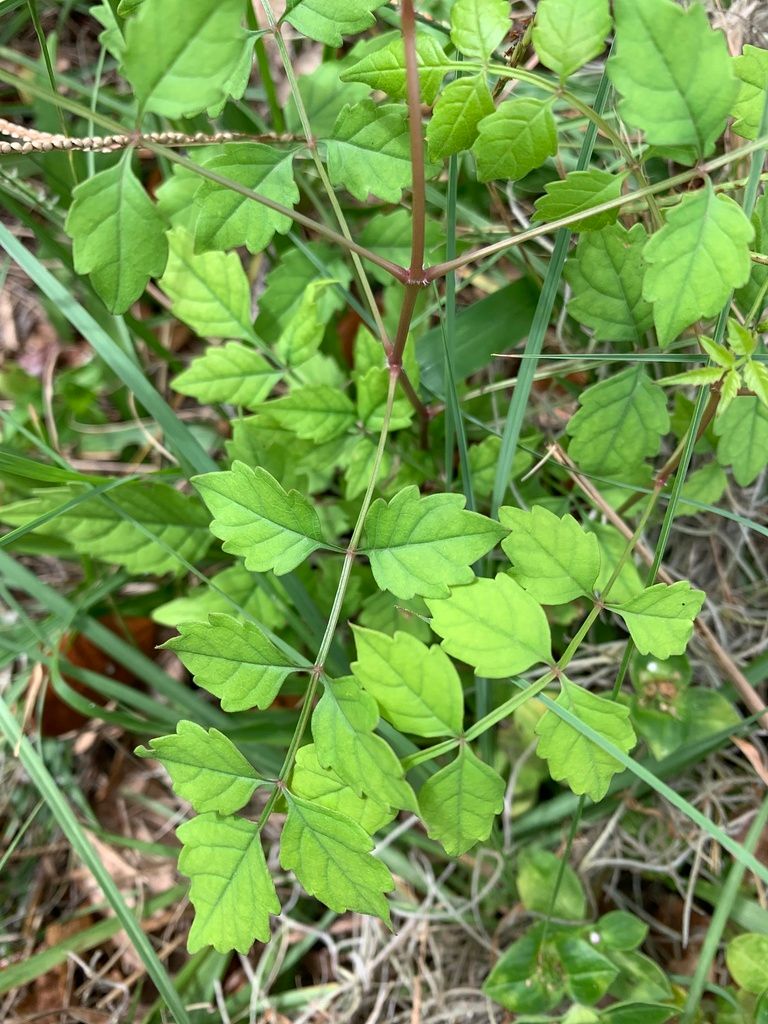
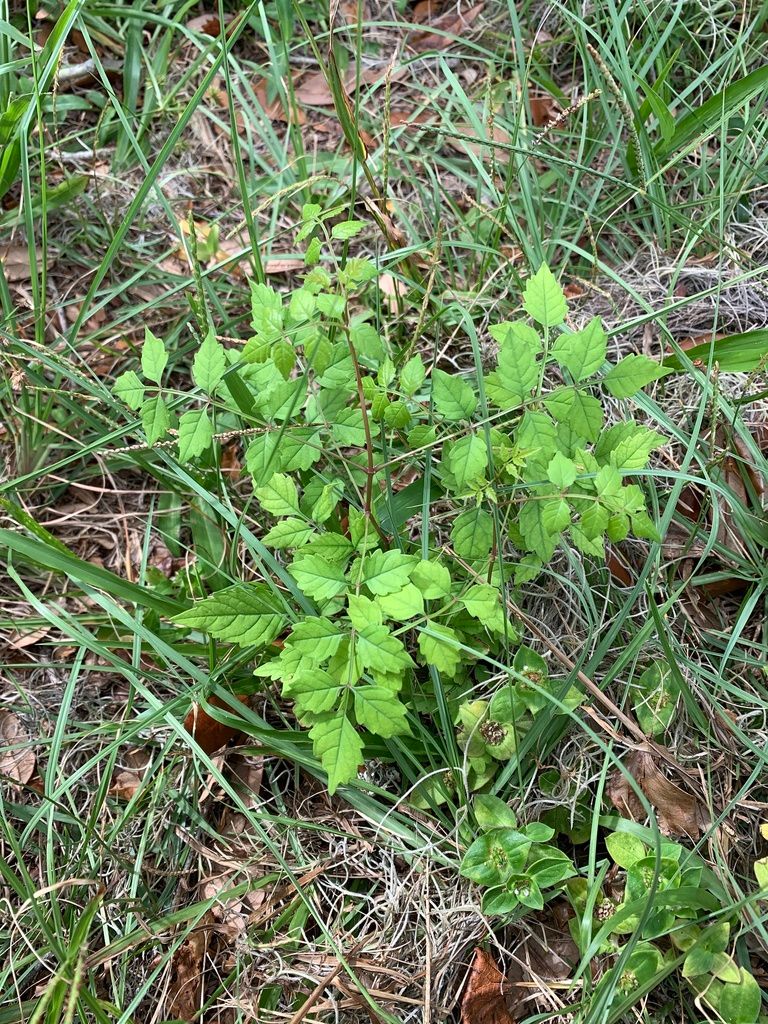
Green, compound-looking foliage on a woody vine; leaves create a dense screen in season.
Large, trumpet-shaped blooms held in clusters; very showy and easy to spot from a distance.
After flowering, elongated seed pods may form and can persist for a while.
LOCATION
Native environments and the best spots to place it in your landscape.
SEASONALITY
Notes on bloom windows and how this plant helps pollinators across the seasons.
Trumpet creepers tend to bloom in the warmer part of the growing season, though exact timing depends on the species and your local conditions.
Bloom Season Role: Big, tubular blooms that stand out
REQUIREMENTS
The right mix of sun, soil, and space for healthy growth.
Best flowering usually happens with plenty of sun; part sun can work but may reduce blooms.
Adaptable to many garden soils as long as drainage is reasonable.
Water to establish; once settled, water during long dry spells, especially in containers or hot sites.
Plant near a strong trellis, fence, or arbor with space away from siding, eaves, and other plants you don’t want it to overrun.
Mulch around the base to reduce weeds and help soil hold moisture, keeping mulch a little away from the stem.
GARDENING GUIDE
Simple steps to plant, prune, and maintain healthy trees without pesticides.
Pairings
Pairing ideas to keep pollinators fed throughout the growing season.
GLOSSARY
Glossary terms are being added.
What You Can Do
Turn this knowledge into action. Whether you plant a single pot or a whole garden, you are building a vital bridge for local biodiversity.
Join the movement to restore our shared habitats.