
What they do
Provide bright, open flowers that are easy for many pollinators to visit.
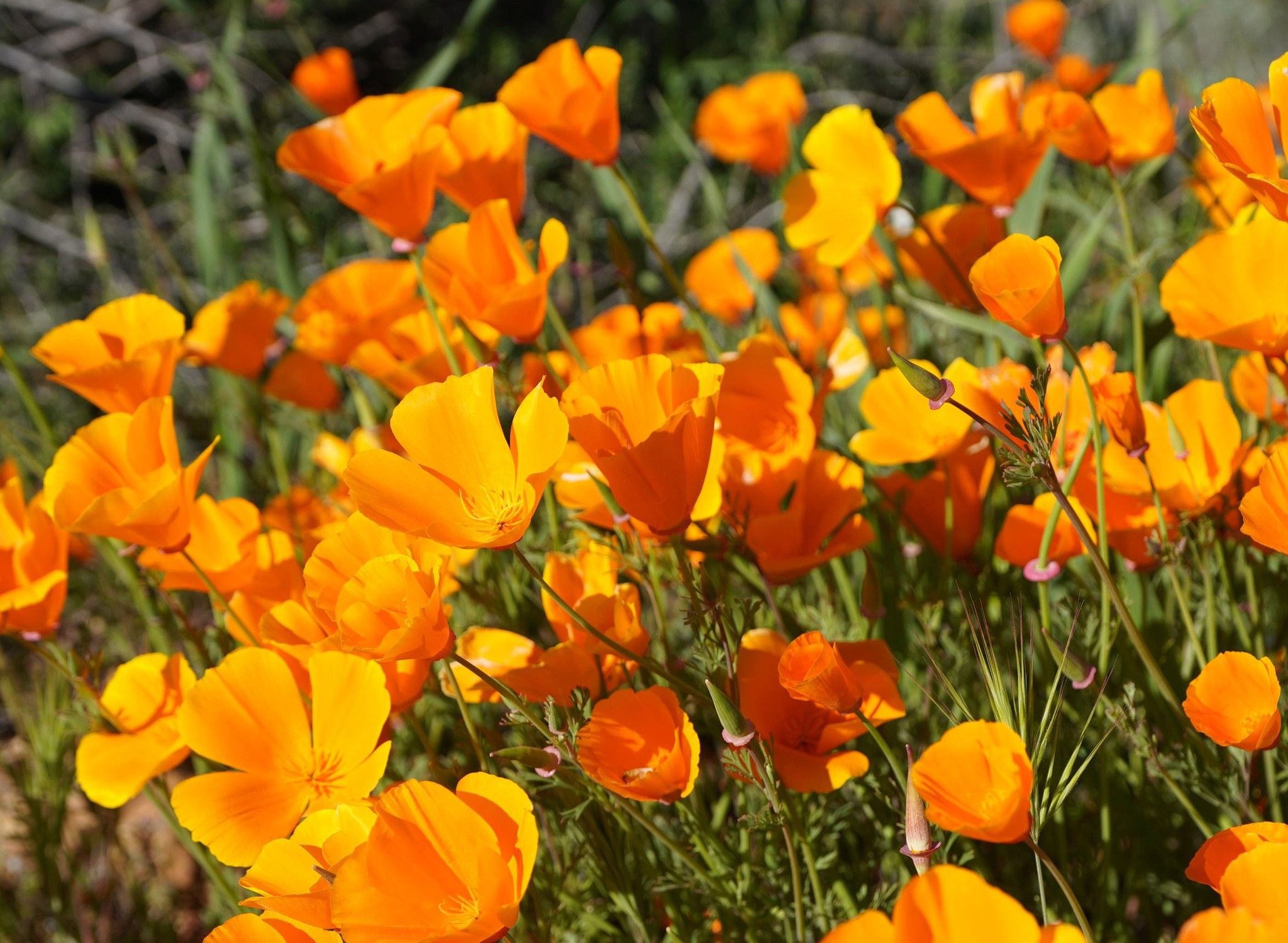
Genus Eschscholzia
California poppies are cheerful, easygoing wildflowers in the genus Eschscholzia that bring bright color and steady nectar to sunny spots with well-drained soil.
Plant Type
Wildflowers (annuals/biennials) > California poppies
Aliases
Poppy
Native Range
Western North America (varies by species within the genus)
Bloom window
Spring through summer (often longer with regular deadheading)
OVERVIEW
California poppies (genus Eschscholzia) are a bright, beginner-friendly way to add pollinator-friendly blooms to sunny spaces. They’re especially useful where soil drains quickly—think sandy beds, rock gardens, or containers.
For best results, prioritize sun and drainage over fertilizer and frequent watering. If you’re starting from seed, direct sowing is often the simplest approach. Once plants are up and growing, a little neglect can be a good thing: let the soil dry between waterings and focus on removing spent flowers if you want a longer bloom season.
In a school garden, home yard, or balcony pot, California poppies can be a small, visible step that helps make a patch more welcoming for visiting insects—one bloom at a time.
FAST FACTS
Essential stats and requirements for quick reference.
| Category | Details |
|---|---|
| Also known as | Poppy |
| Bloom window | Spring through summer (often longer with regular deadheading) |
| Typical height | Low-growing to medium height (varies by species and conditions) |
| Pollinators supported | Bees, Butterflies |
| Light & moisture | Full sun; low to moderate moisture once established; prefers well-drained soil |
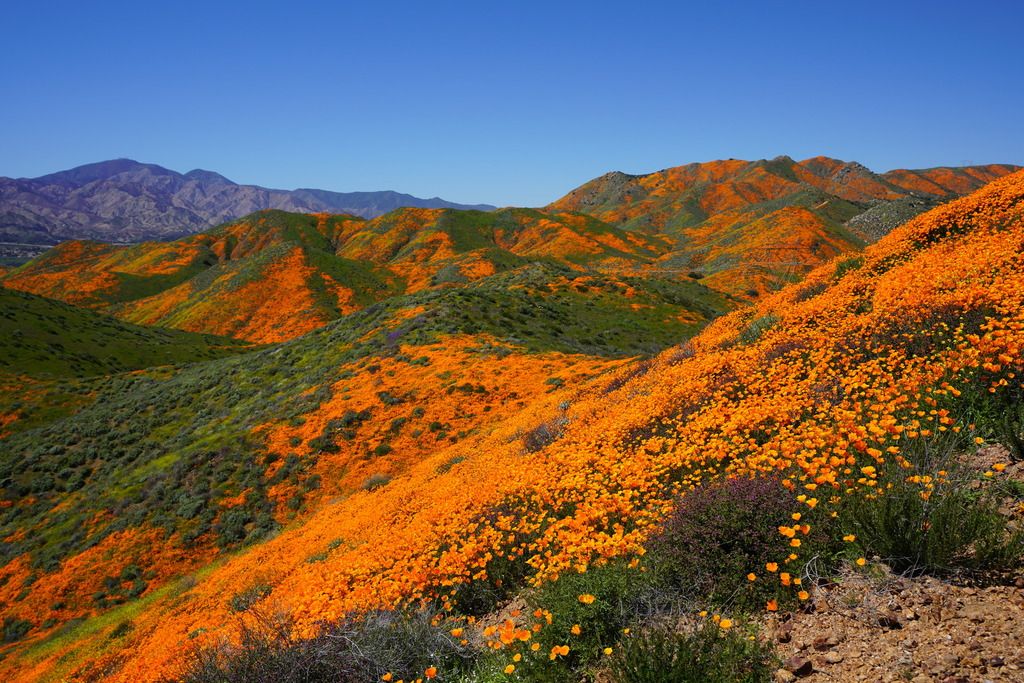
| Best roles for pollinators | Sunny beds, borders, rock gardens, and containers where you want bright color and low-maintenance blooms. |
SUMMARY
A quick scan of what they do, what they need, and the best first step.
Provide bright, open flowers that are easy for many pollinators to visit.
Sun, well-drained soil, and a light touch—especially with watering and fertilizer.
Plant them in a sunny spot with fast-draining soil (a pot with drainage holes works well).
IMPACT
Key Impacts
RECOGNITION
Soft, finely divided, fern-like leaves, often blue-green.
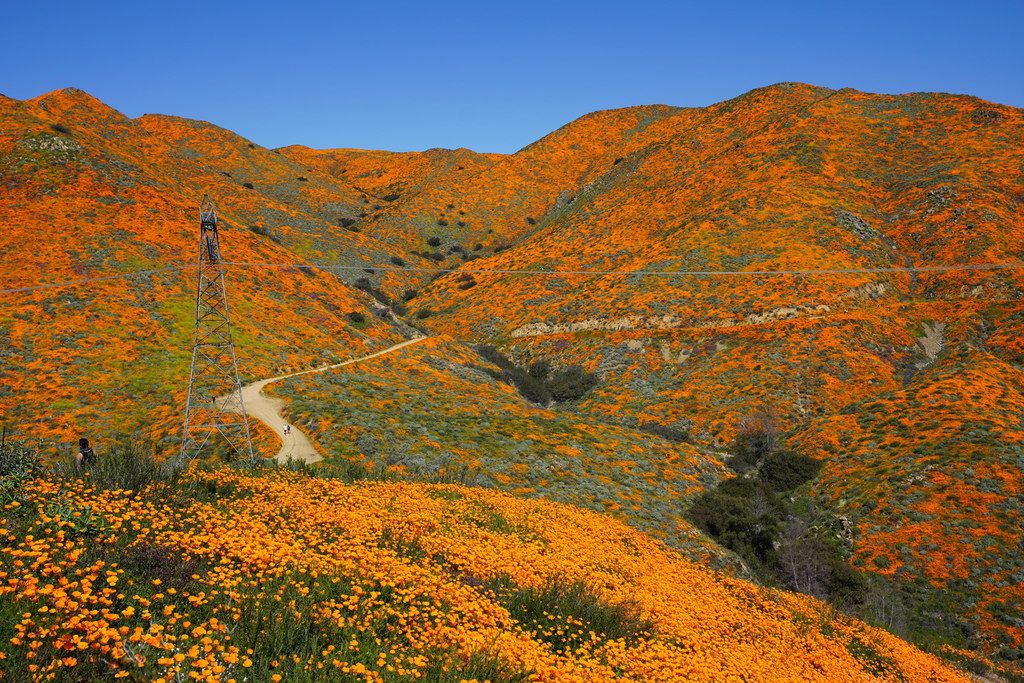
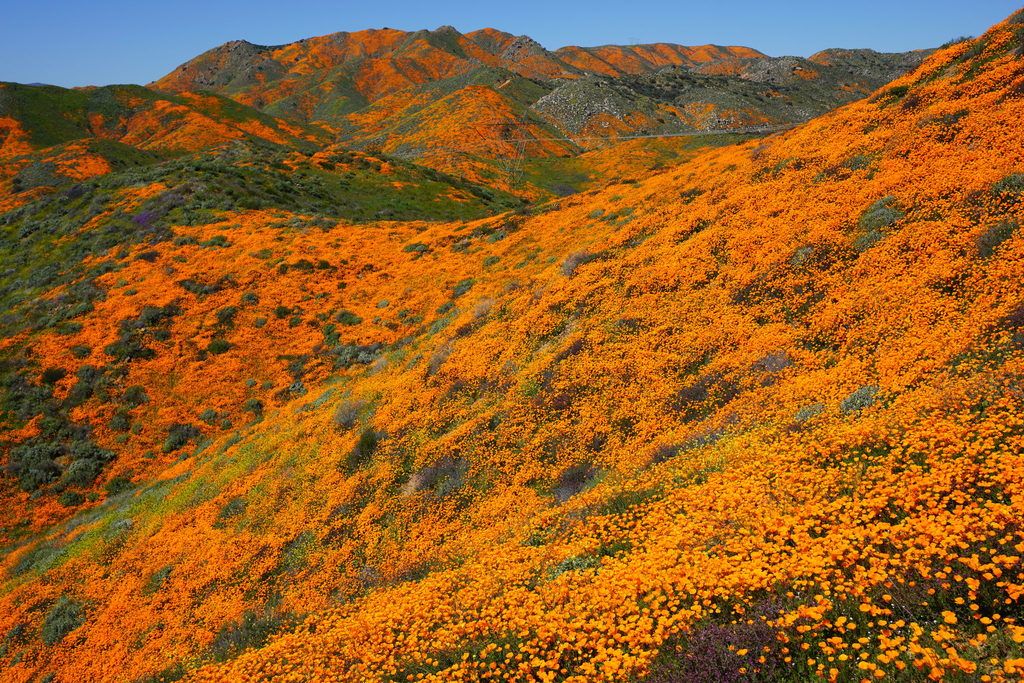
Silky, cup-shaped blooms that open wide in sun; colors vary by species and variety, commonly orange or yellow.
Long, narrow seed pods that dry and release seeds.
LOCATION
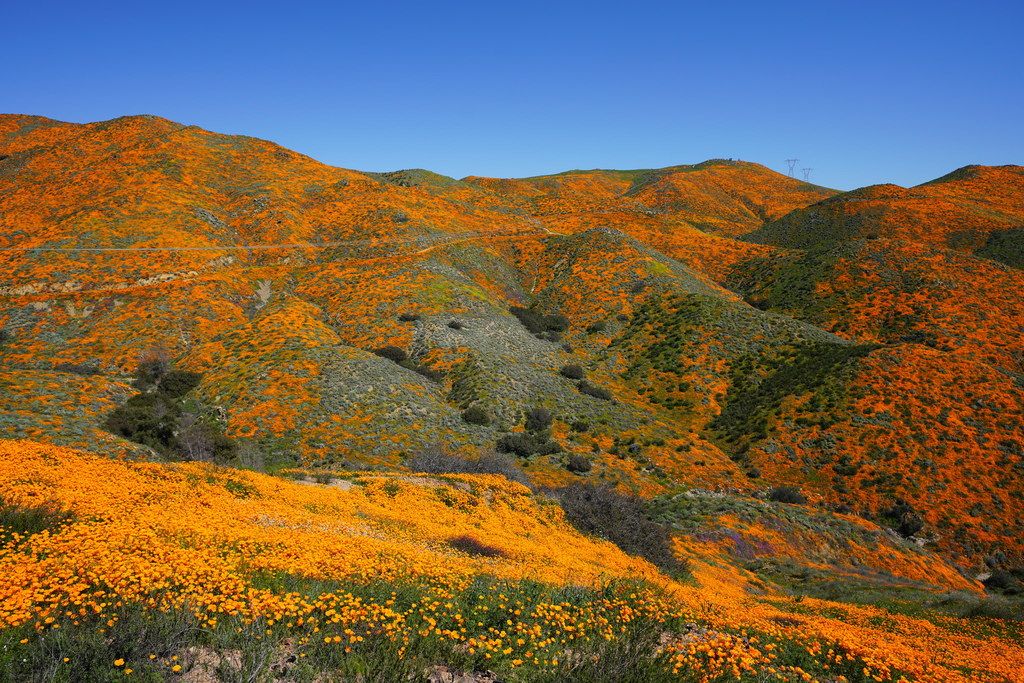
Native environments and the best spots to place it in your landscape.
SEASONALITY
Notes on bloom windows and how this plant helps pollinators across the seasons.
California poppies often bloom generously in the brighter months and can keep going with simple upkeep.
Bloom Season Role: Reliable, sunny-season nectar and pollen
REQUIREMENTS
The right mix of sun, soil, and space for healthy growth.
Full sun for best flowering.
Well-drained soil is key; sandy or gravelly mixes work well. Avoid heavy, water-holding soil unless amended for drainage.
Water to establish, then let the soil dry a bit between waterings. In containers, water when the top layer feels dry.
Direct sowing is often easiest. If starting in small pots, transplant gently while young to avoid root disturbance.
Use a light mulch if needed, but keep it from smothering seedlings and avoid piling mulch against stems.
GARDENING GUIDE
Simple steps to plant, prune, and maintain healthy trees without pesticides.
Pairings
Pairing ideas to keep pollinators fed throughout the growing season.
GLOSSARY
Glossary terms are being added.
What You Can Do
Turn this knowledge into action. Whether you plant a single pot or a whole garden, you are building a vital bridge for local biodiversity.
Join the movement to restore our shared habitats.