
What they do
Provide bright, easy-to-spot flowers that can help support visiting pollinators in sunny spaces.
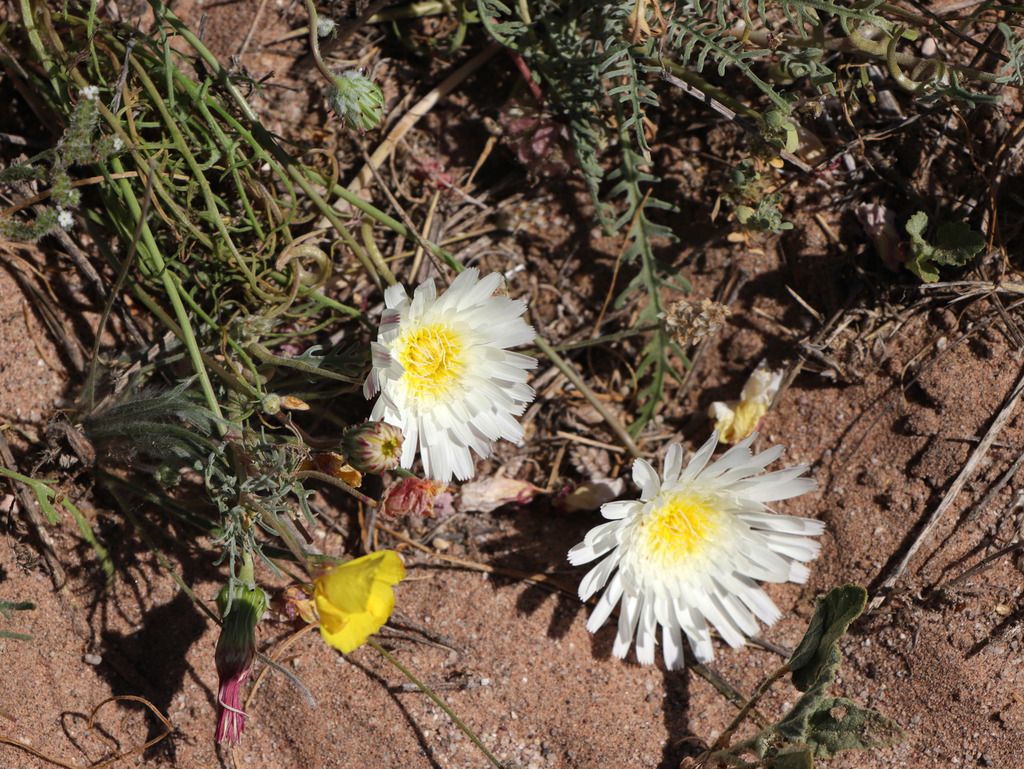
Genus Malacothrix (and allies)
“Desert dandelion” is a common nickname for several sunny, yellow wildflowers in and around the genus Malacothrix. These easygoing annuals can add quick color and simple pollinator support in bright, open spots.
Plant Type
Wildflowers (annuals/biennials) > Desert dandelion relatives
Aliases
Desert dandelion
Native Range
Western North America (broadly), especially in dry, open habitats
Bloom window
Seasonal; often spring into early summer depending on local conditions
OVERVIEW
Desert dandelion relatives (genus Malacothrix and close allies) are a great “starter” wildflower for sunny spaces because they focus on the basics: light, drainage, and a little patience. In a garden bed, they can brighten up edges and open patches. In a container, they can turn a plain corner into a small bloom stop for visiting insects.
If you’re planting from seed, aim for good seed-to-soil contact and avoid burying seeds too deeply. Keep the surface lightly moist until seedlings appear, then ease off on watering. Once plants are flowering, the biggest way to help is simple: keep blooms pesticide-free and let the flowers do their job.
Because these are annual wildflowers, they often shine for a season and then fade. If you’d like them again, leave a few plants to set seed, or collect seed and sow it in the next suitable season. Over time, you can pair them with other wildflowers and longer-lived plants so there’s something blooming across more of the year.
FAST FACTS
Essential stats and requirements for quick reference.
| Category | Details |
|---|---|
| Also known as | Desert dandelion |
| Bloom window | Seasonal; often spring into early summer depending on local conditions |
| Typical height | Low to medium (varies by species and conditions) |
| Pollinators supported | Bees, Butterflies, Flies |
| Light & moisture | Full sun to bright light; best with well-drained soil and moderate watering while establishing. |
| Best roles for pollinators | Quick, sunny-season color; simple pollinator-friendly blooms; natural-looking edges and pots |
SUMMARY
A quick scan of what they do, what they need, and the best first step.
Provide bright, easy-to-spot flowers that can help support visiting pollinators in sunny spaces.
Sun, drainage, and a light touch—avoid soggy soil and avoid pesticides.
Plant them in a sunny, well-drained spot (or a pot) and let a few flowers go to seed for next season.
IMPACT
Key Impacts
RECOGNITION
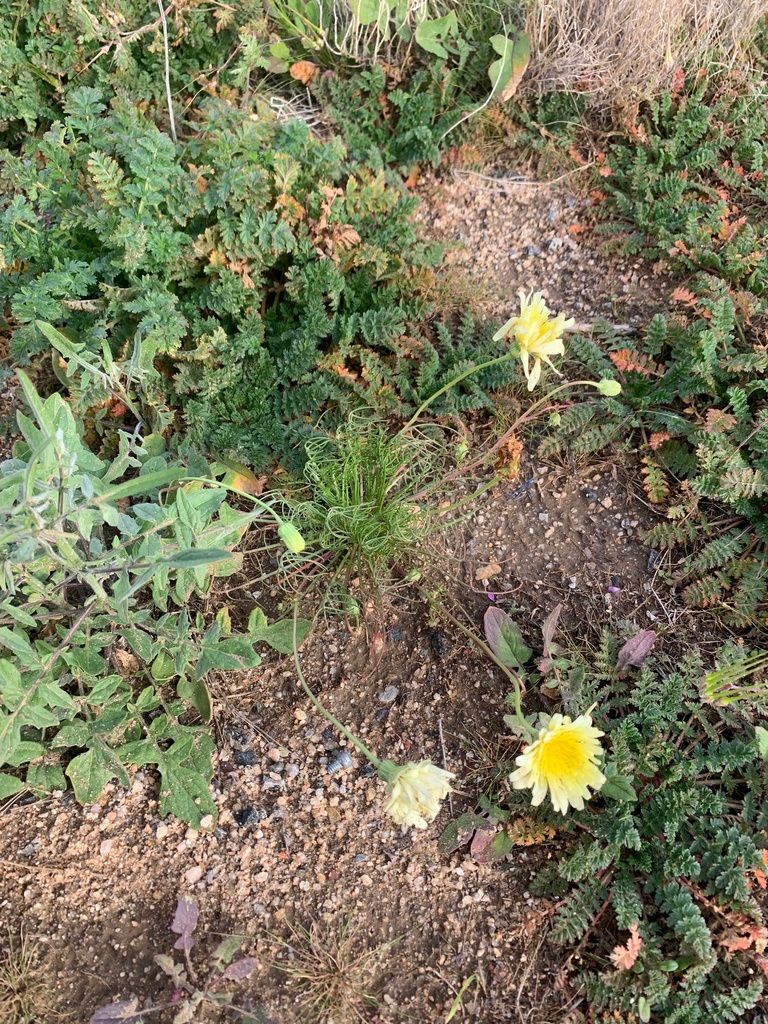
Often start as a low cluster (rosette) of leaves; leaf shape varies by species but is usually soft-looking and not stiff or woody.
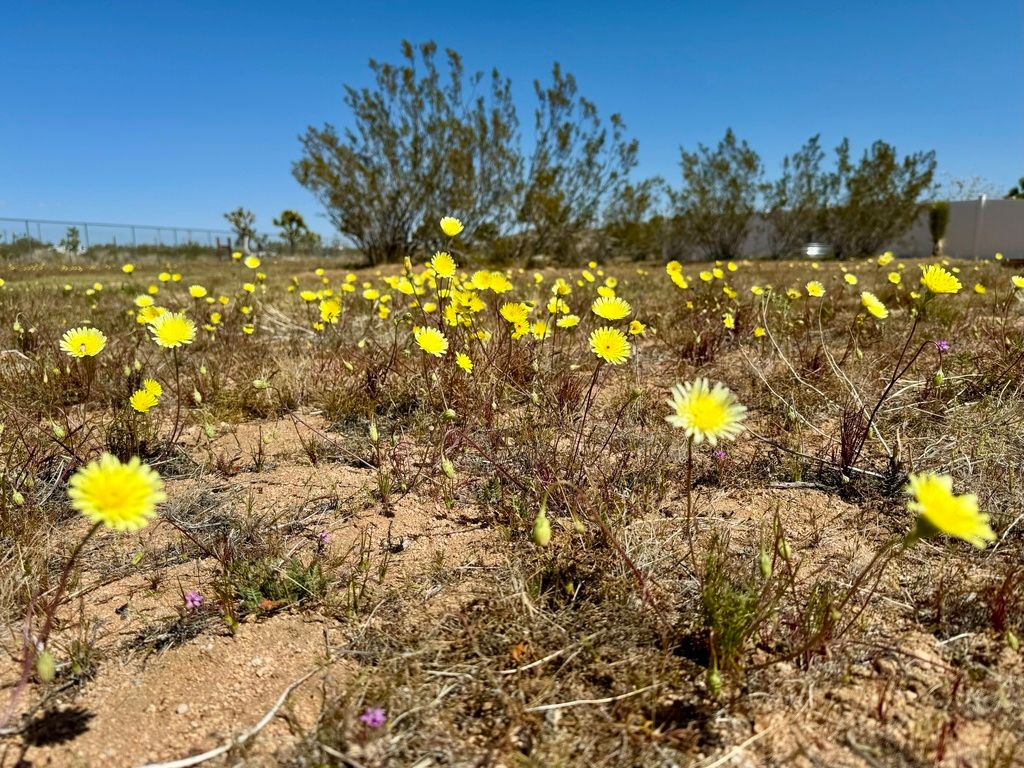
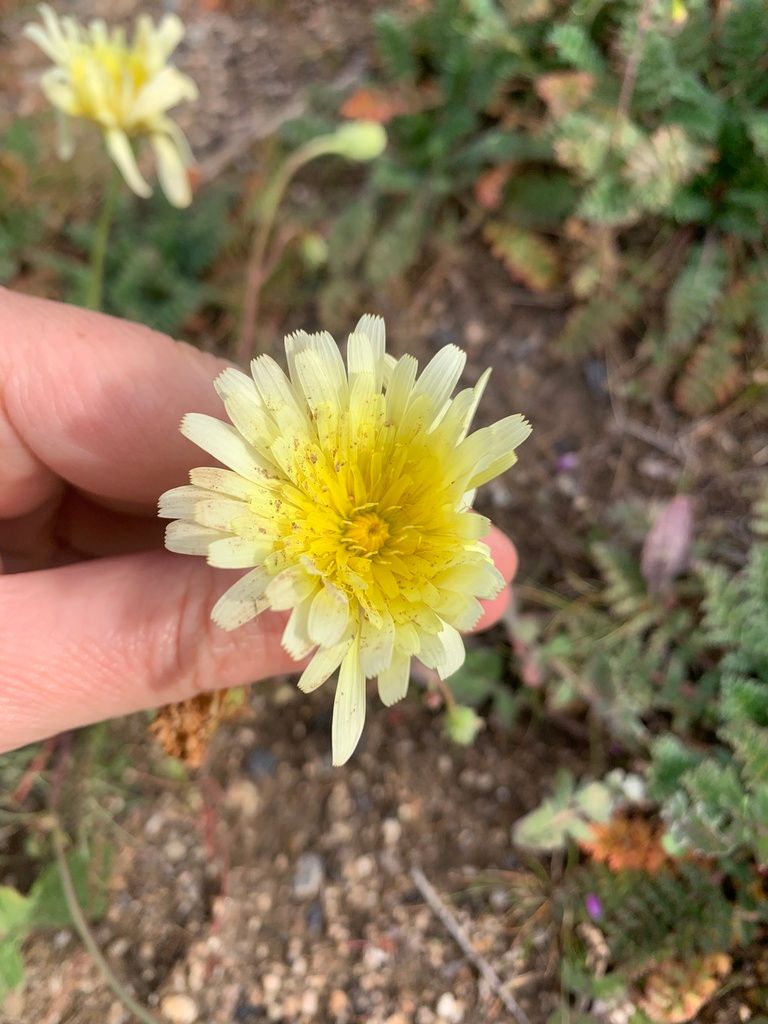
Bright yellow, dandelion-like flower heads with many narrow rays; blooms are held above the leaves on slender stems.
Fluffy seed heads that can drift in the wind when mature.
LOCATION
Native environments and the best spots to place it in your landscape.
SEASONALITY
Notes on bloom windows and how this plant helps pollinators across the seasons.
Bloom timing can shift year to year depending on weather and site conditions.
Bloom Season Role: Fast, bright blooms that can fill gaps when you want quick flowers.
REQUIREMENTS
The right mix of sun, soil, and space for healthy growth.
Choose a sunny spot for best flowering.
Well-drained soil is key; sandy or gravelly mixes work well in pots.
Water to help seedlings establish, then let the soil dry a bit between waterings. Avoid constantly wet soil.
Scatter seed on bare soil and press in lightly; many wildflower seeds do best with light contact rather than deep planting.
Use mulch sparingly around tiny seedlings; heavy mulch can make it harder for seeds to sprout.
GARDENING GUIDE
Simple steps to plant, prune, and maintain healthy trees without pesticides.
Pairings
Pairing ideas to keep pollinators fed throughout the growing season.
GLOSSARY
Glossary terms are being added.
What You Can Do
Turn this knowledge into action. Whether you plant a single pot or a whole garden, you are building a vital bridge for local biodiversity.
Join the movement to restore our shared habitats.