

What they do
Provide bright, accessible flowers that can support a variety of pollinators through the warm season.
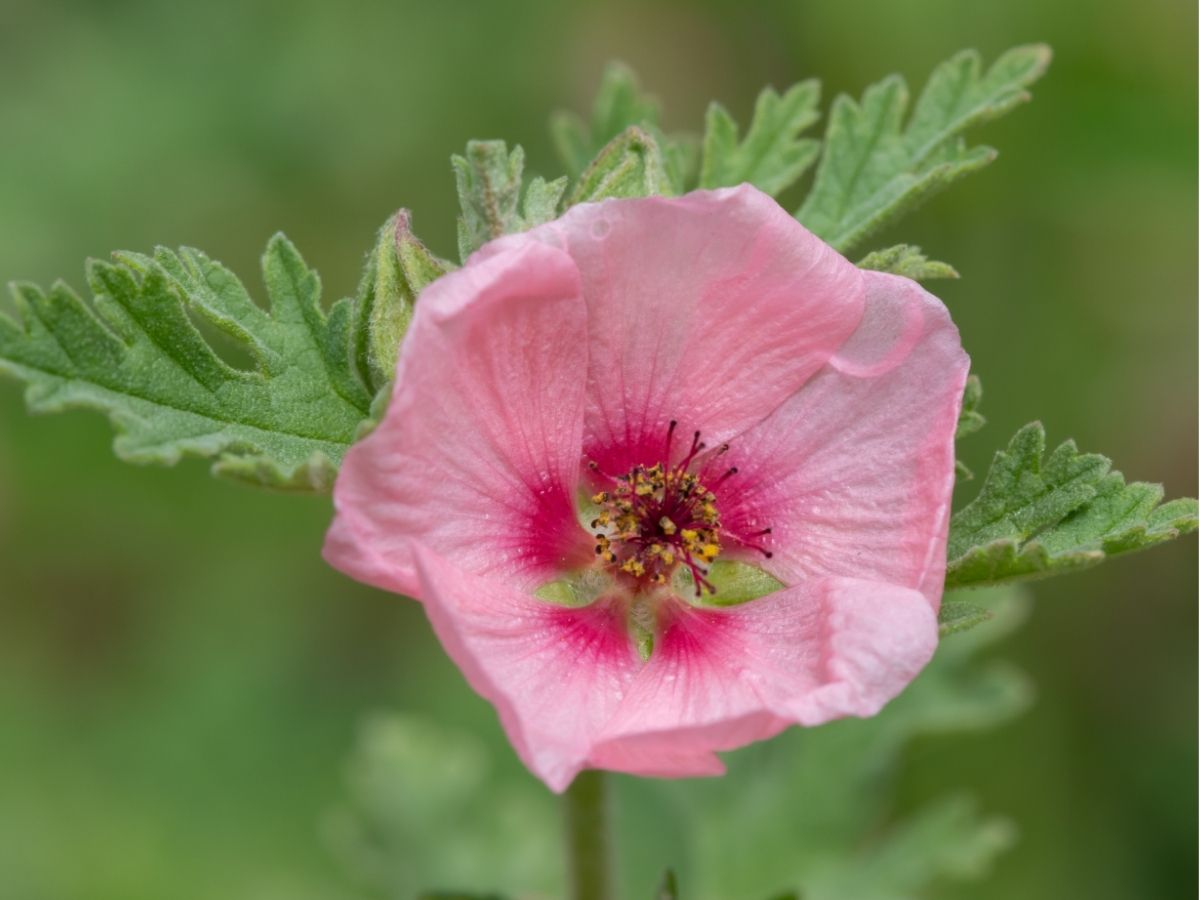
Genus Sphaeralcea (some spp.)
Globe mallows are sunny, drought-tough wildflowers in the genus Sphaeralcea (some species) that can bloom for a long stretch and offer easy-to-find flowers for many pollinators.
Plant Type
Wildflowers (annuals/biennials) > Globe mallows
Aliases
Globe mallow
Native Range
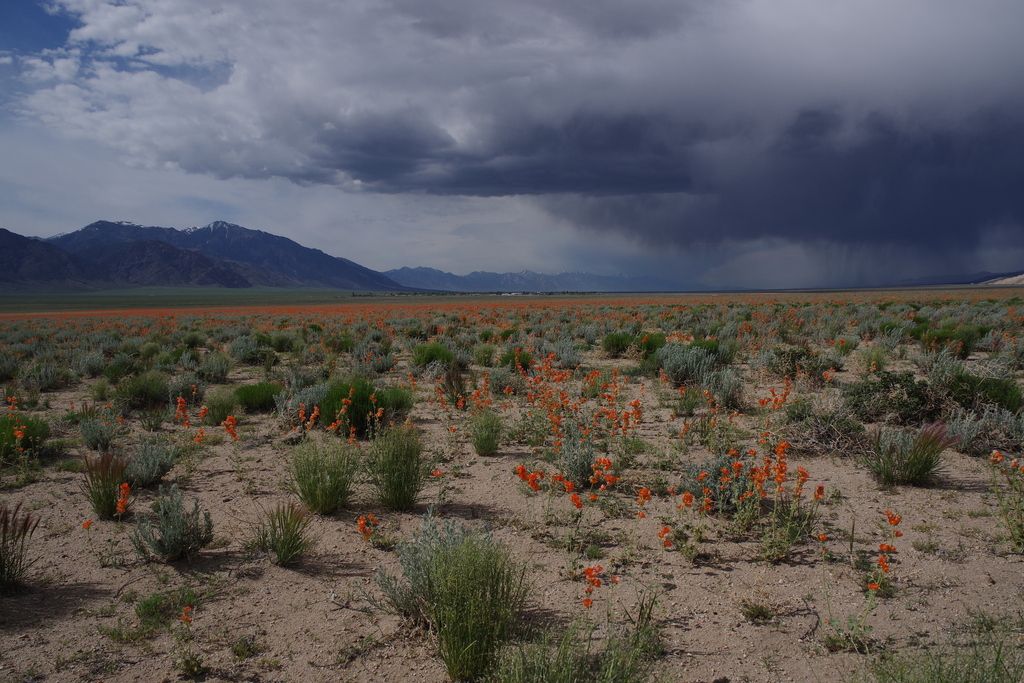
Varies by species within Sphaeralcea; many are native to parts of North America
Bloom window
Warm-season bloom; often from early summer into fall when conditions are right
OVERVIEW
Globe mallows (Genus Sphaeralcea spp.) are tough, sun-loving wildflowers that provide critical, long-season forage, especially in xeriscape and naturalized plantings. Their open, cheerful flowers offer accessible nectar and pollen for a wide array of pollinators, often continuing to bloom through warm months when other plants fade. They function as a dependable, ground-level resource for consistent color and habitat support in dry, sunny areas.
These mallows thrive in full sun and well-drained soil, making them a low-fuss, resilient choice where many garden plants struggle. Once established, they require minimal maintenance. To maximize their benefit, plant them alongside species that bloom earlier in the spring to ensure continuous forage, and always skip pesticides, as healthy, diverse plantings can handle minor insect activity.
FAST FACTS
Essential stats and requirements for quick reference.
| Category | Details |
|---|---|
| Also known as | Globe mallow |
| Bloom window | Warm-season bloom; often from early summer into fall when conditions are right |
| Typical height | Low to medium height, depending on the species and growing conditions |
| Pollinators supported | Bees, Butterflies |
| Light & moisture | Full sun; low to moderate moisture once established |
| Best roles for pollinators | Sunny, low-water gardens, schoolyard pollinator patches, and containers with good drainage |
SUMMARY
A quick scan of what they do, what they need, and the best first step.
Provide bright, accessible flowers that can support a variety of pollinators through the warm season.
Sun, well-drained soil, and a light hand with watering and fertilizer.
Give them a sunny spot with fast-draining soil and water only when the top soil has dried.
IMPACT
Key Impacts
RECOGNITION
Often soft-textured and sometimes fuzzy; shape varies by species but commonly rounded to slightly lobed.
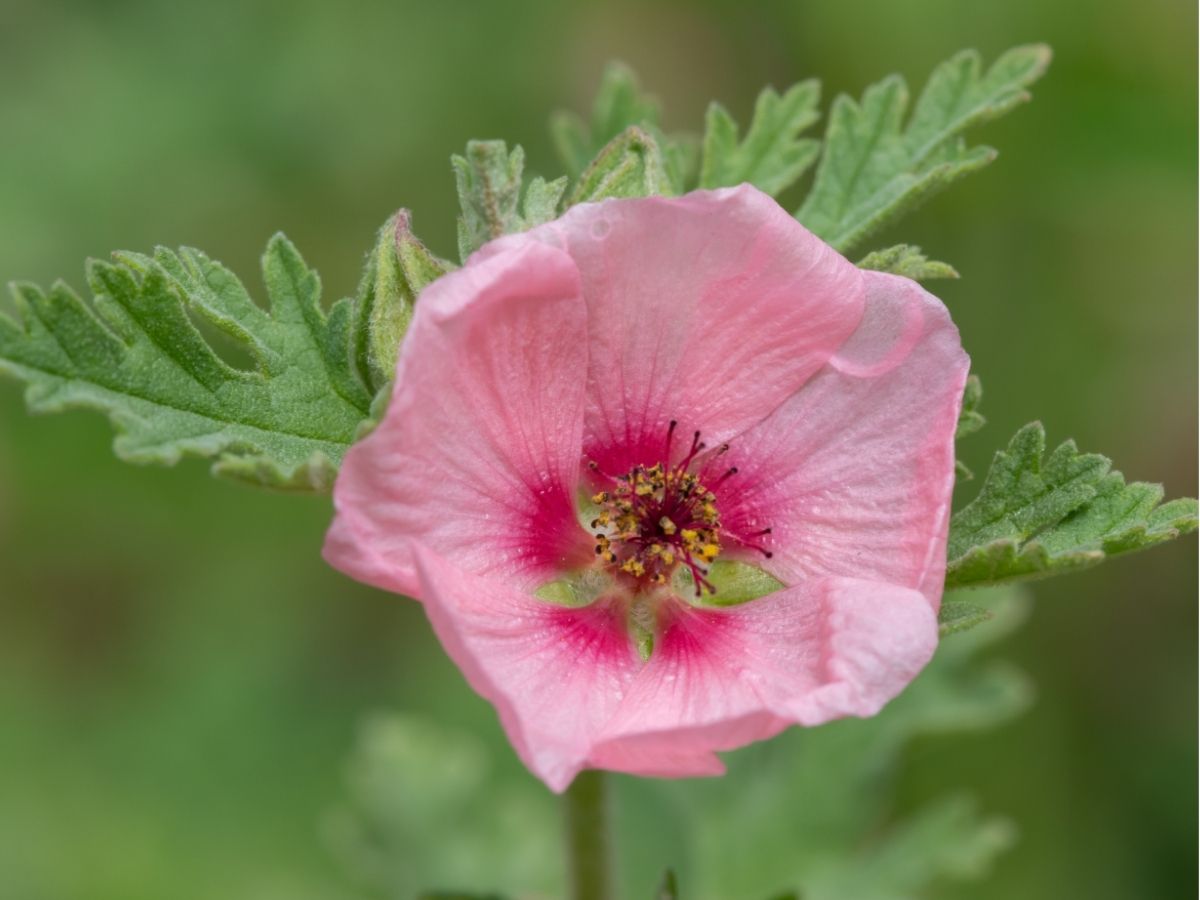
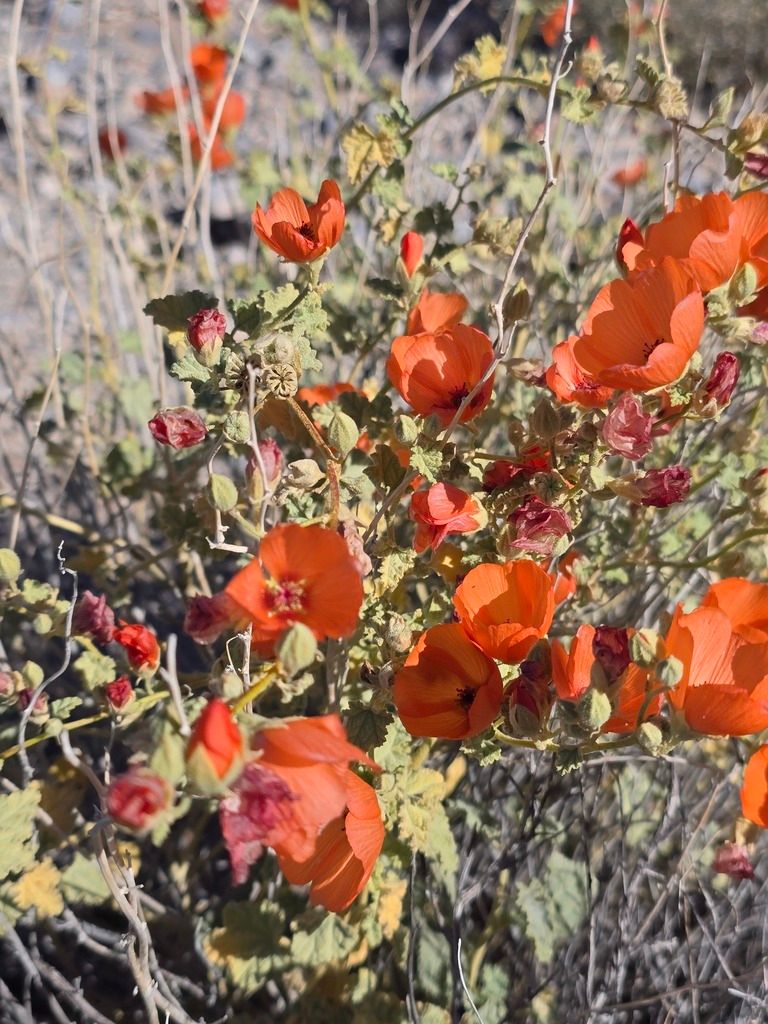
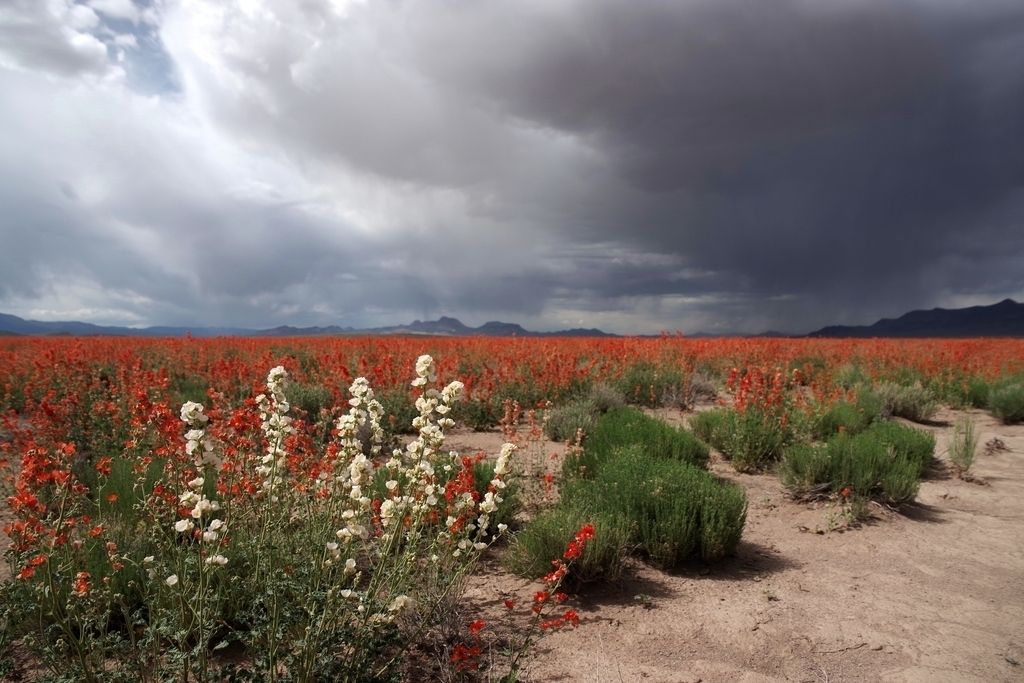
Small, open, cup-shaped blooms with five petals; commonly warm colors like orange, coral, or pink.
Small, dry seed structures typical of the mallow family; may look like little rounded segments as they mature.
LOCATION
Native environments and the best spots to place it in your landscape.
SEASONALITY
Notes on bloom windows and how this plant helps pollinators across the seasons.
Globe mallows are often at their best in the warm part of the year, especially in bright sun.
Bloom Season Role: Long-blooming color in sunny spots
REQUIREMENTS
The right mix of sun, soil, and space for healthy growth.
Choose the sunniest spot you have for best flowering.
Well-drained soil is key. If your soil stays wet, use a raised bed or a container with drainage.
Water to help seedlings get started, then let the soil dry a bit between waterings. Avoid keeping the plant constantly damp.
Direct-sow after the risk of frost has passed, or start in small pots and transplant gently. Give plants space for airflow.
Use a light mulch if needed, but keep it pulled back from the stem so the base stays dry.
GARDENING GUIDE
Simple steps to plant, prune, and maintain healthy trees without pesticides.
Pairings
Pairing ideas to keep pollinators fed throughout the growing season.
GLOSSARY
Glossary terms are being added.
What You Can Do
Turn this knowledge into action. Whether you plant a single pot or a whole garden, you are building a vital bridge for local biodiversity.
Join the movement to restore our shared habitats.