
What they do
Native mustards can provide small, accessible flowers that many pollinators can use, especially when planted in groups.
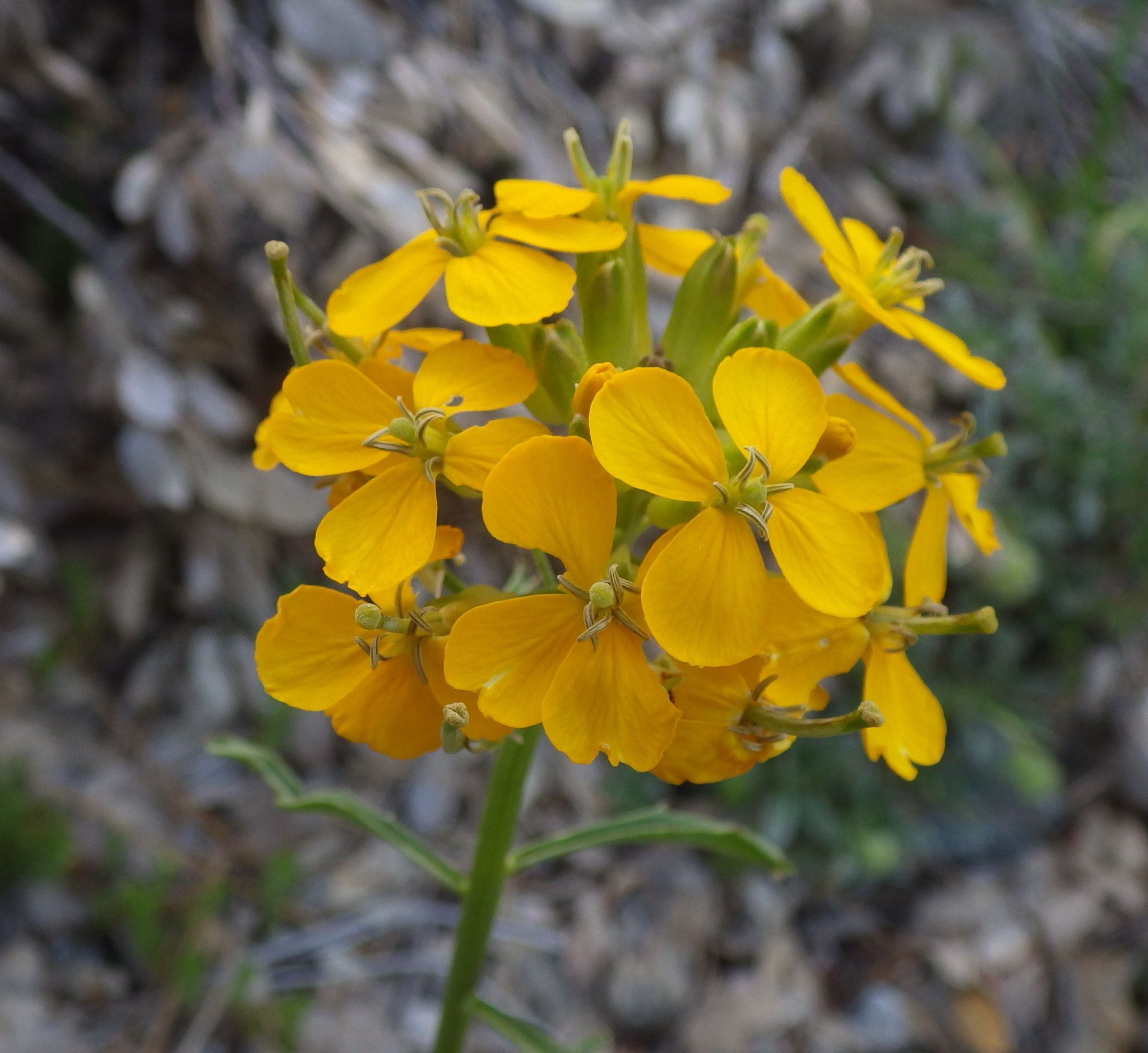
Family Brassicaceae (native genera)
Native mustards are a group of quick-blooming wildflowers in the mustard family that can add early-to-mid season nectar and pollen to gardens, schoolyards, and even containers.
Plant Type
Wildflowers (annuals/biennials) > Mustards
Aliases
Mustards
Native Range
Native species occur across parts of Canada, including the Toronto region (species vary).
Bloom window
Often spring into summer (varies by species)
OVERVIEW
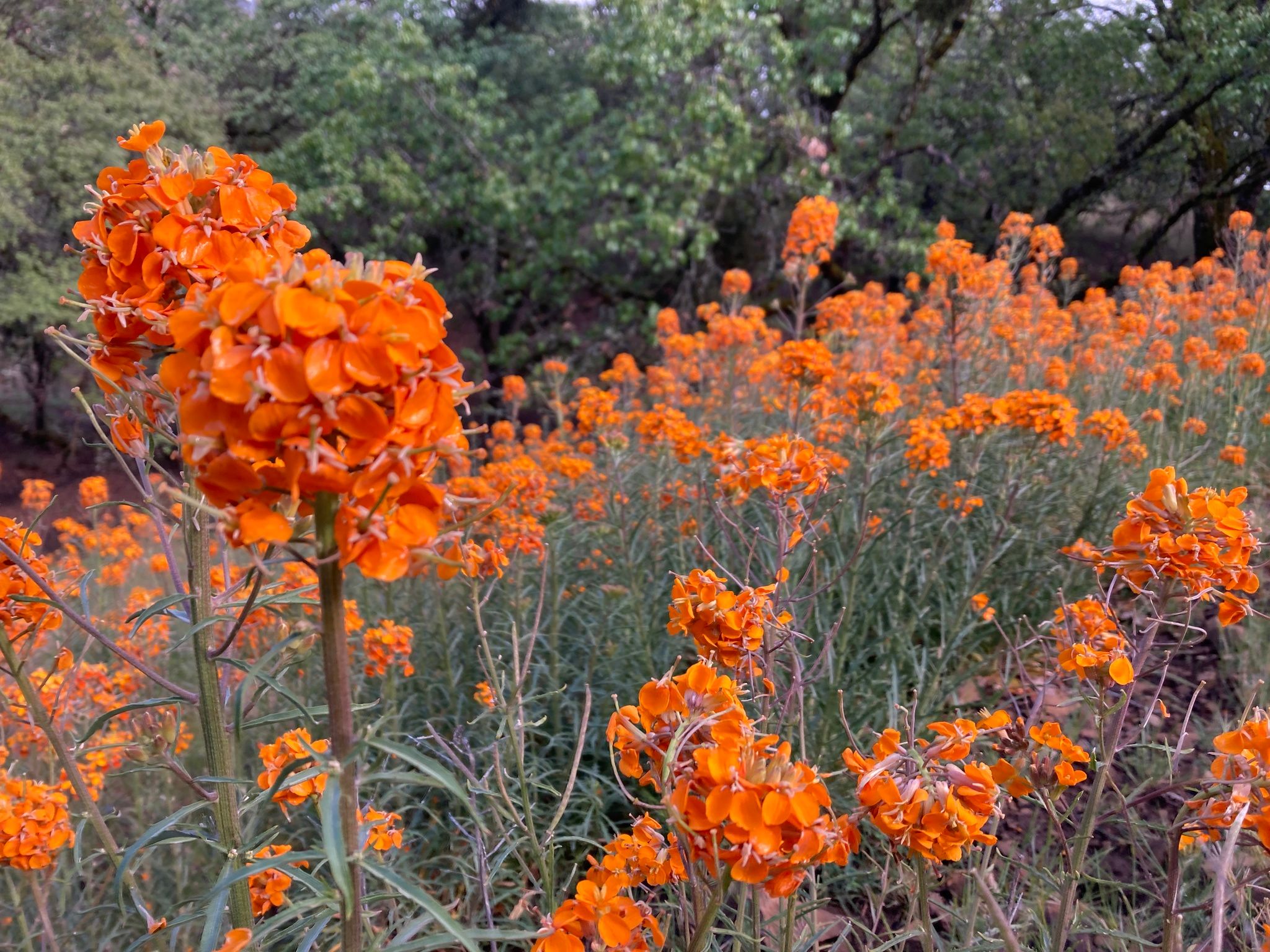
Native mustards are a flexible choice for pollinator-friendly planting because they tend to grow quickly and bloom in clusters of small flowers. They’re especially handy in new gardens, schoolyard projects, and small spaces where you want visible results without waiting years.
To get the most benefit, plant mustards in a small group rather than as single scattered plants. Pair them with other native flowers that bloom earlier and later so your patch has a longer season of blooms. If you want them to come back, let some plants finish flowering and set seed.
If you’re shopping for seed, double-check that you’re choosing native species suited to your area. The mustard family includes many non-native plants too, and some can spread more than you’d like in a small garden.
FAST FACTS
Essential stats and requirements for quick reference.
| Category | Details |
|---|---|
| Also known as | Mustards |
| Bloom window | Often spring into summer (varies by species) |
| Typical height | Low to medium (varies by species) |
| Pollinators supported | Bees, Flies, Butterflies |
| Light & moisture | Sun to part sun; average moisture (species vary) |
| Best roles for pollinators | Fast, pollinator-friendly blooms in small spaces, new gardens, and schoolyard habitat patches |
SUMMARY
A quick scan of what they do, what they need, and the best first step.
Native mustards can provide small, accessible flowers that many pollinators can use, especially when planted in groups.
Light, open soil and a bit of space—most do best when they aren’t crowded by taller plants or thick mulch.
Plant a small patch (or a pot) and let a few plants go to seed so they can return next year.
IMPACT
Key Impacts
RECOGNITION
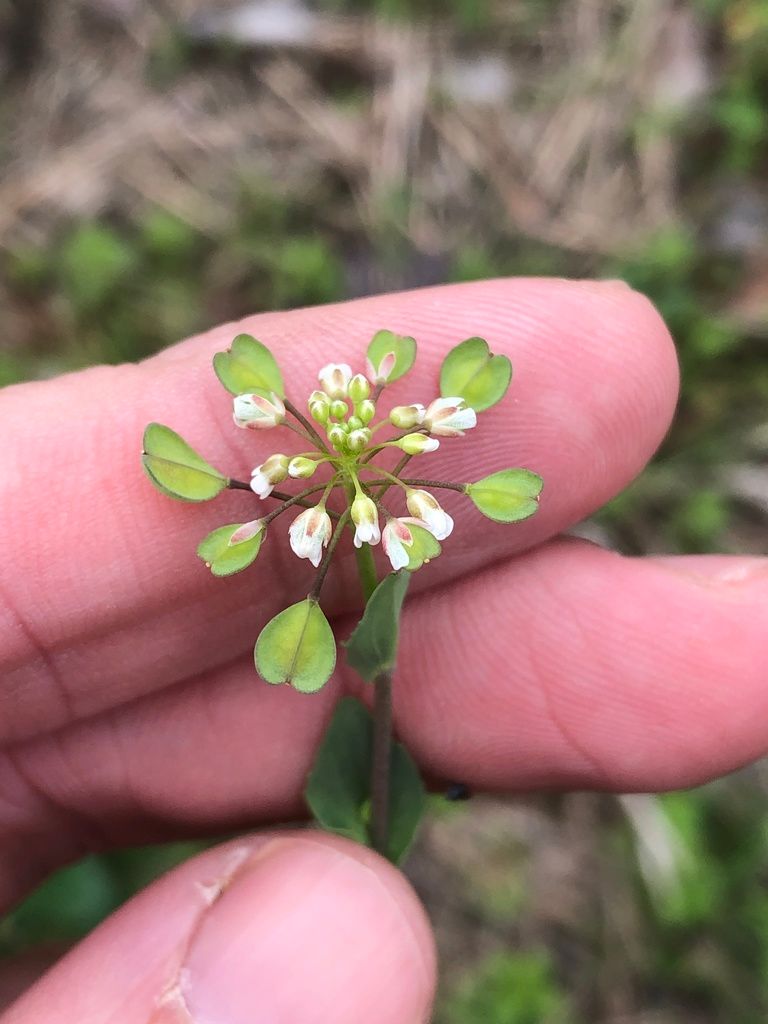
Often start as a low rosette; leaf shapes vary by species and can be smooth or slightly toothed.
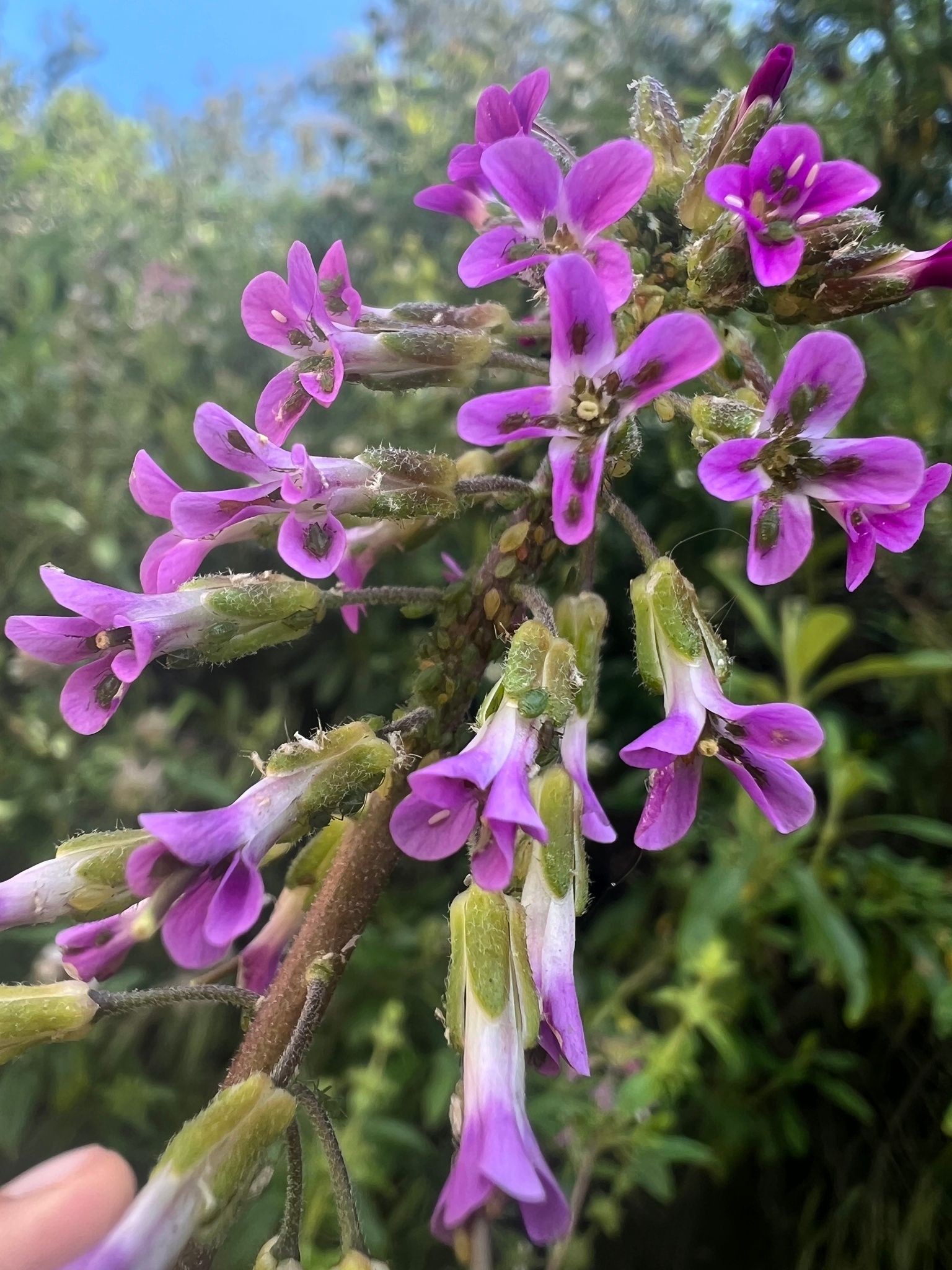
Usually four petals per flower, often in small clusters; colors vary by species.
Typically narrow pods that develop after flowering and hold many small seeds.
LOCATION
Native environments and the best spots to place it in your landscape.
SEASONALITY
Notes on bloom windows and how this plant helps pollinators across the seasons.
Bloom timing depends on the species, but native mustards often show up early and can keep going for weeks.
Bloom Season Role: Quick blooms that help cover gaps early in the season
REQUIREMENTS
The right mix of sun, soil, and space for healthy growth.
Full sun to part sun for best flowering.
Most do well in average garden soil that drains reasonably well; avoid heavy, constantly wet spots.
Water to help seedlings establish, then aim for steady, moderate moisture—especially in containers.
Direct-sow in a prepared patch or pot; press seed into the soil surface and keep lightly moist until sprouting.
Use a thin layer of mulch around (not over) seedlings; thick mulch can block small seeds from sprouting.
GARDENING GUIDE
Simple steps to plant, prune, and maintain healthy trees without pesticides.
Pairings
Pairing ideas to keep pollinators fed throughout the growing season.
GLOSSARY
Glossary terms are being added.
What You Can Do
Turn this knowledge into action. Whether you plant a single pot or a whole garden, you are building a vital bridge for local biodiversity.
Join the movement to restore our shared habitats.