

What they do
Agrimony adds summer flowers and a tall, airy shape that can attract a variety of visiting insects.
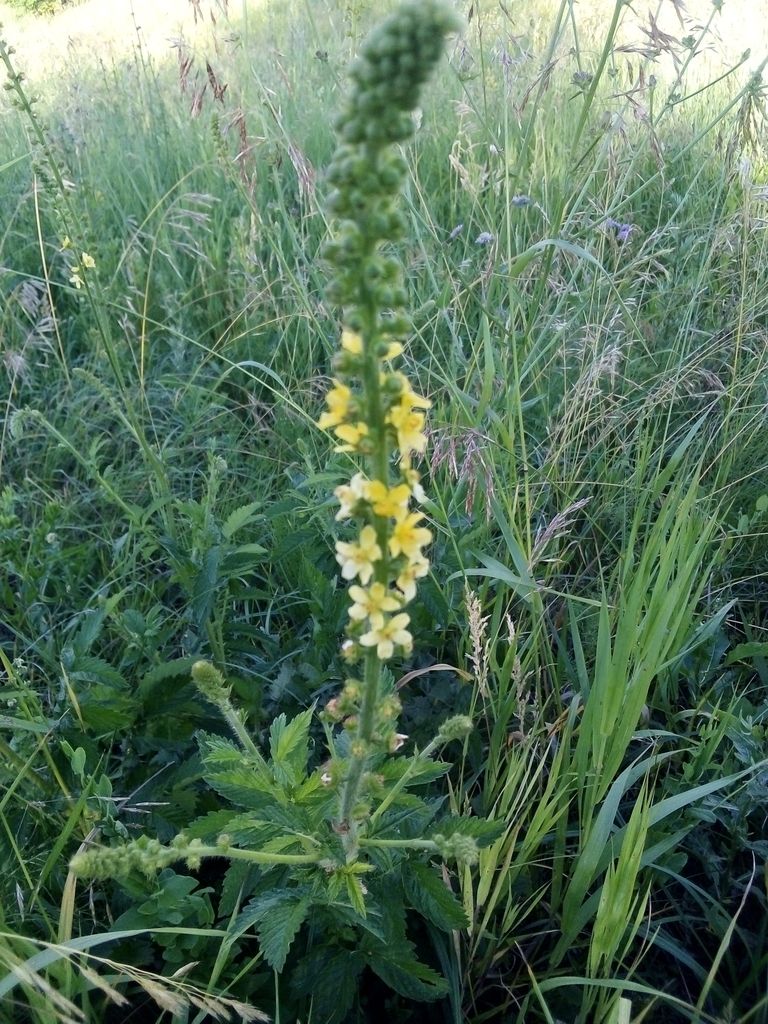
Genus Agrimonia
Agrimony is a group of easygoing wildflowers in the genus Agrimonia, known for their tall, slender spikes of small yellow blooms and their ability to fit into natural-looking gardens.
Plant Type
Wildflowers (herbaceous perennials) > Agrimony
Aliases
Agrimony
Native Range
Varies by species within the genus; some agrimonies are native in parts of North America and Eurasia.
Bloom window
Summer
OVERVIEW
Agrimony is a great “supporting actor” plant: it won’t overpower a garden with huge flowers, but it adds a steady run of small blooms and a tall, natural shape that helps a planting feel alive and layered.
If you’re building a pollinator-friendly patch, think of agrimony as part of the structure—something that can rise through other perennials and grasses, adding bloom and texture through summer. Give it decent light, keep it out of soggy soil, and let it mingle with other plants for a relaxed, meadow-like look.
FAST FACTS
Essential stats and requirements for quick reference.
| Category | Details |
|---|---|
| Also known as | Agrimony |
| Bloom window | Summer |
| Typical height | Medium to tall |
| Pollinators supported | Bees, Butterflies, Flies |
| Light & moisture | Adaptable; aim for a bright spot and soil that doesn’t stay soggy. |
| Best roles for pollinators | Naturalized garden edges, meadow-style beds, and mixed perennial plantings where you want upright height without a heavy look. |
SUMMARY
A quick scan of what they do, what they need, and the best first step.
Agrimony adds summer flowers and a tall, airy shape that can attract a variety of visiting insects.
A sunny-to-bright location, average garden soil, and room to stand upright among other plants.
Place it where it gets good light and isn’t crowded by aggressive, taller plants.
IMPACT
Key Impacts
RECOGNITION
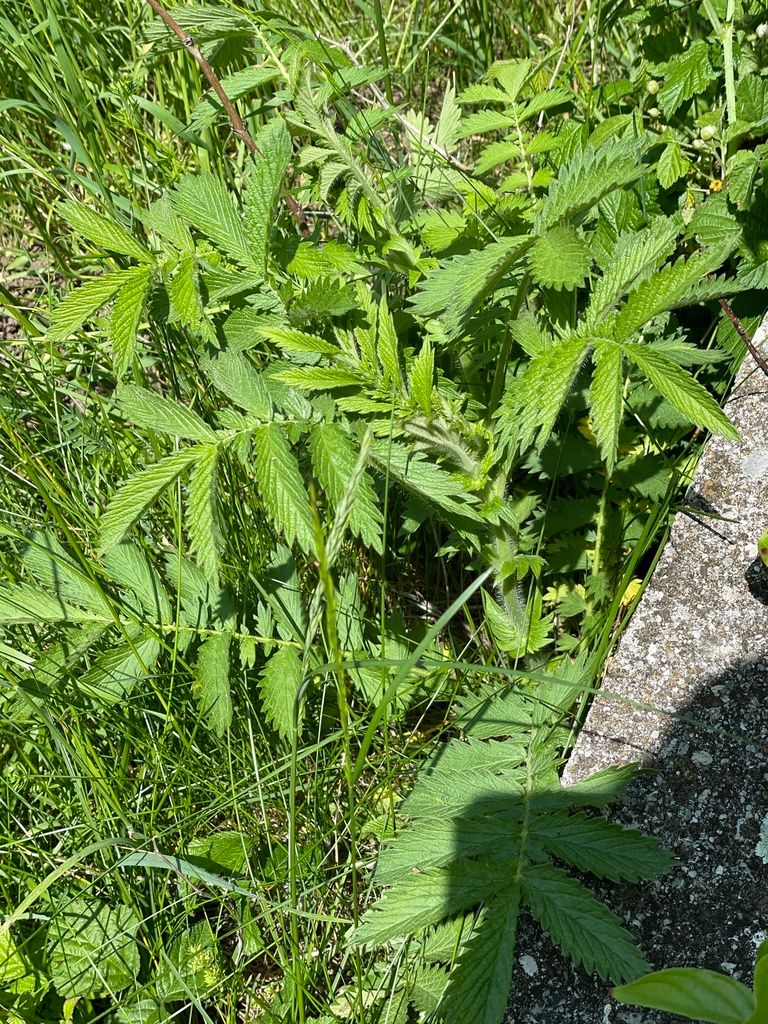
Leafy growth forms a green base, with flowering stems rising above; overall look is tidy but natural.
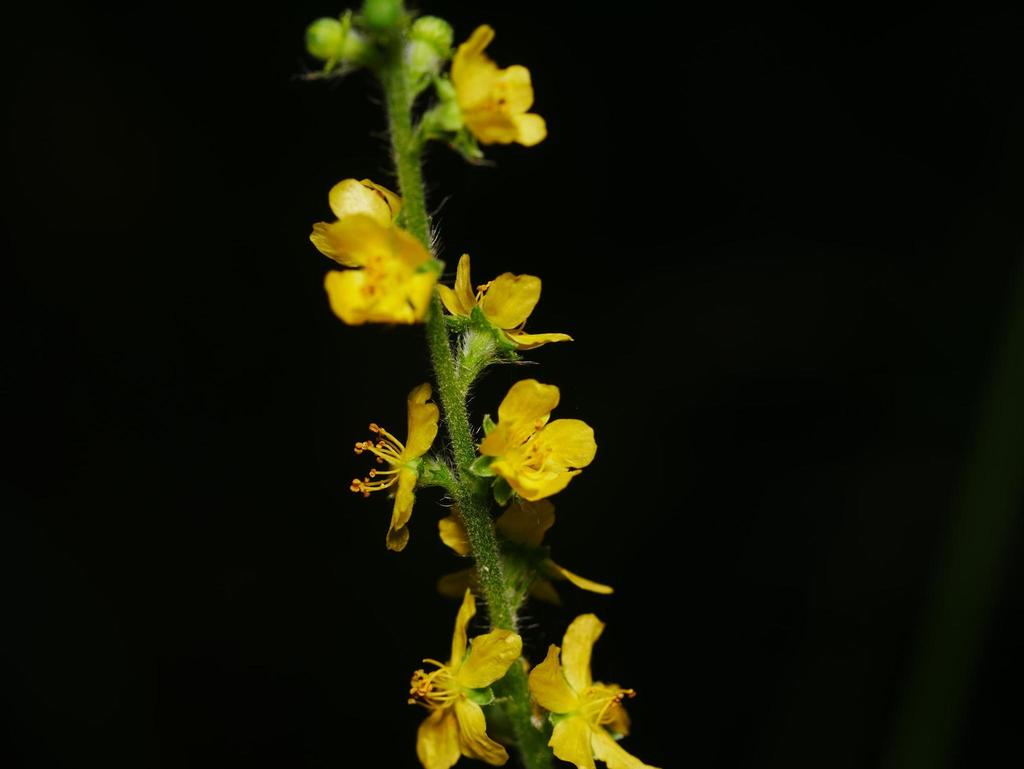
Many small yellow flowers arranged along an upright, wand-like spike.
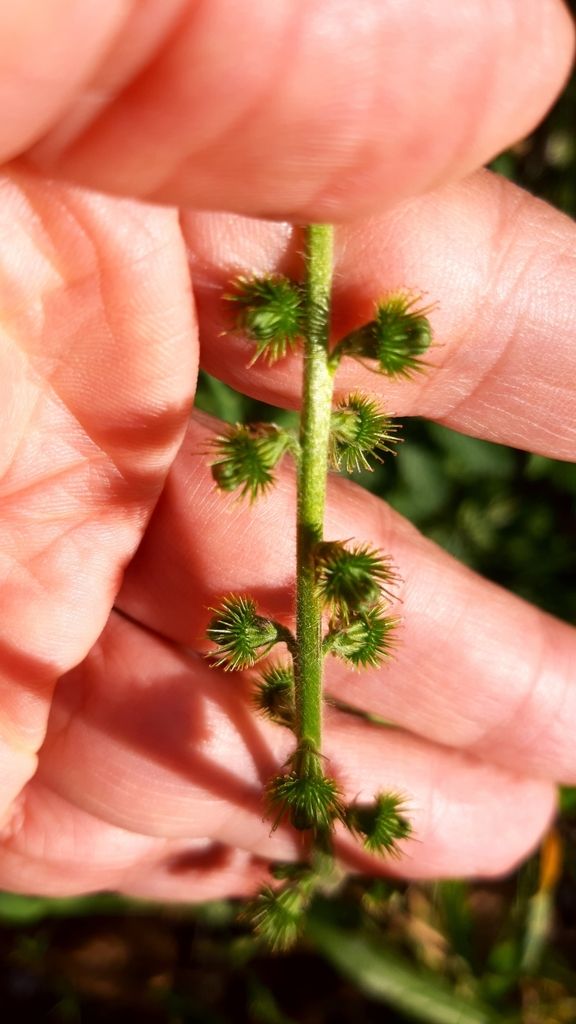
After flowering, the spike develops seed structures along the stem.
LOCATION
Native environments and the best spots to place it in your landscape.
SEASONALITY
Notes on bloom windows and how this plant helps pollinators across the seasons.
Agrimony typically blooms in the warmer part of the growing season.
Bloom Season Role: Adds a light, vertical layer of small blooms that can weave through other plants.
REQUIREMENTS
The right mix of sun, soil, and space for healthy growth.
Best in sun to part shade; more light usually means sturdier stems and better flowering.
Average garden soil is fine; avoid sites that stay waterlogged.
Water to establish, then water during long dry spells if plants look stressed.
Plant with enough space for airflow and to prevent it from being swallowed by larger neighbors.
Use a light mulch layer to reduce weeds, keeping mulch off the crown of the plant.
GARDENING GUIDE
Simple steps to plant, prune, and maintain healthy trees without pesticides.
Pairings
Pairing ideas to keep pollinators fed throughout the growing season.
GLOSSARY
Glossary terms are being added.
What You Can Do
Turn this knowledge into action. Whether you plant a single pot or a whole garden, you are building a vital bridge for local biodiversity.
Join the movement to restore our shared habitats.