
What they do
Add bright spring-to-early-summer blooms and interesting seed pods while fitting neatly into low-water, well-drained garden designs.
Genus Physaria (and allies)
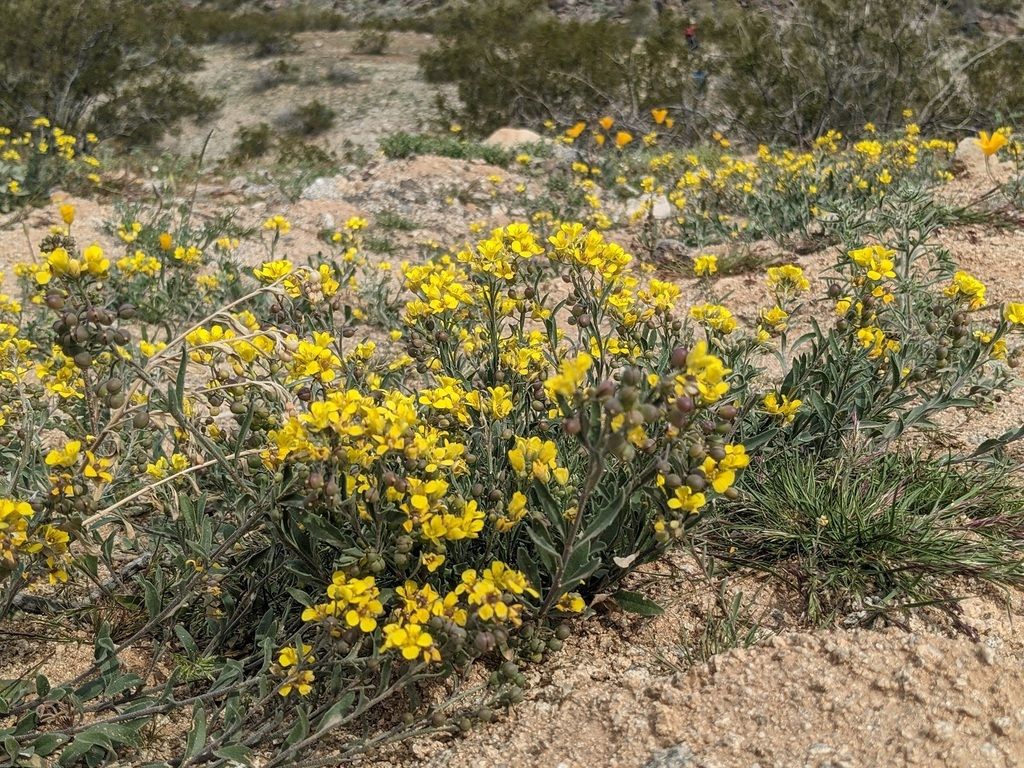
Bladderpods (and close relatives in the genus Physaria and allies) are tough, sunny-site wildflowers known for small yellow blooms and distinctive inflated seed pods. They’re a good choice for low-water gardens and pollinator-friendly plantings where soil drains well.
Plant Type
Wildflowers (herbaceous perennials) > Bladderpods & relatives
Aliases
Bladderpod
Native Range
North America (varies by species; many are native to western and central regions)
Bloom window
Spring into early summer (varies by species and location)
OVERVIEW
Bladderpods and their close relatives in Physaria are a smart pick for gardeners who want bright, simple flowers without a lot of extra watering. They’re especially useful in sunny places with lean, fast-draining soil—think gravel, sand, or rocky beds.
What makes them stand out is the combination of small yellow blooms and the inflated seed pods that follow. Even after the flowers fade, the pods can keep the plant looking interesting for weeks.
If you’re new to dry-garden plants, the main trick is to avoid “too much kindness.” Rich soil, heavy mulch, and frequent watering can cause more problems than they solve. Give bladderpods sun, space, and drainage, and they’ll usually do the rest.
FAST FACTS
Essential stats and requirements for quick reference.
| Category | Details |
|---|---|
| Also known as | Bladderpod |
| Bloom window | Spring into early summer (varies by species and location) |
| Typical height | Low to medium (varies by species; often under knee-high) |
| Pollinators supported | Bees, Flies, Beetles |
| Light & moisture | Full sun; dry to medium moisture with excellent drainage |
| Best roles for pollinators | Sunny, well-drained spots; rock gardens; gravel beds; dry borders; pollinator-friendly plantings that don’t need frequent watering |
SUMMARY
A quick scan of what they do, what they need, and the best first step.
Add bright spring-to-early-summer blooms and interesting seed pods while fitting neatly into low-water, well-drained garden designs.
Sun and drainage—think gravelly or sandy soil and a spot that doesn’t stay soggy.
Choose the sunniest, best-drained place you have and keep watering light after the plant is established.
IMPACT
Key Impacts
RECOGNITION
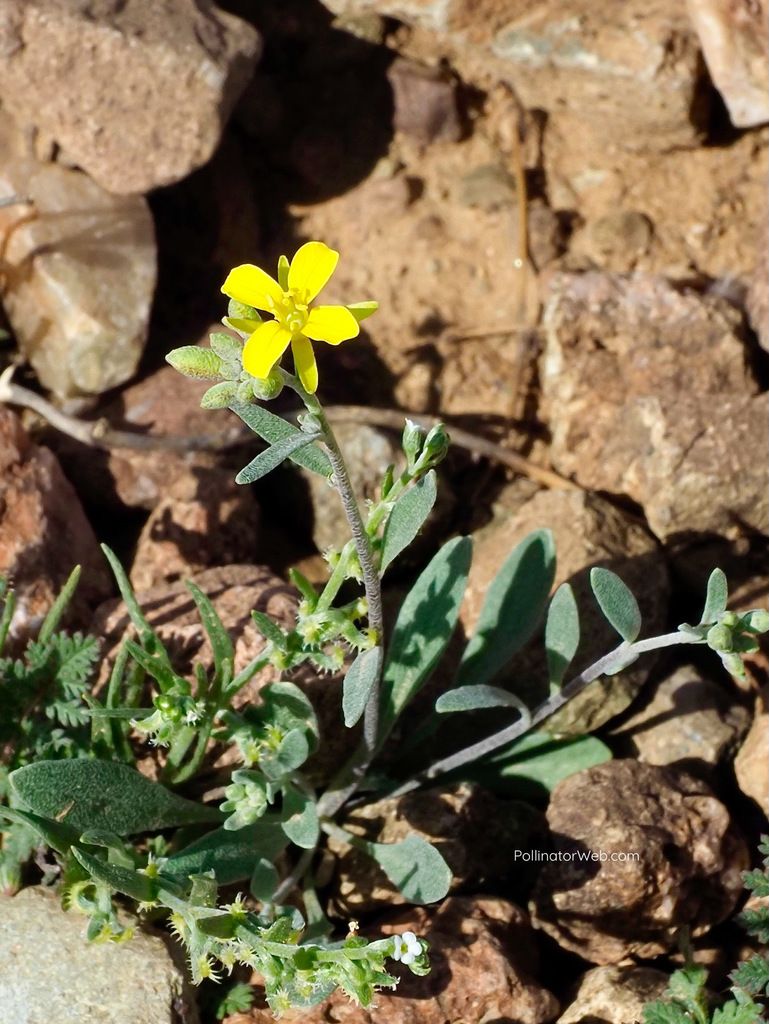
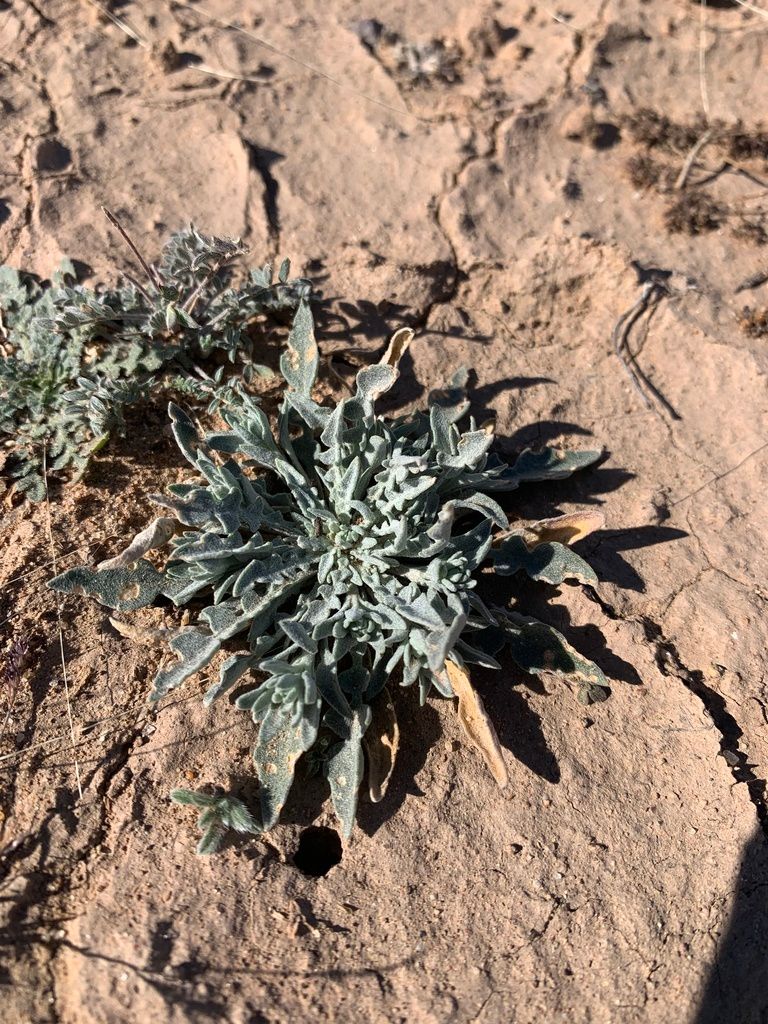
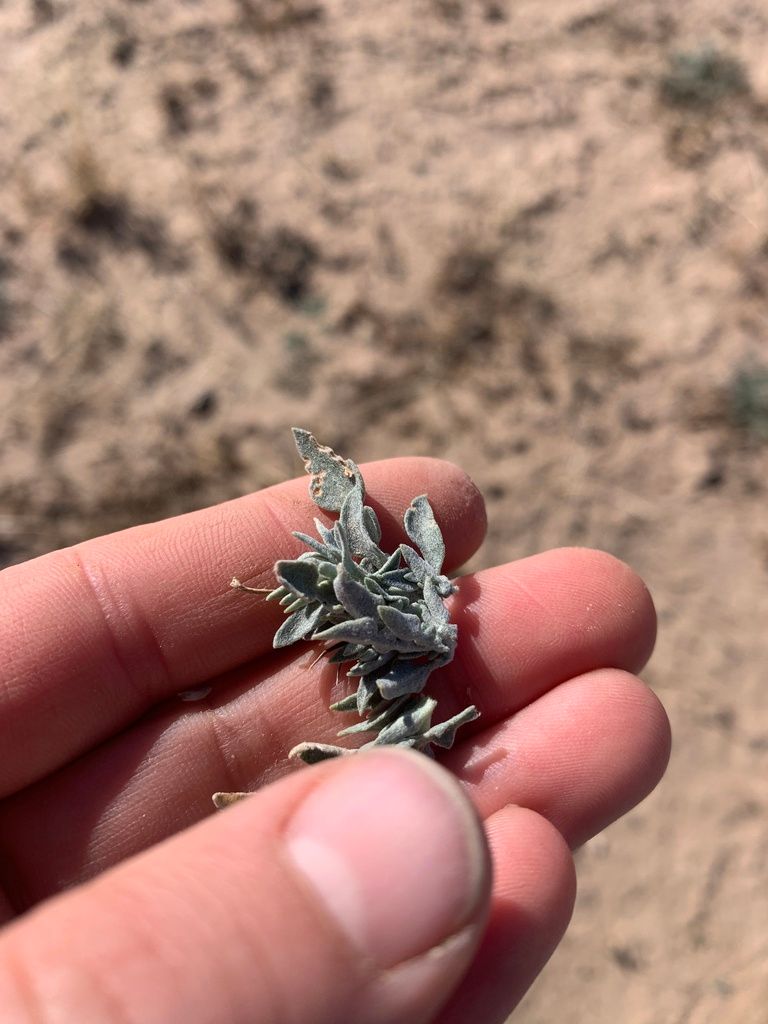
Often gray-green to green; may be narrow or slightly fuzzy; typically forms a low clump or mound.
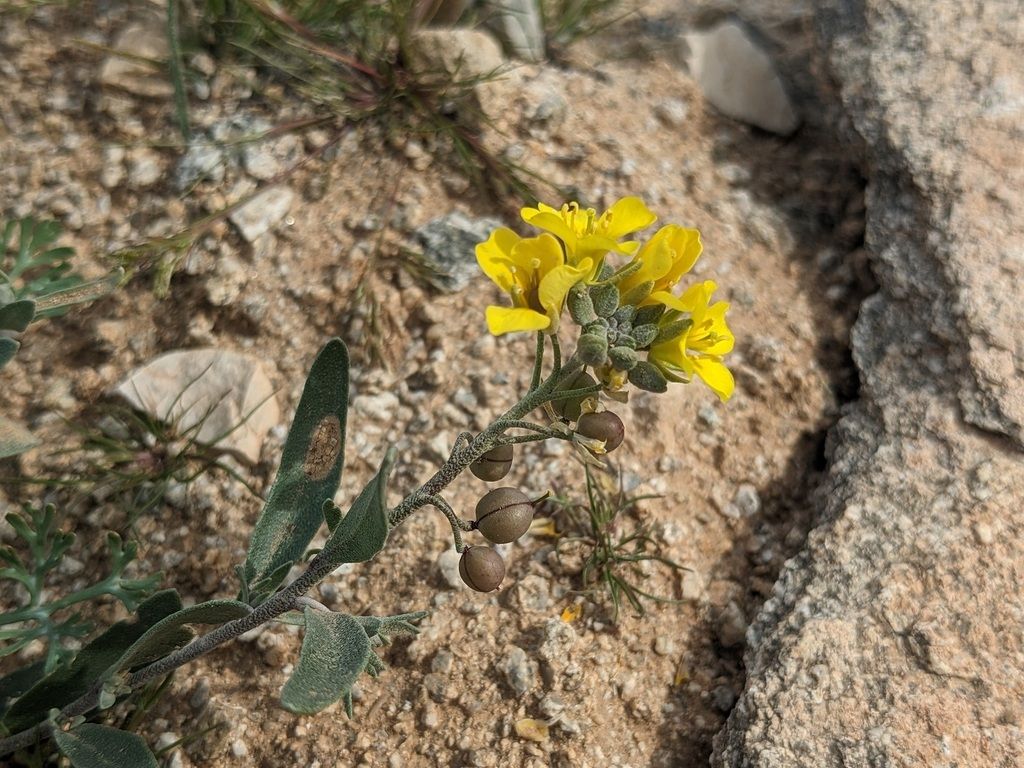
Small, bright yellow, four-petaled flowers in clusters; mustard-family look.
Distinctive inflated seed pods that become noticeable after flowering.
LOCATION
Native environments and the best spots to place it in your landscape.
SEASONALITY
Notes on bloom windows and how this plant helps pollinators across the seasons.
Bladderpods typically bloom in the earlier part of the growing season, then shift to showy seed pods.
Bloom Season Role: Early-season color and nectar/pollen in sunny, dry plantings
REQUIREMENTS
The right mix of sun, soil, and space for healthy growth.
Plant in full sun for best flowering and compact growth.
Best in sandy, gravelly, or otherwise well-drained soil. If your soil is heavy, mix in grit or plant on a slight mound/raised area to improve drainage.
Water to establish, then water sparingly. Let the soil dry between waterings; avoid soggy conditions.
Set plants so the crown sits at soil level. Give space for airflow and keep taller neighbors from shading it.
Use a thin layer of gravel or a light mulch if needed; avoid thick, moisture-holding mulch piled against the crown.
GARDENING GUIDE
Simple steps to plant, prune, and maintain healthy trees without pesticides.
Pairings
Pairing ideas to keep pollinators fed throughout the growing season.
GLOSSARY
Glossary terms are being added.
What You Can Do
Turn this knowledge into action. Whether you plant a single pot or a whole garden, you are building a vital bridge for local biodiversity.
Join the movement to restore our shared habitats.