
What they do
Bluebells add gentle spring color and offer early flowers for visiting pollinators.
Genus Mertensia
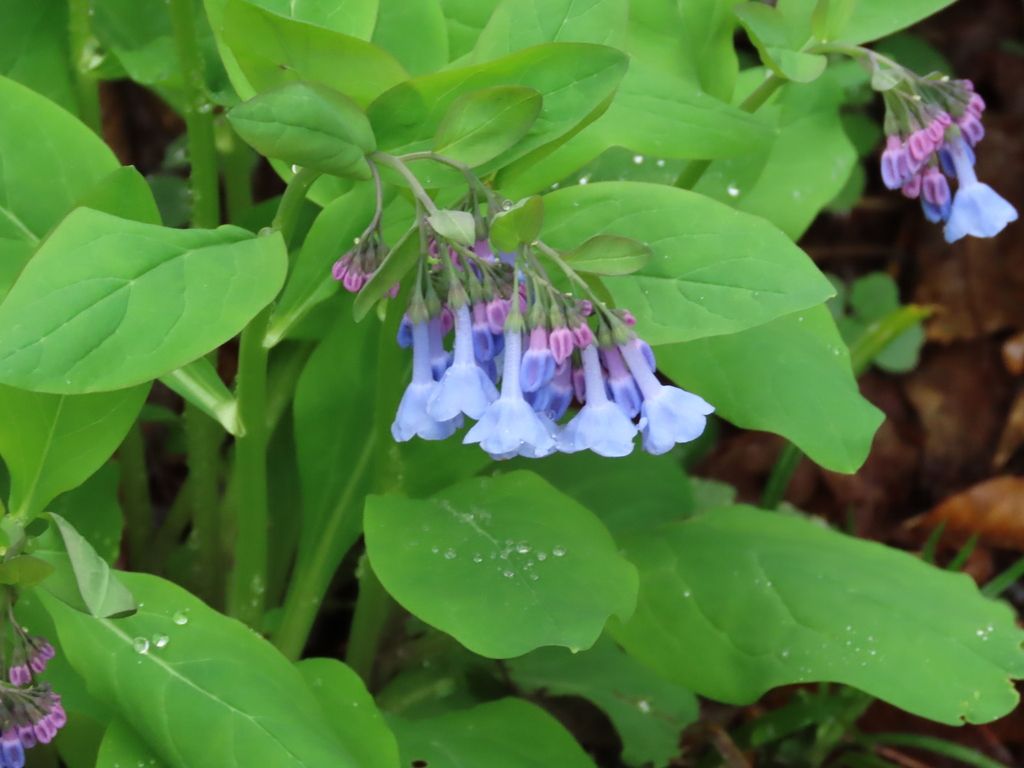
Native bluebells (genus Mertensia) are spring-blooming woodland wildflowers with nodding, bell-shaped flowers that bring early color and nectar to shady gardens.
Plant Type
Wildflowers (herbaceous perennials) > Bluebells
Aliases
Bluebell
Native Range
Native to parts of North America (species-dependent)
Bloom window
Spring
OVERVIEW
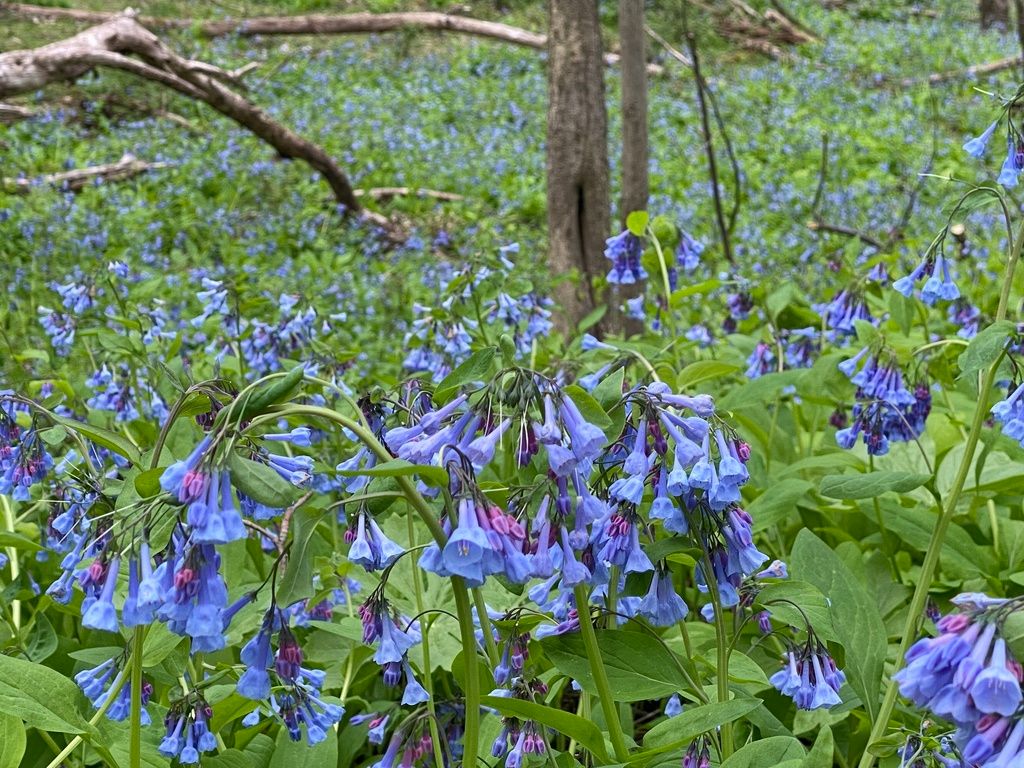
Native bluebells (genus Mertensia) are essential spring-ephemeral wildflowers, providing a vital “spring kickoff” source of nectar for emerging native insects and early-flying bees in shady, woodland areas. As one of the earliest blooms, their functional role is bridging the critical gap in food availability beneath developing tree canopies.
For successful habitat building, choose a spot with part shade to shade and evenly moist soil, such as under deciduous trees. Once the summer canopy closes in, the bluebells naturally go dormant. Avoid disturbing the patch while they are growing, and ensure the area is pesticide-free to protect the early-season pollinators that rely on their blooms.
FAST FACTS
Essential stats and requirements for quick reference.
| Category | Details |
|---|---|
| Also known as | Bluebell |
| Bloom window | Spring |
| Typical height | Low to medium (varies by species) |
| Pollinators supported | Bees, Butterflies |
| Light & moisture | Part shade to shade; evenly moist soil |
| Best roles for pollinators | Shady gardens, woodland edges, under trees, and early-season pollinator support |
SUMMARY
A quick scan of what they do, what they need, and the best first step.
Bluebells add gentle spring color and offer early flowers for visiting pollinators.
Dappled light and soil that stays lightly moist in spring, with room to naturalize.
Plant them where they’ll get spring moisture and summer shade—like under deciduous trees.
IMPACT
Key Impacts
RECOGNITION
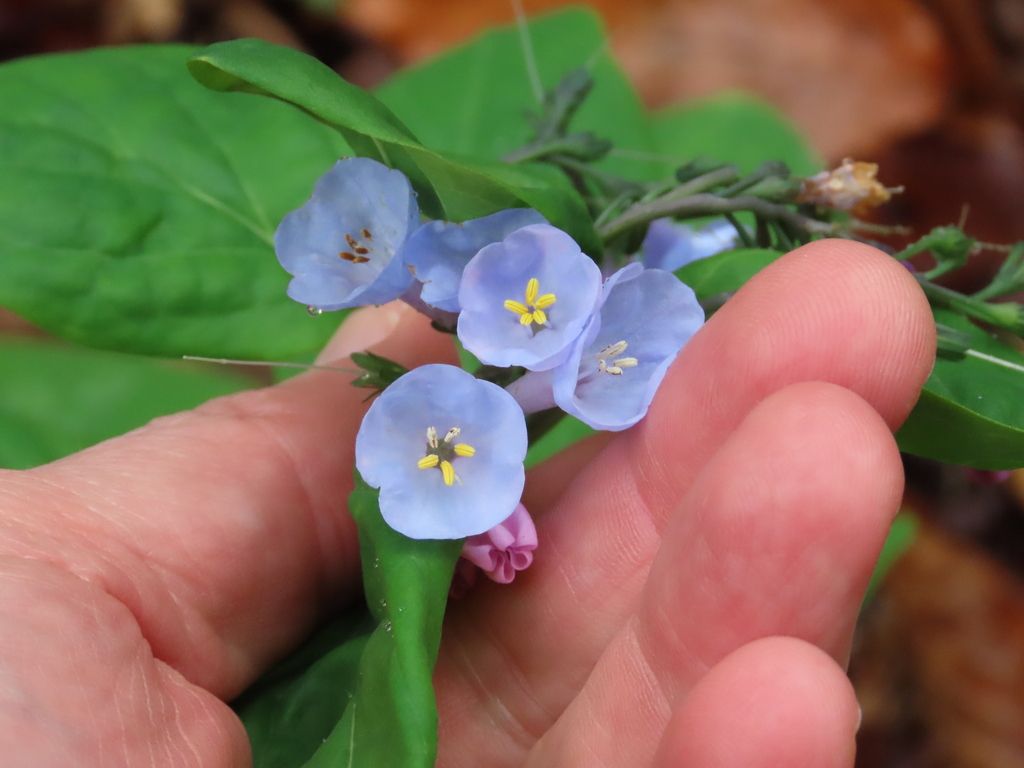
Soft green, smooth leaves that are oval to lance-shaped; leaves and stems can look slightly “waxy” or tender in spring.
Drooping clusters of bell-shaped flowers; buds may start pinkish and open to blue tones.
Small seed set after bloom; plants may self-seed lightly in suitable conditions.
LOCATION
Native environments and the best spots to place it in your landscape.
SEASONALITY
Notes on bloom windows and how this plant helps pollinators across the seasons.
Bluebells are best known for their spring show, then they step back as the season warms.
Bloom Season Role: Early-season blooms that help fill the spring gap
REQUIREMENTS
The right mix of sun, soil, and space for healthy growth.
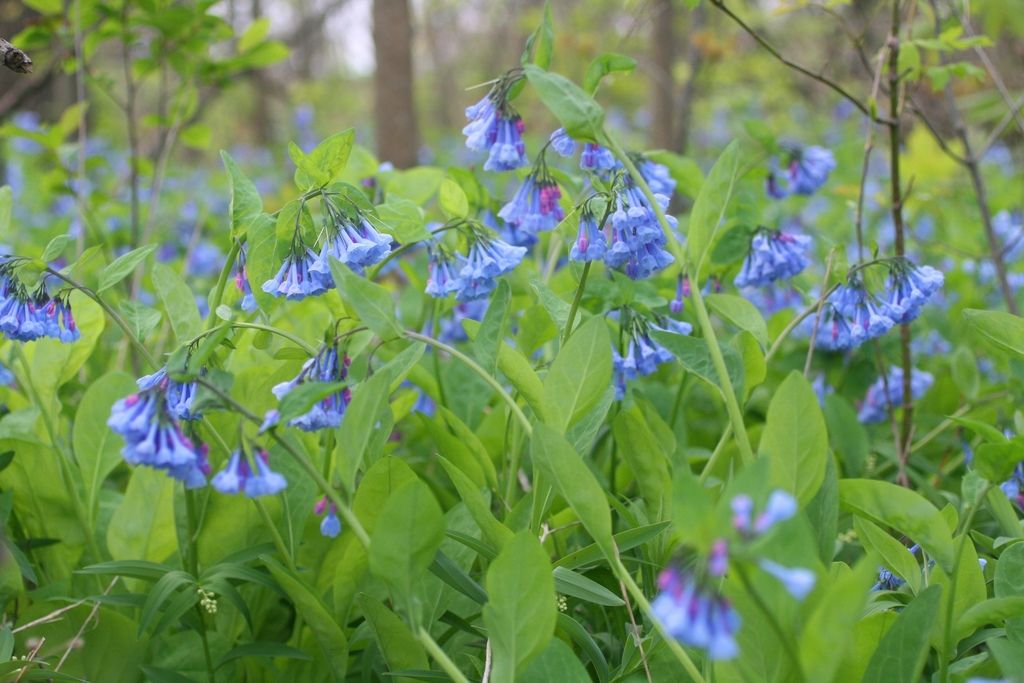
Best in dappled light or part shade; can handle deeper shade, especially in woodland settings.
Rich, leafy, well-drained soil that holds moisture in spring; adding compost or leaf mold can help.
Water during dry spells in spring while plants are actively growing; once dormant, they need much less attention.
Plant in groups for a natural look. Give them space to expand and avoid frequent digging around them.
Use a light layer of shredded leaves or compost to mimic woodland litter and help keep soil evenly moist.
GARDENING GUIDE
Simple steps to plant, prune, and maintain healthy trees without pesticides.
Pairings
Pairing ideas to keep pollinators fed throughout the growing season.
GLOSSARY
Glossary terms are being added.
What You Can Do
Turn this knowledge into action. Whether you plant a single pot or a whole garden, you are building a vital bridge for local biodiversity.
Join the movement to restore our shared habitats.