
What they do
They provide clusters of small flowers that many different pollinators can feed from, especially later in the season.
Genus Eupatorium & allies
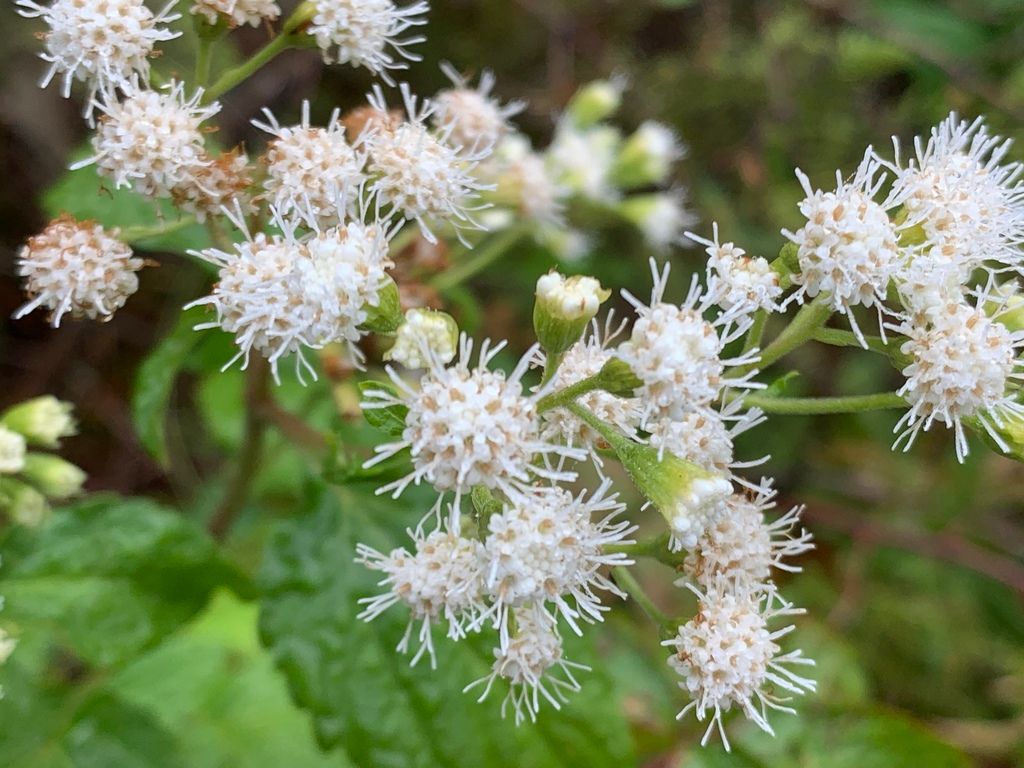
Bonesets and thoroughworts are tough, nectar-rich wildflowers in the Eupatorium genus and close relatives, valued for their late-season blooms and easy-care nature in gardens that welcome pollinators.
Plant Type
Wildflowers (herbaceous perennials) > Bonesets & thoroughworts
Aliases
Boneset
Native Range
Native to parts of North America (species vary)
Bloom window
Late summer into fall (varies by species)
OVERVIEW
Bonesets and thoroughworts are dependable “workhorse” wildflowers: they grow upright, bloom in generous clusters, and fit naturally into gardens that aim for a meadow feel. Because different species and close relatives get grouped under these common names, it’s normal to see variation in height, leaf shape, and how much moisture they prefer.
If you have a spot that stays a bit damp—or at least doesn’t dry out quickly—these plants can be a strong choice for extending bloom into late summer and fall. Pair them with other late-season natives like asters and goldenrods, and you’ll create a garden that stays lively when many earlier flowers have finished.
For a simple, low-stress approach: plant them where they’ll get good light, keep the soil from drying out while they establish, and avoid pesticides so the insects you’re trying to support can safely visit.
FAST FACTS
Essential stats and requirements for quick reference.
| Category | Details |
|---|---|
| Also known as | Boneset |
| Bloom window | Late summer into fall (varies by species) |
| Typical height | Medium to tall (varies by species) |
| Pollinators supported | Bees, Butterflies, Flies, Beetles |
| Light & moisture | Sun to part sun; average to moist soil (some handle wetter spots) |
| Best roles for pollinators | Naturalized beds, rain-garden edges, and any spot where you want reliable late-season flowers for pollinators. |
SUMMARY
A quick scan of what they do, what they need, and the best first step.
They provide clusters of small flowers that many different pollinators can feed from, especially later in the season.
A bright spot with soil that doesn’t bake dry, plus enough room to grow upright without being smothered.
Place them where the soil stays evenly moist (or at least not bone-dry) and let them bloom through late summer and fall.
IMPACT
Key Impacts
RECOGNITION
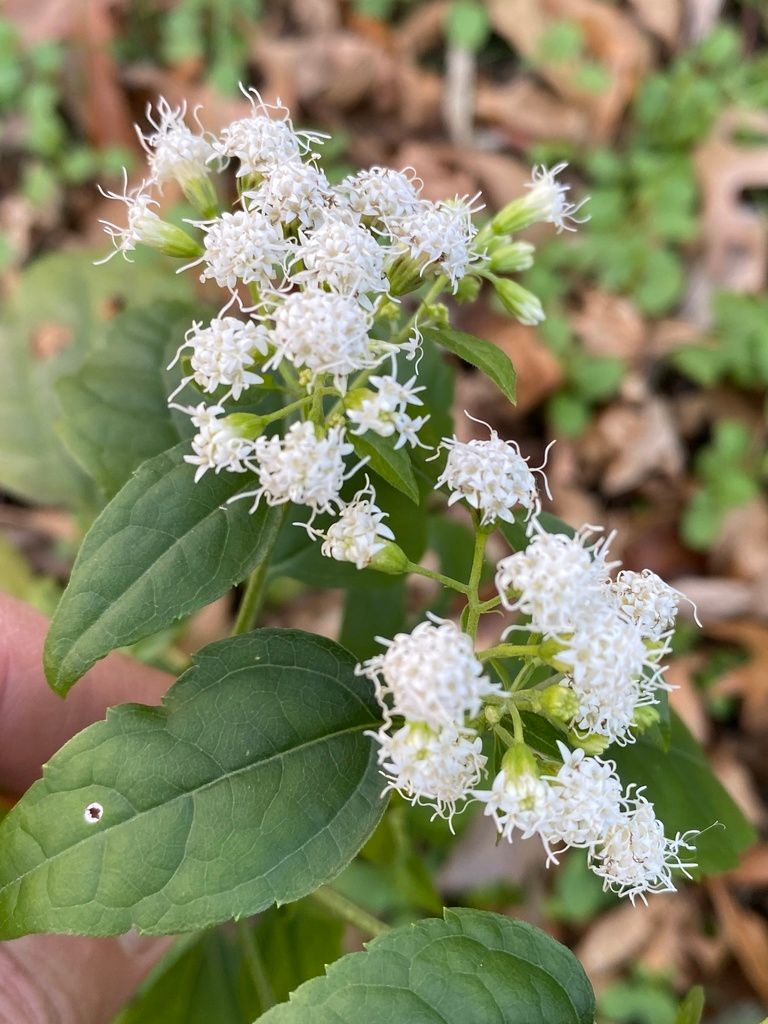
Leaves are typically opposite; shape varies by species, from narrow to broader, and some types have leaves that look joined around the stem.
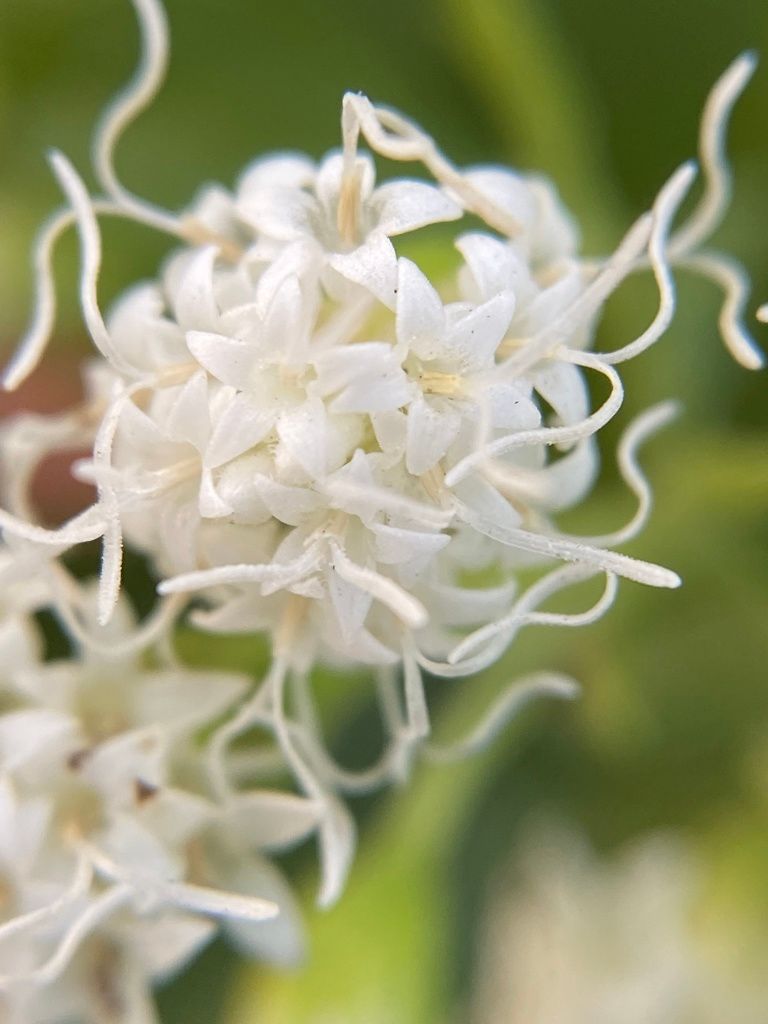
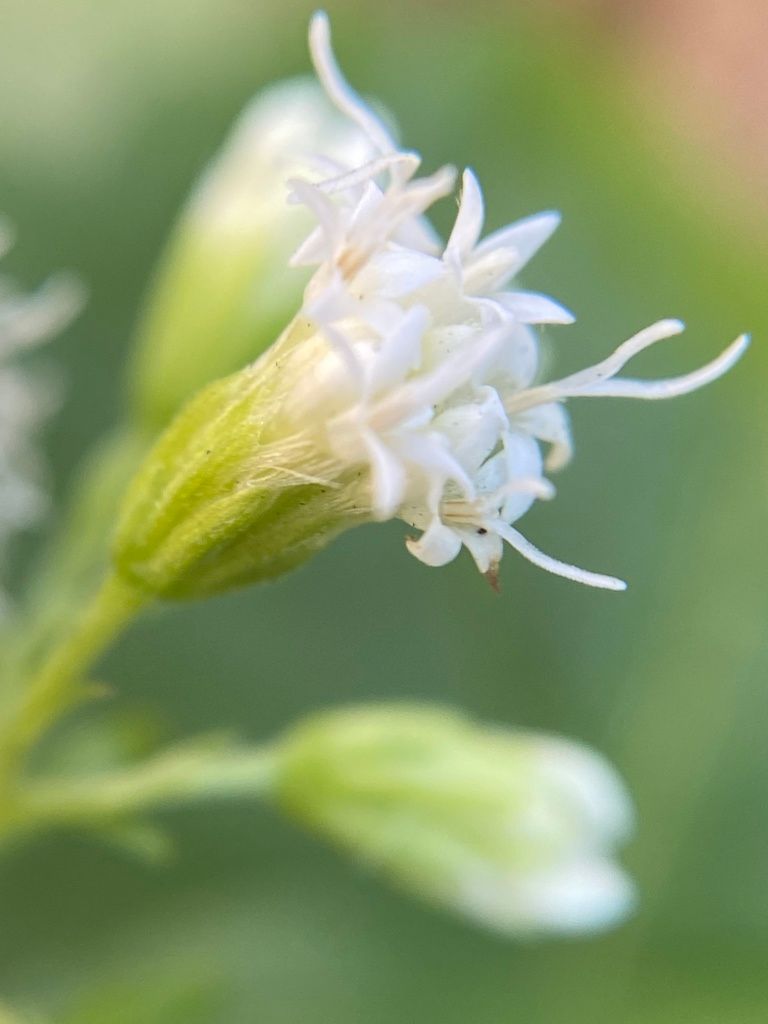
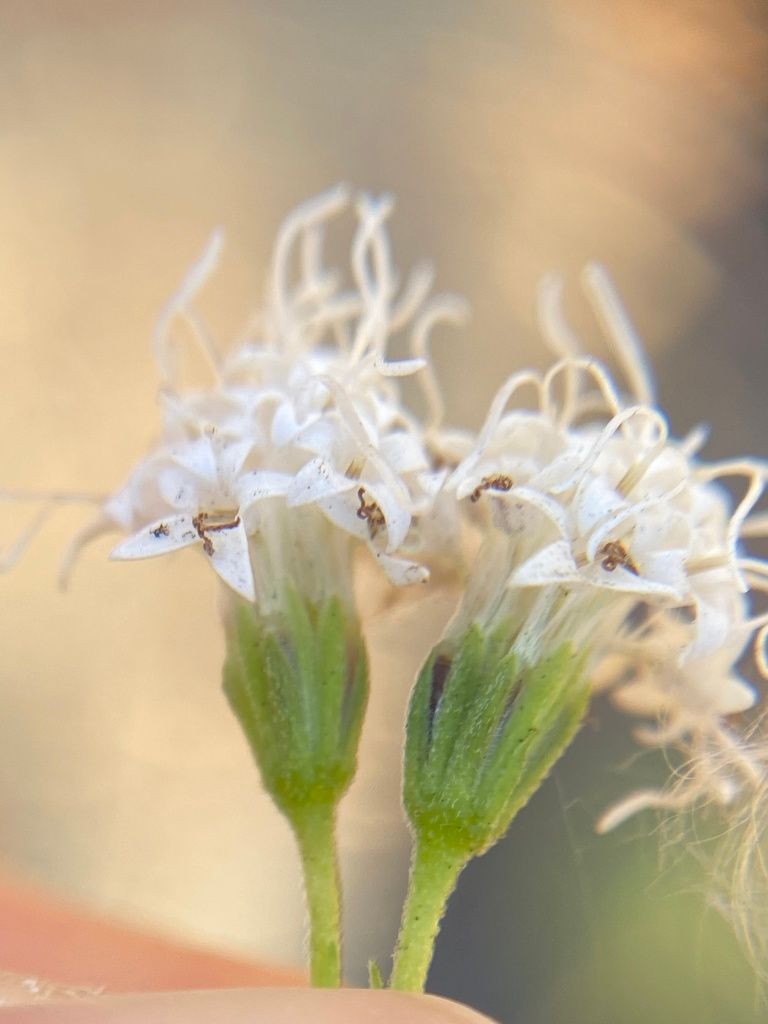
Many tiny florets packed into rounded or flat-topped clusters; often pale or whitish, sometimes with a soft, fuzzy look.
After flowering, the heads dry and hold small seeds; leaving stems standing can add winter texture.
LOCATION
Native environments and the best spots to place it in your landscape.
SEASONALITY
Notes on bloom windows and how this plant helps pollinators across the seasons.
These plants are best known for showing up strong later in the growing season.
Bloom Season Role: Late-season nectar and pollen
REQUIREMENTS
The right mix of sun, soil, and space for healthy growth.
Best in full sun to part sun; more sun usually means sturdier growth and more flowers.
Adaptable, but happiest in soil that holds some moisture; avoid sites that dry out quickly.
Water to establish; after that, aim for even moisture, especially during dry spells.
Plant in spring or fall. Give each plant room so air can move through the stems as it fills in.
Use a light mulch to reduce weeds and help soil hold moisture, keeping mulch off the crown.
GARDENING GUIDE
Simple steps to plant, prune, and maintain healthy trees without pesticides.
Pairings
Pairing ideas to keep pollinators fed throughout the growing season.
GLOSSARY
Glossary terms are being added.
What You Can Do
Turn this knowledge into action. Whether you plant a single pot or a whole garden, you are building a vital bridge for local biodiversity.
Join the movement to restore our shared habitats.