
What they do
Buttercups add bright, simple blooms that can support a mix of small pollinators in naturalized spaces.
Genus Ranunculus
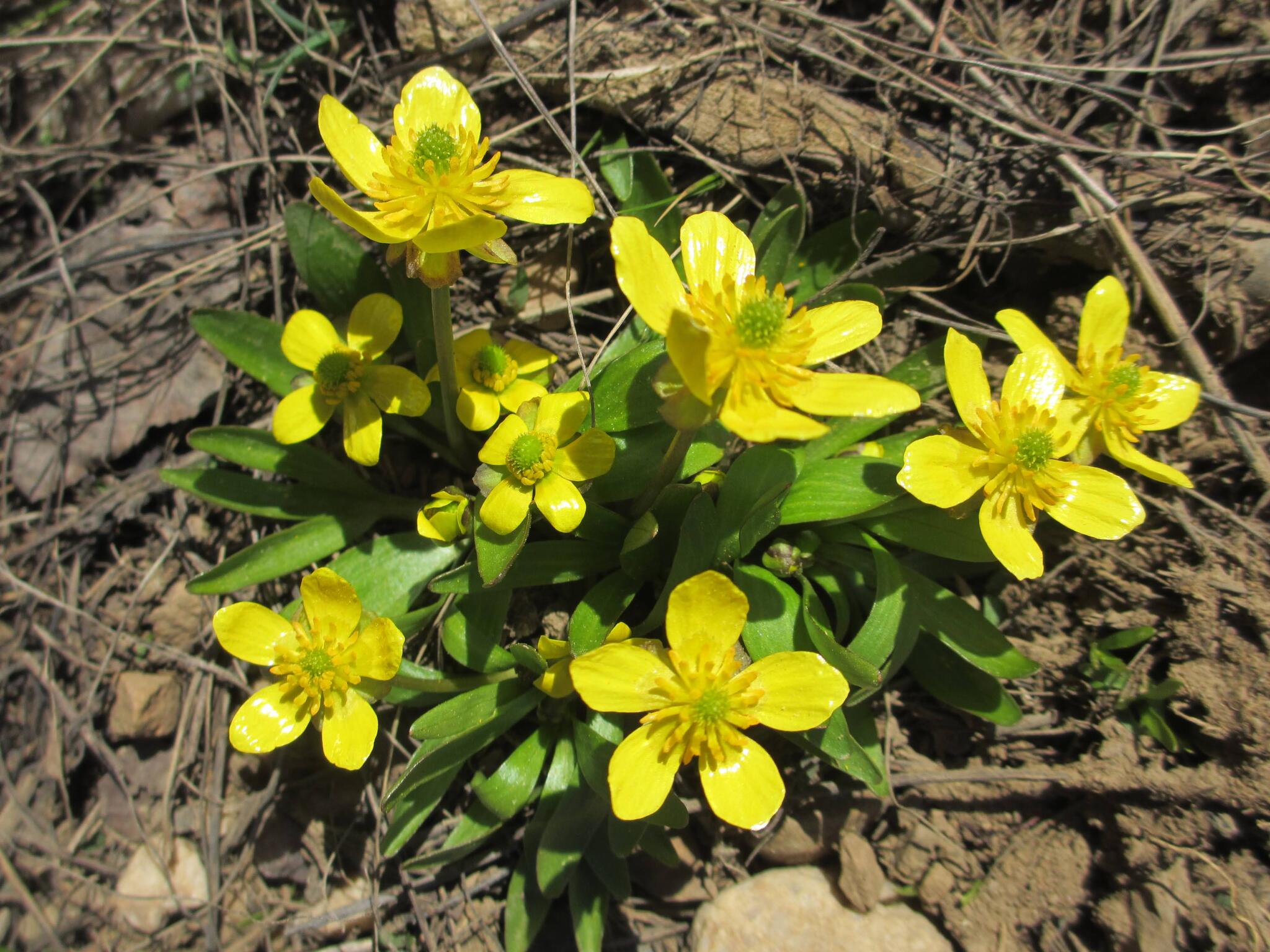
Wild buttercups (genus Ranunculus) are cheerful, yellow-blooming wildflowers that can add quick color to meadows, edges, and naturalized garden areas. Many species are perennial and spread readily, so they’re best used where a lively, “let it be a little wild” look is welcome.
Plant Type
Wildflowers (herbaceous perennials) > Buttercups
Aliases
Buttercup
Native Range
Found across many temperate regions; native status depends on the species in your area.
Bloom window
Spring into summer (varies by species and site)
OVERVIEW
Wild buttercups (genus Ranunculus) are fast-growing, low-lying wildflowers that add quick, accessible pollen and nectar to naturalized landscapes in the early to mid-season. They are ideally suited for meadow-style plantings, path edges, and lightly managed grassy areas, where they serve as a ground-level, early food source for a broad range of native insects.
When incorporating buttercups, acknowledge their vigorous, perennial nature and propensity for spreading. Plant them where their natural spread can be contained by simple maintenance like mowing or edging. To ensure continuous resources for local pollinators across the season, integrate buttercups with other native plants that bloom earlier and later, and consider deadheading spent flowers to reduce unwanted self-seeding.
FAST FACTS
Essential stats and requirements for quick reference.
| Category | Details |
|---|---|
| Also known as | Buttercup |
| Bloom window | Spring into summer (varies by species and site) |
| Typical height | Low to medium height (varies widely by species) |
| Pollinators supported | Bees, Flies, Beetles |
| Light & moisture | Sun to part sun; often does best with steady moisture |
| Best roles for pollinators | Naturalized areas, meadow-style plantings, and garden edges where spreading is acceptable |
SUMMARY
A quick scan of what they do, what they need, and the best first step.
Buttercups add bright, simple blooms that can support a mix of small pollinators in naturalized spaces.
A spot with decent light and soil that doesn’t dry out too quickly, plus room to spread if conditions suit them.
Choose a “wild corner” or meadow-style area for buttercups, and deadhead if you want to limit self-seeding.
IMPACT
Key Impacts
RECOGNITION
Often lobed or divided; may form a basal clump with additional leaves on the stem. Leaf shape varies a lot across Ranunculus species.
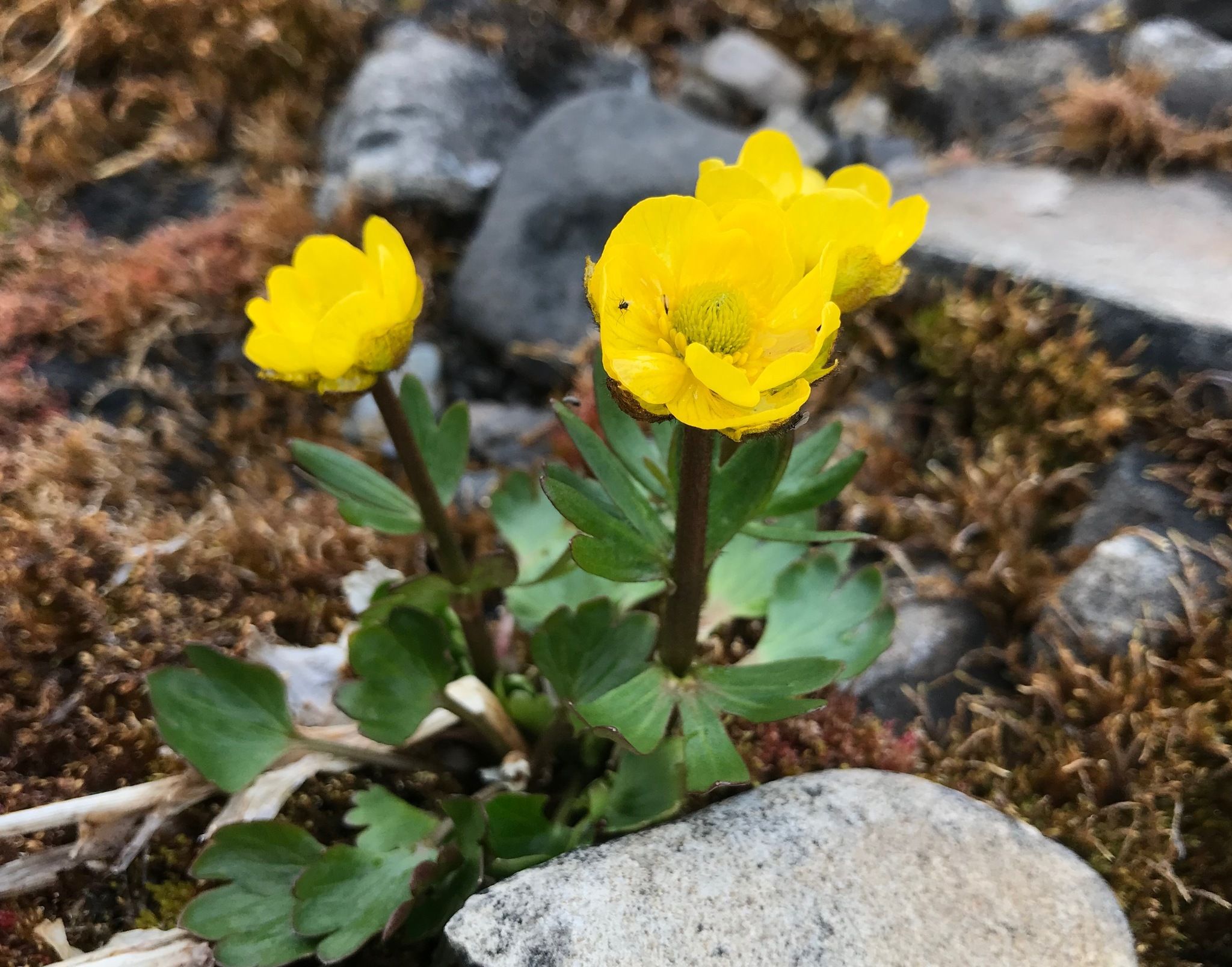
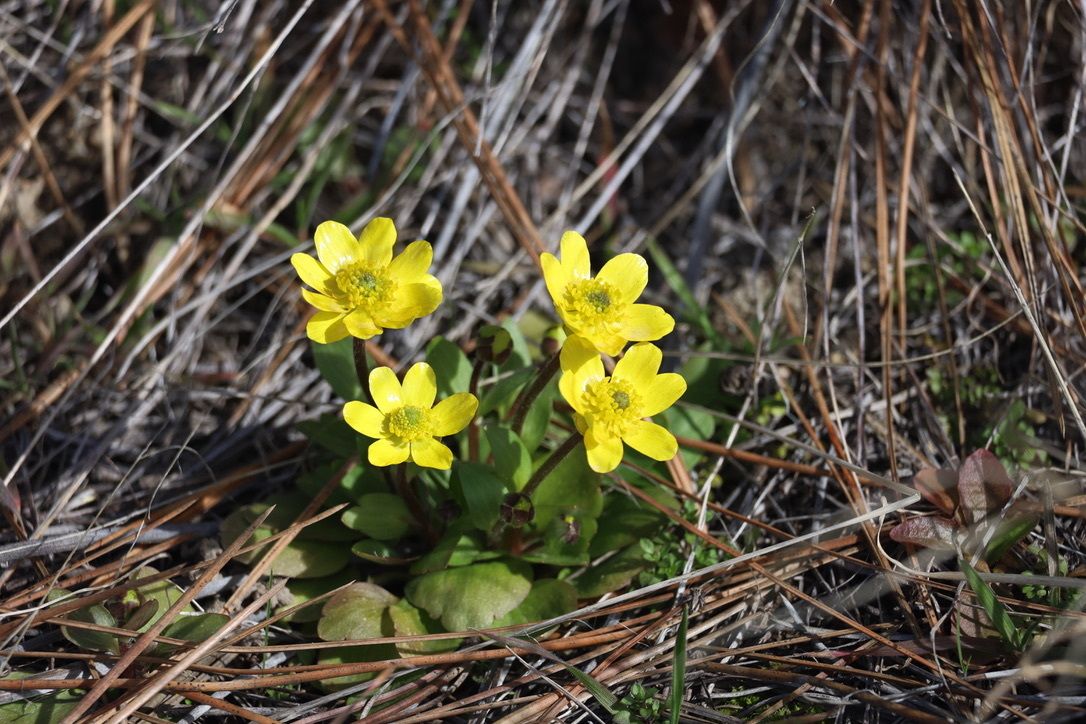
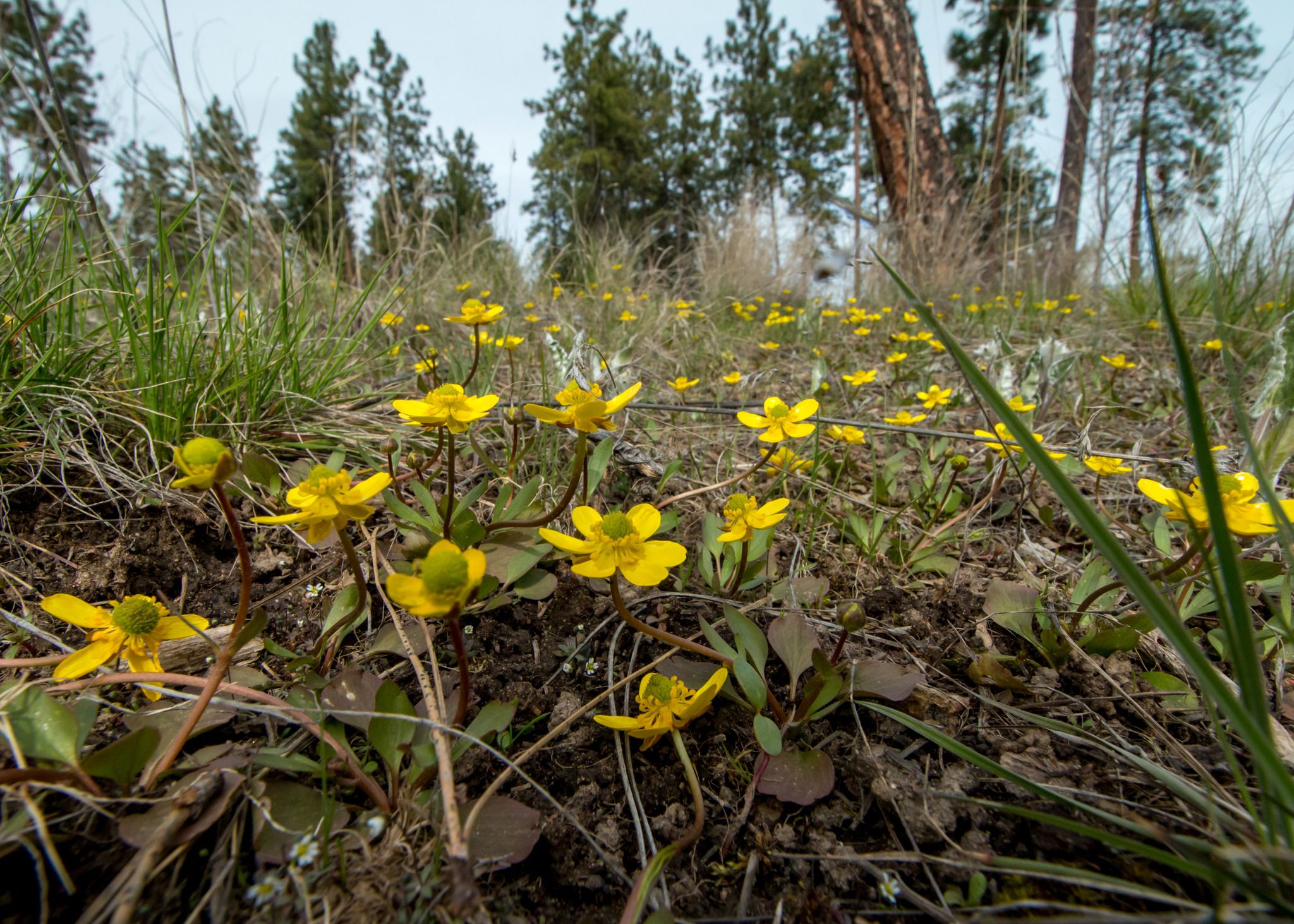
Usually bright yellow with 5 glossy petals and a green center; flowers are typically held above the foliage on slender stems.
After flowering, forms a small cluster of dry seed-like fruits; many types can self-seed if left to mature.
LOCATION
Native environments and the best spots to place it in your landscape.
SEASONALITY
Notes on bloom windows and how this plant helps pollinators across the seasons.
Bloom timing depends on the species and the site, but many wild buttercups flower from spring into summer.
Bloom Season Role: Early-to-mid season color in mixed wildflower plantings
REQUIREMENTS
The right mix of sun, soil, and space for healthy growth.
Most do well in full sun to part sun; in hotter, drier spots, a little afternoon shade can help.
Average garden soil is fine; many types prefer soil that holds some moisture without staying soggy.
Water to establish, then aim for steady moisture—especially during active growth and bloom.
Plant in a naturalized area or mixed wildflower bed where spreading won’t be a problem. Give space so neighboring plants aren’t crowded out.
Use a light mulch around (not on top of) the crown to reduce weeds; avoid heavy mulching that keeps the base too wet.
GARDENING GUIDE
Simple steps to plant, prune, and maintain healthy trees without pesticides.
Pairings
Pairing ideas to keep pollinators fed throughout the growing season.
GLOSSARY
Glossary terms are being added.
What You Can Do
Turn this knowledge into action. Whether you plant a single pot or a whole garden, you are building a vital bridge for local biodiversity.
Join the movement to restore our shared habitats.