

What they do
Provide nectar for a wide range of pollinators and leaves for monarch caterpillars.
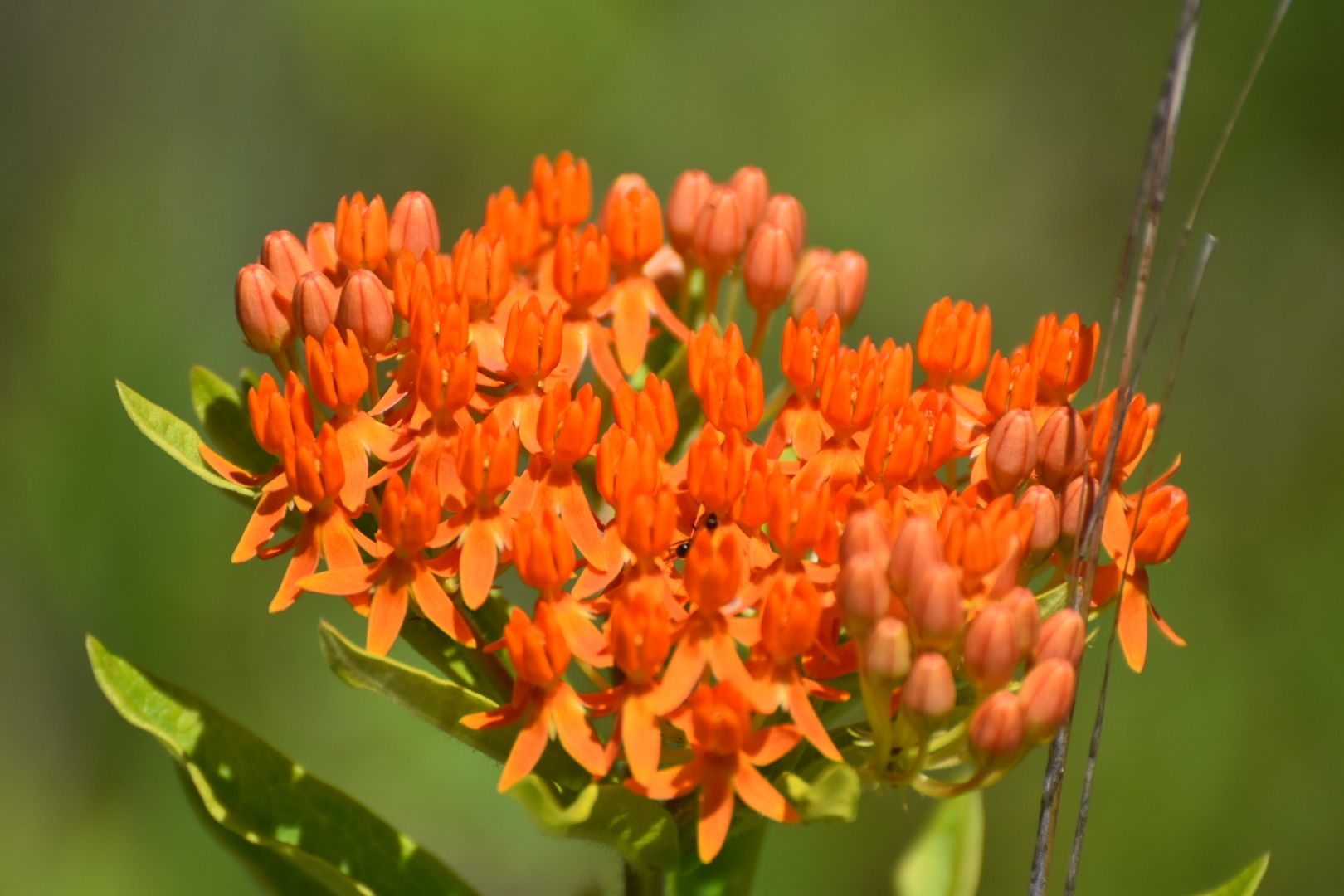
Genus Asclepias (upland spp.)
Butterfly weeds are upland milkweeds in the genus Asclepias—tough, sunny wildflowers that feed pollinators with nectar and support monarch caterpillars with their leaves.
Plant Type
Wildflowers (herbaceous perennials) > Butterfly weeds
Aliases
Butterfly weed
Native Range
Native to parts of North America (varies by upland Asclepias species).
Bloom window
Summer
OVERVIEW
Butterfly weeds (Genus Asclepias, upland species) are foundational, upright wildflowers vital to North American pollinator habitats. They fill the crucial functional role of providing dependable, nectar-rich flowers in mid-summer, attracting a wide mix of insects. Critically, their foliage is the sole food source for monarch butterfly caterpillars, making them essential for the monarch life cycle.
For best results, site these resilient plants where they receive plenty of sun and, most importantly, have excellent drainage. Because they are a necessary host plant, the most vital maintenance step is to avoid all pesticides to ensure a safe environment for monarch caterpillars and other foraging insects. Expect some natural insect activity—it means the plant is doing its job.
FAST FACTS
Essential stats and requirements for quick reference.
| Category | Details |
|---|---|
| Also known as | Butterfly weed |
| Bloom window | Summer |
| Typical height | Knee- to waist-high (varies by species and site) |
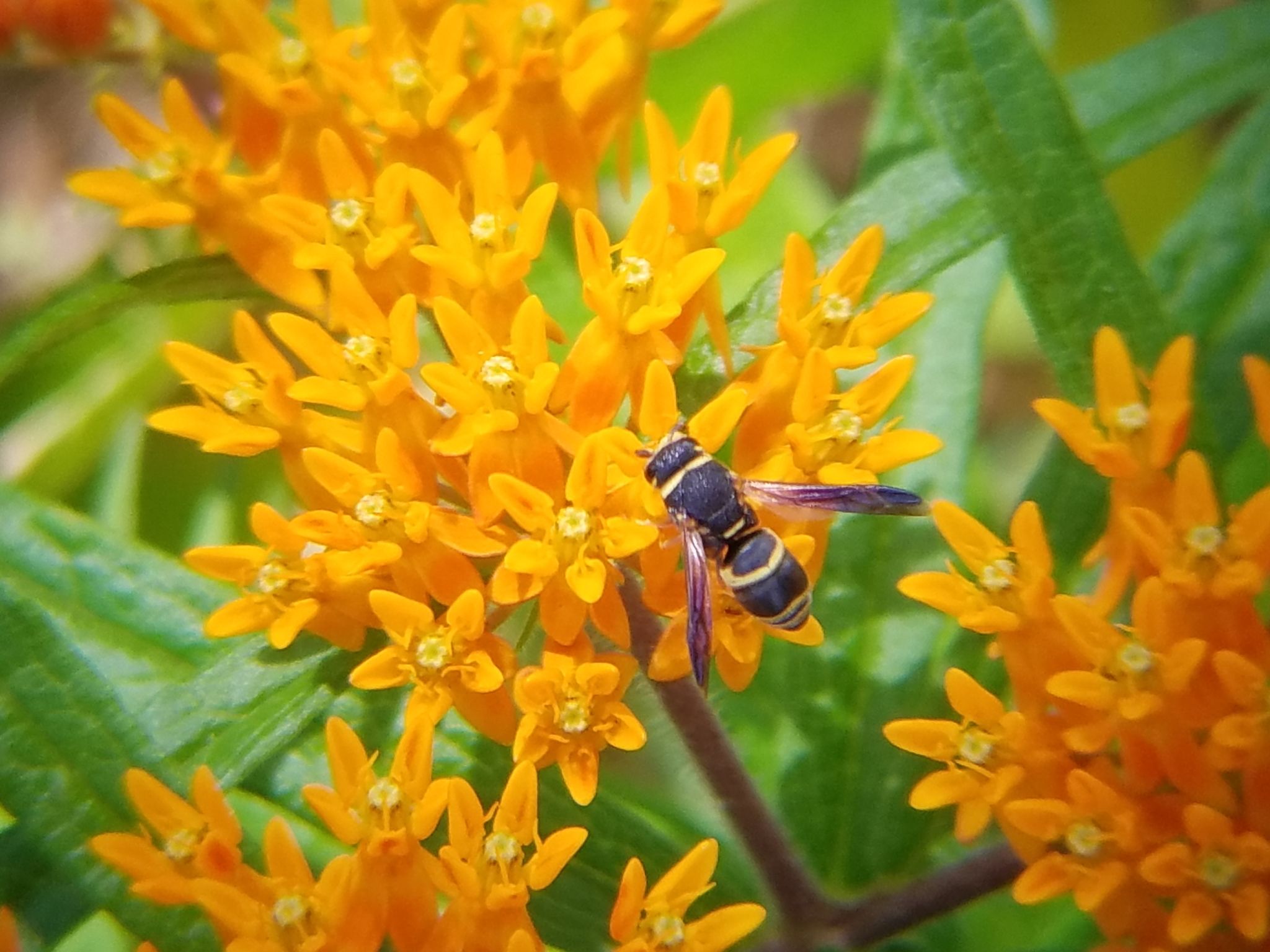
| Pollinators supported | Bees, Butterflies, Wasps, Flies, Beetles |
| Light & moisture | Sun; average to dry soil |
| Best roles for pollinators | Sunny gardens, schoolyard pollinator patches, and low-maintenance native plant beds where you want reliable summer nectar and a host plant for monarchs. |
SUMMARY
A quick scan of what they do, what they need, and the best first step.
Provide nectar for a wide range of pollinators and leaves for monarch caterpillars.
Lots of sun, well-drained soil, and a little patience while roots establish.
Plant in a sunny, well-drained spot and skip pesticides so caterpillars and pollinators can use it safely.
IMPACT
Key Impacts
RECOGNITION
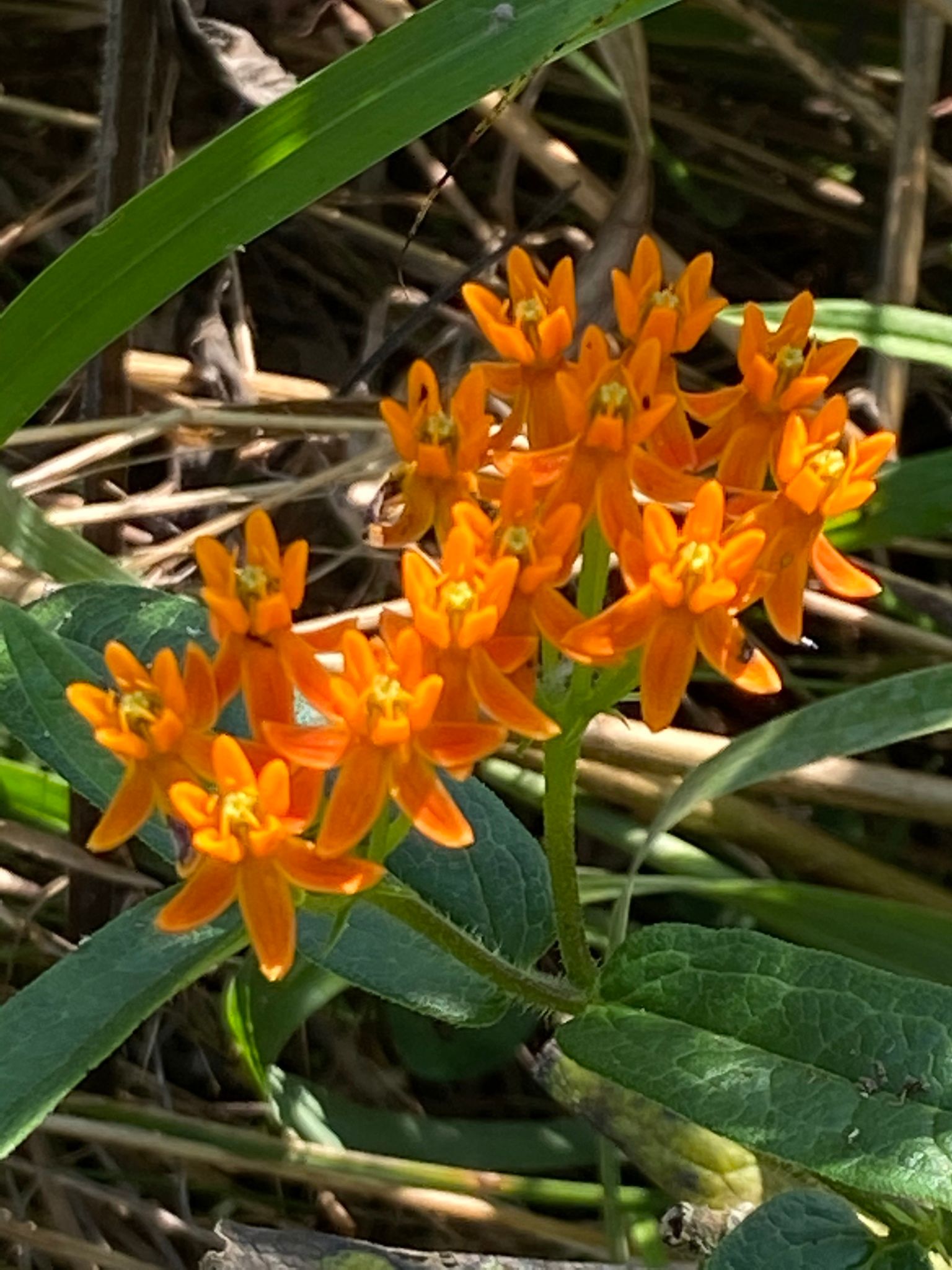
Simple leaves along upright stems; leaf shape and arrangement vary by upland Asclepias species. When damaged, many release a white, milky sap.
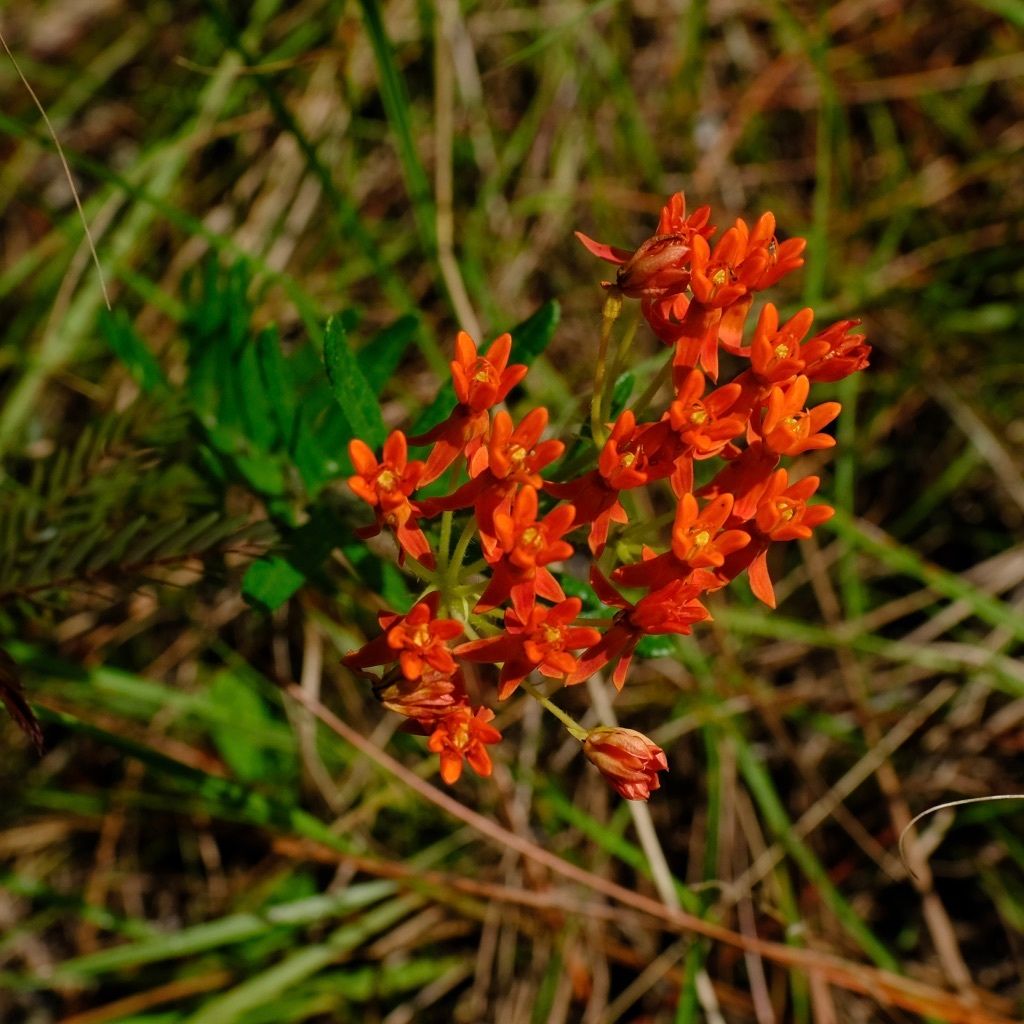
Rounded clusters of small, star-shaped flowers. Colors vary by species, with orange being a common “butterfly weed” look.
Elongated pods that mature and split to release seeds with silky fluff.
LOCATION
Native environments and the best spots to place it in your landscape.
SEASONALITY
Notes on bloom windows and how this plant helps pollinators across the seasons.
Butterfly weeds shine when summer gardens are in full swing.
Bloom Season Role: Mid-season nectar source
REQUIREMENTS
The right mix of sun, soil, and space for healthy growth.
Best in full sun; can handle a bit of shade but may bloom less.
Well-drained soil is key. Many upland milkweeds tolerate lean or sandy soils once established.
Water to establish, then let the soil dry slightly between waterings. Avoid constantly wet conditions.
Plant in spring or early fall. Give each plant space and avoid disturbing roots once settled.
Use a light mulch layer if needed, keeping it off the crown. Too much mulch can hold moisture and cause problems.
GARDENING GUIDE
Simple steps to plant, prune, and maintain healthy trees without pesticides.
Pairings
Pairing ideas to keep pollinators fed throughout the growing season.
GLOSSARY
Glossary terms are being added.
What You Can Do
Turn this knowledge into action. Whether you plant a single pot or a whole garden, you are building a vital bridge for local biodiversity.
Join the movement to restore our shared habitats.