
What they do
Lobelias provide bold blooms that can draw in pollinators and add strong color to small and large gardens.
Genus Lobelia
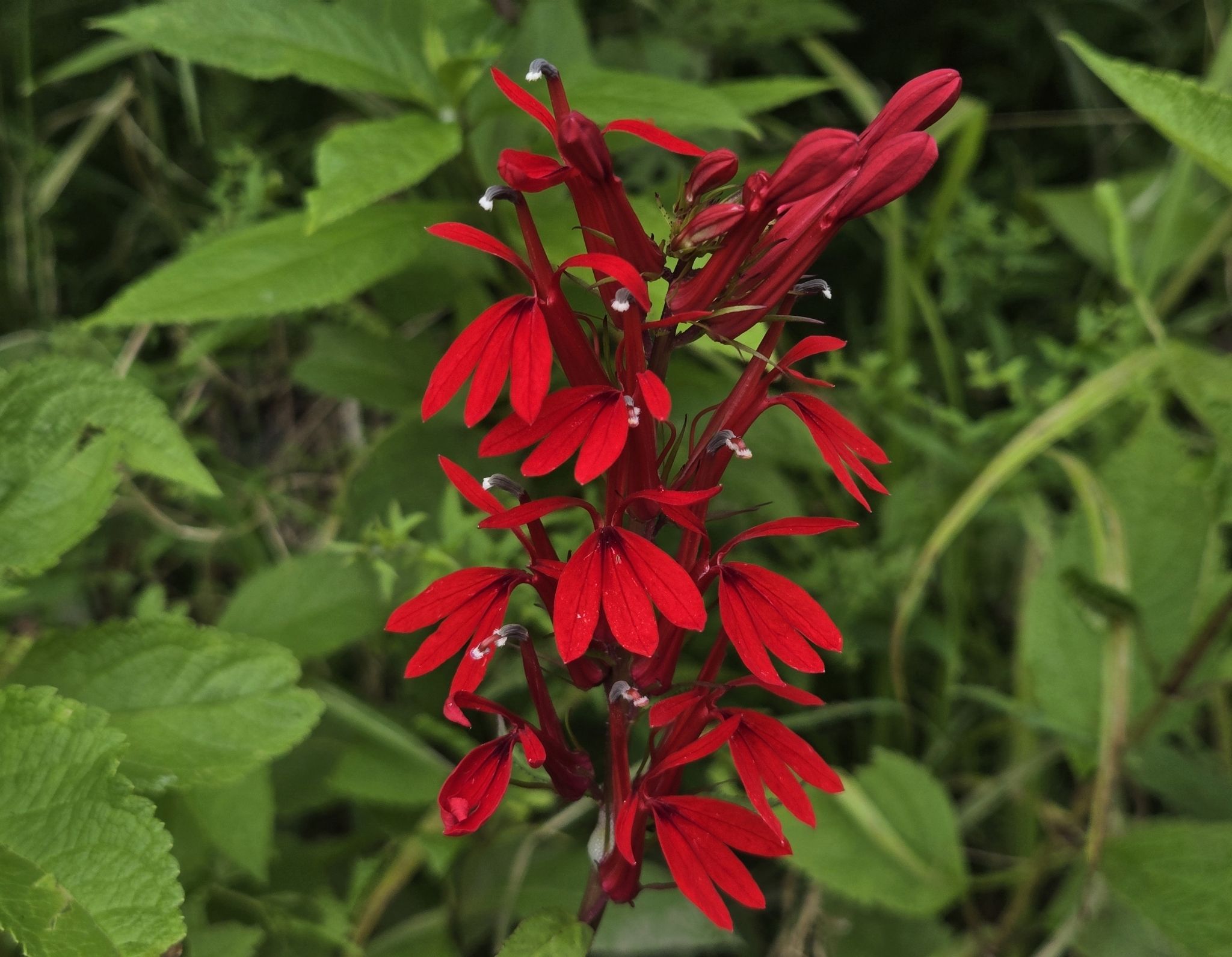
Lobelias are bright, nectar-rich wildflowers best known for vivid spikes of red, blue, or purple blooms that can light up garden edges and containers while supporting visiting pollinators.
Plant Type
Wildflowers (herbaceous perennials) > Cardinal flowers & lobelias
Aliases
Lobelia
Native Range
Varies by species; many lobelias are native to North America.
Bloom window
Mid-to-late season color, depending on the species
OVERVIEW
Lobelias are a great “statement flower” for pollinator-friendly gardens: they’re colorful, easy to spot, and can fit into small spaces. If you’re new to them, focus on two things—light and moisture. Most lobelias do best when they don’t dry out for long, and they’re often happiest in sun to part shade.
If you’re planting in a container, choose a pot with drainage holes and check moisture often. In garden beds, improve the soil with compost so it holds water better without turning into a puddle. During bloom, avoid spraying pesticides on or near the flowers; even small gardens can be welcoming when you keep blooms clean and chemical-free.
Pick a lobelia that matches your site, keep it evenly moist, and enjoy the bright spikes as a lively stop for visiting pollinators.
FAST FACTS
Essential stats and requirements for quick reference.
| Category | Details |
|---|---|
| Also known as | Lobelia |
| Bloom window | Mid-to-late season color, depending on the species |
| Typical height | Varies by species; from compact to tall spikes |
| Pollinators supported | Bees, Butterflies, Hummingbirds |
| Light & moisture | Sun to part shade; prefers consistently moist soil |
| Best roles for pollinators | Gardeners who want bold flower spikes for borders, damp spots, or containers—plus a plant that can attract pollinator visits. |
SUMMARY
A quick scan of what they do, what they need, and the best first step.
Lobelias provide bold blooms that can draw in pollinators and add strong color to small and large gardens.
Steady moisture, the right amount of light for your site, and minimal chemical use around flowers.
Choose a spot you can keep evenly moist (or use a pot you can water regularly).
IMPACT
Key Impacts
RECOGNITION
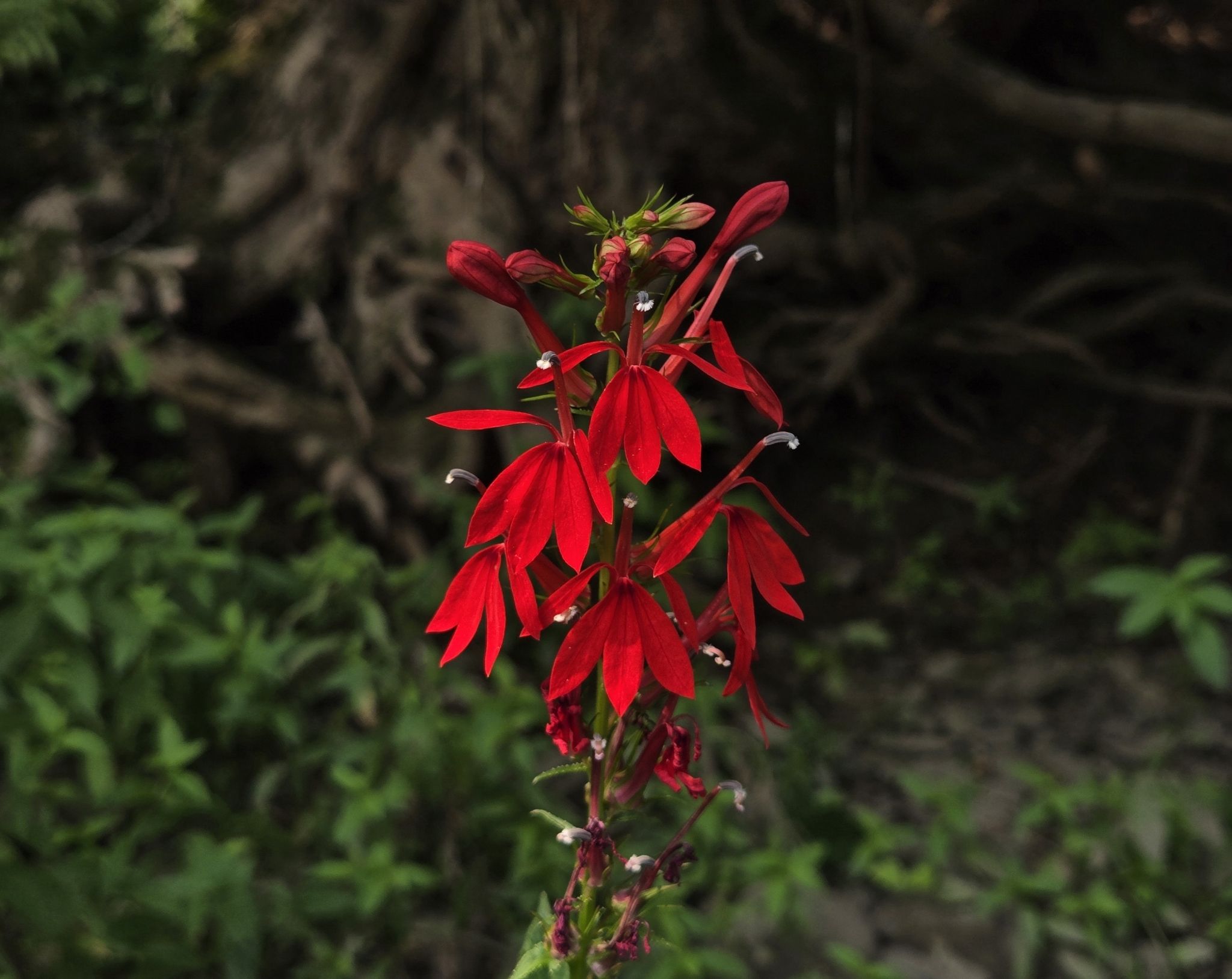
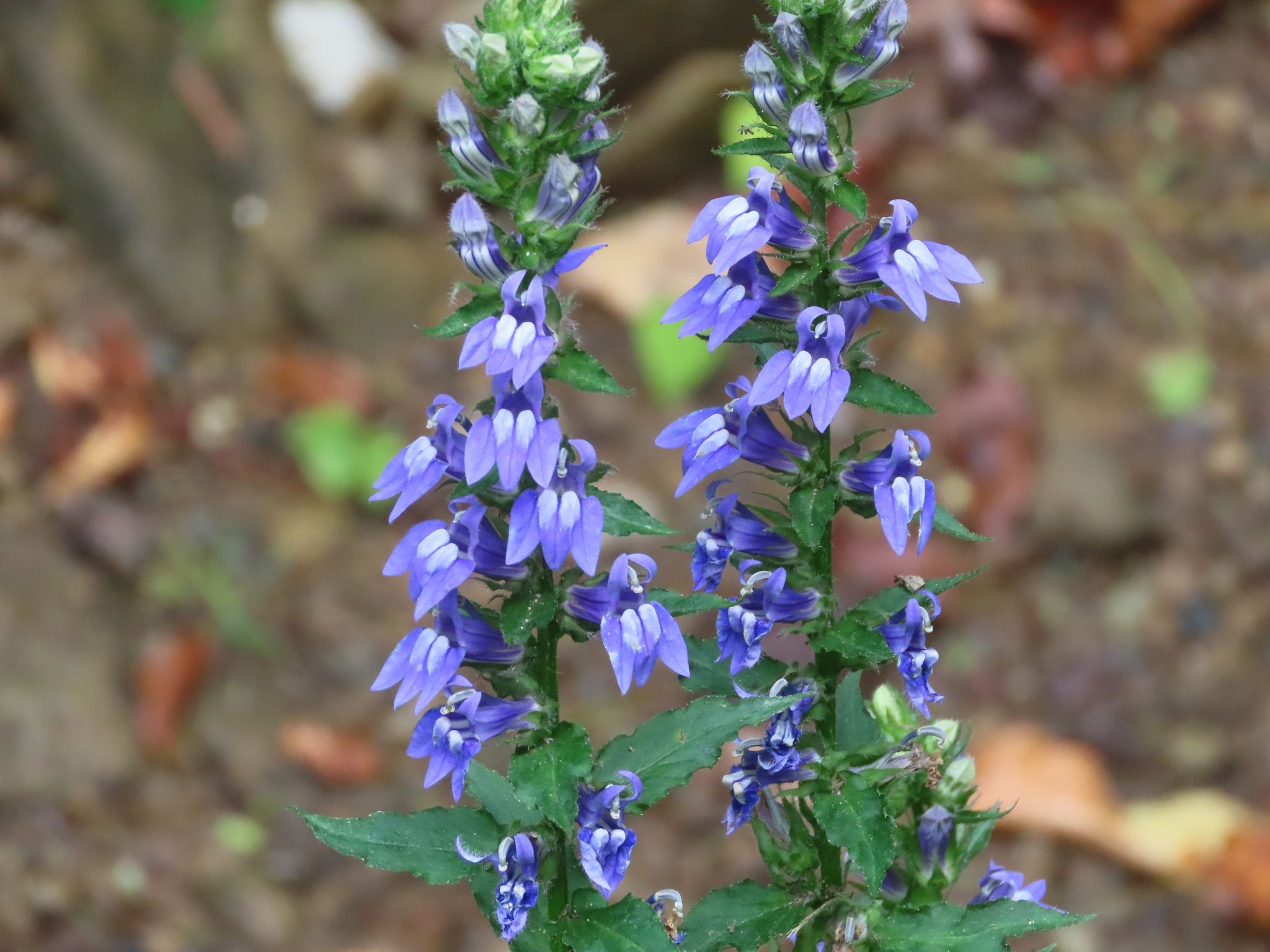
Green leaves along upright stems; shape and size vary by species, often forming a leafy clump.
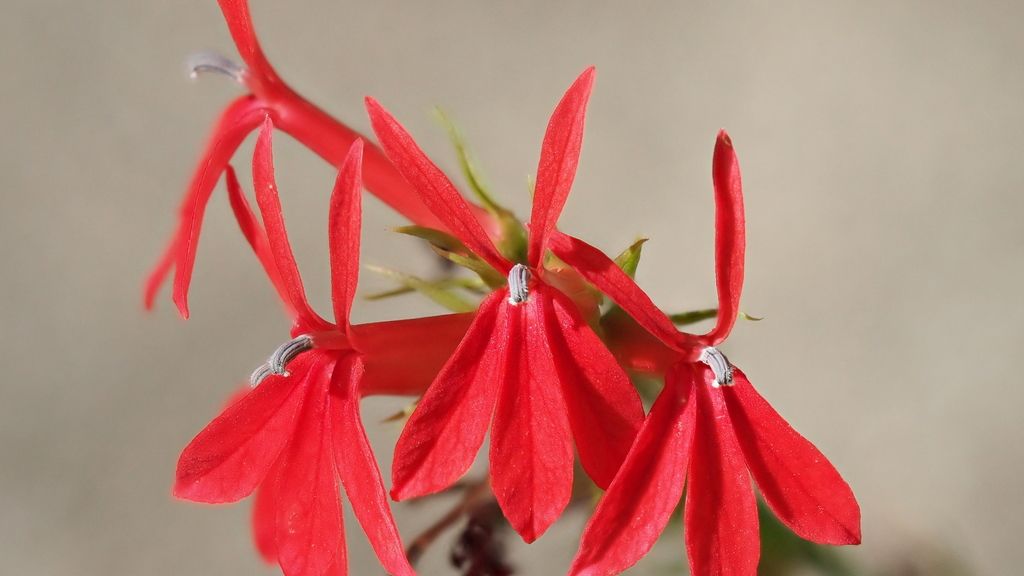
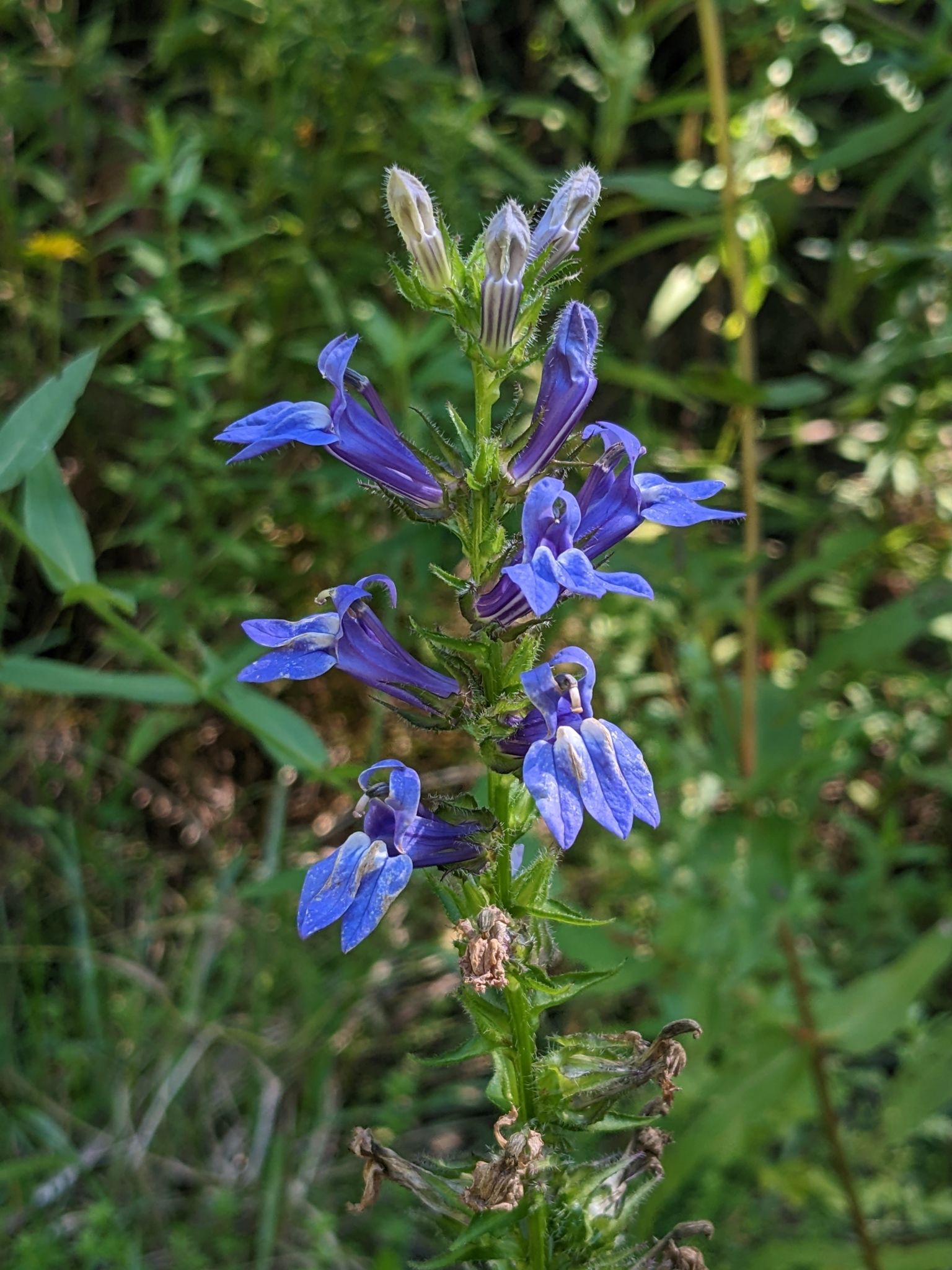
Showy spikes or clusters of tubular, two-lipped flowers in vivid colors (commonly red, blue, or purple).
Small seed capsules after flowering; leave some to mature if you want self-seeding where appropriate.
LOCATION
Native environments and the best spots to place it in your landscape.
SEASONALITY
Notes on bloom windows and how this plant helps pollinators across the seasons.
Bloom timing depends on the lobelia species and your garden conditions, but many are valued for strong color later in the growing season.
Bloom Season Role: A bright, mid-to-late season nectar stop
REQUIREMENTS
The right mix of sun, soil, and space for healthy growth.
Sun to part shade. In hotter, drier spots, part shade can help reduce stress.
Moist, fertile soil with good drainage. Add compost to improve moisture-holding without waterlogging.
Water regularly, especially during dry spells. Aim for evenly moist soil rather than cycles of drought and flooding.
Plant in spring or early fall. Give each plant room for airflow and to form a clump.
Use a light layer of mulch to help hold moisture, keeping mulch off the crown to reduce rot.
GARDENING GUIDE
Simple steps to plant, prune, and maintain healthy trees without pesticides.
Pairings
Pairing ideas to keep pollinators fed throughout the growing season.
GLOSSARY
Glossary terms are being added.
What You Can Do
Turn this knowledge into action. Whether you plant a single pot or a whole garden, you are building a vital bridge for local biodiversity.
Join the movement to restore our shared habitats.