
What they do
Add vivid color and nectar opportunities in a pollinator-friendly planting when grown in the right conditions.
Genus Castilleja
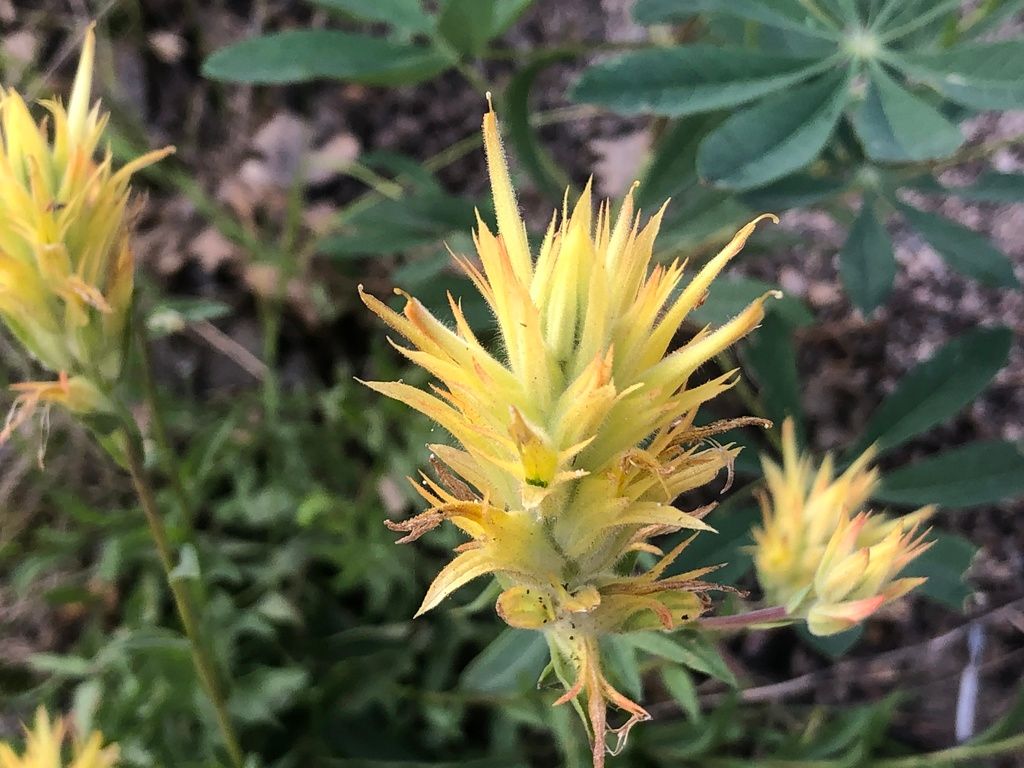
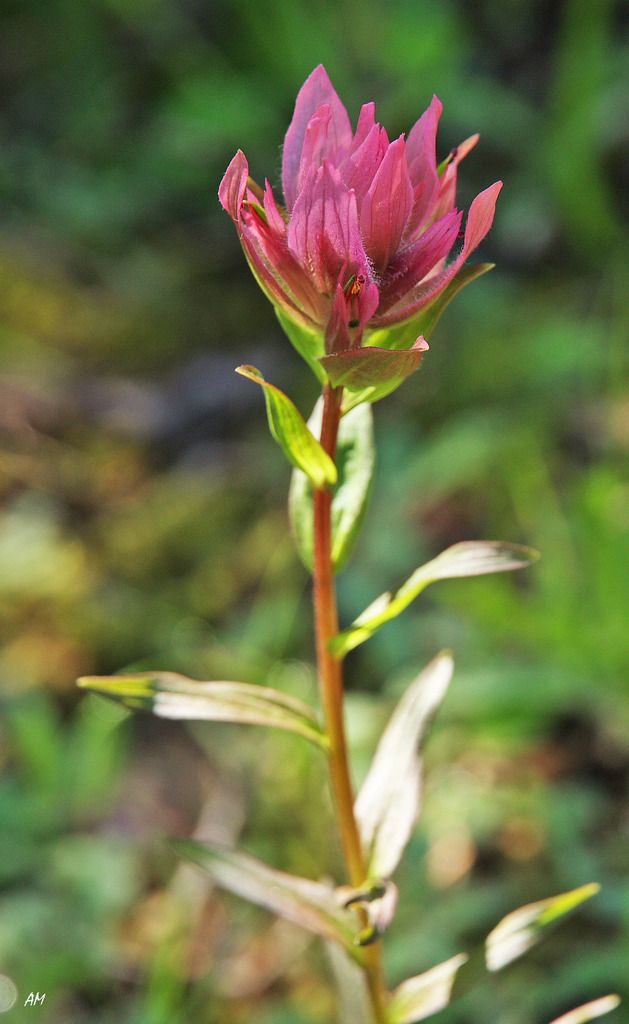
Castillejas (often called Indian paintbrush) are showy wildflowers known for their bright, paint-dabbed flower spikes that can add vivid color to naturalized gardens and pollinator patches.
Plant Type
Wildflowers (herbaceous perennials) > Castillejas
Aliases
Indian paintbrush
Native Range
Varies by species; the genus occurs across much of North America
Bloom window
Varies by species; often spring through summer
OVERVIEW
Castillejas (Indian paintbrush, Castilleja spp.) are showy wildflowers that serve as striking vertical accents in naturalized habitat gardens and meadows. These plants are especially valuable because their tubular flowers provide accessible nectar for long-tongued native insects and hummingbirds.
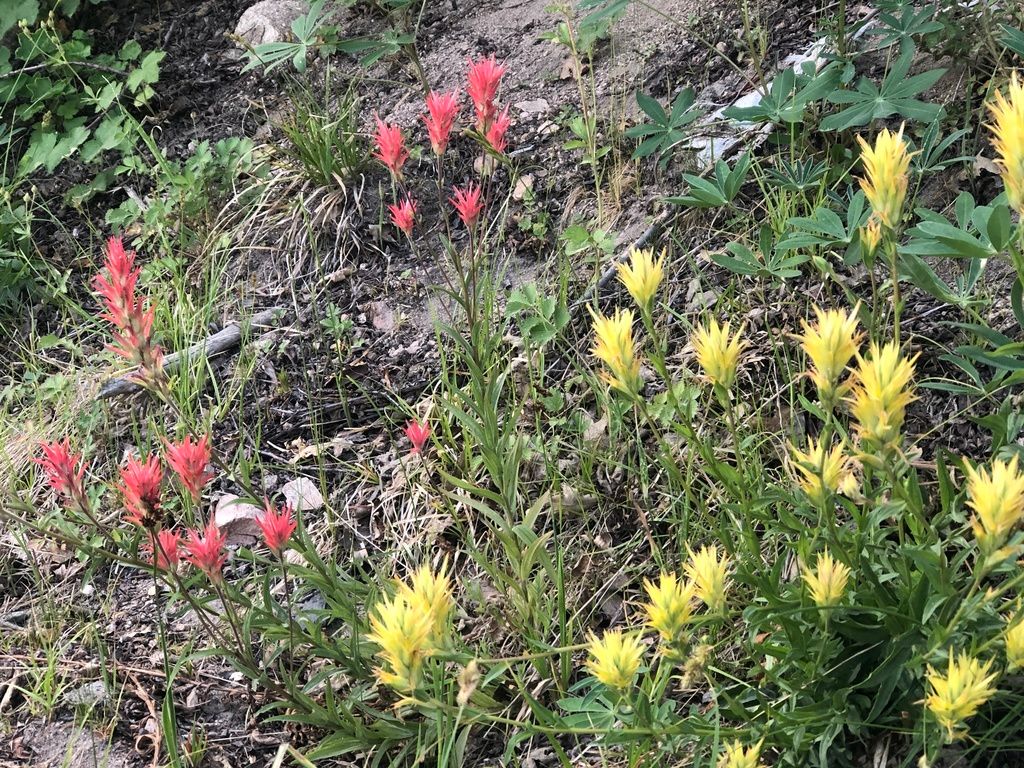
When planting Castillejas, choose a sunny, well-drained site and understand that they are often semi-parasitic, thriving best when planted among compatible native partners rather than alone in bare soil. To maximize their benefit to pollinators, avoid disturbing their established roots and keep the planting area strictly pesticide-free throughout their long bloom season.
FAST FACTS
Essential stats and requirements for quick reference.
| Category | Details |
|---|---|
| Also known as | Indian paintbrush |
| Bloom window | Varies by species; often spring through summer |
| Typical height | Varies by species; often low to medium height |
| Pollinators supported | Bees, Butterflies, Hummingbirds |
| Light & moisture | Best results come from matching the species to your site; many prefer sun to part sun with well-drained soil |
| Best roles for pollinators | Naturalized areas, meadow-style plantings, and gardeners who want a bold splash of color in a pollinator-friendly patch |
SUMMARY
A quick scan of what they do, what they need, and the best first step.
Add vivid color and nectar opportunities in a pollinator-friendly planting when grown in the right conditions.
A site that fits the species, well-drained soil, and compatible neighboring plants to grow alongside.
Plant castillejas into a mixed native planting (not a solo pot) and avoid disturbing the roots once established.
IMPACT
Key Impacts
RECOGNITION
Leaves vary by species; often narrow to lance-shaped, sometimes with lobes near the top.
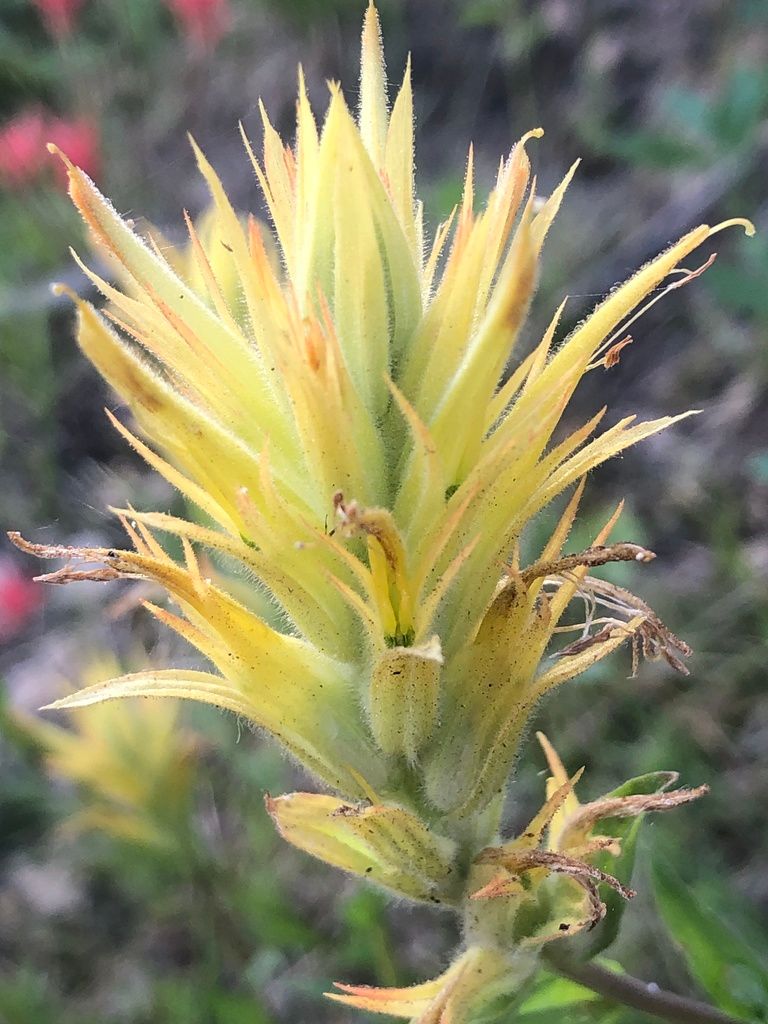
Small tubular flowers surrounded by bright, showy bracts that create the “paintbrush” look.
Small seed capsules that form after flowering (not usually showy).
LOCATION
Native environments and the best spots to place it in your landscape.
SEASONALITY
Notes on bloom windows and how this plant helps pollinators across the seasons.
Bloom timing depends on the species and local conditions, but many castillejas show their best color from spring into summer.
Bloom Season Role: Colorful accent blooms that can stand out in mixed wildflower plantings
REQUIREMENTS
The right mix of sun, soil, and space for healthy growth.
Choose a sunny to partly sunny spot, depending on the species you’re growing.
Well-drained soil is important. Avoid heavily enriched, compost-heavy beds unless you know the species prefers it.
Water to establish, then aim for steady but not soggy moisture. Let the soil surface dry slightly between waterings if drainage is good.
Plant gently and avoid breaking up the root ball. Place near compatible companion plants in a mixed planting.
Use a light, breathable mulch (like leaf litter) if needed; avoid thick, wet mulch piled against the crown.
GARDENING GUIDE
Simple steps to plant, prune, and maintain healthy trees without pesticides.
Pairings
Pairing ideas to keep pollinators fed throughout the growing season.
GLOSSARY
Glossary terms are being added.
What You Can Do
Turn this knowledge into action. Whether you plant a single pot or a whole garden, you are building a vital bridge for local biodiversity.
Join the movement to restore our shared habitats.