
What they do
Columbines offer early blooms that can help support visiting pollinators when not much else is flowering.
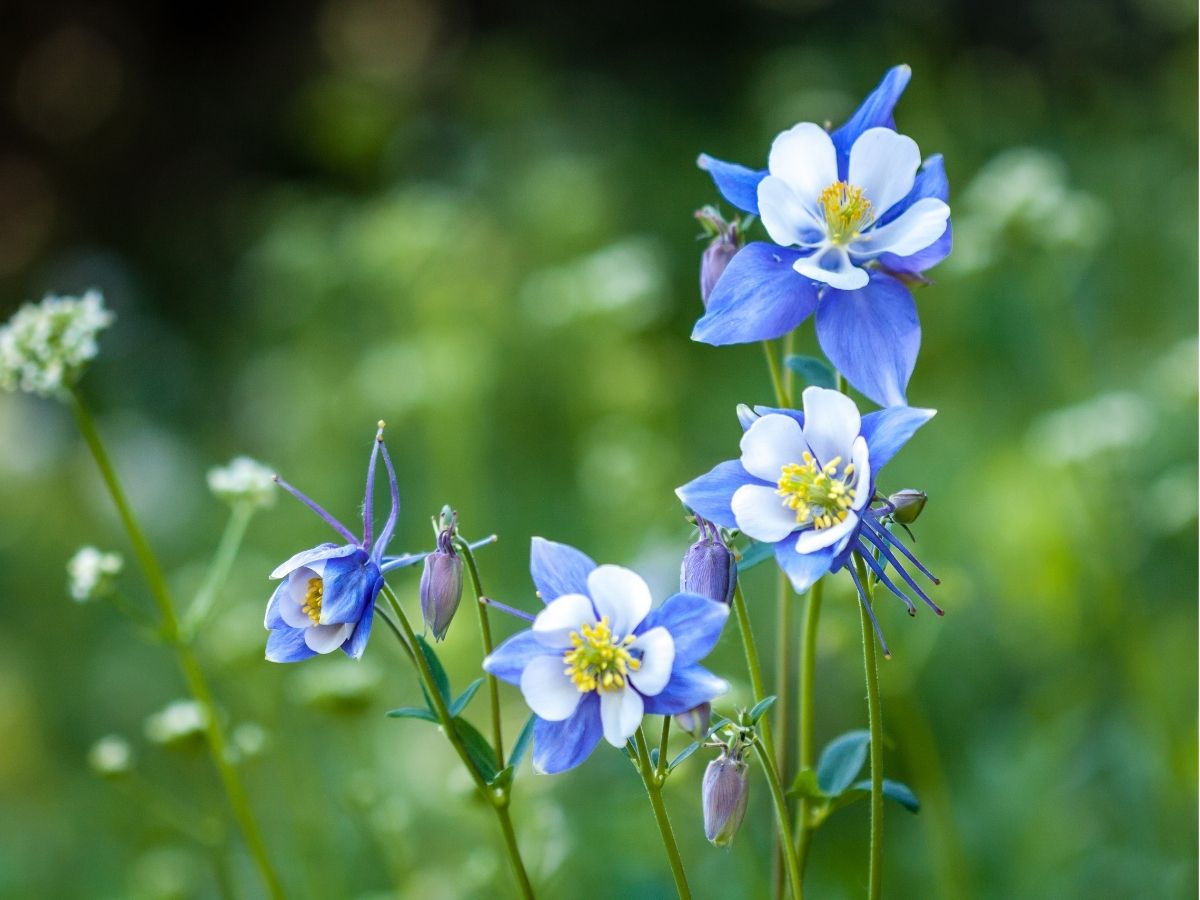
Genus Aquilegia
Columbines are graceful, spring-to-early-summer wildflowers with nodding, nectar-rich blooms that can bring bees, butterflies, and hummingbirds into gardens and balcony pots.
Plant Type
Wildflowers (herbaceous perennials) > Columbines
Aliases
Columbine
Native Range
Species in the genus Aquilegia occur across the Northern Hemisphere; choose locally appropriate species or well-behaved garden varieties for your area.
Bloom window
Spring to early summer
OVERVIEW
Columbines bring a light, airy look to gardens and containers, with flowers that feel almost sculptural. They’re especially welcome in spring and early summer, when many gardens are still filling in.
Columbines do best in well-drained soil with steady moisture while they establish. After that, they’re usually fairly easygoing. If your plants look tired after flowering, a little tidying (removing spent stems) can keep the planting looking fresh.
Focus on the basics: right spot, good drainage, and no broad insect sprays during bloom. Healthy plants are more resilient, and you’ll be more likely to notice the visitors that come to feed.
FAST FACTS
Essential stats and requirements for quick reference.
| Category | Details |
|---|---|
| Also known as | Columbine |
| Bloom window | Spring to early summer |
| Typical height | About 1–3 ft (varies by species and variety) |
| Pollinators supported | Bees, Butterflies, Hummingbirds |
| Light & moisture | Sun to part shade; evenly moist to average soil |
| Best roles for pollinators | Early-season pollinator support, part shade gardens, woodland edges, and containers |
SUMMARY
A quick scan of what they do, what they need, and the best first step.
Columbines offer early blooms that can help support visiting pollinators when not much else is flowering.
Give them well-drained soil, steady moisture while establishing, and a spot with some sun (or bright shade).
Plant columbines where you’ll see them up close—near a path, patio, or balcony pot—so you notice the pollinator visitors.
IMPACT
Key Impacts
RECOGNITION
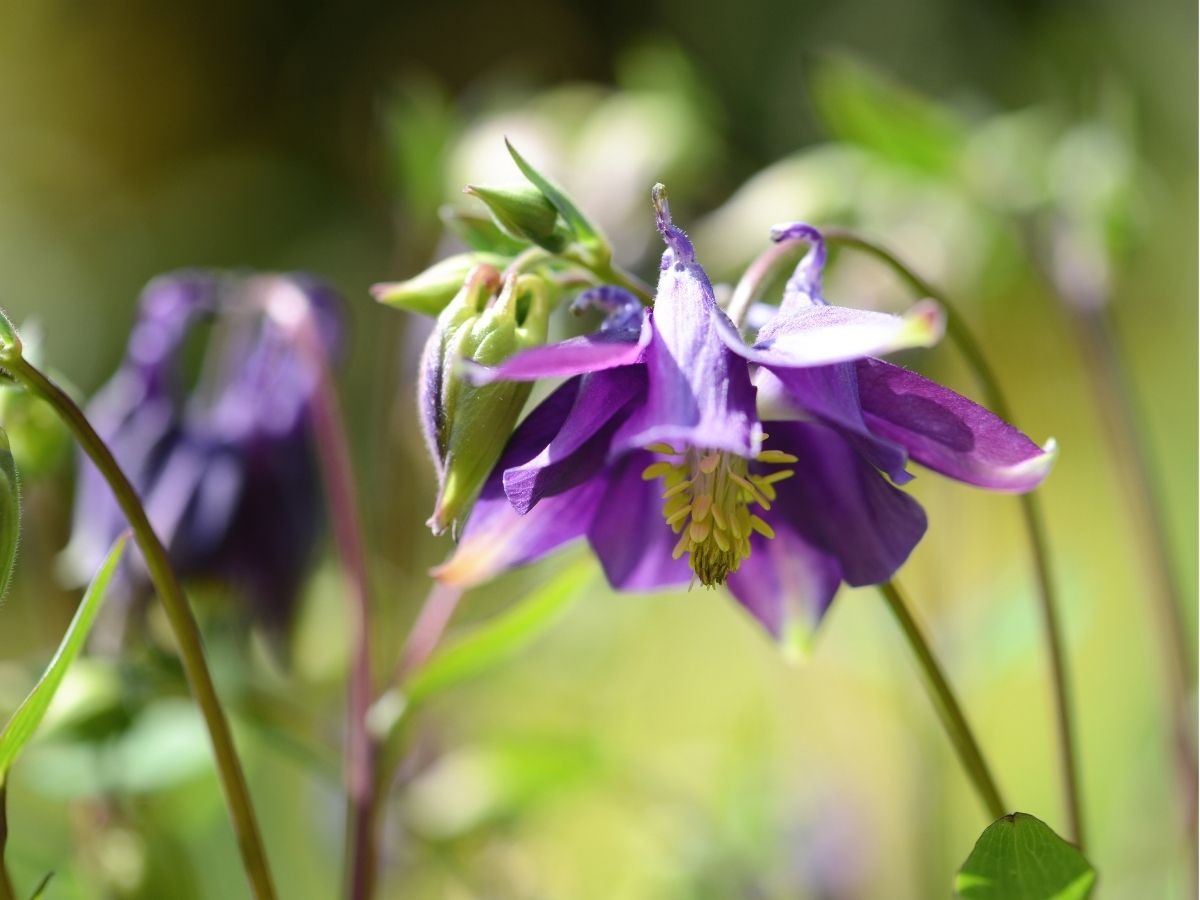
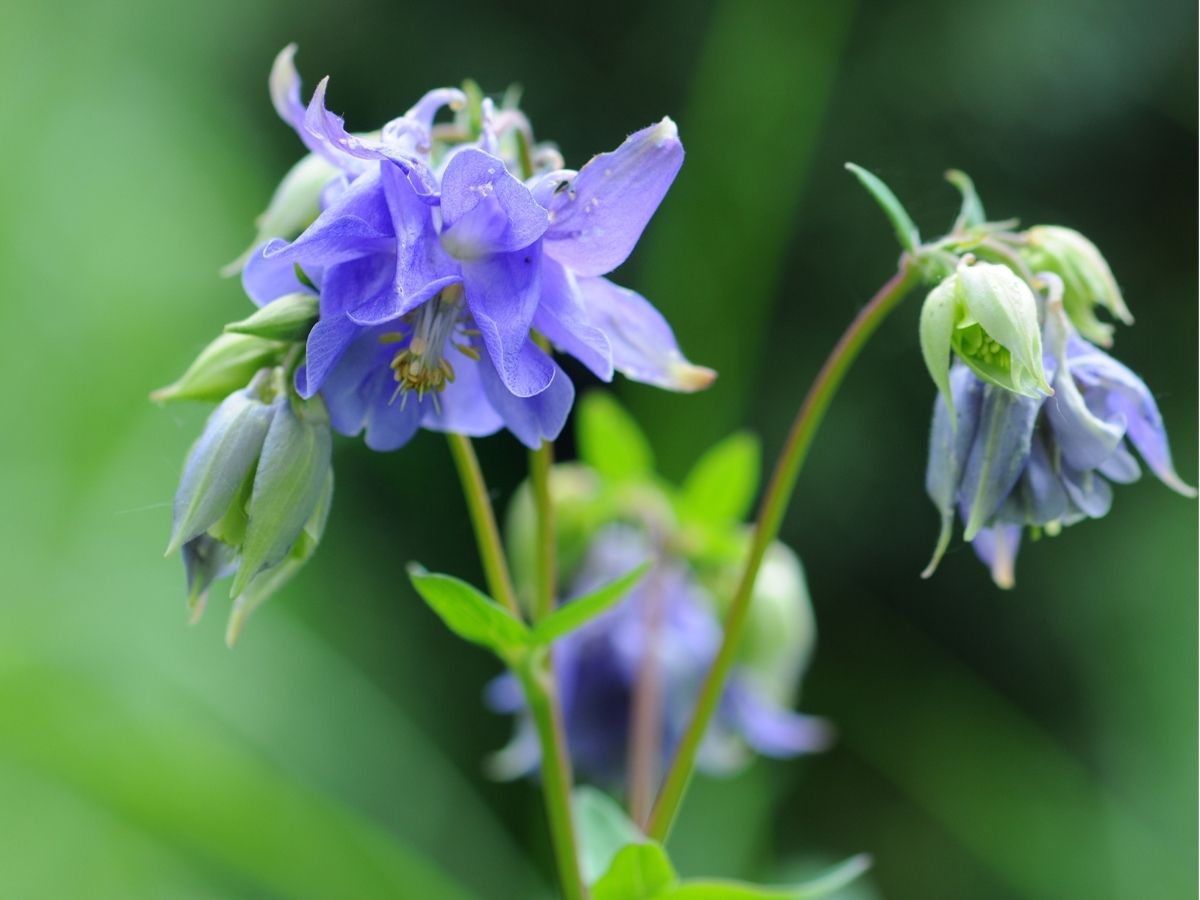
Soft, divided, lacy-looking leaves, often in a low mound with taller flower stems.
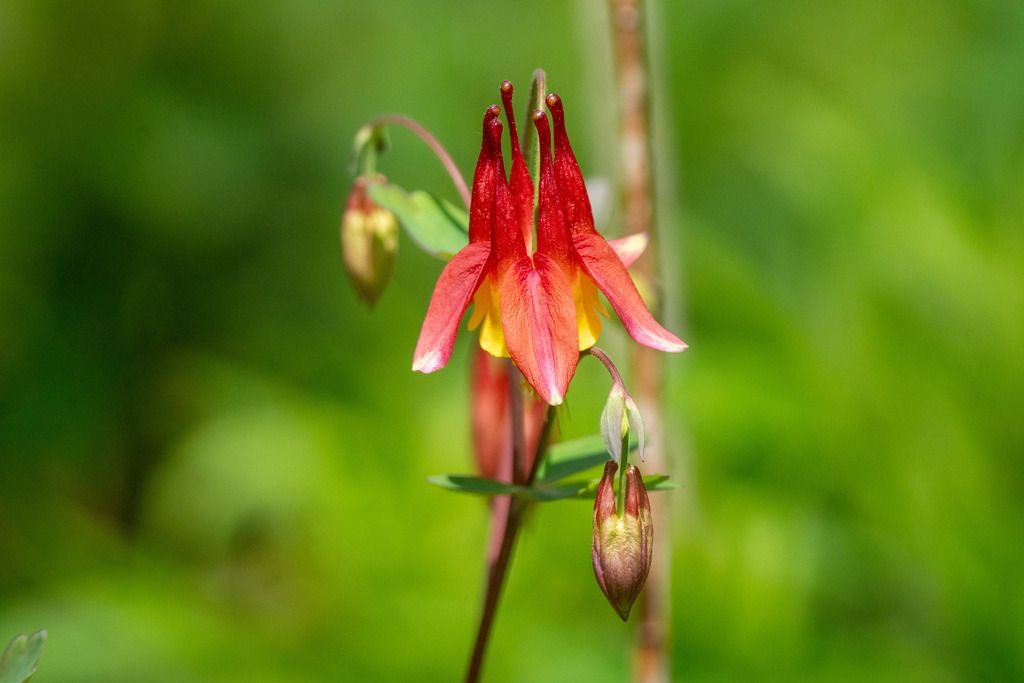
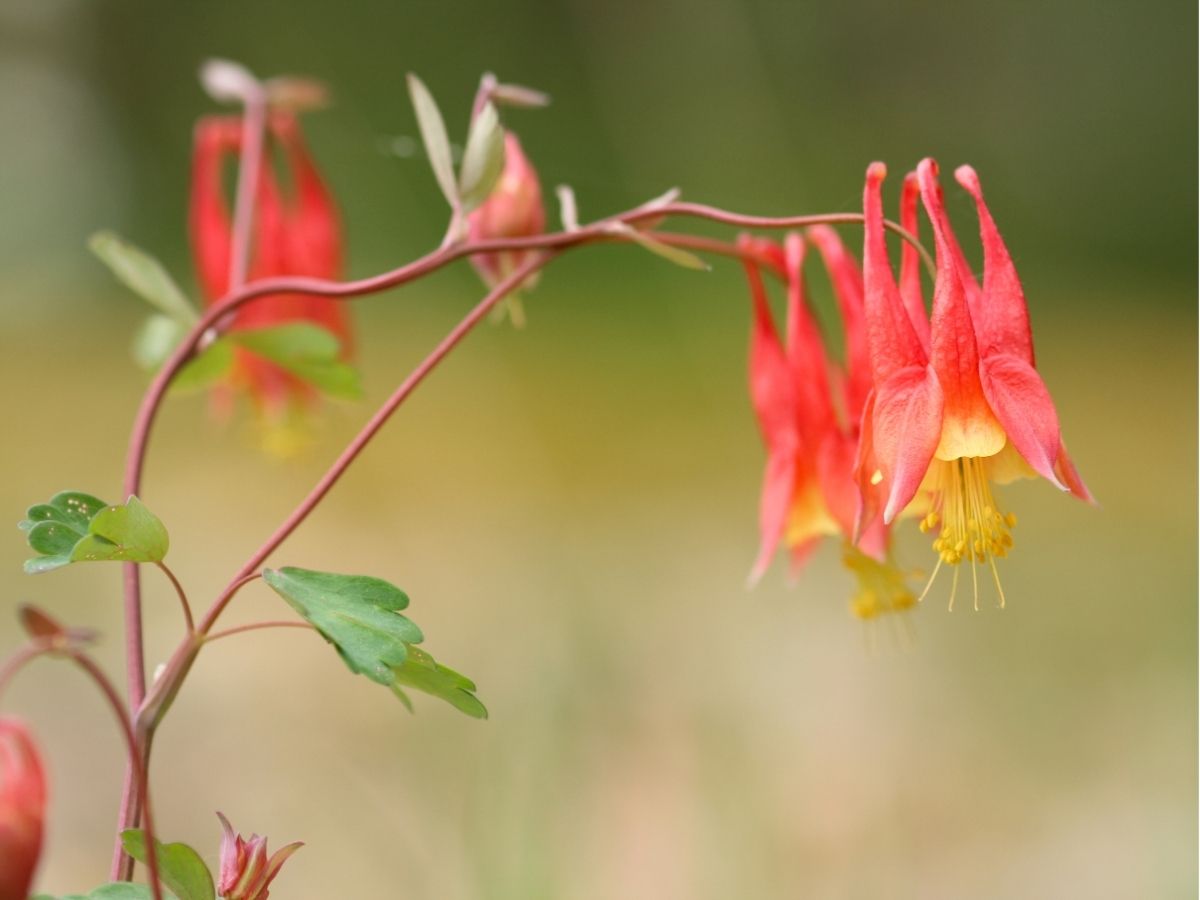
Nodding flowers with five petals and noticeable backward spurs; many colors and bicolors exist.
After flowering, seed pods form; if left, they can drop seed and create a few volunteer seedlings.
LOCATION
Native environments and the best spots to place it in your landscape.
SEASONALITY
Notes on bloom windows and how this plant helps pollinators across the seasons.
Columbines usually shine in the earlier part of the growing season, then step back as summer heat builds.
Bloom Season Role: Early-season nectar and color
REQUIREMENTS
The right mix of sun, soil, and space for healthy growth.
Sun to part shade; in warmer spots, a little afternoon shade can help.
Well-drained soil is key; compost can improve both sandy and heavy soils.
Water regularly while establishing; once settled, aim for even moisture without waterlogging.
Plant in spring or fall; set the crown at soil level and water in well.
Use a light mulch to hold moisture and reduce weeds, keeping mulch off the crown.
GARDENING GUIDE
Simple steps to plant, prune, and maintain healthy trees without pesticides.
Pairings
Pairing ideas to keep pollinators fed throughout the growing season.
GLOSSARY
Glossary terms are being added.
What You Can Do
Turn this knowledge into action. Whether you plant a single pot or a whole garden, you are building a vital bridge for local biodiversity.
Join the movement to restore our shared habitats.