
What they do
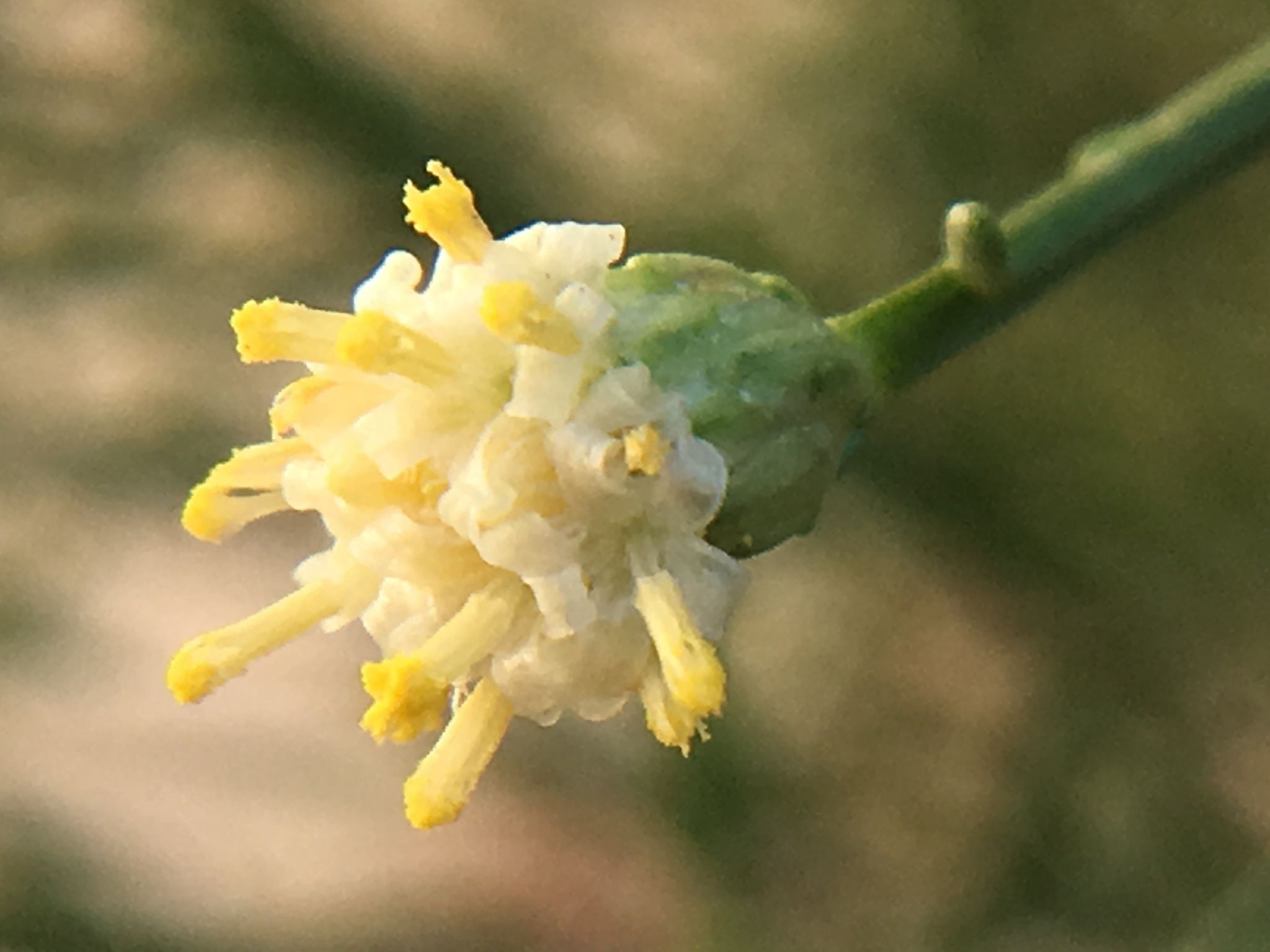
Desert broom (Baccharis spp.) can add lots of small flowers and shrubby structure that many beneficial insects use.
Genus Baccharis (some spp.)
Desert broom is a common name used for several Baccharis species. These tough, sun-loving native shrubs can help fill in dry, open spaces with lots of small flowers that many insects can use.
Plant Type
Wildflowers (herbaceous perennials) > Desert broom
Aliases
Desert broom
Native Range
Varies by species within the genus Baccharis; choose locally appropriate species when possible.
Bloom window
Seasonal bloom with many small flowers (timing varies by species)
OVERVIEW
Desert broom is a common name used for several plants in the genus Baccharis (some species). If you’re building a habitat-style garden, it can be a useful “backbone” shrub: it’s often hardy in sunny, open spots and can produce lots of small flowers that attract a mix of insects.
Because the name can refer to different species, the most important step is matching the exact plant to your site. Look for a label that includes Baccharis and, if possible, the full species name. Then place it where it can stay long-term—these shrubs generally do best when they aren’t babied with rich soil and frequent watering.
In a pollinator patch, desert broom works best when it’s part of a team: pair it with early-, mid-, and late-blooming plants so there’s something in flower across the growing season. Add a few grasses or other sturdy plants for structure, and keep pesticides out of the space so beneficial insects can do their job.
FAST FACTS
Essential stats and requirements for quick reference.
| Category | Details |
|---|---|
| Also known as | Desert broom |
| Bloom window | Seasonal bloom with many small flowers (timing varies by species) |
| Typical height | Varies by species; often a medium to large shrub |
| Pollinators supported | Bees, Butterflies, Flies, Wasps |
| Light & moisture | Full sun to bright light; dry to average moisture with good drainage. |
| Best roles for pollinators | Sunny, dry-to-average sites where you want a hardy native shrub that supports insect activity and adds habitat structure. |
SUMMARY
A quick scan of what they do, what they need, and the best first step.
Desert broom (Baccharis spp.) can add lots of small flowers and shrubby structure that many beneficial insects use.
A bright, open spot and soil that drains well; once established, it usually needs little extra water.
Place it in a sunny, well-drained area and let it settle in with minimal fuss.
IMPACT
Key Impacts
RECOGNITION
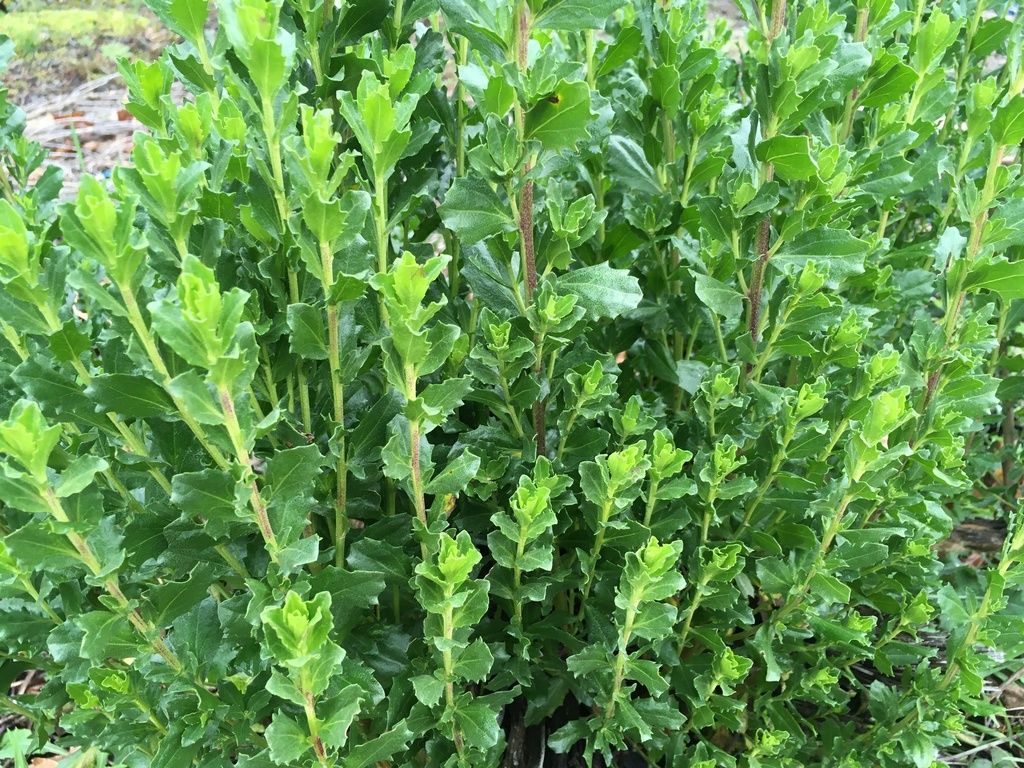
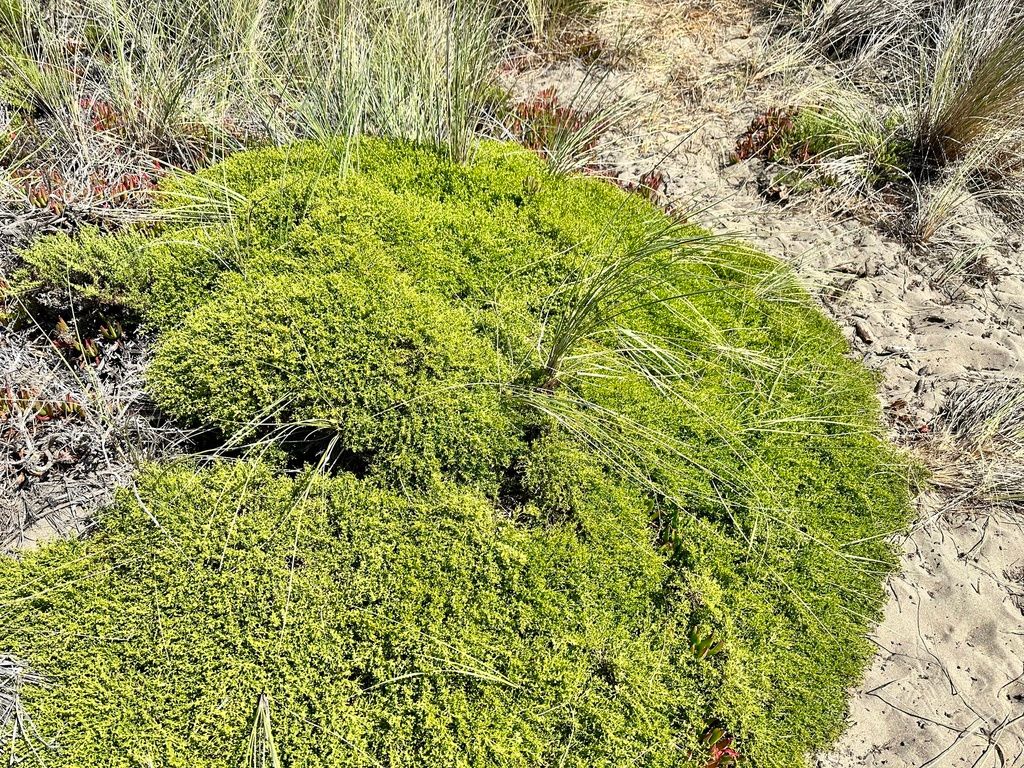
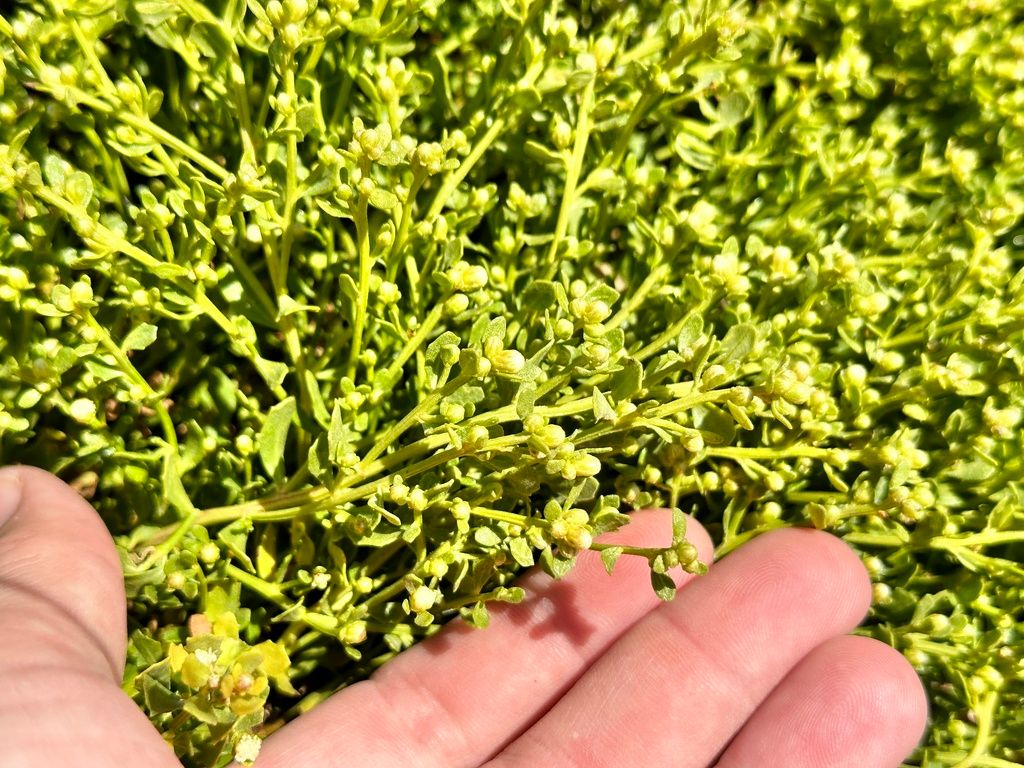
Varies by species; often small and simple, sometimes narrow; overall plant can look airy or broom-like.
Many small flowers in clusters; not showy individually but noticeable in mass.
Often produces small, wind-dispersed seeds; appearance varies by species.
LOCATION
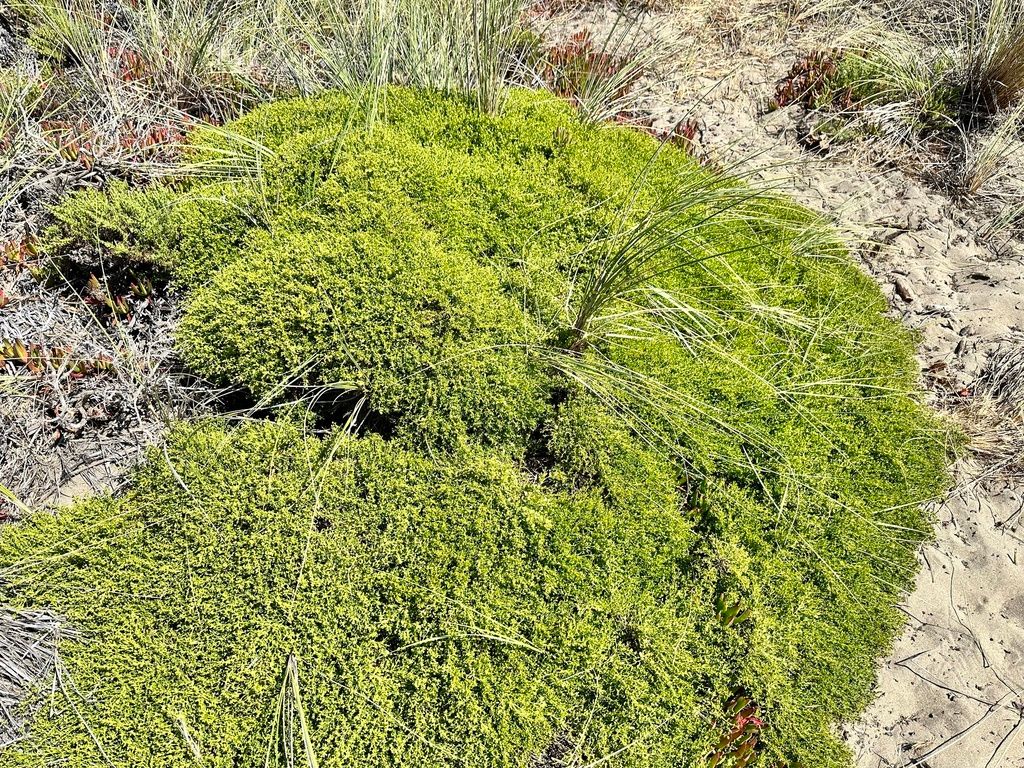
Native environments and the best spots to place it in your landscape.
SEASONALITY
Notes on bloom windows and how this plant helps pollinators across the seasons.
Bloom timing depends on the Baccharis species and local conditions.
Bloom Season Role: Filler bloom made of many small flowers; useful when you want steady, easy forage.
REQUIREMENTS
The right mix of sun, soil, and space for healthy growth.
Best in full sun; tolerates some part sun.
Well-drained soils are key; avoid heavy, constantly wet ground.
Water to establish; after that, water only during extended dry spells if needed.
Give it room for its mature size and airflow; place where it can stay without frequent moving.
Use a light mulch layer to reduce weeds, keeping mulch off the stem base.
GARDENING GUIDE
Simple steps to plant, prune, and maintain healthy trees without pesticides.
Pairings
Pairing ideas to keep pollinators fed throughout the growing season.
GLOSSARY
Glossary terms are being added.
What You Can Do
Turn this knowledge into action. Whether you plant a single pot or a whole garden, you are building a vital bridge for local biodiversity.
Join the movement to restore our shared habitats.