
What they do
Dogbanes add mid-season flowers and structure, and can help keep a pollinator patch active when other plants are between bloom peaks.
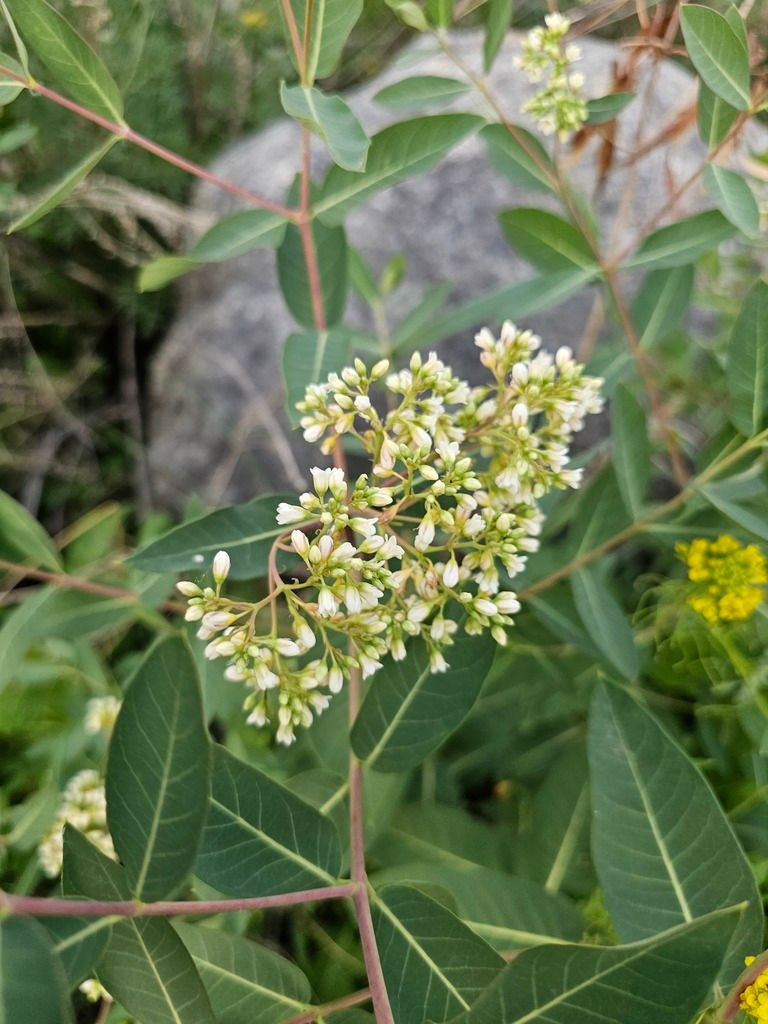
Genus Apocynum
Dogbanes are tough, native-leaning wildflowers in the genus Apocynum that offer small, nectar-rich blooms and a strong, upright presence in sunny, open spaces.
Plant Type
Wildflowers (herbaceous perennials) > Dogbanes
Aliases
Dogbane
Native Range
Native to parts of North America (varies by species)
Bloom window
Summer (varies by species and site)
OVERVIEW
Dogbanes (genus Apocynum) are a good fit for gardeners who like plants that can take care of themselves once established. They’re not the flashiest bloomers from a distance, but up close their clustered flowers can be active with visiting insects.
If you’re building a pollinator patch, dogbanes can work best as part of a mix: pair them with earlier and later bloomers so something is flowering across the season. Give them sun and a bit of room, and they can become a steady, reliable piece of a more natural-looking planting.
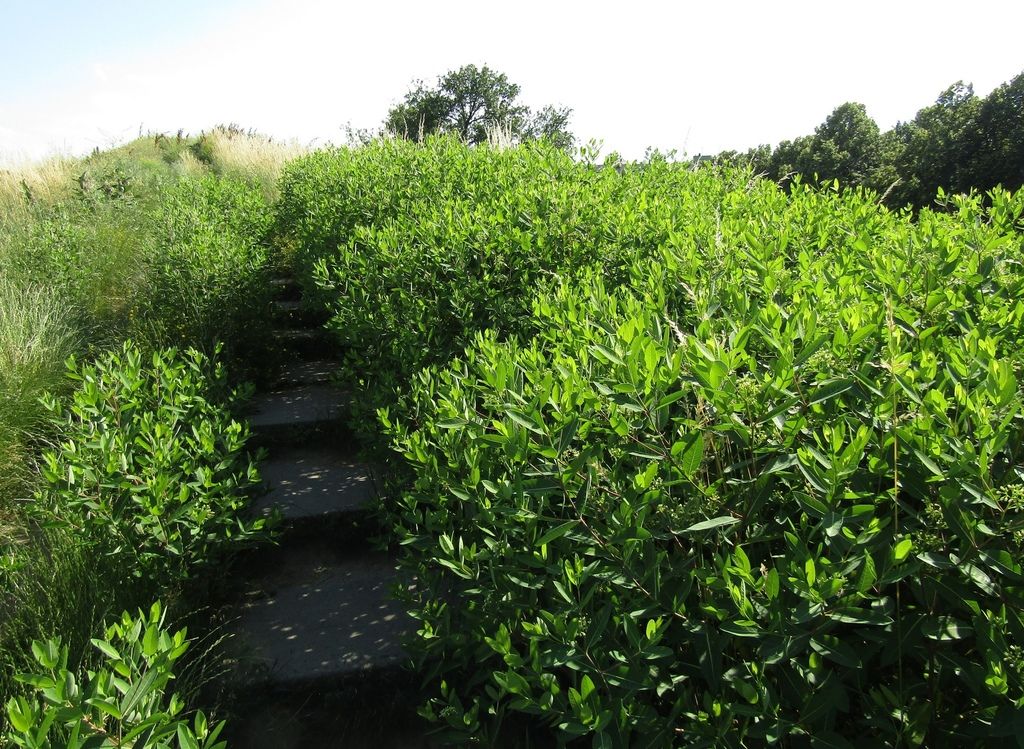
FAST FACTS
Essential stats and requirements for quick reference.
| Category | Details |
|---|---|
| Also known as | Dogbane |
| Bloom window | Summer (varies by species and site) |
| Typical height | Medium to tall (varies by species and conditions) |
| Pollinators supported | Bees, Butterflies, Flies, Wasps |
| Light & moisture | Best in sun; tolerates a range of moisture once established |
| Best roles for pollinators | Sunny edges, naturalized areas, and low-fuss pollinator patches where plants can spread a little |
SUMMARY
A quick scan of what they do, what they need, and the best first step.
Dogbanes add mid-season flowers and structure, and can help keep a pollinator patch active when other plants are between bloom peaks.
Sun and space, plus a spot where a spreading perennial won’t be a problem.
Give dogbanes a defined area (like an edge or naturalized strip) so you can enjoy them without constant editing.
IMPACT
Key Impacts
RECOGNITION
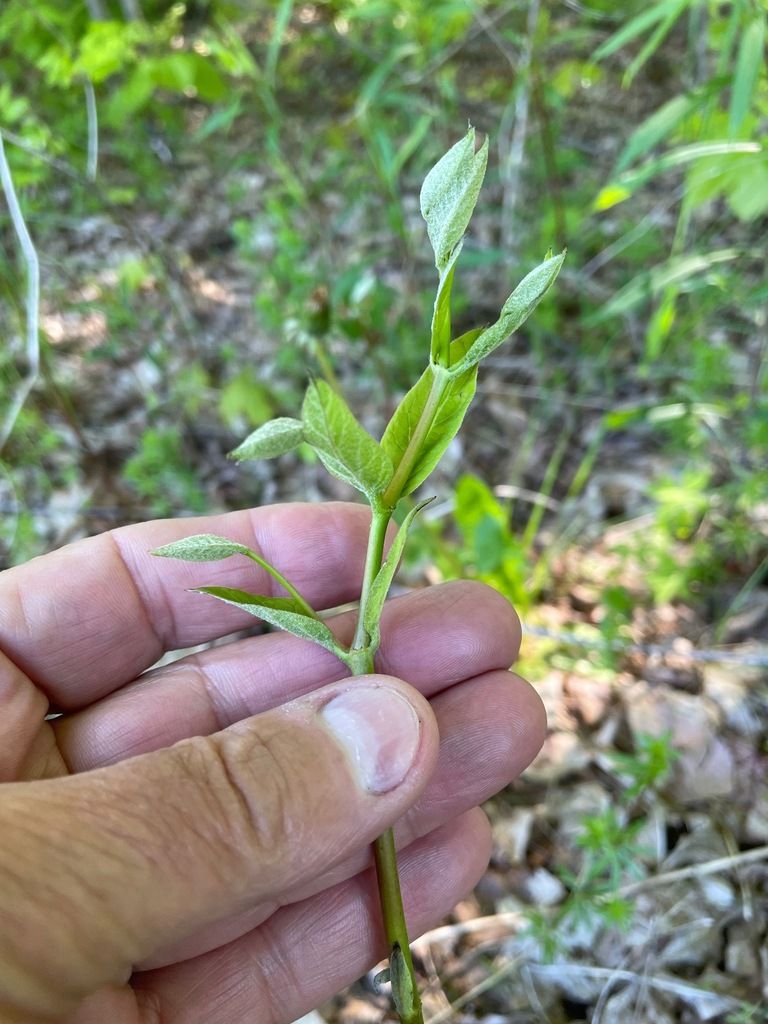
Simple, smooth-edged leaves held along upright stems; overall look is clean and not feathery or divided.
Small, pale flowers in clusters, often near the tops of stems; not showy from far away but noticeable up close.
After flowering, plants may form slender pods typical of the group (varies by species).
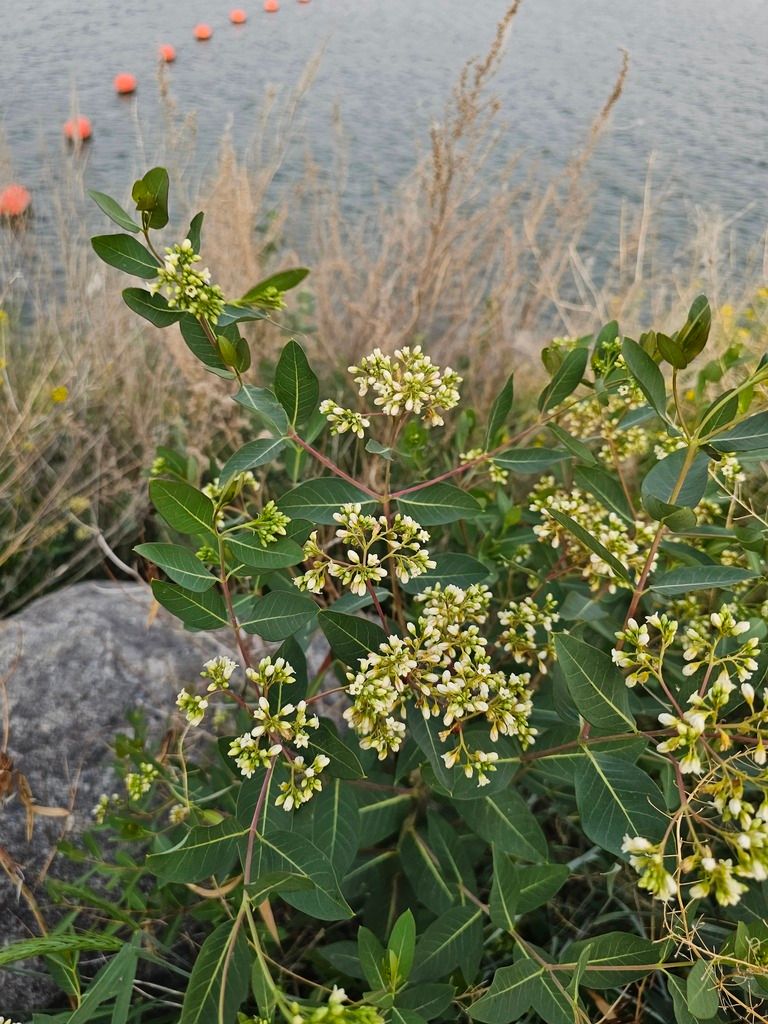
LOCATION
Native environments and the best spots to place it in your landscape.
SEASONALITY
Notes on bloom windows and how this plant helps pollinators across the seasons.
Dogbanes typically bloom in the warmer part of the growing season, depending on the species and the site.
Bloom Season Role: A mid-season nectar stop with many small flowers over time
REQUIREMENTS
The right mix of sun, soil, and space for healthy growth.
Sun is best; part sun can work, especially in open, bright sites.
Tolerates many soils; does well in average, well-drained ground.
Water to establish; after that, it’s usually fairly self-sufficient in typical garden conditions.
Plant where it has room to form a patch; consider using it in a naturalized area rather than a tight border.
Use a light mulch if needed to reduce weeds while young, but avoid burying the crown.
GARDENING GUIDE
Simple steps to plant, prune, and maintain healthy trees without pesticides.
Pairings
Pairing ideas to keep pollinators fed throughout the growing season.
GLOSSARY
Glossary terms are being added.
What You Can Do
Turn this knowledge into action. Whether you plant a single pot or a whole garden, you are building a vital bridge for local biodiversity.
Join the movement to restore our shared habitats.