

What they do
Evening primroses provide open, nectar-and-pollen-rich flowers that can support a variety of pollinators, including evening visitors.
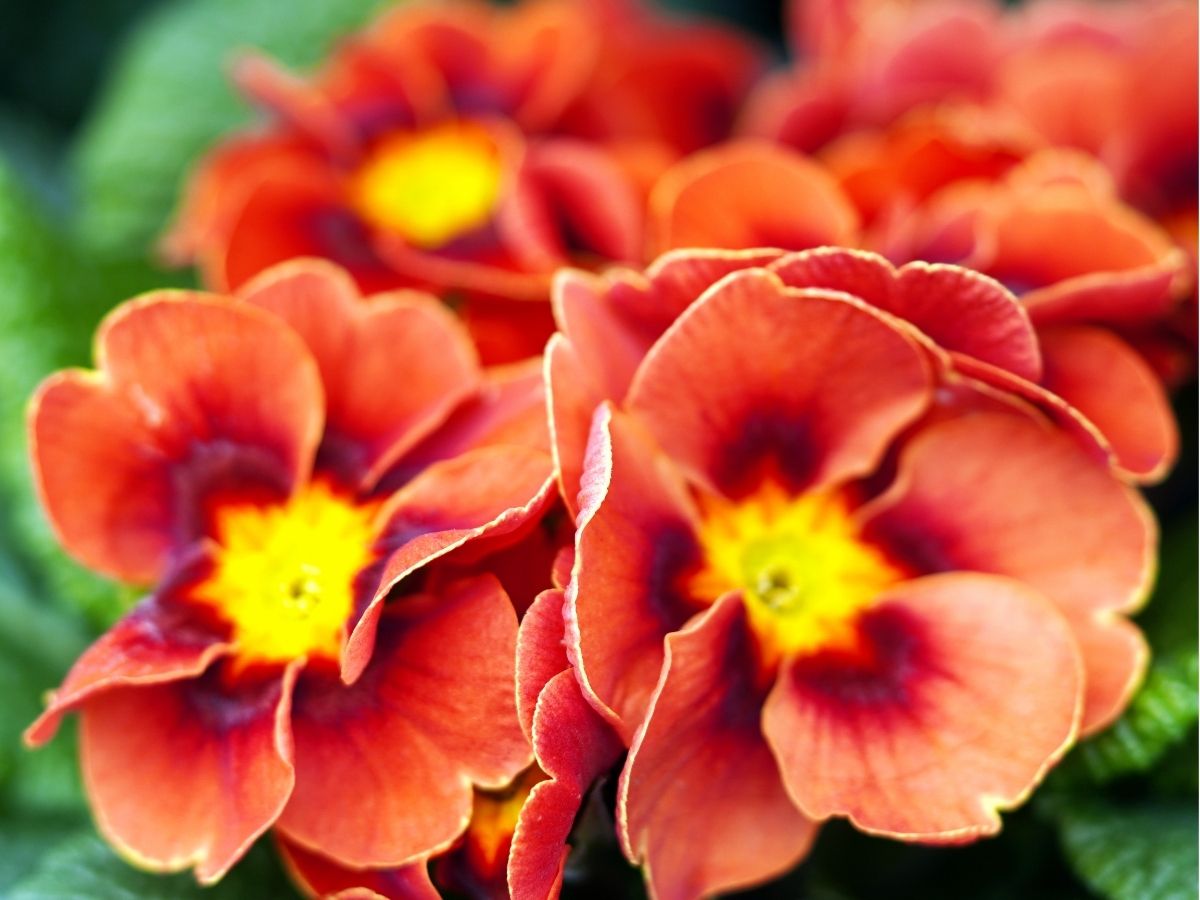
Genus Oenothera
Evening primroses are easygoing wildflowers in the genus Oenothera, known for bright, open blooms that often show up in the evening and can keep a garden lively when other flowers slow down.
Plant Type
Wildflowers (herbaceous perennials) > Evening primroses
Aliases
Evening primrose
Native Range
Varies by species within the genus; many are native to North America
Bloom window
Often blooms from summer into fall, with many types opening later in the day
OVERVIEW
Evening primroses (Genus Oenothera) are resilient, sun-loving wildflowers that provide accessible nectar and pollen, often serving a vital role in extending the bloom season into the evening hours when many other flowers are closed. Their adaptable nature allows them to thrive in sunny borders, naturalized edges, and well-drained containers, making them an excellent choice for functional, low-fuss pollinator patches.
If you are planting Oenothera, they require minimal maintenance, preferring full sun and well-drained soil. To maximize their ecological benefit, avoid the use of systemic pesticides entirely. Leaving some seedheads after the bloom period allows for natural reseeding, which helps to create a stable and resilient habitat year after year.
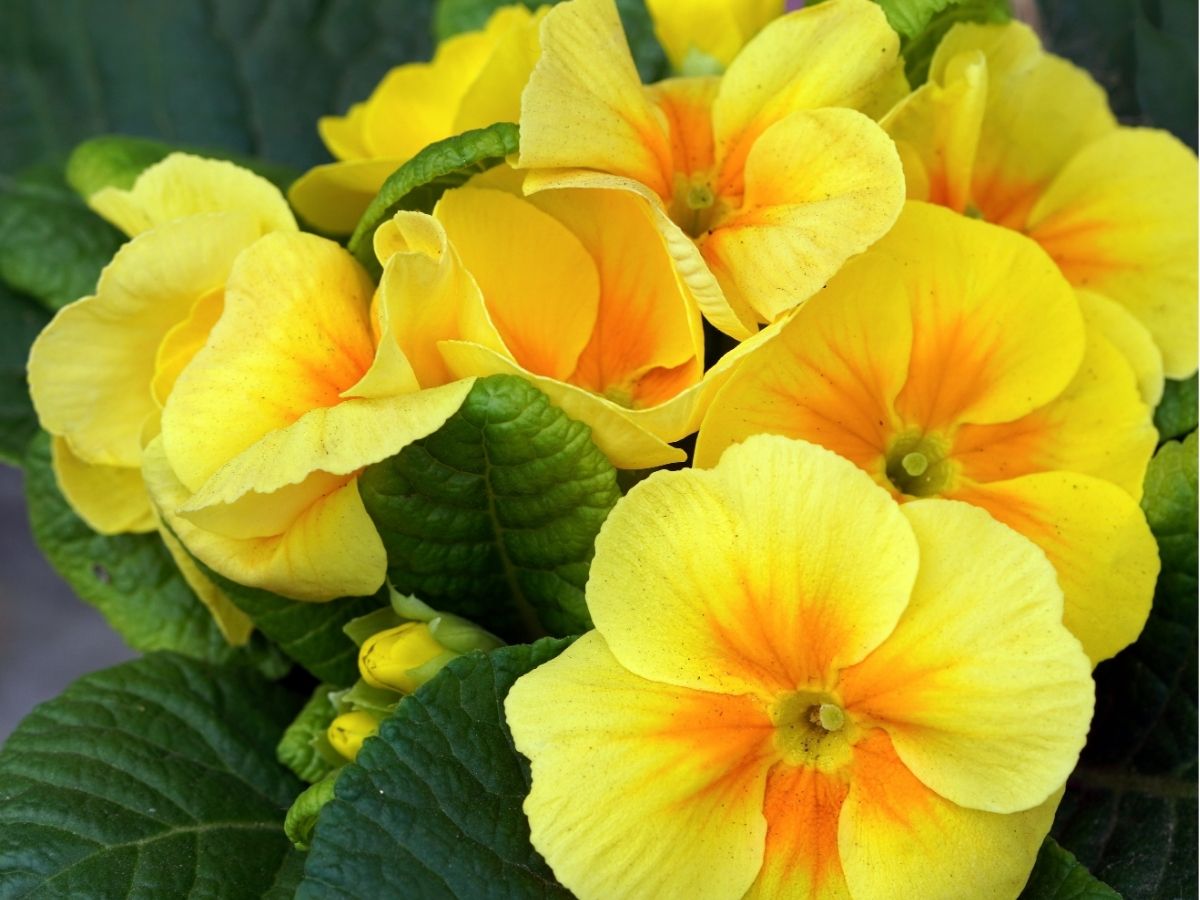
FAST FACTS
Essential stats and requirements for quick reference.
| Category | Details |
|---|---|
| Also known as | Evening primrose |
| Bloom window | Often blooms from summer into fall, with many types opening later in the day |
| Typical height | Varies by species; often knee- to waist-high, sometimes taller |
| Pollinators supported | Bees, Moths, Butterflies |
| Light & moisture | Best in sun; moderate moisture is a safe starting point, with many types tolerating drier soil once established |
| Best roles for pollinators | Sunny edges, naturalized areas, school gardens, and low-fuss pollinator patches |
SUMMARY
A quick scan of what they do, what they need, and the best first step.
Evening primroses provide open, nectar-and-pollen-rich flowers that can support a variety of pollinators, including evening visitors.
A sunny spot, well-drained soil, and a little patience while roots settle in.
Start with one plant in a sunny spot and watch where it thrives before adding more.
IMPACT
Key Impacts
RECOGNITION
Often lance-shaped to oval; may start as a low rosette and then appear along the stem.
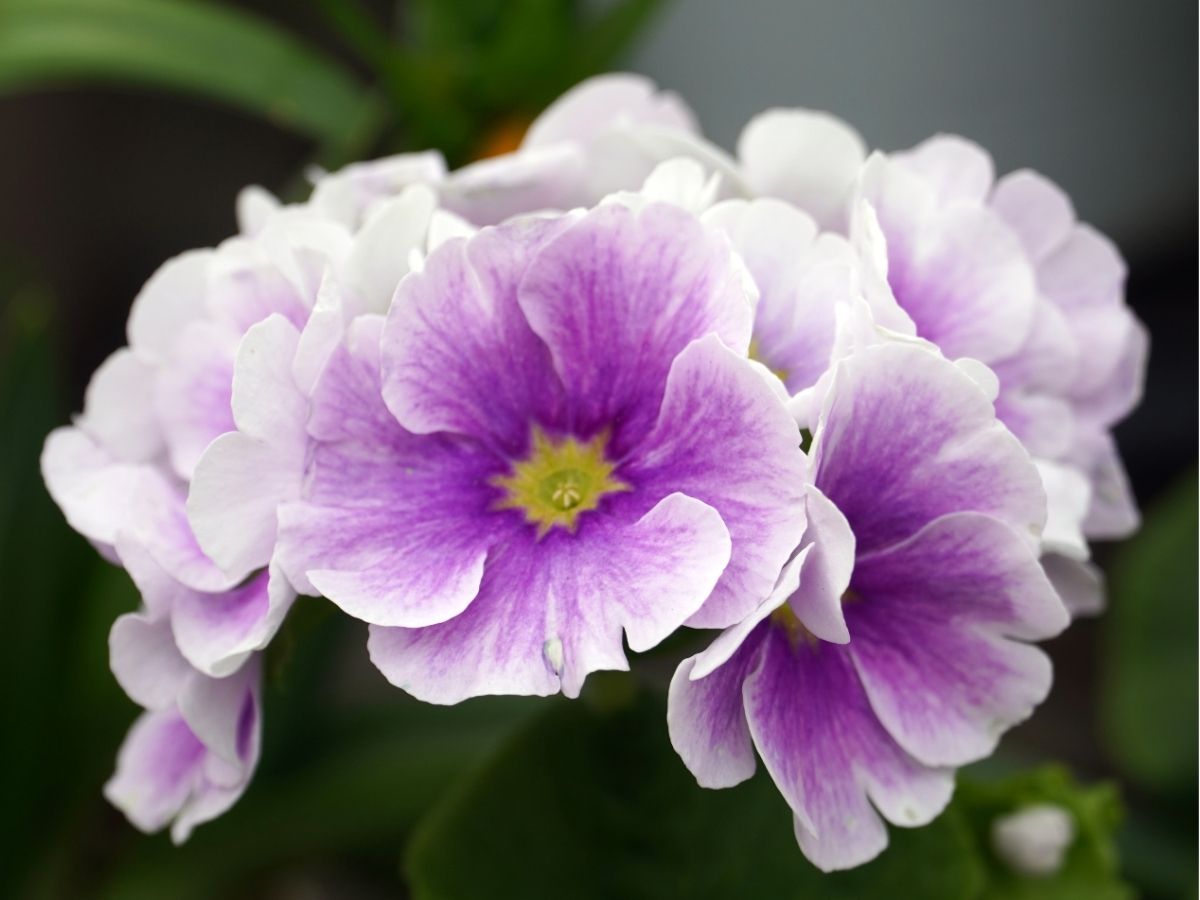
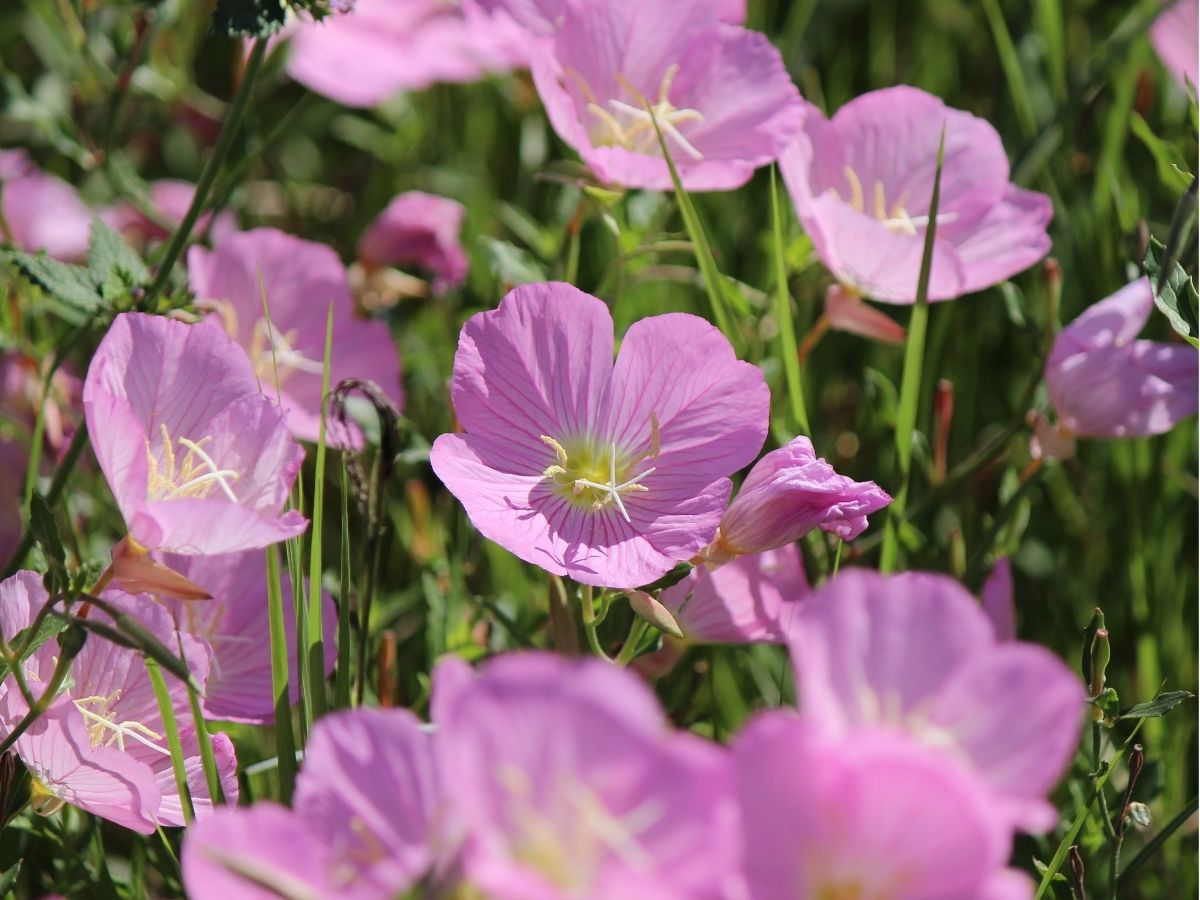
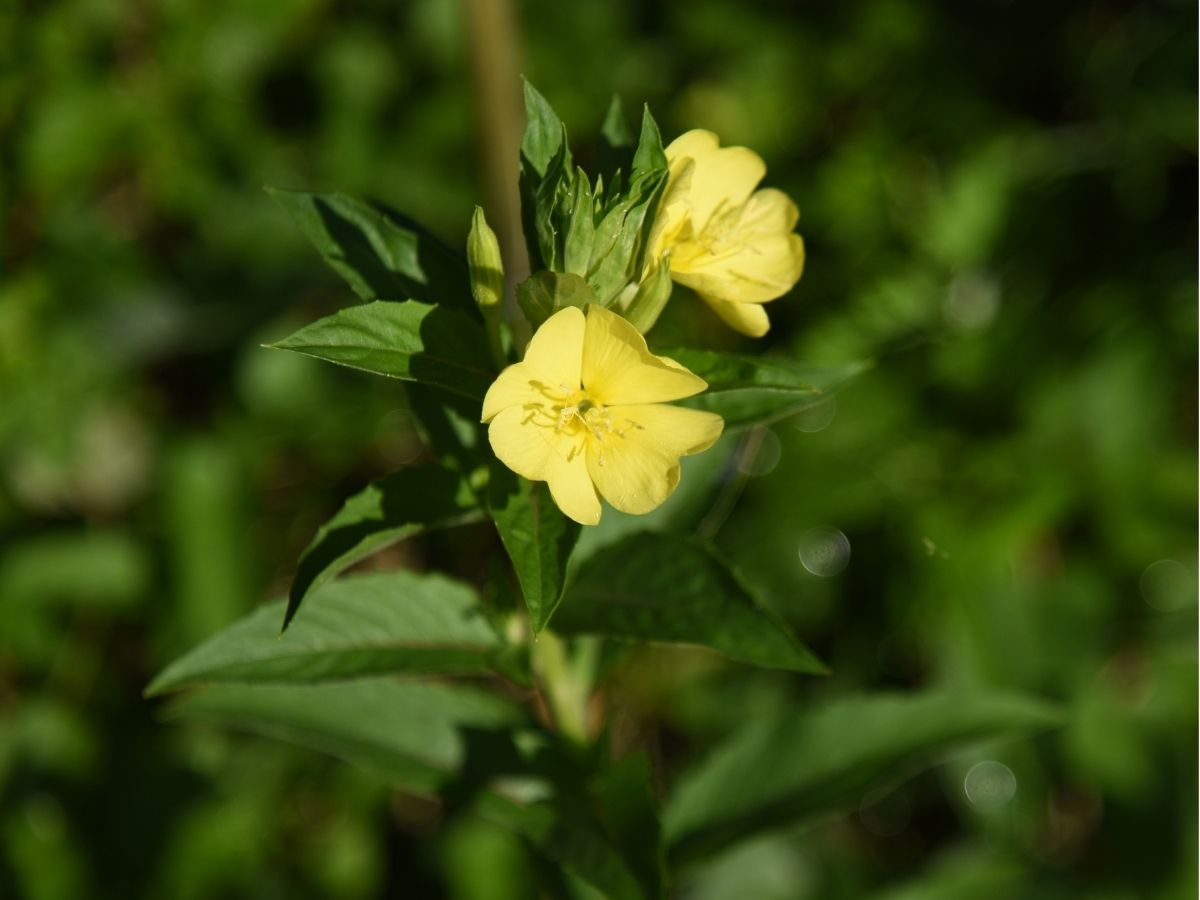
Four-petaled, open, cup-shaped blooms (often yellow) with a noticeable center of stamens; many open later in the day.
After flowering, forms seed capsules that dry and release seeds.
LOCATION
Native environments and the best spots to place it in your landscape.
SEASONALITY
Notes on bloom windows and how this plant helps pollinators across the seasons.
Evening primroses are often most noticeable in the warmer months, and many keep going as the season progresses.
Bloom Season Role: Adds reliable mid-to-late season flowers; many types open in the evening
REQUIREMENTS
The right mix of sun, soil, and space for healthy growth.
Choose a sunny spot for best flowering; part sun can work but may reduce blooms.
Well-drained soil is ideal. If your soil stays wet, improve drainage or use a raised bed.
Water regularly at planting time; once established, many types handle short dry spells. Avoid keeping the soil constantly wet.
Plant in spring or fall. Give plants room for airflow and future growth, since some can spread by seed.
Use a light mulch to reduce weeds, but keep mulch away from the crown to prevent rot.
GARDENING GUIDE
Simple steps to plant, prune, and maintain healthy trees without pesticides.
Pairings
Pairing ideas to keep pollinators fed throughout the growing season.
GLOSSARY
Glossary terms are being added.
What You Can Do
Turn this knowledge into action. Whether you plant a single pot or a whole garden, you are building a vital bridge for local biodiversity.
Join the movement to restore our shared habitats.