
What they do
Fleabanes offer lots of small, open flowers that many pollinators can visit easily.
Genus Erigeron
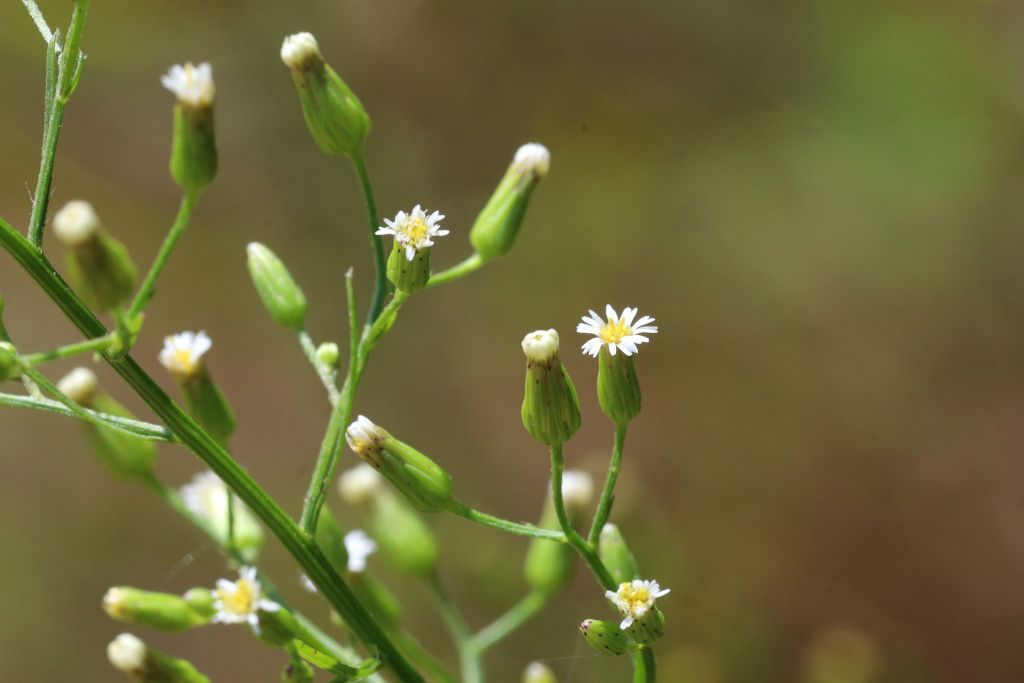
Fleabanes (genus Erigeron) are easygoing wildflowers with daisy-like blooms that can brighten gardens, schoolyards, and balcony pots while offering steady nectar and pollen for many small pollinators.
Plant Type
Wildflowers (herbaceous perennials) > Fleabanes
Aliases
Fleabane
Native Range
Includes species native to many parts of North America; exact range depends on the species.
Bloom window
Often blooms from late spring into summer, and sometimes longer depending on the species and conditions.
OVERVIEW
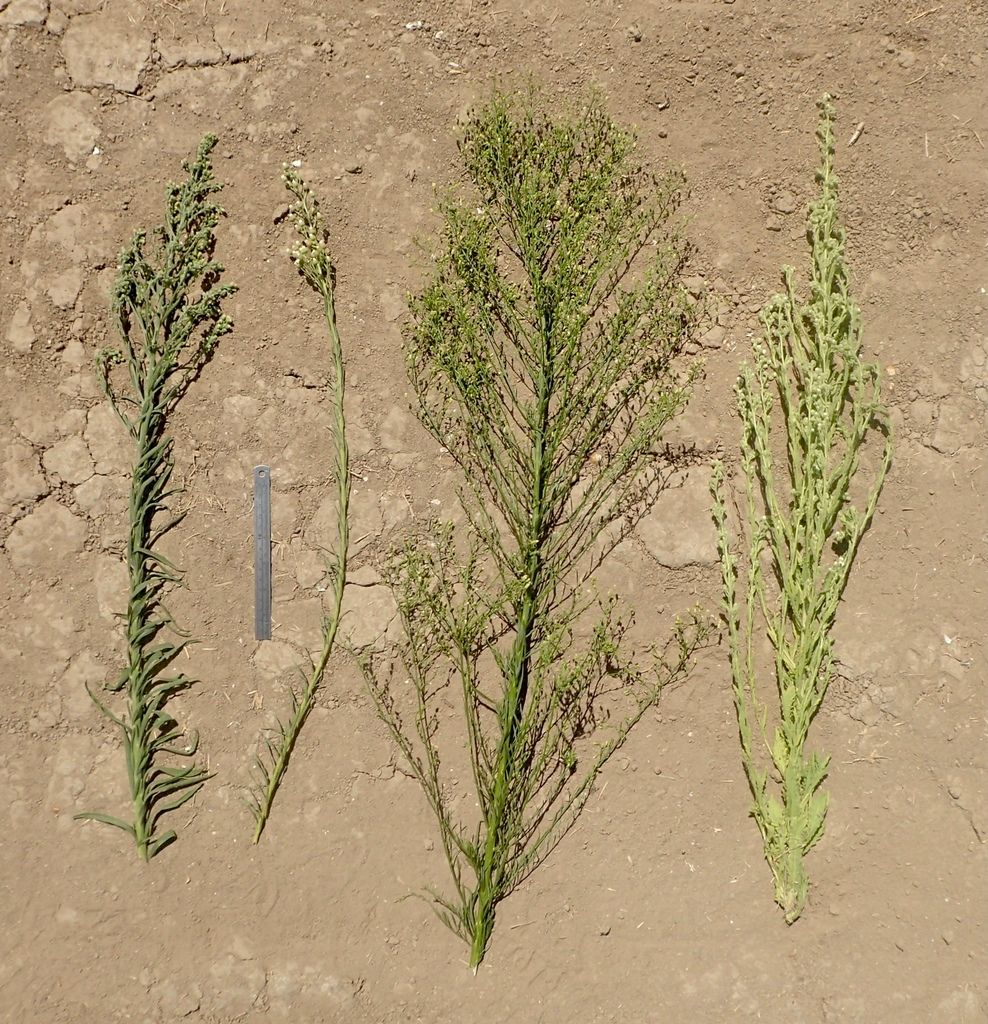
Fleabanes (genus Erigeron) are highly functional wildflowers, serving as excellent filler plants that can brighten sunny spots and naturalized patches. Their airy, branching stems add a soft, layered texture to garden borders and meadow-style plantings, making them easy to integrate into diverse habitat designs.
Ecologically, Fleabanes provide a steady, accessible source of nectar and pollen through their small, daisy-like blooms, making them a “workhorse” for many small pollinators, particularly emerging native bees and flies. To ensure maximum pollinator benefit, plant in well-drained soil and avoid using pesticides. Simple deadheading after bloom can help manage self-sowing if needed.
FAST FACTS
Essential stats and requirements for quick reference.
| Category | Details |
|---|---|
| Also known as | Fleabane |
| Bloom window | Often blooms from late spring into summer, and sometimes longer depending on the species and conditions. |
| Typical height | Varies by species; often low to medium height, from compact clumps to taller, airy stems. |
| Pollinators supported | Bees, Butterflies, Flies, Beetles |
| Light & moisture | Best in sun to part sun with average moisture; many types handle short dry spells once established. |
| Best roles for pollinators | Sunny borders, naturalized patches, school gardens, and containers where you want a long run of small, daisy-like flowers. |
SUMMARY
A quick scan of what they do, what they need, and the best first step.
Fleabanes offer lots of small, open flowers that many pollinators can visit easily.
Sun or bright light, decent drainage, and a little space to form a clump.
Plant fleabanes in a sunny spot and deadhead some blooms to keep flowers coming while preventing unwanted spread.
IMPACT
Key Impacts
RECOGNITION
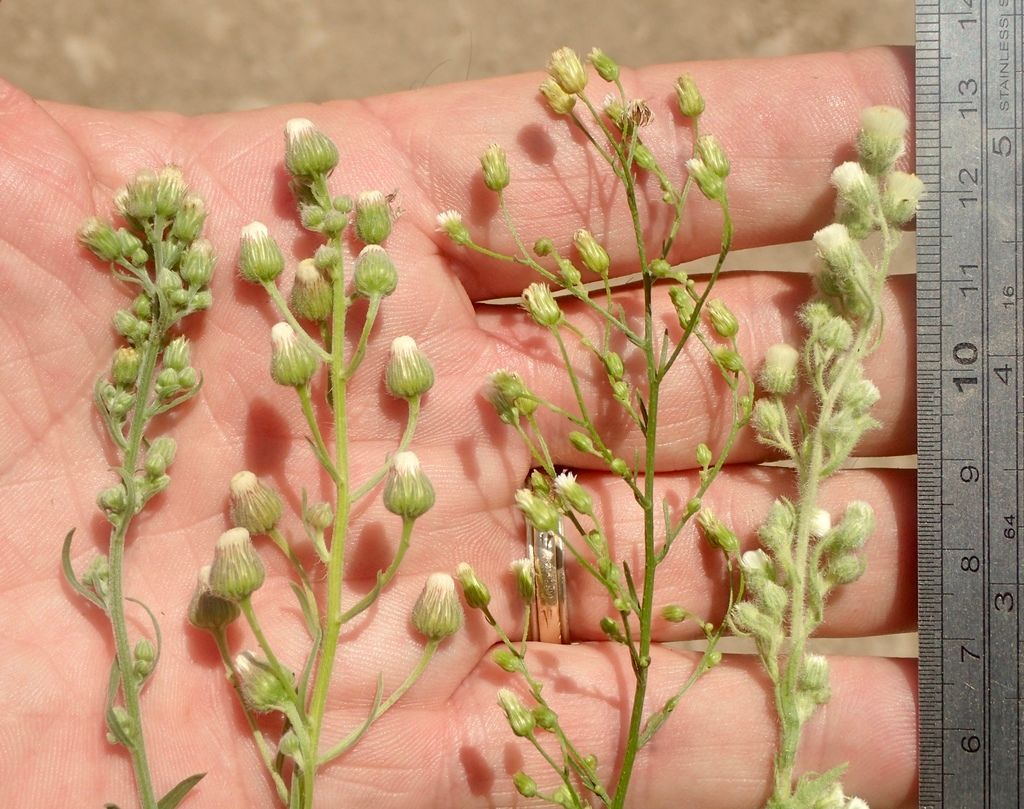
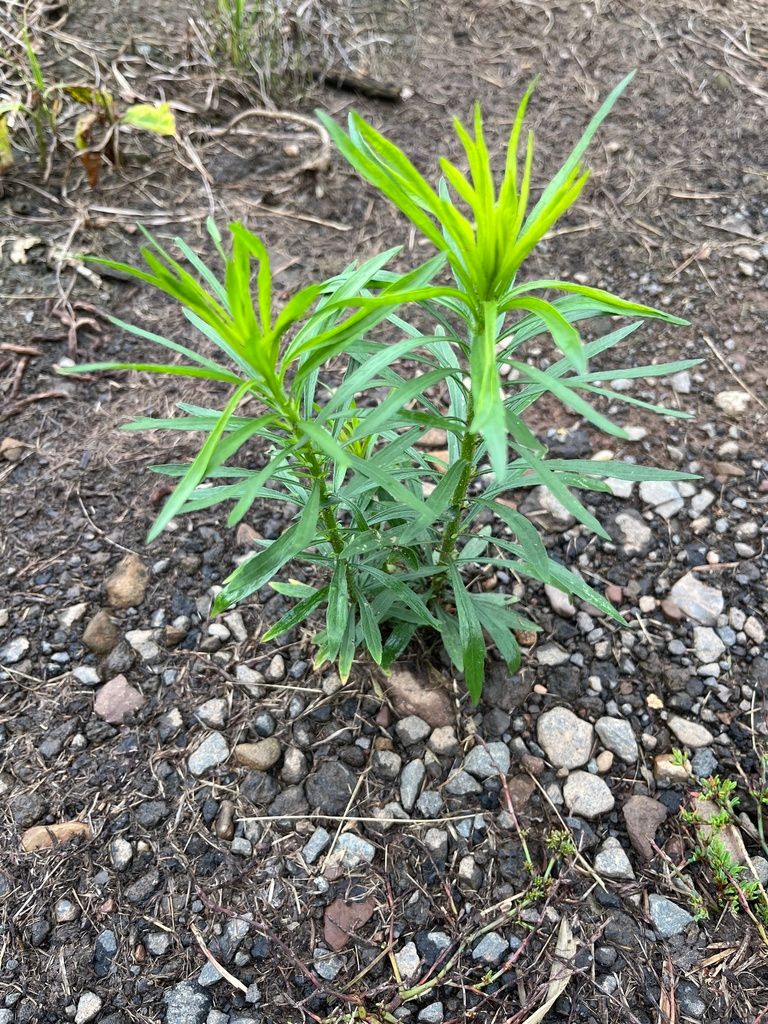
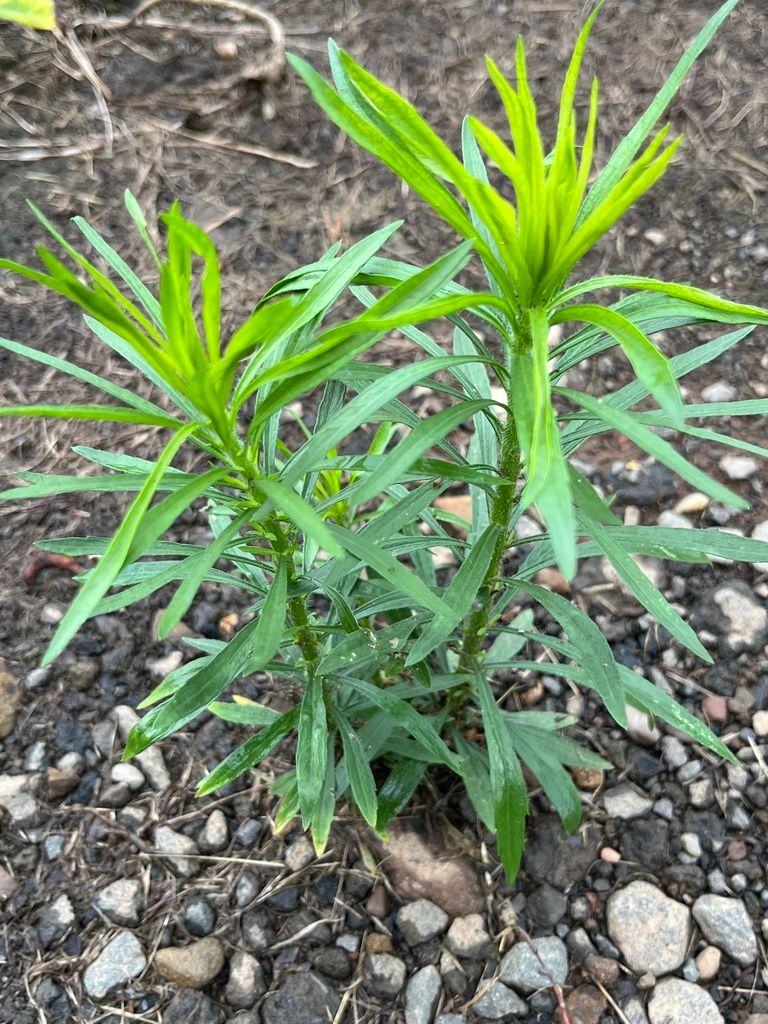
Leaves vary by species; often a small basal rosette with narrower leaves up the stem. Texture can range from smooth to slightly hairy.
Daisy-like blooms with a yellow center and many thin ray petals, often white to pale pink or lavender tones.
After bloom, forms fluffy seed heads that can drift and self-sow.
LOCATION
Native environments and the best spots to place it in your landscape.
SEASONALITY
Notes on bloom windows and how this plant helps pollinators across the seasons.
Fleabanes are often at their best when you want lots of small flowers over a long stretch of time.
Bloom Season Role: A steady, everyday nectar-and-pollen plant that can help fill gaps between bigger bloom “events.”
REQUIREMENTS
The right mix of sun, soil, and space for healthy growth.
Full sun is best for strong flowering; part sun also works in many gardens.
Adaptable; does best in well-drained soil. Avoid constantly wet spots.
Water to establish; after that, water during long dry stretches, especially in containers.
Plant in spring or fall. Give plants room for airflow and to form a clump.
Use a light mulch to reduce weeds, but keep mulch off the crown to prevent rot.
GARDENING GUIDE
Simple steps to plant, prune, and maintain healthy trees without pesticides.
Pairings
Pairing ideas to keep pollinators fed throughout the growing season.
GLOSSARY
Glossary terms are being added.
What You Can Do
Turn this knowledge into action. Whether you plant a single pot or a whole garden, you are building a vital bridge for local biodiversity.
Join the movement to restore our shared habitats.
Pollinators supported
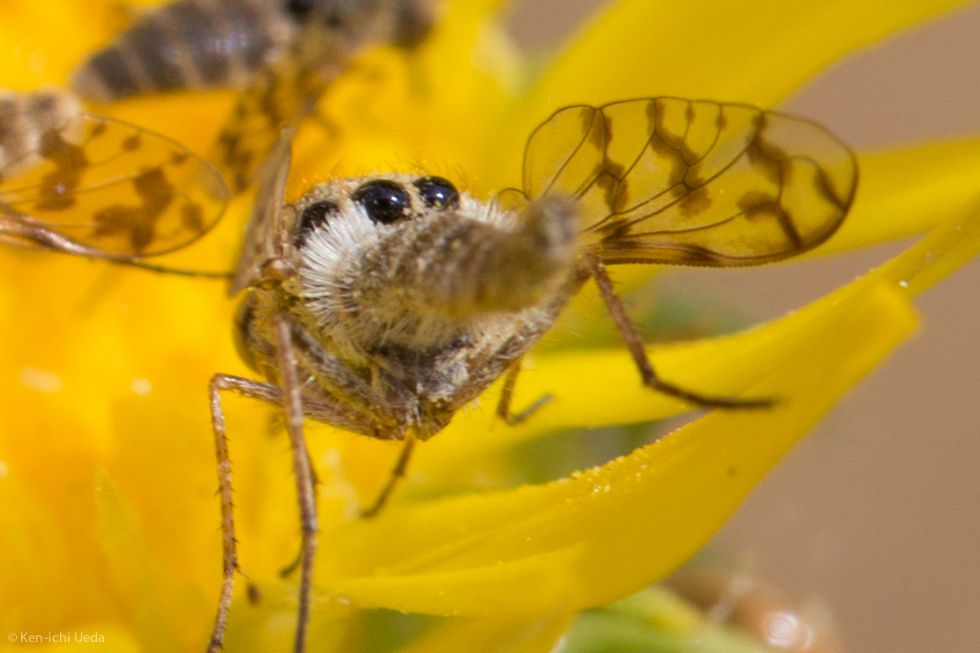
Adults visit flowers for nectar and can move pollen between blooms; their presence is a sign of diverse, functioning habitats.
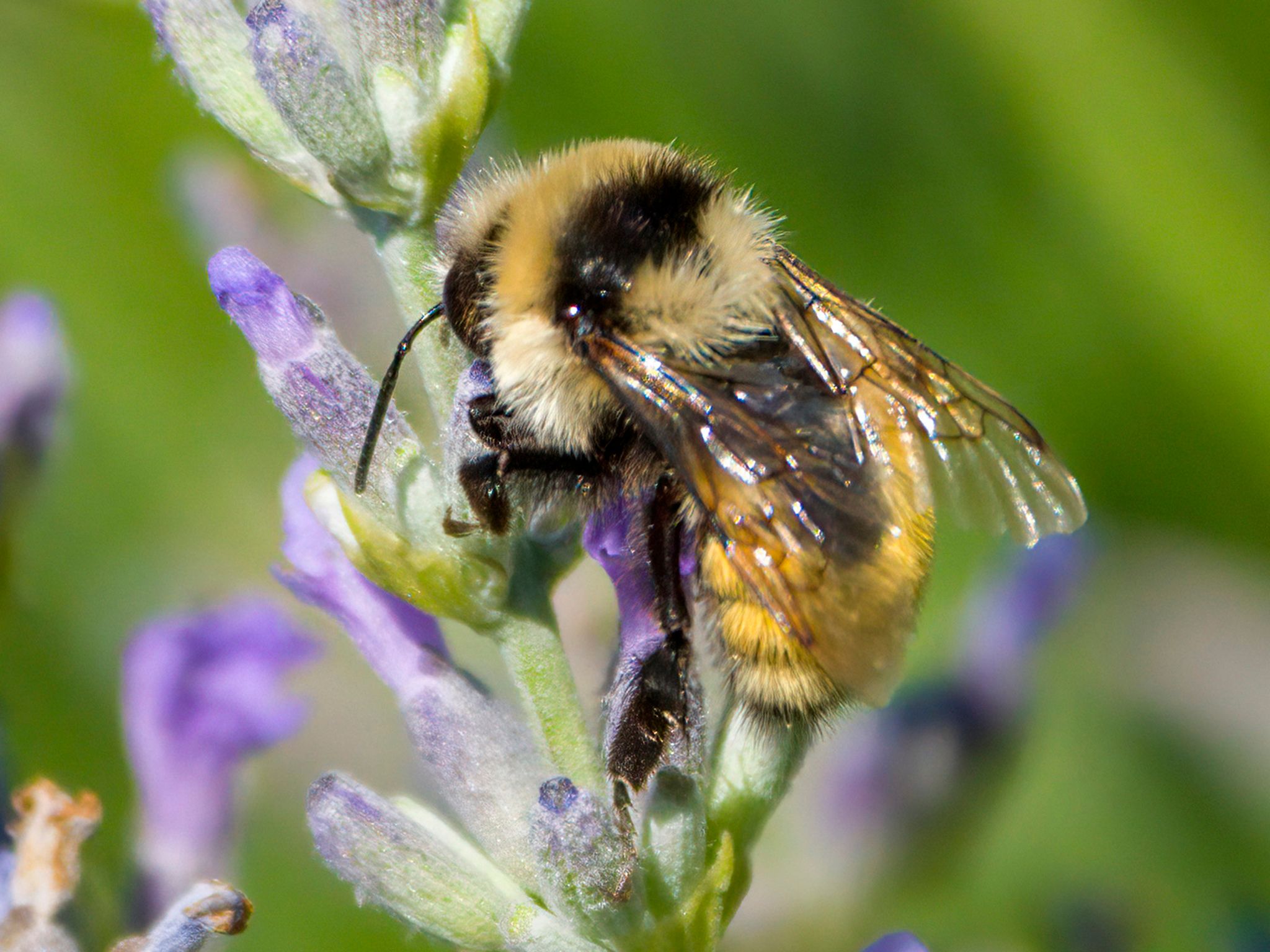
Bumble bees are important pollinators of many wildflowers and garden plants, helping ecosystems and food crops reproduce.
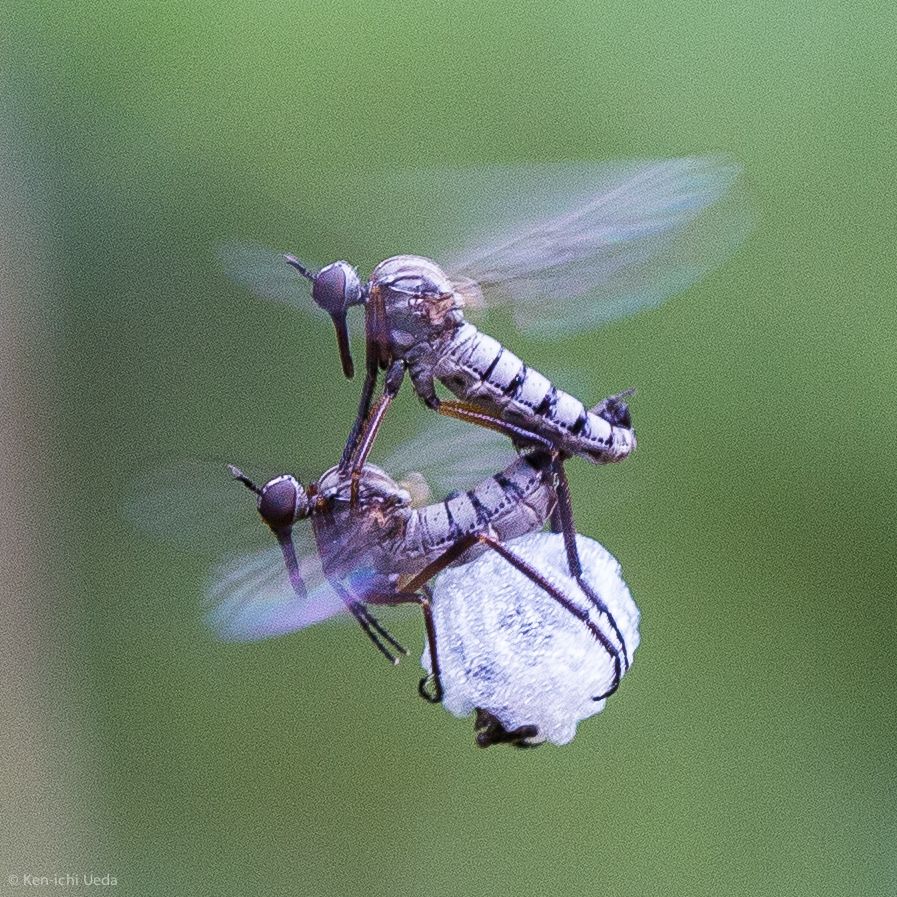
Many visit flowers for nectar and can move pollen between blooms while also playing important roles in local food webs.
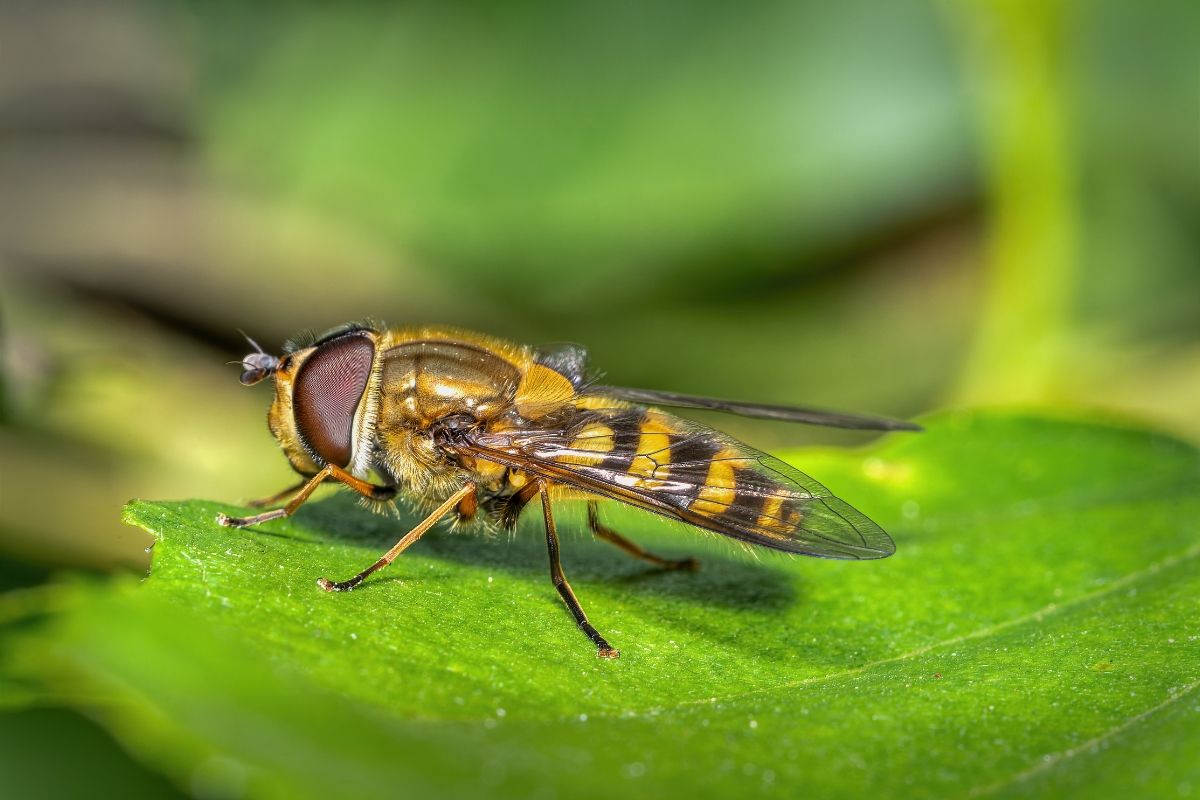
Adults visit flowers for nectar and pollen, and many species’ larvae help keep plant-eating pests in check.
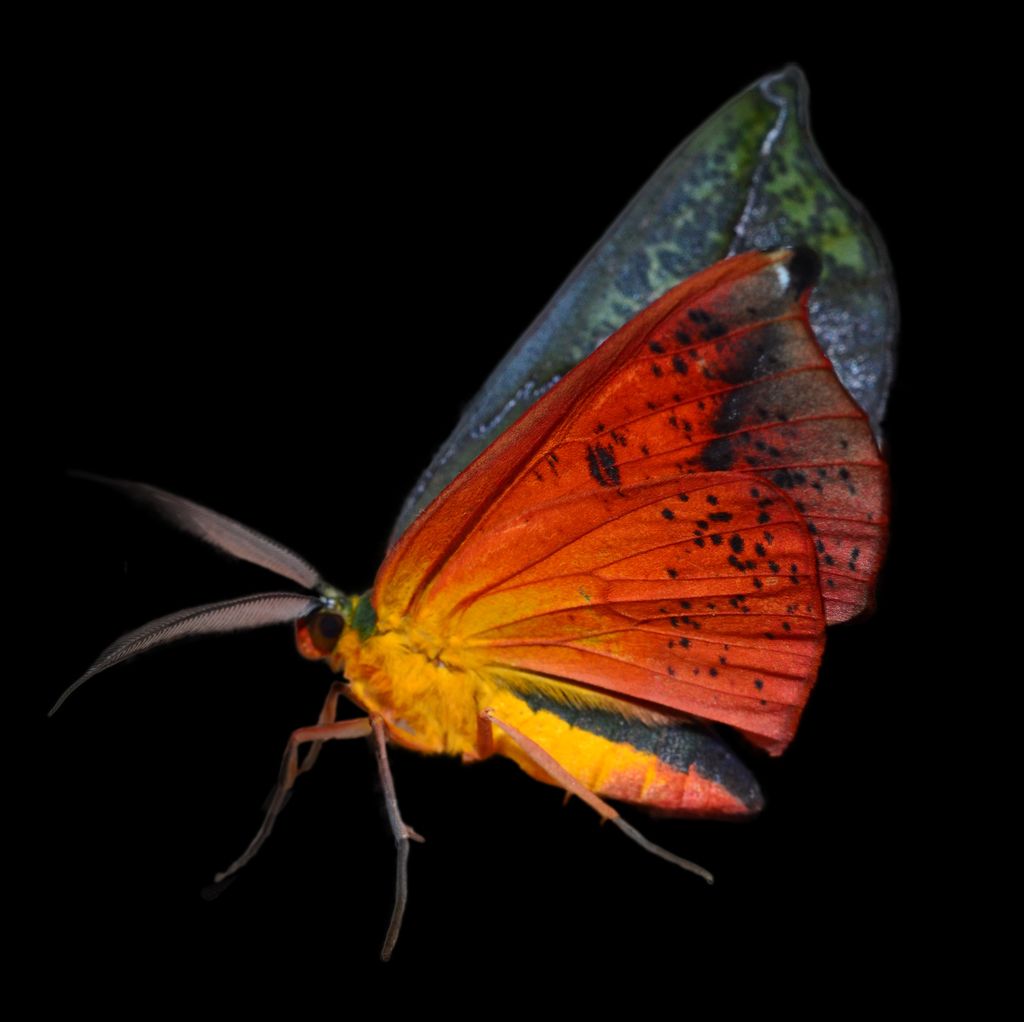
Adults can help move pollen as they nectar at flowers, and their caterpillars are an important part of local food webs.
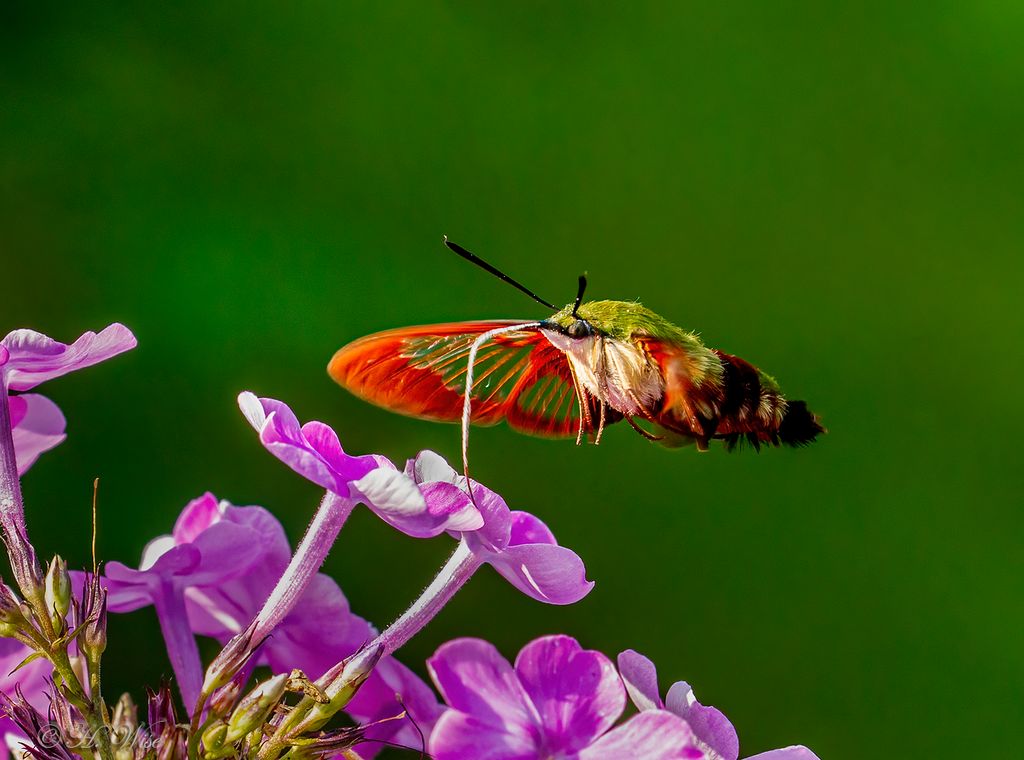
They can move pollen between flowers while feeding on nectar, especially for blooms that open or scent up in the evening.
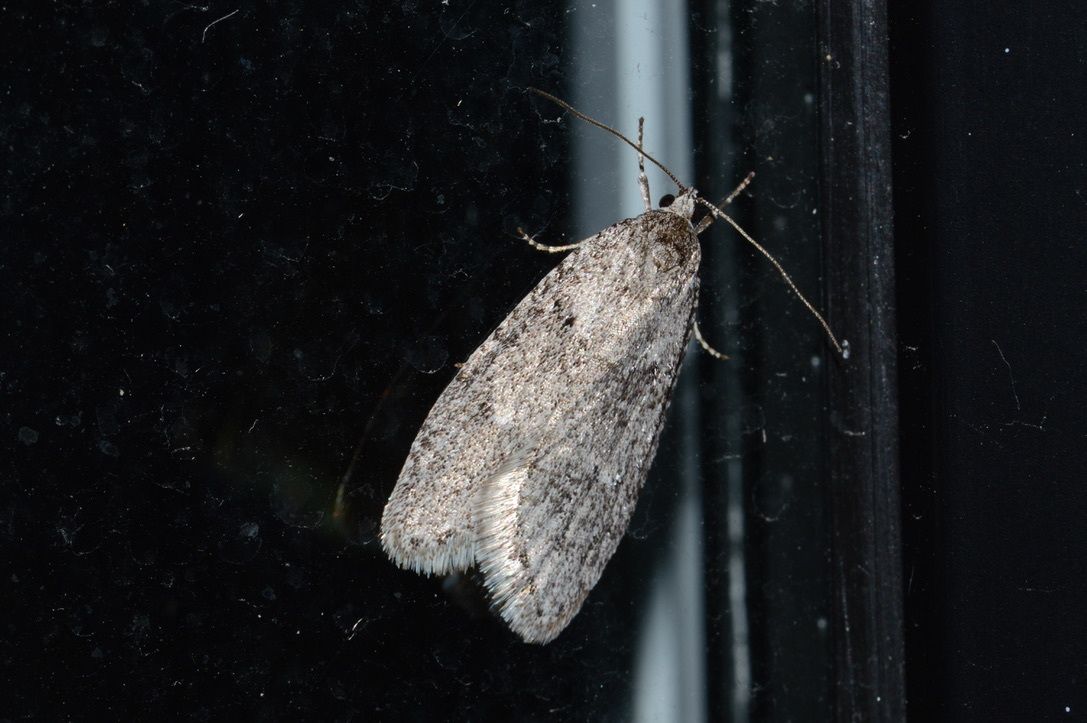
Many small moths move pollen while feeding on nectar, supporting wild plants and garden blooms—especially in the evening and at night.
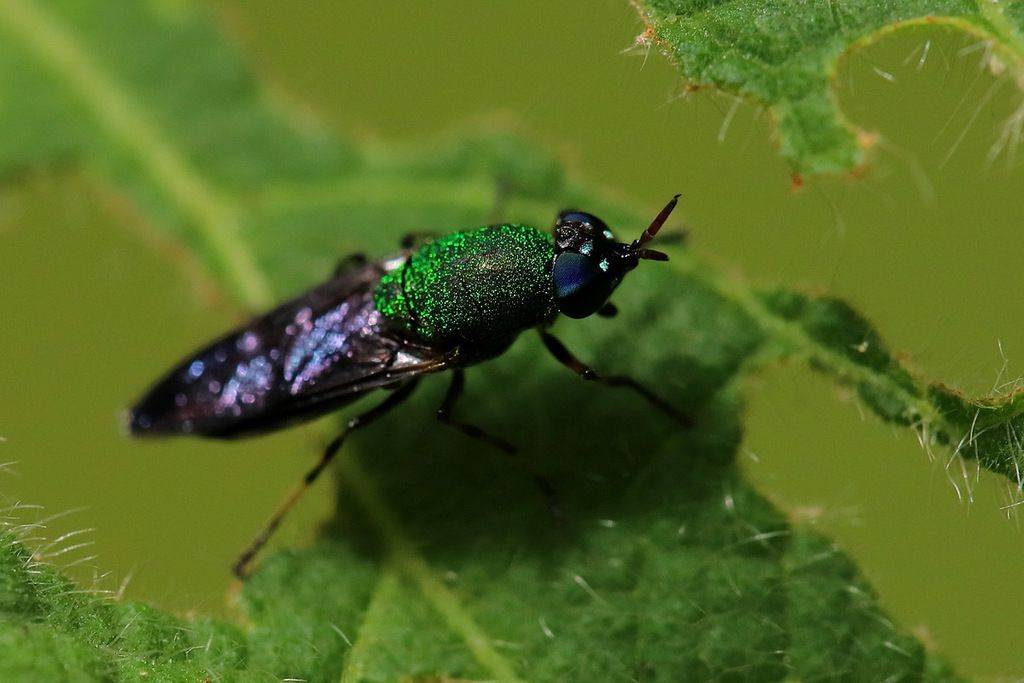
Many adults visit flowers for nectar and can move pollen between blooms while feeding.
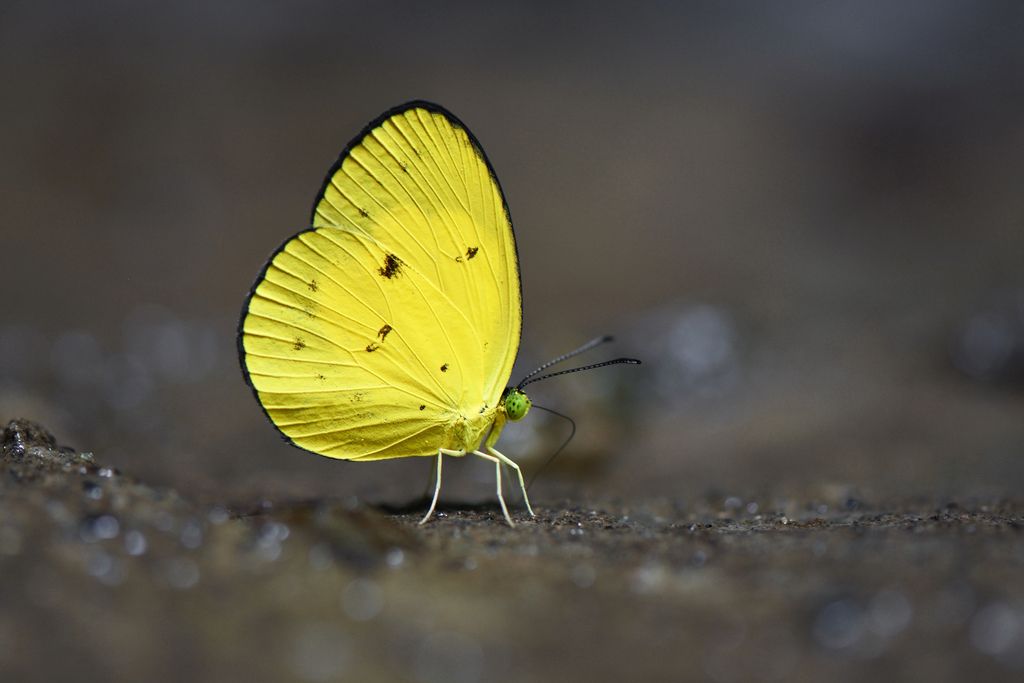
They visit a wide range of flowers for nectar and can help move pollen between blooms as they feed.