

What they do
Beeblossoms provide a long run of small, nectar-friendly flowers that keep pollinators checking in.
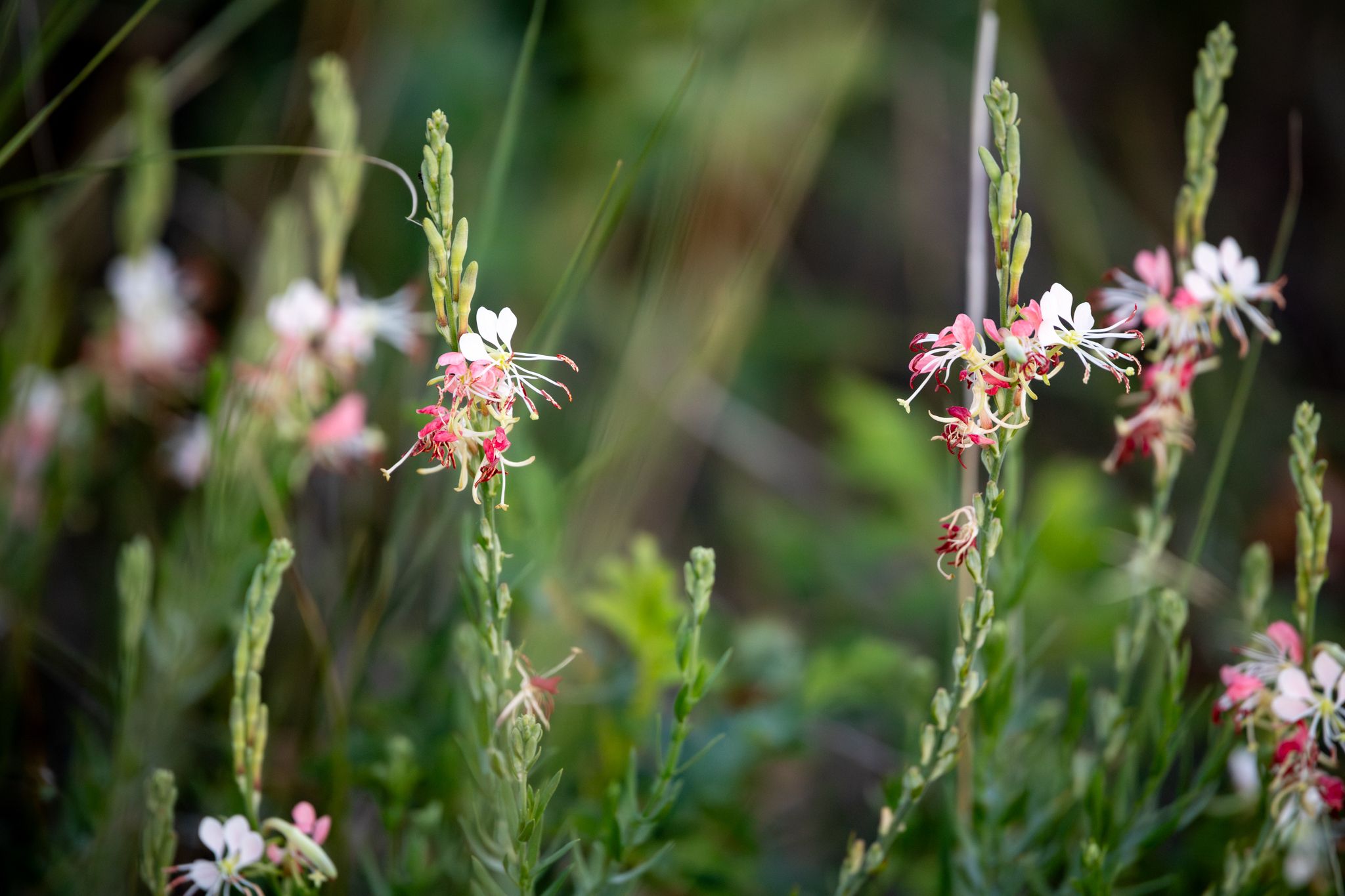
Genus Oenothera (sect. Gaura)
Gaura (beeblossoms) are airy, long-blooming wildflowers with wand-like stems and small, fluttery flowers that keep pollinators visiting. They’re a great choice for sunny beds, borders, and large containers where you want movement and a light, natural look.
Plant Type
Wildflowers (herbaceous perennials) > Gaura / beeblossoms
Aliases
Gaura
Native Range
North America (varies by species within the group)
Bloom window
Long-blooming through the warm season
OVERVIEW
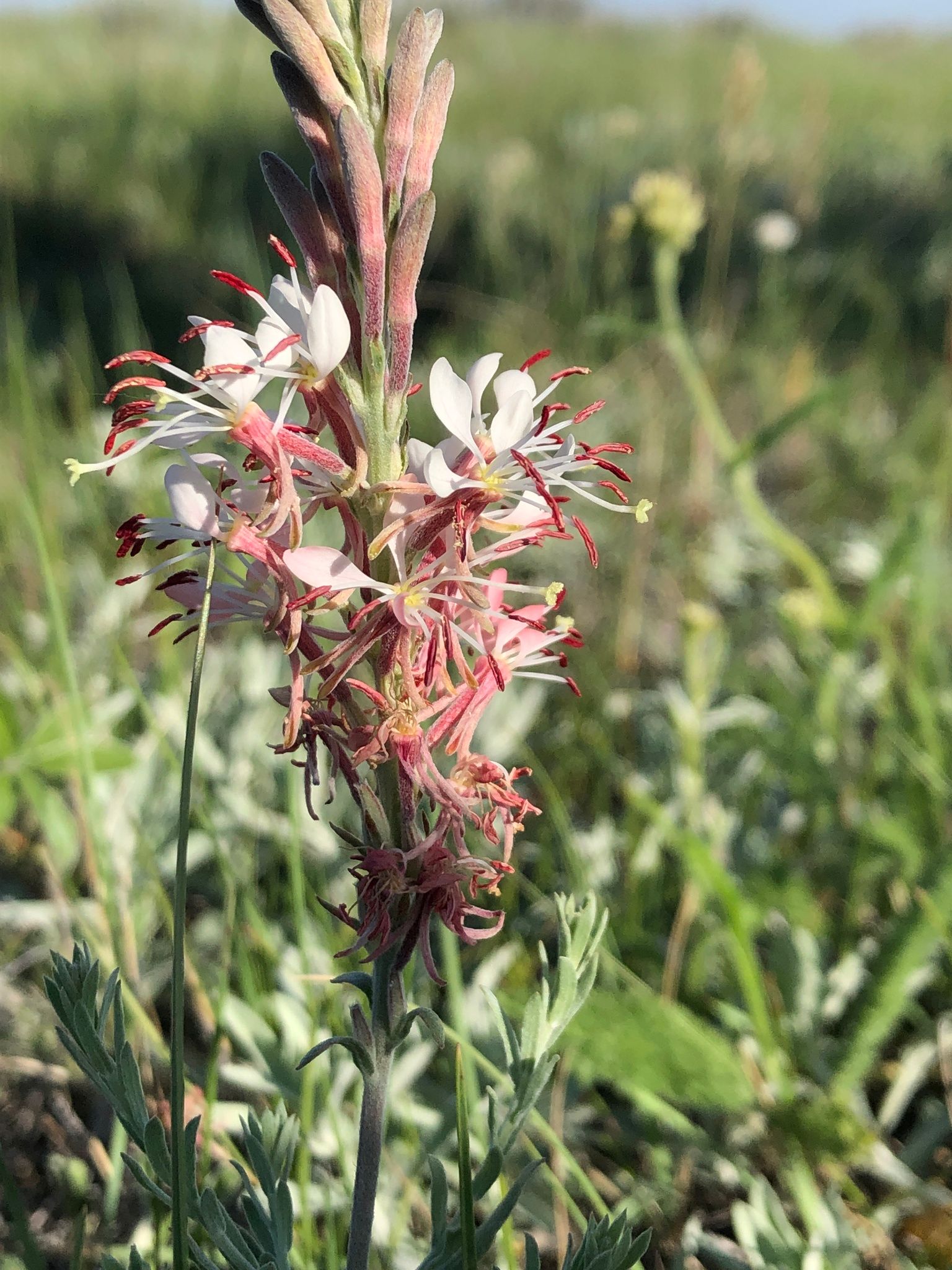
Beeblossoms (often called gaura) are a go-to plant when you want a long season of light, fluttery flowers without a heavy, bulky look. Their blooms open along tall stems over time, so the plant can keep producing fresh flowers through much of the warm season.
In a pollinator-friendly garden, beeblossoms work well as a “connector” plant—something that keeps a steady trickle of blooms available while other plants take turns being the main show. They also fit nicely into small spaces: a single plant in a large container can still add meaningful flower power.
For best results, prioritize sun and drainage. If the soil stays wet, the plant may struggle. Once established, beeblossoms generally do better with a lighter hand on watering. If you want a tidier look or more repeat blooming, a quick trim after a big flush of flowers can help.
If pests show up, avoid broad sprays that can harm helpful insects. Start with simple steps like rinsing pests off with water, removing heavily affected stems, and improving airflow by giving the plant a bit more space.
FAST FACTS
Essential stats and requirements for quick reference.
| Category | Details |
|---|---|
| Also known as | Gaura |
| Bloom window | Long-blooming through the warm season |
| Typical height | Medium to tall, with airy stems |
| Pollinators supported | Bees, Butterflies |
| Light & moisture | Sun; average to dry-ish soil once established |
| Best roles for pollinators | Sunny borders, pollinator patches, and containers where you want a light, airy look |
SUMMARY
A quick scan of what they do, what they need, and the best first step.
Beeblossoms provide a long run of small, nectar-friendly flowers that keep pollinators checking in.
Sun and well-drained soil, plus a little space so air can move through the stems.
Give them a sunny, well-drained spot and avoid overwatering.
IMPACT
Key Impacts
RECOGNITION
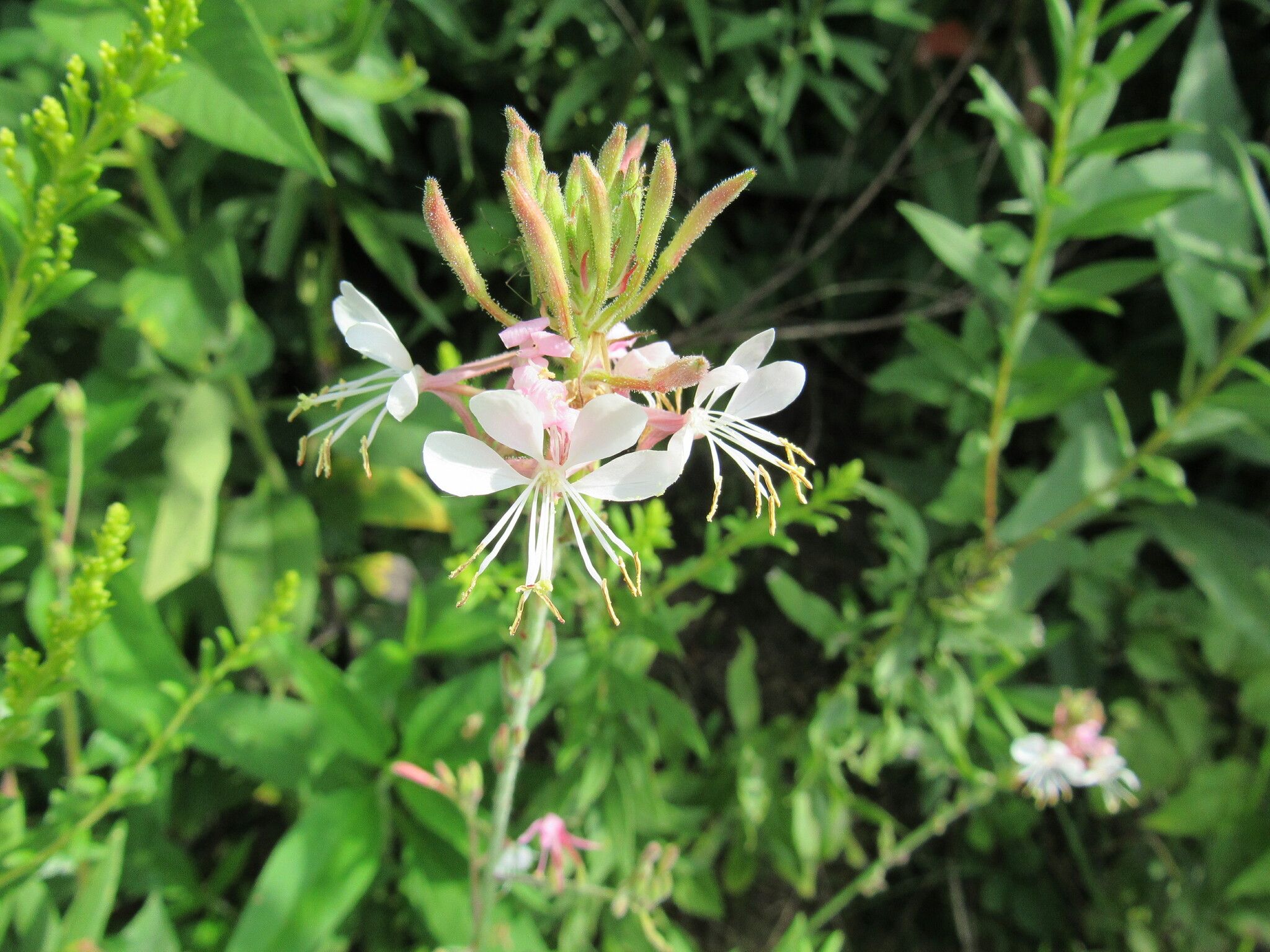
Leaves are generally narrow to medium and sit along the stems; overall the plant looks light and not densely leafy.
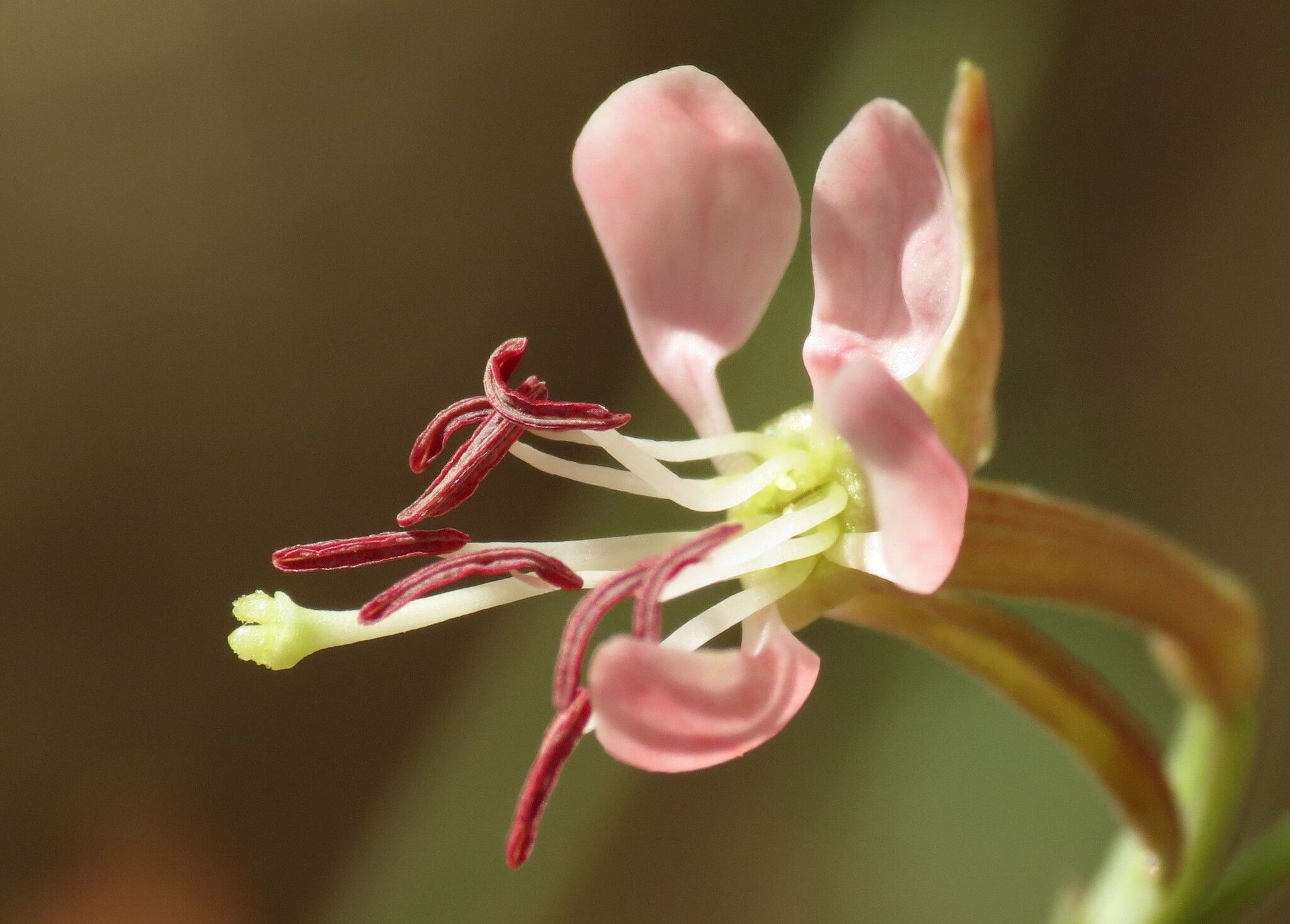
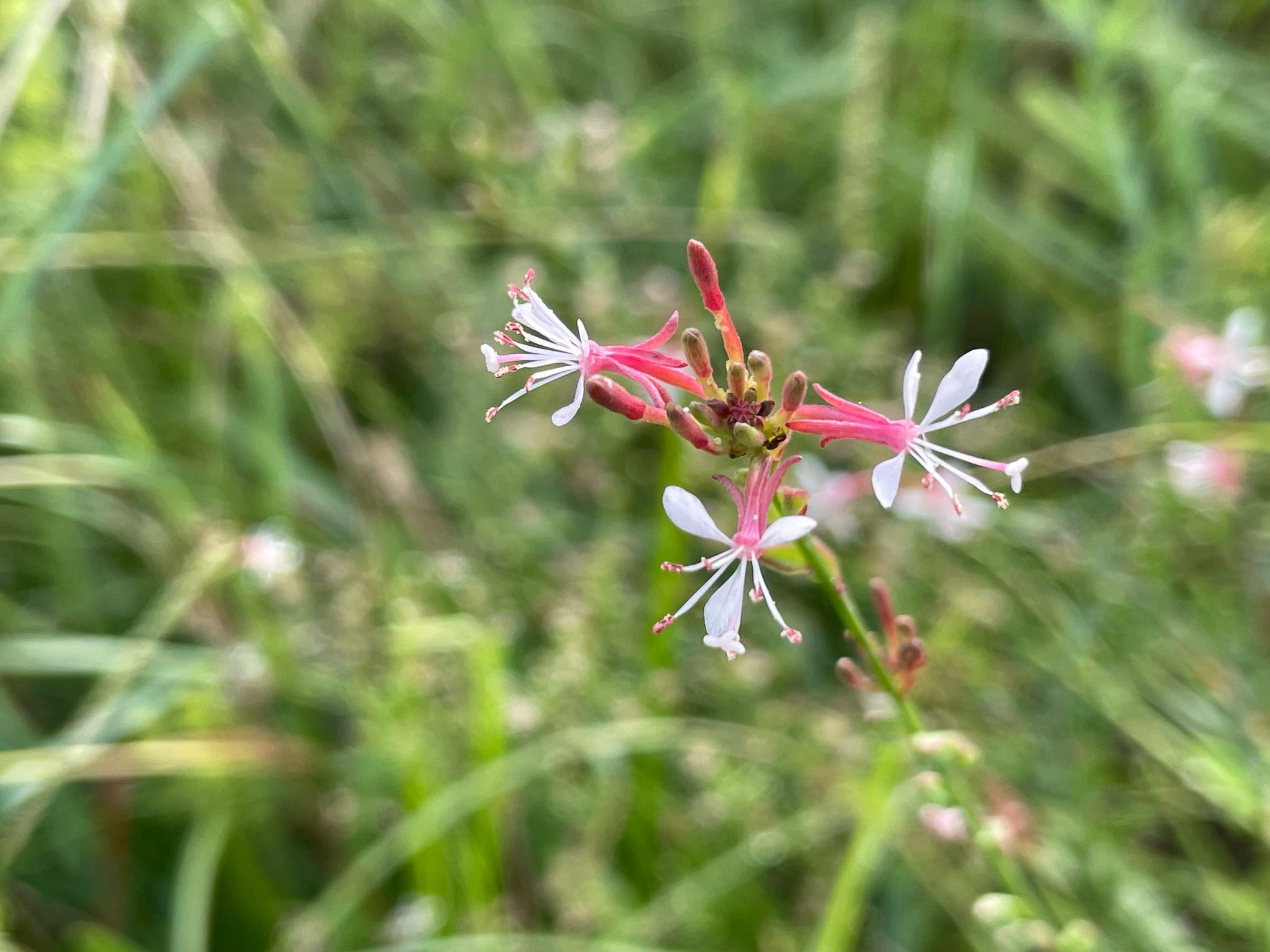
Small, four-petaled flowers spaced along tall stems; many buds open gradually over time.
After flowering, small seed structures may form along the stems.
LOCATION
Native environments and the best spots to place it in your landscape.
SEASONALITY
Notes on bloom windows and how this plant helps pollinators across the seasons.
Beeblossoms are valued for their long bloom window, with flowers opening in succession.
Bloom Season Role: A steady source of small blooms over a long stretch of the season
REQUIREMENTS
The right mix of sun, soil, and space for healthy growth.
Best in full sun; part sun can work but may reduce flowering and make stems lean.
Well-drained soil is key. If your soil stays wet, improve drainage or choose a raised spot.
Water to establish, then let the soil dry a bit between waterings. In containers, water when the top layer dries out.
Plant where it has room to sway without being smothered by heavier plants. Give it a little space for airflow.
Use a light mulch layer if needed, but keep mulch from piling against the crown to avoid staying too damp.
GARDENING GUIDE
Simple steps to plant, prune, and maintain healthy trees without pesticides.
Pairings
Pairing ideas to keep pollinators fed throughout the growing season.
GLOSSARY
Glossary terms are being added.
What You Can Do
Turn this knowledge into action. Whether you plant a single pot or a whole garden, you are building a vital bridge for local biodiversity.
Join the movement to restore our shared habitats.